预约演示
更新于:2025-12-07

Kansas City Kansas Community College
更新于:2025-12-07
概览
关联
100 项与 Kansas City Kansas Community College 相关的临床结果
登录后查看更多信息
0 项与 Kansas City Kansas Community College 相关的专利(医药)
登录后查看更多信息
14
项与 Kansas City Kansas Community College 相关的文献(医药)2025-04-01·iScience
Neonatal gut microbiota succession in mice mapped over time, site, injury and single immunoglobulin interleukin-1 related receptor genotype
Article
作者: Umar, Shahid ; Sampath, Venkatesh ; Xuan, Hao ; Yu, Wei ; Zhong, Cuncong ; Morowitz, Michael ; Ahmed, Ishfaq ; Rogers, Mathew Brian ; Attard, Mark Ivan
Microbial succession during postnatal gut development in mice is likely impacted by site of sampling, time, intestinal injury, and host genetics. We investigated this in wild-type and Sigirr transgenic mice that encode the p.Y168X mutation identified in a neonate with necrotizing enterocolitis (NEC). Temporal profiling of the ileal and colonic microbiome after birth to weaning revealed a clear pattern of progression from a less diverse, Proteobacteria/Escherichia_Shigella dominant community to a more diverse, Firmicutes/Bacteroidetes dominant community. Formula milk feeding, a risk factor for necrotizing enterocolitis, decreased Firmicutes and increased Proteobacteria leading to enrichment of bacterial genes denoting exaggerated glycolysis and increased production of acetate and lactate. Sigirr transgenic mice exhibited modest baseline differences in microbiota composition but exaggerated formula feeding-induced dysbiosis, mucosal inflammation, and villus injury. Postnatal intestinal microbiota succession in mice resembles human neonates and is shaped by developmental maturity, ileal vs. colonic sampling, formula feeding, and Sigirr genotype.
2023-06-12·Implementation science communications
Determinants of targeted cancer therapy use in community oncology practice: a qualitative study using the Theoretical Domains Framework and Rummler-Brache process mapping.
Article
作者: Ellerbeck, Edward F ; Birken, Sarah A ; Hilbig, Zachary S ; Brooks, Joanna Veazey ; Kinney, Anita Y ; Wulff-Burchfield, Elizabeth ; Ellis, Shellie D ; Morrow, Emily
BACKGROUND:
Precision medicine holds enormous potential to improve outcomes for cancer patients, offering improved rates of cancer control and quality of life. Not all patients who could benefit from targeted cancer therapy receive it, and some who may not benefit do receive targeted therapy. We sought to comprehensively identify determinants of targeted therapy use among community oncology programs, where most cancer patients receive their care.
METHODS:
Guided by the Theoretical Domains Framework, we conducted semi-structured interviews with 24 community cancer care providers and mapped targeted therapy delivery across 11 cancer care delivery teams using a Rummler-Brache diagram. Transcripts were coded to the framework using template analysis, and inductive coding was used to identify key behaviors. Coding was revised until a consensus was reached.
RESULTS:
Intention to deliver precision medicine was high across all participants interviewed, who also reported untenable knowledge demands. We identified distinctly different teams, processes, and determinants for (1) genomic test ordering and (2) delivery of targeted therapies. A key determinant of molecular testing was role alignment. The dominant expectation for oncologists to order and interpret genomic tests is at odds with their role as treatment decision-makers' and pathologists' typical role to stage tumors. Programs in which pathologists considered genomic test ordering as part of their staging responsibilities reported high and timely testing rates. Determinants of treatment delivery were contingent on resources and ability to offset delivery costs, which low- volume programs could not do. Rural programs faced additional treatment delivery challenges.
CONCLUSIONS:
We identified novel determinants of targeted therapy delivery that potentially could be addressed through role re-alignment. Standardized, pathology-initiated genomic testing may prove fruitful in ensuring patients eligible for targeted therapy are identified, even if the care they need cannot be delivered at small and rural sites which may have distinct challenges in treatment delivery. Incorporating behavior specification and Rummler-Brache process mapping with determinant analysis may extend its usefulness beyond the identification of the need for contextual adaptation.
2021-04-01·American journal of physiology. Gastrointestinal and liver physiology3区 · 医学
Dynamics of the preterm gut microbiome in health and disease
3区 · 医学
Review
作者: Sampath, Venkatesh ; Morowitz, Michael J. ; Cuna, Alain ; Ahmed, Ishfaq ; Umar, Shahid
Advances in metagenomics have allowed a detailed study of the gut microbiome, and its role in human health and disease. Infants born prematurely possess a fragile gut microbial ecosystem that is vulnerable to perturbation. Alterations in the developing gut microbiome in preterm infants are linked to life-threatening diseases such as necrotizing enterocolitis (NEC) and late-onset sepsis; and may impact future risk of asthma, atopy, obesity, and psychosocial disease. In this mini-review, we summarize recent literature on the origins and patterns of development of the preterm gut microbiome in the perinatal period. The host-microbiome-environmental factors that portend development of dysbiotic intestinal microbial patterns associated with NEC and sepsis are reviewed. Strategies to manipulate the microbiome and mitigate dysbiosis, including the use of probiotics and prebiotics will also be discussed. Finally, we explore the challenges and future directions of gut microbiome research in preterm infants.
100 项与 Kansas City Kansas Community College 相关的药物交易
登录后查看更多信息
100 项与 Kansas City Kansas Community College 相关的转化医学
登录后查看更多信息
组织架构
使用我们的机构树数据加速您的研究。
登录
或
管线布局
2026年02月08日管线快照
无数据报导
登录后保持更新
药物交易
使用我们的药物交易数据加速您的研究。
登录
或
转化医学
使用我们的转化医学数据加速您的研究。
登录
或
营收
使用 Synapse 探索超过 36 万个组织的财务状况。
登录
或
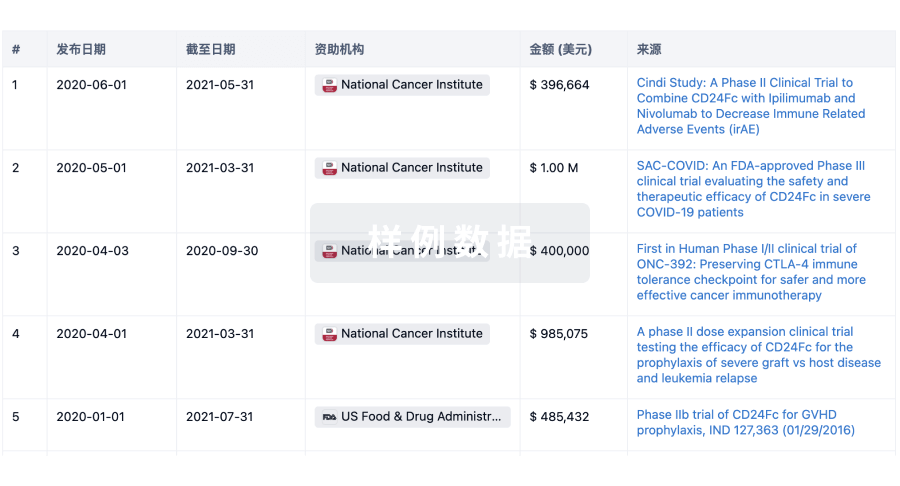
科研基金(NIH)
访问超过 200 万项资助和基金信息,以提升您的研究之旅。
登录
或
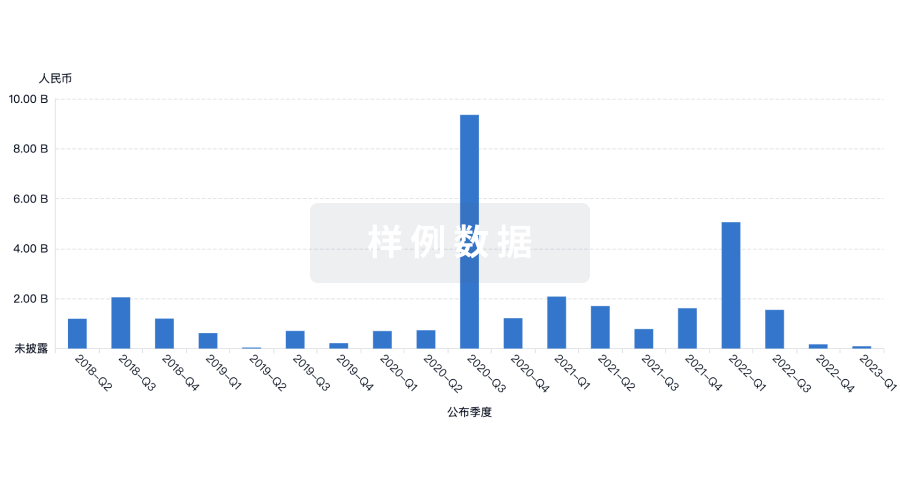
投资
深入了解从初创企业到成熟企业的最新公司投资动态。
登录
或
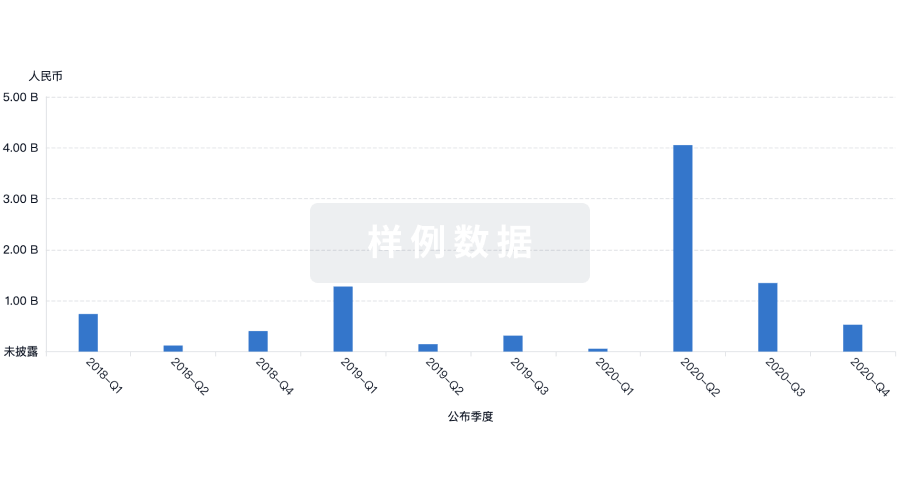
融资
发掘融资趋势以验证和推进您的投资机会。
登录
或
生物医药百科问答
全新生物医药AI Agent 覆盖科研全链路,让突破性发现快人一步
立即开始免费试用!
智慧芽新药情报库是智慧芽专为生命科学人士构建的基于AI的创新药情报平台,助您全方位提升您的研发与决策效率。
立即开始数据试用!
智慧芽新药库数据也通过智慧芽数据服务平台,以API或者数据包形式对外开放,助您更加充分利用智慧芽新药情报信息。
生物序列数据库
生物药研发创新
免费使用
化学结构数据库
小分子化药研发创新
免费使用