预约演示
更新于:2025-09-05
Ignis Therapeutics Ltd.
翼思生物|私营公司|2025|中国香港
翼思生物|私营公司|2025|中国香港
更新于:2025-09-05
概览
关联
100 项与 翼思生物 相关的临床结果
登录后查看更多信息
0 项与 翼思生物 相关的专利(医药)
登录后查看更多信息
4
项与 翼思生物 相关的文献(医药)2024-12-01·SLEEP MEDICINE REVIEWS
Excessive daytime sleepiness in obstructive sleep apnea: Indirect treatment comparison of wake-promoting agents in patients adherent/nonadherent to primary OSA therapy
Review
作者: Xiao, Yi ; Zhang, Weijia ; Wang, Yuxin ; Ye, Hui
There remains an unmet need for a targeted treatment to address residual excessive daytime sleepiness (EDS) in patients with obstructive sleep apnea (OSA) after primary treatment. This network meta-analysis evaluated the efficacy and safety of wake-promoting agents (WPAs), namely solriamfetol, pitolisant, modafinil, and armodafinil, for treating residual EDS in patients with OSA. We conducted a comprehensive search which ultimately included 18 studies in the final analysis. All 4 WPAs demonstrated significant therapeutic benefits for the Epworth sleepiness scale (ESS) and maintenance of wakefulness test (MWT). Based on the surface under the cumulative ranking curve (SUCRA) score, solriamfetol, pitolisant, modafinil and armodafinil were ranked from highest to lowest for the ESS. A similar ranking was observed for MWT, where pitolisant was not included in the analysis. The subgroup analysis also evaluated the efficacy of WPAs in the primary treatment adherent and nonadherent subgroups. Regarding adverse reactions, solriamfetol demonstrated the lowest risk of all-cause discontinuation, whereas pitolisant exhibited minimal risks of adverse events leading to treatment discontinuation and treatment-emergent adverse events. Our analysis comprehensively compared the effects and adverse reactions of different WPAs in treating residual EDS in treated patients with OSA. This has significant implications for the practical clinical use of WPAs and future research.
2024-12-01·Journal of Thoracic Disease
Prevalence of excessive daytime sleepiness (EDS) and its association with quality of life in patients with obstructive sleep apnea (OSA): data from a sleep-center in Shenzhen, a single-center cross-sectional study
Article
作者: Zhang, Weijia ; Ye, Hui ; Cheng, Hanrong ; Li, Dongcai ; Yang, Mengjiao ; Liu, Xiaoxia ; Li, Shirley Xin ; Tang, Yuming ; Mao, Zhihui
Background:
Excessive daytime sleepiness (EDS) is considered to be one of the main clinical manifestations of obstructive sleep apnea (OSA) and is a treatment target for patients with OSA. The prevalence of EDS in patients with OSA remains unclear and there is a lack of studies on the associations of EDS with quality of life among patients with OSA in China. This study aimed to evaluate the prevalence of EDS and its association with quality of life in patients with OSA in Shenzhen, China.
Methods:
The cross-sectional study included patients diagnosed with OSA [apnea-hypopnea index (AHI) ≥5] at Shenzhen People's Hospital in China between May 21, 2023 and November 30, 2023. Differences in demographics, comorbidities, treatment, functional outcomes, and quality of life (measured using electronic questionnaires) in patients with and without EDS [Epworth Sleepiness Scale (ESS) ≥ and <10] were evaluated, as well as the prevalence of EDS, and its correlation using correlation analysis and logistic regression models.
Results:
A total of 334 patients with OSA were included, 84.7% were male, with an average age of 38.1 years, and 31.14% had EDS. Patients with EDS in OSA had worse functional status [Functional Outcomes of Sleep Questionnaire Short Version (FOSQ-10) (P<0.001)], more work impairment {World Health Organization Quality of Life-Brief (WHOQOL-BREF) [physical domain (P<0.001); psychological domain (P=0.01); social domain (P=0.009)]}, poor quality of life and general health {Work Productivity and Activity Impairment Questionnaire: Specific Health Problem Questionnaire (WPAI:SHP) [absenteeism (P=0.001); presenteeism (P<0.001); work productivity impairment (P<0.001); activity impairment (P<0.001)]}, more severe anxiety and depression {Hospital Anxiety and Depression Scale (HADS) [anxiety (P=0.006); depression (P=0.004)]} and more driving impairment compared to OSA patients without EDS. Moreover, the impairments of quality of life were associated with EDS severity, just as severe EDS showed poor quality of life. Correlation analysis and Logistic regression model univariate analysis revealed that EDS was associated with poor mental and physical health {FOSQ-10 [odd ratio (OR): 0.90, P<0.001]; WHOQOL-BREF: physical domain (OR: 0.82, P<0.001); psychological domain (OR: 0.89, P=0.009); social domain (OR: 0.89, P=0.01). HADS: anxiety (OR: 1.11, P=0.006); depression (OR: 1.11, P=0.005)}, more work and activity impairment [WPAI:SHP: presenteeism (OR: 1.03, P<0.001); work productivity impairment (OR: 1.03, P<0.001); activity impairment (OR: 1.03, P<0.001)] and more driving impairment (all P≤0.01). The same results were shown after adjusting for demographics and comorbidities.
Conclusions:
This single-center cross-sectional study is the first to examine the impact of OSA-related EDS on the quality of life in patients from a sleep center in Shenzhen. The results of this study showed a high prevalence of EDS among patients with OSA, and EDS, especially severe EDS, was correlated with a worse quality of life, worse functional status, and more severe driving impairment. This study will contribute to a better understanding of the impact of pathological sleepiness on health and well-being and provide a scientific basis for public health policymaking.
2024-05-01·Seizure
Efficacy and safety of adjunctive cenobamate based on patient etiology: Post-hoc analysis of YKP3089C017 randomized clinical trial
Article
作者: Ye, Hui ; Wei, Wei ; Liu, Xiaorong ; Xu, Jie ; Liu, Yutong
INTRODUCTION:
Adjunctive cenobamate was effective and safe for the treatment of uncontrolled focal onset seizures in a randomized, double-blind, placebo-controlled, phase 2 study (YKP3089C017; NCT01866111). This post-hoc analysis assessed the efficacy of adjunctive cenobamate in the treatment of patients with different epileptic etiologies during the study.
METHODS:
Adult patients with uncontrolled focal seizures who previously received 1 to 3 antiseizure medications (ASMs) were randomly assigned in a ratio of 1:1:1:1 to receive placebo or cenobamate 100, 200 or 400 mg/day. Patients were further stratified based on their etiologic causes as genetic/presumed genetic, unknown cause, structural cause, and not reported (NR) groups. The frequency per 28 days for an 18-week double-blind treatment period, responder rates (≥50 %, ≥75 %, ≥90 %, and 100 %) during the maintenance phase (12 weeks), and safety were assessed.
RESULTS:
A total of 394 patients were categorized into the genetic/presumed genetic (n = 9; 2.28 %), unknown cause (n = 199; 50.51 %), structural cause (n = 177; 44.92 %), and NR (n = 13; 3.30 %) groups, with 4 patients were classified into either of the two etiological causes each. The baseline characteristics were comparable. The percentage of reduction in seizure frequency per 28 days was significantly higher in the cenobamate-treated structural (p = 0.01) and unknown cause (p = 0.0003) groups compared with the placebo group. Responder rates of ≥50 %, ≥75 %, ≥90 %, and 100 % were also higher with cenobamate therapy. Notably, no serious treatment-emergent adverse events (TEAEs) were observed in the genetic/presumed genetic group treated with cenobamate. The most common TEAEs (≥10 %) occurring in patients treated with cenobamate were nervous system disorders by system organ class, and somnolence was the most commonly reported TEAE.
CONCLUSION:
Cenobamate reduces seizures in adult patients previously treated with ASMs, with high responder rates and acceptable safety, regardless of underlying causes.
100 项与 翼思生物 相关的药物交易
登录后查看更多信息
100 项与 翼思生物 相关的转化医学
登录后查看更多信息
组织架构
使用我们的机构树数据加速您的研究。
登录
或
管线布局
2026年09月25日管线快照
无数据报导
登录后保持更新
药物交易
使用我们的药物交易数据加速您的研究。
登录
或
转化医学
使用我们的转化医学数据加速您的研究。
登录
或
营收
使用 Synapse 探索超过 36 万个组织的财务状况。
登录
或
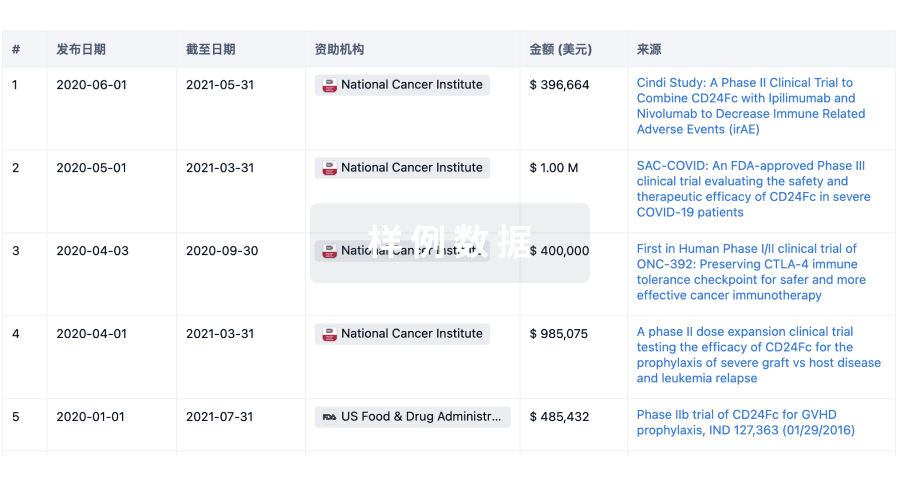
科研基金(NIH)
访问超过 200 万项资助和基金信息,以提升您的研究之旅。
登录
或
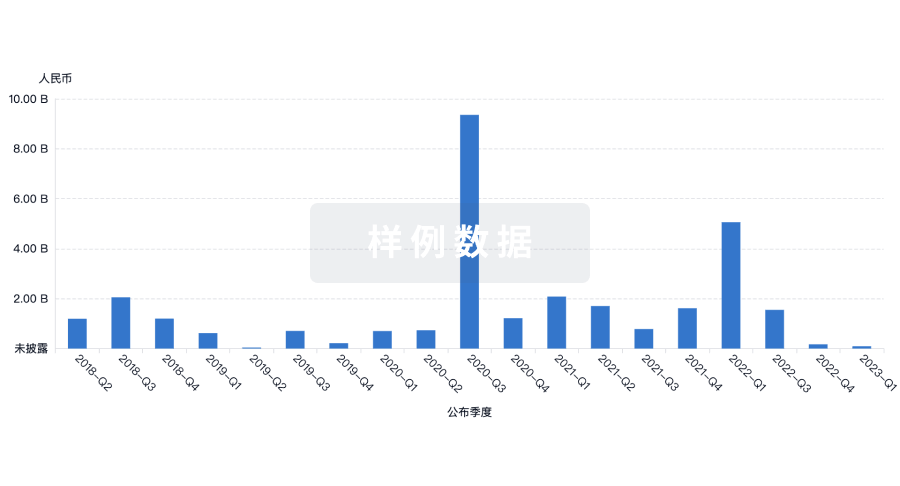
投资
深入了解从初创企业到成熟企业的最新公司投资动态。
登录
或
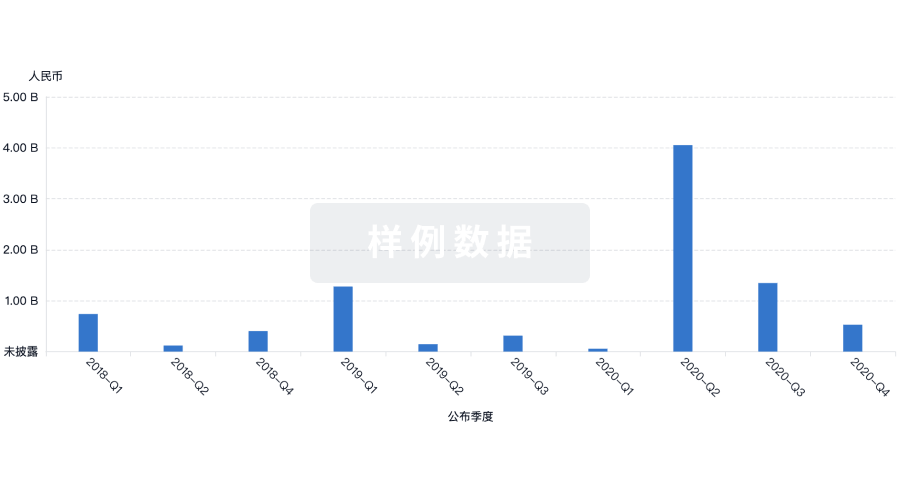
融资
发掘融资趋势以验证和推进您的投资机会。
登录
或
提出任何生物医药研究问题
让每一步生物医药决策都精准制胜
基于十亿级生物数据与全球情报的精准 AI,赋能早期药物发现
立即开始免费试用!
智慧芽新药情报库是智慧芽专为生命科学人士构建的基于AI的创新药情报平台,助您全方位提升您的研发与决策效率。
立即接入生物医药数据包
智慧芽新药库数据也通过智慧芽开放平台,以MCP或API服务形式对外开放。立即使用我们的MCP服务定制您的LLM智能体。
生物序列数据库
生物药研发创新
免费使用
化学结构数据库
小分子化药研发创新
免费使用