预约演示
更新于:2025-05-07

New Gold, Inc.
更新于:2025-05-07
概览
关联
100 项与 New Gold, Inc. 相关的临床结果
登录后查看更多信息
0 项与 New Gold, Inc. 相关的专利(医药)
登录后查看更多信息
5
项与 New Gold, Inc. 相关的文献(医药)2024-07-02·CIM Journal
New Afton Mine diesel and battery electric load-haul-dump vehicle field test: Heat and dust contribution study
作者: Acuña-Duhart, E. ; Le, P. ; Levesque, M. ; Le, J.
2024-06-23·58th U.S. Rock Mechanics/Geomechanics Symposium
New Afton Convergence Monitoring and Rehabilitation Planning in the B3 Footprint
作者: Owre, S. ; Kamp, C. ; Tilley, E.
2018-07-03·Mining Technology
Cave fragmentation in a cave-to-mill context at the New Afton mine Part II: implications to mill performance
作者: Elmo, Davide ; Klein, Bern ; Hart, Craig J. R. ; O‘Hara, Christopher ; Nadolski, Stefan
2
项与 New Gold, Inc. 相关的新闻(医药)2022-07-22
·动脉网
出海东南亚,无疑是今年医疗创投圈里最热的话题。
几乎在每场医疗创新活动上,聪明的主办方都会开设分析东南亚投资机会的话题,引发热切讨论。大家举目四望,这些邻近的小国,确乎可以为眼下医疗创新的许多困境提供解题思路。与此同时,东南亚科技独角兽们在资本市场上亮眼的表现,也让这个新兴市场显得活力十足。
但医疗行业毕竟特殊,真实的东南亚医疗创新到底是怎样的?这些增量的需求是否给医疗风投带来了高回报的投资机会?我们试着从实践者那里找答案。
出海桥头堡
尽管布局出海东南亚的医疗创新企业数量增长势头明显,但大多数却以试探为主,出海东南亚仍处于极早期的模式探索阶段。
现阶段,出海东南亚的主要医疗创新力量可以大体为几大类。
其中,最早感受到变化的,是在东南亚提供药企服务的团队,也就是通常所说的跨境CRO。在新冠疫情和创新药企扎堆研发热门靶点的压力之下,国内药企纷纷通过海外临床试验来实现弯道超车,目的地除了门槛更高的欧美,便是市场更广的东南亚。
2020年以前,国内一家跨境医疗提供商康安途一直在东南亚提供C端服务,而2021年开始,他们加大了B端业务投入。这一年,康安途帮助国内创新药企斯微生物完成了在老挝开展新冠mRNA疫苗临床试验的申报,由此打开了新世界的大门。
此后的1年间,康安途陆续接到国内药企的CRO服务需求,主要是推动在东南亚开展临床试验的相关注册落地。“最近1年的营收增长速度很快。”康安途创始人杨晨说,为了承接这部分增量业务,公司还陆续在老挝构建了GMP、GCP、GLP工厂和非人灵长类实验动物养殖基地,“目前在东南亚,有完整资质的CRO公司不多。”
不过,对于国内药企而言,布局东南亚只是是迫在眉睫的尝试,而不是战略性转移,他们更多是通过本地化团队的资源,做一些浅尝辄止的合规申报。
服务斯微生物以后,康安途帮助国内另一家创新疫苗厂商拿下了在老挝的临床试验伦理批件,但后者因为提前启动在其他东南亚国家的临床试验而放弃老挝,后来由于这些临床试验进展不顺利,又重新考虑老挝的机会。
此外,康安途帮助甘李药业推进在老挝的胰岛素临床试验注册,但由于国内率先获批而搁置,但治疗新冠肺纤维化后遗症的甘草酸批件已经拿下,临床试验正在推进中。“不过,绿叶派诺通过我们,拿下了一系列新冠假病毒颗粒疫苗临床试验的批件,目前I期临床试验快要结束了。”杨晨告诉动脉网。此外,重庆美莱德、康华生物、国药中生、歌礼药业等,都在尝试与康安途一起探索推进一些创新药、老药新用适应症的临床试验。
“创新药企主动出海东南亚的目的非常明确,就是更多地开展注册临床试验。”杨晨表示,他们的技术很新颖,产品研发又要与大量同行拼效率,如果一头扎进国内的研发红海,短时间内很难有所产出,“东南亚市场提供了新的可能,但大家都还在尝试。”
据了解,除了康安途这样的初创团队,泰格医药也已经着手布局东南亚市场。
第二类出海东南亚的团队,是本身的技术基因中,就有服务于全球市场的需求。在国内,基于前沿技术提供药企、临床服务和产品一度成为生命科学风险投资的热门赛道,催生出一大批医疗创新企业。这些企业的市场门槛较高,仅仅依靠国内市场的订单,很难支撑起业务的快速发展,他们有走出去的内生动力。
2022年初,国内单细胞测序产品明星企业新格元并购了一家新加坡单细胞CRO企业Proteona,加快了在东南亚的业务布局和促进自主开发的产品在国际药企项目中的应用。而在此之前,从2021年开始,新格元就陆续出海,自建团队在欧洲的十余个国家开展业务,主动拥抱全球市场。
新格元创始人方南告诉动脉网,在尝试理解药企需求的过程中,她发现,新加坡正在成为跨国药企临床研究和临床试验的聚集地。
通常,面向全球市场的跨国药企研发新药时,在全球多中心去做临床研究和注册试验,由此产生遍布世界各地的患者样本。这些样本往往需要汇集到CRO的中心实验室进行处理。在新加坡,生物样本出入境管理相对灵活,并且有成熟高效的物流系统,为跨国药企选择将患者样本送往新加坡积极创造条件。
方南坦言,选择并购这支新加坡团队,颇有些偶然。同在单细胞测序领域,两家公司的创始人彼此相熟,后者主要面向药企提供基于单细胞测序技术的外包服务,能够在一定程度上与新格元的单细胞产品互补。尽管国内客户仍然占比大多数,在新加坡,新格元得以与全球TOP10的跨国药企合作。“我们的产品,服务的应该是全球市场。”方南强调。
而在拓展市场边界的过程中,方南其实更倾向于自建团队的方式。“新格元不会刻意通过收购去发展。”她强调。这个新加坡团队本身,也是全球化的背景,创始团队来自新加坡、美国、德国等多个国家。
被并购前,Proteona并没有形成专业化的分工,主要的商业化资产就实验室和生信团队和创始人的药企合作资源。在市场和销售方面没有成型的团队。“我分析过很多并购案例,如果只是为了市场销售团队而做并购,其实价值不大。”每个公司有不同的文化和打法,敲定新加坡公司并购交易前,有欧洲的CRO公司参与竞争,新格元得以拿下,在很大程度上,是基于双方对单细胞测序在药物开放中的作用的共同理解和愿景。
谈及整个东南亚市场的单细胞测序需求,方南表示,尽管在现阶段还很难预估在东南亚其他国家的商业化单细胞测序服务需求,“我们仍希望以新加坡为支点,去辐射整个东南亚及澳大利亚市场。”
第三类出海东南亚的团队,是帮助国内医疗创新企业打市场时间差的跨境贸易机构。
New Energy Way(NEW)是一家从事中国新能源与医疗出海业务的机构,合伙人陈歆怡说,相比眼下大热的新能源车、锂电池等,医疗更偏零售,在东南亚市场的快速落地性更好。“国内的Airdoc、海正动保、正丽等都在通过经销商渠道进入东南亚市场。”陈歆怡表示,NEW正是这些品牌在泰国的特许授权经销商,“代理的模式有很多种,包括独家或非独家经销权、代工合作等。”
目前,通过代理渠道进入东南亚的医疗产品主要有两类,即填补东南亚临床空白的产品,如疫苗等,和满足东南亚患者医疗消费升级需求的创新产品,如眼底AI、隐形正畸等。
陈歆怡告诉说,前者在推动的过程中很容易获得本地资源的支持,但国内产品往往不具备市场竞争优势。此前,陈歆怡团队花了很多精力,尝试在东南亚落地动物疫苗厂。当时的考量是,在东南亚并没有本土化的动物疫苗厂,团队打算整合在东南亚卫生监管体系的资源,去覆盖这个市场。他们花了很多时间在国内筛选技术团队。就在投产前,他们发现,由于辉瑞等跨国药企在东南亚投放的动物疫苗成本被压到很低,形成了较高的市场壁垒,造成短期内回本困难,而迟疑观望。
后者则面临更高的前期推广风险。在传统产品选择中,东南亚人更偏爱日本、美国品牌,对国内品牌则更看重性价比。对于新兴的产品,他们则会偏爱高性价比的国内品牌。但并不是所有的国内品牌都有出海意愿。“主要是第二梯队品牌表现相对积极,”陈歆怡表示,“如果创始团队本人的认知很国际化,则比较愿意在这个时点去开拓东南亚市场,反之则不一定,毕竟这部分业务需要熟悉海外监管和市场业务的人员来负责。”
陈歆怡看来,当下并不是财务型投资机构布局东南亚最好的时机,“在中国有竞争力的医疗产品也需要海外本土化团队申请海外FDA以及铺垫本土化市场渠道,”陈歆怡指出,“如果没有团队去执行销售落地,品牌影响力和市场数据很难做起来。
沸腾的东南亚
不可否认的是,东南亚的医疗创新生态,已然发生了巨大变化。
首先是国内外创新医药大厂纷纷落子新加坡,这势必将带动一波创新和投资。实际上,作为早期的“亚洲四小龙”之一,新加坡一直是跨国企业进军亚洲市场时,首选的总部所在地,只不过生物科技类公司的脚步比传统制造业、互联网新经济体稍慢一点。
去年以来,BioNTech、Moderna等全球mRNA疫苗巨头相继投资新加坡。其中,Moderna将新加坡作为进军亚洲的首站,后续还计划在马来西亚、中国台湾、中国香港开设子公司,而BioNTech则明确新加坡总部的功能是供应全球,和应对东南亚的流行病。
此外,金斯瑞2月启动建造位于新加坡的自动化蛋白质和基因制备服务,赛诺菲4月动工开建位于新加坡的首个亚洲疫苗生产中心,意在服务亚洲市场未来的流行病需求。此时的新加坡,俨然成为全球医疗产业投资的热土,而这片仅有数百万人口的土地,显然只是他们辐射整个东南亚的桥头堡。
其次是嗅觉最敏锐的风投们,对东南亚创新投资正热情高涨。
过去1年间,东南亚版滴滴Grab、印尼版淘宝GoTo相继IPO,首发市值分别高达345亿美元和280亿美元,背后的红杉、高瓴、软银、鼎晖等一大批风险投资机构饱尝投资东南亚的高回报,也加快了寻觅新标的的脚步。
比如,红杉和软银携手参与新加坡数字疗法企业Biofourmis的1亿美元C轮融资,而淡马锡则是印度尼西亚互联网医疗平台Halodoc的8000万美元C轮融资投资人,比淡马锡稍早注资这家企业的,还有中国的CRO龙头药明康德。
无论从资金、人才,还是医疗现状的角度看,东南亚很多国家与十余年前国内的境况十分接近,资产和资本的涌入,不外乎希望复刻一次辉煌。
等风来
即便如此,真正出手东南亚创新医疗项目的国内投资机构却不多。据动脉网不完全统计,自2019年以来,发生在东南亚的医疗投融资中,涉及国内机构的事件不超过10起,并且主要集中在经济发达程度颇高的新加坡。
究其原因,现阶段的东南亚市场,更多的是国内医疗产品供应商或者品牌制造商,在跑马圈地,而属于风投的机会则在产品、技术本地化催生的商业模式变革之中。
“对于诞生于国内的医疗品牌而言,如果单纯依靠投资,其实很难去抢占泰国、菲律宾这类主要的东南亚市场。”一位投资人分析,“这其中肯定会涉及产品的二次研发。”在他看来,如果直接在境外布局产品开发团队,投入周期长,并且风险大,从而大多数企业会选择在境内主体之外,通过引入天使投资人和本地化的技术团队,来完成早期的产品转化。
国内项目如果出海的话,最重要的是当地的支撑团队和渠道。如果靠自己去打造,可能会因为文化障碍造成水土不服,最好是投资现有的平台。为了让创始团队有动力推进,可以用股权激励。而这个平台如果做得不好,可以快速剥离。
从这个意义上讲,现阶段的东南亚医疗风投,还没有等来合适的风口。因为只有当这个国内医疗创新力量向东南亚转移的过程逐渐形成规模,资本的力量、国内的技术和产品与当地的专业团队频繁互动,尝试共同搭建新的平台在东南亚做落地,才能形成足够大的商业化市场和丰富的投资机会。
“东南亚与国内10~20年前的情形很像,外资往往会在国内合资建厂,再通过一系列资本运作,把市场做大,逻辑都是一样的。”这位投资人表示,“但东南亚市场的难点在于,任何单一国家的医疗创新市场体量都不大,必须要找到一种创新的商业模式,可以高效覆盖到整个东南亚各国,这需要很多人共同努力。”
诚然,当前并不是医疗风投围猎东南亚最好的窗口期,却是国内医疗创新企业拓展市场边界、扩大品牌影响力的关键机遇期,如何把机会变成红利,无疑还需要更多创新的尝试。
内容来源于网络,如有侵权,请联系删除。
并购合作融资
2021-06-03
VANCOUVER, British Columbia, June 03, 2021 (GLOBE NEWSWIRE) -- VALOREM RESOURCES INC. (the “Company” or “Valorem”) (CSE: VALU) (Frankfurt: 1XW1) is pleased to report that it has submitted the application for approval of diamond drilling on its Wings Shear gold property, located in the Gander Newfoundland exploration district, and 35 km east of Newfound Gold Corp.’s Queensway project.
Highlights
The Wings Shear Property comprises 280 claim units covering 7000 hectares. The property covers a 1 km zone of enhanced gold potential, located 32 km northeast of the town of Gander, Newfoundland and Labrador and approximately 27 km east of Newfound Gold Inc.’s Queensway Project. This feature is shear-zone hosted (the Wing’s Pond Shear Zone) and previous sampling is reported with assays up to 12.2 g/t Au from grab samples. There has been no previous drilling in this area.
A photo accompanying this announcement is available at
Qualified Person:
Dr. Stephen Amor, PhD, P. Geo., technical advisor to the Company, is the Qualified Person as defined by National Instrument 43-101 who has reviewed and approved the technical data in this news release.
Tony Louie, Interim CEO and Director
Mr. Tony Louie, CEO of the Company commented, “Newfoundland is experiencing a modern day gold rush and is a top-ranked exploration and mining jurisdiction. We are excited to be progressing our Wings Shear Project in the Gander Gold camp and are encouraged by the recent discoveries in the area.”
About Valorem Resources Inc.
Valorem explores and develops precious metal properties in the Americas.
For further details and maps, please see:
ON BEHALF OF THE BOARD - Valorem Resources Inc.
Tony Louie, Interim CEO and Director
Email: info@valoremresources.com
This news release includes certain statements that may be deemed “forward-looking statements”. All statements in this release, other than statements of historical facts, including the likelihood of commercial mining and possible future financings are forward-looking statements. Although the Company believes the expectations expressed in such forward-looking statements are based on reasonable assumptions, such statements are not guarantees of future performance and actual results or developments may differ materially from those in the forward-looking statements. Factors that could cause actual results to differ materially from those in forward-looking statements include unsuccessful exploration results, changes in metals prices, changes in the availability of funding for mineral exploration, unanticipated changes in key management personnel and general economic conditions. Mining is an inherently risky business. Accordingly, the actual events may differ materially from those projected in the forward-looking statements. For more information on the Company and the risks and challenges of its business, investors should review the Company's annual filings which are available at .
100 项与 New Gold, Inc. 相关的药物交易
登录后查看更多信息
100 项与 New Gold, Inc. 相关的转化医学
登录后查看更多信息
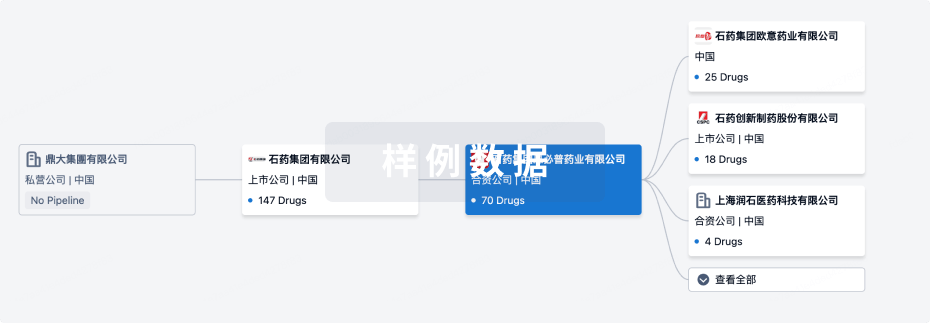
组织架构
使用我们的机构树数据加速您的研究。
登录
或
管线布局
2026年02月09日管线快照
无数据报导
登录后保持更新
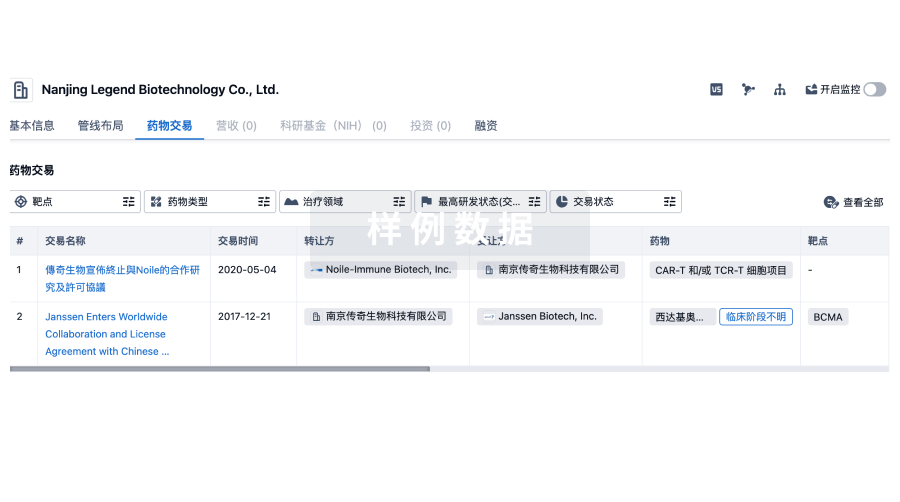
药物交易
使用我们的药物交易数据加速您的研究。
登录
或
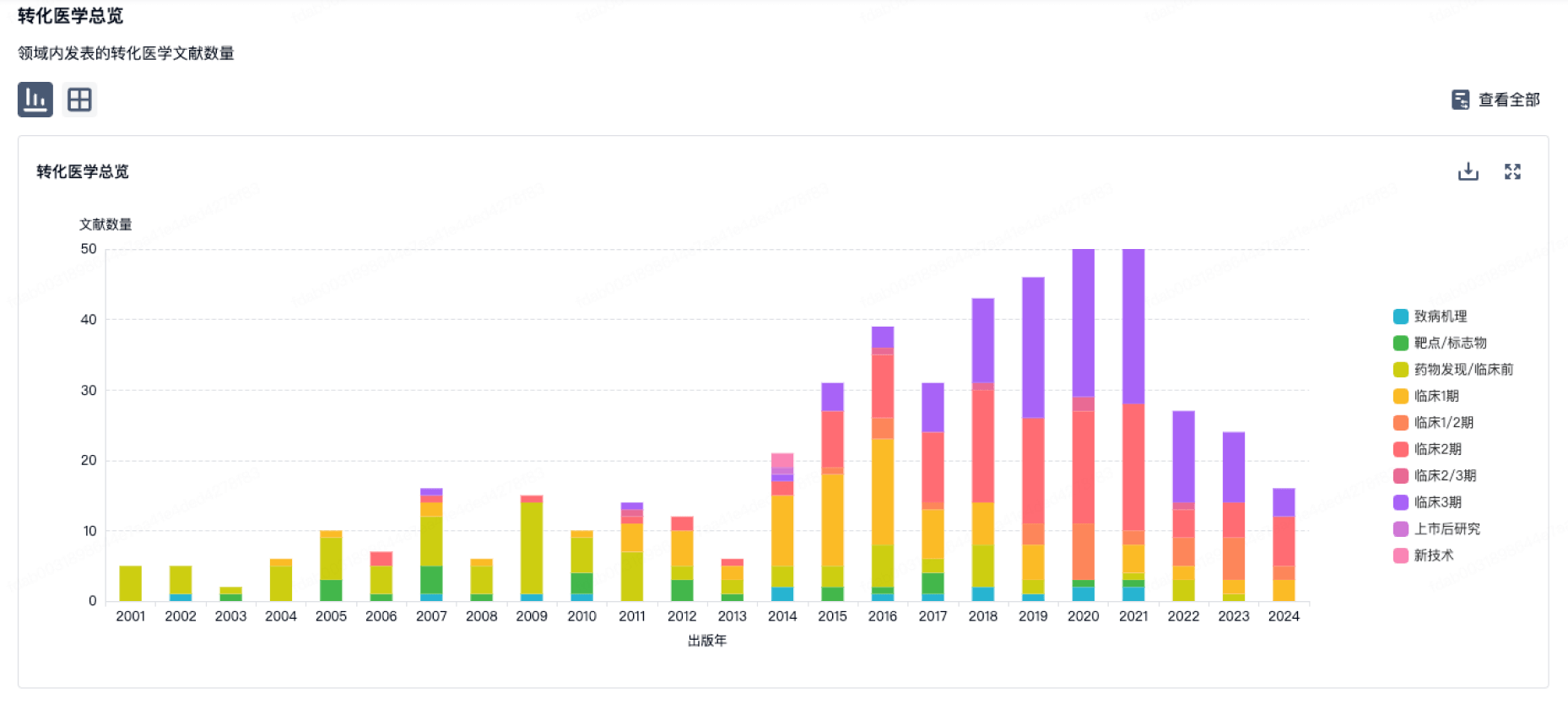
转化医学
使用我们的转化医学数据加速您的研究。
登录
或
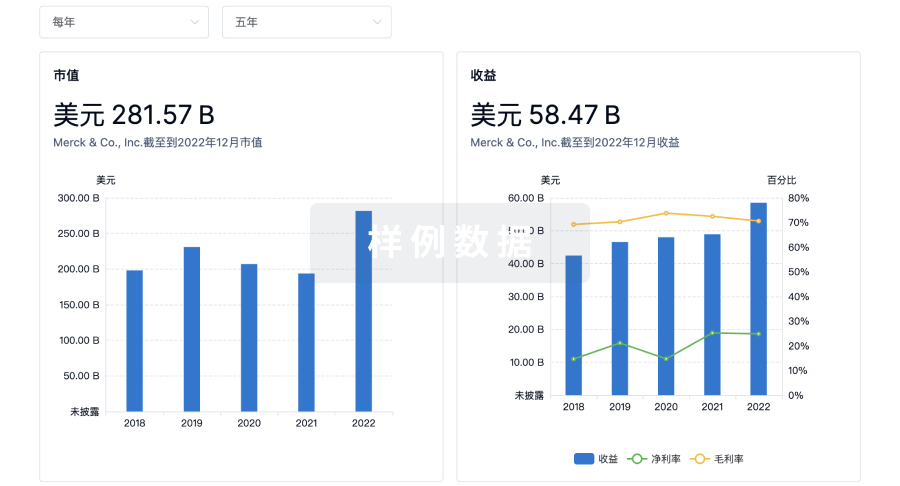
营收
使用 Synapse 探索超过 36 万个组织的财务状况。
登录
或
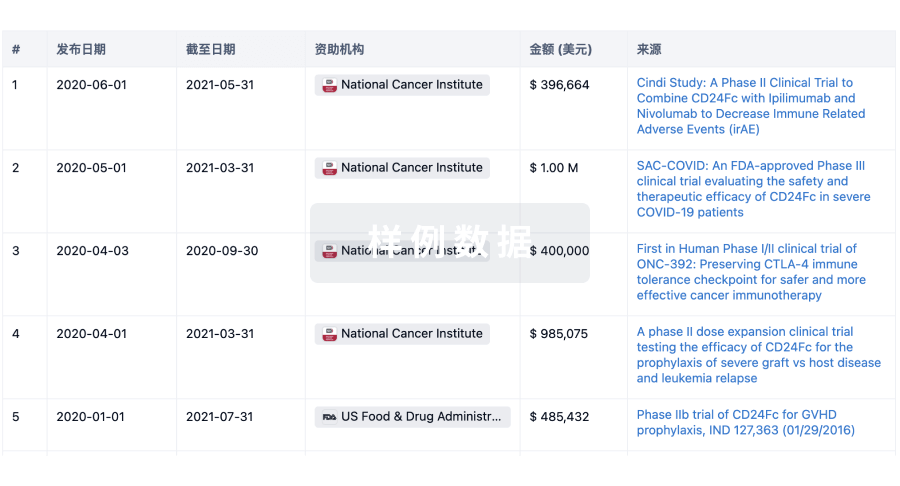
科研基金(NIH)
访问超过 200 万项资助和基金信息,以提升您的研究之旅。
登录
或
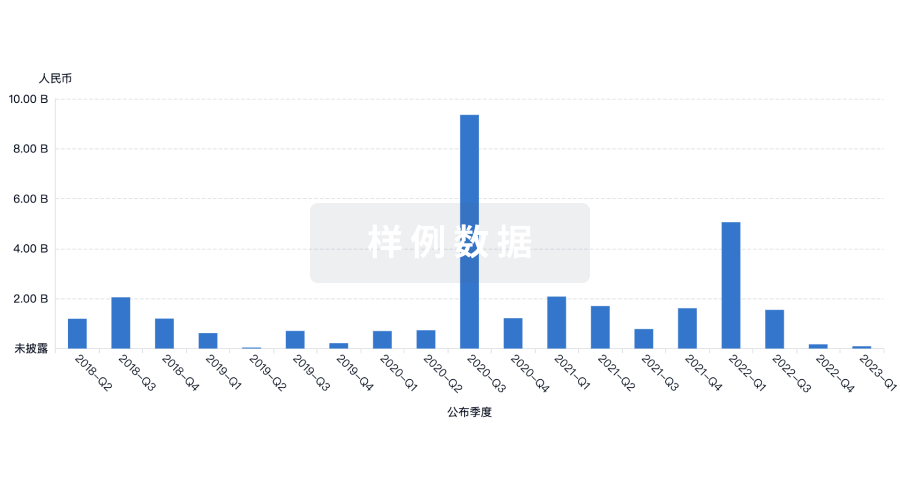
投资
深入了解从初创企业到成熟企业的最新公司投资动态。
登录
或
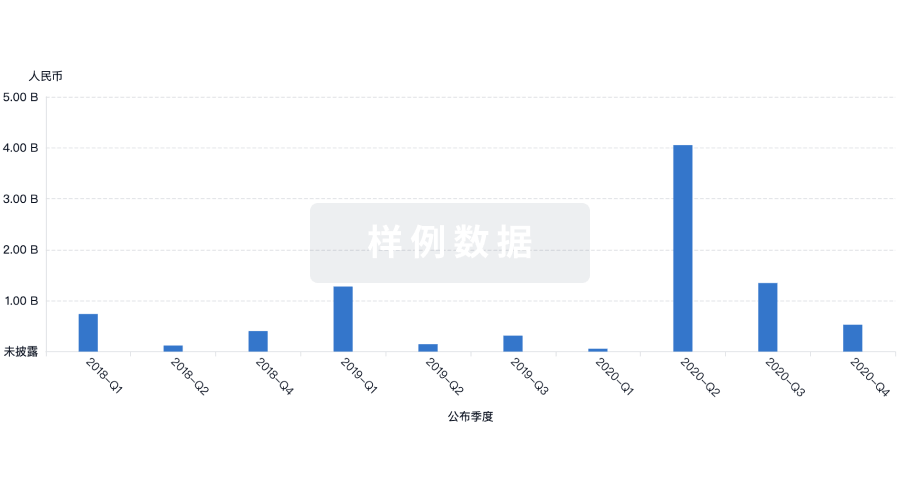
融资
发掘融资趋势以验证和推进您的投资机会。
登录
或
生物医药百科问答
全新生物医药AI Agent 覆盖科研全链路,让突破性发现快人一步
立即开始免费试用!
智慧芽新药情报库是智慧芽专为生命科学人士构建的基于AI的创新药情报平台,助您全方位提升您的研发与决策效率。
立即开始数据试用!
智慧芽新药库数据也通过智慧芽数据服务平台,以API或者数据包形式对外开放,助您更加充分利用智慧芽新药情报信息。
生物序列数据库
生物药研发创新
免费使用
化学结构数据库
小分子化药研发创新
免费使用