预约演示
更新于:2026-05-12

Aetna, Inc.
更新于:2026-05-12
概览
关联
NCT03849144
The Effect of a Therapy Dog Activity on Employees' Stress, Mood, and Job Satisfaction and Commitment

NCT03259373
IMplementation of a Randomized Controlled Trial (RCT) to imProve Treatment With Oral AntiCoagulanTs in Patients With Atrial Fibrillation

NCT02788539
Reducing Disparities in the Treatment of Chronic Pain Using an Innovative mHealth Tool

100 项与 Aetna, Inc. 相关的临床结果
登录后查看更多信息
登录后查看更多信息
2024-07-01European Journal of Obstetrics & Gynecology and Reproductive Biology
Surgical evacuation with intraoperative ultrasound (SEE U): A randomised controlled trial
Article
作者: Clark, T Justin ; Devall, Adam J ; Middleton, Lee ; Smith, Paul P ; Cheed, Versha ; Izzat, Feras
OBJECTIVES:
To test whether intraoperative ultrasound can reduce the incidence of early and late complications following surgical removal of products of conception.
DESIGN:
This was a prospective, multicentre, randomised, open clinical trial to assess feasibility. It was performed in two University Teaching hospitals in the West Midlands, England. The population consisted of women aged 16 years or over who were referred for surgical management of miscarriage. Patients were randomised to surgical management of miscarriage with either continuous intraoperative ultrasound or without intraoperative ultrasound. Process outcomes included the proportion of eligible women screened and proportion of eligible women randomised, attrition rates, evaluation of outcome measurement tools and acceptability. The primary clinical outcome was a composite outcome of unsuccessful procedure or a complication.
RESULTS:
Fifty-nine women requiring surgical management of miscarriage were randomised. The conversion rate for entry into the trial was 59/79(75 %; 95 %CI = 64-84 %). The composite clinical outcome was attained in 5/27(19 %) patients who had surgery without ultrasound and 7/28(25 %) patients who had surgery with ultrasound (RR = 0.74;95 %CI = 0.26, 2.10). When we excluded the patients that could not attend their hysteroscopy appointment, due to COVID-19 pandemic, 5/27(19 %) of patients who had surgery without ultrasound and 5/25(20 %) of patients who had surgery with ultrasound attained the composite clinical outcome (RR = 0.93;95 %CI = 0.30, 2.90).
CONCLUSIONS:
This multicentre pilot study showed that a large RCT comparing surgical management of miscarriage with and without intraoperative ultrasound is feasible.
2024-01-01The European respiratory journal
Reply: Cognitive behavioural therapy sessions approach ineffective for anxiety and depression in COPD: is the door closed for good?
Letter
作者: White, Patrick ; Underwood, Martin ; Marshall, Karen ; Steed, Liz ; Pinnock, Hilary ; Sohanpal, Ratna ; Kelly, Moira J ; Taylor, Stephanie J C
Tweetable abstract
Our trial does not support using a CBA approach to alleviate mild/moderate anxiety and/or depression in people with moderate/severe COPD. New approaches are needed to relieve the substantial mental health burden in these patients with complex needs.https://bit.ly/3TkkDt32023-11-01The European respiratory journal
Tailored psychological intervention for anxiety or depression in COPD (TANDEM): a randomised controlled trial
Article
作者: Rajasekaran, Arvind ; Kelly, Moira J ; White, Patrick ; Chan, Claire ; Steed, Liz ; Marshall, Karen ; Hooper, Richard ; Smuk, Melanie ; Waseem, Sarah ; Font-Gilabert, Paulino ; Sohanpal, Ratna ; Yaziji, Nahel ; Wileman, Vari ; Taylor, Stephanie J C ; Pinnock, Hilary ; Priebe, Stefan ; Singh, Sally J ; Healey, Andrew ; Mammoliti, Kristie-Marie ; Roberts, C Michael ; Underwood, Martin ; Rowland, Vickie ; Barradell, Amy C
Background:
The TANDEM multicentre, pragmatic, randomised controlled trial evaluated whether a tailored psychological intervention based on a cognitive behavioural approach for people with COPD and symptoms of anxiety and/or depression improved anxiety or depression compared with usual care (control).
Methods:
People with COPD and moderate to very severe airways obstruction and Hospital Anxiety and Depression Scale subscale scores indicating mild to moderate anxiety (HADS-A) and/or depression (HADS-D) were randomised 1.25:1 (242 intervention and 181 control). Respiratory health professionals delivered the intervention face-to-face over 6–8 weeks. Co-primary outcomes were HADS-A and HADS-D measured 6 months post-randomisation. Secondary outcomes at 6 and 12 months included: HADS-A and HADS-D (12 months), Beck Depression Inventory II, Beck Anxiety Inventory, St George's Respiratory Questionnaire, social engagement, the EuroQol instrument five-level version (EQ-5D-5L), smoking status, completion of pulmonary rehabilitation, and health and social care resource use.
Results:
The intervention did not improve anxiety (HADS-A mean difference −0.60, 95% CI −1.40–0.21) or depression (HADS-D mean difference −0.66, 95% CI −1.39–0.07) at 6 months. The intervention did not improve any secondary outcomes at either time-point, nor did it influence completion of pulmonary rehabilitation or healthcare resource use. Deaths in the intervention arm (13/242; 5%) exceeded those in the control arm (3/181; 2%), but none were associated with the intervention. Health economic analysis found the intervention highly unlikely to be cost-effective.
Conclusion:
This trial has shown, beyond reasonable doubt, that this cognitive behavioural intervention delivered by trained and supervised respiratory health professionals does not improve psychological comorbidity in people with advanced COPD and depression or anxiety.

100 项与 Aetna, Inc. 相关的药物交易
登录后查看更多信息
100 项与 Aetna, Inc. 相关的转化医学
登录后查看更多信息
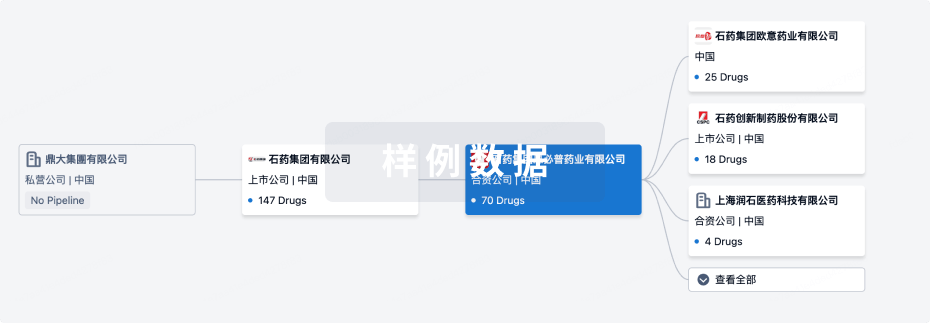
组织架构
使用我们的机构树数据加速您的研究。
登录
或
管线布局
2026年09月17日管线快照
无数据报导
登录后保持更新
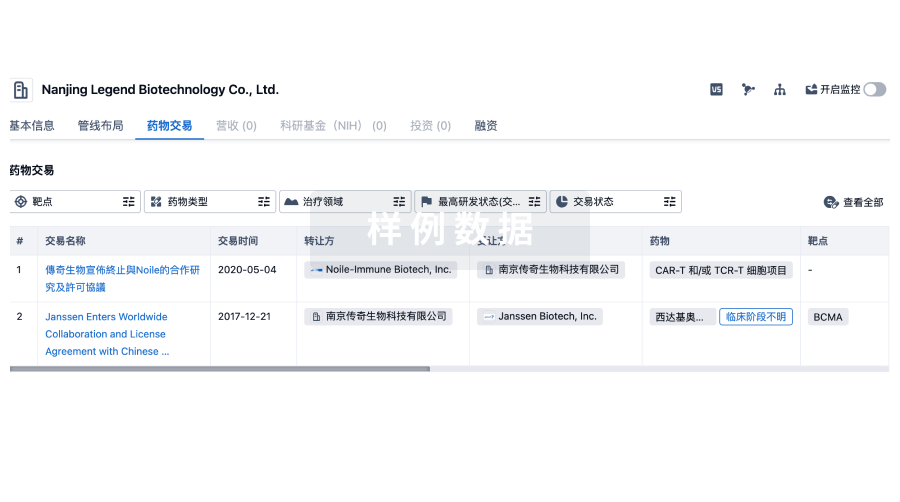
药物交易
使用我们的药物交易数据加速您的研究。
登录
或
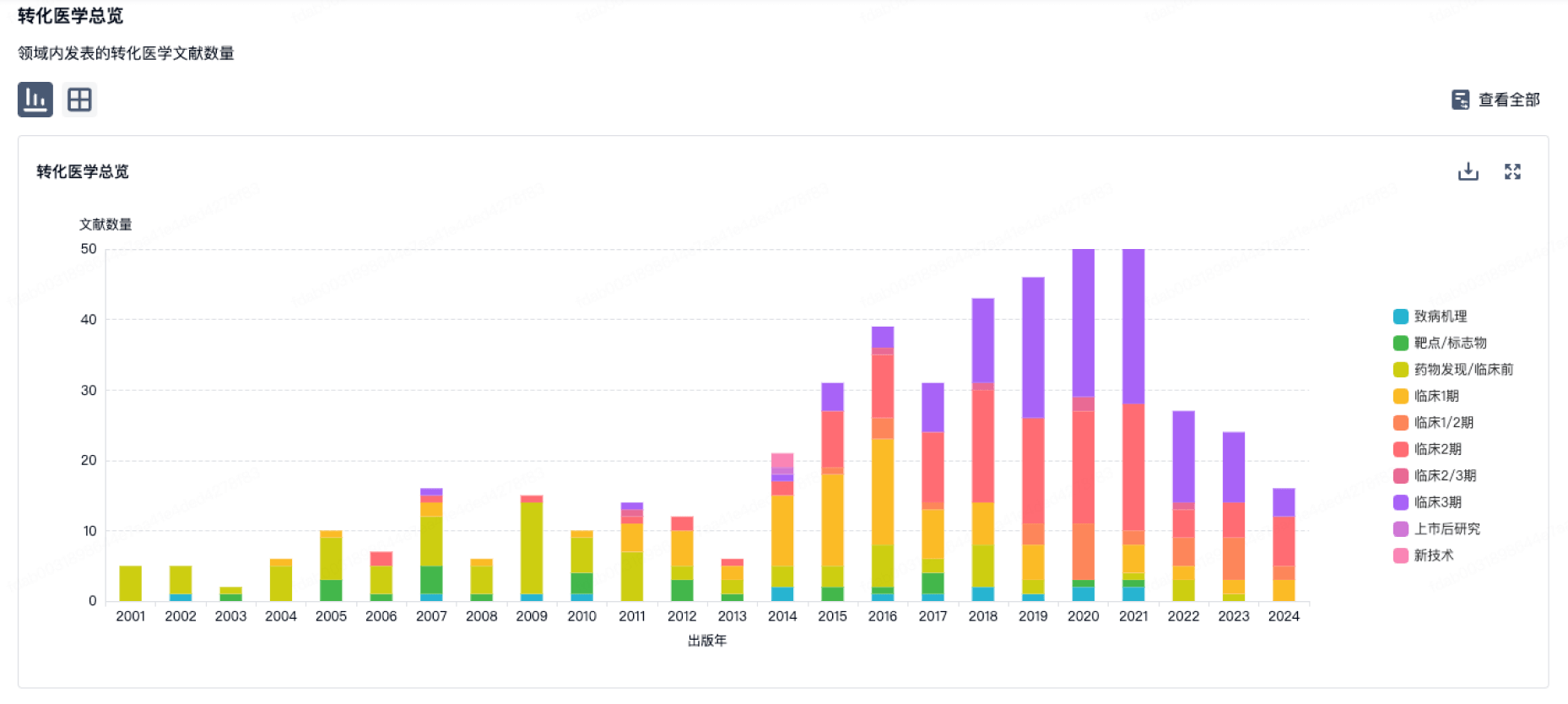
转化医学
使用我们的转化医学数据加速您的研究。
登录
或
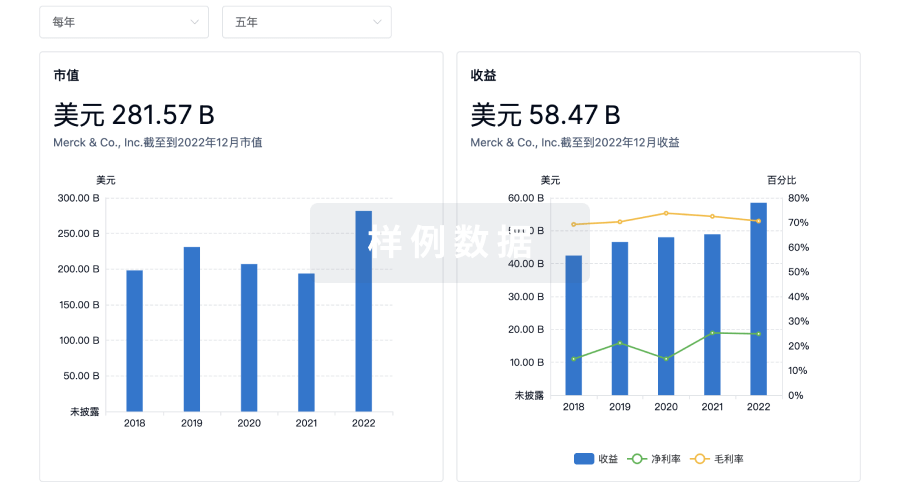
营收
使用 Synapse 探索超过 36 万个组织的财务状况。
登录
或
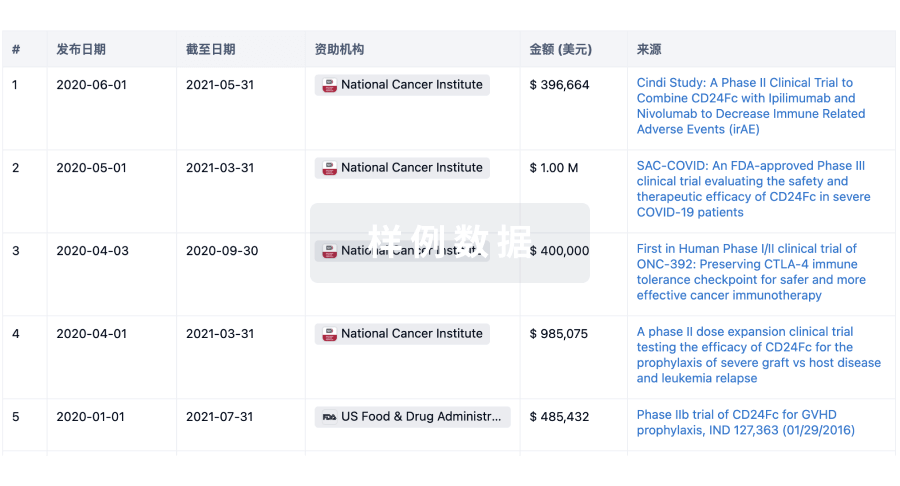
科研基金(NIH)
访问超过 200 万项资助和基金信息,以提升您的研究之旅。
登录
或
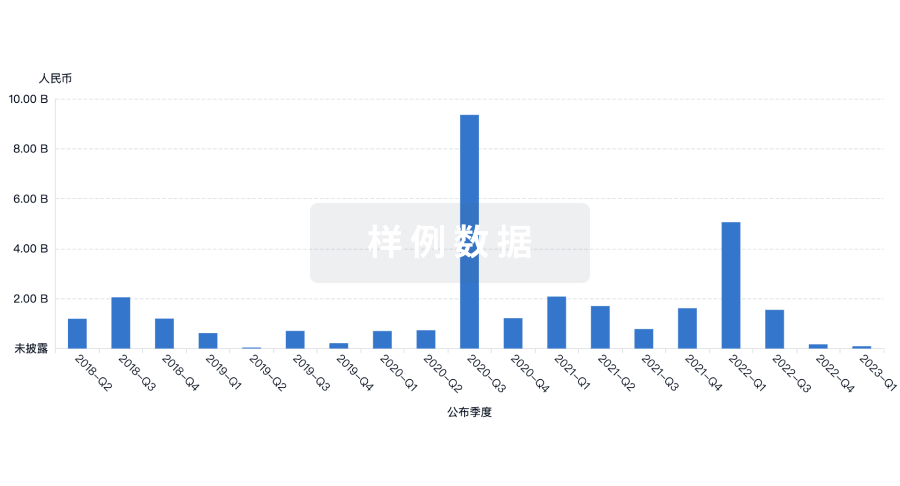
投资
深入了解从初创企业到成熟企业的最新公司投资动态。
登录
或
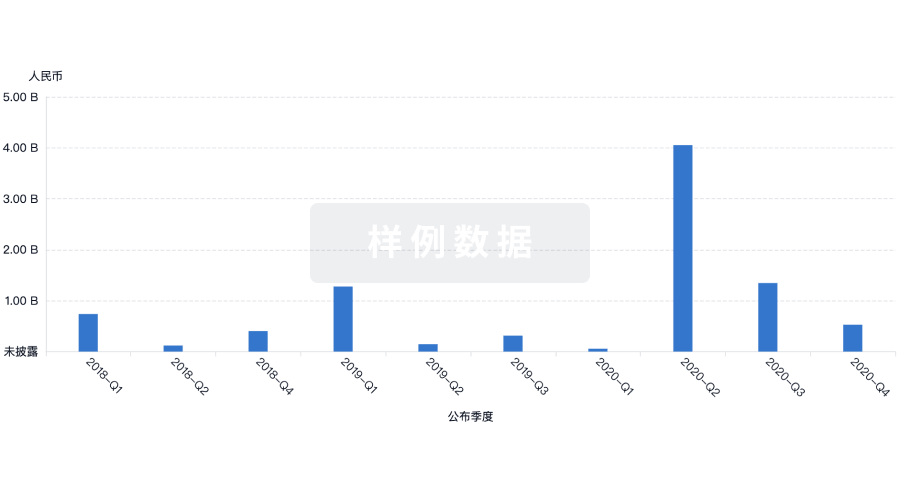
融资
发掘融资趋势以验证和推进您的投资机会。
登录
或
提出任何生物医药研究问题
让每一步生物医药决策都精准制胜
基于十亿级生物数据与全球情报的精准 AI,赋能早期药物发现
立即开始免费试用!
智慧芽新药情报库是智慧芽专为生命科学人士构建的基于AI的创新药情报平台,助您全方位提升您的研发与决策效率。
立即接入生物医药数据包
智慧芽新药库数据也通过智慧芽开放平台,以MCP或API服务形式对外开放。立即使用我们的MCP服务定制您的LLM智能体。
生物序列数据库
生物药研发创新
免费使用
化学结构数据库
小分子化药研发创新
免费使用