预约演示
更新于:2026-06-11
Chengdu Aidea Pharmaceutical Technology Co., Ltd
成都艾迪医药技术有限公司|子公司|2023|中国四川省
成都艾迪医药技术有限公司|子公司|2023|中国四川省
更新于:2026-06-11
概览
关联
CTR20261310
一项单中心、随机、开放、三序列、三周期、部分重复设计,评价中国健康参与者空腹状态下单次口服ADC118片的生物等效性试验

CTR20253999
评估ACC017片在初治人类免疫缺陷病毒1型(HIV-1)成人中有效性和安全性的多中心、随机、双盲双模拟、多替拉韦钠片对照的Ⅲ期研究
CTR20250437
基于ACC017抗逆转录方案治疗经治携带非核苷类逆转录酶抑制剂耐药突变HIV-1成人的有效性和安全性:一项随机、双盲、安慰剂对照的临床试验
100 项与 成都艾迪医药技术有限公司 相关的临床结果
登录后查看更多信息
登录后查看更多信息
2025-01-01Current research in microbial sciences
The interactions between psychological stress, gut microbiota, and fecal metabolites: A longitudinal multi-omics study in Chinese adolescents
Article
作者: Ma, Lu ; Cheng, Yuan ; Li, Ying ; Yang, Yuting ; Zhang, Gong ; Zhang, Lei ; Zhang, Shunming ; Lan, Jiao ; Guo, Zihan ; Lv, Meng ; He, Yafang ; Yang, Chenghai ; Sun, Jintao
Objectives:
This study investigated the bidirectional associations between psychological stress, gut microbiota, and fecal metabolites in a cohort of Chinese adolescents using a multi-omics approach.
Methods:
Baseline fecal samples from 124 adolescents were subjected to 16S rRNA gene amplicon sequencing, with 51 participants providing samples for metagenomic sequencing and untargeted metabolomics at baseline and follow-up. Psychological stress was assessed via the Adolescent Self-Rating Life Events Checklist.
Results:
After covariates adjustment, baseline total stress was associated with depleted alpha- and beta-diversity and abundances of the genera Lachnospiraceae NK4A136 group and unclassified Muribaculaceae.In longitudinal analyses, with the same covariates, baseline total stress was associated with six follow-up microbial species (Pfdr < 0.1; Actinomyces spp. HMSC035G02, Actinomyces sp. ICM58, Actinomyces sp. oral taxon 172, Schaalia odontolytica, Blautia sp. AF17-9LB, and Blautia sp. AM47-4) and 83 metabolites, predominantly lipids. These metabolites were primarily enriched in Kyoto Encyclopedia of Genes and Genomes pathways of lipid metabolism. Schaalia odontolytica, Actinomyces sp. ICM58, and Actinomyces spp. HMSC035G02 mediated associations between the total stress score and five lipids, with Schaalia odontolytica demonstrating the strongest effect (26.3 % mediated). Seven baseline metabolites but no microbial species were predictive of follow-up total stress. These metabolites exhibited an area under the curve of 0.72 for differentiating adolescents with high versus low stress, with 5-oxo-eicosatetraenoic acid being the strongest predictor.
Conclusions:
This study suggests that psychological stress is associated with specific gut microbes and lipid metabolites change, and in turn, specific metabolites contribute to psychological stress change. These findings provide insights into bidirectional interactions between psychological stress and gut microbiota in adolescents.
BMC Medicine
Immediate and delayed switches to tenofovir DF-containing, ainuovirine-based antiretroviral regimen: the SPRINT extensional study
Article
作者: Chen, Zhu ; Chen, Yaokai ; He, Shenghua ; Qin, Hong ; Zhao, Qingxia ; Lu, Hongzhou ; Wei, Hongxia ; Zhou, Ziyue ; Fu, Heliang ; Zhang, Fujie ; Wang, Hui ; Wang, Min ; Wu, Hao ; Ma, Ping ; Yun, Xinming ; Cai, Weiping
BACKGROUND:
Ainuovirine (ANV) is a new-generation nonnucleoside reverse transcriptase inhibitor with potent antiviral activity and favorable neuropsychiatric and cardiometabolic safety. The SPRINT study showed that switching to fixed-dose ANV combined with lamivudine and tenofovir DF (ANV/3TC/TDF) provided non-inferior virologic efficacy and improved cardiometabolic conditions in virologically suppressed people living with HIV (PLWH) compared to that to cobicistat-boosted elvitegravir plus emtricitabine and tenofovir alafenamide (E/C/F/TAF) at 48 weeks.
METHODS:
In the base study (weeks 0-48), eligible virologically suppressed PLWH (n = 762) were randomized to receive ANV/3TC/TDF or E/C/F/TAF in a double-blind manner. In the extensional study (weeks 48-96), eligible participants on ANV/3TC/TDF continued the assigned regimen (immediate switch group, ISG), while those on E/C/F/TAF re-switched to ANV/3TC/TDF (delayed switch group, DSG). The original E/C/F/TAF group (weeks 0-48) was used as comparator for efficacy analysis. The primary efficacy endpoint was the proportion of PLWH with HIV RNA titer ≥ 50 copies/mL at week 96. Safety outcomes of primary interest included Changes in body weight and fasting serum lipids from weeks 48 to 96.
RESULTS:
The primary efficacy endpoints were both 3.4% with ISG and DSG at week 96, non-inferior to 1.6% for comparator at week 48. Estimated treatment differences were 1.8% (95% confidence interval [CI] - 0.5 to 4.3%) with ISG versus comparator and 1.9% (95%CI - 0.4 to 4.4%) with DSG versus comparator, respectively. Non-inferiority was established for both ISG and DSG as the upper limits of 95%CI were both below the prespecified margin of 5%. The treatment-emergent adverse events were generally similar between the two switch groups. DSG showed modest reduction in body weight (mean, - 0.59 kg), in contrast to ISG with a minimal weight loss (- 0.03 kg; DSG versus ISG, - 0.56 kg, [- 1.07 to - 0.05]). Fasting serum low-density lipoprotein cholesterol remained generally unchanged in ISG (0.01 mmol/L) but improved greatly in DSG at week 96 from week 48 (- 0.30 mmol/L; - 0.31 mmol/L [- 0.47 to - 0.16]).
CONCLUSIONS:
Both ISG and DSG maintained high viral Suppression in PLWH through 96 weeks. DSG could offset weight gain and dyslipidemia associated with previous exposure to E/C/F/TAF.
TRIAL REGISTRATION:
Chinese Clinical Trial Register number, ChiCTR2100051605.
100 项与 成都艾迪医药技术有限公司 相关的药物交易
登录后查看更多信息
100 项与 成都艾迪医药技术有限公司 相关的转化医学
登录后查看更多信息
组织架构
使用我们的机构树数据加速您的研究。
登录
或
管线布局
2026年09月24日管线快照
无数据报导
登录后保持更新
药物交易
使用我们的药物交易数据加速您的研究。
登录
或
转化医学
使用我们的转化医学数据加速您的研究。
登录
或
营收
使用 Synapse 探索超过 36 万个组织的财务状况。
登录
或
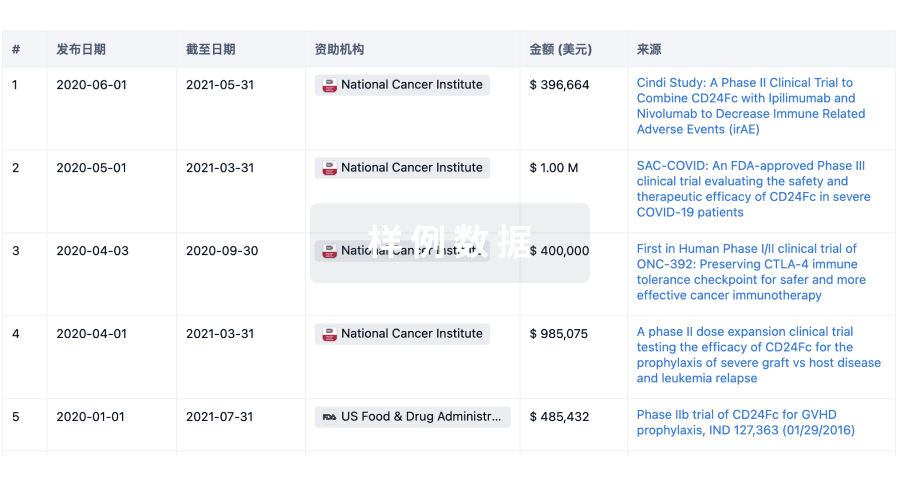
科研基金(NIH)
访问超过 200 万项资助和基金信息,以提升您的研究之旅。
登录
或
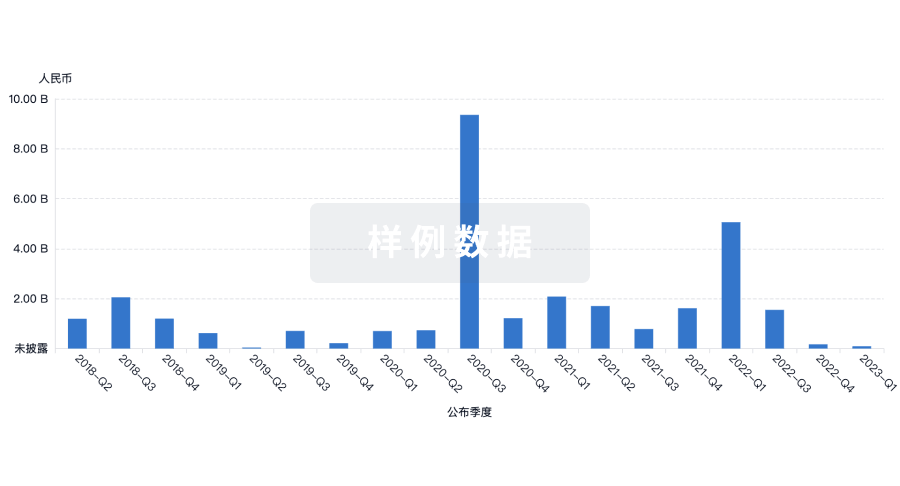
投资
深入了解从初创企业到成熟企业的最新公司投资动态。
登录
或
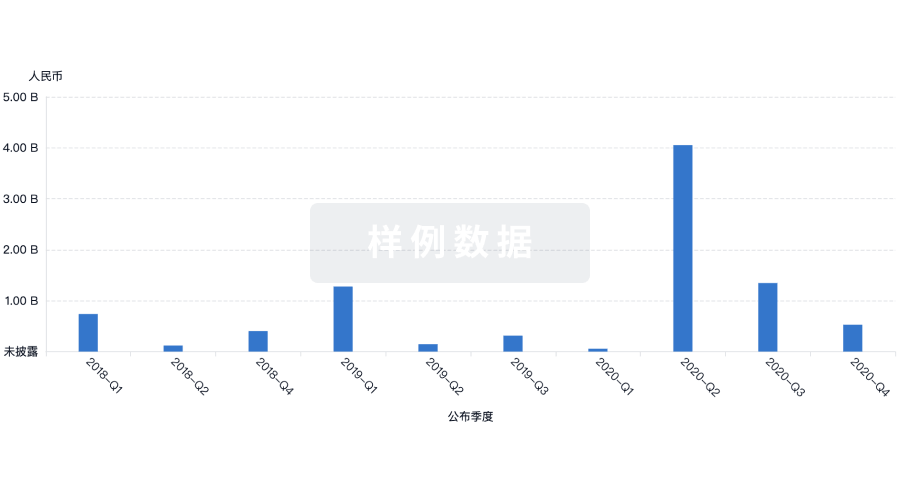
融资
发掘融资趋势以验证和推进您的投资机会。
登录
或
提出任何生物医药研究问题
让每一步生物医药决策都精准制胜
基于十亿级生物数据与全球情报的精准 AI,赋能早期药物发现
立即开始免费试用!
智慧芽新药情报库是智慧芽专为生命科学人士构建的基于AI的创新药情报平台,助您全方位提升您的研发与决策效率。
立即接入生物医药数据包
智慧芽新药库数据也通过智慧芽开放平台,以MCP或API服务形式对外开放。立即使用我们的MCP服务定制您的LLM智能体。
生物序列数据库
生物药研发创新
免费使用
化学结构数据库
小分子化药研发创新
免费使用