预约演示
更新于:2026-01-04
Massachusetts College of Pharmacy & Health Science
更新于:2026-01-04
概览
关联
2
项与 Massachusetts College of Pharmacy & Health Science 相关的临床试验NCT07028892
Gamified Learning for Pressure Injury Prevention: A Randomized Controlled Trial to Enhance Knowledge, Skills, and Attitudes Among Nurses
The goal of this Randomized Controlled Trial is to define the effect of gamified teaching methods for pressure injury prevention in intensive care nurses. The main questions it aims to answer are:
H1: The gamified learning experience will increase the nurses' knowledge of pressure injury prevention compared to the control group.
H2: The gamified learning experience will increase the nurses' skills in pressure injury prevention compared to the control group.
H3: The gamified learning experience will increase the nurses' attitude toward pressure injury prevention compared to the control group.
Researchers will compare two arm to see if there is a difference in knowledge, skills, and attitudes. Participants in the experimental group will be educated via a gamified mobile learning application.
H1: The gamified learning experience will increase the nurses' knowledge of pressure injury prevention compared to the control group.
H2: The gamified learning experience will increase the nurses' skills in pressure injury prevention compared to the control group.
H3: The gamified learning experience will increase the nurses' attitude toward pressure injury prevention compared to the control group.
Researchers will compare two arm to see if there is a difference in knowledge, skills, and attitudes. Participants in the experimental group will be educated via a gamified mobile learning application.
开始日期2025-08-01 |
申办/合作机构 |

NCT02472223
Reducing Adenoviral Patient Infected Days
The primary aim of this pilot study is to generate data needed to design a definitive trial to compare the safety and efficacy of standard care with artificial tears vs. Betadine 5% (5% povidone-iodine) for the treatment of pink eye due to adenovirus. There is currently no FDA approved treatment for pink eye, a common and highly contagious eye infection caused by adenovirus. Standard care as recommended by the American Academy of Ophthalmology and American Optometric Association is instillation of artificial tears to relieve symptoms and possibly reduce the virus population. Betadine 5% is a commercially available, broad-spectrum antiseptic ophthalmic solution used for over 50 years to prepare the patient's eye and surrounding area for eye surgery. Because Betadine 5% kills bacteria and viruses, it may be useful in treating adenoviral conjunctivitis. Betadine 5% is inexpensive, safe, widely available, and immune to the development of bacterial/viral resistance. Betadine 5% has the potential to significantly impact the clinical management of "pink eye" worldwide.
This pilot study has received funding from the National Eye Institute. Participants who meet eligibility criteria will be randomized using a masked randomization packet to receive one-time, in-office treatment with either artificial tears or Betadine 5%.
Patients who agree to study participation will answer questions about their pink eye symptoms, medical and ocular history, have an eye examination and be tested to confirm "pink eye" due to adenovirus using a FDA approved "point of care" immunoassay. Participants testing positive for adenovirus will have a tear sample taken to measure viral load by qPCR. Randomization and a one-time treatment with either (standard care) artificial tears or Betadine 5% will be done on the first visit. Follow-up visits are at 1,4,7,14 and 21 days. At each visit, symptoms of pink eye are asked, a standardized study eye examination is given by the masked clinician and a sample of tears is taken to assess viral load by qPCR.
This pilot study has received funding from the National Eye Institute. Participants who meet eligibility criteria will be randomized using a masked randomization packet to receive one-time, in-office treatment with either artificial tears or Betadine 5%.
Patients who agree to study participation will answer questions about their pink eye symptoms, medical and ocular history, have an eye examination and be tested to confirm "pink eye" due to adenovirus using a FDA approved "point of care" immunoassay. Participants testing positive for adenovirus will have a tear sample taken to measure viral load by qPCR. Randomization and a one-time treatment with either (standard care) artificial tears or Betadine 5% will be done on the first visit. Follow-up visits are at 1,4,7,14 and 21 days. At each visit, symptoms of pink eye are asked, a standardized study eye examination is given by the masked clinician and a sample of tears is taken to assess viral load by qPCR.
开始日期2015-03-23 |
申办/合作机构 |

100 项与 Massachusetts College of Pharmacy & Health Science 相关的临床结果
登录后查看更多信息
0 项与 Massachusetts College of Pharmacy & Health Science 相关的专利(医药)
登录后查看更多信息
1,225
项与 Massachusetts College of Pharmacy & Health Science 相关的文献(医药)2026-03-01·NURSE EDUCATION TODAY
Embracing uncertainty: John Keats's negative capability in psychiatric mental health nurse practitioner education
Article
作者: Stewart, Trae
Psychiatric-mental health nurse practitioner (PMHNP) education often privileges certainty-rubrics, checklists, and single-best answers-despite the ambiguity that defines clinical work. This article advances John Keats's Negative Capability as a pedagogical lens for cultivating wise, ethical practice. The article also integrates Isaiah Berlin's value pluralism to frame unavoidable tensions among legitimate goods (e.g., autonomy and safety) and distinguish internal uncertainty (self-doubt, the urge to fix) from external uncertainty (diagnostic ambiguity, cultural complexity). Rather than rejecting structure, the article proposes a developmental balance: use structure as scaffold while deliberately training learners to dwell within not-yet-resolved situations. Practical strategies include mindfulness "urge-to-fix" drills, reflective journaling with Keatsian prompts, uncertainty-mapping worksheets, culturally grounded cases using the DSM-5-TR Cultural Formulation Interview, ambiguity-weighted OSCEs, and values trade-off conferences. The article braids these tactics to broader nursing and philosophical foundations-Heidegger's ontology of care; Carper/Chinn's patterns and emancipatory knowing; Watson's caring science; and Leininger's transcultural nursing-to clarify links to emotional intelligence, resilience, and epistemic justice. Negative Capability, implemented with clear safety thresholds and just institutional supports, prepares PMHNPs to listen deeply, think plurally, and act responsibly amid conflict and incomplete knowledge. Educators can thus reframe uncertainty from personal deficit to essential terrain of clinical wisdom. It aligns with contemporary nursing priorities and ethics.
2026-02-01·JOURNAL OF PHARMACEUTICAL SCIENCES
2025 Top JPharmSci Reviewers
作者: Warne, Nicholas ; Bee, Jared S ; Ambre, Premlata Kuldip ; Rosen, Larry ; Haworth, Ian S ; Audus, Kenneth L ; Denora, Nunzio ; Zhang, Yilue ; Nguyen, Toan Duc ; Hao, Jinsong ; Peters, Björn-Hendrik ; Uchiyama, Susumu ; Elder, David ; Hussain, Munir A ; Yan, Xiaoyu ; Zhang, Tao ; Baertschi, Steven ; Dong, Jin ; Maurin, Michael B ; Hickey, Anthony J ; Xie, Jin ; Zhang, Geoff G Z ; Yan, Guang ; Majumder, Nairrita ; Cohen, Joseph
2026-02-01·NEUROSCIENCE
Developmental consequences of prenatal cannabidiol exposure
Article
作者: Humiston, Tori ; Kentner, Amanda C
14
项与 Massachusetts College of Pharmacy & Health Science 相关的新闻(医药)2025-12-30
在后疫情时代,生物技术”(Biotechnology)这个词频繁出现在大众视野。从mRNA疫苗的研发到CRISPR基因编辑,从生物燃料到抗癌新药,它正处于人类科技进步的最前沿。
如果你对生命科学充满好奇,渴望通过科技改变世界,那么Biotechnology正是为你准备的舞台!今天,我们将带你深入了解这个“硬核”专业,并揭秘其背后的顶尖学府——麻省药科与健康科学大学(MCPHS)
一、 什么是生物技术(Biotechnology)?
简单来说,生物技术是利用生物学过程来开发技术和产品。
它不仅局限于实验室研究,更是横跨医疗、农业、工业和环境四大领域的综合性学科:
红色博弈(医疗): 研发疫苗、胰岛素、单克隆抗体及干细胞疗法。
绿色奇迹(农业): 培育抗旱作物、增强营养的“黄金大米”。
白色创新(工业): 生产生物塑料、可降解包装及节能酶制剂。
灰色守护(环境): 利用细菌清理石油泄漏、处理污水。
二、 在MCPHS,你将学习哪些“硬核”课程?
作为一所拥有200年历史的医学名校,MCPHS的生物技术课程体系极具含金量。120个学分的课程设计,将你从“生物小白”锻造成“行业专家”。1. 夯实基础(大一至大二)
你将接触生物、化学、分子生物学及统计学,为后续实验打下扎实功底。
核心课表: Biology I & II, Organic Chemistry, Medical Microbiology, Molecular Biology.2. 尖端技术(大三至大四)
进入专业核心,你将掌握实验室最前沿的操作技能。
特色课程: BTC 320/321 (Techniques in Biotechnology): 真正的实验室实操。
Genetics & Cell Biology: 探索遗传密码。
Healthcare Ethics: 探讨生物技术的伦理边界。3. 多元化选修:定制化你的未来
你可以根据职业规划选择:癌症分子生物学、免疫学、药物制剂学、甚至药物开发基础。
三、 实验室里的秘密:前沿领域全覆盖
在MCPHS,生物技术不仅仅是课本知识。你将有机会深入研究以下领域:
基因疗法(Gene Therapy): 修复致病基因。
人类基因组计划(Human Genome Project): 破译生命蓝图。
药理基因组学(Pharmacogenomics): 量身定制个人化药物。
干细胞研究(Stem Cells): 开启再生医学的大门。
四、 为什么选择 MCPHS?
地理优势:全球生物技术中心——波士顿MCPHS位于波士顿长木医学区(Longwood Medical Area),这里是全球生物制药的“硅谷”。
职场领航: 学校提供专门的Biotechnology Career Seminars(职业研讨会),帮助学生建立行业联系。
实习资源: 课程设置中包含多达15学分的专业实习,你将直接进入波士顿顶尖药企或研究所。
深造与就业: 毕业生不仅在研发岗位备受青睐,在质量控制、临床实验管理、甚至生命科学专利法律领域也大放异彩。
五、 如何规划你的申请?
想要成为MCPHS的一员?以下是你要做的准备:
保持学术热情: 尤其是生物和化学科目。
关注前沿动态: 展现你对生命科学的热爱。
联系招生办: 了解最新的国际生申请要求。
附:以下是为您整理的各项技术详解及其应用前景1. 细胞遗传学 (Cytogenetics)
技术介绍: 研究染色体结构、功能及其与疾病关系的学科。通过核型分析(Karyotyping)或荧光原位杂交(FISH)技术,科学家可以直观地看到染色体是否存在缺失、易位或数目异常。
应用前景: 主要用于产前诊断(如唐氏综合征筛查)和癌症诊断(如白血病中的染色体异位检测)。未来将向分子细胞遗传学发展,检测精度将达到碱基级别。2. DNA 微阵列 (DNA Microarrays)
技术介绍: 又称“基因芯片”。在一块小玻片上排列成千上万个已知的 DNA 探针,通过杂交信号同时检测成千上万个基因的表达水平或单核苷酸多态性(SNP)。
应用前景: 广泛用于疾病筛查和药物筛选。通过对比健康人和病人的基因芯片,可以快速找到致病基因,是实现大规模基因组研究的效率利器。3. 基因疗法 (Gene Therapy)
技术介绍: 将正常的基因或具有治疗作用的遗传物质导入患者细胞内,以纠正或补偿缺陷基因。目前常用病毒载体(如 AAV)或 CRISPR 基因编辑技术来实现。
应用前景: 这是目前生物医药最热门的领域之一。它有望彻底治愈遗传病(如血友病、色盲)和某些癌症(如 CAR-T 细胞疗法)。4. 基因组学与疾病 (Genomics and Disease)
技术介绍: 研究生物体**全部基因(基因组)**的学科。它不只看单个基因,而是看基因与基因、基因与环境之间的复杂相互作用。
应用前景: 它是精准医疗的基石。通过基因组分析,医生可以预测一个人患心脏病、糖尿病或癌症的风险,从而实现“早发现、早预防”。5. 人类基因组计划 (Human Genome Project)
技术介绍: 1990 年启动的国际合作项目,旨在测定人类 DNA 的 30 亿个碱基对序列,并绘制人类基因图谱。
应用前景: 虽然项目已基本完成,但其遗产巨大。为现代生命科学奠定了“参考地图”,后续的基因检测和新药研发都离不开这份地图的指引。6. 分子技术 (Molecular Techniques)
技术介绍: 一个工具箱,包含 PCR(聚合酶链式反应)、凝胶电泳、克隆、测序等。这是生物技术的“基础语言”。
应用前景: 遍布所有生物相关行业。从核酸检测到亲子鉴定,分子技术是所有生物实验室运行的核心。7. 药理基因组学 (Pharmacogenomics)
技术介绍: 研究基因如何影响个体对药物的反应。同一个药,有人吃了有效,有人吃了过敏,原因就在基因里。
应用前景: 避免“一刀切”式用药。未来医生开药前会先测你的基因,确保为你选择最有效且副作用最小的药物及剂量。8. 蛋白质组学 (Proteomics)
技术介绍: 基因是“说明书”,而蛋白质才是“执行者”。蛋白质组学研究一个细胞或组织中表达的所有蛋白质及其修饰。
应用前景: 比基因组学更接近生命现象的本质。在寻找癌症标志物和新药靶点方面具有不可替代的作用。9. 干细胞 (Stem Cells)
技术介绍: 具有自我更新和分化潜能的“原始细胞”,可以分化成心脏、神经或肌肉等各种细胞。
应用前景:再生医学的核心。未来有望通过干细胞技术修复受损的脏器,甚至在实验室“长出”可供移植的器官。10. 异种移植 (Xenotransplantation)
技术介绍: 将其他物种(如猪)的器官、组织或细胞移植到人类身上。
应用前景: 解决全球器官捐献稀缺难题。随着基因编辑技术解决了免疫排斥问题,猪心、猪肾移植到人体的临床试验已取得突破,前景广阔。
基因疗法疫苗信使RNA
2025-11-11
摘要
Anthropic 公司于 2025 年 10 月 21 日正式发布Claude for Life Sciences,标志着人工智能在生命科学领域应用的重大突破。本报告基于官方技术文档、学术研究和行业案例,从技术架构、实际应用、竞争对比、专家评价和伦理监管五个维度对该产品进行全面分析。
技术架构方面,Claude for Life Sciences 基于Claude Sonnet 4.5模型构建,采用三层架构设计,通过 **Model Context Protocol (MCP)** 实现与 Benchling、PubMed 等科学平台的无缝集成。实际应用显示,Sanofi 已将 Claude 整合进内部知识库,诺和诺德将临床文档编制时间从 15 周缩短至 10 分钟,10x Genomics 通过自然语言交互使单细胞分析门槛大幅降低。
与 AlphaFold 等竞品相比,Claude 在蛋白质结构预测精度上略逊一筹,但在全流程科研支持、多模态数据处理和自然语言交互方面展现出显著优势。行业专家对其评价积极,认为可将 50-100 年的生物学进展压缩至 5-10 年内完成。然而,该产品也面临数据隐私保护、算法偏见、监管合规等多重挑战,需要在技术创新与伦理规范之间寻求平衡。
一、技术架构分析1.1 Claude Sonnet 4.5 核心模型基础
Claude for Life Sciences 的技术基础建立在Claude Sonnet 4.5这一先进的混合推理大语言模型之上。该模型在生命科学任务上展现出卓越性能,在 Protocol QA 基准测试中得分达到0.83,超越了人类基线的 0.79,以及前代 Sonnet 4 的 0.74 表现。这一成就标志着 AI 在实验室协议理解方面首次超越人类专家水平。
在生物信息学任务评估中,Sonnet 4.5 相比前代模型也实现了显著改进。具体而言,在衡量真实软件工程师能力的 SWE-bench Verified 测试中,该模型基础测试得分达到77.2%,启用 "并行测试时计算" 功能后更是飙升至82.0%,远超 Claude Opus 4.1(74.5%/79.4%)、GPT-5(72.8%)与 Gemini 2.5 Pro(67.2%),稳居全球第一。
值得注意的是,Sonnet 4.5 在长周期任务处理能力方面实现了重大突破。在实测中,它能自主运行30 小时,生成1.1 万行代码,完整开发出类似钉钉的企业聊天应用,涵盖数据库配置、域名注册、合规审计等全流程,成为首个实现 "生产级交付" 的 AI 模型。这种持续工作能力对于需要长时间数据分析和实验设计的生命科学研究具有重要意义。1.2 MCP 服务器架构技术实现
**Model Context Protocol (MCP)** 是 Claude for Life Sciences 实现平台整合的核心技术架构。MCP 作为一个开放标准,为 AI 系统与数据源之间提供了通用的连接协议,有效解决了传统 AI 系统被信息孤岛和遗留系统隔离的问题。
MCP 架构采用客户端 - 服务器模式设计。在这一架构中,主机(如 Claude 桌面应用或 IDE)内部包含一个或多个 MCP 客户端,通过统一的 "MCP 接口" 连接至多个 MCP 服务器,每个服务器封装对接一种外部资源或工具(如 Slack、Gmail、日历、本地文件系统等)。这种设计的优势在于,开发者无需为每个数据源维护独立的连接器,而是可以基于标准协议进行构建。
MCP 服务器的主要功能包括:
连接管理:建立并维护与指定 MCP 服务器的连接
工具检索:自动发现和获取可用工具
智能决策:推理确定调用哪个工具以及传递什么参数
执行控制:以智能体方式执行工具调用,直至获得充分结果
认证处理:管理认证和错误处理机制
数据整合:返回包含整合数据的增强响应
在安全认证方面,Claude 支持3/26 认证规范(截至 7 月还支持 6/18 认证规范),并支持动态客户端注册(DCR)。这些安全机制确保了在处理敏感科研数据时的可靠性和合规性。1.3 科学平台整合机制
Claude for Life Sciences 通过专门开发的连接器实现了与多个主流科学平台的深度整合。这些连接器的技术实现各有特色:
Benchling 整合采用了独特的内部部署模式。由于 Anthropic 的 Claude 模型托管在 Benchling 的 AWS 环境内,Benchling 使用内部 API 端点进行连接,而非外部 API。这种架构设计确保了数据在传输过程中的安全性,同时提高了响应速度。通过 Benchling 连接器,Claude 能够响应科学家的问题,并提供指向原始实验、笔记本和记录的链接,实现了从 AI 分析结果到原始数据的完整追溯路径。
PubMed 整合则利用了 Bio MCP 技术,使 Claude 能够实时执行 PubMed 搜索并检索最新论文,随后由大语言模型对这些文献进行智能摘要。这种整合方式超越了传统大语言模型的能力范围,实现了与外部数据库的动态交互。PubMed 提供了对数百万生物医学研究文章和临床研究的访问权限,为科研人员提供了强大的文献调研能力。
10x Genomics 整合代表了 AI 与专业分析平台结合的典范。通过这一整合,研究人员可以通过自然语言执行单细胞和空间分析任务,包括比对读数、生成特征条形码矩阵、执行聚类和其他二次分析。这种能力将原本需要编程专业知识的复杂分析任务转化为对话式交互,大大降低了技术门槛。1.4 三层技术架构设计
Claude for Life Sciences 采用了精心设计的三层架构,这种设计使其能够适应从基础研究到临床试验再到监管申报的完整生命科学研发链条:
底层:科学数据优化的核心模型
底层是经过科学数据训练优化的核心模型。这一层不仅包含了通用的语言理解能力,更重要的是集成了大量生命科学领域的专业知识。模型经过海量科学文献、实验数据和临床记录的训练,形成了对生物学概念、化学结构、实验方法等的深度理解。
中间层:专业工具连接器和标准化技能模块
中间层包含各种专业工具连接器和标准化技能模块。这些模块负责处理与外部工具的通信、数据格式转换、协议适配等任务。例如,专门的生物信息学模块可以处理 FASTA 序列、PDB 结构文件等;化学模块能够解析 SMILES 表示法、计算分子性质;临床模块则可以处理电子病历、临床试验数据等。
顶层:面向不同科研场景的专用提示词库和应用接口
顶层是面向不同科研场景的专用提示词库和应用接口。这一层为不同类型的科研人员提供了定制化的交互方式。例如,为药物化学家提供的接口可能侧重于分子设计和优化;为生物信息学家提供的接口则专注于基因组分析和通路富集;为临床研究人员提供的接口主要处理患者分层和疗效预测等任务。1.5 多模态数据处理能力
Claude for Life Sciences 具备强大的多模态数据处理能力,能够同时分析基因组学、蛋白质组学、成像和临床数据。这种能力使其成为处理复杂生物医学问题的理想工具。
在实际应用中,该系统展现出了卓越的数据处理效率。例如,在可穿戴设备生物信息学分析任务中,Claude 能够在35 分钟内完成分析,而人类专家需要3 周时间,实现了800 倍的速度提升。这种效率提升不仅体现在速度上,更重要的是能够处理人类专家无法应对的数据规模和复杂度。
系统还具备文档处理智能体功能,能够在几分钟内而非几小时内从科学文档中提取关键信息。这些智能体可以扫描数百页文档,识别关键数据点、研究发现和监管要求,大大减轻了科研人员的文献调研负担。
在视觉理解方面,Claude Sonnet 4 能够轻松从图表、图形和复杂图表中提取信息,使其成为数据分析和数据科学任务的理想 AI 模型。这种能力对于处理科学文献中的图表、实验结果可视化等具有重要意义。二、实际应用案例分析2.1 Sanofi 内部知识库整合案例
Sanofi 案例是 Claude for Life Sciences 在大型制药企业中成功应用的典范。作为全球领先的制药公司,Sanofi 将 Claude 与内部知识库配对整合,开发了名为Concierge的 AI 助手应用。这一应用已成为 Sanofi AI 转型的核心组成部分,被大多数 Sanofi 员工日常使用。
根据 Sanofi 的反馈,这一整合带来了显著的价值链效率提升。企业级部署不仅增强了团队协作方式,还通过与 Anthropic 的合作增强了人类专业知识,从而能够更快地为全球患者提供改变生活的药物。值得注意的是,Sanofi 不仅是 AI 平台的使用者,还是创造者。该公司开发了内部 AI 平台,如CodonBERT—— 一个在数百万序列上训练的 mRNA 大语言模型,以及RiboNN—— 一个预测核糖体将 mRNA 序列翻译成蛋白质效率的深度学习模型。
Sanofi 的 AI 应用涵盖了研发价值链的各个环节。在药物发现阶段,AI 帮助设计分子、更智能地选择化合物进行进一步研究、模拟它们在患者体内的行为,并在进行实验之前对其进行优化。在生物制剂开发方面,Sanofi 成为第一家在临床中拥有针对 HIV 和癌症的三特异性(或三靶向)抗体的制药公司,这些高度工程化且非常复杂的抗体的靶标选择和设计现在都由 AI 实现。2.2 诺和诺德临床文档自动化案例
诺和诺德案例展示了 Claude 在临床文档处理方面的革命性影响。该公司使用 Claude 起草临床研究报告,每份报告可长达数百页。通过 AI 工具的应用,文档起草时间实现了惊人的缩短 —— 从约15 周减少到不到 10 分钟。
这一效率提升的背后是人员配置的优化。此前,这类文档需要50 多名撰稿人参与,现在只需3 名人类撰稿人借助 Claude 就能完成。更令人印象深刻的是成本效益:诺和诺德每年在 Claude 上的支出不到一名撰稿人的薪资。公司表示,目前没有裁减任何撰稿员工,但计划减少新招聘,并将节省下的资源用于其他部门的人员招募。
诺和诺德采用了 ** 检索增强生成(RAG)** 方法来降低 AI 错误率。例如,当 Claude 生成了一个人类专家认为很好的临床肥胖定义时,人类会告诉 Claude 在未来关于肥胖试验的任何文件中重复使用该描述。这种方法确保了 AI 生成内容的准确性和一致性。
该公司技术战略负责人 Louise Lind Skov 表示:"这种效率提升意味着我们能够用更少的人完成同样甚至更多的工作。我们将 AI 从实验阶段迅速进入开发阶段,这在制药行业是罕见的快速进展。"2.3 科研机构合作案例
Broad Institute 与 Manifold 合作案例代表了学术机构在 AI 驱动科研平台建设方面的创新探索。Broad Institute 与 Manifold 达成战略合作伙伴关系,共同开发 AI 驱动的生命科学研究平台,该平台建立在 Terra 平台的原则基础上。
新平台引入了多项创新功能:
Bring your own cloud:使研究人员能够按照其组织的云策略工作,提供灵活性并解决分散的数据生态系统问题
增强的可扩展性:设计用于适应生物医学数据的指数级增长,支持更多用户、更复杂的工作流程和大规模数据集
成熟的数据协调方法:无缝摄取和协调各种数据集到研究就绪环境中,与行业标准兼容
专用 AI 智能体:提供自然语言搜索、队列构建、自动生存和基因表达分析以及 "与数据对话" 的能力
Manifold 平台支持变革性项目,包括印第安纳大学梅尔文和布伦西蒙综合癌症中心以及莫尔豪斯医学院的项目。Broad 研究所所长 Todd Golub 表示:"随着我们展望未来,我们一直在寻找一个与我们对 Terra 的愿景相同、并具有技术和科学记录的合作伙伴,帮助我们将强大的协作数据管理和分析工具带入下一个十年。"2.4 生物技术公司应用案例
10x Genomics 案例展示了 AI 如何降低专业分析工具的使用门槛。传统上,访问 10x 的单细胞和空间分析能力需要计算专业知识,包括编写命令行脚本和管理高性能计算系统。现在,这些相同的工具可以响应以简单英语提出的问题。
通过与 Anthropic 的合作,研究人员现在可以使用 Claude 执行常见的分析任务,包括比对读数、生成特征条形码矩阵、执行聚类和其他二次分析 —— 所有这些都通过对话界面完成,无需编程背景。10x Genomics 联合创始人兼首席执行官 Serge Saxonov 表示:"我们与 Anthropic 的合作使单细胞和空间生物学的力量能够通过 Claude for Life Sciences 为每位科学家所用。现在,研究人员可以通过自然对话开始与他们的数据互动,而无需计算背景。"
Schrödinger 案例则展示了 AI 在药物设计中的实际应用价值。作为一家在计算药物发现领域的长期领导者,Schrödinger 使用 Claude Code 作为强大的加速器。在最适合的项目中,Claude Code 使他们能够在几分钟而不是几小时内将想法转化为工作代码,在某些情况下实现了高达10 倍的速度提升。
Schrödinger 的计算平台允许在硅片上以指数级方式扩展可以测试的假设池。无论是寻找快速测试假设的方法还是快速迭代想法,该平台都能够快速测试假设或快速迭代想法。通过与 Anthropic 的持续合作,Schrödinger 期待进一步改变他们构建和定制软件的方式。2.5 应用场景与量化成果
基于多个成功案例的分析,Claude for Life Sciences 在不同应用场景中展现出了显著的量化成果:
应用场景
传统耗时
AI 辅助耗时
效率提升
参与人员变化
临床研究报告撰写
15 周
10 分钟
504 倍
50 人→3 人
可穿戴设备生物信息学分析
3 周
35 分钟
800 倍
大幅减少
单细胞 RNA 测序质控
数小时
分钟级
数十倍
1 人可完成
文献综述与分析
数天
数小时
10 倍 +
1 人可完成
分子设计与优化
数周
数天
5-10 倍
团队效率提升
这些数据表明,AI 技术在生命科学研究中的应用已经从概念验证阶段进入了实际生产阶段,并且在多个关键环节实现了革命性的效率提升。三、竞争对比分析3.1 与 AlphaFold 的技术能力对比
在生命科学 AI 工具的竞争格局中,AlphaFold 3与Claude for Life Sciences代表了两种不同的技术路线和应用定位。AlphaFold 3 在蛋白质结构预测领域展现出了卓越的精度优势,能够预测由蛋白质、DNA、RNA、小分子及配体组成的复合物三维结构,对80% 蛋白质 - 配体复合物的预测精度与实验误差仅差2 埃。
从技术架构来看,AlphaFold 3 采用了基于扩散模型的生成方法,使用专门的 Transformer 架构和三角形注意力机制,能够处理 PDB 数据库中99% 以上的已知生物分子复合物。该模型的核心优势在于其在原子级精度上的结构预测能力,为药物设计提供了前所未有的结构基础。
相比之下,Claude for Life Sciences 的优势并不在于单一任务的精度,而在于全流程科研支持能力。在 BixBench 生物信息学基准测试中,Claude 3.5 Sonnet 在开放答案模式下的准确率为21%,而 GPT-4o 仅为15%。虽然这一准确率看似不高,但考虑到这些是需要多步骤分析和推理的复杂生物信息学任务,这一表现已经超越了纯记忆模型的能力。
两种技术的主要差异体现在:
应用范围:AlphaFold 专注于蛋白质结构预测,Claude 覆盖从文献调研到临床申报的全流程
技术路径:AlphaFold 采用专门的结构预测算法,Claude 基于通用大语言模型
交互方式:AlphaFold 需要专业输入格式,Claude 支持自然语言对话
输出结果:AlphaFold 提供精确的 3D 结构,Claude 提供分析、建议和洞察3.2 与 DeepMind AI 生态系统的对比
DeepMind 的 AI 生态系统在生命科学领域构建了从基础研究到应用开发的完整体系。除了 AlphaFold 系列,DeepMind 还推出了 "AI co-scientist" 系统,并与 Commonwealth Fusion Systems 建立了合作关系。这一生态系统的特点是深度专业化和技术领先性。
DeepMind 的优势在于其在基础研究领域的持续创新。例如,其开发的Boltz-1模型在蛋白质结构预测精度上与 AlphaFold 3 相当,但完全开源。此外,DeepMind 还在开发能够预测大型复杂蛋白质结构的AF_unmasked工具,该工具能够接受来自实验和部分数据的信息。
Claude for Life Sciences 与 DeepMind 生态系统的主要差异在于:
集成度:Claude 强调与现有工具的集成,DeepMind 倾向于开发专用工具
开放性:Claude 通过 MCP 协议支持开放集成,DeepMind 主要使用自有技术
用户体验:Claude 提供统一的对话界面,DeepMind 工具需要分别学习
商业模式:Claude 通过 API 和 SaaS 模式提供服务,DeepMind 部分工具开源3.3 与 GPT-4 在生命科学任务上的性能对比
在直接的性能对比中,GPT-4o与Claude 3.5 Sonnet在生命科学相关任务上展现出了不同的优势和劣势。在 BixBench 基准测试中,Claude 3.5 Sonnet 在开放答案模式下的准确率达到21%,显著高于 GPT-4o 的15%。
然而,在其他评估指标上,两者各有千秋。在生物学知识测试中,Claude 3.5 Sonnet 得分56.05%,略高于 GPT-4o 的53.11%;但在数学能力方面,GPT-4o 以 **28.32%对23.18%** 领先;在计算机科学任务中,GPT-4o 的 pass@1 率达到 8.6%,而 Claude 为 5.7%。
值得注意的是,在AutoML 药物发现评估中,Claude 3.7 Sonnet、Gemini 2.5 Pro 和 o3 在主要智能体角色中表现最佳,而 GPT-4o、Gemini 2.0 Flash 在辅助角色中更有效。这表明不同模型在复杂任务中具有不同的适用性。3.4 多维度综合对比分析
基于技术能力、应用场景和市场定位的综合分析,主要竞品的对比如下:
对比维度
AlphaFold 3
Claude for Life Sciences
GPT-4o
核心优势
原子级精度结构预测
全流程科研支持
通用语言理解
专业领域
蛋白质结构
生命科学全领域
通用领域
交互方式
专业输入格式
自然语言对话
自然语言对话
输出类型
3D 结构模型
分析报告、代码、建议
文本内容
集成能力
有限
MCP 协议全面集成
API 调用
学习成本
高(需专业知识)
低(类聊天)
低(类聊天)
适用场景
结构基础研究
药物研发全流程
通用科研任务
从这一对比可以看出,Claude for Life Sciences 的独特价值在于其平台整合能力和用户友好性。它不是在单一任务上追求极致精度,而是通过降低技术门槛、整合现有工具、提供统一接口,为生命科学研究提供了一个高效的 AI 助手平台。四、专家评价与未来发展预测4.1 生命科学领域专家评价
Biomni 团队的评价代表了学术界对 Claude 技术能力的认可。在对 AI 模型进行广泛评估后,Biomni 团队选择了 Claude,理由是其在科学能力方面的独特组合。团队负责人 Huang 表示:"Claude 在我们的基准测试中表现最佳,特别是在科学和生物学知识、编程能力和智能体工作流程方面"。
这一评价得到了实际应用效果的验证。Biomni 利用 Claude 实现了100 倍的生物医学发现加速,在可穿戴设备生物信息学分析中实现了800 倍的速度提升(35 分钟 vs 3 周),并在 LAB-bench DbQA 和 SeqQA 基准测试中达到了人类水平的性能。
Benchling 团队的评价则从工业应用角度肯定了 Claude 的价值。Benchling 在使用真实科学数据和工作流程进行严格的领域特定基准测试后选择了 Claude。根据 Benchling 的评估,Claude 3.7 Sonnet 在准确性、灵活性和科学内容理解方面始终优于其他模型。4.2 AI 技术专家的专业判断
Anthropic CEO Dario Amodei对 AI 在生命科学领域的潜力做出了大胆预测。他认为,AI 赋能的生物学和医学将使我们能够将人类生物学家在未来 50-100 年内实现的进展压缩到5-10 年内。这一预测基于对当前 AI 技术发展速度和生命科学数据爆炸式增长的综合判断。
从技术发展角度来看,专家们认为 AI 设计进化的未来在于日益集成和自动化的设计 - 构建 - 测试循环,其中机器学习算法指导实验设计,自动化系统执行实验,产生的数据反馈到模型改进中。这种循环将彻底改变传统的科研模式。
10x Genomics CEO Serge Saxonov从产业应用角度评价了 AI 的价值:"我们与 Anthropic 的合作使单细胞和空间生物学的力量能够通过 Claude for Life Sciences 为每位科学家所用。现在,研究人员可以通过自然对话开始与他们的数据互动,而无需计算背景"。这种评价强调了 AI 技术在降低科研门槛、促进科学民主化方面的重要作用。4.3 制药行业分析师的市场预测
制药行业分析师普遍认为生成式 AI 正在通过提高整个价值链的效率和创新来革新生命科学行业。在药物发现领域,生成式 AI 使药物开发者能够以前所未有的速度和规模评估药物靶点、生成新化合物并测试功效。
从市场发展趋势来看,未来美国药物发现市场将由技术集成度的提高来定义,包括AI、机器人技术和基于云的研究平台,以加快发现时间表并提高可预测性。这种趋势为 Claude for Life Sciences 这样的平台提供了巨大的市场机遇。
行业分析师特别关注 AI 在以下几个方面的应用前景:
多组学整合:AI 与多组学数据的整合正在快速改变药物发现,为预测药物敏感性、识别新靶点和设计个性化治疗提供了新机会
自动化实验设计:AI 驱动的实验设计将大大减少试错成本和时间
智能数据分析:处理和解释海量生物医学数据的能力将成为竞争优势4.4 技术发展路线图预测
基于当前的技术发展趋势和专家预测,Claude for Life Sciences 的未来发展可能遵循以下路线图:
短期发展(1-2 年):
完善现有连接器,支持更多科学工具和数据库
开发更多专用技能模块,如蛋白质设计、代谢通路分析等
提升多模态理解能力,特别是对科学图表和图像的解析
增强协作功能,支持团队科研工作流程
中期发展(3-5 年):
实现更高级的科学推理能力,能够提出可测试的假设
整合自动化实验设备,实现 "AI 科学家" 愿景
建立大规模科学知识图谱,支持跨领域知识发现
发展个性化科研助手,根据用户专业背景提供定制化服务
长期愿景(5-10 年):
达到 "超人研究助手" 水平,能够独立完成复杂的科研项目
实现跨物种、跨尺度的综合分析能力
与其他 AI 系统形成生态,共同推动科学发现
可能催生新的科研范式,如 "AI 优先" 的研究模式
Anthropic 的长期目标是将生命科学的研发速度加快一个数量级,实现 "100 年的科学进展,在 10 年内完成" 的宏伟目标。这一目标虽然雄心勃勃,但基于当前 AI 技术的发展速度和在生命科学领域的成功应用,并非完全不可能实现。五、伦理与监管挑战5.1 数据隐私保护挑战
患者数据安全是 AI 在生命科学应用中面临的首要伦理挑战。在 AI 药物研发过程中,涉及大量患者数据,必须确保数据隐私不被泄露,严格遵循相关法律法规。这些数据包括基因组序列、医疗记录、临床试验结果等高度敏感的个人健康信息。
数据伦理问题主要包括数据隐私、数据安全和数据公平性三个方面。具体而言,需要确保:
对原始数据进行脱敏处理,去除患者姓名、身份证号等个人信息
建立严格的数据访问控制机制,防止未经授权的访问
确保数据传输过程中的加密保护
建立完善的数据审计和追溯机制
更深层的伦理问题在于患者期望与商业利用之间的冲突。患者贡献数据时期望它将服务于更大的利益,而不一定是为商业企业提供燃料。这种数据的无限制许可往往与他们的期望相冲突,暴露了科学进步与患者权利之间的伦理裂痕。
为应对这些挑战,需要建立新的伦理框架:
加强患者知情权,明确说明数据的使用目的和范围
建立患者参与机制,允许患者对数据使用发表意见
探索数据使用的补偿机制,确保患者能够从数据利用中受益
建立独立的伦理监督机构,对 AI 项目进行持续审查5.2 AI 决策可解释性与责任归属
AI 决策的可解释性是医疗和药物研发等高风险应用中面临的核心挑战。人工智能和机器学习在医疗保健转型中发挥着关键作用,提供增强的诊断准确性、个性化治疗计划和临床决策支持。然而,这些进步带来了重大的伦理挑战,包括对透明度、偏见、数据隐私以及医疗专业人员可能被取代的担忧。
在药物研发场景中,AI 系统可能参与以下关键决策:
药物靶点的选择和验证
化合物的筛选和优化
临床试验方案的设计
患者分层和疗效预测
这些决策的责任归属问题尤为复杂。当 AI 系统的建议导致不良后果时,谁应该承担责任?是 AI 系统的开发者、部署机构、还是使用 AI 的研究人员?目前的法律框架对此类问题尚无明确答案。
为解决这一问题,需要:
开发可解释的 AI 算法,能够说明决策的依据和推理过程
建立人机协作模式,确保人类专家对 AI 建议的最终审核权
制定明确的责任分配机制,界定各方在 AI 决策中的角色
建立 AI 决策的审计和追溯系统,确保决策过程的可验证性5.3 算法偏见与公平性问题
算法偏见是 AI 在生命科学应用中必须面对的另一个重要挑战。伦理挑战的核心集中在确保患者免受偏见 AI 算法和数据隐私侵犯的安全,以及适当培训和告知员工的必要性,以及对 AI 达到最佳信任水平的必要性。
算法偏见可能表现在多个方面:
训练数据偏差:如果训练数据主要来自特定人群(如某一种族、性别或地区),AI 系统可能对其他人群产生不准确的预测
采样偏差:临床试验数据往往偏向于特定年龄段或健康状况的人群
历史数据中的歧视:历史医疗记录可能包含了当时社会偏见的反映
法律考虑包括患者隐私、知情同意和基于遗传信息的潜在歧视。AI 系统必须遵守数据保护法规,确保预测分析不会基于健康数据不公平地使个人处于不利地位。
为减少算法偏见,需要:
确保训练数据的多样性和代表性
开发公平性评估指标,定期检测和纠正偏见
建立多利益相关方参与的伦理委员会
实施算法影响评估,预测和防范潜在的歧视性后果5.4 监管合规要求
监管合规是 AI 在生命科学领域应用面临的复杂挑战。FDA 要求 2019 年 2 月 21 日或之后开始的在美国境外进行的临床研究数据必须来自按照 ** 良好临床实践(GCP)** 进行的研究,这包括独立伦理委员会(IEC)的审查和批准以及受试者的知情同意。
在药物研发领域,AI 工具面临的监管要求包括:
临床试验数据的完整性:AI 处理的数据必须能够追溯到原始来源
算法验证:AI 系统的性能必须经过充分验证和确认
文档要求:必须提供完整的技术文档,包括算法说明、验证报告等
变更管理:AI 系统的任何变更都需要经过严格的评估和批准
Claude 在监管合规方面提供了一定的支持,能够协助起草和审阅监管申报材料,并整理合规数据。然而,这种协助本身也需要符合监管要求,确保 AI 生成的内容准确、完整、可验证。5.5 知识产权与学术诚信问题
AI 在科学研究中的应用还引发了知识产权和学术诚信方面的新问题:
AI 生成内容的版权归属:当 AI 系统生成了新的科学假设、实验设计或研究成果时,谁应该拥有这些成果的知识产权?是 AI 系统的开发者、使用 AI 的研究机构,还是提供训练数据的贡献者?
学术署名问题:当研究成果部分或全部由 AI 生成时,如何确定作者身份?AI 本身能否成为作者?这些问题挑战了传统的学术规范。
数据共享与透明度:使用 AI 进行的研究需要公开哪些信息?是否需要公开 AI 的训练数据、算法细节或中间结果?
为应对这些挑战,学术界和监管机构需要制定新的规范:
建立 AI 辅助研究的报告标准,明确说明 AI 的贡献
制定 AI 生成内容的知识产权归属规则
建立透明的数据和代码共享机制
加强同行评议过程中对 AI 使用的审查结论
通过对 Claude for Life Sciences 的全面分析,我们可以得出以下核心结论:
技术创新方面,Claude for Life Sciences 代表了 AI 在生命科学领域应用的重要突破。基于 Claude Sonnet 4.5 的技术架构,结合 MCP 协议的开放平台整合能力,该产品实现了从单一工具向科研助手平台的跨越。其三层架构设计和多模态数据处理能力,使其能够适应生命科学研究的复杂性和多样性。
应用效果方面,实际案例充分证明了 AI 技术的价值。Sanofi 的企业级应用、诺和诺德的文档自动化、Broad Institute 的科研平台建设等成功案例,展示了 AI 在提高科研效率、降低成本、加速创新等方面的巨大潜力。特别是在时间效率上实现的数百倍提升,正在重新定义生命科学研究的可能边界。
竞争优势方面,相比 AlphaFold 等专注于单一任务的工具,Claude for Life Sciences 的差异化价值在于其平台整合能力和用户友好性。通过自然语言交互和广泛的工具集成,它为不同背景的科研人员提供了统一的 AI 助手服务,有效降低了技术门槛,促进了科学研究的民主化。
发展前景方面,专家普遍对 AI 在生命科学领域的应用持乐观态度。Anthropic 提出的 "100 年科学进展在 10 年内完成" 的愿景虽然激进,但基于当前的技术发展速度和应用效果,并非遥不可及。预计未来 5-10 年内,AI 将从辅助工具演变为科研工作流程中不可或缺的一部分。
伦理挑战方面,AI 在生命科学领域的应用也带来了前所未有的伦理和监管挑战。数据隐私保护、算法公平性、决策可解释性、监管合规等问题需要在技术发展的同时得到妥善解决。建立完善的伦理框架和监管体系,确保 AI 技术的负责任应用,是实现其长期价值的关键。
展望未来,Claude for Life Sciences 的成功不仅在于其技术先进性,更在于其对科研范式变革的推动作用。随着 AI 技术的不断成熟和应用场景的持续拓展,我们有理由相信,人工智能将成为推动生命科学研究进入新纪元的重要力量。然而,在追求技术进步的同时,我们也必须保持对伦理责任的清醒认识,确保 AI 技术的发展始终服务于人类健康福祉的根本目标。
先进产业+物理人工智能
产业智能官AI-CPS
加入知识星球“产业智能研究院”:产业OT技术(自动化+机器人+工艺+精益)和新一代IT技术(云计算+物联网+区块链+大数据+人工智能)深度融合,在场景中构建“状态感知-实时认知-自主决策-精准执行-学习提升”的物理人工智能(Physical AI);实现产业转型升级、DT驱动业务、价值创新创造的产业互联生态链。
物理人工智能(Physical AI)作为第四次工业革命的核心驱动力,将进一步释放历次科技革命和产业变革积蓄的巨大能量,并创造新的强大引擎;重构设计、生产、物流、服务等经济活动各环节,形成从宏观到微观各领域的智能化新需求,催生新技术、新产品、新产业、新业态和新模式;引发经济结构重大变革,深刻改变人类生产生活方式和思维模式,实现社会生产力的整体跃升。
产业智能化技术分支用来的今天,从业者必须了解如何将物理人工智能(Physical AI)全面渗入整个公司、产品、业务等商业场景中,利用物理人工智能(Physical AI)形成数字化、网络化和智能化力量,实现行业的重新布局、企业的重新构建和焕然新生。
版权声明:产业智能官(ID:AI-CPS)推荐的文章,除非确实无法确认,我们都会注明作者和来源,涉权烦请联系协商解决,联系、投稿邮箱:wolongzy@qq.com。
2025-11-10
本文信息
标题: MolAgent:Biomolecular Property Estimation in the Agentic Era
作者: Jose Carlos Gómez-Tamayo, Joris Tavernier, Roy Aerts, Natalia Dyubankova, Dries Van Rompaey, 等
发表时间: 2025年10月16日
单位: Johnson & Johnson(比利时、新泽西州)、Open Analytics、比利时安特卫普大学、美国
引用格式: Gómez-Tamayo, J. C., Tavernier, J., Aerts, R., Dyubankova, N., Van Rompaey, D., Menon, S., Steijaert, M., Wegner, J. K., Ceulemans, H., Tresadern, G., De Winter, H., & Ahmad, M. (2025). MolAgent: Biomolecular property estimation in the agentic era. Journal of Chemical Information and Modeling, 65(10), 10808–10818. https://doi.org/10.1021/acs.jcim.5c01938
参考资源:
GitHub仓库:https://github.com/openanalytics/MolAgent
Therapeutics Data Commons:https://tdcommons.ai/
Model Context Protocol文档:https://docs.anthropic.com/en/docs/agents-and-tools/mcp
FLAME框架(对比参考):https://github.com/Open-Source-Systems-Lab/flame_public摘要
Agentic AI系统的出现正在推动科学与技术领域的深刻变革。大语言模型(LLM)、推理能力与外部工具集成的进步,催生了一个全新时代——AI智能体能够自主执行传统上由人类完成的计算任务。计算机辅助药物设计(CADD)作为一个包含复杂、相互依赖任务的多面过程,从这些进步中获益最大。然而,关键挑战在于构建与人类专家开发的模型相当的分子性质估计模型。MolAgent正是为了解决这一瓶颈而设计的——一个系统无关的agentic AI框架,专注于端到端自动化分子性质建模,支持2D/3D结构、传统描述符与深度学习特征的融合,并完全遵循Model Context Protocol(MCP)以实现与多样化agentic基础设施的无缝互操作。核心结论
Agentic AI转变:从被动的单步完成模型演进到具备自主多步规划、环境适应性与多工具协调能力的智能体架构
MCP标准化集成:MolAgent完全遵循Anthropic的Model Context Protocol,使其能够灵活接入各类agentic AI框架,包括Smolagents和其他LLM系统
自动化模型构建能力:框架实现完全自动化的特征工程、模型选择、超参数优化与验证,无需人工专家干预
多模态特征融合:整合RDKit描述符、Morgan指纹、深度学习嵌入(BottleneckTransformer)与基于3D结构的特征(AffinityGraph、ProLIF),在ADMET基准上达到与人类微调模型相当的性能
实证验证:在TDC基准的23项ADMET任务上,MolAgent在“廉价”计算预算下展现出竞争力表现;在脂溶性(logP)预测中R²达0.89,在binding affinity建模中R²达0.72背景大背景:Agentic AI的蓬勃发展
2024-2025年标志着人工智能的范式转变。LLM不再是被动的查询-响应工具,而是演变为具备动态推理、持久内存与函数调用能力的智能体。Gartner报告预测,到本十年末,数字智能体将独立管理高达80%的常规服务任务。
这一转变对科学计算意义重大。最近的工作(van Weesep等,2025)展示了模块化LLM智能体系统如何协调化学信息学工具、进行文献驱动推理,并动态选择分子模拟、性质预测与假设生成模块——所有这些无需人工微观管理。药物发现中的关键瓶颈
早期药物研发面临复杂、资源密集的挑战:
多学科整合困难:传统管道依赖分区化专业知识(结构化学、药物化学、ADMET预测)
数据碎片化:实验数据、文献、公开数据库之间缺乏无缝协调
人工主导的高成本:模型开发、特征工程、超参数优化严重依赖专家人工操作,周期长、成本高
可复现性困难:QSAR模型性能波动大,往往因特征选择、模型架构选择的武断性而难以再现当前的技术瓶颈
尽管LLM在化学领域展现出潜力(ChemLLM在分子命名、分子生成等任务上超越GPT-3.5/GPT-4),agentic系统在分子性质建模中仍缺乏高保真工具:
现有QSAR框架(FLAME、AutoML解决方案)往往面向通用ML应用,不能充分利用分子数据的特殊结构
模型质量与自动化程度的权衡:自动化程度越高,通常意味着性能下降
MCP标准缺失:现有工具与agentic基础设施的互操作性不足,难以在复杂multi-agent工作流中无缝使用
MolAgent正是为了弥合这一鸿沟而设计的。关键科学问题1. 能否实现“专家级”的自动化QSAR建模?
问题核心:自动化系统是否能在无人工干预的前提下,构建与人类专家微调模型相当或更优的性质预测模型?
这不仅涉及算法的先进性,更涉及对分子数据特殊性的深入理解——例如,化学系列内的相似性、活性悬崖等。2. 如何在多种特征表示间实现高效的融合与选择?
传统QSAR依赖手工选择的描述符集;深度学习方法提供自动学习但缺乏解释性。如何统一这两类信息?3. 3D结构信息能否显著提升binding affinity预测?
Structure-based descriptors(如蛋白质-配体相互作用)在虚拟筛选中被广泛使用,但如何系统地整合到端到端自动模型中?4. Agentic系统中的模型自主选择机制如何工作?
LLM何时、如何决定采用“廉价”vs “昂贵”的计算配置?自主决策的质量如何保证?创新点
系统级创新:首个完全MCP-ready的分子性质建模框架,设计为agentic AI系统的一流公民
特征工程自动化:集成五类特征生成器(RDKit、Morgan指纹、BottleneckTransformer、AffinityGraph、ProLIF),并实现自适应特征选择,无需专家指导
嵌套交叉验证框架:采用leave-group-out策略,确保模型验证反映真实的新化学序列泛化能力,而非仅在相似化合物上的性能
3D感知的binding affinity建模:利用图神经网络(GRAPHGPS架构)整合原子与残基级别编码、蛋白质-配体相互作用指纹,在ABL1激酶案例中展示显著改进(R²从0.60提升至0.72)研究内容核心架构:端到端的agentic工作流
MolAgent核心组件1. MCP层(Model Context Protocol集成)
MCP是Anthropic定义的标准化智能体-工具通信协议。MolAgent实现Python包装器,使得LLM能够通过简单的JSON RPC调用触发模型训练:
LLM → automol_classification_model(data, target, features=“bottleneck", budget=“cheap")
这一设计确保了框架与任意MCP兼容的agentic基础设施的互操作性——无论是Claude API、Anthropic的agents还是第三方系统(如Hugging Face的Smolagents)。2. 特征生成(Feature Generation)
MolAgent支持五大类特征,形成一个渐进式丰富的特征生成管道:
第一层:传统描述符(RDKITGenerator)
物化学性质:分子量、logP、TPSA、HBA/HBD
拓扑描述符:连接性指数(Chi0-Chi4v/n)、Kier形状指数
电子性质:部分电荷、Electrotopological State指数
官能团计数(75+个):醛基频率、酯基频率等
第二层:指纹(ECFPGenerator)
Morgan/ECFP指纹(可调半径与位长)
MACCS keys(166维)
Topological torsion指纹
Atom pair指纹
优势:快速、可解释、基于化学结构的物理意义
第三层:深度学习嵌入(BottleneckTransformer)
加载在ChEMBL上预训练的transformer模型,通过自注意机制学习原子间的上下文关系,从“瓶颈层”提取512维的密集嵌入。
我没查到这个东西?
优势:无需再训练,捕捉全局分子特征,通常性能优于传统描述符
第四、五层:3D结构特征
AffinityGraph:基于GRAPHGPS架构,采用消息传递神经网络与全局自注意,处理:
原子级编码:配体原子特征的图表示
残基级编码:蛋白质残基信息的聚合
相互作用编码:配体原子与蛋白质残基间的Prolif相互作用(氢键、π-stacking、疏水作用等)
位置编码:基于随机游走与指数衰减注意(GradFormer思想)
在PDBbind与BindingNet上预训练,自动捕捉3D识别关键。
ProLIF交互指纹:
氢键(供体/受体)、π-stacking、π-cation、离子相互作用、van der Waals接触
提供药效团层面的解释性,有助于虚拟筛选3. 数据聚类与分割(Clustering & Data Splitting)
关键洞察:分子数据中的相似性偏差会导致过度乐观的验证结果。MolAgent实现三种聚类策略:
策略
原理
使用场景Murcko Scaffold
按Bemis-Murcko支架分组
药物化学项目,注重支架多样性Butina
基于指纹的层次聚类
通用分子池,保留拓扑相似性K-Means++
在嵌入空间中聚类
深度学习特征,自适应聚类数
leave-group-out验证:整个聚类作为一个单元从训练集中移除,评估模型对新化学序列的真实泛化能力。4. 嵌套交叉验证(Nested Cross-Validation)
外层循环(k折):
将数据分为k个fold,每个fold依次作为验证集
最终性能报告为k个fold的未偏差估计
内层循环(k折,在每个外层训练fold内):
进行超参数搜索与模型选择
防止选择偏差(避免在验证集上过度优化)
三种超参数搜索策略:
GridSearch:穷举预定义的参数网格,适合小参数空间
RandomizedSearch:随机采样,计算效率高,100次迭代
HyperoptSearch(Bayesian优化):使用Tree-structured Parzen Estimator (TPE),高效定位高维参数空间中的有前景区域5. 模型集成(Model Stacking & Ensembling)
MolAgent实现六层级的集成策略,从简到复:
Inner Methods:基础模型输出简单平均(回归)或投票(分类)
Inner Stacking:多个stacking模型(每个外fold一个),输出再次聚合
Single Stack:单个meta-model在整个外折优化
Top Method:独立训练基础模型,单个meta-model学习组合权重
Top Stacking:基础模型在内fold训练,meta-model使用交叉验证输出
Stacking on Stacking(仅分类):层级堆叠,形成meta-meta-model
示例:假设基础模型为[SVR, LightGBM, LogisticRegression],meta-model为LightGBM,则最终预测为:
6. 验证程序(Validation Procedures)
分层验证:确保训练集与验证集中活性类别的比例一致(对不平衡数据集至关重要)
混合验证:同时应用:
活性悬崖识别(Activity cliff)
基于group的分割
分层采样
创造多维度的挑战,更接近真实部署情景。计算预算与模型配置
MolAgent通过三个预设计算预算级别来适应不同场景,每个级别对应不同的特征选择、超参优化策略和模型复杂度:回归任务(Regression)
配置项Cheap
(快速执行)Moderate
(平衡速度与精度)Expensive
(最高精度)特征层级
RDKit + Morgan(第1-2层)
RDKit + Morgan +BottleneckTransformer(第1-3层)
全部五层特征(含AffinityGraph、ProLIF)最终模型
单一模型或简单集成
单一模型或混合器Stacking回归器候选/基础模型候选
SVR、Lasso、Kernel Ridge基础:SVR、Lasso、PLS、Kernel Ridge候选
SVR、Lasso、KernelRidge、LightGBM基础:SVR、Lasso、PLS、KernelRidge、SGD、Decision Trees、LightGBM基础
SVR、Lasso、PLS、KernelRidge、SGD、Decision Trees、4个LightGBM(不同超参)Meta-learner:SVR、Lasso、KernelRidge或LightGBM超参优化
GridSearch(穷举)
RandomizedSearch(100次迭代)
Bayesian优化(HyperOpt,100次)集成策略
简单平均 (averaging)
加权集成 (weighted)
Stacking-on-stacking分类任务(Classification)
配置项Cheap
(快速执行)Moderate
(平衡速度与精度)Expensive
(最高精度)特征层级
RDKit + Morgan
RDKit + Morgan +BottleneckTransformer
全部五层特征最终模型
单一模型或简单集成
单一模型或混合器Stacking分类器候选/基础模型候选
Logistic Regression基础:LogReg、SVM、k-NN候选
LogReg或LightGBM基础:LogReg、SVM、k-NN、SGD、LightGBM基础
LogReg、SVM、k-NN、SGD、Decision Trees、4个LightGBMMeta-learner:LogReg、Lasso、KernelRidge或LightGBM超参优化
GridSearch
RandomizedSearch(100次)
Bayesian优化(HyperOpt,100次)集成策略
投票分类器 (voting)
加权集成 (weighted)
Stacking-on-stacking
术语解释:
单一模型(Single Model):从候选模型中选择性能最优的一个模型作为最终预测器
简单集成(Simple Blender):使用基础模型的简单组合策略
回归任务:对所有基础模型的预测值进行简单平均(averaging)
分类任务:使用投票分类器(voting classifier),按多数投票决定最终类别
混合器(Blender):更复杂的集成策略,对基础模型的输出进行加权组合(weighted ensemble),权重通过交叉验证优化
Stacking:两层集成架构
第一层:多个基础模型(base estimators)独立训练并产生预测
第二层:元学习器(meta-learner)学习如何最优地组合第一层的预测结果
Stacking-on-stacking:在stacking基础上进一步叠加,形成更深的集成层次
关键设计:三个预算级别通过特征深度(从传统描述符到3D结构特征)、超参优化策略(从穷举到贝叶斯)和集成复杂度(从简单平均到stacking-on-stacking)形成递进式的性能-成本权衡。相对与绝对建模(Relative vs Absolute Modeling)
对于数据稀缺的情景,MolAgent支持成对delta建模:
不直接预测绝对性质,而是学习两个化合物间的相对差异:
优势:
有效数据点数量翻倍(N个化合物可产生
个成对比较)
尤其适合lead优化场景(往往关注相对改进,而非绝对值)研究结果与验证结果1:ADMET基准性能(Table 1)
在Therapeutics Data Commons的23项ADMET任务上,MolAgent采用cheap计算预算(GridSearch超参数优化)评估:
任务
MolAgent
最佳已发布
排名
指标
Caco2_Wang
0.303±0.002
0.276±0.005
6/排行榜
MAE
Lipophilicity_astrazeneca0.309±0.0010.467±0.0061/排行榜
MAE
Solubility_aqsoldb
0.889±0.001
0.761±0.024
8/排行榜
MAE
herg
0.624±0.02
0.880±0.002
17/排行榜
AUROC
ames
0.793±0.005
0.871±0.002
13/排行榜
AUROC
关键观察:
脂溶性(logP)预测中排名第一,且仅用单次自动运行(无多次参数调整)
在18/23任务中进入排行榜前20%
计算成本远低于人类微调(“廉价”预算 vs 多轮手工优化)结果2:脂溶性案例(Use Case II)
用户指令:“使用最快的可用模型和bottleneck特征,训练脂溶性回归模型”
系统自主决策(多智能体协调):
数据检索智能体从TDC获取脂溶性数据集(4,200分子)
计算分子描述符(LogP、TPSA等)
管理员智能体注意到LogP与脂溶性的强正相关(Pearson r ≈ 0.8)
自主决策:将RDKit LogP添加为额外特征,尽管用户未明确提及
模型训练智能体构建blender模型(bottleneck + LogP)
最终性能:
R² = 0.8692
Pearson r = 0.9327
MAE = 0.3235
原理:bottleneck特征捕捉全局分子性质,而LogP提供显式的关键驱动因子,两者的组合产生协同效应。
⚠ 小编锐评:脂溶性本身在化学中常用LogP量化。技术上不算作弊,但确实降低了科学价值:
角度
评价
实用性
✅ 如果目标是"快速得到好性能",这完全合理
科学性
⚠️ 缺乏新洞察:我们早就知道LogP算法与实验LogP高度相关
模型泛化
⚠️ 对其他ADMET性质(如溶解度、渗透性),这种"捷径"不存在
Agentic能力展示
✅ 证明了LLM能发现特征-目标相关性并自主利用
图1:多智能体框架在脂溶性任务中的工作流程
原文中的Figure 1展示了以下步骤:
用户层:提出“使用最快的可用模型和bottleneck特征训练脂溶性回归模型”的自然语言指令
数据检索智能体:从Therapeutics Data Commons(TDC)自动定位并获取脂溶性数据集
管理员智能体的智能决策:系统被提示使用bottleneck特征进行快速执行,但框架自主发现了关键洞察——RDKit LogP与脂溶性具有显著的正相关性(Pearson相关系数 ≈ 0.8),因此主动决定将RDKit LogP添加为建模管道中的额外特征,尽管用户未明确要求
模型训练智能体:基于扩充的特征集(bottleneck + LogP)构建最终的回归模型
性能输出:包含预测与真实值的散点图以及模型性能指标
这个案例充分体现了agentic系统的自主推理能力——框架不是被动地执行指令,而是能够发现数据中的关键相关性并主动整合到建模流程中。结果3:ABL1激酶Binding Affinity(Use Case III)
背景:ABL1(tyrosine-protein kinase ABL1)是关键的药物靶点(例如,伊马替尼靶向ABL1的癌症治疗)。准确的binding affinity预测对lead optimization至关重要。
数据:
1,078个化合物的3D结构、SDF与PDB文件
目标:pKi(结合亲和力)
系统采用的特征:
BottleneckTransformer(2D)
RDKit描述符
AffinityGraph(3D):整合原子-配体图、残基-蛋白质图、相互作用编码
fps_1024_2(另一Morgan指纹变体)
性能:
R² = 0.72
Pearson r = 0.87
MAE = 0.75 kcal/mol
RMSE = 0.91 kcal/mol
RMSE解读:±0.91 kcal/mol的平均误差在药物设计中可接受(药物discovery通常目标精度为±1 kcal/mol)。
关键发现:AffinityGraph的加入相比仅用2D特征,R²提升约0.12,充分展示了3D信息的显著价值。
图2:智能体框架在ABL1激酶binding affinity任务中的工作流程
原文中的Figure 2概览了框架在binding affinity预测任务中的工作流程:
数据获取层:系统根据用户指令获取ABL1激酶复合物的3D结构数据(SDF与PDB文件),这些数据来自之前发表的研究
3D特征感知能力:框架能够整合和处理结构化学信息,充分利用3D结构数据的优势
特征生成管道:同时提取多类特征——BottleneckTransformer(2D学习)、RDKit描述符、AffinityGraph(3D图神经网络)与ProLIF相互作用指纹
智能体协调:各个智能体协同工作,将3D结构信息无缝集成到建模流程中
结果输出:最终的binding affinity预测模型,附带性能指标与可视化
案例的科学意义:这个案例演示了3D结构信息对binding affinity预测的关键作用,也展示了agentic框架在处理复杂、多模态数据时的灵活性——即使仅有2D分子结构,系统也能运行(如脂溶性案例);一旦有3D结构可用,框架又能自动利用这些信息以大幅提升性能。Q&A
Q1:为什么需要三个不同的计算预算级别?
A1:反映现实中的资源约束与精度权衡。在早期筛选中,速度优先(Cheap预算,数秒内得到结果);在lead优化中,精度优先(Expensive,可接受数分钟计算)。LLM可根据任务的关键性自主选择。
Q2:AffinityGraph为何在binding affinity预测中效果显著?
A2:Binding affinity是3D特异性的强函数。AffinityGraph通过图神经网络捕捉:
这些信息无法仅从2D分子结构中获得。
原子级细节:配体原子的类型、形式电荷
蛋白质环境:靶点残基的类型、位置、rotamer状态
相互作用指纹:特定的氢键、疏水接触等
Q3:MCP为什么对agentic系统至关重要?
A3:MCP定义了标准化的JSON-RPC通信协议,使得:
任何LLM(Claude、GPT-4、开源模型)都能无缝调用 MolAgent
不同的agentic框架(Smolagents、LangChain、自定义系统)都能互操作
避免vendor lock-in,提升系统的可组合性与可维护性
Q4:Leave-group-out验证相比stratified validation的优势是什么?
A4:
Stratified validation:确保类别平衡,但可能让化学相似的化合物同时出现在训练与验证集中——导致过度乐观的性能估计(这在药物设计中很常见,称为activity cliff问题)
Leave-group-out:整个化学系列(共享支架的化合物组)被保留,强制模型泛化到新颖的化学空间——更接近实际应用
Q5:为什么要进行嵌套交叉验证而不是简单的CV + 单独测试集?
A5:
简单CV:在同一数据上进行模型选择和评估,产生选择偏差(选择的模型在特定CV分割上过度优化)
嵌套CV:内层用于选择,外层用于无偏评估,两者解耦,产生可靠的性能估计。学术标准实践。关键结论与批判性总结潜在影响
Agentic drug discovery的可行性验证:MolAgent证明了高保真的分子建模可以完全自动化,为autonomous discovery pipelines铺平道路
生成式AI在CADD中的实际应用:不再是“LLM可以生成分子”的宽泛声明,而是具体的、可部署的工具
学术-产业交汇:来自J&J等大制药公司的投入,表明业界对agentic方法的认真态度
开源生态:源代码开放(GitHub),降低采用门槛,可能激发后续的创新与改进存在的局限性
数据集规模与多样性:TDC基准多为公开可用的数据(ChEMBL衍生),未必代表真实的药物discovery项目的数据分布(往往涉及专有数据、更复杂的化学空间)
模型可解释性:BottleneckTransformer与AffinityGraph均为黑箱模型。虽然ProLIF提供相互作用指纹的解释,但整体模型输出的解释性仍不如传统QSAR描述符
3D结构依赖:AffinityGraph需要高质量的3D复合物结构(PDB或MD快照)。在高通量筛选或早期发现阶段(仅有2D结构),这一优势无法充分利用
计算成本:虽然“廉价”预算已相对便宜,但Expensive预算(Bayesian优化+复杂集成)的计算成本未充分讨论。对大规模、数百万化合物的虚拟筛选,仍可能昂贵
agentic决策的可靠性:MolAgent展示了LLM能自主添加特征(脂溶性案例),但何时这种自主决策会失败(e.g., 添加无关特征导致过拟合)尚未系统研究未来研究方向
跨领域迁移学习:预训练的BottleneckTransformer基于ChEMBL,对专有化学空间(例如蛋白降解剂、ADC)的适应性有待探索
多任务与多目标建模:现有框架主要针对单一性质。多约束优化(ADMET + 合成可行性 + 知识产权风险)的agentic协调仍是开放问题
动态特征选择:目前特征集相对固定。数据驱动的特征选择(在模型训练过程中动态移除低信息特征)可能进一步提升效率
不确定性量化:模型输出的置信度估计对drug discovery至关重要。集成方法提供某种形式的不确定性,但贝叶斯方法可能更鲁棒
小编锐评:
工具还是很容易被抢发,“要抓紧时间实施”。
这篇做得比较简单,但还是占坑了。
100 项与 Massachusetts College of Pharmacy & Health Science 相关的药物交易
登录后查看更多信息
100 项与 Massachusetts College of Pharmacy & Health Science 相关的转化医学
登录后查看更多信息
组织架构
使用我们的机构树数据加速您的研究。
登录
或
管线布局
2026年02月10日管线快照
管线布局中药物为当前组织机构及其子机构作为药物机构进行统计,早期临床1期并入临床1期,临床1/2期并入临床2期,临床2/3期并入临床3期
其他
1
登录后查看更多信息
药物交易
使用我们的药物交易数据加速您的研究。
登录
或
转化医学
使用我们的转化医学数据加速您的研究。
登录
或
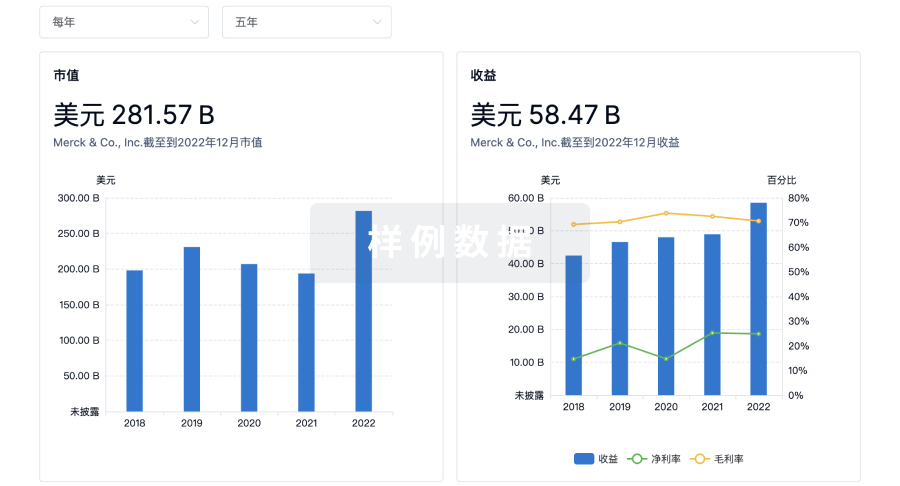
营收
使用 Synapse 探索超过 36 万个组织的财务状况。
登录
或
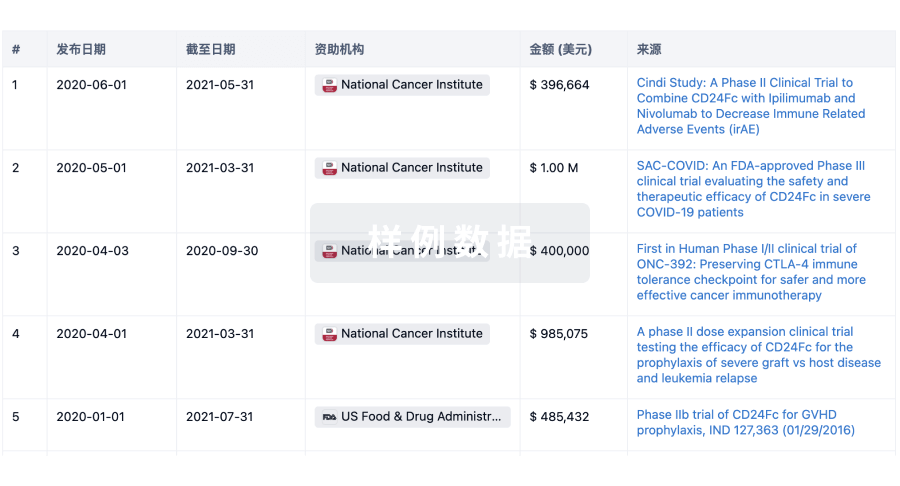
科研基金(NIH)
访问超过 200 万项资助和基金信息,以提升您的研究之旅。
登录
或
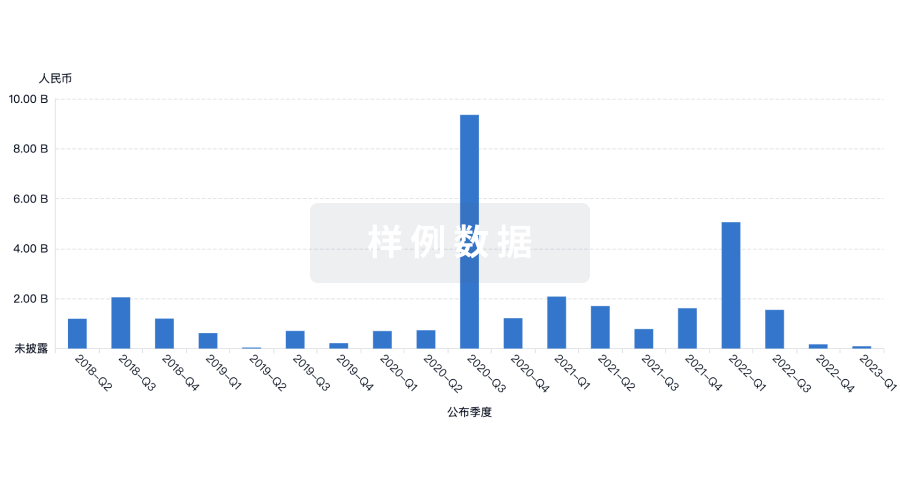
投资
深入了解从初创企业到成熟企业的最新公司投资动态。
登录
或
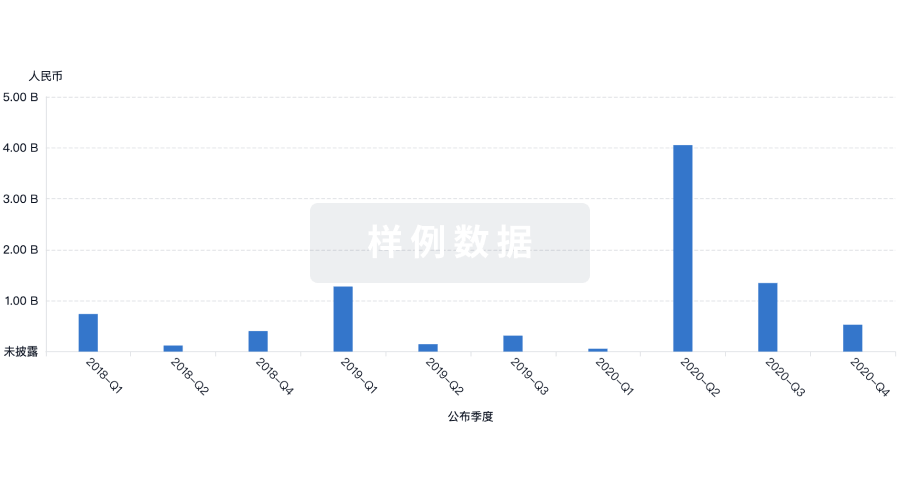
融资
发掘融资趋势以验证和推进您的投资机会。
登录
或
生物医药百科问答
全新生物医药AI Agent 覆盖科研全链路,让突破性发现快人一步
立即开始免费试用!
智慧芽新药情报库是智慧芽专为生命科学人士构建的基于AI的创新药情报平台,助您全方位提升您的研发与决策效率。
立即开始数据试用!
智慧芽新药库数据也通过智慧芽数据服务平台,以API或者数据包形式对外开放,助您更加充分利用智慧芽新药情报信息。
生物序列数据库
生物药研发创新
免费使用
化学结构数据库
小分子化药研发创新
免费使用