预约演示
更新于:2025-11-09

概览
关联
100 项与 Spinal Cord Injury BC 相关的临床结果
登录后查看更多信息
0 项与 Spinal Cord Injury BC 相关的专利(医药)
登录后查看更多信息
14
项与 Spinal Cord Injury BC 相关的文献(医药)2025-09-02·PHYSIOTHERAPY THEORY AND PRACTICE
Physiotherapist- and peer-led physical activity counseling for people with spinal cord injury: a cross-sectional study of barriers and facilitators to implementation in the rehabilitation to community transition
Article
作者: Kell-Cattrysse, Cassandra ; Lin, Marisa S ; Plashkes, Tova ; Thorson, Teri ; Walden, Kristen ; Bitz, Rod ; Ma, Jasmin K ; Martin Ginis, Kathleen A ; Colistro, Regina ; Bass, Andrea ; Le Cornu Levett, Catherine ; Clarkson, Ryan ; McBride, Christopher B
INTRODUCTION:
A large decrease in physical activity (PA) is typically observed among people with spinal cord injury (SCI) upon discharge from in-hospital rehabilitation. Physiotherapists and SCI peers are well-positioned to intervene at this critical timepoint; however,the implementation of coordinated PA interventions between these two groups have yet to be studied.
PURPOSE:
To identify barriers and facilitators that affect the implementation of coordinated PA counseling among physiotherapists and SCI peers during the transition from in-hospital rehabilitation to the community.
METHODS:
Semi-structured interviews were conducted with nine physiotherapists and two SCI peer coaches, using an interview guide informed by the Theoretical Domains Framework (TDF). Interviews were transcribed and coded deductively onto the TDF with themes and subthemes generated by inductive content analysis.
RESULTS:
The most salient TDF domains were social influences, environmental context and resources, and skills. Specifically, participants identified challenges such as addressing patient barriers and continual staff onboarding. Facilitators included the availability of peer coaches with lived experience, support from champions of the PA counseling intervention, group training sessions for physiotherapists and SCI peer coaches, and an adaptable PA counseling form as a conversation guide.
CONCLUSION:
Successful coordination of services provided during the transition from in-hospital rehabilitation to the community may be strengthened by 1) providing resources and training that guide both content and delivery of PA counseling and 2) a referral system that leverages the strengths of both physiotherapists and peer support.
2024-12-01·SPINAL CORD
The spinal cord injury (SCI) peer support evaluation tool: the development of a tool to assess outcomes of peer support programs within SCI community-based organizations
Article
作者: Gainforth, Heather L ; Casemore, Sheila ; Comeau, Jacques ; Flaro, Haley ; Shaw, Robert B ; Shi, Zhiyang ; Noonan, Vanessa K ; Clarke, Teren ; Martin Ginis, Kathleen A ; McBride, Christopher B ; Sweet, Shane N ; Pastore, Olivia ; Scott, Launel ; Aslam, Lubna
Abstract:
Study design:
Guided by the 4-step process outlined in the Consensus-based Standards for the selection of health Measurement INstruments (COSMIN) guideline, multiple methodologies were used: Delphi, literature reviews, ratings with consensus, think-aloud, and test-retest.
Objectives:
The purpose of this study was to develop and test a spinal cord injury (SCI) peer support evaluation tool that meets the needs of community-based SCI organizations in Canada.
Setting:
Peer support programs for people with SCI delivered by community-based SCI organizations.
Methods:
This research was co-constructed with executives and staff from SCI community-based organizations, people with SCI, researchers, and students. Given the multiple steps of this study, sample size and characteristics varied based on each step. Participants included people with SCI who received peer support (mentees) or provided peer support (mentors/supporters) and staff of community-based organizations.
Results:
In step 1, the 20 most important outcomes for SCI peer support were identified. In step 2 and 3, the 97 items were identified to assess the outcomes and by using rating and multiple consensus methodologies 20 items, one to assess each outcome, were selected. In step 4, content and face validity and test-retest reliability were achieved. The resulting SCI Peer Support Evaluation Tool consists of 20 single-item questions to assess 20 outcomes of SCI peer support.
Conclusion:
Through a systematic process, the SCI Peer Support Evaluation Tool is now ready to be implemented to assess outcomes of SCI peer support programs delivered by community-based SCI organizations.
2024-11-05·Disability and rehabilitation
Transforming research systems for meaningful engagement: a reflexive thematic analysis of spinal cord injury researchers’ barriers and facilitators to using the integrated knowledge translation guiding principles
Article
作者: Munro, Barry ; Kaiser, Anita ; West, Christopher R. ; Hoekstra, Femke ; McKay, Rhyann C. ; Shwed, Alanna ; Schaefer, Lee ; Sibley, Kathryn M. ; McBride, Christopher B. ; McPhail, Lowell ; Gainforth, Heather L. ; Giroux, Emily E.
PURPOSE:
To develop an in-depth understanding of spinal cord injury (SCI) researchers' barriers and facilitators to deciding to use 1) a partnered approach to research and, 2) systematically developed principles for guiding Integrated Knowledge Translation (IKT) in spinal cord injury research (IKT Guiding Principles).
METHODS:
Qualitative interview study with North American SCI researchers who were interested in using a partnered research approach. The research was conducted using an IKT approach, and interview data were analyzed using reflexive thematic analysis.
RESULTS:
Thirteen SCI researchers whose research focused on prevention, clinical, rehabilitation, and/or community SCI research were interviewed. Three themes were co-constructed with partners: 1) the principles are necessary but not sufficient for the implementation of a partnered approach to research; 2) relational capacity building is needed; and 3) institutional transformation is needed to value, resource, and support meaningful engagement.
CONCLUSIONS:
Supporting change that enables SCI researchers to adopt and implement the IKT Guiding Principles will require transformation at the individual (theme 1), relational (theme 2), and institutional levels (theme 3). Findings provide clear, practical, and tangible actions to promote change that can support meaningful engagement in the SCI Research System.
100 项与 Spinal Cord Injury BC 相关的药物交易
登录后查看更多信息
100 项与 Spinal Cord Injury BC 相关的转化医学
登录后查看更多信息
组织架构
使用我们的机构树数据加速您的研究。
登录
或
管线布局
2026年02月08日管线快照
无数据报导
登录后保持更新
药物交易
使用我们的药物交易数据加速您的研究。
登录
或
转化医学
使用我们的转化医学数据加速您的研究。
登录
或
营收
使用 Synapse 探索超过 36 万个组织的财务状况。
登录
或
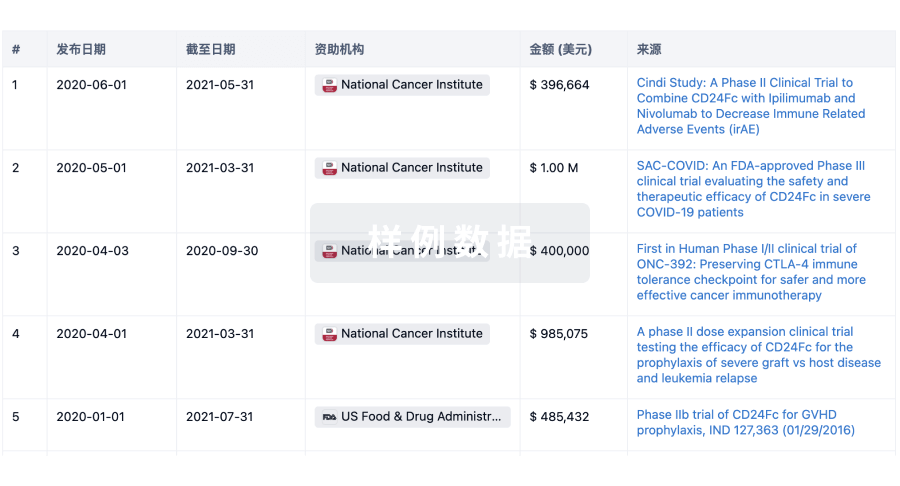
科研基金(NIH)
访问超过 200 万项资助和基金信息,以提升您的研究之旅。
登录
或
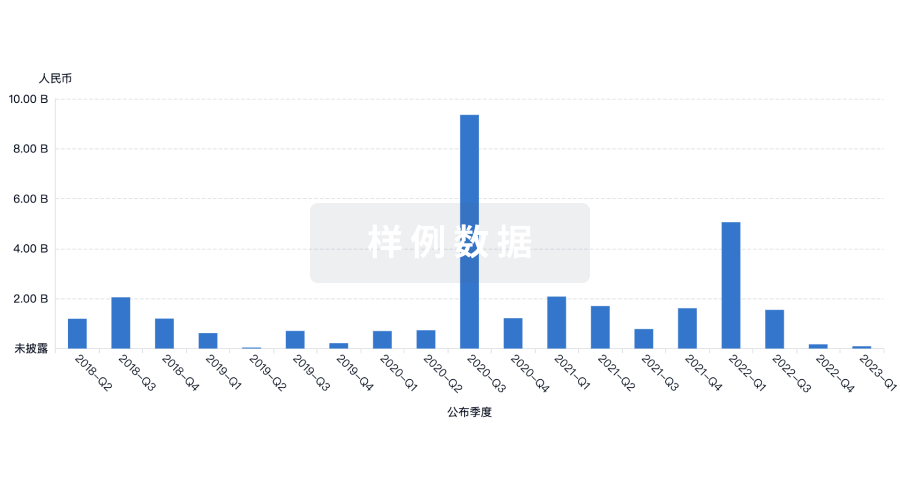
投资
深入了解从初创企业到成熟企业的最新公司投资动态。
登录
或
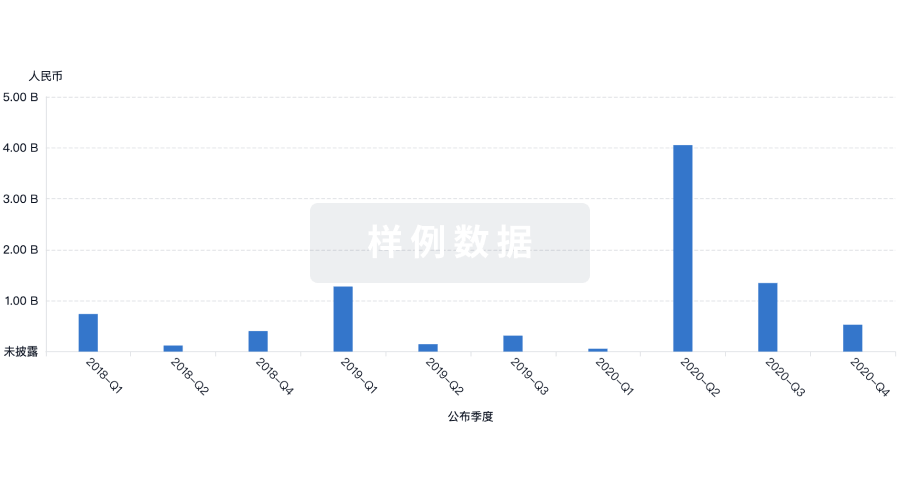
融资
发掘融资趋势以验证和推进您的投资机会。
登录
或
生物医药百科问答
全新生物医药AI Agent 覆盖科研全链路,让突破性发现快人一步
立即开始免费试用!
智慧芽新药情报库是智慧芽专为生命科学人士构建的基于AI的创新药情报平台,助您全方位提升您的研发与决策效率。
立即开始数据试用!
智慧芽新药库数据也通过智慧芽数据服务平台,以API或者数据包形式对外开放,助您更加充分利用智慧芽新药情报信息。
生物序列数据库
生物药研发创新
免费使用
化学结构数据库
小分子化药研发创新
免费使用