预约演示
更新于:2025-05-07

340B Health
更新于:2025-05-07
概览
关联
100 项与 340B Health 相关的临床结果
登录后查看更多信息
0 项与 340B Health 相关的专利(医药)
登录后查看更多信息
28
项与 340B Health 相关的新闻(医药)2025-04-24
The growing drug discount program for low-income Americans, known as the 340B program, has “transparency and oversight concerns” and needs to be reformed, Sen. Bill Cassidy (R-LA), chair of the Senate Health, Education, Labor and Pensions Committee, said in a sweeping new report released Thursday.
The report
is the result of an investigation that began in 2023 on how 340B operates, and it calls for wider congressional reforms to ensure 340B discounts translate to better access and lower costs for patients. Annual reporting on how hospitals’ 340B revenue is used to ensure patient savings is among the transparency reforms Cassidy proposes.
In response to Cassidy’s
inquiries from last September
, the report states that Eli Lilly, Amgen and Johnson & Johnson said they’ve provided billions of dollars in discounts on drugs through 340B. All critiqued the program for parts of what it’s become, although none called for the elimination of 340B.
Amgen and Lilly took issue with the way pharmacies can dispense the steeply discounted drugs to non-340B patients — even as the program says they should be only provided to 340B patients — under what’s known as “the virtual inventory/product replenishment model.” Lilly alleges the model creates “an unlawful diversion” of 340B drugs because the drugs with various prices all end up in a pharmacy’s general inventory.
A growing reliance on new contract pharmacies has also caused the 340B program to grow significantly in recent years, leading to litigation between drugmakers and the federal Health Resources and Services Administration.
“The data produced by Eli Lilly and J&J show that both drug manufacturers have seen a significant increase in 340B sales to contract pharmacies compared to direct sales to hospitals and grantees,” the report says, echoing similar prior reports that 340B
is ballooning
.
From 2018 to 2023, Lilly’s data show total 340B sales to contract pharmacies (including entity-owned contract pharmacies) have grown 206%, from $706 million to $2.16 billion, while from 2019 to 2021, J&J’s 340B sales to contract pharmacies have grown 114%, the report says.
Antonio Ciaccia, CEO of 46brooklyn Research — which works on drug pricing — told
Endpoints News
that questions remain over whether the return on investment from the “societal good side” of 340B is there, given how much the program has changed and grown over the years. He said the report is “a good table-setting” for what may be significant changes.
Since 2020, at least 20 drug manufacturers have enacted restrictions on contract pharmacies under 340B, but the result of the various lawsuits over these restrictions remains mixed, the report says. Even still, the restrictions put in place by Lilly, Amgen and J&J “did not substantially impact long-term 340B utilization of their drugs,” the report adds.
Maureen Testoni, president and CEO of the hospital group known as 340B Health, said in a statement, “We have concerns with several aspects of the report that may not fully reflect the purpose or implementation of 340B,” noting that it “overlooks a substantial body of research showing that 340B hospitals are responsible for delivering 77% of all Medicaid hospital care and 67% of the nation’s unpaid care.”
AHA会议
2025-02-20
Eli Lilly, Bristol Myers Squibb, Sanofi and Novartis are seeking to block a major hospital trade group from intervening in court cases over their proposed 340B drug rebate models.
340B Health and two of its member hospitals argued earlier this month that they would be “severely harmed” by the drugmakers’ models, which would require hospitals to purchase 340B-eligible drugs at market price and recoup the discounts via rebates. The hospital group asked the US District Court for the District of Columbia to join the lawsuits that the drugmakers each brought against HHS for rejecting their models.
But lawyers representing the four drugmakers said in a Wednesday
court filing
that the hospitals and 340B Health lack standing to intervene.
“Proposed Intervenors give no reason for this Court to believe that Manufacturer-Plaintiffs’ models will result in covered entities receiving fewer payments than they are entitled to under the 340B statute,” the drugmakers wrote. They added that the hospitals’ alleged injuries rely on “several speculative links.”
One of the hospitals, UMass Memorial Medical Center, said it would have to divert hundreds of thousands of dollars from its annual operating budget to comply with the requirements of the 340B rebate models, including certain legal fees and hiring and training at least one new employee to handle the requests. But the drugmakers argued on Wednesday that their models “require only commercially standard claims data that covered entities already maintain and submit to payors in the ordinary course of their business.”
Five drugmakers are suing the federal government for rejecting their proposed rebate models. The hospital group also asked to join Johnson & Johnson’s case, but attorneys for J&J similarly argued last week that it lacks standing to do so.
专利侵权
2025-02-06
A trade group representing 1,600 hospitals says 340B rebate models proposed by multiple drugmakers would be a “significant burden” to its members, and wants to intervene in the companies’ lawsuits against the federal government.
340B Health and two of its member hospitals said Wednesday that they would be “harmed by the time and expenses incurred” if they are forced to comply with proposed new models from
Eli Lilly
,
Sanofi
,
Novartis
and
Bristol Myers Squibb
, which would require hospitals to purchase 340B drugs at market price and recoup the discounts later via rebates. UMass Memorial Medical Center and Genesis HealthCare System also joined the motions.
Five
drugmakers in total are
suing the federal government
over its tough stance against proposed new models for distributing 340B discounts. The hospitals and 340B Health also filed a
motion
to intervene in Johnson & Johnson’s case last month. The potential intervenors said now is a “particularly important” time to join the lawsuits, as government agencies and the justice department typically reevaluate their
positions
amid changes of administration. They also argued that they have “experience and data” that the government doesn’t have access to.
“A program that requires 340B hospitals to pay the full price for 340B drugs and then wait to possibly be reimbursed for the discounts to which they are entitled will have significant, adverse effects on 340B hospitals,” the hospitals and 340B Health wrote in nearly identical motions, which were filed on Wednesday in the US District Court for the District of Columbia.
UMass estimates that it would have to divert hundreds of thousands of dollars from its annual operating budget to comply with the requirements of these new models, including certain legal fees and hiring and training at least one new employee to collect the requested data, submit rebate claims, reconcile payments, dispute denied rebates and perform regular financial reporting.
Doing so would “significantly undercut its ability to support crucial community services and drug discounts to eligible patients,” the motions state. If the entire 340B program shifted to a similar rebate model, Genesis said it would likely spend an additional $5.2 million per month in upfront costs.
A Lilly spokesperson told
Endpoints News
on Thursday that the motion to intervene “is designed to mislead the court and the public about Lilly’s cash replenishment model, which will pay providers cash directly, improve their cash flow, increase transparency, curb for-profit corporations’ abuse of the program, and ensure compliance with existing laws.”
HHS declined to comment.
Editor’s Note: This story has been updated to include information about other motions filed by 340B Health in cases brought by Novartis, Sanofi, Bristol Myers Squibb and Johnson & Johnson.
100 项与 340B Health 相关的药物交易
登录后查看更多信息
100 项与 340B Health 相关的转化医学
登录后查看更多信息
组织架构
使用我们的机构树数据加速您的研究。
登录
或
管线布局
2026年02月08日管线快照
无数据报导
登录后保持更新
药物交易
使用我们的药物交易数据加速您的研究。
登录
或
转化医学
使用我们的转化医学数据加速您的研究。
登录
或
营收
使用 Synapse 探索超过 36 万个组织的财务状况。
登录
或
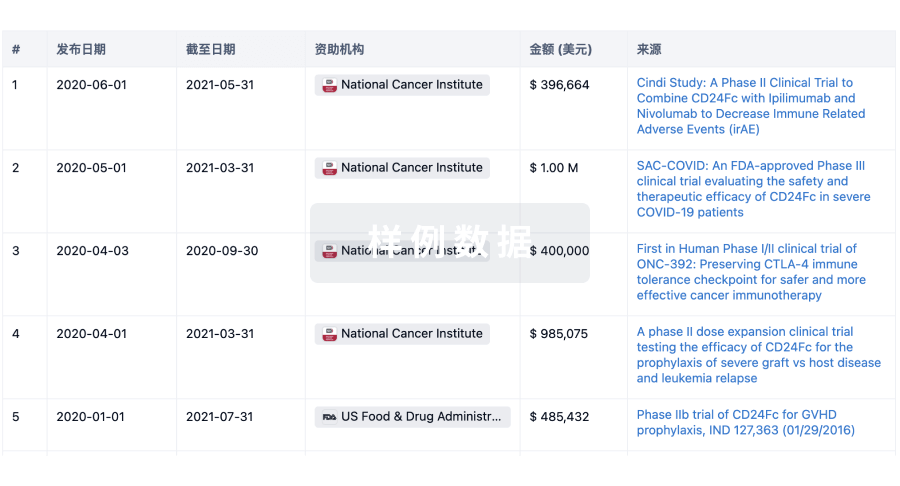
科研基金(NIH)
访问超过 200 万项资助和基金信息,以提升您的研究之旅。
登录
或
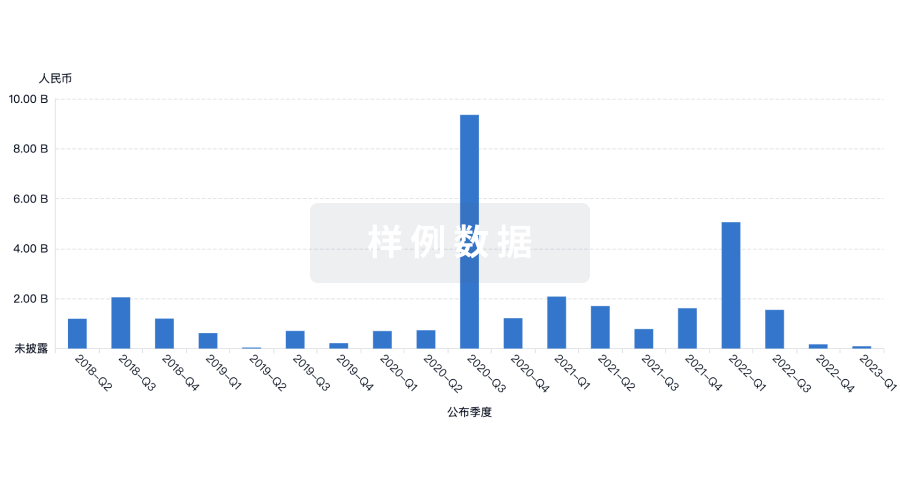
投资
深入了解从初创企业到成熟企业的最新公司投资动态。
登录
或
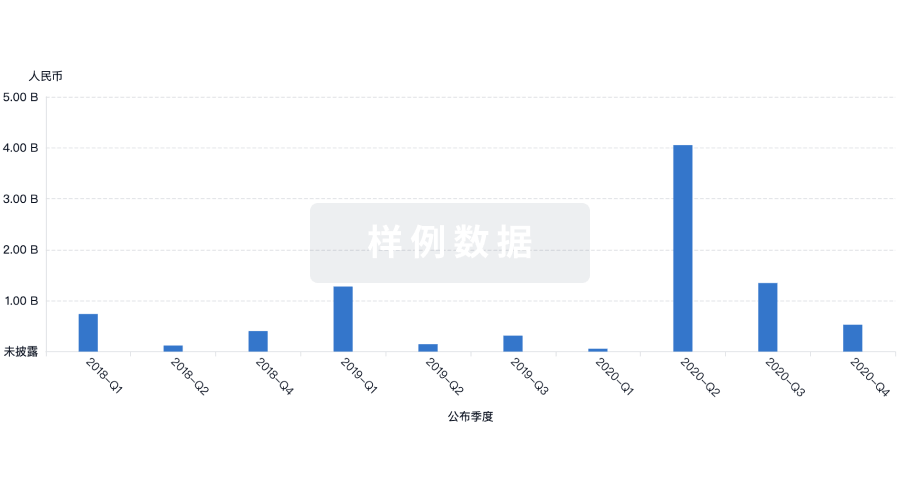
融资
发掘融资趋势以验证和推进您的投资机会。
登录
或
生物医药百科问答
全新生物医药AI Agent 覆盖科研全链路,让突破性发现快人一步
立即开始免费试用!
智慧芽新药情报库是智慧芽专为生命科学人士构建的基于AI的创新药情报平台,助您全方位提升您的研发与决策效率。
立即开始数据试用!
智慧芽新药库数据也通过智慧芽数据服务平台,以API或者数据包形式对外开放,助您更加充分利用智慧芽新药情报信息。
生物序列数据库
生物药研发创新
免费使用
化学结构数据库
小分子化药研发创新
免费使用