预约演示
更新于:2025-12-07

Whiting Clinic
更新于:2025-12-07
概览
关联
100 项与 Whiting Clinic 相关的临床结果
登录后查看更多信息
0 项与 Whiting Clinic 相关的专利(医药)
登录后查看更多信息
6
项与 Whiting Clinic 相关的新闻(医药)2024-08-07
我们的 Fierce 15 荣誉获得者之一深入海洋,从海鞘中汲取灵感,以开发新的人类治疗药物。另一位则认为可爱的十三条纹地松鼠,凭借其圆点图案和冬眠习性,可能为新的治疗方法提供线索。
还有一家生物技术公司审视了人类基因组计划,并思考,它还能做些什么?
有一家公司以全新的方式看待迷幻药物,随着对重新利用这些非法物质以改善心理健康等更好事物的兴趣日益增长。
然后,在新西兰,一家小公司正在对抗病毒感染。它被告知它的使命是荒唐的,但我们不这么认为。
欢迎来到 2024 年 Fierce 15。Fierce Biotech 编辑团队自豪地呈现这一年度生物技术领域的佼佼者。这 15 家公司是从数百名提名者中精心挑选出来的。
这是我们一年中做的最艰难的项目——只选出 15 家打破障碍、定义行业未来的公司。但当我们完成时,这也是最有成就感的,发布时也是最令人兴奋的。所以请继续阅读,看看我们今年选择了哪些公司。
1.Abdera Therapeutics
By Darren Incorvaia
致力于用多功能放射性药物治疗难以治愈的癌症
成立时间:2020年
总部地点:加拿大不列颠哥伦比亚省温哥华和加利福尼亚州南旧金山
临床研究重点:小细胞肺癌和大细胞神经内分泌癌
Abdera的亮点:当古希腊哲学家德谟克利特在大约2500年前构思他的原子理论时,他绝不可能想到这有一天会导致一家以他家乡命名的放射性药物公司。但正是在2023年,Abdera Therapeutics 带着1.42亿美元的资金和利用放射性衰变摧毁肿瘤的计划从隐秘中出现。
自从瑞士制药公司诺华凭借癌症药物Pluvicto——在2023年上市的第一年几乎达到了畅销药的地位——和Lutathera大获成功后,放射性药物就一直照亮了生物技术行业。随后,其他大型制药公司也纷纷效仿,试图复制这一成功。
“我认为,仅在过去几个季度,就有大约400亿美元的四笔交易,”Abdera首席执行官Lori Lyons-Williams告诉Fierce。“靶向放射性疗法领域有很多激动人心的事情。”
Lyons-Williams说,大多数放射性药物的研究都集中在一两个目标上,即Lutathera和Pluvicto所针对的相同分子。Lutathera针对的是神经内分泌肿瘤高度表达的生长抑素受体;Pluvicto针对的是前列腺癌细胞表面的前列腺特异性膜抗原。
“我们真的相信,我们的ROVEr平台使我们能够达到下一代目标,这样我们就可以希望区分并扩展到新的癌症类型,”Lyons-Williams说。
ROVEr代表放射性优化载体工程,它是Abdera雄心的核心技术。联合创始人Adam Judge博士和Michael Abrams博士分别在生物制剂和放射性药物领域有着背景,他们预见到核医学即将起飞,并开发了一个模块化抗体平台,可以轻松修改以针对新型癌症。另一位联合创始人Lana Janes领导了公司的孵化和adMare Bioinnovations的剥离。
目标是创建一个理想的系统,将放射性同位素输送到肿瘤中,让它们衰变并摧毁癌细胞,然后尽快从体内清除,以避免附带损伤。到目前为止的数据表明,Abdera的抗体“可能能够提供一流的肿瘤积累”,Lyons-Williams说,然后“更快速地从系统中排出,最终减轻对健康组织的伤害。”
Abdera的旗舰药物是ABD-147,它针对神经内分泌肿瘤细胞上的一种名为delta-like配体3的蛋白质。ABD-147最近获得了FDA针对广泛期小细胞肺癌(SCLC)的快速通道认定,临床试验计划在今年晚些时候开始招募患者。
广泛期SCLC有巨大的未满足需求,即使接受治疗,诊断后的生存期通常也只有7到11个月;Lyons-Williams认为这一严峻的事实,以及它向机构提交的临床前数据,对Abdera快速通道的成功发挥了作用。
“我们在动物模型中看到的反应相当引人注目,”她说。“以剂量依赖的方式,仅用我们的药物治疗一次,我们就看到了肿瘤的完全消融。”
如果ABD-147证明安全有效,Lyons-Williams说Abdera也能够迅速推动其他药物通过开发管线。这得益于他们抗体的模块化结构,无论目标是什么,大部分分子都保持不变,以及Abdera的战略能力建设。
Lyons-Williams加入公司后的第一个高管招聘是首席技术官Kawa Chiu,首席执行官回忆说。“这可能不一定是大多数人可能会首先招聘的高管角色,但在这个案例中,同位素的供应链并不完全稳定。”她补充说,因为同位素一旦药物结合就开始衰变,所以“建立一个及时制造过程”对成功至关重要。
凭借其多功能平台和制造能力,Abdera致力于扩展到其他实体瘤类型,并提供一流的治疗。“有一些真正难以治疗的癌症[在那里]其他方式并没有非常有效地工作,”Lyons-Williams说。“在我们的核心,我们最关心的是能够影响更多的患者。”
如果即将到来的数据看起来引人注目,他们所有人都谈到了一个他们想要去庆祝的地方:希腊的Abdera。“这是我们的一个愿望,”她说。
投资者:Versant Ventures, Amplitude Ventures, venBio Partners, adMare BioInnovations, Viking Global Investors, Qiming Venture Partners USA, RTW Investments, AbCellera, Northview Ventures
2.Ascidian Therapeutics
By Annalee Armstrong
从海鞘中汲取灵感,开发外显子编辑RNA治疗药物
成立时间:2020年
总部:波士顿
临床研究重点:RNA治疗药物,眼病
Ascidian的亮点:Ascidian Therapeutics的首席执行官Michael Ehlers博士既是一位严肃又有趣的人吗?或者说是严肃地有趣?他想知道。因为他最新的生物技术公司是他参与过的“最有趣的工作环境之一”。
是的,他的意思是公司的社交活动非常活跃,但他也谈到了员工之间的竞争精神,这推动他们成为RNA领域的佼佼者。
“我们极具竞争力,”Ehlers在接受Fierce Biotech采访时说。“这是一个真正想要做到最好、在他们所做的事情上做到最好的团队……从团队可能在社交活动上的竞赛方式,无论是小测验、沙壶球还是其他任何东西,到挑战彼此进行最好的实验,应用到那个实验的正确技术。”一家从不起眼的海鞘中汲取灵感的公司很有趣并不令人惊讶。Ascidian——海鞘的另一个名字——正在开发外显子编辑RNA治疗药物,希望能够解决视网膜和神经系统疾病的根本原因。这个想法是使用RNA剪接结合大规模DNA和RNA合成以及深度测序技术来恢复正常的蛋白质功能。
为了做到这一点,团队向大自然寻求灵感。而最擅长RNA剪接的小型生物恰好是海鞘。
“这种生物学本身就很有趣,因为这些海鞘在它们的发展过程中经历了显著的变态,这涉及到跨剪接,”Ehlers说。
大约20年前的研究就发生了这个过程,但当时可用的工具和知识还没有完全跟上科学的发展。现在,Ascidian在这里将RNA剪接的理念带入现代,并迅速将技术推向临床。
Ascidian已经有一些早期候选药物正在进行中。最先进的是针对ABCA4视网膜病变的视网膜疾病项目,这是一组包括Stargardt病的疾病,通常由ABCA4基因的突变引起。一项1期试验将很快测试Ascidian的ACDN-01是否安全,并寻找减缓视网膜损伤的迹象。
Ehlers说,所讨论的基因太大,无法包装到当前基因疗法使用的典型腺相关病毒中,因此通过RNA来解决这种疾病是一个更好的方法。RNA剪接可以适用于任何需要更实质性变化的基因编辑案例。
这项技术已经吸引了罗氏,后者在6月支付了4200万美元的预付款,以确保对Ascidian技术在未披露的神经学目标上的独家权利。该交易包括高达18亿美元的研究、临床和商业里程碑付款。Ascidian将与罗氏合作进行发现和某些临床前活动,然后将完全控制权交给这家瑞士制药商进行进一步的临床前工作及以后的工作。
“我认为他们在这个核心RNA外显子编辑技术中看到了能力,能够做到其他技术在一些对他们非常重要的疾病领域中无法完成的事情,”Ehlers谈到罗氏的合作时说。
与此同时,Ascidian可以继续在神经学领域寻找自己的内部项目。Ehlers说,公司正在寻找更多的潜在合作伙伴,目前正在进行讨论。Stargardt项目是Ascidian的领先项目,并将保持这种方式,但Ehlers说,这项技术可以解决的一些疾病领域可能不适合这家生物技术公司。他承诺在未来几个月会有更多消息。
至于融资,Ehlers说Ascidian得到了创始投资者Apple Tree Partners的有力支持,这确保了这家生物技术公司能够经受住近期动荡的市场。
关键挑战是在所有这些中保持科学势头。Ehlers说,吸引一群致力于这个事业的科学家团队是很容易的——他称他们为“我见过的最好的一个团队”。
“这不仅仅是你父亲的Oldsmobile,我们正在做的事情。这是一些真正非常不同和独特的东西,具有独特的潜力和独特的影响,”Ehlers说。这就是吸引了一群非常有趣的人来到Ascidian的原因,他说。
公司目前大约有50人,包括一些暂时加入团队的学生,总部位于波士顿的Brighton社区。他说Ascidian甚至可以使用波士顿棕熊队的练习溜冰场。
有了这么酷的员工派对潜力,Fierce编辑团队将密切关注Fierce 15派对。我们不会忘记我们的溜冰鞋。
投资者:Apple Tree Partners
3.BigHat Biosciences
By Annalee Armstrong
利用机器学习和合成生物学寻找更好的抗体
成立时间:2019年
总部:加利福尼亚州圣马特奥
临床研究重点:抗体药物发现
BigHat的亮点:设计、构建、测试、重复。这就是BigHat Biosciences团队每周都在做的事情。这是生物技术公司利用机器学习和合成生物学技术结合的使命,设计更有效的抗体。
这个每周的周期使BigHat能够构建分子,这些分子以尽可能快的速度获得越来越好的特性。这是大量的数据和大量的重复,这是任何在AI领域辛勤工作的公司都知道的。BigHat的不同之处在于湿实验室改进与计算机系统的结合,以确保突破可以应用于生物技术世界。
“我们拥有一个设计建造测试实验室,速度非常快,我们不仅用它来加快速度,而且重要的是,设计出其他平台无法达到的治疗药物,”联合创始人兼首席科学官Peyton Greenside博士说。
BigHat的核心是Milliner平台,它结合了机器学习和合成生物学技术,在封闭循环迭代过程中设计和工程抗体以治疗疾病。
首席执行官Mark DePristo博士——Google Brain和Broad Institute的校友——和Greenside在“戴着非常不同的帽子”时相遇,首席执行官笑着说。Greenside之前是Broad Institute的计算生物学家,在斯坦福大学获得了博士学位。他们都在试图弄清楚基因组数据是否可靠,最终开始合作。
“我们认为,没有足够多的人尝试将AI技术与实验室技术结合起来,这样你不仅可以从现有数据中学习,然后在新的领域验证这些模型,然后从这些新数据中学习以改进模型,”DePristo解释说。
他们很快意识到需要改变湿实验室组件,以鼓励更频繁的实验,生成更高质量的数据。
“我们实际上每周都在我们的实验室转动曲柄。我们能够从设计的抗体到实际真实世界的测量,每周一次,我们现在每周都能对1600个分子做到这一点,”DePristo解释说。“正是这种速度和数据质量真正为我们的AI技术提供了燃料,使它们能够以它们的速度前进。”
Milliner平台帮助BigHat开发了内部管线,正在进行肿瘤学和镰状细胞病的资产,同时也吸引了强生、默克和安进等大型合作伙伴。DePristo称该平台“极其高效”,并表示它是一种“创造价值的能力”。
这项实验室工作对于解决关键问题至关重要:它是否适用于人类?
“没有算法或模拟器会告诉你……一个分子在患者中的表现如何,”Greenside说。“你真的必须在实验室制造并测试东西,所以我认为我们投入了大量的努力来提高机器学习数据的质量。”
同样重要的是让实验室技术人员与处理数据的团队进行沟通。Greenside说,他们很早就建立了这种文化,以确保顺利合作。
“当你进入设计构建测试循环时,每个人都既是消费者又是生产者。这使每个人都感到他们……最终会感受到一周后生产的产品的后果,”DePristo说。
有了平台不断产出潜在项目,DePristo和Greenside表示BigHat非常专注于等式的治疗部分。大约90人的团队希望为真正的患者开发治疗,首席执行官预计到2026年在诊所有候选药物。
为了资助这项工作,DePristo确认公司正在寻找增加更多资本的方法,但称融资环境“复杂”。
“我们还没有真正摆脱‘22年的生物技术寒冬。它来了。它正在变得更好,但还没有100%,”他说。“我们不需要筹集,但我们确实认为更多的资本将帮助我们更快地前进。”
他解释说,这些资本可以通过几种方式获得,例如通过额外的一轮融资、许可协议、更大的合作伙伴关系或利用现有投资者。
“我们当然已经准备好进一步增长,我们将考虑如何做到这一点,”DePristo说。
投资者:8VC、AME Cloud Ventures、Innovation Endeavors、Andreessen Horowitz、Section 32、Amgen Ventures、Bristol Myers Squibb、Quadrille Capital、Gaingels、GRIDS Capital
4.Cour Pharmaceuticals
By Conor Hale
重新训练自身免疫疾病背后的罪魁祸首
成立时间:2013年
总部:伊利诺伊州斯科基
临床研究重点:自身免疫疾病
Cour的亮点:Cour Pharmaceuticals希望通过一种新型的反向疫苗,将四十多年的免疫系统研究成果付诸实践,这种疫苗旨在重新编程身体中积极——如果有点过于热心——的白细胞,并最终说服它们不要攻击健康的器官。
这家初创公司的目标是建立一个针对性的、基于平台的方法,可以解决使人虚弱的自身免疫疾病,同时不会削弱患者抵抗入侵感染的能力——这种方法可能还可以针对不同的疾病进行定制。
Cour的技术最初是在芝加哥西北大学Feinberg医学院开发的,它使用生物可降解的纳米颗粒包裹特定的抗原——具体来说,就是需要匹配触发T细胞破坏身体自身组织的连锁反应的肽或蛋白质。
这些纳米颗粒搭乘被称为单核细胞的白细胞,当它们前往脾脏和肝脏时。当这些细胞被身体回收时,抗原以一种使它们看起来像正常死亡细胞碎片的方式释放,然后免疫系统学会识别它们。
而传统疫苗会指示这些类型的细胞攻击特定的入侵者,Cour的策略是向免疫系统保证它们可以无害地通过。
“我们花了40年的时间尝试弄清楚如何让免疫系统重新训练,以便它不会攻击感兴趣的抗原,”首席执行官John Puisis在接受Fierce采访时表示。“我们非常幸运地遇到了一个偶然的科学医学发现的交叉点。”
在公司的最初阶段,这种策略被研究作为一种降低严重花生过敏患者危险的炎症反应的方法。今天,Cour完全专注于自身免疫,其管线包括针对1型糖尿病、乳糜泻和肌肉无力状况重症肌无力的候选药物。而且,到目前为止,早期结果一直很有希望,首席执行官说。
“我们实际上可以废除疾病,”Puisis说。“这就是我们的数据所显示的,这真的非常深刻。”
在1型糖尿病中,T细胞攻击胰腺产生胰岛素的胰岛细胞,Cour计划停止疾病的进展。
这家生物技术的CNP-103项目旨在通过一次性封装四种不同的重组蛋白,向身体呈现120个抗原表位——它计划明年通过Cour的1b/2a期试验首次在人体中亮相。
该计划首先从疾病的晚期患者开始——即那些已经确定胰岛β细胞损失并可能考虑组织移植的患者,尽管仍然存在自身免疫——然后将其发展为早期诊断的治疗。“1型糖尿病至今仍没有得到很好的管理,尽管有改进和持续的血糖监测,”首席运营官Dannielle Appelhans说。“但在解决根本原因方面,真的没有什么可用的。”
与此同时,Cour的重症肌无力治疗CNP-106已经通过了概念验证阶段,并正在类似的早期至中期研究中招募成年人。
对于乳糜泻,该公司与Takeda找到了合作伙伴,2019年签署了全球许可协议,包括高达4.2亿美元的潜在里程碑和版税支付的承诺。那种疗法——根据你问的人不同,被称为CNP-101或TAK-101——走私了作为麸质化合物两个主要组成部分之一的麦胶蛋白。
在大约30名患者的首次人体临床试验中,该公司证明了在两次输注后的几周内,即使随后给予研究参与者大剂量的麸质,炎症细胞因子生物标志物的测量以及T细胞激活和渗透到小肠的程度都大大减少。
“诊断乳糜泻患者的医生给他们麸质挑战,然后他们去看看T细胞,”Puisis说。
“一些医生告诉我们,用我们的治疗,那个人将不再被诊断。所以请理解这一点的价值,但这是一个相当深刻的变化,并且在一个非常小的人群中是显著的,”他说。“我谨慎地感到兴奋。”
与此同时,Cour预计其产品将比其他细胞编程技术更便宜,尽管属于同一监管类别。
“我们正在做的事情真正有趣的是,我们有这个平台,但其中98%是一种聚合物,然后蛋白质只有1%到2%,”Appelhans说,她之前曾担任细胞疗法开发商Rubius Therapeutics的首席运营官和首席执行官,以及诺华基因疗法部门的首席技术官。Appelhans将从9月1日起接替Puisis担任首席执行官。
“所以真正让我兴奋的是,有可能触及世界上许多患者,因为,尽管是一种先进的方式,它没有与这些相同的成本结构。”
投资者:Lumira Ventures、Bristol Myers Squibb、Roche Venture Fund、Pfizer Breakthrough Growth Initiative、Alpha Wave Ventures
5.Excision BioTherapeutics
By Eric Sagonowsky
利用CRISPR技术切除病毒基因组
成立时间:2015年
总部:马萨诸塞州沃特敦
临床研究重点:病毒感染,如HIV、乙型肝炎和单纯疱疹病毒
Excision的亮点:抗病毒药物多年来取得了巨大进步,将HIV转变为一种基本上可以管理的疾病,可以有效预防。
同时,针对乙型肝炎和呼吸道合胞病毒等其他感染的疫苗也在不断改善患者的治疗效果。
但Excision正在将抗病毒感染的斗争带入一个完全不同的领域。通过使用CRISPR基因编辑技术,该公司正在开发能够从感染个体中完全去除病毒基因组的药物。
Excision成立于2015年,其技术平台获得了加利福尼亚大学伯克利分校的Jennifer Doudna博士实验室和天普大学的Khalili实验室的许可。2019年,Excision团队庆祝了一个重大的科学里程碑,其技术使科学家能够从活体小鼠的基因组中去除HIV DNA。当时,公司将这一发展视为对其方法的验证。
正如Excision首席执行官Daniel Dornbusch在最近的一次采访中解释的那样,科学家们早已知道如何识别病毒感染并抑制病毒复制。然而,更具挑战性的是长期努力“针对感染的源头”,并有可能治愈感染个体。
这就是Excision希望其平台能够引入戏剧性范式转变的地方。
该公司正在测试其CRISPR病毒移除方法针对HIV,当然,它也在研究乙型肝炎和其他感染。首席执行官解释说,已经有针对乙型肝炎的“很好的疫苗”,但这对全球目前患有该疾病的数亿人来说“没有作用”。
除了这两种病毒外,单纯疱疹、疱疹性角膜炎和BK病毒是Excision现有和潜在目标之一。
Dornbusch说:“有一系列这样的病毒不幸地困扰着世界各地的患者,我们希望能够有新的方式来尽可能接近治愈。”
Excision成立于2015年,2019年重组,将其总部设在旧金山,Dornbusch说。
在2021年通过A轮融资筹集了6000万美元后,Excision在马萨诸塞州剑桥建立了一个实验室,并已将该研究基地迁至马萨诸塞州沃特敦,现在该地点是生物技术公司的总部。
尽管拥有“双海岸”的形象,公司只有18名员工,Dornbusch说。除了内部员工外,生物技术公司还与“广泛的”顾问、顾问和CRO网络合作,首席执行官补充说。Dornbusch本人于2019年加入。
多年来,Excision增加了顶级团队成员来领导研发、临床运营和生物信息学,Dornbusch说。公司研发高级副总裁Jennifer Gordon博士在加入Excision之前在学术研究方面拥有数十年的经验,包括在天普大学。
公司的主要项目在其首次临床试验中达到了主要和次要终点。在接下来的几年里,Excision计划为其“下一代HIV项目”、其单纯疱疹项目和其HBV项目进行更多的试验,Dornbusch说。
大约五年后,公司可能会考虑关键试验或“甚至可能是首次推出”,首席执行官说。
除了临床工作外,公司很快打算筹集B轮融资。
Dornbusch说:“在过去的两三年里,我认为该领域已经发生了180度的变化”,他谈到了CRISPR和基因疗法的进步。“给我打电话的人是那些说‘这永远不会奏效’的人,现在他们说‘这是唯一的方法’。”
随着Excision致力于其早期阶段的产品线,生物技术公司已经开始与大型制药公司就可能的合作进行讨论,以扩大其技术的全球影响力。该公司相信合作伙伴关系是“绝对正确的方式”,将这些疗法商业化到世界各地,Dornbusch说。
投资者:ARTIS Ventures、GreatPoint Ventures、Norwest Venture Partners、Adjuvant Capital、Cota Capital、WRVI Capital、IndusAge Partners、Loreda Holdings、Olive Tree、Anzu Partners、SilverRidge Venture Partners、Oakhouse Ventures、Gaingels
6.Fauna Bio
By Nick Paul Taylor
通过研究其他物种中的基因和途径来确定人类药物的靶点
成立时间:2018年
总部:加利福尼亚州埃默里维尔
临床研究重点:肥胖症、心肺疾病、神经退行性疾病
Fauna Bio的亮点:Fauna Bio的建立基于一个让资深风险投资者都感到惊讶的想法。当Ashley Zehnder博士,Fauna的首席执行官和联合创始人,在2018年开始向一些早期投资者测试公司的概念时,她发现这家生物技术公司已经远远偏离了已知的药物发现方法的地图。
“我曾有非常资深的生物技术投资者说,‘我以前真的从未听说过这个,’”Zehnder说。“他们至少听过一次所有事情,所以你知道这确实是生物医学药物发现的一个全新方法。”
这种方法是什么?通过研究其他物种中高度保守的基因和途径来确定人类药物的靶点。这个概念最初可能与动物模型是不完美的人类生物学仿制品这一真理相抵触。Fauna并没有挑战这一真理;它以一种完全不同的方式使用动物。
Fauna的假设是,人类与那些已经进化到抵抗我们面临的许多健康问题的哺乳动物共享遗传信息。十三条纹地松鼠是这一假设的代表。每年,这种动物在夏季体重翻倍,然后停止进食并冬眠半年。松鼠利用储存的脂肪作为能量,并准备开始其极端的增重饮食。
礼来公司发现了这种松鼠揭示人类减肥方式的潜力,导致与Fauna达成了一项价值高达4.94亿美元的里程碑交易。礼来正在与Fauna合作确定多个新的肥胖症药物靶点。
冬眠哺乳动物“在代谢上极其灵活”,Zehnder说,因此Fauna收到了很多公司的关注,这些公司“正在寻找修改能量消耗或肌肉节约、食欲抑制的新方法”。冬眠哺乳动物已经想出了实现这些目标的新方法。
最大的问题是Fauna能否将这些机制转化为人类治疗药物。Zehnder与斯坦福大学科学家Katie Grabek博士和Linda Goodman博士共同创立了这家生物技术公司,她介绍了Fauna如何将高度适应物种中看到的有趣生物学转化为药物项目。
“我们主要测序RNA,还有一些蛋白质组学和基因组学,来自我们在生物学修复发生时的组织的时间点。然后我们将这与人类疾病数据对齐。我们的平台Convergence AI真正将这些抗病数据与来自人们的疾病数据联系起来。平台上大约40%的数据实际上是人类数据,”首席执行官说。
Fauna在其位于加利福尼亚州埃默里维尔的实验室中在人类细胞模型中验证基因和化合物预测。Zehnder说,所有生物技术公司的资产“必须通过人类疾病过滤器”,然后Fauna才开始进行传统的临床前动物建模。
虽然肥胖症让Fauna名声大噪,但该生物技术公司的平台适用于广泛的疾病。Fauna的主要项目计划在2024年进入新药申请支持研究,源于了解动物如何在冬眠周期中应对心脏损伤的工作。冬眠期间中枢神经系统的变化指向其他药物发现机会。
“在早期阿尔茨海默病中看到的tau变化恰好发生在一些动物身上每几周一次,但它们每次从冬眠中出来都会清除它,”Zehnder说。Fauna的首席执行官列出了急性肾损伤、纤维化、心脏病和其他可以通过研究冬眠哺乳动物来靶向的CNS疾病。
其他物种也可能带来额外的机会。Fauna已将其平台整合了来自超过450种哺乳动物的数据集,包括65种冬眠动物。Zehnder对Fauna能从刺鼠身上学到什么感兴趣,这是一种能够治愈包括大脑、肾脏和皮肤在内的组织而不留下纤维化的动物。合作伙伴关系正在推动Fauna探索其平台的新领域。
“我们有大型制药公司联系我们询问其他疾病模型,”首席执行官说。“在这种情况下,我们找出谁是合适的学术实验室进行合作,然后从头开始设计这些项目,并思考收集哪些正确的数据来回答这些问题。”
投资者:LifeForce Capital、True Ventures、Boom Capital、Pacific 8 Ventures、BioMed Ventures、Vibe Capital、Arcadia Science
7.Gilgamesh Pharmaceuticals
By Kevin Dunleavy
开发新型迷幻药物治疗,针对心理障碍的根本原因,副作用更少
成立时间:2019年
总部:纽约市
临床研究重点:中枢神经系统
Gilgamesh的亮点:Gilgamesh Pharmaceuticals的名字直接来自好莱坞——也是对迅速发展的迷幻治疗领域的致敬,这些治疗重新吸引了制药界的注意。
首席执行官Jonathan Sporn博士在阅读一位朋友编写的好莱坞电影剧本草稿时想出了这个名字。剧本讲述了神话中的美索不达米亚国王吉尔伽美什的故事。
“吉尔伽美什这个名字有些魔力,它诉说着非常古老和新发现的东西,”Sporn说。“这是一个关于转变的故事,这位国王起初是一个不守纪律、糟糕的统治者,然后经历了一些心理困扰,然后踏上了寻找答案的旅程。这有点像我们正尝试在心理健康方面做的,以转变患者。”
就像神话中的国王一样,Gilgamesh这家生物技术公司想要成为顶尖的,但这一次是作为开发新迷幻治疗心理障碍的创新者,同时最小化严重副作用的风险。Sporn在2019年与首席科学官Andrew Kruegel博士一起创立了这家公司——此前他将自己创办的另一家初创公司,迷幻药物开发商Perception Neuroscience,卖给了ATAI Life Sciences。
5月,这家生物技术公司获得了AbbVie的6500万美元预付款和高达19.5亿美元的潜在里程碑式投资,以开发利用Gilgamesh研究平台的神经可塑性药物。
这笔交易是在Gilgamesh从美国国立卫生研究院获得1400万美元资助两个月后达成的,用于开发GM-3009,一种类似伊博格碱的化合物——这是一种从非洲植物中提取的强效迷幻剂,仅需一剂就能治疗阿片类药物成瘾,但其心脏风险如此严重,以至于在包括美国在内的许多国家都被禁止。
与政府投资非法物质的可能性具有讽刺意味,这象征着公司在追求迷幻剂时所面临的雷区。这也展示了它们诱人的潜力以及在一个创新缺乏的领域中的未满足需求。
“我在Prozac上市时就在场,那在当时非常令人兴奋,”Sporn在一次采访中说。
但是,自从1987年FDA批准Prozac以来,它的光环逐渐褪色,很少有改变游戏规则的进步。对类似伊博格碱化合物等化合物的搜索仍在继续,这些化合物与植物的化学成分有很多共享,但正在被调整以抑制副作用。
“我们现在正处于一个新时代的边缘,”Sporn说。“我们将拥有快速作用、效果强大、可以以不同方式用于不同人群的治疗。”
由于大脑的神经可塑性,人们认为迷幻剂可以“重新连接”神经网络。直到最近研究人员才意识到这种可塑性会持续到成年。以前人们认为这种特性只存在于儿童时期。
随着迷幻剂如裸盖菇素、氯胺酮和米多麻胺(MDMA)越来越接近监管机构,前方的障碍也变得清晰起来。
“我们正试图弄清楚如何将你在大脑中进行的硬件变化与心理治疗调整相结合。我们如何标准化?我们如何将其纳入试验?”Sporn问道。“这一切都有点混乱,因为所有这些都是如此新颖。”
Sporn指出了Lykos Therapeutics的MDMA治疗创伤后应激障碍的最近困境。该公司在6月未能赢得FDA药物咨询委员会的支持。尽管小组成员一致认为MDMA显示出潜力,但他们几乎一致对Lykos进行公平临床试验的能力表示担忧。
Gilgamesh希望通过两个正在进行2期试验的候选药物避免同行的陷阱。GM-2505是一种5-HT2a受体激动剂,正在开发用于治疗重度抑郁症(MDD)和治疗抵抗性抑郁症。虽然迷幻剂裸盖菇素已显示出作为抑郁症治疗的潜力,但Gilgamesh认为GM-2505具有类似的前景,同时提供更快、更安全的迷幻效果。
GM-1020是一种N-甲基-D-天门冬氨酸(NMDA)受体激动剂,也在研究中用于MDD,可能具有适合家庭使用的副作用概况。现有的迷幻治疗需要在临床环境中进行管理。
投资者:Prime Movers Lab、Alumni Ventures、Palo Santo、Negev Capital、Route 66、JLS Fund、Satori Capital、Gron Ventures
8.iECURE
By Annalee Armstrong
源自宾夕法尼亚大学科学家Jim Wilson博士的实验室,致力于罕见儿童疾病的生物技术公司
成立时间:2021年
总部:费城
临床研究重点:鸟氨酸氨甲酰转移酶缺乏症、瓜氨酸血症1型、苯丙酮尿症
iECURE的亮点:iECURE首席执行官Joe Truitt描述公司技术的方式非常简单。在功能丧失性疾病中,基因无法正常工作。因此,iECURE正在开发使基因正常发挥作用的治疗方法。
当然,科学比这更复杂,但从根本上说,这就是这家生物技术公司的突变不可知论体内基因插入基因编辑技术所做的事情。
“这项技术非常优雅,数十年的工作使我们能够做到这一点,”Truitt在接受Fierce Biotech采访时说。
对Truitt和他的执行团队来说,幸运的是,他们可以利用基因治疗领域一些最优秀的头脑。iECURE是在宾夕法尼亚大学著名科学家Jim Wilson博士的研究成果基础上成立的,Wilson博士领导着该校的基因治疗项目。形成iECURE的数据来自于Wilson博士大约七年的工作,之前他参与的其他生物技术公司放弃了这项工作。
iECURE正在使用由另一家Wilson生物技术公司Precision BioSciences开发的ARCUS核酸酶,在PCSK9位点切割基因组,插入负责疾病的完整健康基因副本。该过程不会改变构成基因的碱基。
现在,这项技术已准备好进入临床,公司与著名的实验室形成了新的合作伙伴关系,将这项技术带给患者。基本上,Wilson和他的实验室负责所有临床前新药申请活动,然后将事情交给公司进行临床试验。
最近这种情况发生了,这家儿科肝病公司在FDA授予IND后,其首个候选药物正在进行1期试验。所讨论的治疗方法针对鸟氨酸氨甲酰转移酶(OTC)缺乏症,这是一种遗传性疾病,导致体内氨的积累,变得有毒并可能导致死亡。这是由于OTC酶的完全或部分缺乏引起的。
Truitt表示,首先与儿童合作是一种不同的体验。通常,公司专注于成人人群,然后在证明安全性后再针对儿童。但对这种危险的疾病,他们从婴儿开始。iECURE不得不做很多工作来仔细选择初始剂量,以向FDA证明试验将是安全的。他们还必须建立一个支持网络,为父母和医生提供临床试验支持。
话虽如此,激励iECURE团队投身使命并不难。
“作为一家孤儿药公司,你能做的最好的事情就是邀请家庭进来,向员工讲述他们的故事,”Truitt说。“当这是我们工作的结果时,激励一群人很容易。我不需要做很多加油鼓劲,因为这已经不言而喻。”
Truitt补充说,将患者置于公司所做工作的核心,使他们变得强大。
“我真的认为我们是一个很好的展示公司,因为我们在执行和对当前使命的承诺上是无情和坚持不懈的,”Truitt说。“我们之所以强大,是因为我们始终关注患者,我们就像对待自己的家人一样努力推动,我们努力不浪费时间;我们努力高效。”
Truitt承认,像其他药物开发商一样,iECURE在过去几年的生物技术寒冬中不得不发挥创造力以求生存。这位资深生物技术高管表示,这是一个极具挑战性的时刻。
“当宏观融资环境发生变化时,一切都变得更加具有挑战性、更加保守、从融资的角度来看更慢,”他说。
iECURE在2021年9月出现,获得了5000万美元,然后在2022年11月又收集了6500万美元和一些新投资者,但到目前为止就这样。Truitt暗示下一轮即将到来,但也描述了市场环境如何阻碍了公司的增长。
“iECURE的时机不幸,因为如果我们早两年,我们可能已经公开上市,拥有各种花哨的东西,”首席执行官说。“我们现在更处于传统的私人融资模式,直到我们拿到数据。”
与此同时,公司一直在仔细管理员工人数,在费城地区有23人。
Truitt称赞团队在市场动荡中维持公司运转:“是围绕桌子推动这个过程的人,他们专注并理解结果可能是为这些孩子提供潜在的治疗方法。”
“这是一件非常了不起的事情,对吧?”他补充说。“当你想到这一点时,你真的要治愈这些人。这确实让人们精神振奋。”
投资者:Novo Holdings、LYFE Capital、Versant Ventures、OrbiMed Advisors
9.ILiAD Biotechnologies
By Fraiser Kansteiner
开创针对由百日咳博德特菌引起的疾病的新治疗和免疫方法
成立时间:2012年
总部:佛罗里达州韦斯顿
临床研究重点:百日咳疫苗
ILiAD Biotechnologies的亮点:利用独特的载体平台,并在中期下一代百日咳疫苗的开发中领先,ILiAD Biotechnologies致力于“消除传染病中的龙”。
虽然百日咳疫苗已经存在了一个世纪,但这些疫苗存在一些严重的局限性,ILiAD首席执行官Keith Rubin博士在接受Fierce采访时表示。尽管许多人认为百日咳像天花或小儿麻痹症一样是“过去的疾病”,但Rubin解释说,百日咳在过去几十年中一直在“重新出现”。
“百日咳绝对是一种现在的疾病,”他说。
事实上,百日咳的发病率在全球范围内都在上升,从欧洲、亚洲到澳大利亚和美国,首席执行官指出。根据ILiAD的数据,百日咳每年导致约20万名儿童死亡,并在同期造成约1600万例感染。
ILiAD的首席候选产品BPZE1是一种由Pasteur研究所开发的活减毒鼻疫苗,旨在在颈部以上和以下都诱导强烈的免疫力,但不会产生自然感染的副作用,Rubin解释说。成立于2012年的ILiAD在2013年从Pasteur研究所获得了这种疫苗的许可。到目前为止,BPZE1已经通过了六项临床研究,并表现得“非常好”,Rubin说。ILiAD的下一步是将候选产品推向第三阶段,首席执行官说。
“我们正在与所有监管机构会面,协调我们将如何继续前进,”他说。
Rubin解释说,将BPZE1推向后期研究是“我们每天讨论的核心”,并指出公司希望“尽快”进入第三阶段。
与此同时,ILiAD已经开始与某些团体进行讨论,以帮助促进其疫苗在资源有限国家的潜在获取。Rubin说,生产疫苗的成本“非常小,相对于其他疫苗来说”。“这使得它可以成为一种不仅在发达国家,而且在发展中国家和资源有限的国家广泛分发的疫苗。”
“我们确实有一种疫苗,我们认为它可以让地球上的每一个人都受益,”Rubin说。“地球上有超过70亿人,但没有一个人对博德特菌百日咳得到了适当的免疫。”
除了在颈部以上和以下提供免疫力外,还有“许多迹象表明它将是一种非常耐用的疫苗”,Rubin指出。
“我们没有我们的疫苗的长期人类数据……但在临床前模型中,当我们查看接种BPZE1疫苗的人的血液时,在血清中看起来非常好,”Rubin说。
他继续说:“最终,我们必须证明它。这将是我们要做的工作的一部分。但我们对BPZE1能够做出的贡献感到非常乐观。”
Rubin本人是一名内科医生。在他的临床岁月中,他主要关注HIV和AIDS,并在2006年左右对百日咳产生了兴趣。
“我会说‘着迷’可能是正确的词,”Rubin开玩笑说。
到2012年,Rubin认为自己已经对博德特菌百日咳细菌有了足够的了解,因此成立了ILiAD。该公司目前在比利时拥有一个全资子公司,专注于工艺开发,在美国拥有约20名员工,在比利时拥有约12名员工。
BPZE1基于ILiAD的B-Tech载体平台,由基础博德特菌或其变体组成,可以表达非百日咳抗原。利用同一平台,ILiAD还在国家卫生研究院的资助下开发下一代结核病疫苗。
投资者:Knott Partners、Network-1 Technologies、SDS Capital Partners
10.Kimer Med
By Helen Floersh
开发广谱抗病毒生物制剂
成立时间:2020年8月
总部:新西兰纳尔逊
临床研究重点:病毒,特别是那些没有或有限治疗方法的病毒
Kimer Med的亮点:95%的人类至少感染了一种病毒。Kimer Med希望消除它们带来的所有痛苦。
“我们的愿景是结束病毒性疾病。我们对此并不回避——这就是我们的目标,”公司的联合创始人、首席执行官兼首席科学官Rick Kiessig在接受Fierce Biotech采访时表示。“人们要么认为这是离谱且不可能完成的,要么他们理解我们所做的事情是可行的,只是需要时间、金钱和努力。”
虽然仍处于早期阶段,但Kimer已经取得了进展。该公司已经使用抗病毒平台VTose设计了几种广谱化合物,迄今为止在体外对15种不同的病毒有效——包括普通感冒病毒、HSV-2、Epstein Barr病毒等——并在牡蛎模型中对一种病毒有效。在患有贝类病毒ostereid herpesvirus-1的牡蛎群体中,使用Kimer的一种化合物治疗后,有96%的牡蛎存活下来,而未处理的对照组中只有2.5%存活。
虽然VTose平台用于设计针对特定病毒的抗病毒药物,但最终产生的化合物通常也具有广谱活性,特别是对同一家族中的其他病原体。这是因为它们通过靶向双链RNA(dsRNA)——大多数感染人类的病毒的共同点——来阻止病毒复制,然后将其杀死。公司的专有“秘密武器”是使机制在其他人失败的地方发挥作用,据Kiessig说。
专注于dsRNA也使得病毒更难对该化合物产生抗药性,这是抗病毒开发的一个主要问题。“它们可以尝试隐藏[它们的dsRNA],将其洗牌,将其附加到其他东西上,但基本的化学过程对病毒来说很难阻断,”Kiessig说。
Kimer将其首个临床应用重点放在登革热上,主要是因为目前还没有针对登革热的批准抗病毒药物,并且随着全球变暖将疾病传播到新地区,对它们的需求不断增长。该公司的化合物在细胞研究中对所有四种血清型的病毒都显示出有效性,并且在哺乳动物细胞中的毒性很低。
为了将药物推向早期临床试验,Kimer正在进行筹集1400万新西兰元(610万美元)的A轮融资,其中1000万新西兰元已经由一位未公开姓名的澳大利亚天使投资者提供。公司的种子融资包括来自未透露姓名的捐赠者的20万新西兰元捐款、Callaghan Innovation项目的拨款以及通过众筹筹集的420万新西兰元。Kimer还通过新西兰的Battelle Memorial Institute与美国国防部持有130万新西兰元的合同,将看到该公司开发针对阿尔法病毒的抗病毒药物。
除了利用补助金和风险投资等常见的融资工具外,Kimer还在测试众筹领域。A轮最近通过新西兰的筹款平台Catalist向批发投资者开放,Kiessig将其描述为“成长公司的证券交易所”。
“[这]是从股权众筹升级的一步,”他在后续电子邮件中解释。Kimer使用它的原因是,“除其他事项外,在新西兰,使用股权众筹每年可以筹集高达200万新西兰元,而在Catalist上每年可以筹集高达2000万新西兰元。”
对于许多新兴的生物技术公司来说,筹款已经证明是Kiser最大的商业挑战。潜在投资者有时会将公司的抗病毒重点误认为是疫苗,而风险投资公司由于看到回报所需的时间比方说软件初创公司要长得多而犹豫不决,Kiessig解释说。他知道——Kimer是他职业生涯中参与的第14家初创公司。
“生物技术不像软件,18到24个月后你就开始产生收入,”Kiessig说。“这需要一个特殊的投资者心态,才能适应时间范围和风险。”
Kimer的近期计划是完成主要候选药物的优化,然后过渡到正式的临床前阶段,包括支持新药调查的研究报告。A轮将资助开发直到1期试验,以及扩大公司在新西兰的生物安全等级2实验室,那里研究病原体并制造化合物。
尽管他的公司偶尔遇到对其使命的怀疑,Kiessig仍然专注于目标。
“我个人的动力是我想减少世界上的痛苦,”他说。“还有什么比这更令人兴奋的吗?”
投资者:澳大利亚天使投资者,姓名未透露
11.NodThera
By Zoey Becker
通过NLRP3炎症体针对炎症驱动疾病的源头
成立时间:2016年
总部:费城
临床研究重点:由炎症驱动的疾病
NodThera的亮点:帕金森病和肥胖有什么共同点?NodThera可能已经通过一种独特的方法解决了这个谜题,这种方法超越了常规,通过针对NLRP3炎症体来治疗炎症驱动的疾病。
经常被忽视的NLRP3炎症体是炎症过程中“下游级联”的“主开关”,NodThera的首席执行官Dan Swisher在最近的一次采访中解释说。NLRP3属于一类名为NOD样受体的蛋白质,是一种模式识别受体,由“危险信号”触发,导致NLRP3释放促炎细胞因子,引发炎症反应。
针对NLRP3炎症体可能在根源上抑制炎症,而不是治疗症状,并适用于任何疾病进展由炎症成分驱动的疾病。
这为NodThera的口服候选药物打开了一系列的潜在应用,包括心血管疾病、肥胖、代谢性疾病,甚至是帕金森病等由神经炎症驱动的神经退行性疾病。这种药物可能停止疾病进展,甚至有可能逆转疾病的影响,Swisher说。
NodThera的创新“不是一个一夜之间的成功故事”,Swisher说。他今年早些时候从现任首席科学官Alan Watt博士手中接任。Watt在GSK等公司从事炎症领域工作已有二十年,而Swisher则来自Jazz Pharmaceuticals的高层管理职位。
“找到正确的化学成分,找到足够的穿透大脑的神经,以及足够的组织分布,然后实际将其测试到各种动物模型,现在是临床模型,需要付出很多努力,”Swisher说。大脑是纠正器官反应的“中央通道”的关键。
公司约有25名员工,“小而强大”的团队用“一点点做很多事情”,首席执行官说。公司最初在英国成立,但后来在美国重新注册,Swisher计划将总部从波士顿迁至费城。
团队目前正在关注NodThera的主打候选药物,称为NT-0796。今年早些时候,公司公布了在帕金森病患者中进行的1b/2a期研究数据,该研究旨在衡量口服、能穿透大脑的NLRP3炎症体抑制剂对血液和脑脊液中某些生物标志物的影响。结果显示,在28天内,与基线水平相比,脑脊液中关键促炎生物标志物的平均减少,基本上证明了与帕金森病相关的神经炎症的逆转。
与此同时,在心血管方面,一项对小鼠的头对头研究表明,与市场上主要的肥胖药物相比,NodThera有潜力成为竞争对手。
NodThera将NT-0796和另一种化合物NT-0249与诺和诺德的重磅GLP-1受体激动剂Wegovy进行了比较。在肥胖小鼠中,NT-0796促使的体重减轻几乎与Wegovy相当,并减少了与更多低密度胆固醇相关的肝脏酶PCSK9的水平,而Wegovy没有。NT-0249减少了与心脏病相关的炎症生物标志物。
一项在人类中的最新研究证明了该机制降低C反应蛋白(CRP)的能力,CRP是慢性炎症疾病的关键标志物。在第28天,超过75%接受NT-0796治疗的患者CRP降低,而安慰剂组中不到25%。
目前,新兴的肥胖市场由诺和诺德和礼来公司的GLP-1激动剂主导。但Swisher和NodThera认为市场上还有更多的选择空间,特别是补充机制,以解决一些高风险患者群体的共病问题。具有良好耐受性的口服小分子的补充机制可以帮助数百万患者,这是公司的“最终目标”,Swisher说。
Swisher来到NodThera,希望在一家“真正有所作为”的私营公司再试一次。拥有新兴科学的较小团队为公司在临床上“走向许多地方”铺平了道路。
NT-0796正在单独和联合用于肥胖和帕金森病的研究。另一种看起来“同样能穿透大脑”的化合物已准备好进入临床。后一种候选药物将构成NodThera的神经炎症专营权,以帕金森病为主要适应症,而NT-0796将专注于心血管代谢疾病。
投资者:Novo Holdings、Cowen Healthcare Investments、Sanofi Ventures、AM Ventures、F-Prime Capital、Sofinnova Partners、Epidarex Capital
12.OMass Therapeutics
By James Waldron
利用原生质谱和定制化学技术应对免疫学和罕见疾病
成立时间:2016年
总部:英国牛津
临床研究重点:罕见内分泌疾病、狼疮、炎症性肠病
OMass的亮点:你不能因为OMass的雄心壮志而指责它。该公司仍处于临床前开发阶段,但它怀有有朝一日成长为一个完全整合的生物制药公司的梦想,能够市场自己的产品。
“我真的觉得我们的雄心是成为英国的大型生物技术公司,”首席执行官Ros Deegan告诉Fierce Biotech。
“我总是说,你应该建立最终成功并把你的产品带给患者,”Deegan补充道。“英国还没有Vertex、Genentech、Biogen这样的公司。”
有望实现OMass这一梦想的主打候选药物是一种名为MC2的G蛋白偶联受体(GPCR)的不可逾越拮抗剂,计划在明年晚些时候进入罕见遗传性内分泌疾病人体试验。
“如果你看看MC2,这是一个生物技术友好的适应症的典型例子,”Deegan说。“我们知道患者群体,监管终点。这是一种罕见疾病,在简化和管理将产品推向市场的成本方面带来了某些好处,然后你就处于专科护理适应症。所以这就是我们正在努力的方向。”
OMass的临床前管线还包括两个领先的免疫学项目:一种用于治疗炎症性肠病的GPCR激动剂和一种用于狼疮的溶质载体抑制剂。它们比MC2落后约18个月,公司“正准备进行体内研究。”
这家生物技术公司多样化产品线的“秘密武器”是牛津大学Carol Robinson博士的实验室中分离出的技术,Deegan将她描述为“学术界的摇滚明星”。
“她开创了在质谱仪的气相中保留非共价相互作用的能力,”Deegan解释说。“所以你实际上可以通过测量质量变化来审问生物学本身。我们认为这实际上解决了大多数其他药物发现方法存在的问题,即你总是在保真度和精度之间进行权衡。”
这些计划由2022年的1亿美元B轮融资和去年追加的1000万美元资助。投资者包括Sanofi Ventures、英国政府经济发展银行和总部位于伦敦的投资公司Syncona等。
“我们还是一家相对早期的公司,当我们筹集那些资金时,所以这给了我们很长的跑道,”Deegan说。“我们希望能够为MC2提供这一轮融资的原则证明。”
下一轮筹款——无论何时到来——将由这些概念验证数据驱动。到那时,OMass预计将有一个免疫学项目的候选药物也准备好了。
当涉及到有朝一日成为一个完全整合的生物制药公司的更大雄心时,Deegan表示,这种心态是“在美国生物技术领域磨练出来的”。她在美国的13年经验以担任总部设在英国的Bicycle Therapeutics的总裁和首席商务官而达到高潮,该公司在波士顿也有业务,Deegan就驻扎在那里。
“我所有的生物技术经验都在美国,”她说。“所以我非常习惯并喜欢有这种雄心。我认为它激励人们。它激励伟大的科学。它激励对患者来说正确的事情。”
这种跨大西洋的心态意味着,尽管OMass的50多名员工大多驻扎在英格兰的牛津,但该公司刚刚雇佣了第一批美国员工。“最终拥有美国业务的雄心壮志一直是有的,”她说。
那么,这是通往纳斯达克路上的一步吗?虽然OMass“绝对开放”在美国公开上市,“以后”,Deegan说任何未来的IPO都将基于“正确的数据、正确的催化剂、正确的新闻流和正确的市场”。
“对我们来说,作为一个在艰难市场中的临床前公司,这肯定不是我们现在正在准备的事情,”她补充道。“但我认为一旦我们有了临床数据,我们正希望通过这次筹款获得,特别是当你开始看到后期临床试验时,成为一家上市公司通常是有意义的。”
投资者:GV、Northpond Ventures、Sanofi Ventures、Syncona、Oxford Science Enterprises、Oxford University、British Patient Capital
13.ProFound Therapeutics
By Darren Incorvaia
照亮那些隐藏在显眼处的蛋白质
成立时间:2020年
总部:波士顿
临床研究重点:蛋白质药物发现
ProFound的亮点:“我们在起源故事中表现出了强烈的决心,追求真正雄心勃勃的东西,”ProFound首席执行官John Lepore博士告诉Fierce Biotech。“我们在创造一系列非常重要的、首创性药物的雄心中也表现出了强烈的决心。我不会满足于任何低于此的事情。”
ProFound的大胆创新是表征那些隐藏在我们细胞内显而易见的蛋白质“暗物质”。2004年,人类基因组计划估计人类DNA中大约有20000个编码蛋白质的基因,对应20000个蛋白质。但是,在表征我们的蛋白质组时,Lepore说,人类基因组计划“在定义蛋白质时不得不使用一些规则和限制。”这包括只观察由至少100个氨基酸组成的蛋白质,并且只观察以常见的ATG DNA序列开头的编码基因。
“这是一项非凡的努力,非常成功,但是当你开始放宽这些规则时,结果发现有一些线索表明可能还有其他未被包括的蛋白质,”Lepore说。
放宽规则正是ProFound的创始人们在决定以不同的方式解决我们蛋白质组问题时所想到的。他们不是在我们基因组中识别编码基因,而是转向核糖体,即mRNA被翻译成蛋白质的细胞器官。他们的目标是找到我们细胞产生的所有蛋白质,没有任何限制或限制——ProFound称之为翻译组。
结果是ProFoundry Atlas,一个数据库,储存了我们细胞内的所有蛋白质。这包括人类基因组计划确定的20000个,还有数万个新的、未表征的蛋白质。基于新蛋白质与已知蛋白质的相似性,该图谱还预测了哪些未知蛋白质可能与疾病有关。
“然后第三步,我们在实验模型或系统中检查它们,以了解它们实际的功能是什么,”Lepore说。“然后从所有这些中,我们选择药物靶标,然后开始竞赛。”
面对ProFound揭示的大量暗蛋白质,人们很容易感到畏惧,但Lepore并不气馁。
“我在GSK工作了16年,并且负责过各种药物发现和开发的迭代,”Lepore说,他曾接受过心血管医学的医生科学家培训,并且曾经是宾夕法尼亚大学的教员。“我带来了一种经验,知道如何嗅出哪些靶标可能是最有吸引力的,以及如何确定它们的优先级。”这家生物技术公司计划明年拥有其首个药物开发候选物。
ProFound目前的靶标是癌症、免疫学和代谢。该公司在6月与辉瑞达成了一项协议,追求新的肥胖症治疗方法,除了主导的GLP-1s。
“这不能是治疗肥胖的唯一机制,”Lepore说。“这就是辉瑞认识到的,我们在这方面有了新的蛋白质靶标空间。”
ProFound是在Flagship Pioneering内部孵化的,该风险投资公司也是Moderna的负责人。Flagship在2022年向这家蛋白质初创公司承诺了7500万美元。ProFound大约有30名员工,总部位于波士顿多切斯特社区,那里曾经属于《波士顿环球报》。“它已经完全改造成了现代化的实验室空间,”Lepore说。“它让我们摆脱了剑桥高压锅和高租金区域,让我们可以展翅飞翔。”
但是,一个时尚的空间——配备篮球场——不足以吸引和留住在激烈和动荡的生物技术行业中的人才。ProFound的许多员工来自学术背景,不习惯他们的工作直接对人们的生活产生影响。“这是一项艰巨的工作,”Lepore说,“但人们知道他们正在做的是新的,我不断地提醒他们对患者的益处。”
“亲眼目睹这整个新的蛋白质组展开,”他补充说,“这就是吸引人们加入ProFound并留下来的原因。”
投资者:Flagship Pioneering
14.Recludix Pharma
By Angus Liu
解锁针对SH2结构域治疗的潜力
成立时间:2019年
总部:圣地亚哥
临床研究重点:炎症性疾病和癌症
Recludix的亮点:SH2结构域是小型调节性蛋白质模块,介导蛋白质-蛋白质相互作用,并且已知在许多病理性细胞信号传导过程中起着关键作用,使它们成为有吸引力的药物靶标。然而,历史上认为120个SH2结构域是不可药物化的,因为它们很难晶体化,阻碍了研究人员近距离研究药物-蛋白质相互作用;另外,它们是平坦和浅层的,因此药物很难锚定。
这家圣地亚哥的生物技术公司由Nick Lydon博士共同创立,他是第一种酪氨酸激酶抑制剂、诺华的白血病药物格列卫的开发者。Recludix开发了三个专有的DNA编码库,每个库都有数亿种化合物,专门针对SH2结构域。该公司的技术可以创建其化合物与SH2结构域结合的共晶体结构,允许它在原子层面上检查每个分子与每个蛋白质的相互作用,首席执行官Nancy Whiting在最近的一次采访中解释。
由于这些发现库是自有的,Recludix可以从药物筛选期间收集的初始命中系列中吸取教训,设计新的二阶库以寻找更好的药物候选物,Whiting说。
Recludix的技术吸引了赛诺菲,去年赛诺菲支付了1.25亿美元的预付款,并提供了超过12亿美元的里程碑付款,以获得该公司用于炎症性疾病的STAT6抑制剂计划的权利。目标是创建一个在疗效上相当于“口服Dupixent”的药物,并与现有的JAK抑制剂相比具有有利的耐受性概况,Whiting说。
JAK-STAT信号通路已经得到了充分的验证,包括由JAK抑制剂如艾伯维的Rinvoq和百时美施贵宝的Sotyktu等。但这些药物存在安全问题,因为四种JAK蛋白中的每一个都参与了一些对其他正常身体功能至关重要的途径。相比之下,STAT6是唯一由IL-4和IL-13激活的下游转录因子——与Dupixent的相同靶标,也是2型炎症的关键驱动因素。
Recludix收到了七份投资意向书,以及与赛诺菲交易的最终条款——为临床前计划支付1.25亿美元的预付款是很多的——突显了STAT6计划可能达到的潜在市场机会。作为赛诺菲的现金牛,Dupixent预计将在2030年实现超过220亿美元的销售额,Evaluate在其2024年世界预览报告中预测。
但仍存在“皮肤科医生对生物治疗的真正犹豫[…]因为一旦你开始使用生物制剂,就很难停止,”Whiting说。一种口服药物可能会触及病情较轻的患者,而且便利性可能有助于那些不喜欢注射的患者,她认为。
Recludix仍在完善其候选药物,以选择最佳的药物进入临床试验,希望在今年年底提交新药调查申请。为了帮助这一飞跃,Whiting最近吸引了礼来前免疫治疗领域负责人Ajay Nirula博士,担任研发主管。
该公司还在推进STAT3项目,该项目的研究阶段与STAT6项目大致相同。STAT3作用于IL-23、IL-17和IL-6的下游,这些也涉及广泛的炎症性疾病——潜在的市场甚至比STAT6更大。
Whiting希望与在临床前阶段就授权STAT6不同,“更长时间地”完全拥有STAT3项目。
Whiting曾在Seagen担任公司战略负责人,后来接管了Recludix,她承认生物技术寒冬导致了早期与STAT6合作的决定,而不是在B轮融资中降低一轮融资。
“我相信选择性——这就是生物技术公司成功的方式,”Whiting说。
除了丰厚的首付之外,Whiting强调,赛诺菲交易的一个关键要素是Recludix有选择参与50-50美国利润分享的选项,这可能允许生物技术公司从STAT6未来的成功中获得有意义的经济收益。
除了炎症性疾病,SH2结构域在各种癌症中也是一个有吸引力的靶标。这些包括STAT3,根据Whiting的说法,STAT3是癌症的圣杯靶标之一,因为超过70%的人类癌症有异常升高的STAT3信号水平。
Recludix拥有内部的肿瘤学能力。但是,在2022年底生物技术寒冬最寒冷的日子里,该公司做出了一个战略决定,首先关注免疫学。这似乎是一个明智的选择,因为现在对于没有任何临床数据的肿瘤生物技术公司来说,几乎不可能达成交易。针对具有SH2结构域的蛋白质的药物开发在肿瘤学领域也经历了一定的挫折,包括麻烦重重的SHP2领域。
但是Whiting并没有对肿瘤学说不:“我们会在以后的某个日期以不同的模式回到癌症领域[…]。”
投资者:Access Industries、NEA、Westlake Village Biopartners、Nick Lydon(联合创始人)
15.Tubulis
By James Waldron
限制非靶标毒性以制造更好的ADC
成立时间:2019年
总部:慕尼黑
临床研究重点:卵巢癌、非小细胞肺癌、实体瘤
Tubulis的亮点:Bristol Myers Squibb是去年大制药公司进入抗体药物偶联物领域的领先者之一。但仔细观察该模式的人会注意到,该公司早在几个月前就通过与Tubulis的合作试水了。
这家德国生物技术公司从BMS获得了近2300万美元的首付款,附加了超过10亿美元的潜在里程碑,作为交换,BMS获得了使用Tubulis技术独家开发用于治疗实体瘤的“高度差异化”ADC的权限。Tubulis首席执行官Dominik Schumacher博士告诉Fierce Biotech,纽约制药公司看中了生物技术的Tubutecan平台。
“我们只是让他们尝试一下,做我们已经做过的实验,”Schumacher解释说。“我认为这是完美的契合。我们对这次合作以及潜在产生的分子质量感到非常兴奋。”
合作的核心平台旨在结合生物技术的Tubutecan有效载荷和P5偶联技术以降低毒性。通过最小化早期有效载荷的丢失并阻止循环中的聚集,Tubulis认为它可以限制非靶标毒性并制造更好的ADC,在日益拥挤的空间中脱颖而出。
Tubulis的平台是从德国两个世界著名的学术研究所的实验室中分离出来的:柏林的Leibniz-Forschungsinstitut für Molekulare Pharmakologie和慕尼黑的Ludwig-Maximilians-Universität。虽然Schumacher“非常兴奋ADC现在如此热门”,但当公司在2019年成立时情况并非如此。
“实际上,当我们开始研发Tubulis的时候,正是制药公司摆脱他们的ADC专营权的时候,因为很多事情都失败了,”他回忆道。但据首席执行官说,生物技术公司能够从这些失败中学习,将该模式推向新的方向。
“从一开始,我们的目标就是,我们真的想要在设计ADC时具有灵活性,”Schumacher说。
“我们正在推动界限,以便为特定适应症挑选和选择,”他补充说。“这意味着我们需要在有效载荷大小上做更多的工作,更多地通过抗体实际传递的模式。这就是Tubulis在所有这些方面都非常独特地定位创新的地方,现在成为该领域的领导者。”
BMS合作不仅是对Tubulis科学的信任的欢迎展示,也有助于为3月份筹集1.28亿欧元(1.38亿美元)的B2轮融资铺平道路。这意味着生物技术公司能够利用过去几个月建立起来的ADC兴趣浪潮。
“我们正好在正确的时间进行了那次筹款,”Schumacher说。“我们看到我们的平台潜力,以及我们可以在ADC的许多不同领域进行创新。”
筹款的一个“关键目标”是能够让总部设在慕尼黑的公司,现在有55名员工,在波士顿拥有“足迹”,进入美国市场。
“这是一个重要的市场,对吧?”Schumacher说。“我们需要与美国投资者建立信任,与临床医生建立信任,真正理解我们的差异。”
资金也将用于Tubulis的平台,其中一种针对NaPi2b的ADC TUB-040已于6月进入1/2期试验,用于治疗铂类耐药的高级别卵巢癌和复发/难治性腺癌非小细胞肺癌。
“关键方面之一再次是我们看到的持久疗效概况,以及非常有利的耐受性概况,”Schumacher谈到TUB-040的临床前数据时说。“现在真的要看这是否转化为患者。”
生物技术的其他主要候选药物是临床前TUB-030,它针对5T4。Tubulis旨在将该资产用于实体瘤,虽然Schumacher没有给出TUB-030将进入1期的确切时间表,但他说公司“进展顺利”。
投资者:EQT Life Sciences、Nextech Invest、Frazier Life Sciences、Deep Track Capital、Andera Partners、BioMedPartners、Fund+、Bayern Kapital(与ScaleUp-Fonds Bayern)、Evotec、coparion、Seventure Partners、OCCIDENT、High-Tech Gründerfonds
参考资料:https://www.fiercebiotech.com/special-reports/introducing-fierce-biotechs-2024-fierce-15
为了推动人用及兽用疫苗行业交流,共同探讨该领域的最新研发进展、产业化现状及未来发展趋势,生物制品圈联合四叶草会展将于2024年8月16日-17日在苏州共同举办“第三届新型疫苗研发峰会”。诚邀全国相关领域专家、学者和企业家共享学术盛会。现将有关事宜通知如下。
名称:2024第三届新型疫苗研发峰会
时间:2024年8月16-17日(周五-周六)
地点:苏州(酒店定向通知)
主办单位:四叶草会展、生物制品圈
媒体支持:药时空、抗体圈、细胞基因研究圈
会议费用:点击二维码即可查询。
报名方式:扫描下方二维码→ 填写表格 → 报名成功(报名志愿者,免交报名费,承担一定工作任务)!
转发分享福利:疫苗研发企业、科研院校和监管机构人员,前30位报名人员转发分享会议信息可免费参会(不含餐饮)报名后,扫描下方二维码加工作人员微信后,发送截图即可。
组委会获得报名信息后,根据报名信息进行初筛,并进一步与报名者沟通确认,实现精准邀请,最终有机会进入大会微信群(严格审核通过)。
大会日程
已经确定的报告人
识别微信二维码,添加生物制品圈小编,符合条件者即可加入
生物制品微信群!
请注明:姓名+研究方向!
版
权
声
明
本公众号所有转载文章系出于传递更多信息之目的,且明确注明来源和作者,不希望被转载的媒体或个人可与我们联系(cbplib@163.com),我们将立即进行删除处理。所有文章仅代表作者观点,不代表本站立场。
放射疗法
2023-07-20
Dive Brief:Sanofi is teaming up with a young biotechnology company to discover and develop new oral drugs for diseases tied to the immune system.Announced Thursday, the alliance between Sanofi and Recludix Pharma specifically revolves around a protein called STAT6, which research suggests plays a role in some respiratory and skin disorders.Deal terms hold that Recludix will get $125 million in the near term and, potentially, more than $1.2 billion in additional payments if the drugs it advances achieve certain development, regulatory and sales milestones. The biotech could also receive up to double-digit royalties on future sales of any products stemming from the partnership. Sanofi, meanwhile, will have global rights to the medicines that emerge from the collaboration.Dive Insight:The success of Dupixent, an inflammation-regulating medicine expected to soon become a megablockbuster, has encouraged Sanofi to continue investing in immunology.In 2021, for example, the company spent just over a billion dollars to acquire Kymab, a U.K.-based biotech with a drug in mid-stage clinical testing that Sanofi believed had potential to treat a wide variety of immune-mediated diseases and inflammatory disorders. Kymabs drug recently scored positive results in a study testing it in patients with moderate-to-severe eczema.Within the large branch of research that is immunology, Sanofi has identified dermatology, rheumatology, gastroenterology and respiratory diseases as four priority areas. The companys latest deal, with its focus on STAT6, may hit on at least two of them.“Recludixs approach to targeting STAT6 has significant potential for a number of [immunological and inflammatory] diseases, especially where a precisely tailored oral therapy could best fit within the patients needs at various stages of disease,“ said Frank Nestle, Sanofis chief scientific officer and global head of research, in a statement.Recludix officially launched in late 2021, equipped with $60 million in funding from a group of investors that included NEA, Westlake Village Partners and Access Biotechnology. The startup was co-founded by Nicholas Lydon, who was also a scientific founder of the cancer drugmaker Blueprint Medicines and played a key role in the development of the targeted therapy Gleevec.At launch, Recludix appointed as its CEO Nancy Whiting, who had previously spent 15 years at Seattles largest biotech, Seagen. There, she served in leadership roles such as executive vice president of corporate strategy and executive vice president of late-stage development.By the time Whiting joined Recludix, the company had established programs directed at STAT6 and a related protein named STAT3.The new Sanofi collaboration speaks to our ability to successfully solve the challenge of drugging this attractive, yet elusive, therapeutic target, Whiting said. '
并购临床结果高管变更IPO
2022-11-22
Former CEO and President Akram Boutros, M.D., who has repaid the money with interest, was terminated with cause shortly before his planned retirement. He said that a statement released by MetroHealth's board chair detailing his undisclosed self payments "is full of misinformation and outright lies" and now threatens the four-hospital system with a lawsuit for "retaliatory" behavior.
The president and CEO of a major Ohio health system was pushed into an early retirement and is now threatening legal action after board members learned he had authorized nearly $2 million in bonus compensation without their approval.
Akram Boutros, M.D., admitted to establishing his own metrics to assess his performance as the head of MetroHealth System, according to a Monday evening statement from Board of Trustees Chair Vanessa Whiting.
Upon determining that he passed those metrics, Boutros authorized supplemental bonuses “of more than $1.9 million” to be paid to himself between 2018 and 2022.
The former executive did not disclose the self-evaluations or bonuses to MetroHealth’s Board of Trustees “even though Dr. Boutros’ employment contract makes clear that the Board sets Dr. Boutros’ compensation,” the academic safety-net system’s board chair said. Boutros also omitted fully reporting his pay to a consultant hired by MetroHealth to annually review and assess his compensation, according to the statement.
The board launched an internal investigation led by an outside firm after learning about the self-payments during a planned retirement and CEO transition, Whiting said. This led the board to demand—and as of Oct. 31, receive—repayment of more than $2.1 million in supplemental funds and interest from Boutros.
The board also voted on Monday evening to terminate Boutros’ employment, effective immediately. Boutros, an internist, had held his positions as CEO and president at MetroHealth since 2013 and in late 2021 announced his plans to retire by the end of 2022.
“We have taken these actions mindfully and deliberately but with sadness and disappointment,” Whiting said in the statement. “We all recognize the wonderful things Dr. Boutros has done for our hospital and for the community. However, we know of no organization permitting its CEO to self-evaluate and determine their entitlement to an additional bonus and at what amount, as Dr. Boutros has done.”
Executive Vice President Nabil Chehade, M.D., will serve as interim CEO in the run-up to the appointment of inbound CEO and President Airica Steed, M.D., on Dec. 5, Whiting said.
Boutros and his attorney have since released a statement that characterized Monday’s vote as “the latest of a series of retaliatory acts” against the former executive and alleged that the board’s statement “is full of misinformation and outright lies.”
Boutros, according to the statement, raised concerns that deliberations on the new CEO were happening outside of public meetings and that Whiting had signed agreements and authorized payments without approval from the rest of the board.
“[Whiting] targeted [Boutros] for receiving bonuses that were also received by all eligible employees,” according to the former executive’s statement. “The ‘demand’ for repayment is evidence of the Board's discriminatory treatment as he is the only employee forced to repay bonuses. The Board of Trustees took this action to divert attention from their own gross negligence.”
Whiting said in last night’s statement that the former CEO was already offered a performance-based variable compensation plan with a bonus “based on achievements reached against annual organizational goals approved by the Board of Trustees.” The board did not delegate Boutros the authority to set goals and pay out his additional bonuses, she said.
Boutros told the board that he had self-reported to the Ohio Ethics Commission the day after his repayment, per Whiting’s statement.
“We stand ready to cooperate with any investigating authorities while we continue our internal investigation,” Whiting said.
Cleveland-based MetroHealth operates four hospitals, four emergency departments and dozens of other centers and care sites across Ohio’s Cuyahoga County. It employs nearly 8,000 people and serves over 300,000 patients, two-thirds of whom are either uninsured or covered under Medicare or Medicaid, according to its website.
高管变更
100 项与 Whiting Clinic 相关的药物交易
登录后查看更多信息
100 项与 Whiting Clinic 相关的转化医学
登录后查看更多信息
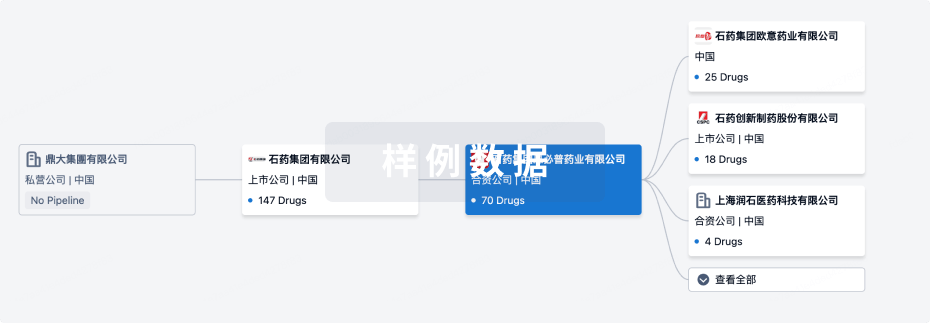
组织架构
使用我们的机构树数据加速您的研究。
登录
或
管线布局
2026年02月10日管线快照
无数据报导
登录后保持更新
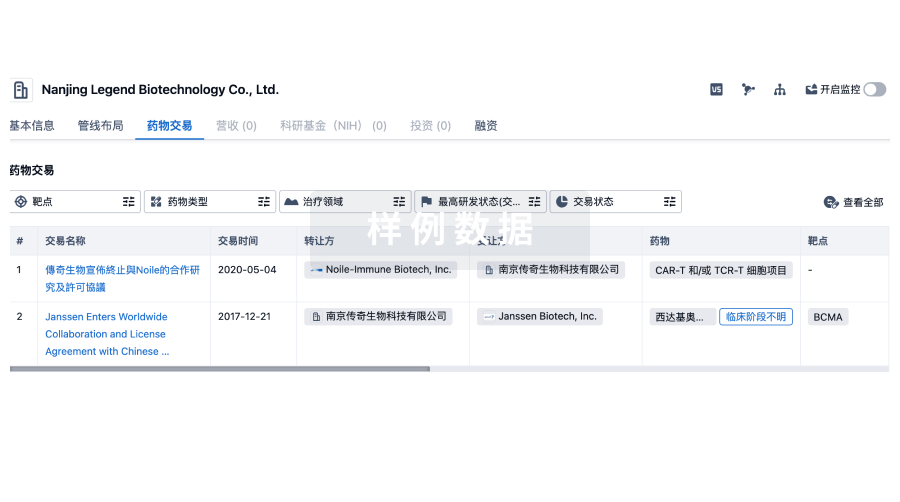
药物交易
使用我们的药物交易数据加速您的研究。
登录
或
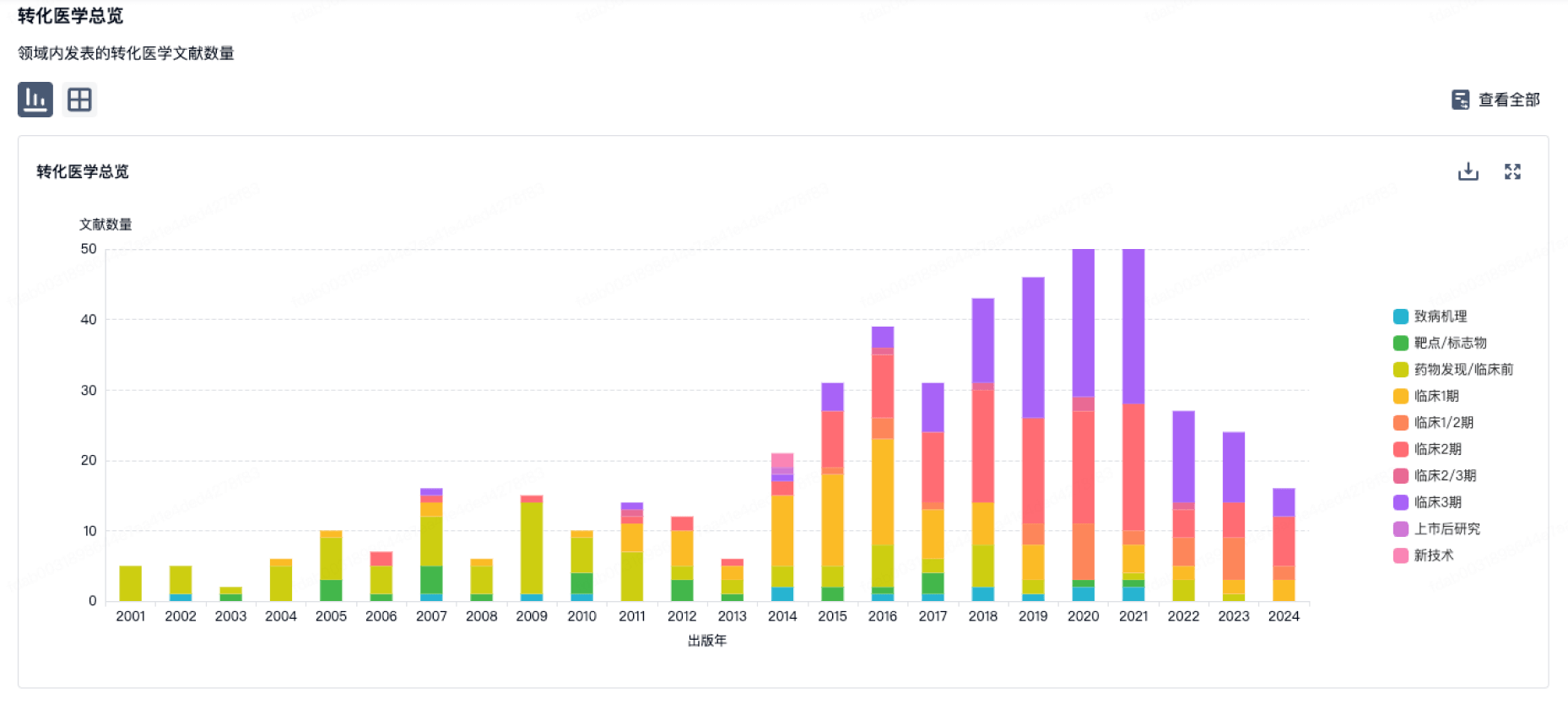
转化医学
使用我们的转化医学数据加速您的研究。
登录
或
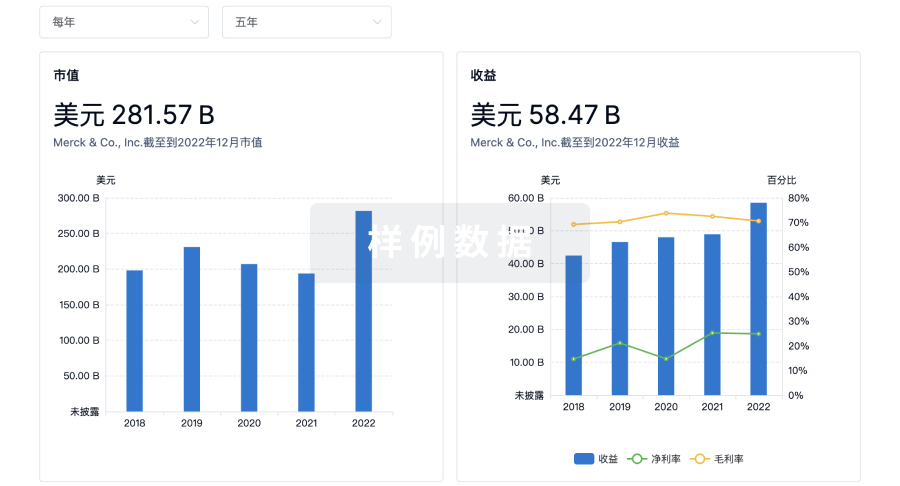
营收
使用 Synapse 探索超过 36 万个组织的财务状况。
登录
或
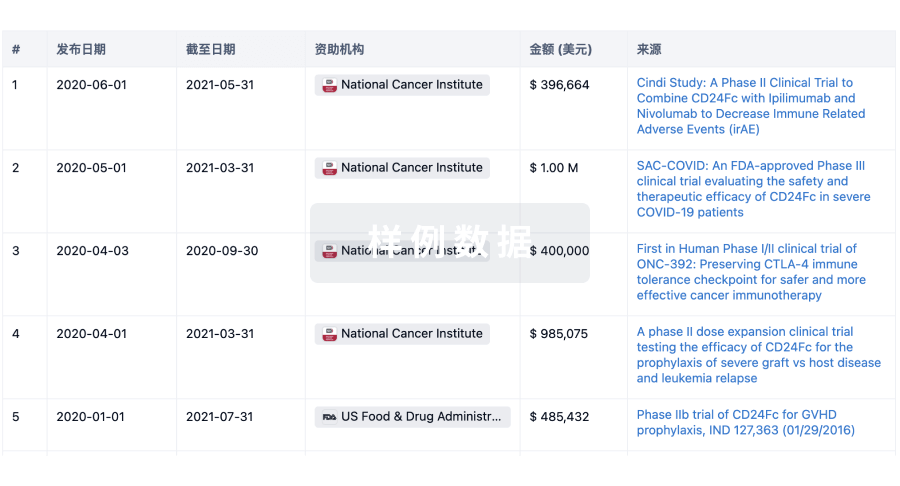
科研基金(NIH)
访问超过 200 万项资助和基金信息,以提升您的研究之旅。
登录
或
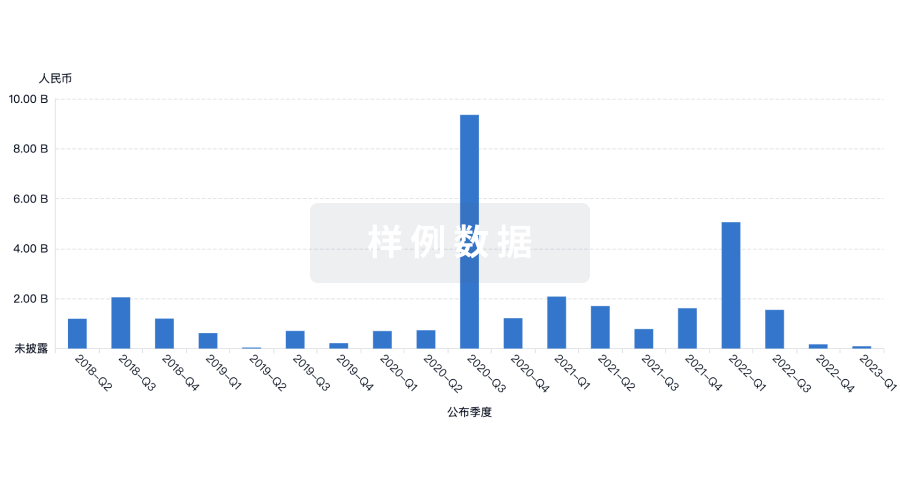
投资
深入了解从初创企业到成熟企业的最新公司投资动态。
登录
或
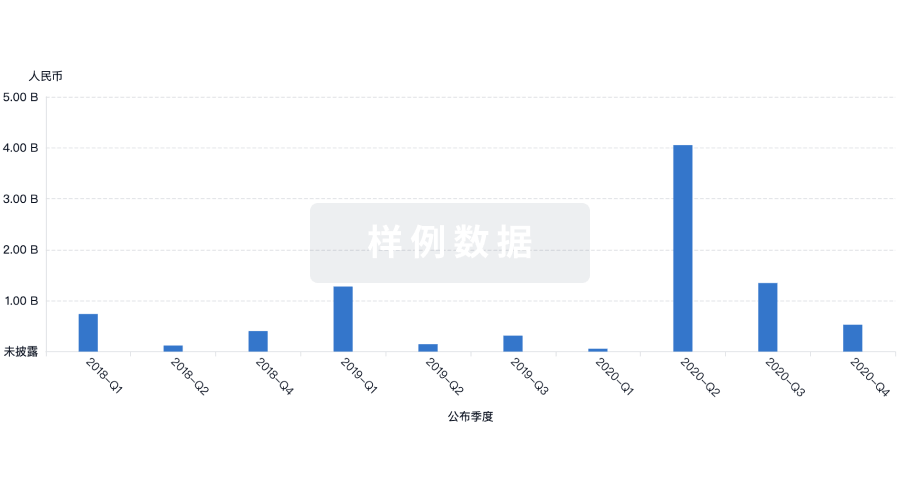
融资
发掘融资趋势以验证和推进您的投资机会。
登录
或
生物医药百科问答
全新生物医药AI Agent 覆盖科研全链路,让突破性发现快人一步
立即开始免费试用!
智慧芽新药情报库是智慧芽专为生命科学人士构建的基于AI的创新药情报平台,助您全方位提升您的研发与决策效率。
立即开始数据试用!
智慧芽新药库数据也通过智慧芽数据服务平台,以API或者数据包形式对外开放,助您更加充分利用智慧芽新药情报信息。
生物序列数据库
生物药研发创新
免费使用
化学结构数据库
小分子化药研发创新
免费使用