预约演示
更新于:2025-12-22

National Republican Congressional Committee
更新于:2025-12-22
概览
关联
100 项与 National Republican Congressional Committee 相关的临床结果
登录后查看更多信息
登录后查看更多信息
2016-07-01ASTRONOMY & ASTROPHYSICS
Globules and pillars in Cygnus X
作者: M. G. Guarcello ; F. Motte ; T. Hill ; N. J. Wright ; S. Bontemps ; P. Didelon ; L. D. Anderson ; A. Duarte-Cabral ; J. Di Francesco ; A. Marston ; M. Hennemann ; F. Comerón ; L. Spinoglio ; P. Tremblin ; N. Schneider ; Ph. André ; D. Arzoumanian ; A. Roy ; V. Minier ; M. Röllig ; K. L. J. Rygl ; V. Könyves ; G. J. White ; A. Blazere
The radiative feedback of massive stars on mol. clouds creates pillars, globules and other features at the interface between the HII region and mol. cloud.Optical and near-IR observations from the ground as well as with the Hubble or Spitzer satellites have revealed numerous examples of such cloud structures.We present here Herschel far-IR observations between 70 μm and 500 μm of the immediate environment of the rich Cygnus OB2 association, performed within the Herschel imaging survey of OB Young Stellar objects (HOBYS) program.All of the observed irradiated structures were detected based on their appearance at 70 μm, and have been classified as pillars, globules, evaporating gasous globules (EGGs), proplyd-like objects, and condensations.From the 70 μm and 160 μm flux maps, we derive the local far-UV (FUV) field on the photon dominated surfaces.In parallel, we use a census of the O-stars to estimate the overall FUV-field, that is 103-104 G0 (Habing field) close to the central OB cluster (within 10 pc) and decreases down to a few tens G0, in a distance of 50 pc.From a spectral energy distribution (SED) fit to the four longest Herschel wavelengths, we determine column d. and temperature maps and derive masses, volume densities and surface densities for these structures.We find that the morphol. classification corresponds to distinct phys. properties.Pillars and globules are massive (∼500 M☉) and large (equivalent radius r ∼ 0.6 pc) structures, corresponding to what is defined as "clumps" for mol. clouds.EGGs and proplyd-like objects are smaller (r ∼ 0.1 and 0.2 pc) and less massive (∼10 and ∼30 M☉).Cloud condensations are small (∼0.1 pc), have an average mass of 35 M☉, are dense (∼6×104 cm-3), and can thus be described as mol. cloud "cores".All pillars and globules are oriented toward the Cyg OB2 association center and have the longest estimated photoevaporation lifetimes, a few million years, while all other features should survive less than a million years.These lifetimes are consistent with that found in simulations of turbulent, UV-illuminated clouds.We propose a tentative evolutionary scheme in which pillars can evolve into globules, which in turn then evolve into EGGs, condensations and proplyd-like objects.
2016-06-01ASTROPHYSICAL JOURNAL
A SEARCH FOR SUB-SECOND RADIO VARIABILITY PREDICTED TO ARISE TOWARD 3C 84 FROM INTERGALACTIC DISPERSION
作者: C. A. Hales ; M. P. Rupen ; D. A. Roshi ; W. Max-Moerbeck
ABSTRACT:
We empirically evaluate the scheme proposed by Lieu & Duan in which the light curve of a time-steady radio source is predicted to exhibit increased variability on a characteristic timescale set by the sightline’s electron column density. Application to extragalactic sources is of significant appeal, as it would enable a unique and reliable probe of cosmic baryons. We examine temporal power spectra for 3C 84, observed at 1.7 GHz with the Karl G. Jansky Very Large Array and the Robert C. Byrd Green Bank Telescope. These data constrain the ratio between standard deviation and mean intensity for 3C 84 to less than 0.05% at temporal frequencies ranging between 0.1 and 200 Hz. This limit is 3 orders of magnitude below the variability predicted by Lieu & Duan and is in accord with theoretical arguments presented by Hirata & McQuinn rebutting electron density dependence. We identify other spectral features in the data consistent with the slow solar wind, a coronal mass ejection, and the ionosphere.
2013-12-01Plant cell reports2区 · 生物学
Comprehensive hormone profiling of the developing seeds of four grain legumes
2区 · 生物学
Article
作者: L. Irina Zaharia ; Albert Vandenberg ; Monika M. Lulsdorf ; Suzanne R. Abrams ; Susan M. H. Slater ; Hai Ying Yuan ; Xiumei Han
KEY MESSAGE:
Developmental context and species-specific hormone requirements are of key importance in the advancement of in vitro protocols and manipulation of seed development. Improvement of in vitro tissue and cell culture protocols in grain legumes such as embryo rescue, interspecific hybridization, and androgenesis requires an understanding of the types, activity, and balance of hormones within developing seeds. Towards this goal, the concentration of auxin, cytokinin, gibberellin, and abscisic acid (ABA) and their precursors and derivatives were measured in the developing seeds of field pea (Pisum sativum L.), chickpea (Cicer arietinum L.), lentil (Lens culinaris Medik.), and faba bean (Vicia faba L.) from 4 days after anthesis until 8 days after reaching maximum fresh weight. The importance of developmental context (developmental time and space) is demonstrated in both the differences and similarities between species for hormone profiles, especially with regard to cytokinin and ABA biosynthesis during the embryo formation. Auxin and its conjugates are significant during the pattern formation stage of all legumes; however, IAA-Asparagine appears important in the Vicieae species and its concentrations are greater than IAA from the globular stage of embryo development on in multi-seed fruits. Finally, the significance of non-polar gibberellins during lentil seed development is highlighted.

100 项与 National Republican Congressional Committee 相关的药物交易
登录后查看更多信息
100 项与 National Republican Congressional Committee 相关的转化医学
登录后查看更多信息
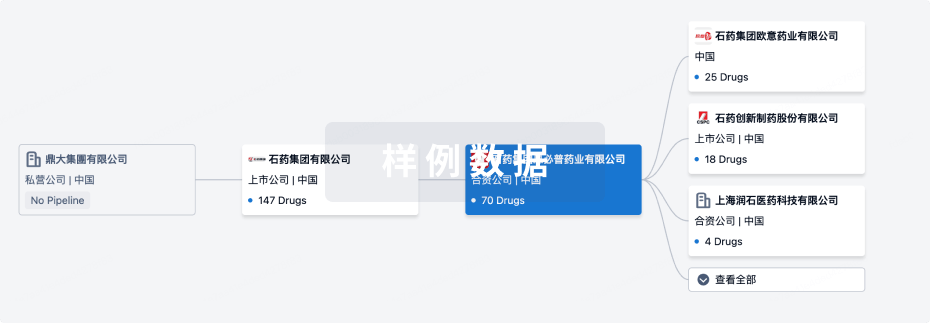
组织架构
使用我们的机构树数据加速您的研究。
登录
或
管线布局
2026年02月09日管线快照
无数据报导
登录后保持更新
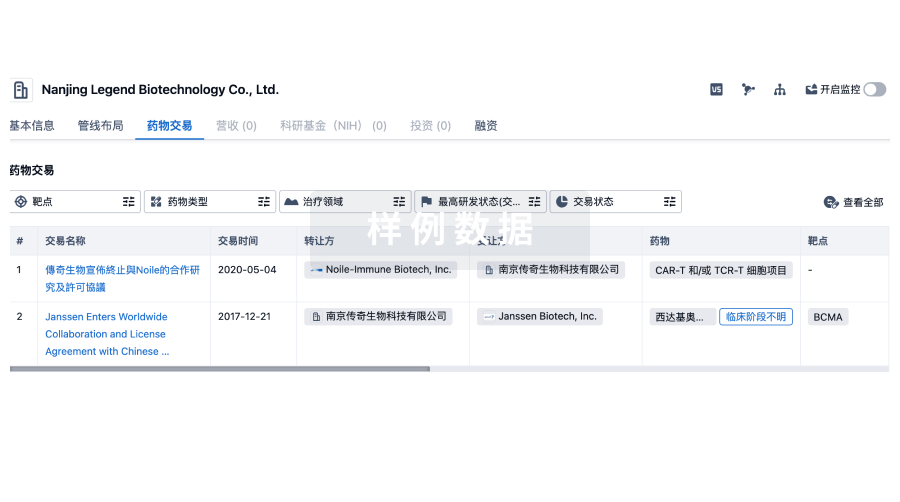
药物交易
使用我们的药物交易数据加速您的研究。
登录
或
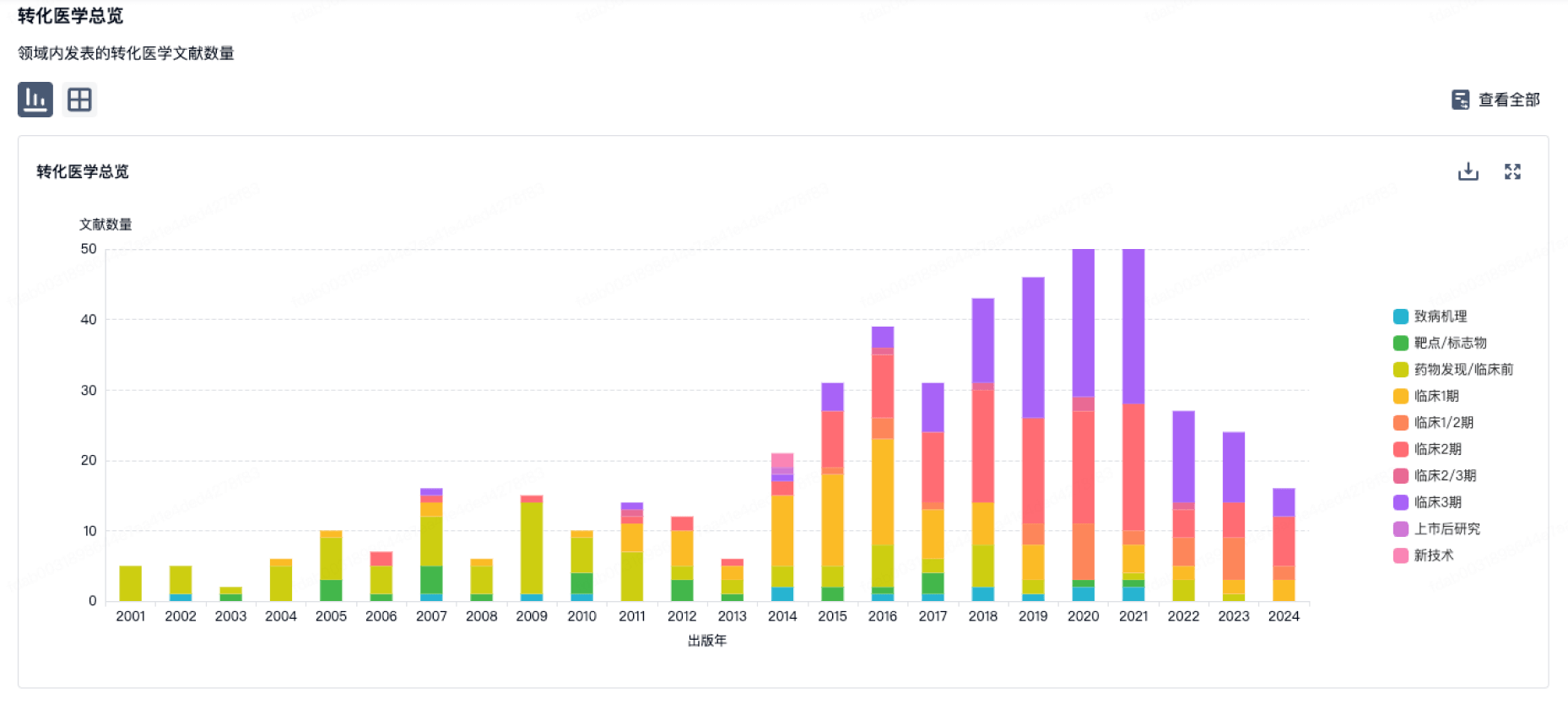
转化医学
使用我们的转化医学数据加速您的研究。
登录
或
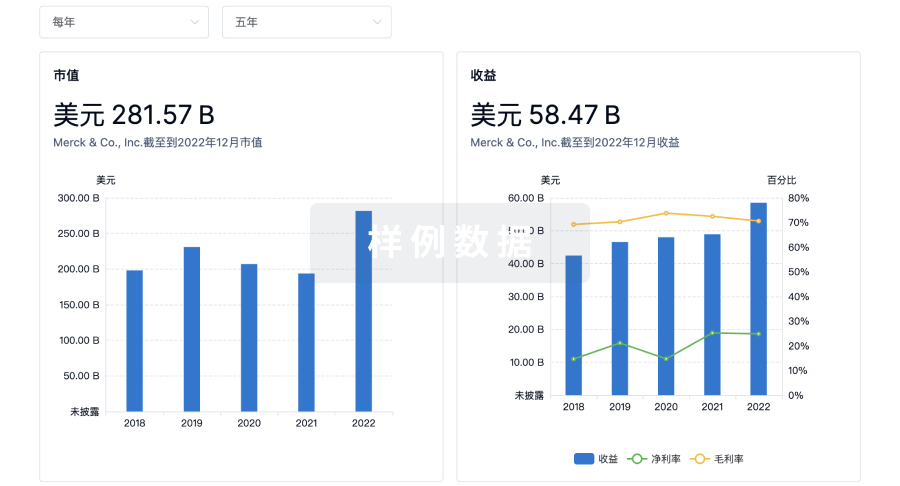
营收
使用 Synapse 探索超过 36 万个组织的财务状况。
登录
或
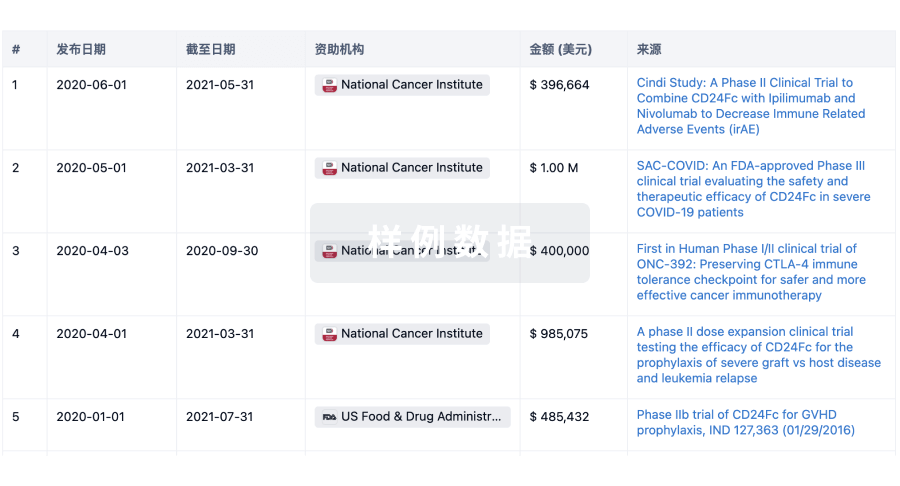
科研基金(NIH)
访问超过 200 万项资助和基金信息,以提升您的研究之旅。
登录
或
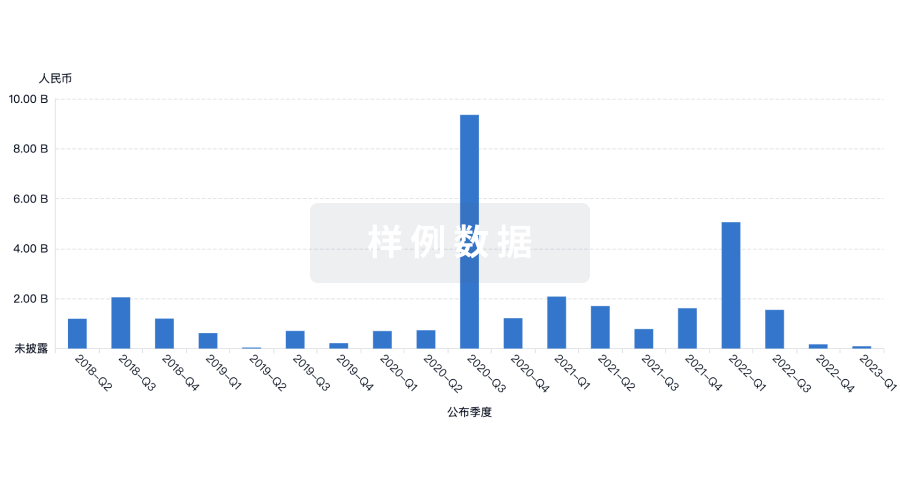
投资
深入了解从初创企业到成熟企业的最新公司投资动态。
登录
或
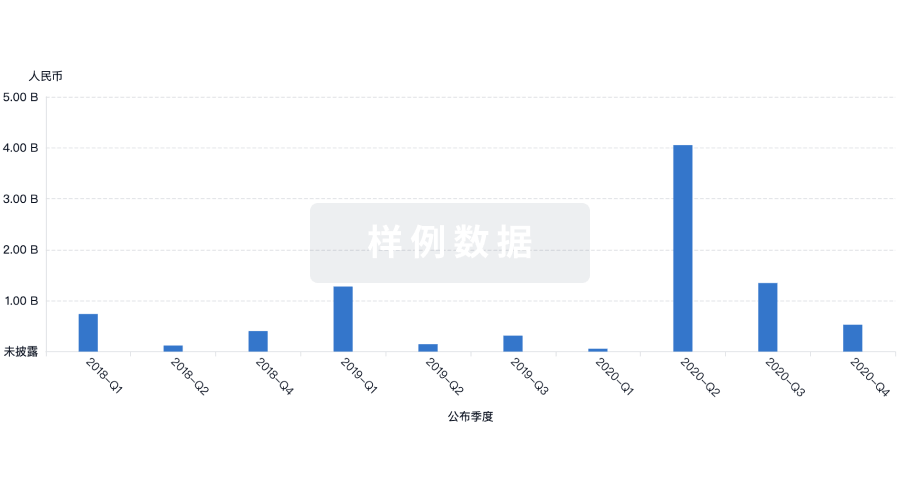
融资
发掘融资趋势以验证和推进您的投资机会。
登录
或
生物医药百科问答
全新生物医药AI Agent 覆盖科研全链路,让突破性发现快人一步
立即开始免费试用!
智慧芽新药情报库是智慧芽专为生命科学人士构建的基于AI的创新药情报平台,助您全方位提升您的研发与决策效率。
立即开始数据试用!
智慧芽新药库数据也通过智慧芽数据服务平台,以API或者数据包形式对外开放,助您更加充分利用智慧芽新药情报信息。
生物序列数据库
生物药研发创新
免费使用
化学结构数据库
小分子化药研发创新
免费使用