预约演示
更新于:2025-08-14

Phoenix Hospital
更新于:2025-08-14
概览
关联
100 项与 Phoenix Hospital 相关的临床结果
登录后查看更多信息
0 项与 Phoenix Hospital 相关的专利(医药)
登录后查看更多信息
7
项与 Phoenix Hospital 相关的文献(医药)2025-05-01·JOURNAL OF CLINICAL NEUROSCIENCE
Efficacy and tolerability of valproate versus topiramate in migraine prevention, a randomized controlled multi-center trial
Article
作者: Atiaa Mohamed, Diaa Mostafa ; Ahmed, Sherihan Rezk ; Mohamed Kamal Ebied, Ahmed Ahmed ; Refat, Hossam Mohamed ; Omar Youssif, Tarek Youssif ; Mohamed Kamel, Islam Fathallah ; Almoataz, Mohamed ; Ismaiel, Mohamed ; Zeinhom, Mohamed G ; Omar Akl, Ahmed Zaki ; Ali Daabis, Ahmed Mohamed ; Elsayed Khalil, Mohamed Fouad ; Elballat, Asmaa Ismail Ebrahim
Although topiramate and valproate are antiseizure medications that have many contraindications and could produce many side effects, they are still used as migraine preventive therapy in middle- and low-income countries. Several trials compared valproate versus topiramate in patients with migraine showed inconclusive results. We aimed to evaluate the tolerability and efficacy of valproate compared to topiramate in migraineurs from the Middle East and North Africa. Our single-blinded, multi-centre, randomized controlled trial had two parallel groups: the (A) group, which included 300 patients who received valproate, and the (B) group, which included 300 patients who received topiramate. In our trial, 574 patients completed the 3-month follow-up period. Topiramate achieved a greater reduction in migraine attack severity on VAS and HIT-6 than valproate to a degree that was statistically significant. 129 (43 %) patients in valproate group and 66 (22 %) in topiramate group had any adverse effects (HR 3.11; 95 % CI 1.08-6.13; P = 0.05), of which 23 patients (7.7 %) in valproate group and twelve patients (4 %) in the topiramate group stopped treatment prematurely due to intolerable adverse effects (HR 2.47; 95 % CI 1.04-5.88; P = 0.04). We concluded that, in adult patients with migraine, the regular use of topiramate 50 mg Bid for three months yielded significantly higher reductions in migraine attack severity and HIT6 score compared to using valproate 500 mg Bid; valproate led to a significantly higher percentage of patients who prematurely stopped treatment due to intolerable adverse effects. Trial registration: ClinicalTrials.gov, (NCT06248931)- 08 February 2024.
2025-01-27·Cureus Journal of Medical Science
Effects of Lifestyle Modifications on Prediabetic Patients: A Quasi-Experimental Trial
Article
作者: Akbar, Sadia ; Fathy Maarouf, Ahmed ; Hussain, Shehzad ; Kumar, Dileep ; Jose Vazhappilly, Binjo
INTRODUCTION:
Prediabetes is characterized by impaired fasting glucose or impaired glucose tolerance (IGT), which can lead to cardiovascular complications. This study aims to determine the effects of lifestyle modification on glycemic outcomes in prediabetic individuals.
METHODS:
This quasi-experimental trial was conducted at the Department of Adult Cardiology, Phoenix Hospital, Abu Dhabi. Participants aged ≥18 years, of either gender, diagnosed with prediabetes as defined by hemoglobin A1c (HbA1c) levels between 5.7% and 6.4% were included in the study. Participants underwent a three-month lifestyle modification, adapted from cardiac rehabilitation principles, which included glycemic control, nutritional counseling, physical activity counseling, and exercise training. The primary outcome was the change in HbA1c levels following the intervention. Data analysis was performed using RStudio (Posit Software, Boston, MA).
RESULTS:
A total number of 101 participants were enrolled, and 96 people completed the study. The average age of the participants was 44.80 ± 8.27 years. Most individuals were males, 85 (88.5%), and 11 females accounted for 11.5%. Postintervention, 25 participants (26%) reverted to normoglycemia, while 67 (69.8%) remained prediabetic, and 4 (4.2%) progressed to diabetes. Significant reductions in HbA1c levels were observed (p < 0.05). Subgroup analysis revealed no significant differences in outcomes based on age, gender, or clinical characteristics. The program demonstrated strong adherence, with a retention rate of 95%.
CONCLUSION:
Lifestyle modification effectively improved glycemic control and reduced the progression of diabetes in prediabetic individuals. The findings support the integration of lifestyle interventions for managing prediabetes.
2025-01-01·CNS DRUGS
TICA-CLOP STUDY: Ticagrelor Versus Clopidogrel in Acute Moderate and Moderate-to-Severe Ischemic Stroke, a Randomized Controlled Multi-Center Trial
Article
作者: Ahmed, Sherihan Rezk ; Hassan, Asmaa Mohammed ; Zeinhom, Mohamed G ; Ebied, Ahmed Ahmed Mohamed Kamal ; Daabis, Ahmed Mohamed Ali ; Omar, Tarek Youssif ; Almoataz, Mohamed Ahmed ; Mohamed, Diaa Mostafa Atiaa ; Elbassiouny, Ahmed ; Refat, Hossam Mohamed ; Khalil, Mohamed Fouad Elsayed ; Ismaiel, Mohamed ; Zeinhom, Mohamed G. ; Nahas, Nevine El
BACKGROUND:
Many studies evaluated the efficacy and safety of ticagrelor versus clopidogrel in patients with ischemic stroke; none of these trials included North African participants, and all of these trials comprised only participants who experienced transient ischemic attack (TIA) or minor stroke.
OBJECTIVES:
We compared the efficacy and safety of ticagrelor versus clopidogrel in patients with first-ever noncardioembolic moderate or moderate-to-severe ischemic stroke.
METHODS:
Our trial involved 900 first-ever noncardioembolic patients with acute ischemic stroke (AIS) who randomly received either loading and maintenance doses of ticagrelor or clopidogrel within the first 24 h of stroke onset.
RESULTS:
We involved 900 patients in the intention-to-treat analysis. A total of 39 (8.7%) patients in ticagrelor arm and 62 (13.8%) in clopidogrel arm experienced a new stroke [hazard ratio (HR) 0.46; 95% confidence interval (CI) 0.34-0.83; P value = 0.006]. A total of 57 (12.7%) patients in ticagrelor group and 80 (17.8%) patients in clopidogrel group experienced composite of new stroke, myocardial infarction (MI), or death due to vascular insults (HR 0.51; 95% CI 0.43-0.82; P value = 0.004). Participants who received ticagrelor experienced less frequent unfavorable outcomes. We found no significant variation between our study's two arms concerning the hemorrhagic and non-hemorrhagic complications.
CONCLUSION:
Patients with noncardioembolic moderate or moderate-to-severe ischemic stroke who received ticagrelor within the first 24 h after ischemic stroke had better clinical outcomes based on recurrent stroke rates and unfavorable modified Rankin Scale (mRS) rates compared with those who received clopidogrel. There were no significant variations between ticagrelor and clopidogrel regarding hemorrhagic and non-hemorrhagic complications.
REGISTRATION:
ClinicalTrials.gov identifier number NCT05553613.
100 项与 Phoenix Hospital 相关的药物交易
登录后查看更多信息
100 项与 Phoenix Hospital 相关的转化医学
登录后查看更多信息
组织架构
使用我们的机构树数据加速您的研究。
登录
或
管线布局
2026年02月08日管线快照
无数据报导
登录后保持更新
药物交易
使用我们的药物交易数据加速您的研究。
登录
或
转化医学
使用我们的转化医学数据加速您的研究。
登录
或
营收
使用 Synapse 探索超过 36 万个组织的财务状况。
登录
或
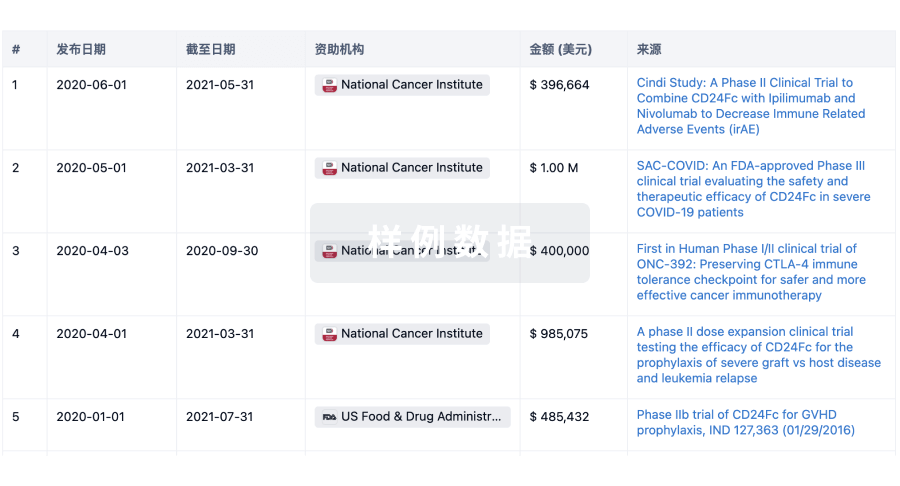
科研基金(NIH)
访问超过 200 万项资助和基金信息,以提升您的研究之旅。
登录
或
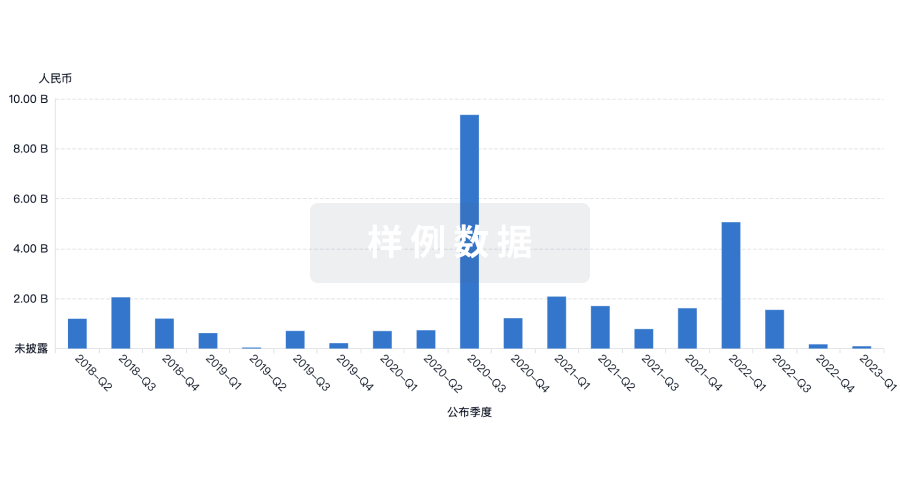
投资
深入了解从初创企业到成熟企业的最新公司投资动态。
登录
或
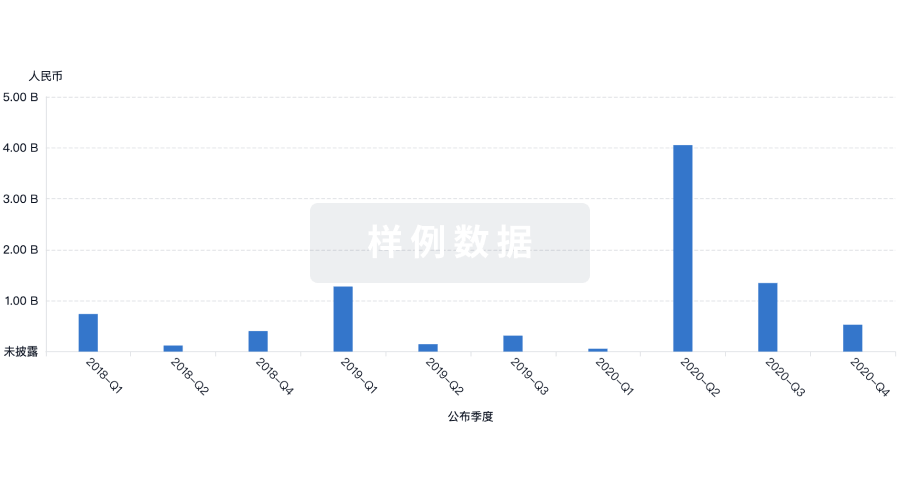
融资
发掘融资趋势以验证和推进您的投资机会。
登录
或
生物医药百科问答
全新生物医药AI Agent 覆盖科研全链路,让突破性发现快人一步
立即开始免费试用!
智慧芽新药情报库是智慧芽专为生命科学人士构建的基于AI的创新药情报平台,助您全方位提升您的研发与决策效率。
立即开始数据试用!
智慧芽新药库数据也通过智慧芽数据服务平台,以API或者数据包形式对外开放,助您更加充分利用智慧芽新药情报信息。
生物序列数据库
生物药研发创新
免费使用
化学结构数据库
小分子化药研发创新
免费使用