China National Genebank
概览
关联
DNA synthesis serves as the fundamental enabling technology of engineering biology, aiming to provide DNA molecules of designed composition, length, and complexity at scale and low cost. Current high-throughput DNA synthesis technologies rely on intricate chip manufacturing and microfluidic systems to provide large-scale synthetic oligonucleotides, at the expense of low concentration (normally femtomolar) and limited compatibility in the processing of longer DNA constructs assembly. Here, we report a microchip-based massive in parallel synthesis (mMPS), pioneering an “identification-sorting-synthesis-recycling” iteration mechanism to microchips for high throughput DNA synthesis. In comparison to microarray-based methods, we demonstrate that our method can increase the DNA product concentration by 4 magnitudes (to picomole-scale per sequence) and greatly simplifies the downstream processes for large-scale gene synthesis construction. By the construction of 1.97 million-diversity variant libraries that cover 1,254 human protein domains, we demonstrated the uniformity of the constructed variant libraries using mMPS-derived oligos is greatly improved, with amino acid distribution highly consistent as designed. In addition, by synthesizing 389 1kb-to-3kb genes with varying degrees of sequence complexity from two previously reported archaea and bacteria strains, our result shows that the overall gene assembly success rate using mMPS-derived oligos is increased by 10-fold in comparison to other methods. Our mMPS technology holds the potential to close the gap between the quality and cost of writing DNA in increasing demand across many sectors of research and industrial activities.
cfDNA consists of degraded DNA fragments released into body fluids. Its genetic and pathological information makes it useful for prenatal testing and early tumor detection. However, the mechanisms behind cfDNA biology are largely unknown. In this study, for the first time, we conducted a GWAS study to explore the genetic basis of cfDNA end motif frequencies, termed cfGWAS, in 28,016 pregnant women. We identified 23 study-wide significant loci, including well-known cfDNA-related genes
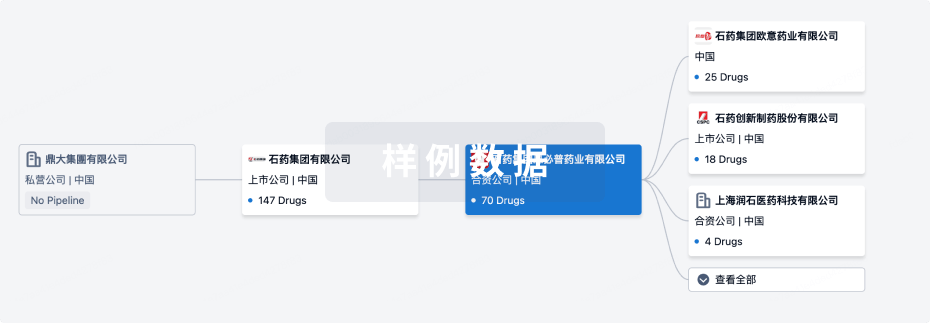
组织架构
管线布局
2026年02月09日管线快照
药物交易

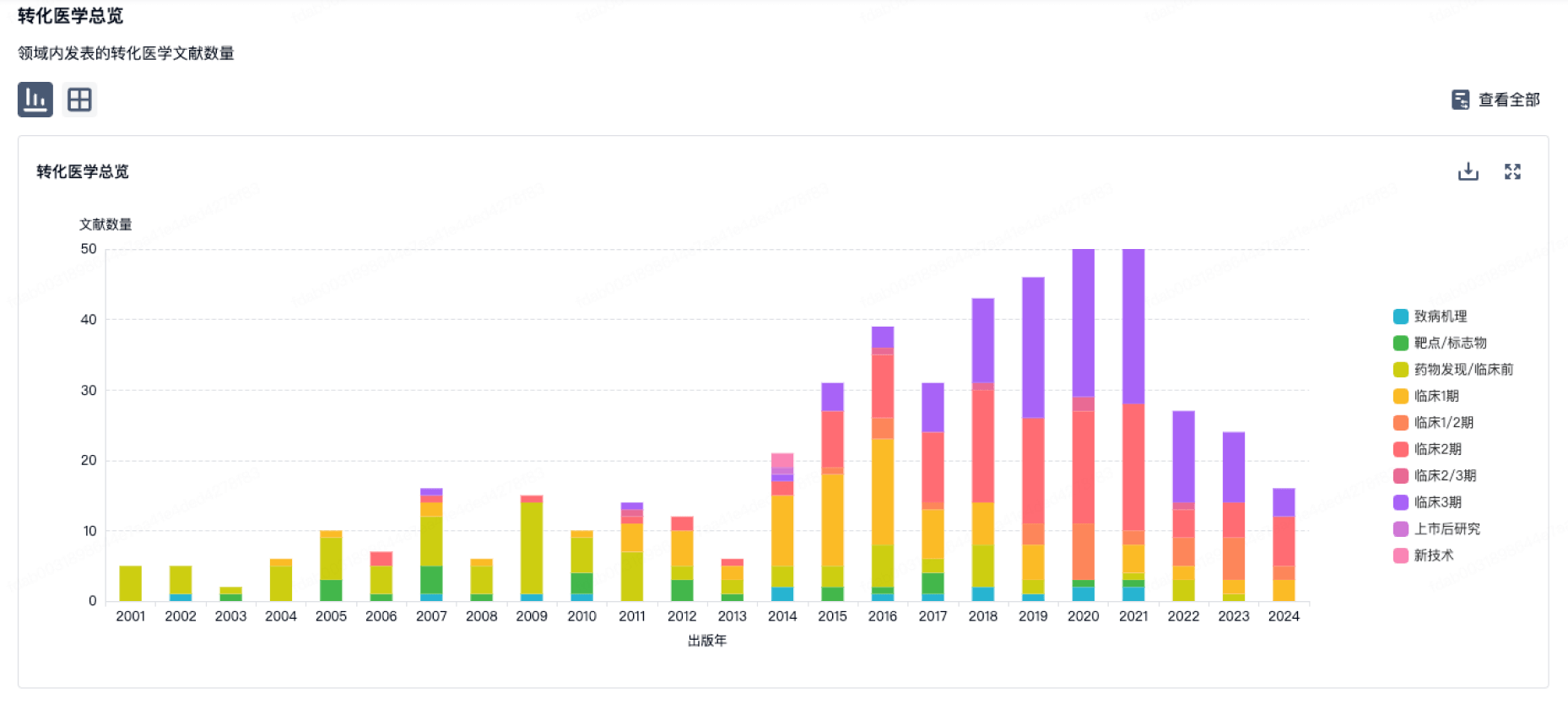
转化医学
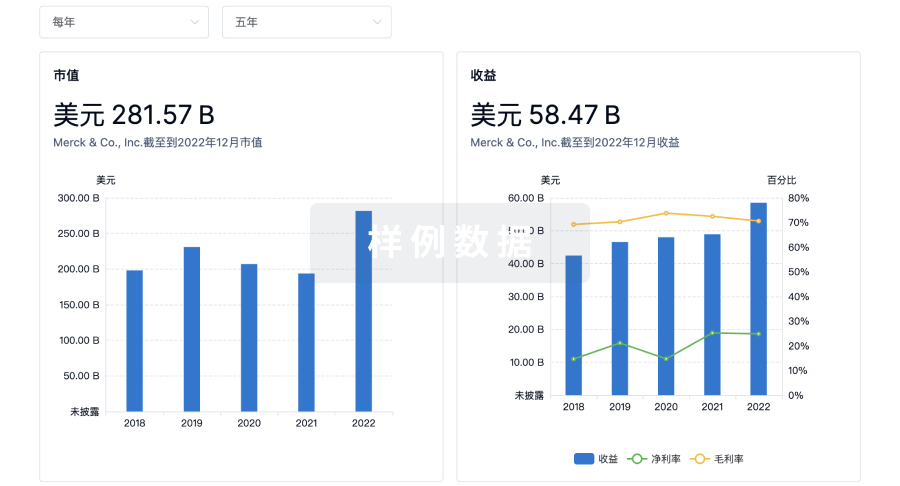
营收
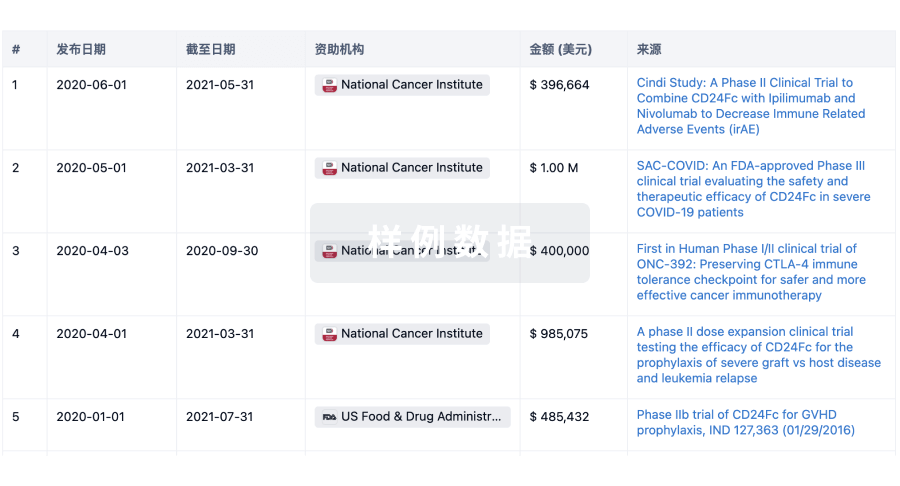
科研基金(NIH)
投资
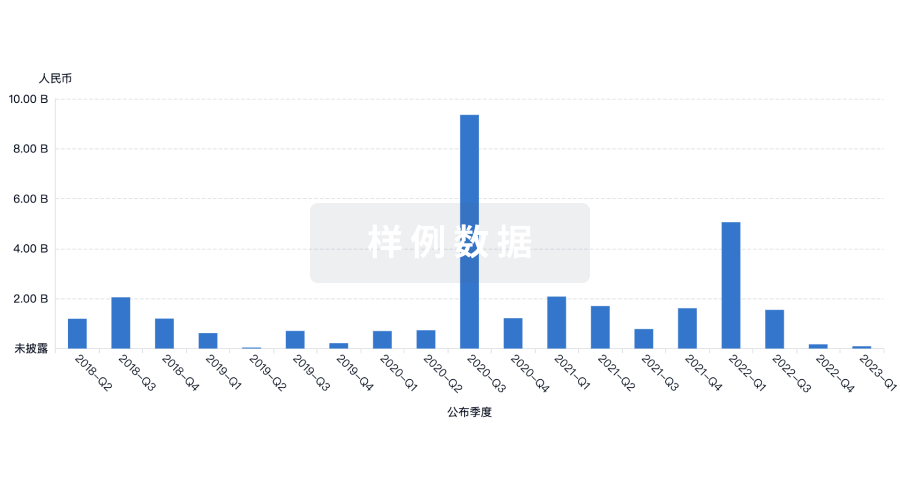
融资