预约演示
更新于:2025-10-30

Shanghai SinoUnited Health Clinic Co., Ltd.
更新于:2025-10-30
概览
关联
100 项与 上海曜影医疗管理有限责任公司 相关的临床结果
登录后查看更多信息
0 项与 上海曜影医疗管理有限责任公司 相关的专利(医药)
登录后查看更多信息
1
项与 上海曜影医疗管理有限责任公司 相关的文献(医药)2025-01-01·IEEE Journal of Biomedical and Health Informatics
Enhancing Trustworthiness of Semantic Segmentation in Cataract Surgery Videos via Intra-Phase Label Propagation
Article
作者: Wu, Donghan ; Zhang, Jinxian ; Gu, Yuanyuan ; Zhao, Yitian ; Liu, Yonghuai ; Zhang, Mingen ; Wu, Yufei ; Chen, Xu ; Zheng, Botian
Accurate segmentation of semantic features is a pivotal procedure for cataract surgery assistance, surgical skill assessment and related applications. However, previous studies have failed to consider the instance-level feature similarity of instruments across different surgical phases in cataract surgery videos, leading to unreliable decision-making regarding instrument categories. In this study, we propose a label propagation framework to effectively leverage the consistency of phase-specific instruments, which utilizes the initial frame labels from each surgical phase to predict masks for the remaining frames, achieving precise and trustworthy semantic segmentation of cataract surgery videos. Specifically, we design a pseudo-label generation and filtering strategy to automatically obtain highly reliable initial frame labels for each surgical phase. In addition, we establish a fixed-size memory bank with an adaptive update module to ensure long-term applicability in real surgical environments. To address the common problem of blurred edges in cataract surgery scenes, we develop a semantic edge perception module to allow the model to focus on and distinguish the edges of different objects. The proposed method achieved an mIoU of 80.7% and 88.8% on a publicly available dataset (14 categories) and a private dataset (12 categories) with a total of 9,723 frames, respectively, significantly outperforming the state-of-the-art methods and other label propagation-based approaches. Furthermore, our method minimizes memory consumption and maintains about 30 FPS while processing long video sequences.
5
项与 上海曜影医疗管理有限责任公司 相关的新闻(医药)2025-10-20
·百度百家
#全民护眼行动#
叶酸才是心脏的“隐形护盾”!院士揭秘61%死亡背后的营养盲区
一盘青菜里的叶酸,能比急救车更早抵达心脏战场。
“我天天吃降压药,怎么心梗还是找上门?”一位患者在手术台前的疑惑,道破了心血管防治的最大盲区。2025年10月最新数据显示,心血管病占中国居民死亡原因的61%,农村地区死亡率持续高于城市。而中国科学院院士葛均波近日指出,破解这一困局需要打破专科碎片化模式,并关注到一种常被忽视的营养素——叶酸。
南华大学陈临溪教授团队在2025年10月14日发布的研究,揭示了叶酸与心脏健康的隐秘关联:当体内叶酸不足时,同型半胱氨酸代谢受阻,其在血液中蓄积形成的高同型半胱氨酸血症,会通过激活氧化应激反应等方式损伤心肌细胞,进而可能引发心肌肥厚乃至心力衰竭。
01 叶酸:心脏的代谢调节器
叶酸在心脏健康中扮演着“代谢调节器”的关键角色。陈临溪团队研究发现,叶酸作为同型半胱氨酸代谢的重要辅酶,不仅能促进同型半胱氨酸转化为蛋氨酸,还可通过调节DNA甲基化过程,影响心肌细胞中相关基因的表达。
当叶酸不足时,DNA甲基化异常,可能导致与心肌细胞生长、凋亡相关的基因表达紊乱,这会加剧心肌重构,为心力衰竭的发生埋下隐患。检测血液中叶酸与同型半胱氨酸的水平,有望成为评估心肌肥厚与心力衰竭发生风险、判断疾病进展程度的重要指标。
从临床实践角度看,补充叶酸成为潜在的干预手段之一。这项研究为药物研发开辟了新路径,科研人员可针对叶酸-同型半胱氨酸轴相关的分子靶点,设计特异性药物。
02 AI赋能泛血管管理
面对心血管疾病的严峻挑战,人工智能正在重塑泛血管疾病的管理模式。葛均波院士在2025年10月16日的学术研讨会上分享,基于AI的“泛血管健康指数”可综合评估患者临床数据、影像特征及基因组信息,实现精准风险分层和治疗决策。
复旦大学附属中山医院的经验表明,通过整合心内科、神经内科、血管外科等多学科资源,能实现“早筛、早诊、早治”的全链条管理。曜影医疗泛血管病中心则依托多学科协作模式,打造涵盖心脑血管、外周血管及代谢性疾病的综合管理平台。
这种新型管理方式将覆盖筛查、评估、干预及随访全流程,借助远程医疗平台与可穿戴设备,如智能血压计、动态心电监测仪等,实现高危人群实时数据采集与预警。对于“三高”(高血压、高血糖、高血脂)人群,数字化管理平台能打通院内外、线上线下全场景,制定个体化治疗计划。
03 营养干预的实际应用
中老年人在日常饮食中注重营养均衡对心脏健康至关重要。针对中老年人的生理特点,饮食应保证优质蛋白质摄入,控制精制糖,增加膳食纤维,并注重钙、铁、锌、硒、铬等矿物质的补充。
深色叶菜类是膳食纤维、维生素C、维生素K、钾元素的“复合营养库”,各成分能协同守护心脏。例如,维生素C作为抗氧化剂,能清除血液中的自由基,减少血管壁的氧化损伤;钾元素则能平衡体内钠的含量,辅助降低血压。
在食物选择上,建议多吃全谷物、蔬菜、菌藻类和水果,获得丰富的维生素、矿物质、膳食纤维。烹饪方式多采用炖、煮、蒸、烩、焖、烧等方法,少煎炸和熏烤,同时要定时定量,少食多餐,避免过饱。
葛均波院士分享的一个典型案例极具启发性:一位患者同时存在冠脉狭窄、颈动脉斑块及下肢缺血,通过心内科、血管外科、神经内科联合制定血运重建方案,最终显著改善预后。这个例子揭示了多学科协作对心血管疾病治疗的价值。
“未来,AI赋能的泛血管管理中心将覆盖筛查、评估、干预及随访全流程,真正降低终点事件发生率。”葛均波院士展望道。而陈临溪教授团队的研究则让我们看到,简单的营养干预如补充叶酸,也可能在心血管疾病防控中发挥意想不到的效果。
心脏健康不仅依赖于先进的医疗技术,更与日常的营养摄入密切相关。在关注血压、血脂等指标的同时,不妨也留意一下叶酸等营养素的水平,这或许是守护心脏健康的新思路。
2025-08-11
点击“蓝字”关注我们
编者按
随着GLP-1受体激动剂(GLP-1RA)司美格鲁肽在肥胖治疗领域取得突破性进展,其医保准入问题成为第85届美国糖尿病协会科学年会(ADA 2025)焦点。会上公布了一项重要研究,针对司美格鲁肽研究人员开发了一套基于数据的优先级系统,用于确定哪些患者群体通过医保覆盖司美格鲁肽能在短期和长期成本效益上获益最大,从而优化肥胖及相关慢性病的管理[1]。本期访谈特邀同济大学附属第十人民医院曲伸教授,结合ADA年会最新研究,探讨司美格鲁肽是否纳入医保的可能性及其在临床实践中的应用前景。
曲伸 教授
医学博士,留美博士后,上海市领军人才,医学领军人才,浦江人才
现任同济大学医学院甲状腺疾病研究所和同济大学医学院肥胖症研究所所长,同济大学附属第十人民医院肥胖症诊治中心主任、内分泌科学科带头人、主任医师、同济大学医学院内科学教授、博士生导师,南京医科大学、安徽医科大学教授,曜影医疗内分泌甲状腺中心主任
中华医学会内分泌分会常委、肝病与代谢学组组长,中华预防医学会糖尿病预防与控制专业委员会常委,上海市内分泌学会顾问,上海内分泌医师协会副会长
牵头撰写了国内首部肥胖多学科诊疗共识《基于临床的肥胖症多学科诊疗共识(2021版)》及《肥胖患者的长期体重管理及药物临床应用指南(2024 版)》,得到业内专家的广泛认可
目前以第一作者及通讯作者发表JCI、Protein Cell 、JCEM、JBC、Obesity Surgery 等SCI论文100余篇,核心期刊100余篇,著书10余部,包括《肥胖症》(人民卫生出版社出版)及《肥胖的基础与临床实践》,承担并完成国内外基金30余项,其中国家级课题7项,获军内科技进步奖4项,以第一完成人获得中华医学科技三等奖(202103267)、华夏医学科技奖三等奖(2020LC0116P1)、教育部自然科学二等奖(2013-062),上海市自然科学三等奖(2011030201)各一项,并在国内外大会上邀请报告100余次,包括美国甲状腺学会年会、两届全美糖尿病科学大会、京都第10届国际内分泌年会上等
2013年被评为上海市卫生局《东方名院名医录》收录名医
《国际糖尿病》
司美格鲁肽(减重版)作为肥胖治疗领域的突破性药物,疗效如何?与其他传统减肥药物相比,具有哪些显著优势?
曲伸教授:经过全球范围内的临床验证,司美格鲁肽在减重领域展现出显著疗效,其最大减重幅度可达 17% 左右,体重减轻以脂肪组织的减少为主,并且能够长期维持[2-4]。与传统减重药物相比,司美格鲁肽不仅在减重效果上更为出色,还能够改善代谢紊乱,对心、肝、肾等重要器官起到保护作用,有效预防肥胖相关并发症的发生。
目前,司美格鲁肽已被多个指南推荐用于肥胖和2型糖尿病(T2DM)患者的治疗。此外,该药物还被证实能够改善并发症,为患者带来多重健康获益。《代谢相关(非酒精性)脂肪性肝病防治指南(2024年版)》指出,司美格鲁肽等GLP-1RA可以减轻NAFLD患者体质量和胰岛素抵抗、降低心血管疾病风险、减缓慢性肾脏病进展、预防脑卒中,并减少肝脏脂肪含量[5];SELECT研究表明,司美格鲁肽2.4mg显著降低超重/肥胖合并CVD但不伴T2DM患者的MACE风险20%[6]。基于此,司美格鲁肽2.4mg中国说明书获批更新,增加其心血管获益证据[7]。司美格鲁肽的优势有目共睹,相信今后将有更多临床证据为司美格鲁肽的临床用药提供支持。
《国际糖尿病》
ADA2025上一项研究探讨了司美格鲁肽是否纳入医保,利用模型确定哪些患者群体通过医保覆盖司美格鲁肽获益最大。请问目前对司美格鲁肽的医保报销政策如何?
曲伸教授:药品是否进入医保,不仅与药物本身相关,还与临床获益、国家的医疗条件、医保政策相关。在中国,尽管司美格鲁肽减重适应证已于2024年6月获批上市,但根据《基本医疗保险用药管理暂行办法》规定,主要起增强性功能、治疗脱发、减肥、美容、戒烟等作用的药品不能医保报销。虽然司美格鲁肽已经被纳入国家医保目录,但其支付范围仅限定在与成人T2DM有关的两种情形,减肥并不在司美格鲁肽注射液的医保适应证范围内,医保不能报销。
《柳叶刀》提出新概念,将肥胖分为“临床肥胖症(clinical obesity)”和“临床肥胖前期(pre-clinical obesity)”,更关注肥胖导致的功能损伤,这种分类突出了肥胖对健康结局的影响。值得注意的是,GLP-1RA虽短期成本较高,但通过预防心脑血管事件、延缓肾病进展等作用,最终可降低长期医疗负担。未来,如果能有更多证据支持司美格鲁肽有效控制并发症,带来更大的临床获益,减轻医疗负担,或可增加其进入医保的可能性。在国外,类似药物也在尝试扩大医保覆盖范围,以更好地发挥其作用,让我们拭目以待。
《国际糖尿病》
ADA这项研究结果对于医保政策的制定有何启示?
曲伸教授:该研究通过分析CDC大数据发现,BMI(体重指数)的增长与多种慢性病(如高血压、高胆固醇血症和糖尿病前期)的患病率呈显著正相关[1],即超重/肥胖可能会增加慢性疾病的发病率,还会引发一系列肥胖相关并发症。而这些不仅对患者的健康造成严重影响,还会显著增加国家的医疗成本。
基于疾病与BMI增长的关联强度及其伴随的年度医疗成本,研究构建了优先级评分模型。模型显示,司美格鲁肽作为一种体重干预手段,及早应用可能对优先级评分较高的患者群体效益更大,最终可降低整体医疗支出[1]。这一优先级模型能为司美格鲁肽的医保覆盖提供科学建议,因其显著降低了预测的长期医疗成本。通过早期应用减重药物,可以有效遏制多种并发症的发生,从长期来看,这将为患者和国家医疗系统带来获益。
《国际糖尿病》
在临床实践中,您认为司美格鲁肽适合哪些患者群体使用?
曲伸教授:作为长期体重管理的GLP-1RA周制剂,司美格鲁肽2.4 mg目前已获得国内外各大指南的推荐,广泛应用于临床。在临床实践中,普遍认可早期联合用药和长期用药的观点,以实现更好的治疗效果。
司美格鲁肽周制剂用于减重治疗的使用方法为:第1~4周起始剂量0.25mg每周 1次皮下注射,第5~8周的周剂量增至0.5mg,第9~12周的周剂量增至1.0mg,第13~16周的周剂量增至1.7mg,第17周后的周剂量增至2.4mg并维持用于减重治疗。推荐维持剂量为2.4mg每周1次或最大耐受剂量作为长期体重管理的维持剂量。国外正在进行的更大剂量的临床研究显示,随着剂量的增加,减重效果可能进一步提升。
然而,需要提醒的是,并非所有人都适合使用司美格鲁肽。根据说明书[7],司美格鲁肽禁用于甲状腺髓样癌(MTC)既往史或家族史患者,以及2型多发性内分泌肿瘤综合征(MEN 2)患者;轻度或中度肝肾功能损害患者无需进行剂量调整,不推荐重度肝肾功能损害患者使用。如确诊胰腺炎、胆囊炎、高甘油三酯血症(甘油三酯≥6 mmol/L),应慎用 GLP-1RA[8-11]。妊娠期使用 GLP-1RA 的证据较少,建议妊娠期禁用GLP-1RA,需在孕前至少停用2个月[12]。
此外,特别要强调长期治疗理念。对于反复发作的慢性疾病,尤其是肥胖而言,长期治疗可以避免反复治疗带来的不利影响,减少医疗资源浪费,并增强患者的治疗信心。SELECT研究随访长达3年,司美格鲁肽2.4mg组体重减轻持续至第65周,并在随后整个研究期间(至208周)都保持稳定,减重效果维持长达4年之久[13],提示长期使用减重药物可以有效地维持减重疗效。
但在临床实践中,由于药品价格、治疗理念的关系,患者和医生尚未充分认识到慢性病需长期用药的重要性。因此,我们需要不断引导和建立"肥胖需长期管理"的认知,在临床实践中去体会长期用药的有效性以及更大的获益性。
参考文献
(上下滑动可查看)
1.1050-P:Revolutionary GLP-1 Weight Loss Medicine Semaglutide—To Cover or Not to Cover
2.Wilding JPH, et al. Once-Weekly Semaglutide in Adults with Overweight or Obesity. N Engl J Med. 2021; 384(11): 989-1002.
3.Garvey WT, et al. Two-year effects of semaglutide in adults with overweight or obesity: the STEP 5 trial. Nat Med. 2022; 28(10): 2083-2091.
4.Wilding JPH, et al. presented at the Endocrine Society (ENDO) virtual meeting, March 20-23, 2021.
5.中华医学会肝病学分会. 代谢相关(非酒精性)脂肪性肝病防治指南(2024年版). 中华肝脏病杂志. 2024; 32(5): 418-434.
6.Lincoff AM, et al. Semaglutide and Cardiovascular Outcomes in Obesity without Diabetes. N Engl J Med. 2023; 389(24): 2221-2232.
7.司美格鲁肽注射液(诺和盈®)说明书. 核准日期: 2024年06月18日.
8. Marso SP, Daniels GH, Brown-Frandsen K, et al. Liraglutide and Cardiovascular Outcomes in Type 2 Diabetes [J]. N Engl J Med, 2016,375:311-322.
9. Bethel MA, Patel RA, Merrill P, et al. Cardiovascular outcomes with glucagon-like peptide-1 receptor agonists in patients with type 2 diabetes:a meta-analysis [J]. Lancet Diabetes Endocrinol, 2018,6:105-113.
10.He L, Wang J, Ping F,et al.Association of Glucagon-Like Peptide-1 Receptor Agonist Use With Risk of Gallbladder and Biliary Diseases: A Systematic Review and Meta-analysis of Randomized Clinical Trials [J]. JAMA Intern Med,2022;182 (5):513-519.
11.Faillie JL, Yu OH, Yin H, et al. Association of Bile Duct and Gallbladder Diseases With the Use of Incretin-Based Drugs in Patients With Type 2 Diabetes Mellitus [J]. JAMA Intern Med. 2016;176(10):1474-1481.
12.Janete Rabelo Rios, et al. lmpact of Glucagon-Like Peptide Receptor Agonists (GLP-1 RAs) on Pregnancy: An Integrative Evidence Review and Clinical Perspectives. AD04.04. T4 Abstract Session: Obesity’s Domino Effect: Unraveling Its Complications and Consequences. 32nd European Congress on Obesity, 11 MAY 2025.
13.Ryan DH, et al. Nat Med. 2024 Jul;30(7):2049-2057.
声明:本文仅供医疗卫生专业人士了解最新医药资讯参考使用,不代表本平台观点。该等信息不能以任何方式取代专业的医疗指导,也不应被视为诊疗建议,如果该信息被用于资讯以外的目的,本站及作者不承担相关责任。
最新《国际糖尿病》读者专属微信交流群建好了,快快加入吧!扫描左边《国际糖尿病》小助手二维码(微信号:guojitnb),回复“国际糖尿病读者”,ta会尽快拉您入群滴!
(来源:《国际糖尿病》编辑部)
版权声明
版权属《国际糖尿病》所有。欢迎个人转发分享。其他任何媒体、网站未经授权,禁止转载。
优先审批临床研究申请上市
2025-06-13
ECO2025微专辑扫描二维码可查看更多内容编者按:在第32届欧洲肥胖大会(ECO 2025)上,多项关于肥胖与代谢、心血管并发症关系的研究成果引发广泛关注。这些研究不仅揭示了内脏脂肪和体脂含量对系统性炎症标志物高敏C反应蛋白(hs-CRP)的显著影响,也进一步验证了肥胖在2型糖尿病(T2DM)患者中与射血分数保留的心力衰竭(HFpEF)之间的密切关联,同时还提出了一个结合生物标志物变化与身体成分指标的个性化减重达标策略。研究成果为临床医生提供了新的视角和实用工具,有助于推动从“以体重为中心”向“以风险分层与综合干预为导向”的肥胖管理模式转变。本刊特邀同济大学附属第十人民医院肥胖症诊治中心主任曲伸教授对其中3项研究进行点评,深入解读肥胖与炎症反应、心功能异常及个性化管理策略之间的关系。内脏脂肪与脂肪量驱动肥胖患者高敏C反应蛋白升高[1]背景肥胖是一种复杂的多因素疾病,以慢性低度炎症为特征,在肥胖相关并发症的发病机制中起关键作用。肥胖导致脂肪组织功能障碍,进而增加促炎细胞因子和急性期蛋白的产生,形成代谢性炎症状态。尽管肥胖的炎症机制已为人所知,但hs-CRP在肥胖表型分析中的作用尚未得到充分研究。本研究旨在评估超重或肥胖患者hs-CRP水平与身体成分参数之间的关系,并识别与炎症状态升高相关的表型特征。方法研究人员对来自圣拉斐尔(San Raffaele)医院代谢健康诊所的176例患者进行了一项横断面研究。所有受试者均接受医学评估、人体测量、生物阻抗分析以及毛细血管血hs-CRP检测。根据hs-CRP水平将患者分为正常组(n=73)和高水平组(n=103)。分析方法包括Wilcoxon检验、卡方检验和回归树分析。结果高水平hs-CRP组的中位BMI显著高于正常组(37.1 kg/m2 vs. 33.5 kg/m2,P<0.001)。此外,高水平组腰围(109.0 cm vs. 105.0 cm,P=0.023)、腰高比(0.7 vs. 0.6,P=0.003)和体脂百分比(41.7% vs. 37.1%,P<0.001)均显著更高。两组间的代谢参数(包括血糖、糖化血红蛋白、甘油三酯、总胆固醇、HDL-C和LDL-C)无显著差异。高水平组中女性比例更高(79% vs. 62%,P=0.022)。回归树分析显示,体脂百分比和腰高比是区分hs-CRP状态最显著的参数。该分析将患者分为三个不同风险组:低风险组(体脂<31.7%,高水平hs-CRP概率:0.17)、中等风险组(体脂≥31.7%且腰高比<0.592,高水平hs-CRP概率:0.43)和高风险组(体脂≥31.7%且腰高比≥0.592,高水平hs-CRP概率:0.74)。结论本研究深化了对肥胖作为炎症性疾病的理解,表明内脏脂肪是系统性炎症的关键决定因素。通过回归树分析识别出的不同炎症表型挑战了传统上对肥胖的单一视角,提示需要采用更细致的患者分层方法。通过将身体成分指标与炎症标志物相结合,临床医生可以更好地识别心血管代谢风险升高的患者,这些患者可能受益于针对性的抗炎干预。未来研究应探索新型胰高血糖素样肽-1(GLP-1)受体激动剂和其他抗肥胖药物是否在改善代谢的同时调节炎症通路,从而为其心血管获益提供机制层面的解释。专家点评曲伸 教授肥胖与炎症的相关性近年受到临床的广泛关注,包括在肥胖分类中主张将肥胖列为炎症代谢性肥胖,提示肥胖和炎症互为因果,伴有炎症的肥胖更容易导致代谢紊乱和脂肪的异位沉积,而脂肪组织炎症会加重肥胖和代谢紊乱。本研究虽然是小样本研究,但也显示hs-CRP的升高会导致肥胖的代谢紊乱程度增加和内脏脂肪增多,为临床干预提供了证据。今后的研究应聚焦于肥胖相关的炎症标志物,从病因角度判断肥胖和炎症的因果关系,并区分中枢性炎症和周围性炎症的临床特征及干预靶点。肥胖对2型糖尿病患者射血分数保留的心力衰竭患病率的影响[2]背景糖尿病是印度主要的公共卫生问题,影响超过1亿人口,其中大多数为T2DM。心力衰竭常与T2DM共存,且两者均独立与死亡率和发病率增加相关。肥胖的全球患病率也在不断上升,是糖尿病患病率增加的关键驱动因素之一。肥胖还通过多种机制导致心肌功能障碍和心力衰竭风险增加。然而,关于肥胖与T2DM共存对HFpEF风险影响的数据非常有限。本研究旨在评估T2DM患者中肥胖与非肥胖人群HFpEF的患病率。目的(1)评估T2DM患者中HFpEF的患病率;(2)评估合并肥胖对T2DM患者HFpEF患病率的影响。方法研究招募了100例接受常规健康体检并同意参与研究的T2DM患者(PwD)。所有受试者均通过超声心动图和N末端脑钠肽前体(NT-proBNP)检测筛查是否存在HFpEF。肥胖的定义为体重指数(BMI)≥25 kg/m2。记录超声心动图检查结果,包括左心室肥厚、左心室质量指数(LVMI)、舒张末期左心室内径(LVIDD)、左心室射血分数(LVEF)、左心房内径(LAD)和左心室舒张功能障碍(LVDD)。测量NT-proBNP水平(pg/ml),并根据年龄确定心力衰竭的临界值(>50岁:>450 pg/ml;50~75岁:>900 pg/ml;>75岁:>1800 pg/ml)。结果研究共纳入100例T2DM患者,平均年龄为64.83±11.32岁。超过80%的受试者年龄在50~80岁之间,45%为男性。59%的受试者患有高血压,22%患有甲状腺功能减退症。63%的受试者BMI≥25 kg/m2。超声心动图结果显示,与BMI<25 kg/m2的受试者相比,BMI≥25 kg/m2的受试者LVIDD(4.51±0.53 vs. 4.73±0.48,P=0.043)、LVMI(96.19±25.96 vs. 84.31±21.45,P=0.02)、LVDD(15.25±2.7 vs. 13.45±2.17,P=0.0008)和NT-proBNP水平(1746.5±2375.77 vs. 479.31±626.8,P=0.002)显著升高。左心房内径的差异无统计学意义(3.65±0.62 vs. 3.55±0.57,P=0.42)。BMI≥25 kg/m2与BMI<25 kg/m2的受试者之间的LVEF无差异(53.1±7.37 vs. 53.2±9.13,P=0.95),且所有受试者的LVEF均>40%。在BMI≥25 kg/m2的受试者中,LVDD(E/E’>15)的患病率显著高于BMI<25 kg/m2的受试者(46.4% vs. 16.1%,P <0.05)。38%受试者的NT-proBNP水平升高。与BMI<25 kg/m2的受试者相比,BMI≥25 kg/m2的受试者中NT-proBNP水平升高的比例显著更高(52.83% vs. 13.51%,P=0.0001)。结论肥胖在糖尿病患者中占比较高,且HFpEF的患病率也较高。与BMI正常的糖尿病患者相比,肥胖糖尿病患者的HFpEF患病率显著更高。专家点评:曲伸 教授肥胖相关性心脏病是肥胖最严重的并发症之一,也是肥胖干预的核心目标。在心血管并发症中,充血性心力衰竭(尤其是HFpEF)是最常见的表现之一。随着T2DM患者中肥胖患病率的持续上升,患者面临着更高的心血管不良事件风险。本研究通过对合并肥胖的T2DM患者进行临床评估,进一步证实了肥胖与HFpEF之间的显著关联。这一结果提示,在糖尿病管理中,控糖先减重可能成为预防心血管事件,尤其是心力衰竭的关键策略。对于同时存在多种代谢紊乱的T2DM患者,体重管理已成为当务之急,近年来新型减重药物的问世为有效体重管理提供了新的治疗手段。相较于单纯的保护心脏策略,积极控制体重不仅有助于改善心脏结构与功能,还可能带来更全面的代谢和心血管获益。一种个性化的目标导向肥胖管理策略:将体脂指标变化与生物标志物水平变化相结合,以实现2型糖尿病和动脉粥样硬化性心血管疾病低风险状态[3]目的既往研究表明,腰围身高比(WHtR)0.53可作为肥胖管理的潜在治疗目标,因为达到这一目标后,患者的10年T2DM和动脉粥样硬化性心血管疾病(ASCVD)风险显著降低。本研究旨在探讨在肥胖管理过程中,将生物标志物水平变化纳入低风险状态进展评估的可行性。方法研究团队从英国初级保健电子病历数据库(CPRD Aurum)中筛选了287 976 例成年受试者,这些受试者均有BMI、WHtR以及总胆固醇、高密度脂蛋白胆固醇(HDL-C)、甘油三酯、收缩压和舒张压的记录。研究使用Cox比例风险模型估算了T2DM和ASCVD的10年风险,并探讨了WHtR降低、生物标志物变化与共病风险之间的关系。结果生物标志物水平的变化可与WHtR降低相辅相成,从而降低T2DM和ASCVD的风险。HDL-C水平升高与T2DM和ASCVD风险降低均相关。此外,甘油三酯水平降低与T2DM发病风险降低相关,而总胆固醇水平降低则与ASCVD发病风险降低相关。例如,对于一位50岁、WHtR为0.60且胆固醇水平为6.0 mmol/L的男性而言,若希望通过减重实现ASCVD低风险,可以通过以下两种方式达成:一是将WHtR降至0.53且胆固醇水平降至5.2 mmol/L,二是将WHtR降至0.58但胆固醇水平降至4.5 mmol/L。结论若可获取生物标志物信息,在减重过程中整合生物标志物水平的变化,是实现肥胖管理个性化治疗目标的一大进展。研究结果表明,即使部分患者未能达到基于体脂的指标目标,但补充干预措施(如降脂治疗)仍有助于实现T2DM或ASCVD的低风险状态。专家点评:曲伸 教授本研究基于大规模真实世界数据,进一步验证了减重在预防心血管事件中的重要作用,并提示针对多个靶点的联合治疗可带来更显著的获益。研究强调了在临床实践中整合简单、易获取的生物标志物的重要性,这些指标不仅有助于及时识别心血管危险人群,还可以作为心血管预后的重要依据。研究结果提示,在临床实践中应摒弃单一因素干预的思维模式,重视体重管理尤其是向心性肥胖这一重要靶点,同时关注脂代谢紊乱(尤其高胆固醇血症)和血糖异常等危险因素,实施综合干预策略,才能实现整体获益。特别值得注意的是,腰高比作为一个敏感的生物学判断指标,具有良好的临床实用性,可将 0.53作为切点。专家简介曲伸 教授医学博士,留美博士后,上海市领军人才,医学领军人才,浦江人才现任同济大学医学院甲状腺疾病研究所和同济大学医学院肥胖症研究所所长,同济大学附属第十人民医院肥胖症诊治中心主任、内分泌科学科带头人、主任医师、同济大学医学院内科学教授、博士生导师,南京医科大学、安徽医科大学教授,曜影医疗内分泌甲状腺中心主任中华医学会内分泌分会常委、肝病与代谢学组组长,中华预防医学会糖尿病预防与控制专业委员会常委,上海市内分泌学会顾问,上海内分泌医师协会副会长牵头撰写了国内首部肥胖多学科诊疗共识《基于临床的肥胖症多学科诊疗共识(2021版)》及《肥胖患者的长期体重管理及药物临床应用指南(2024 版)》,得到业内专家的广泛认可目前以第一作者及通讯作者发表JCI、Protein Cell 、JCEM、JBC、Obesity Surgery 等SCI论文100余篇,核心期刊100余篇,著书10余部,包括《肥胖症》(人民卫生出版社出版)及《肥胖的基础与临床实践》,承担并完成国内外基金30余项,其中国家级课题7项,获军内科技进步奖4项,以第一完成人获得中华医学科技三等奖(202103267)、华夏医学科技奖三等奖(2020LC0116P1)、教育部自然科学二等奖(2013-062),上海市自然科学三等奖(2011030201)各一项,并在国内外大会上邀请报告100余次,包括美国甲状腺学会年会、两届全美糖尿病科学大会、京都第10届国际内分泌年会上等2013年被评为上海市卫生局《东方名院名医录》收录名医参考文献:[1] De Lorenzo R, et al. LBP4.142: Visceral Adiposity and Fat Mass Drive High-Sensitivity CRP Elevation in Obesity. Obes Facts 2025;18(suppl 1):658-829.[2] Shukla P, et al. LBP4.130: Impact of obesity on prevalence of heart failure with preserved ejection fraction(HFpEF) in people with type 2 diabetes. Obes Facts 2025;18(suppl 1):658-829.[3] Busetto L, et al. PO4.171: A personalized treat-to-target approach for obesity management: Integrating changes in adiposity measures with changes in biomarker levels towards reaching low-risk states of incident T2D and ASCVD. Obes Facts 2025;18(suppl 1):1-656.声明:本文仅供医疗卫生专业人士了解最新医药资讯参考使用,不代表本平台观点。该等信息不能以任何方式取代专业的医疗指导,也不应被视为诊疗建议,如果该信息被用于资讯以外的目的,本站及作者不承担相关责任。最新《心肾代谢时讯》读者专属微信交流群建好了,快快加入吧!扫描左边《心肾代谢时讯》小助手二维码(微信号:CKM-Times),回复“心肾代谢读者”,ta会尽快拉您入群滴!(来源:《心肾代谢时讯》编辑部)
临床结果临床研究
100 项与 上海曜影医疗管理有限责任公司 相关的药物交易
登录后查看更多信息
100 项与 上海曜影医疗管理有限责任公司 相关的转化医学
登录后查看更多信息
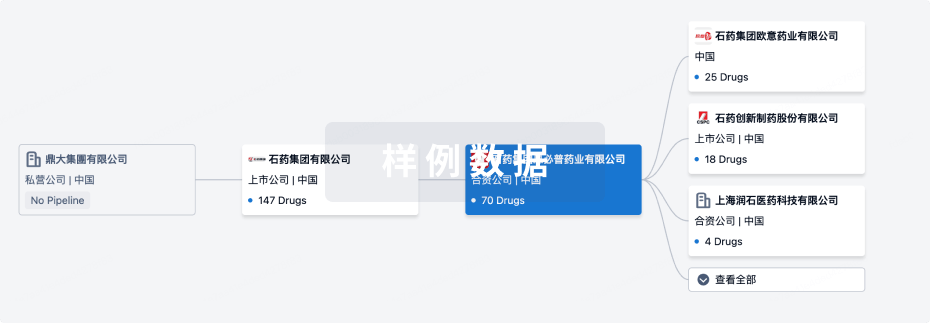
组织架构
使用我们的机构树数据加速您的研究。
登录
或
管线布局
2026年02月09日管线快照
无数据报导
登录后保持更新
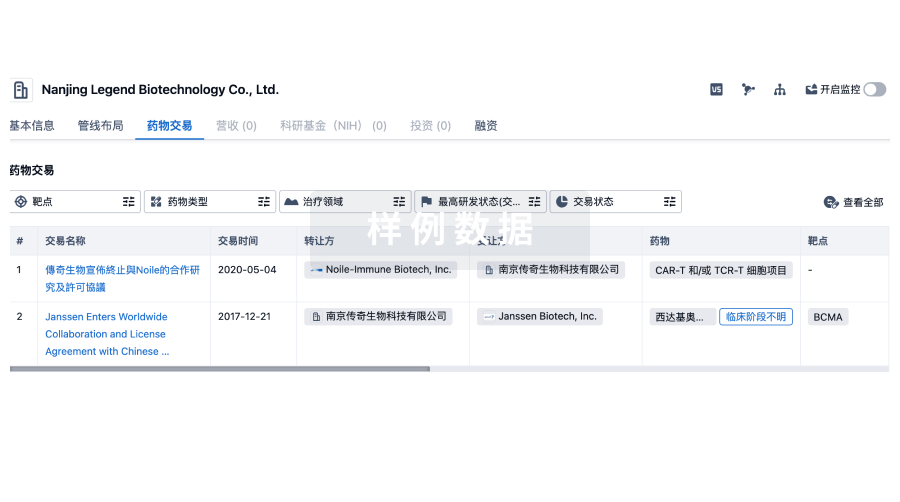
药物交易
使用我们的药物交易数据加速您的研究。
登录
或
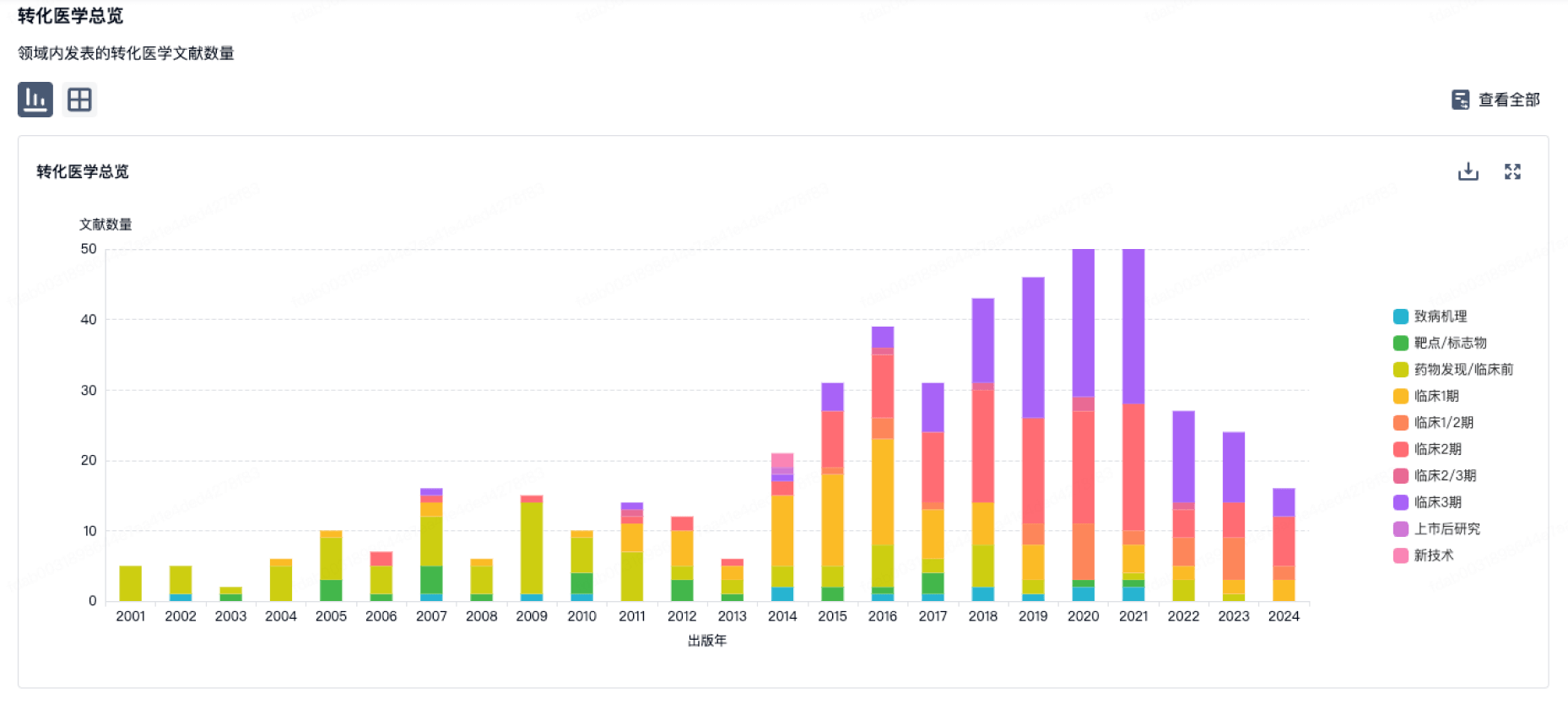
转化医学
使用我们的转化医学数据加速您的研究。
登录
或
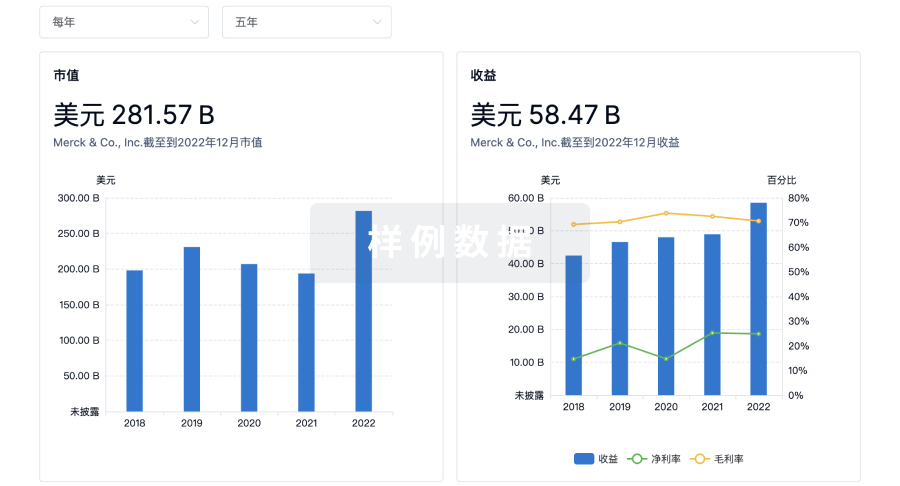
营收
使用 Synapse 探索超过 36 万个组织的财务状况。
登录
或
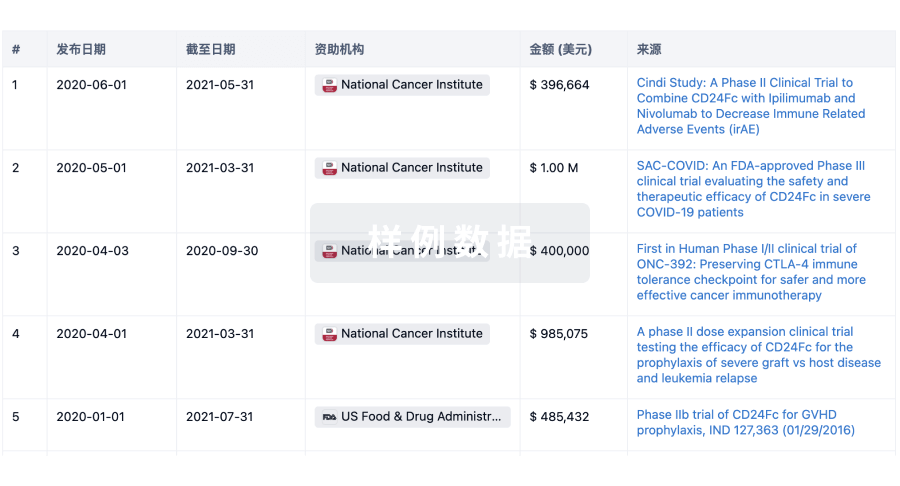
科研基金(NIH)
访问超过 200 万项资助和基金信息,以提升您的研究之旅。
登录
或
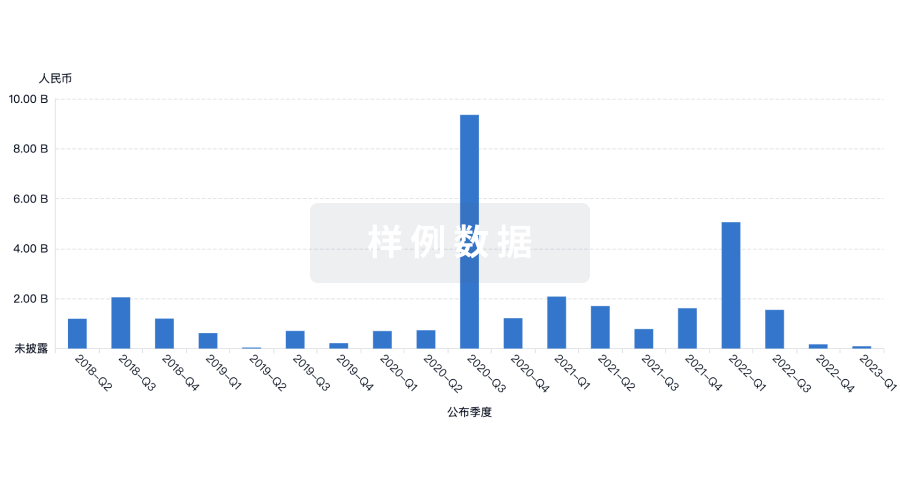
投资
深入了解从初创企业到成熟企业的最新公司投资动态。
登录
或
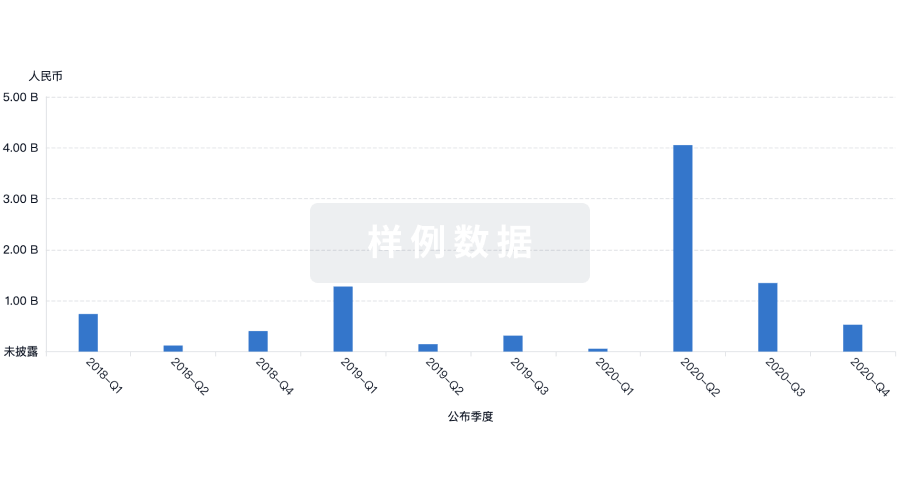
融资
发掘融资趋势以验证和推进您的投资机会。
登录
或
生物医药百科问答
全新生物医药AI Agent 覆盖科研全链路,让突破性发现快人一步
立即开始免费试用!
智慧芽新药情报库是智慧芽专为生命科学人士构建的基于AI的创新药情报平台,助您全方位提升您的研发与决策效率。
立即开始数据试用!
智慧芽新药库数据也通过智慧芽数据服务平台,以API或者数据包形式对外开放,助您更加充分利用智慧芽新药情报信息。
生物序列数据库
生物药研发创新
免费使用
化学结构数据库
小分子化药研发创新
免费使用