预约演示
更新于:2026-01-31
Truepill, Inc.
更新于:2026-01-31
概览
关联
100 项与 Truepill, Inc. 相关的临床结果
登录后查看更多信息
0 项与 Truepill, Inc. 相关的专利(医药)
登录后查看更多信息
35
项与 Truepill, Inc. 相关的新闻(医药)2026-01-29
Last week, the House Judiciary Committee came out with
a report
about CVS Health’s alleged antitrust behavior toward disruptive pharmacy models that provide digital services to other pharmacies. It details the actions the healthcare giant took to prevent independent
pharmacies from working with these new businesses, as CVS sought to compete.
One finding stuck out to me: According to CVS’ own analysis, failing to build its own competitor to the new pharmacy models “would result in over $200 million in losses per year by 2027.”
It made me realize it’s been a long time since I’ve
routinely covered
disruptive pharmacy companies. Some, such as Medly Pharmacy, shut down, while others such as Truepill and Alto became parts of larger healthcare organizations. (Others are still quietly operating, but we don’t hear about them as much!) None of these businesses ever grew big enough to put a major dent in CVS’ business.
Would online pharmacies have thrived if not for CVS?
“It’s fair to scrutinize CVS’ approach to competition, but blaming CVS alone ignores a harder truth: retail pharmacy is a fundamentally broken business model,” Stephanie Davis, an advisor to health tech companies and a former Wall Street analyst, told me. Even without the brick-and-mortar footprint of legacy retail pharmacies, startups still faced pricing pressure from pharmacy benefit managers, difficult reimbursement rates for branded GLP-1s, and razor-thin margins inherent to the pharmacy business, she said.
A spokesman for CVS told me the report was “misguided and misleading,” saying that the company isn’t opposed to new models that improve patient experience. He noted a 2025 update to its provider manual to make it easier for pharmacies to use them, but said part of CVS’ role is identifying and mitigating fraud, waste and abuse.
Pharmacy still feels like it’s ripe for changes, as companies like
Amazon
and
Walmart
continue to invest in the business.
“They tried just about everything they could think of to kill us, short of improving their customer experience,” TJ Parker, the former CEO of Amazon-owned
PillPack and current partner at Matrix, told me via email, referring to CVS. “We stayed focused on building a product people love, and that seems to have worked out.”
— Lydia
(This is an edition of the Endpoints News Health Tech newsletter.
Subscribe here
to get it directly in your inbox.)
HERE’S WHAT’S NEW
The CEO of primary care chain ChenMed warns against GLP-1 drugs for seniors
ChenMed CEO Chris Chen said the primary care chain isn’t encouraging the use of GLP-1 drugs for weight loss after
finding the medications
led to worse health outcomes among its older patients.
Premise Health to merge with Crossover Health to expand employer clinics
The deal comes as
employers grapple
with ballooning healthcare costs in recent years.
Included Health makes foray into health plans
Included Health, the virtual care and navigation company, is now offering a
health plan
for employers.
UnitedHealth projects lower revenue in 2026 as it resets its business
UnitedHealth Group’s turnaround plan to trade membership for improved profit margins will result in lower revenue in 2026, as the healthcare giant
attempts to recover
from a disastrous period of setbacks that crippled its value.
THIS WEEK IN HEALTH TECH
2024-10-22
Walmart announced that it would now allow customers to purchase new prescription medications, medication refills and general merchandise for same-day delivery in a single order via the Walmart app and through the company's website.
The company says customers will have access to same-day delivery of medications via its Pharmacy Delivery, excluding controlled substances, Medicare Part B items, and medicines that need refrigeration.
The new offering is available in New York, Wisconsin, Arkansas, South Carolina, Missouri and Nevada, and the company says Walmart's Pharmacy Delivery will be available in 49 states by the end of Jan. 2025.
Walmart says the offering will eventually include both same-day prescription delivery and, in the future, on-demand and express delivery. On-demand delivery will allow prescriptions to be delivered within hours, while express delivery provides delivery within 30 minutes.
The company says insurance plans will be applied to the prescription delivery transaction as they would be for prescription in-store pickup.
"Our extensive footprint across the nation combined with our deep expertise in pharmacy uniquely positions us to make a profound impact in the communities we serve," Kevin Host, senior vice president of Pharmacy at Walmart U.S., said in a statement.
"We understand that health care is not a one-size-fits-all solution. It’s hyper-local. Each community has unique needs. This new offering allows us to continue serving customers while also giving more time back to our pharmacies for high-touch health services."
THE LARGER TREND
Numerous companies have announced the launch of same-day prescription delivery services this year.
In August, digital healthcare company Truepill and healthcare technology prescription company ScriptDrop announced they were partnering to combine ScriptDrop's same-day prescription delivery service with Truepill's pharmacy platform.
The collaboration would allow patients to choose their own retail pharmacy for medication delivery via ScriptDrop's two-hour service.
In April, Uber Health, the healthcare arm of transportation company Uber, announced the launch of an additional offering on its platform that allows users to manage same-day prescription delivery.
Amazon Pharmacy offered same-day prescription delivery in Phoenix, Austin, Seattle, Indianapolis, Miami and Texas, and in March, expanded its same-day medication-delivery offerings to residents of New York City and the greater Los Angeles area.
2024-10-08
New York-based mental health technology company Resilience Lab has acquired online psychiatric medication management platform Options MD, allowing Resilience to offer integrated prescription management and psychotherapy services for moderate to severe mental illness.
Resilience Lab is an online mental healthcare platform that connects patients with therapists who specialize in depression, anxiety, ADHD, PTSD, OCD and more.
The acquisition allows Resilience to integrate Options MD's medication management and psychotherapy offerings into its platform, giving patients with severe mental illness access to specialized clinicians for medication management.
Resilience will also integrate Options' proprietary clinical intake and AI decision support platform into its software suite, providing its therapists with AI-enabled diagnosis and treatment recommendations to assist them in creating an effective care plan.
Options MD's workforce will be retained by Resilience Lab, and Options MD will operate as a business unit of Resilience Lab under its own brand.
"This acquisition of Options MD gives Resilience Lab the ability to expand into more severe illnesses to more effectively address treatment needs with a systematic clinical approach with proven success," Christine Carville, chief clinical officer and cofounder of Resilience Lab, said in a statement.
"The ability to increase the likelihood of receiving an accurate diagnosis and providing clients the most appropriate treatment that includes high-quality psychotherapy and state-of-the-art medication management is a win-win for those suffering from mental illness."
THE LARGER TREND
In 2022, Resilience Lab secured $15 million in Series A funding. That same year, Options MD scooped up $2.35 million in a pre-seed funding round led by Bread & Butter Ventures.
Numerous acquisitions within the digital health sector have occurred this year, including the purchase by at-home diagnostics company LetsGetChecked of digital pharmacy and telehealth startup Truepill last week.
In September, Kipu Health, a company that provides technology solutions for behavioral health, announced it acquired Hatch Compliance, a cloud-based compliance management and software provider.
The same month, Finland-based health-tracking ring maker Oura announced it has entered into an agreement to acquire fellow Finnish company Veri, which offers personalized metabolic health programs.
In August, Health Catalyst, a U.S.-based healthcare data and analytics provider for care organizations, acquired Lumeon, a Boston- and London-based care management automation startup.
Boston-based Uwill, a mental health platform for colleges and students, announced in July that it acquired Virtual Care Group, a fellow student-focused telehealth and wellness support platform.
并购
100 项与 Truepill, Inc. 相关的药物交易
登录后查看更多信息
100 项与 Truepill, Inc. 相关的转化医学
登录后查看更多信息
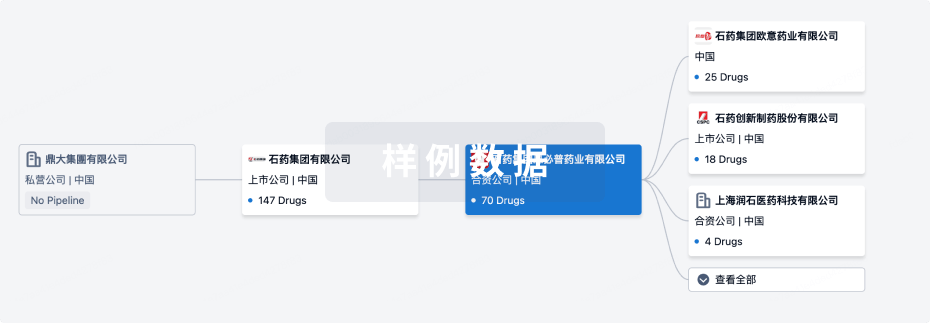
组织架构
使用我们的机构树数据加速您的研究。
登录
或
管线布局
2026年02月09日管线快照
无数据报导
登录后保持更新
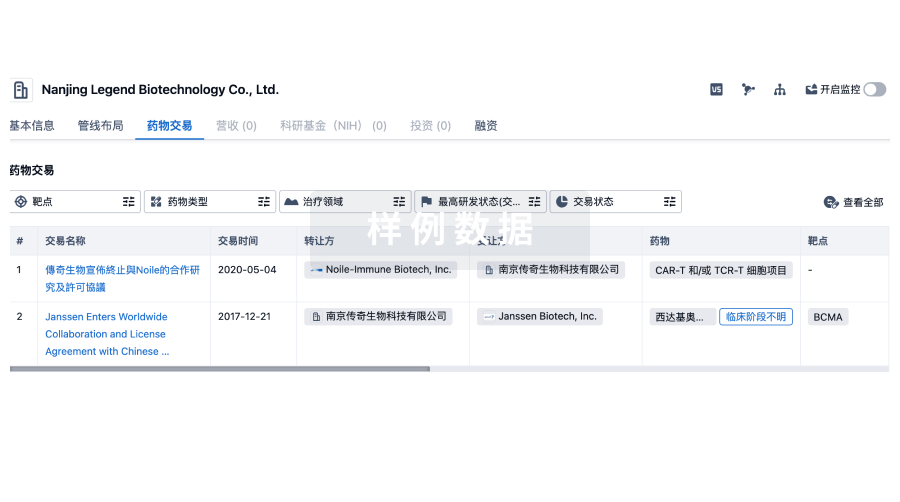
药物交易
使用我们的药物交易数据加速您的研究。
登录
或
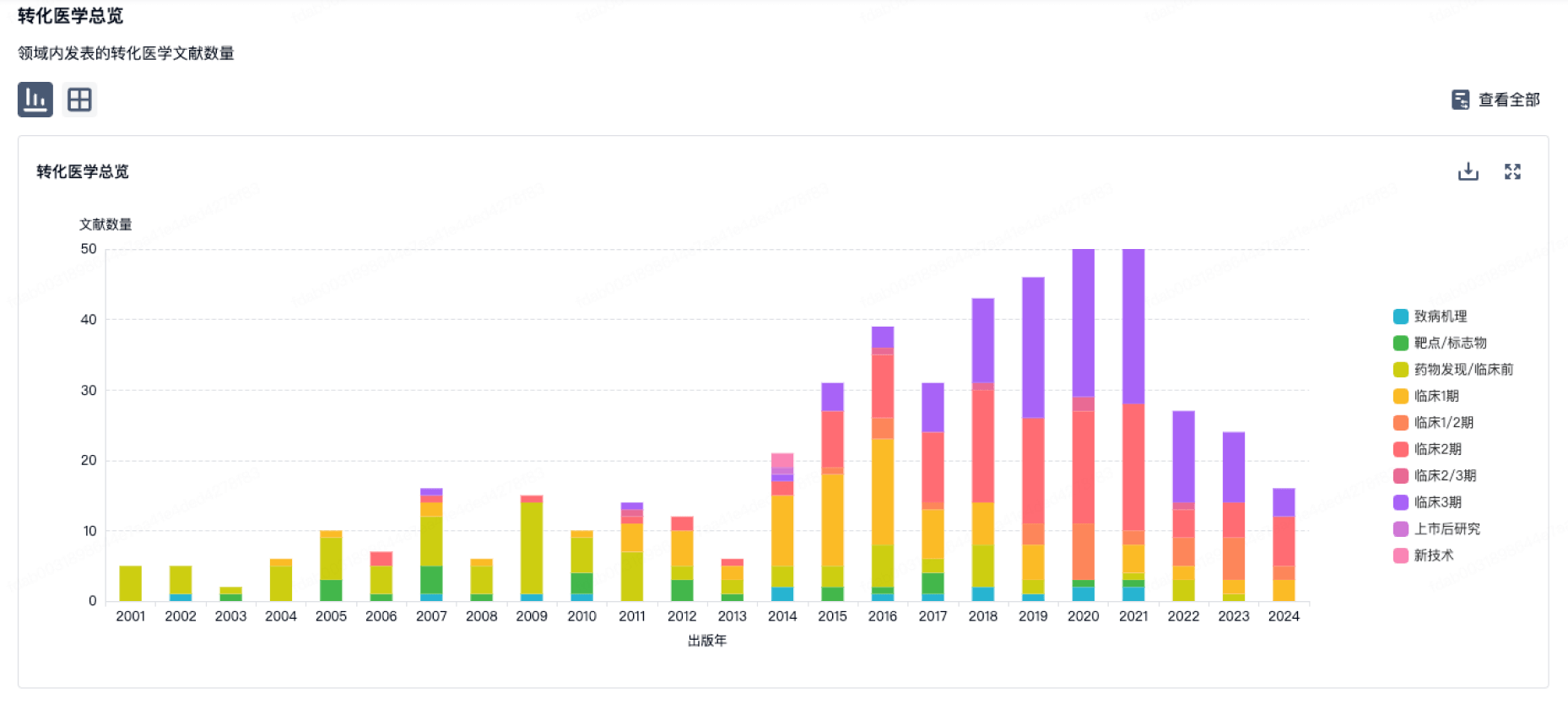
转化医学
使用我们的转化医学数据加速您的研究。
登录
或
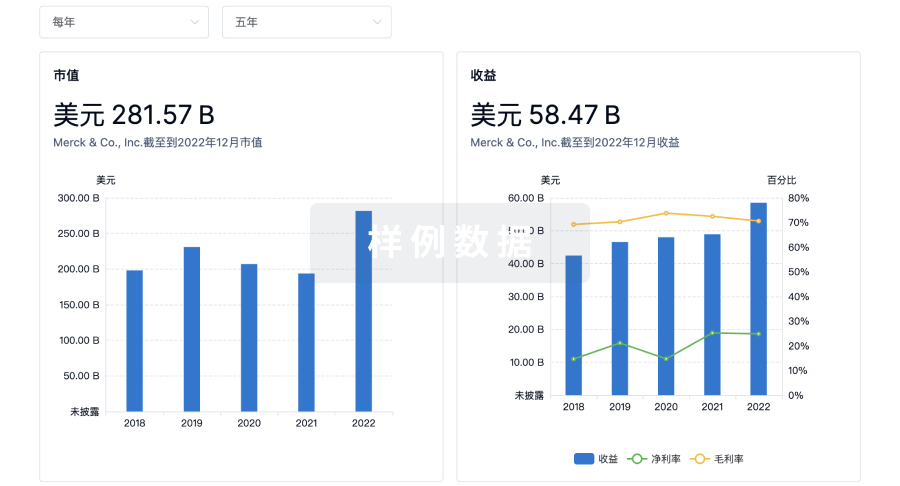
营收
使用 Synapse 探索超过 36 万个组织的财务状况。
登录
或
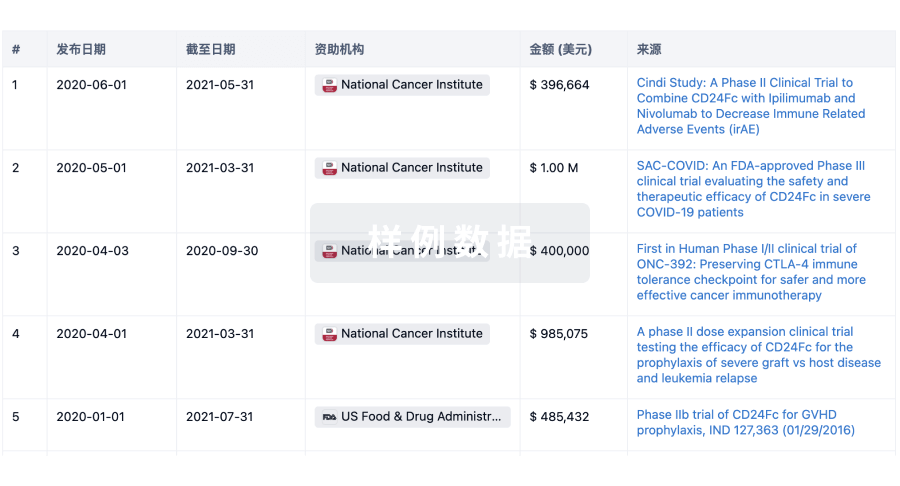
科研基金(NIH)
访问超过 200 万项资助和基金信息,以提升您的研究之旅。
登录
或
投资
深入了解从初创企业到成熟企业的最新公司投资动态。
登录
或

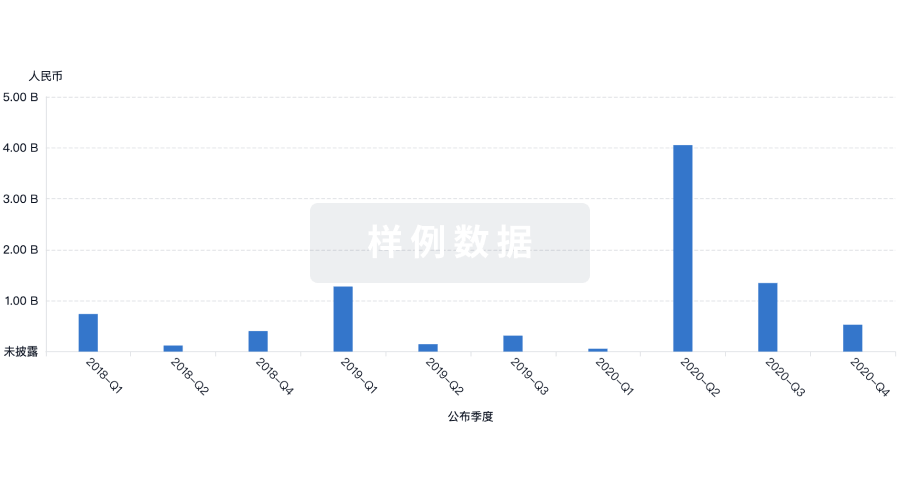
融资
发掘融资趋势以验证和推进您的投资机会。
登录
或
生物医药百科问答
全新生物医药AI Agent 覆盖科研全链路,让突破性发现快人一步
立即开始免费试用!
智慧芽新药情报库是智慧芽专为生命科学人士构建的基于AI的创新药情报平台,助您全方位提升您的研发与决策效率。
立即开始数据试用!
智慧芽新药库数据也通过智慧芽数据服务平台,以API或者数据包形式对外开放,助您更加充分利用智慧芽新药情报信息。
生物序列数据库
生物药研发创新
免费使用
化学结构数据库
小分子化药研发创新
免费使用