预约演示
更新于:2025-12-06

Institute For Translational Medicine
更新于:2025-12-06
概览
关联
NCT02911285
Glial Regulators for Treating Comorbid Posttraumatic Stress Disorder and Substance Use Disorders

100 项与 Institute For Translational Medicine 相关的临床结果
登录后查看更多信息
登录后查看更多信息
2025-12-31Gut Microbes
Gut microbiota butyrate mediated RUNX3 promotes Nr4a1
high
ZFP36
high
resident macrophages via NR4A1/ERK1/2 MAPK to maintain gut homeostasis
Article
作者: Hao, Yang ; Wang, Juanjuan ; Zhu, Ningning ; Zhang, Yuan ; Shi, Yi ; Gao, Yunhuan ; Yang, Rongcun
Gut homeostasis is critical for systemic health, and its disruption is implicated in various diseases, including metabolic disorders. Gut-resident macrophages play a pivotal role in maintaining intestinal homeostasis, yet the mechanisms underlying their differentiation and function remain incompletely understood. Using single-cell RNA sequencing (scRNA-seq), we found a key regulatory axis in which gut microbiota-derived butyrate induces the differentiation of Nr4a1highZFP36high resident macrophages via RUNX3 to sustain gut homeostasis. Butyrate could upregulate RUNX3 expression in gut-resident macrophages through lncRNA lncLy6c-mediated H3K4me3 modification. Genetic ablation of RUNX3 in myeloid cells of RUNX3fl/fl-Lyz2-Cre mice led to a marked reduction in resident macrophages and increased susceptibility to DSS-induced colitis. RUNX3-mediated resident macrophages exhibited elevated ZFP36 expression alongside suppressed pro-inflammatory cytokines and chemokines. Further mechanistic studies revealed that RUNX3 drives the differentiation of Nr4a1highZFP36high resident macrophages via the Nr4a1-dependent activation of the ERK1/2 MAPK pathway. Consistently, high expression levels of RUNX3, Nr4a1, and ZFP36 were observed in colon-resident macrophages from healthy human donors. Collectively, our findings demonstrate that butyrate-RUNX3 signaling orchestrates the differentiation of Nr4a1highZFP36high resident macrophages through the Nr4a1/ERK1/2 MAPK pathway, thereby safeguarding gut homeostasis.
2025-12-02ANALYTICAL CHEMISTRY
Label-Free Imaging of Single-Cell Adhesion Using Phase Angle-Responsive Light-Addressable Electrochemical Sensors
Article
作者: Zhuang, Jian ; Meng, Yao ; Shang, Yun ; Zhang, De-Wen ; Gao, Huiran ; Wang, Sen ; Wang, Jian ; Li, Jiale
Cell adhesion to the extracellular matrix (ECM) regulates essential biological processes and plays a critical role in disease progression. Current adhesion assays often rely on labeling or lack single-cell resolution. Here, we present a phase angle-responsive light-addressable electrochemical sensor (LAES) for label-free, single-cell imaging of cell-substrate adhesion. By analyzing the phase angle, which is the temporal offset between voltage and photocurrent, we achieve robust detection of interfacial dielectric changes, overcoming limitations of conventional amplitude-based LAES. This platform enables the quantitative assessment of cell adhesion across diverse cell types and semiconductor substrates. Dynamic modulation of adhesion using ECM coatings and trypsin treatment further confirms the sensitivity of phase angle imaging to adhesion strength. A point-contact electrical equivalent circuit model supports the observed correlation between phase angle shifts and cell-substrate junction resistance. This work establishes phase angle-based LAES as a powerful tool for single-cell adhesion mapping with strong potential for mechanobiology and adhesion-targeting therapeutic screening.
2025-12-01BIOMEDICAL CHROMATOGRAPHY
Rapid Analysis of Chemical Constituents in
Blachia pentzii
Leaves and Predictive Analysis of the Pharmacological Effects for Treatment of Rheumatoid Arthritis
作者: Zhang, Fengcheng ; Pu, Zhilin ; Zhang, Yanyan ; Yang, Changshui ; Tao, Li ; Yu, Hongyan ; Dong, Xiaoyun ; Xu, Hairong
ABSTRACT:
Blachia pentzii
has no history of ethnic or folk medicinal use. Its medicinal value deserves further exploration. Currently, the molecular networking (MN) technology and network pharmacology methods contribute to exploring the potential medicinal value of plants with relatively few reported chemical components. In the present study, we provided a method for rapid analysis of chemical constituents in
Blachia pentzii
leaves (
BPL
) and a network pharmacology study of rheumatoid arthritis (RA), especially when the identification is limited by the MN technology. Finally, a total of 64 components were annotated, including structural types such as terpenoids, phenolic acids, steroids, fatty acid derivatives, and phospholipids. Network pharmacological analysis revealed that the chemical constituents of
BPL
exert anti‐RA effects by acting on 56 core targets, including IL6, TP53, TNF, STAT3, and BCL2, and regulating signaling pathways such as Proteoglycans in cancer, HIF‐1 signaling pathway, Lipid and atherosclerosis, and AGE‐RAGE signaling pathway in diabetic complications. The selected effective ingredients could play synergistic roles in anti‐RA, indicating that
BPL
contains anti‐RA effective ingredients and that the relevant active substances have the potential to be developed into anti‐RA drugs and deserve in‐depth research in chemistry and pharmacology.
100 项与 Institute For Translational Medicine 相关的药物交易
登录后查看更多信息
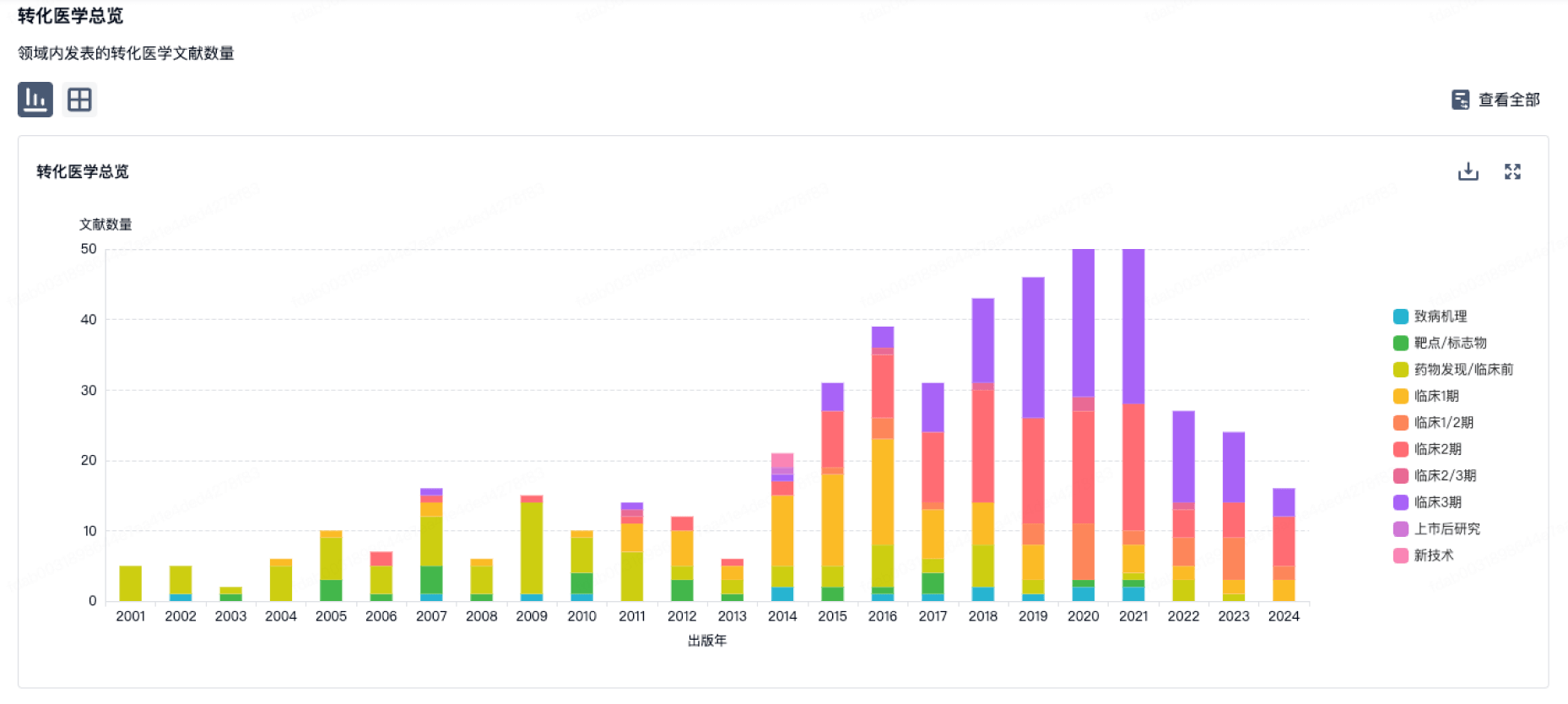
100 项与 Institute For Translational Medicine 相关的转化医学
登录后查看更多信息
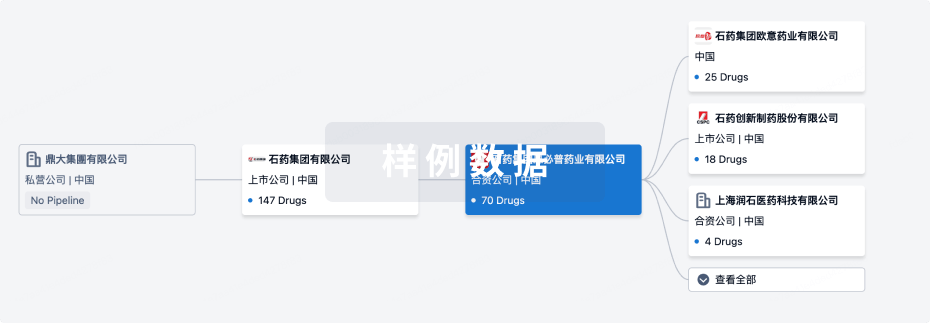
组织架构
使用我们的机构树数据加速您的研究。
登录
或
管线布局
2026年09月21日管线快照
无数据报导
登录后保持更新
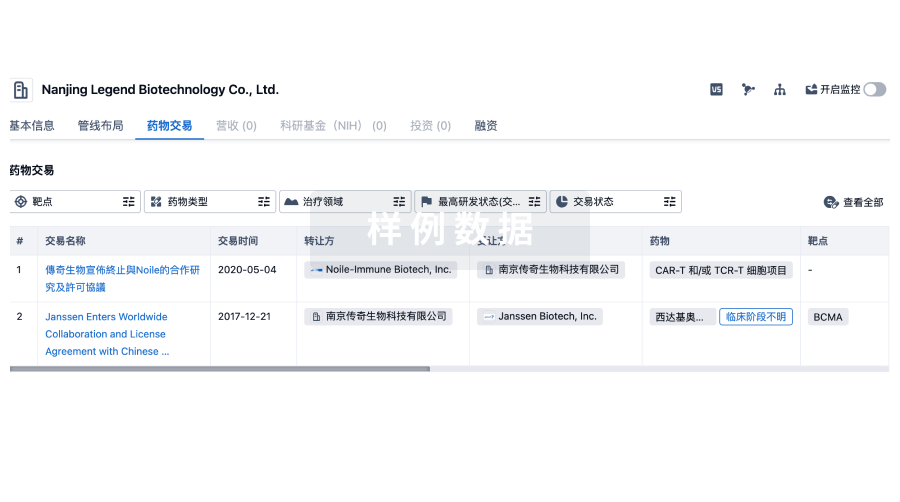
药物交易
使用我们的药物交易数据加速您的研究。
登录
或
转化医学
使用我们的转化医学数据加速您的研究。
登录
或
营收
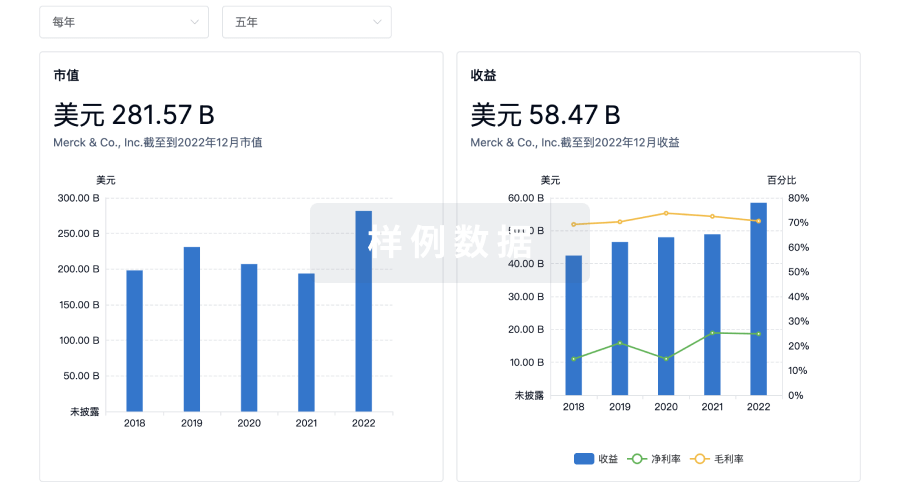
使用 Synapse 探索超过 36 万个组织的财务状况。
登录
或
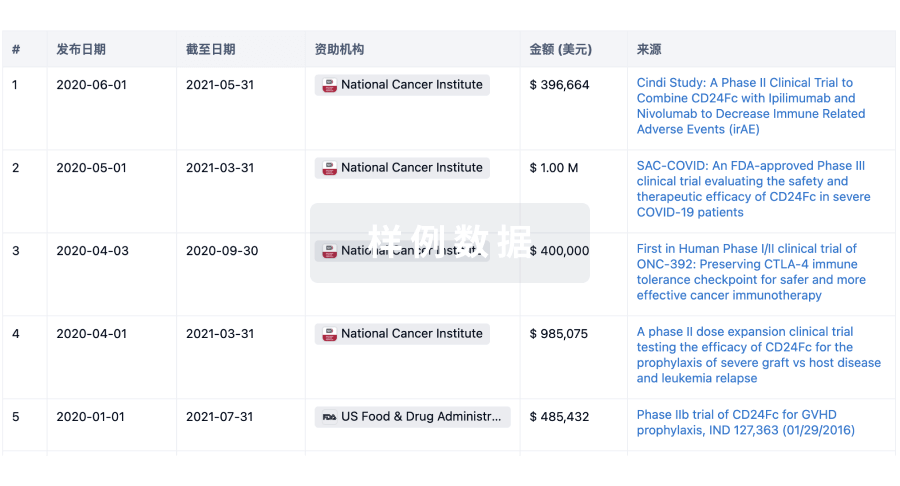
科研基金(NIH)
访问超过 200 万项资助和基金信息,以提升您的研究之旅。
登录
或
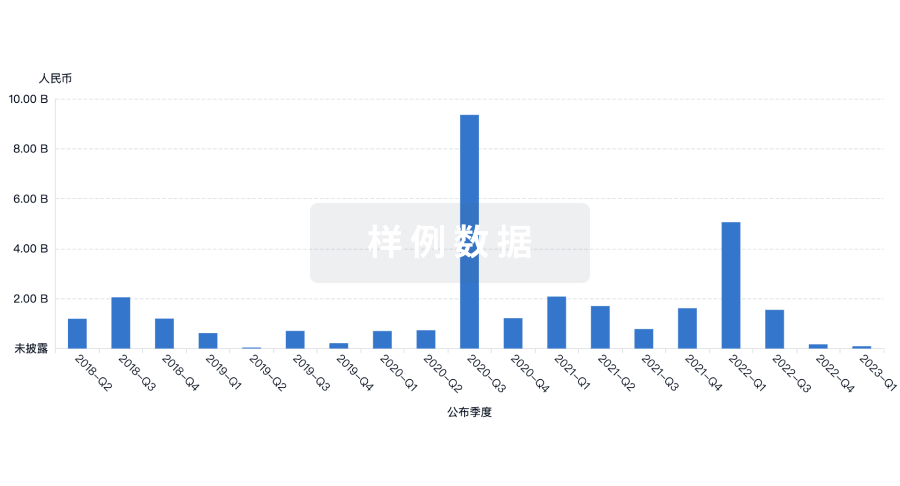
投资
深入了解从初创企业到成熟企业的最新公司投资动态。
登录
或
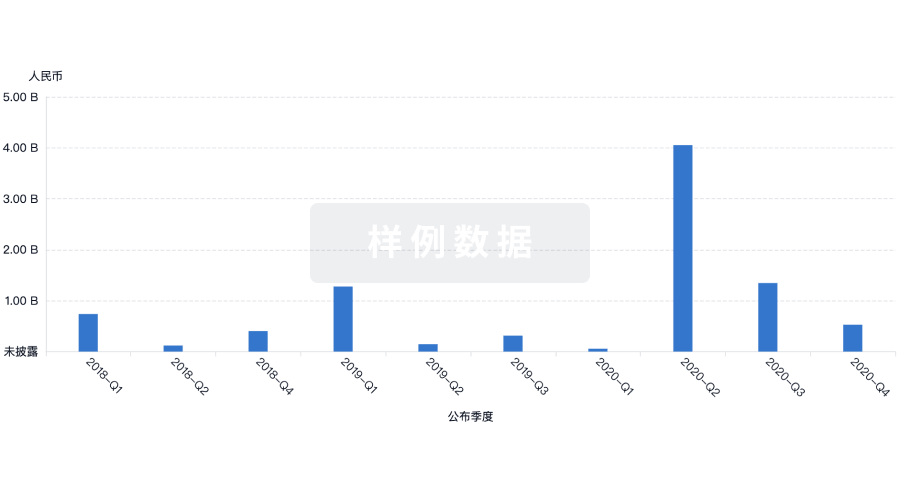
融资
发掘融资趋势以验证和推进您的投资机会。
登录
或
提出任何生物医药研究问题
让每一步生物医药决策都精准制胜
基于十亿级生物数据与全球情报的精准 AI,赋能早期药物发现
立即开始免费试用!
智慧芽新药情报库是智慧芽专为生命科学人士构建的基于AI的创新药情报平台,助您全方位提升您的研发与决策效率。
立即接入生物医药数据包
智慧芽新药库数据也通过智慧芽开放平台,以MCP或API服务形式对外开放。立即使用我们的MCP服务定制您的LLM智能体。
生物序列数据库
生物药研发创新
免费使用
化学结构数据库
小分子化药研发创新
免费使用