预约演示
更新于:2025-08-29

Yunnan Biopharmaceutical Co. Ltd.
更新于:2025-08-29
概览
关联
100 项与 云南生物制药有限公司 相关的临床结果
登录后查看更多信息
0 项与 云南生物制药有限公司 相关的专利(医药)
登录后查看更多信息
1
项与 云南生物制药有限公司 相关的文献(医药)Vaccines
Oral Delivery of Lactococcus lactis Expressing Full-Length S Protein via Alginate–Chitosan Capsules Induces Immune Protection Against PEDV Infection in Mice
Article
作者: Yang, Miaoyan ; Zhou, Yongqi ; Zhu, Shu Jeffrey ; Xie, Denglong ; Ji, Wei
Background/Objectives: Porcine epidemic diarrhea (PED) is a highly contagious enteric infectious disease that causes severe morbidity and mortality in piglets, posing significant economic losses to the swine industry worldwide. Oral vaccines based on Lactococcus lactis offer a promising approach due to their safety and genetic manipulability. This study aims to develop and evaluate an oral L. lactis-based vaccine expressing the full-length PEDV S protein. Methods: A recombinant L. lactis strain expressing the PEDV S protein was constructed and encapsulated in alginate–chitosan microcapsules. Vaccine stability was tested in simulated digestive fluids, and mice were orally immunized. Immune responses were evaluated by measuring specific antibodies, cytokines, and lymphocyte proliferation. Results: The recombinant L. lactis NZ3900/pNZ8149-S strain successfully expressed the full-length PEDV S protein and maintained stable plasmid inheritance. Oral immunization in mice induced detectable PEDV-specific immune responses. Both encapsulated and non-encapsulated vaccines stimulated the production of IgG and sIgA antibodies, as well as cytokines associated with Th1 and Th2 responses. Notably, encapsulation with alginate–chitosan significantly enhanced bacterial survival in digestive conditions and further amplified immune responses, including higher antibody titers, elevated levels of IFN-γ, IL-4, and IL-10, and greater lymphocyte proliferation, indicating improved immune memory. Conclusions: The oral L. lactis NZ3900/pNZ8149-S vaccine expressing the PEDV S protein effectively induced systemic and mucosal immunity in mice. Encapsulation with alginate–chitosan further enhanced its immunogenicity and stability in gastrointestinal conditions. These results suggest that both the engineered L. lactis strain and the encapsulation strategy contribute to the development of a promising oral vaccine platform for controlling PEDV in swine populations.
4
项与 云南生物制药有限公司 相关的新闻(医药)2024-03-11
▲ 详细日程见文末 ▲自20世纪初以来,中国兽用生物制品行业经历了从无到有、从粗放到规范的发展历程。这一行业的起源可以追溯到1918年创建的青岛商品检验局血清所和1919年建立的北平中央防疫处,这两个机构的成立标志着中国兽用生物制品的初步形成。在兽用生物制品的早期阶段,由于缺乏统一的标准和规范,行业处于粗放式的发展状态。而随着科技进步和兽医学的不断发展,我国开始重视兽用生物制品的质量控制和标准化。1952年,国内颁布了第一部《兽医生物药品制造及检验规程》,标志着中国兽用生物制品行业开始进入规范化、标准化的发展阶段。兽用生物制品产品主要包括三类,即疫苗产品、诊断制剂和治疗制剂,其中接近九成的收入来自兽用疫苗。目前,兽用疫苗行业已发展成为一个覆盖多种动物疫病类型的高增长行业。在2023年里,兽用疫苗领域又有哪些新产品进展呢?下面主要汇总了2023年至今,国内兽用疫苗的申报注册获批等情况。2024年二月2月4日,中华人民共和国农业农村部发布第759号公告,批准诗华美国动物保健公司生产的鸡传染性喉气管炎重组鸡痘病毒二联活疫苗,匈牙利诗华—费拉西亚兽医生物制品有限公司生产的鸡传染性法氏囊病活疫苗(W2512 G-61株)在我国再注册,核发《进口兽药注册证书》。2月4日,中华人民共和国农业农村部发布第757号公告,华南农业大学、广州市华南农大生物药品有限公司研制的重组禽流感病毒(H5+H7)三价灭活疫苗(H5N2 rHN5801株+rGD59株,H7N9 rHN7903株),已通过农业农村部组织的生产毒种变更备案审查。2月4日,中华人民共和国农业农村部发布第758号公告,批准贵州福斯特生物科技有限公司、贵州福斯特生物技术研究院、东北农业大学、山西维尔富生物科技有限公司、哈尔滨维科生物技术有限公司、广东省农业科学院动物卫生研究所、哈尔滨威科赛斯生物科技有限公司申报的鸡新城疫、禽流感(H9亚型)、禽腺病毒病(I群,4型)三联灭活疫苗(La Sota株+HS株+DN株)为新兽药,核发《新兽药注册证书》。一月1月3日,永顺生物近期获得农业农村部核发“鸡球虫病四价活疫苗(柔嫩艾美耳球虫ETGZ株+毒害艾美耳球虫ENHZ株+堆型艾美耳球虫EAGZ株+巨型艾美耳球虫EMPY株)”的生产批准文号(兽药生字190592329),成为全国第四家可生产“鸡球虫病四价活疫苗”的生产企业。1月3日,中华人民共和国农业农村部发布第747号公告,长春西诺生物科技有限公司、安徽爱宠生物科技有限公司、吉林正业生物制品股份有限公司研制的猫鼻气管炎、嵌杯病毒病、泛白细胞减少症三联灭活疫苗(CP2株+CC3株+VP2蛋白),已通过农业农村部组织的应急评价。1月17日,中华人民共和国农业农村部发布第753号公告,批准英特威国际有限公司生产的犬瘟热、传染性肝炎、细小病毒病、副流感四联活疫苗,犬钩端螺旋体病(犬型、黄疸出血型)二价灭活疫苗;澳大利亚生物资源公司生产的鸡毒支原体活疫苗(TS-11株)在我国再注册。批准西班牙海博莱生物大药厂生产的鸡新城疫灭活疫苗(La Sota株),英特威国际有限公司生产的鸡传染性支气管炎活疫苗(Ma5株)、鸡新城疫灭活疫苗(Clone 30株)、鸡传染性喉气管炎活疫苗(Serva株)及鸡减蛋综合征灭活疫苗(BC14株)在我国变更注册。1月18日,中华人民共和国农业农村部发布第751号公告,批准中国农业科学院哈尔滨兽医研究所、哈尔滨维科生物技术有限公司、哈尔滨国生生物科技股份有限公司、江苏南农高科技股份有限公司、华派生物技术(集团)股份有限公司申报的猪伪狂犬病活疫苗(TP株)为新兽药,核发《新兽药注册证书》。2023年十二月12月6日,中华人民共和国农业农村部发布第731号公告,普莱柯生物工程股份有限公司、洛阳惠中生物技术有限公司、洛阳惠中动物保健有限公司、河南新正好生物工程有限公司、普莱柯(南京)生物技术有限公司的猫泛白细胞减少症、杯状病毒病、鼻气管炎三联灭活疫苗(708株+60株+64株),中牧股份的猫鼻气管炎、杯状病毒病、泛白细胞减少症三联灭活疫苗(HBJ06株+CHZ05株+PSY01株)已通过农业农村部组织的应急评价,获得生产批准。12月29日,中华人民共和国农业农村部发布第743号公告,批准中国农业科学院兰州兽医研究所、肇庆大华农生物药品有限公司、山东华宏生物工程有限公司申报的鸡新城疫灭活疫苗(MG7株)为新兽药,核发《新兽药注册证书》。批准瑞普(保定)生物药业有限公司申报的鸡传染性喉气管炎耐热保护剂活疫苗,扬州优邦生物药品有限公司、江苏省家禽科学研究所、国药集团扬州威克生物工程有限公司、哈药集团生物疫苗有限公司申报的鸡新城疫、禽流感(H9亚型)二联灭活疫苗(La Sota株+JY株)产品变更注册,申请人按照农业农村部批准的标签说明书自行修改并印制、使用产品标签说明书。十一月11月17日,中华人民共和国农业农村部发布第724号公告,批准华南农业大学、广州市华南农大生物药品有限公司申报的重组禽流感病毒(H5+H7)二价灭活疫苗(H5N2亚型,rFJ56株+H7N9亚型,rGD76株)为新兽药,核发《新兽药注册证书》。十月10月23日,中华人民共和国农业农村部发布第716号公告,金宇保灵生物药品有限公司、洛阳沃普森生物工程有限公司、内蒙古自治区动物疫病预防控制中心、金河佑本生物制品有限公司研制的牛结节性皮肤病灭活疫苗(NMG株,悬浮培养),华中农业大学、武汉科前生物股份有限公司、云南生物制药有限公司、华派生物技术(集团)股份有限公司研制的猫鼻气管炎、杯状病毒病、泛白细胞减少症三联灭活疫苗(WH–2017株+LZ–2016株+CS–2016株),已通过农业农村部组织的应急评价。10月24日,中华人民共和国农业农村部发布第718号公告,批准北京中海生物科技有限公司、广东温氏大华农生物科技有限公司、青岛易邦生物工程有限公司、乾元浩生物股份有限公司、山东绿都生物科技有限公司申报的鸡新城疫、传染性支气管炎二联耐热保护剂活疫苗(La Sota株+H120株)为新兽药,核发《新兽药注册证书》。九月9月4日,中华人民共和国农业农村部发布第704号公告,批准中国农业大学、金河佑本生物制品有限公司、重庆澳龙生物制品有限公司、安徽东方帝维生物制品股份有限公司、杭州佑本动物疫苗有限公司、北京市动物疫病预防控制中心、北京华信农威生物科技有限公司、北京信得威特科技有限公司申报的布鲁氏菌病活疫苗(BA0711株),金宇保灵生物药品有限公司申报的布鲁氏菌病活疫苗(Rev.1株)为新兽药,核发《新兽药注册证书》。9月15日,中华人民共和国农业农村部发布第707号公告,批准齐鲁动物保健品有限公司申报的鸭病毒性肝炎(3型)活疫苗(QL3A株),北京生泰尔科技股份有限公司、北京华夏兴洋生物科技有限公司、华夏兴洋(江苏)生物科技有限公司申报的鸡新城疫、禽流感(H9亚型)、禽腺病毒病(Ⅰ群,4型)三联灭活疫苗(La Sota株+cs株+Ax25株)为新兽药,核发《新兽药注册证书》。批准唐山怡安生物工程有限公司、北京科兴生物制品有限公司、中国农业大学3家单位申报的狂犬病灭活疫苗(CTN–1株)变更注册。八月8月2日,中华人民共和国农业农村部发布第693号公告,批准勃林格殷格翰动物保健(美国)有限公司(Gainesville生产厂)生产的鸡传染性法氏囊病复合冻干活疫苗(2512株),勃林格殷格翰动物保健(美国)有限公司(St.Joseph生产厂)生产的猪繁殖与呼吸综合征活疫苗、猪圆环病毒2型杆状病毒载体灭活疫苗在我国再注册,核发《进口兽药注册证书》。8月18日,中华人民共和国农业农村部发布第698号公告,批准中国农业科学院特产研究所、齐鲁动物保健品有限公司、吉林特研生物技术有限责任公司、吉林冠界生物技术有限公司申报的水貂犬瘟热、病毒性肠炎二联活疫苗(CDV3–CL株+MEVB–F61株),国药集团动物保健股份有限公司、上海创宏生物科技有限公司、北京华夏兴洋生物科技有限公司、国药集团扬州威克生物工程有限公司、龙阔(苏州)生物工程有限公司申报的鸭病毒性肝炎活疫苗(3型,HB80株),普莱柯生物工程股份有限公司、洛阳惠中生物技术有限公司、国药集团扬州威克生物工程有限公司、江苏南农高科技股份有限公司申报的鸡传染性鼻炎三价灭活疫苗(A型HN3株+B型HN5株+C型SD3株),辽宁益康生物股份有限公司、北京万牧源生物科技有限公司、四川海林格生物制药有限公司、江西博美莱生物科技有限公司、安铂尔生物科技(广东)有限公司申报的猪支原体肺炎灭活疫苗(ZY株)为新兽药,核发《新兽药注册证书》。批准中国农业科学院哈尔滨兽医研究所申报的猪繁殖与呼吸综合征灭活疫苗(CH–1a株)变更注册。8月23日,中华人民共和国农业农村部发布第701号公告,天津瑞普生物技术股份有限公司、天津瑞普生物技术股份有限公司空港经济区分公司、瑞普(保定)生物药业有限公司研制的猫鼻气管炎、杯状病毒病、泛白细胞减少症三联灭活疫苗(RPVF0304株+RPVF0207株+RPVF0110株),中国农业科学院上海兽医研究所、唐山怡安生物工程有限公司、哈药集团生物疫苗有限公司研制的猫鼻气管炎、猫杯状病毒病、猫泛白细胞减少症三联灭活疫苗(WX株+SH14株+0918株),泰州博莱得利生物科技有限公司、北京博莱得利生物技术有限责任公司、中瑞动检(北京)生物技术有限公司研制的猫泛白细胞减少症、鼻气管炎、杯状病毒病三联灭活疫苗(HBX05株+BJS01株+BJH13株),已通过农业农村部组织的应急评价。七月7月26日,中华人民共和国农业农村部发布第691号公告,批准天康生物制药有限公司、北京中海生物科技有限公司、青岛易邦生物工程有限公司、天津瑞普生物技术股份有限公司申报的猪传染性胸膜肺炎基因工程亚单位疫苗(ApxII、Oml–1、Oml–7),天康生物制药有限公司、天康制药股份有限公司、齐鲁动物保健品有限公司申报的猪圆环病毒2型、猪肺炎支原体二联灭活疫苗(重组杆状病毒rB–06株+CJ株),北京中海生物科技有限公司、吉林和元生物工程股份有限公司、青岛易邦生物工程有限公司申报的猪支原体肺炎灭活疫苗(S株),北京市农林科学院、青岛中仁澳兰生物工程有限公司、江西博美莱生物科技有限公司、北京信得威特科技有限公司申报的鸡新城疫、传染性支气管炎、传染性法氏囊病三联灭活疫苗(La Sota株+M41株+BJQ902株),广东永顺生物制药股份有限公司、中崇信诺生物科技泰州有限公司申报的猪瘟、高致病性猪繁殖与呼吸综合征二联耐热保护剂活疫苗(C株+GDr180株),华派生物技术(集团)股份有限公司、山东信得动物疫苗有限公司、重庆澳龙生物制品有限公司、山东海利生物制品有限公司、四川农业大学、四川英博莱生物技术有限公司申报的猪圆环病毒2型、猪肺炎支原体二联灭活疫苗(162株+HP-G株)为新兽药,核发《新兽药注册证书》。7月11日,中华人民共和国农业农村部发布第686号公告,批准西班牙海博莱生物大药厂生产的猪大肠杆菌病、C型产气荚膜梭菌病、诺维氏梭菌病三联灭活疫苗在我国再注册,核发《进口兽药注册证书》。六月6月6日,中华人民共和国农业农村部发布第677号公告,批准印度尼西亚美迪安有限公司生产的鸡痘活疫苗(M﹣92株)、英特威国际有限公司生产的鸡新城疫、传染性支气管炎、传染性法氏囊病、呼肠孤病毒感染四联灭活疫苗在我国再注册,核发《进口兽药注册证书》。6月29日,中华人民共和国农业农村部发布第681号公告,批准普莱柯生物工程股份有限公司、洛阳惠中生物技术有限公司申报的猪细小病毒杆状病毒载体灭活疫苗(PPV–VP2株)为新兽药,核发《新兽药注册证书》。截至目前,普莱柯及子公司累计获得新兽药注册证书63个。五月5月5日,中华人民共和国农业农村部发布第668号公告,批准金宇保灵生物药品有限公司申报的口蹄疫O型灭活疫苗(OJMS株),军事科学院军事医学研究院军事兽医研究所申报的犬瘟热、犬副流感、犬腺病毒与犬细小病毒病四联活疫苗变更注册。5月17日,中华人民共和国农业农村部公布第670号公告,中牧实业股份有限公司、中国农业科学院兰州兽医研究所、中农威特生物科技股份有限公司、申联生物医药(上海)股份有限公司联合研制的牛结节性皮肤病灭活疫苗(山羊痘病毒AV41株,悬浮培养)已通过我部组织的应急评价。5月30日,申联生物的一款口蹄疫疫苗产品“口蹄疫O型、A型二价灭活疫苗(O/MYA98/BY/2010株+Re-A/WH/09株”(泰瑞联)获得批准文号。这款疫苗旨在预防牛、羊O型和A型口蹄疫,具备高效、广谱、副反应小和高安全性等特点。四月4月12日,中华人民共和国农业农村部发布第665号公告,批准扬州大学、国药集团扬州威克生物工程有限公司、福建圣维生物科技有限公司申报的禽腺病毒(Ⅰ群,4型)灭活疫苗(JH株)为新兽药,核发《新兽药注册证书》。4月26日,中华人民共和国农业农村部发布第666号公告,批准德国罗曼动物保健有限公司鸡传染性法氏囊病活疫苗(LC75株)(1000羽份/瓶2500羽份/瓶5000羽份/瓶)在我国再注册。三月3月17日,中华人民共和国农业农村部发布第657号公告,批准波兰布拉维生物技术有限公司生产的鸽新城疫、沙门氏菌病二联灭活疫苗(La Sota株+KOS 061084株)在我国注册,核发《进口兽药注册证书》,并发布产品质量标准、说明书和标签,自发布之日起执行。批准印度尼西亚美迪安有限公司生产的鸡新城疫、减蛋综合征二联灭活疫苗,鸡新城疫、传染性支气管炎、减蛋综合征三联灭活疫苗;西班牙海博莱生物大药厂生产的鸡传染性法氏囊病活疫苗(CH/80株),鸡传染性喉气管炎活疫苗(CHP50株);硕腾公司美国查理斯堡生产厂生产的猪支原体肺炎灭活疫苗(P-5722-3株,I)在我国再注册,核发《进口兽药注册证书》,并发布修订后的质量标准、说明书和标签,自发布之日起执行,此前发布的该5种兽药质量标准、说明书和标签同时废止。批准印度尼西亚美迪安有限公司生产的鸡新城疫灭活疫苗(La Sota株)在我国再注册及变更注册,核发《进口兽药注册证书》,并发布修订后的质量标准、说明书和标签,自发布之日起执行,此前发布的该兽药质量标准、说明书和标签同时废止。3月17日,中华人民共和国农业农村部发布第658号公告,批准国药集团动物保健股份有限公司、上海创宏生物科技有限公司、福建圣维生物科技有限公司申报的猪伪狂犬病活疫苗(C株,悬浮培养),华派生物工程集团有限公司、北京鼎立泰生物技术有限公司、杭州佑本动物疫苗有限公司、四川农业大学、苏州世诺生物技术有限公司申报的猪流感二价灭活疫苗(H1N1 L株+H3N2 S株),中牧实业股份有限公司、中国农业科学院哈尔滨兽医研究所、哈尔滨维科生物技术有限公司、齐鲁动物保健品有限公司申报的牛多杀性巴氏杆菌病二价灭活疫苗(A型Pm–TJ株+B型C45–2株),齐鲁动物保健品有限公司申报的兔出血症病毒杆状病毒载体、多杀性巴氏杆菌病二联灭活疫苗(VP60株+QLT–1株)为新兽药,核发《新兽药注册证书》。批准辽宁益康生物股份有限公司申报的狂犬病灭活疫苗(Flury株)变更注册。二月2月21日,中华人民共和国农业农村部发布第650号公告,批准江苏南农高科技股份有限公司、南京农业大学、中海生物制药(泰州)有限公司、青岛中仁澳兰生物工程有限公司申报的猪伪狂犬病毒gE/gI基因缺失灭活疫苗(ZJ011G株),天津瑞普生物技术股份有限公司空港经济区分公司、天津瑞普生物技术股份有限公司、北京九州互联农牧科技有限公司申报的鸡传染性鼻炎三价灭活疫苗(A型221株+B型B4株+C型H–18株)为新兽药。一月1月13日,中华人民共和国农业农村部发布第639号公告,批准广东永顺生物制药股份有限公司、中牧实业股份有限公司、河南后羿生物工程股份有限公司、云南生物制药有限公司、青岛明勤生物科技有限公司、广州谱泰生物技术有限公司6家单位申报的猪圆环病毒2型亚单位疫苗(大肠杆菌源)为新兽药;广东海大畜牧兽医研究院有限公司、四川海林格生物制药有限公司、默沙东(宁波)动物保健科技有限公司、北京万牧源农业科技有限公司4家单位申报的猪流行性腹泻灭活疫苗(CHYJ株)为新兽药。批准浙江大学、瑞普(保定)生物药业有限公司、浙江诗华诺倍威生物技术有限公司、齐鲁动物保健品有限公司、杭州佑本动物疫苗有限公司、华派生物工程集团有限公司6家单位申报的猪圆环病毒2型灭活疫苗(ZJ/C株)变更注册。1月28日,中华人民共和国农业农村部发布第642号公告,批准硕腾公司美国林肯生产厂生产的猪伪狂犬病活疫苗(Bucharest株),英特威国际有限公司生产的猪萎缩性鼻炎灭活疫苗和犬瘟热、细小病毒病二联活疫苗在我国再注册,核发《进口兽药注册证书》,并发布修订后的质量标准、说明书和标签,自发布之日起执行,此前发布的该3种兽药质量标准、说明书和标签同时废止。批准英特威美国分公司生产的鸡毒支原体活疫苗(MG6/85株)在我国变更注册,发布修订后的质量标准、说明书和标签,自发布之日起执行,此前发布的该兽药质量标准、说明书和标签同时废止。参考资料:中华人民共和国农业农村部公告、公司新闻等.为了推动兽用生物制品行业交流,共同探讨该领域的最新研发进展、产业化现状及未来发展趋势,生物制品圈联合四叶草会展、乘风济海将于2024年4月17日-18日在南京共同举办“兽用生物制品研发和产业化大会”,系中国医药全产业链新资源大会(CBC大会)中的一个分领域专业会议。诚邀全国相关领域研究者共享学术盛会。名称:兽用生物制品研发和产业化大会时间:2024年4月17日-18日(周三-周四)地点:南京国际展览中心主办单位:生物制品圈、抗体圈、四叶草会展,乘风济海媒体支持:药时空、细胞基因研究圈报名方式:扫描下方二维码或点击文章最底部“阅读原文”→ 填写表格 → 报名成功组委会获得报名信息后,根据报名信息进行初筛,并进一步与报名者沟通确认,实现精准邀请(严格审核通过)。大会日程注:大会日程以会议现场为准。中国医药全产业链新资源大会(CBC大会)是一场将“政、产、学、研、用、管、投”各方精英围绕全产业链新资源展开的合作大会,将于2024年4月16日-18日在南京国际展览中心举办。大会将主打“全产业链新资源对接”,围绕投资、立项、临床前研发、临床研究、生产、供应链国产化、销售、MAH合作、国际品种合作、公司股权合作与并购全产业链,为中国医药同仁带来全新的资源与商机。大会下设的同期会议包括:宠物药品、食品、保健品新资源大会兽用生物制品研发和产业化大会透皮技术研发生产与注册开年分享会吸入制剂研发、生产与注册新机遇新进展分享会中国改良新药与缓控释制剂全产业链合作大会陆续更新中......识别微信二维码,添加生物制品圈小编,符合条件者即可加入生物制品微信群!请注明:姓名+研究方向!版权声明本公众号所有转载文章系出于传递更多信息之目的,且明确注明来源和作者,不希望被转载的媒体或个人可与我们联系(cbplib@163.com),我们将立即进行删除处理。所有文章仅代表作者观点,不代表本站立场。
疫苗
2023-09-01
8月,无论MNC中国区,还是本土药企,人事变动均格外的“猛”。刚刚,因个人原因,潘德青辞去上海医药副总裁及在附属子公司担任的全部职务。实际上,潘德青于2022年3月才被聘任为上海医药副总裁,至今上任还不足一年半。而刚过去的8月,“离职”尤其在传统大药企身上上演。两大掌门人双双离职的一纸公告,再揭海正药业从营收领先到步子落于恒瑞的数年风雨。翻开过往历史,蒋国平与陈晓华5年前接任董事长和副董事长一职时,实则正逢海正药业危急存亡之际。如今,两人双双“出走”,在这条艰难的转型路上,谁又能够带领海正药业迎来真正的重生?而相较过往几月的“平淡”,本月MNC中国区人事变动出奇频繁,背后原因几乎都指向了架构调整后的人才变迁与聚焦。如辉瑞疫苗事业部、医院急症事业部、肿瘤事业部纷纷迎来大调整;阿斯利康按下了合并“撤回键”,选择重新拆分两大事业部;对团队进行架构调整的还有素有“肿瘤之王”之称的罗氏……一系列拆分调整背后自然导致了相应的管理层大变动。而同在TOP10的榜单中的艾伯维中国区亦迎来了多位管理层变迁。本月还有哪些值得关注的人事变动呢?曾比恒瑞还“牛”的老药企,再失总舵手8月31日晚间,海正药业称,董事会收到了董事长蒋国平、副董事长兼高级副总裁兼代理总裁陈晓华提交的书面辞职报告。一纸公告随即将海正药业再次送上药界“热搜榜”,而接下来一大广受关注的问题是,蒋国平离开后,谁能提速这家老药企的转型步伐?故事还得从5年前说起。2018年深秋,海正药业召开了一次重大干部大会,数名区四套班子领导出席了会议,彼时低调坐在最边上位置的蒋国平,就是新的海正药业掌舵人。同一时间,加入海正的还有陈晓华。在此之前,海正已经好几年身处亏损泥潭,自2015年起业绩表现初现波折后,此后一路下行。到了2018年,其亏损额达到了4.93亿元,同比骤降3730.15%;负债总额约为145亿元,负债率达66.24%,且持续走高。另一面,海正药业出现了因违规遭处罚、定增计划终止等多个问题。水深火热之中,海正药业又失去了掌舵多年的灵魂人物、开创了业内经典“海正模式”的白骅。新的领导班子必须尽快成立,但成立后又该如何拯救当时的海正?蒋国平深知披上铠甲,重要的任务便是“救火”。不久后,蒋国平提出了“聚焦、瘦身、优化”的战略。2019年,海正药业召开改革动员大会,蒋国平在作主题报告时强调:要有直面改革的勇气;要做改革的促进派、实干家。2019年开始,在蒋国平的带领下,海正药业开始大量处置闲置资产,剥离非核心业务,也开启了诸多资本动作。同年,海正以评估值1.38亿元转让浙江导明医药20.24%的股权,不久后又宣布出让子公司海正博锐控股权,改善公司财务结构。另外,也是在2019年,海正药业还将位于上海、北京、台州等地的多处房产或厂房挂牌转让。“瘦身”很快有了初步成效。2019年,海正药业扭亏为盈,2020年时其归母净利润更是同比大增348.25%。如火如荼的瘦身优化在继续,后续一套举措接连上演,如经营业绩持续下滑、长期亏损的子公司云南生物制药破产重整;为了进一步降低损失、回笼资金,决定停止子公司北京军海原有项目建设,并将相关闲置专用设备报废处理,后来资不抵债的北京军海破产清算……同时,海正药业加速了从原料药向制剂业务的转型升级,主要推广平台是旗下的瀚晖制药,如今瀚晖制药销售规模已经超过了同类的CSO平台;另外,海正药业也布局了海正动保等新业务。然而,到了2021年、2022年,海正药业的净利润增速却很快放缓。2021年尚且还有两位数的增长,但在2022年增幅却还不到1%,营收较2021年减少了0.82%。2014年其营收突破了百亿元关卡,后业绩下滑,直至2017年才又进入百亿营收药企阵营,但在此之后,其每年的收入增速未曾超过10%。与之伴随的是,海正药业的资产负债率仍旧较高。就2022年而言,海正药业负债额虽与2021年比起来有一定下降,但其资产负债率仍高达55.64%。了解海正药业历史的人,更多的是对其近年来的发展深感惋惜与担忧。一业内人士感怀称,曾经的海正,可是与恒瑞对标、甚至让后者望尘莫及的企业。回顾来看,曾经的海正一时风光无两。作为一家老牌的全球化专业制药企业,海正药业是中国最大的抗生素、抗肿瘤药物生产基地之一。有人曾说,十年前海正药业是国内医药行业的黄埔军校,从海正出走的人员可以支撑起浙江台州的GDP。2000年,海正药业登陆上交所,同年一同迈入资本市场大门的还有恒瑞医药。前者出身于浙江台州,后者发家于江苏连云港,两者均起于中国医药产业崛起的关键城市。而梳理海正药业的年报发现,2015年之前,海正药业营收一路上涨,2014年其营收冲破百亿元门槛,同期营收70多亿元的恒瑞医药不敌海正当时的一路风光。然而,后来的恒瑞营收扶摇直上,2019年突破200亿元,同期的海正药业业绩却带着一堆“烂摊子”陷入泥淖。而从海正药业在资本市场的表现来看,其120多亿的总市值早不敌20倍之外的恒瑞医药,这着实令人感到唏嘘。目前,在海正药业新任董事长及总裁就职前,由董事兼高级副总裁杜加秋临时代理履行董事长职责、公司高级副总裁杨志清临时代理履行总裁职责。MNC中国区调整“狂风至”?与前几月跨国药企中国区人事变动的“平淡期”迥异,本月直接掀起了跨国药企中国区人事变动热潮,由阿斯利康中国、辉瑞中国、罗氏中国、艾伯维中国轮番上演……阿斯利康中国率先上演了一场先“破”后“合”团队架构调整:将呼吸、消化及自体免疫事业部正式拆分为两大事业部,一是呼吸吸入和生物制剂事业部,二是呼吸雾化、消化、疫苗和免疫疗法、自体免疫事业部。有意思的是,早在2022年2月,阿斯利康中国曾将两大事业部合并,成立呼吸、消化及自体免疫事业部,由林骁任负责人。时隔一年多,阿斯利康按下了“撤回键”,选择重新拆分。架构调整背后自然会导致相应的人事变动。其中最引入关注的便是原强生医疗科技中国心血管和专业解决方案事业部总经理陈曦的加入,出任中国副总裁以及呼吸露化、消化、疫苗和免疫疗法、自体免疫事业部负责人,向阿斯利康中国总经理赖明隆汇报。在加入阿斯利康前,陈曦曾任职于强生、碧迪和麦肯锡等跨国企业。此外,现任阿斯利康中国副总裁林骁将担任呼吸吸入和生物制剂事业部负责人,同时还将担任香港及澳门地区负责人,并接任公司南区SMT sponsor。现任阿斯利康中国香港及澳门总经理吴珊将继续作为SMT成员全面负责香港和澳门地区业务的日常运营,并且向林骁汇报;原南区SMT sponsor谢琼将出任东区SMT sponsor一职。当然,任何框架调整的背后大多是为了促进业务的新增长。实际上,阿斯利康虽然常年在中国区业绩保持领先地位,但是其业务增速放缓的趋势早在2020年就已经显现,架构大幅调整已成为企业的应对之法。内部进行架构调整的不止阿斯利康,还有更多正在变革的MNC们。素有“肿瘤之王”之称的罗氏,本月同样进行架构调整,掀起了多起人事变动。原抗感染、神经与罕见病治疗领域医学科学团队将拆分为:神经与罕见病治疗领域和呼吸与抗感染治疗领域。这继而体现在人员变动方面。罗氏中国该业务链条管理层大多发生调整。自9月1日起,现任抗感染、神经与罕见病治疗领域医学事务负责人周薇担任神经与罕见病治疗领域医学事务负责人;现神经与罕见病治疗领域医学科学经理负责人庞智谦被任命为呼吸与抗感染治疗领域医学事务负责人。不单如此,罗莉莎将于9月4日加入罗氏制药中国,担任眼科治疗领域医学事务负责人,并作为医学和个体化医疗部管理团队的成员,向医学和个体化医疗副总裁李滨汇报。而现眼科治疗领域医学事务负责人张靖将于9月30日离开罗氏,寻求外部发展机会。而本月更早之前,徐兰兰正式加入罗氏制药中国,担任全新成立的眼科治疗领域负责人一职,向罗氏制药中国客户交互业务模式特药领域负责人陈凯娟汇报,并成为客户交互业务模式特药领域管理团队的一员。翻开徐兰兰的履历,她拥有18年的医药行业从业经历,曾先后就职于赛诺菲、罗氏、阿斯利康、诺华等多家跨国大型制药企业,在抗感染、肾科、移植、糖尿病、呼吸及眼科等领域拥有丰富的市场推广及商业化运营经验,从一线销售成长至过去近4年任诺华眼科市场负责人岗位。紧随其后的是,辉瑞中国区也迎来了重大架构调整和人事变动。据行业媒体报道,辉瑞内部邮件通知:郝毅凯被任命为辉瑞疫苗事业部北中国区销售负责人;施印莉被任命为辉瑞疫苗事业部南中国区销售负责人;金欣庆被任命为辉瑞疫苗事业部市场平台负责人。实际上,今年6月,辉瑞中国疫苗事业部刚刚经历“换帅”,辉瑞中国疫苗事业部老大由张凌燕变为杨蓓,任命为疫苗事业部总经理,向辉瑞全球生物制药商业集团中国区总裁彭振科汇报。除了疫苗事业部调整外,辉瑞中国区医院急症事业部和肿瘤事业部也迎来了大调整。其中,医院急症事业部分为基石产品业务线和创新产品业务线,于9月1日生效。由许德才担任基石产品业务负责人,古光平担任创新产品北区销售团队负责人,纪莹担任创新产品南区销售团队负责人。基石产品市场团队由李阳负责,创新产品市场团队由王积华负责。而肿瘤事业部则下分为中央市场团队、区域市场团队、泌尿北中国销售团队、泌尿南中国销售团队、血液北中国创新销售团队、血液南中国创新销售团队。管理层变动,艾伯维中国也赢得了席位。本月,艾伯维接连官宣前默沙东中国高管王刚和前阿斯利康中国商务策略及执行总监梁键加盟,分别负责政府事务、市场准入及大客户管理执行及商务部的策略制定、运营执行和和团队管理。此外,原政府事务及市场准入执行总监陈黎将离开艾伯维,寻求外部职业发展机会。在艾伯维中国工作长达15年的战略合作与商务总监谢勤将在8月底离任。随着MNC分拆调整的密集,拆分调整背后的人才聚焦战亦愈发激烈。有些离开,始于反腐、违规、内斗……这个夏天让医药行业人士难忘,医药反腐主线仍然贯穿,而“违规调查”“内斗”等字眼也同样层出不穷……8月22日,漳州市纪委监委通报,漳州片仔癀原党委书记、董事长刘建顺严重违纪违法,被开除党籍。实际上,进入2023年来,片仔癀已经多次卷入反腐事件,数名高管“落马”。如董事、副总经理刘丛盛因涉嫌严重违法违纪、片仔癀前董事长、漳州市九龙江集团有限公司党委书记、董事长潘杰涉嫌严重违纪违法……除了反腐,另一则立案消息也在业内广受关注。因涉嫌信息披露违法违规,人福医药实际控制人艾路明于今年8月7日收到中国证券监督管理委员会《立案告知书》。公告显示,经上交所查明,人福医药、当代科技、艾路明在信息披露、规范运作等方面,有关责任人在职责履行方面,存在多项违规行为。这并非艾路明首次牵涉“信息披露”违规问题。早在今年2月,上交所就对人福医药、控股股东武汉当代科技、实控人艾路明及有关责任人,予以纪律处分。彼时的公告透露出,有关责任人在职责履行方面,存在多项违规行为,如控股股东及其关联方非经营性资金占用、控股股东大额违规减持股份、重大交易未履行董事会审议程序及信息披露义务、定期报告财务数据披露不准确……不过,有意思的是,虽然实控人黑料频出,但人福医药的制药业务却与实控人的频频违规形成了明显的对比。作为麻醉药龙头企业,人福医药在神经系统用药、甾体激素类药物、维吾尔民族药等细分领域形成领导或领先地位,连续三年每年上市一款创新药,近年来逐步拓展美国仿制药业务。此外,有些人事变动猝不及防,颇具“戏剧性”。专注于新药研发的CRO公司毕得医药不久前被爆陷入家族内斗。彼时,对副总经理时常春的解聘事件,成为毕得医药实控人与董事长姐弟戴岚和戴龙矛盾升级的导火索。简而言之,戴龙和另外两位董事联名提出了解聘副总经理时长春的议案,并且在董事会上以5:3的票数通过,但戴岚投了反对票,理由是“时间仓促,理由不充分,对公司利益不利”。这被外界认为是引发了姐弟俩之间权力斗争的一个缩影,作为实控人的姐姐,与现任董事长弟弟意见分歧已跃然纸面。该消息甚至引发了上交所的关注。上交所就毕得医药解聘高级管理人员及相关事项向毕得医药发监管工作函,涉及对象包括上市公司、董事、控股股东及实际控制人、中介机构及其相关人员。除了离职,但还有更多履新消息,如原国家药监局药审中心主任中心副主任周思源已升任国家药监局药审中心主任;CDMO企业健新原力任命曾德婉为新的首席执行官,曾德婉是百济神州的商务拓展副总裁及全球研究与评估负责人……登记邮箱信息订阅E药经理人信息服务扫描二维码精彩推荐CM10 | 集采 | 国谈 | 医保动态 | 药审 | 人才 | 薪资 | 榜单 | CAR-T | PD-1 | mRNA | 单抗 | 商业化 | 国际化 | 猎药人系列专题启思会 | 声音·责任 | 创百汇 | E药经理人理事会 | 微解药直播 | 大国新药 | 营销硬观点 | 投资人去哪儿 | 分析师看赛道 | 药事每周谈 | 医药界·E药经理人 | 中国医药手册创新100强榜单 | 恒瑞 | 中国生物制药 | 百济 | 石药 | 信达 | 君实 | 复宏汉霖 |翰森 | 康方生物 | 上海医药 | 和黄医药 | 东阳光药 | 荣昌 | 亚盛医药 | 齐鲁制药 | 康宁杰瑞 | 贝达药业 | 微芯生物 | 复星医药 |再鼎医药跨国药企50强榜单 | 辉瑞 | 艾伯维 | 诺华 | 强生 | 罗氏 | BMS | 默克 | 赛诺菲 | AZ | GSK | 武田 | 吉利德科学 | 礼来 | 安进 | 诺和诺德 | 拜耳 | 莫德纳 | BI | 晖致 | 再生元
高管变更财报疫苗
2022-09-17
·米内网
看点view本周,国采续标加速推进,ADC药物研发迎新规,医疗反腐再升级;市场大洗牌,40个药品价格“跳水”,66个药品开启续标;药企新资讯,知名药企子公司破产,10家医药企业拟入选国家技术创新示范企业;研发新进展,人福中药1类新药获批,国产c-Met抑制剂上市提速;资本新动态,美国新政“吓坏”CXO概念股,叮当健康登陆港交所……医药行业一周大事件,精彩不容错过!米内一周TOP榜药企动态中药创新龙头发威!3个独家中成药大卖百亿山东新时代发力!拿下6大重磅品种中药股研发费用排行榜出炉!9家过亿300亿市场新龙头定了,丽珠“封王”2021年度中国生物医药企业创新力百强出炉审评进展齐鲁入局超10亿头孢类注射剂5亿抗菌注射剂!汇宇冲刺首仿京新两款1类新药进攻150亿市场40亿大品种!扬子江报产10家医药企业拟入选国家技术创新示范企业9月13日,工信部发布文件,拟认定65家企业为国家技术创新示范企业,其中10家为医药企业,包括武汉生物制品研究所有限责任公司、健帆生物科技集团股份有限公司、上海联影医疗科技股份有限公司、贝达药业股份有限公司、云南沃森生物技术股份有限公司、厦门致善生物科技股份有限公司、贵州益佰制药股份有限公司、郑州安图生物工程股份有限公司、河南翔宇医疗设备股份有限公司及远大医药(中国)有限公司。(工信部)延伸阅读:国家技术创新示范企业实行动态管理,每三年复核评价一次,对合格的示范企业予以确认,不合格的撤销称号。始于2011年的这项评选,历年来入选的企业优中选精,截至目前已有超过70家医药企业入选。ADC药物研发迎新规,CDE征求意见9月15日,CDE发布通知,征求《抗肿瘤抗体偶联药物临床研发技术指导原则》意见。近年来,生物制药技术不断进步,推动ADC类抗肿瘤药物进入高速发展阶段。然而,该类药物在临床研发中存在诸多挑战,本指导原则旨在对ADC类抗肿瘤药物的临床研发中需要关注的问题提出建议,并指导企业开展更为科学的临床研发。(CDE)延伸阅读:国内已有多款ADC药物获批上市,包括荣昌制药的维迪西妥单抗(HER2 ADC)、武田的维布妥昔单抗(CD30 ADC)、罗氏的恩美曲妥珠单抗(HER2 ADC)、辉瑞的奥加伊妥珠单抗(CD22 ADC)、云顶新耀的戈沙妥珠单抗(TROP-2 ADC)等。人福中药1类新药获批上市9月15日,国家药监局发布要闻,批准人福医药1.2类中药创新药广金钱草总黄酮胶囊上市,用于输尿管结石中医辨证属湿热蕴结证患者的治疗。含广金钱草总黄酮胶囊在内,国内已有9款中药1类新药获批上市,涵盖肿瘤、抑郁、痛风、妇科、胃病、感冒、糖尿病等治疗领域。(米内网整理)已批准上市的中药1类新药美国出台新政,国内CXO股价全线大跌美国当地时间9月12日消息,美国总统拜登签署一项行政命令,启动国家生物技术和生物制造计划,推动美国本土供应链的完整。国内资本市场对此反应强烈,9月13日开盘,A股和港股CXO板块全线下挫,尤其是海外业务占比较高的公司,如药明康德、药明生物、凯莱英、博腾股份等,更是直接跌停或者触及跌停板。多家CXO公司回应,目前业务一切正常。(医药经济报)市场观点:医药产业链冗长,全球分工不可避免,CXO领域更是遵循着全球产业链逻辑。美国政府签署的全新行政命令,极有可能让中国本土生物医药企业的国际化道路更加复杂,资本市场走向正是这一情绪的投射和发酵。国采66个药品广东续标开启9月13日,广东省药品交易中心发布关于征求《广东省阿比特龙等药品集团带量采购文件(征求意见稿)》意见的通知,此次集采涉及国采第二批、第四批协议期满的66个同通用名药品的全部剂型及规格。从分组、报价、中选规则上来看,此次方案和广东此前牵头开展的几个联盟集采规则基本一致。(医药云端)延伸阅读:9月14日,中国医疗保险公众号发文,对国采药品接续时间进行梳理,并对第一批、第三批国采接续模式及结果进行分析。此外还提到,第二批、第四批接续规则设计上还需考虑产品竞争格局变化。自第二批起,国采触发门槛为3家,第七批调整为≥4家,竞争格局持续打开。随着过评企业增多,最多入围企业数相应增加。从长远看,市场稳定性和供应更加有保证。国产c-Met抑制剂上市提速9月14日,CDE官网显示,浦润奥生物的伯瑞替尼肠溶胶囊拟纳入优先审评,用于具有间质-上皮转化因子(MET)外显子14跳变的局部晚期或转移性非小细胞肺癌成人患者。伯瑞替尼是一款高选择性c-MET抑制剂,2014年首次递交临床申请,2016年启动临床试验,除非小细胞肺癌之外,还针对神经胶质瘤进行了临床开发。(米内网整理)米内数据:和黄医药的赛沃替尼于2021年6月获国家药监局附条件批准上市,为国内首个获批上市的选择性c-Met抑制剂,该产品2021年在中国三大终端6大市场(统计范围详见本文末)合计销售额接近1.3亿元。同靶点在研药物中,海和药业的谷美替尼、默克的特泊替尼于今年2月、3月陆续报产。海正药业控股子公司破产9月13日,海正药业公告称,其控股子公司北京军海收到了北京市第一中级人民法院《民事裁定书》,裁定受理申请人海正药业对北京军海的破产清算申请。据悉,北京军海致力于军队特需药品、国家战略性药品和针对突发公共卫生事件的应急防控药品研发。此前(2020年8月),海正药业子公司云南生物制药提交破产重组申请,之后被海正药业另一家子公司海正动保整体收购。(公司公告)延伸阅读:2018年底,海正药业更新了领导班子,并提出“聚焦、瘦身、优化”的战略,此后多次出售资产,选择“刮骨疗伤”,处置闲置资产,剥离非核心业务,而云南生物和北京军海的变动,或离不开此战略的实行。备战第八批集采,2大品种再迎过评企业9月15日,国家药监局官网显示,5个注射剂(以药品名+企业计)通过一致性评价,其中新增过评企业的注射用生长抑素、注射用头孢哌酮钠舒巴坦钠暂未纳入国家集采,但已满足4家及以上的竞争条件。经梳理,目前满足4家及以上的条件且暂未纳入集采的品种(以通用名计)已超过80个。(米内网整理)医疗反腐再升级,专项整治工作来袭近日,山西省市场监督管理局发布通知,自2022年9月至12月,将对各级各类医药企业(药品试剂、设备器械、医用耗材等厂家)、医疗卫生机构,以及与之相关联的经销商、医药推广公司、医药代表、相关工作人员等商业贿赂和医药价格违法行为开展专项整治。(医药慧)延伸阅读:从年初开始,中纪委通过对各方而来的线索进行摸排,最终牵扯出大量案件,涉及医保贪腐、药品回扣、高值耗材违规采购、违规医疗等多个环节。医药代表、药企等相关人员被拎出的同时,不少医疗官员、“一把手”也相继落马。据不完全统计,仅医院院长/书记就逮捕了超过50名,这些人员大多因受回扣,利用职务为他人谋取利益等原因严重违纪违法,涉及药品进院、销售等环节。最高降3285元!40个药品价格“跳水”9月13日,武汉市医保局发布了一则《关于转发省医疗保障局调整部分挂网药品信息的通知》,经企业申请、价格采集、数据核算等程序,对40个挂网药品(以流水号计)的价格信息进行调整,其中上药控股的注射用贝林妥欧单抗,由12900元调整为9615元,下调了3285元;费森尤斯卡比华瑞制药的肠内营养乳剂(SP),由257元调整为78元,降幅接近70%。(武汉市医保局)14家企业被立案调查9月15日,国家药监局发布通告,经湖北省药品监督检验研究院等4家药品检验机构检验,14家企业生产的17批次药品不符合规定,涉及乙酰半胱氨酸注射液、藿香正气水等常用药。对上述不符合规定药品,药监管理部门已要求相关企业和单位采取暂停销售使用、召回等风险控制措施,对不符合规定原因开展调查并切实进行整改,此外要求相关省级药监管理部门组织对上述企业和单位存在的涉嫌违法行为立案调查,并按规定公开查处结果。(国家药监局)多家药企管理层变动9月15日,礼来发布全球领导层变动公告,其中现礼来中国总裁兼总经理季礼文将担任礼来糖尿病市场首席市场官兼全球市场副总裁,接管除Tirzepatide肥胖适应症之外的所有首席市场官的职责,并直接汇报于礼来高级副总裁、糖尿病事业部总裁Mike Mason;9月14日,艾力斯公告称,公司总经理牟艳萍女士因个人原因申请辞去公司总经理职务,但其仍将担任公司顾问,总经理职务则由公司董事长杜锦豪接任。(米内网整理)市值超160亿港元!叮当健康正式登陆港交所9月14日,医药电商叮当快药的母公司叮当健康正式挂牌港交所,公开发售价定为每股12港元,市值约161亿港元。开盘涨近3%,此后一路下挫,截至收盘报价12港元/股,不涨不跌。从业绩方面来看,2018-2021年叮当健康的营收持续增长。(IPO早知道)科伦前三季度归母净利润预增55%~70%9月15日,科伦药业发布2022年前三季度业绩预增公告,预计实现归母净利润为13.15亿元~14.42亿元,同比增长55%~70%。业绩变动原因主要包括公司全力拓展输液和非输液产品市场,持续优化产品结构,加大新获批产品销售力度;控股子公司伊犁川宁生物主要产品市场价格上涨;创新研发项目A及生物大分子肿瘤项目B有偿独家许可给MSD,且已收到部分款项。(公司公告)注:米内网《中国三大终端6大市场竞争格局》,统计范围是:城市公立医院和县级公立医院、城市社区中心和乡镇卫生院、城市实体药店和网上药店,不含民营医院、私人诊所、村卫生室,不含县乡村药店;上述销售额以产品在终端的平均零售价计算。投稿及报料请发邮件到872470254@qq.com稿件要求详询米内微信首页菜单栏商务及内容合作可联系QQ:412539092●温馨提示●因为微信公众号修改了推送规则,最近很多读者反映没有及时看到推文。把米内网设为“星标”,就能每天与我们不见不散啦,具体操作如下:【分享、点赞、在看】点一点不失联哦
带量采购免疫疗法抗体抗体药物偶联物一致性评价
100 项与 云南生物制药有限公司 相关的药物交易
登录后查看更多信息
100 项与 云南生物制药有限公司 相关的转化医学
登录后查看更多信息
组织架构
使用我们的机构树数据加速您的研究。
登录
或
管线布局
2026年02月08日管线快照
无数据报导
登录后保持更新
药物交易
使用我们的药物交易数据加速您的研究。
登录
或
转化医学
使用我们的转化医学数据加速您的研究。
登录
或
营收
使用 Synapse 探索超过 36 万个组织的财务状况。
登录
或
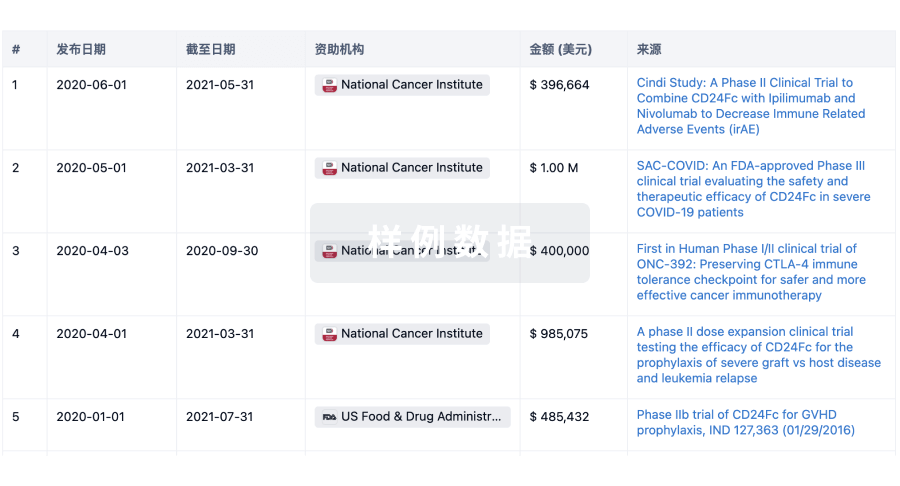
科研基金(NIH)
访问超过 200 万项资助和基金信息,以提升您的研究之旅。
登录
或
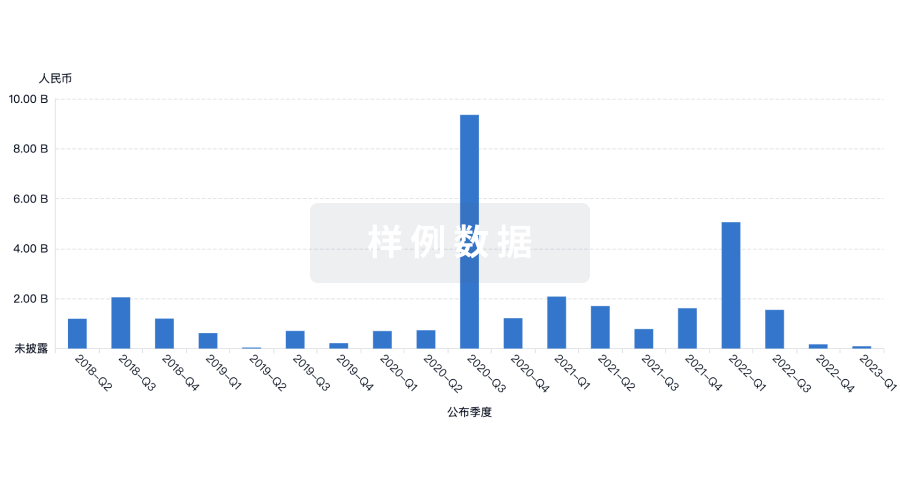
投资
深入了解从初创企业到成熟企业的最新公司投资动态。
登录
或
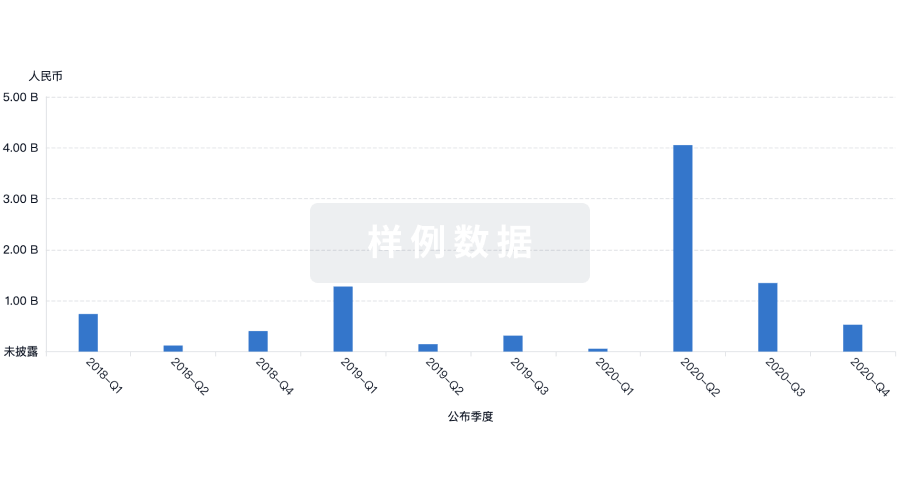
融资
发掘融资趋势以验证和推进您的投资机会。
登录
或
生物医药百科问答
全新生物医药AI Agent 覆盖科研全链路,让突破性发现快人一步
立即开始免费试用!
智慧芽新药情报库是智慧芽专为生命科学人士构建的基于AI的创新药情报平台,助您全方位提升您的研发与决策效率。
立即开始数据试用!
智慧芽新药库数据也通过智慧芽数据服务平台,以API或者数据包形式对外开放,助您更加充分利用智慧芽新药情报信息。
生物序列数据库
生物药研发创新
免费使用
化学结构数据库
小分子化药研发创新
免费使用