预约演示
更新于:2025-11-26

CN Bio Innovations Ltd.
更新于:2025-11-26
概览
关联
100 项与 CN Bio Innovations Ltd. 相关的临床结果
登录后查看更多信息
0 项与 CN Bio Innovations Ltd. 相关的专利(医药)
登录后查看更多信息
14
项与 CN Bio Innovations Ltd. 相关的文献(医药)2025-09-01·DRUG METABOLISM AND DISPOSITION
A primary human Gut/Liver microphysiological system to estimate human oral bioavailability
Article
作者: Spreen, Ashley A ; Kostrzewski, Tomasz ; Sze, Hailey ; Boazak, Elizabeth M ; Abbas, Yassen ; Bliton, Robert Jarrett ; van Wyk, Morné ; Christophi, James
Oral bioavailability is a crucial pharmacokinetic (PK) parameter optimized by drug developers working on new therapeutic compounds. The goal is to obtain adequate systemic exposure and to establish safe and effective therapeutic dosages. Critical to optimizing oral bioavailability is understanding a compound's susceptibility to first-pass metabolism, determined by the intricate relationship between gut absorption, metabolism, and hepatic metabolism. Efforts to model this relationship in vitro have led to the emergence of microphysiological systems (MPSs) that consist of multiple, fluidically linked organs. Here, we describe an MPS that links the gut and liver, capable of simulating both oral and intravenous dosing routes and is made up of entirely primary human cells: a gut barrier tissue comprised of an intestinal epithelial monolayer derived from the human jejunum, and a liver microtissue, derived from primary human hepatocytes. Functionality of gut and liver tissues is maintained in coculture enabling the PK investigation of oral compounds. We combine the primary Gut/Liver MPS with a mechanistic mathematical model to generate organ-specific PK parameters and estimate human oral bioavailability and its components: the fraction absorbed (Fa), the fraction escaping gut wall elimination (Fg), and the fraction escaping hepatic elimination (Fh). We used the CYP3A-mediated compound midazolam, which is subjected to both intestinal and hepatic extraction, to demonstrate the transformative potential of the primary Gut/Liver MPS to mechanistically model the PKs of oral compounds in vitro. SIGNIFICANCE STATEMENT: Bioavailability underpins the success or when insufficient, can stall the development of oral therapeutics. The drug discovery process lacks in vitro assays that can profile the contribution to bioavailability by the gut and liver. The primary Gut/Liver MPS outlined in this study bridges this gap.
2024-01-01·ALTEX-Alternatives to Animal Experimentation
ALTEX Proceedings TIERethik Corrigendum to Incorporating new approach methodologies into regulatory nonclinical pharmaceutical safety assessment
作者: Hutter, Victoria ; Coleman, Mike ; Pound, Pandora ; Welch, Jonathan ; Hutchinson, Isobel ; Taylor, Katy ; Roper, Clive ; Dubourg, Audrey ; Watkins, Paul B ; Chau, David Y S ; Owen, Carla ; Harries, Lorna W ; Neuhaus, Winfried ; Kenna, J Gerry ; Barrios Silva, Lady V ; Lauschke, Volker M ; Turner, Jan ; Hop, Marina ; Rego Avarez, Laura
This corrects the article DOI: 10.14573/altex.2212081.
2022-04-29·BIOCHEMICAL SOCIETY TRANSACTIONS2区 · 生物学
Organ-on-a-chip: current gaps and future directions
2区 · 生物学
Article
作者: Hughes, David ; Balkwill, Frances ; Dal Negro, Gianni ; Beken, Sonja ; Candarlioglu, Pelin L. ; Rowan, Wendy ; Amour, Augustin ; Guenat, Olivier ; Morgan, Hywel ; David, Rhiannon ; Screen, Hazel ; Harris, Kate
As an emerging hot topic of the last decade, Organ on Chip (OoC) is a new technology that is attracting interest from both basic and translational scientists. The Biochemical Society, with its mission of supporting the advancement of science, with addressing grand challenges that have societal impact, has included OoC into their agenda to review the current state of the art, bottlenecks and future directions. This conference brought together representatives of the main stakeholders in the OoC field including academics, end-users, regulators and technology developers to discuss and identify requirements for this new technology to deliver on par with the expectations and the key challenges and gaps that still need to be addressed to achieve robust human-relevant tools, able to positively impact decision making in the pharmaceutical industry and reduce overreliance on poorly predictive animal models.
46
项与 CN Bio Innovations Ltd. 相关的新闻(医药)2025-11-24
作者:刘培源
导语
人工智能正在深刻改变医学。生成式模型、虚拟细胞、器官芯片与大规模真实世界数据,正在共同塑造一种由分子到群体的全新医学图景。其核心趋势,是将预测前移到疾病尚未发生或症状尚未显现之时,以实现风险量化和前瞻干预。本文围绕分子、细胞、组织-器官以及个体等层级,梳理AI驱动的代表性进展,揭示多模态数据、多尺度方法的关键挑战,并探讨走向临床应用的可能路径。
本文为文章作者的观点/研究数据,仅供参考,不代表本账号的观点和研究内容。
引言
生命的奥秘根植于多尺度结构之中:从分子、细胞到组织、器官乃至个体层面,复杂的生理与病理机制紧密交织,共同决定健康与疾病的状态。在AI驱动下,这一奥秘正在逐渐被揭开。2024年,Science杂志发表美国国家医学院院士、Scripps研究所创办人Eric Topol的评论文章,首次正式提出医学预测(Medical Forecasting)的概念,即通过AI预测个体具体、可干预的高风险因素,以预防疾病或严重急性事件的发生。2025年7月,Topol等在Cell杂志的综述中进一步提出多尺度医学预测(Multiscale Medical Forecasting),指出AI工具通过持续监测、多模态数据融合与跨尺度预测,正推动医学预测从被动响应转变为主动、个性化的临床干预。
多尺度预测的思想早已有之。以机理驱动的“虚拟生理人”(Virtual Physiological Human, VPH)为代表的跨尺度建模框架,早已尝试通过整合生理学、药理学与计算模型,模拟人体多个器官系统的复杂动力学,以辅助药物研发与临床决策。然而,这类传统跨尺度建模长期停留于理论与实验室阶段,受到数据稀缺、参数复杂性、计算成本高昂,以及尺度之间高度非线性的现实挑战严重制约,难以有效地在真实医学环境中实现可靠的预测与泛化。
与此同时,以基础模型(Foundation Models)与生成式AI(Generative AI)为代表的新一代人工智能技术,正为多尺度医学预测带来突破。这些技术不仅能够在大规模、多模态医学数据中自动提取跨尺度特征,更能在缺乏统一预测金标准的情况下,提出可被实验与临床验证的预测假设与机制解释。例如,近期AI制药公司Recursion旗下Valence Labs团队提出“预测-解释-发现(Predict-Explain-Discover, P-E-D)”范式,即AI模型预测与结构化生物数据相结合,构建既能有效预测又可解释的跨尺度医学预测链,并在“lab-in-the-loop”流程中持续迭代、生成与验证新的生物学假设与干预策略。这类方法论已初步展现出从虚拟细胞延展到器官芯片和数字孪生患者(Digital Twin)的路径,进一步支持精准医疗与模型指导精准给药(Model-Informed Precision Dosing, MIPD)的实际应用场景。
图1:从虚拟细胞到虚拟患者。从虚拟细胞尺度上应用“解释-预测-发现”的研究思路,并层层拓展到虚拟患者尺度,最终形成多尺度的生物医学建模
多尺度医学预测的独特之处在于,它能把疾病的动态过程贯穿在分子、细胞、组织、器官到个体的连续层级上加以理解和预测。这种跨尺度视角让研究者不仅能在分子水平上识别致病突变或药物靶点,还能追踪这些改变如何在细胞群体和器官功能上级联放大,最终表现为临床症状。并且,跨尺度预测模型则更清晰地解释患者间个体差异、疾病亚型、疗效异质性背后的生物机制来源,进一步提高临床决策的质量与可解释性。同时,我们应当看到,医学界目前尚无统一的健康预测金标准,多模态AI模型对电子健康记录(EHR)、可穿戴设备、肠道微生物组等数据的整合仍处于早期阶段,对健康状态的持续检测、多模态整合与跨尺度预测仍然有诸多挑战。
本文将从分子、细胞、组织与器官、个体等尺度分别切入,探讨AI技术引发的基础医学革命,并梳理当前最新进展与挑战。
分子尺度:从结构预测到生成式药物设计
近年来,AI技术在蛋白质结构预测、靶点识别与药物分子设计等方面取得显著突破,为生命科学、基础医学以及药物研发提供了强大的工具与技术支持。在分子尺度,我们能够清晰、准确地测量数据、定义关系,并在可控的实验条件进行操控和验证。
2025年6月,AI制药公司Insilico Medicine(英矽智能)宣布,其通过生成式AI发现新靶点并设计的小分子药物Rentosertib(TNIK抑制剂)在特发性肺纤维化(IPF)的IIa期临床试验中取得关键突破,显著改善患者肺功能[8]。这是迄今公开的首个由生成式AI识别新靶点并设计药物分子、并在II期临床试验中获得阳性结果的案例,标志着AI药物研发从概念验证进入临床验证阶段。
靶点识别是药物研发的第一步,AI正显著加速这一环节。传统靶点发现方法主要依赖实验室大规模试错,周期长且成本高昂。2024年诺贝尔化学奖得主、DeepMind 与Isomorphic Labs 的CEO Demis Hassabis近期在采访中指出:“未来几年内,AI将在新药靶点识别中发挥主导作用”。Rentosertib的研发正体现了这种趋势:Insilico借助AI平台PandaOmics,从海量多组学数据与文献证据中快速确定关键新靶点TNIK。随后通过Chemistry42药物生成平台快速设计并优化候选分子,使药物迅速推进临床。此外,药物靶点预测工具DrugnomeAI也通过深度学习在基因组尺度系统评估靶点可成药性,有效提高了靶点发现的成功概率。
蛋白质结构预测为药物研发和医学预测提供了基础支持。2024年10月,DeepMind发布AlphaFold 3,首次实现蛋白质与小分子、核酸等复合物结构的一次性高精度预测。结构预测正逐渐成为精准医学预测的重要计算基础,AI的加入彻底改变了药物发现与临床预测节奏。与此同时,DeepMind的AlphaMissense工具则在基因组尺度预测蛋白质突变的致病风险,明确预测疾病相关基因变异可能引发的健康风险,为临床前瞻性干预提供了重要依据。不过,AlphaFold当前以静态结构预测为主,实际蛋白质功能涉及复杂动态过程,这使得结构预测与真实功能之间存在鸿沟。
生成式AI进一步推动药物设计的创新。2024年诺贝尔化学奖得主、华盛顿大学教授David Baker团队开发的RFdiffusion工具利用扩散模型高效设计功能蛋白,体现了生成式蛋白设计的潜力。目前,日本武田制药推进的乳糜泻在研蛋白酶药物TAK-062,也体现了AI蛋白质设计走向临床转化的趋势。此外,Recursion公司2023年宣布使用NVIDIA超算平台完成约360亿蛋白-配体组合的预测,为后续药物研发与医学风险预测提供了强大的计算基础。
生成式AI进一步推动了药物设计创新。2024年诺贝尔化学奖得主、华盛顿大学教授David Baker团队开发的RFdiffusion工具基于扩散模型原理高效设计新型功能蛋白,体现了生成式蛋白设计的巨大潜力。目前,日本武田制药推进的乳糜泻治疗蛋白酶药物TAK-062,也体现了AI蛋白质设计走向临床转化的趋势。MIT James Collins教授团队则利用深度神经网络快速筛选出新型窄谱抗生素Abaucin,通过干扰细菌LolE脂蛋白转运发挥抗菌作用,展示了AI在抗药菌研究领域的优势。
尽管如此,生成式AI药物设计仍面临现实合成难度高与预测假阳性率偏高的问题。Exscientia与Insilico公司在生成模型中均引入合成可行性评分与多目标优化策略,以确保生成分子的现实可合成性。数据偏倚与泛化不足同样受到关注,Geneformer模型利用大规模单细胞数据预训练再微调,提升预测模型稳健性与泛化性能。
随着AI药物研发进入临床递交阶段,美国FDA药品审评研究中心(CDER)2025年发布了AI药物开发监管框架草案,提出基于风险的可信度评估与数据支持要求,以确保AI预测结果的可解释性和临床适用性。
David Baker预测,AI驱动的蛋白质设计将推动药物研发进入工程化设计新时代。Chan Zuckerberg Initiative科学主管Stephen Quake在2025年7月接受Nature采访时提出:“生命科学研究正逐渐从当前的90%实验+10%计算,转变为10%实验+90%计算”。
依托AI结构预测(如AlphaFold3与AlphaMissense)、生成式药物设计(如RFdiffusion与Chemistry42)、多组学靶点识别(如DrugnomeAI与Geneformer)及监管框架,我们已开始在分子尺度实现对疾病机制的前瞻预测与精准干预。这为细胞、组织、个体乃至群体尺度的医学预测奠定了重要的基础支撑。
细胞尺度:多模态数据与细胞模型
细胞尺度联通了分子机制与组织病理,是理解健康、疾病状态变化及病例进展的关键环节。近年来,单细胞测序、空间组学与显微成像等高维数据的兴起,使AI驱动的细胞状态前瞻性预测成为可能。这不仅有助于精准判别细胞命运和发育过程,还为靶点发现和药物预测提供了新途径。与传统分类不同,这种预测强调对未来状态转归的风险量化与可行动干预,而非简单描述当前细胞状态。
单细胞组学数据正成为细胞状态预测的核心驱动力。CellTypist团队构建了基于单细胞RNA测序(scRNA-seq)的自动细胞类型注释模型,通过高效集成学习提升了跨数据集泛化性能,广泛应用于主流数据库。scTour模型融合深度学习与轨迹推断,能在无先验时间标签条件下精准重构细胞发育轨迹,提升了细胞状态动态转变的建模预测能力。2025年,Xaira Therapeutics发布X-Atlas/Orion平台,公开约800万细胞的Perturb-seq扰动数据,涵盖基因扰动的剂量-响应-时间设计,为虚拟细胞建模提供了高分辨率数据资源。Insitro则利用多模态AI分析人类干细胞疾病模型,在肌萎缩性侧索硬化症(ALS)等疾病研究中发现了多个潜在治疗靶点并完成实验验证,成为数据驱动预测与靶点发现的成功范例。
显微成像驱动的细胞状态预测同样取得显著进展。Recursion Pharmaceuticals构建了自动化高通量细胞成像筛选平台,通过Vision Transformer等自监督模型对大规模细胞图像进行分析,创建了高效的表型组学图谱,用于药物筛选与靶点发现。这些模型可滚动预测风险与置信度,推动形成“预测—筛选—验证”的高效闭环。斯坦福大学Pranav Rajpurkar团队开发了Med-Flamingo模型,将医学影像与医学文本数据整合到大规模多模态模型中,展示了在医学视觉问答、病理解读等任务上的泛化能力[32]。近期也有研究利用细胞级时序成像判别发育与命运阶段,从形态轨迹中提取前瞻性预测信号。
空间组学则是连接细胞尺度与组织尺度的重要桥梁。空间转录组与空间蛋白组技术在保持空间位置信息的基础上,揭示细胞亚群在组织微环境中的空间分布、邻域关系与功能互作。代表性技术包括Spatial Transcriptomics、MERFISH与Imaging Mass Cytometry(IMC)。空间组学可作为单细胞模型的空间约束和影像模型的分子锚点,为虚拟细胞的组织级预测和跨尺度预测提供重要数据支撑。
近期势头正猛的AI虚拟细胞(AIVC)进一步打开想象空间:通过大规模扰动数据与多模态数据整合,建立能泛化预测干预措施下细胞状态变化的模型。2025年,Arc Institute先发起“虚拟细胞挑战赛”以建立统一评测框架,随后发布State模型预印本。虚拟细胞挑战赛提供了统一的高质量标准扰动数据和开放的评测框架,被业界普遍视作该领域的“类ImageNet”范式,推动了虚拟细胞预测模型的规范化比较与迭代优化。State模型基于超大规模扰动单细胞数据训练,可准确预测药物、基因敲除或细胞因子刺激的短期与中期细胞状态变化,在未知细胞和未见扰动条件下表现出良好泛化能力。同时,多模态数据也在尺度进入虚拟细胞研究的范畴。例如Noetik公司在2025年AACR大会发布了融合单细胞转录组、空间蛋白与细胞影像的多模态Transformer模型OCTO,并搭配Perturb-map平台收集系统性的体内扰动—免疫表型数据,直接服务于免疫治疗的患者分层预测。
尽管进展迅速,细胞模型探索仍然面临可解释性不足、临床前验证机制缺乏与产业监管框架尚未完善等挑战。Insitro创始人Daphne Koller强调:“真正重要的是理解疾病背后的因果机制,而非仅仅识别数据中的相关模式,只有深入解读细胞内机制,AI预测才能真正转化为可靠的临床干预依据”[29]。Demis Hassabis则指出:“尽管距离完全替代湿实验的虚拟细胞模型仍有距离,但五年内一定能看到关键的技术突破与大规模前瞻验证”。
当前,以数据驱动、前瞻预测和功能验证为核心的细胞尺度医学预测体系的逐渐形成。未来几年,这一体系能否实现机制解释、数据互通与临床转化的融合,将决定虚拟细胞与细胞尺度精准医学预测能否真正成为医学领域的重要基础设施之一。
组织与器官尺度:从类器官到器官芯片的临床前预测的技术跨越
组织与器官尺度衔接着分子与细胞层次,直接影响药物和医疗干预措施在临床中的有效性。然而,从分子与细胞层面的精准预测到更接近人体生理的组织尺度,一直存在挑战。近年来,以类器官和器官芯片为代表的组织尺度模型,通过AI的辅助分析,已逐渐成为医学预测领域重要的临床前工具。
类器官技术可在体外重现人体组织的生理结构,已被广泛用于药物疗效与安全性评估。Emulate公司与AbbVie合作的肠道芯片(Intestine-Chip)能在AI支持下精准预测药物治疗IBD的疗效反应。类似地,Boehringer Ingelheim利用肝脏芯片和肾脏芯片评估ADC药物毒性,也取得了明显优于动物模型的预测准确性。
尽管如此,不同实验室的类器官模型间存在较大的数据差异,限制了预测结果的泛化能力。为此,罗氏、ETH Zürich、Helmholtz Munich和人类细胞图谱联盟(HCA)共同建立了标准化的类器官细胞图谱,通过深度学习算法,有效统一和校正了跨实验室数据差异。这一进展为类器官模型的医学预测建立了坚实的数据基础。
空间多组学与数字病理的结合,同样推动了组织尺度医学预测的精细化。深度学习模型现已能直接从H&E染色的病理切片预测组织空间基因表达特征。病理基础模型,如Prov-GigaPath,也展现出跨癌种和临床任务的强泛化能力。这些方法使组织尺度预测不再局限于形态学判断,而能够更准确地预测分子生物学状态与临床风险。
此外,离体器官机灌注技术的进步,使临床预测有了更加直接的体外模型。EVLP肺灌注技术结合AI模型InsighTx,已成功用于肺器官功能恢复和移植成功率预测。肝脏和肾脏的离体机灌注(NMP)也提供了更精准、更临床可操作的体外到体内外推预测模式。
更复杂的系统级预测也在逐步推进。研究者构建了多器官组装模型(Assembloids),实现了神经疾病研究和药物反应评估在更高组织系统水平的落地。Emulate和CN Bio等公司的多器官芯片技术,也开始在药物代谢、毒性和治疗反应的前瞻性预测中发挥重要作用。
产业与监管环境的积极变化则进一步推动组织尺度医学预测的实际应用。FDA在2025年宣布,未来3至5年内,将逐步减少药物安全性试验中动物实验的使用,鼓励类器官与器官芯片模型的广泛应用。哈佛Wyss研究所的Donald Ingber指出,器官芯片与AI技术结合能显著提高药物测试的人体相关性,医学预测正逐步迈向更具临床现实价值的方向。
类器官、器官芯片和空间多组学技术正逐渐走出实验室,为精准的临床预测提供了扎实的数据基础。随着空间组学与虚拟细胞技术的快速进步,组织与器官尺度的建模和预测能力还将获得进一步提升。
个体尺度:预测未来的临床风险
个体尺度的医学预测聚焦于对未来具体事件的风险进行量化,包括事件发生的时间窗、风险阈值以及相应的干预措施。例如,AI模型可预测患者在未来12个月内的再入院风险、未来18个月内认知功能下降的概率,或治疗后出现不良反应的可能性,并输出校准后的风险区间与反事实情景,用于指导临床决策。
电子健康记录(EHR)数据是当前最具可用性的个体预测数据基础。例如,NYUTron模型基于超过400万份住院病历进行训练,可在不同医疗机构之间精准预测住院死亡、再入院、住院时长以及医保拒付等未来事件。NYUTron已完成跨机构的外部验证和实际临床部署,体现了EHR数据在纵向覆盖与时序分析方面的显著优势。然而,单一模态数据的预测能力上限已较为明晰,因此需要结合其他模态数据以提高预测的提前量和实际干预的可操作性。
阿尔茨海默病的预测实践展现了多模态数据融合的价值。通过整合国家级登记系统中的大规模EHR时序数据,AI模型可在临床确诊前约7年识别显著升高的个体患病风险,为干预和密切监测创造了提前窗口。在遗传层面,多基因风险评分(PRS)已经通过临床级验证;例如eMERGE网络在多族裔人群中对多种疾病进行了PRS评估,提供了低成本、可扩展的个体风险分层工具。血液生物标志物(如p-tau217)与未来病程存在剂量-反应关系,可与遗传风险评分互补使用;而蛋白质组学驱动的“脑龄”或“认知衰老钟”则进一步细化了个体间的风险排序。
影像技术也在多模态预测中提供了额外的非侵入式信号,例如通过视网膜成像表型作为神经退行性疾病的早期筛查工具,提升了筛查的覆盖面与可行性。此外,可穿戴设备与居家传感器采集的睡眠、步态、活动节律、心率变异等高频数字生物标志物,已在神经退行、代谢疾病和心律失常的早期风险预测中表现出明显的价值。将上述模态数据整合为分层递进的个体化风险函数,有助于临床决策者确定行动阈值,提前启动干预方案或个性化的随访管理。
胰腺癌预测则体现了个体预测在低患病率与早期隐匿疾病中的挑战与价值。大规模研究证实,基于EHR时序的学习模型能够在诊断前3至36个月识别出高风险个体,以触发定向影像复核路径。研究还发现新发2型糖尿病与胰腺癌的近期风险跃升存在紧密关联,适合作为规则化结构特征嵌入到预测模型中。在影像诊断层面,端到端的CT AI模型在真实世界数据集中表现出较高的灵敏度,可提前识别可疑病灶,形成从EHR预警到影像复核再到临床介入诊断的完整预测路径。
多癌种的群体级早筛研究进一步凸显了个体化预测的重要性。在PATHFINDER研究中,6621名受试者中仅1.4%检测出癌症信号,真阳性率仅为0.5%,揭示传统“一次性群体筛查”的局限性。研究者由此强调,应基于个体化风险预测的前置分层提高筛查效率与干预的性价比。阿里巴巴达摩院团队的系列工作,则进一步展示了影像AI如何在大规模癌症筛查中实现更精细的风险分层与个体化预测,从而克服传统大规模筛查在医学统计上的疏漏。同时,对于阿尔茨海默病等慢病,越来越多证据支持将环境暴露(如PM2.5和NO2)纳入个体化风险函数,并作为医学预测与环境干预闭环的重要组成部分。
个体医学预测的有效交付,需要明确输出风险概率区间与事件发生的具体时间分布,并给出与临床决策直接关联的行动阈值。这些预测的临床价值,必须通过外部队列的性能、公平性与稳健性等多维度验证进行严格评估。同时,模型评价标准也应从单纯的预测准确率,转向更具实际意义的预测提前量、临床转归改善以及减少不必要检查等具体维度。
跨尺度的数据整合可提升个体预测的可靠性:向下,利用组织器官与通路层的数据和机制知识提高预测结果的生物合理性;向上,则基于真实世界数据的个体预测轨迹,辅助临床试验设计与公共卫生策略优化,形成从机制解释到群体决策的完整路径。最终,通过广泛和深入的数据收集与模型分析,我们能够将未来的健康风险转化为可提前实施的干预计划,并在真实医疗场景的实践与外部验证中不断完善校准。
结语:跨尺度融合与医学数据生态展望
生命系统的多尺度特性使医学预测的有效临床落地高度依赖于跨尺度融合方法。近期涌现的实践案例证明,通过合适的接口设计,就能实现低尺度的机制理解向高尺度的临床风险预测转化。例如,LUCID模型通过跨模态注意机制整合病理影像、放射影像与基因表达数据,成功预测了肺癌患者的预后与分子亚型。药物肝毒性(DILI)数字孪生模型则将全身药代动力学与细胞毒性机制耦合,精准预测患者的肝损伤风险,完成了严谨的外部队列验证。此外,前述Recursion团队提出的P-E-D(预测-解释-发现)方法论,也已展示跨尺度模型如何在细胞尺度向器官尺度与个体尺度逐步泛化。
然而,跨尺度方法的有效实施必须依赖高质量的数据生态支撑。Human Cell Atlas细胞图谱绘制了健康与疾病状态下的细胞类型与分子标记,为细胞尺度预测提供了参照体系。组织尺度方面,癌症影像档案(TCIA)整合了大量肿瘤影像与临床治疗、预后数据,支持了组织尺度的精准风险预测。而个体尺度则受益于MIMIC-IV数据库,这一资源整合了数万名重症患者的连续电子健康记录数据,已广泛用于临床风险的时序预测与患者结局的前瞻预警。此外,UK Biobank与All of Us等长期随访数据也已显示出对个体尺度健康风险前瞻性预测的重要价值。
尽管如此,目前跨尺度预测与数据生态建设仍然面临严峻的现实挑战,其中数据标准化与跨尺度对齐最为突出。医学数据生态的构建需要严格的数据术语体系与标准数据模型,例如OHDSI的OMOP通用数据模型与HL7的FHIR数据交换标准,但这些标准在实践层面尚未实现充分有效的执行。此外,多模态数据的整合与跨尺度预测的可信性问题也尚未完全解决,临床上仍缺乏统一的预测金标准与的可信性验证框架。目前主流的验证-确认-不确定性量化(VVUQ)方法,要求跨尺度接口必须有对输入变量的统计分布与不确定性评估,然而在临床应用中尚未广泛实施。
因此,当前阶段医学预测走向真实临床应用的关键,绝不是继续盲目增加模型与数据的复杂性,而是优先解决跨尺度接口方法的稳定性与数据生态的可信性问题。跨尺度融合接口和高质量的数据生态建设,仅是实现临床前瞻性预测的第一步,只有在此基础上落实临床环境下的可信性验证,才能真正使医学预测走出实验室,成为个体化临床决策与前瞻干预的有效工具。
图2:多尺度医学预测概览
从经典的“基因型—表型”生物医学框架,到当前“多模态数据+多尺度模型”的新兴路径,我们愈发认识到,仅靠单一尺度的建模与预测已不足以精准描述疾病过程,更难以有效指导个体患者的临床干预。随着人工智能(AI)等技术快速发展,多尺度医学预测的框架正在形成:整合多维度、多尺度的数据与机制,以更完整地预测疾病的发生、进展与个体差异,并为精准医疗提供依据。
|往期内容回看
2025-11-13
·搜狐新闻
微生理系统(MPS)是由人或动物来源的细胞、组织外植体或干细胞衍生的“类器官”构成的体外模型。这些模型能够提供转化生物化学、电学和/或生理力学反应,从而模拟器官和组织的功能,具有取代部分科研动物的巨大潜力。根据美国食品药品监督管理局(FDA)的定义,MPS“通过将细胞暴露于模拟其功能或病理生理状态重要生理因素的微环境中,来模拟人或动物来源的特定组织或器官的功能特征”。这些系统正在开发中,旨在更好地模拟特定器官系统或器官系统组合的某些方面,以改进标准的二维(2D)细胞系统,最终目标是取代用于危害识别、风险评估和疾病建模等用途的动物模型。据QYResearch调研团队最新报告“亚太微生理系统市场报告2025-2031”显示,预计2031年亚太微生理系统市场规模将达到0.5亿美元,未来几年年复合增长率CAGR为19.6%。图00001. 微生理系统,亚太市场总体规模来源:QYResearch医药研究中心图00002. 亚太微生理系统市场前25强生产商排名及市场占有率(基于2024年调研数据;目前最新数据以本公司最新调研数据为准)来源:QYResearch医药 研究中心。行业处于不断变动之中,最新数据请联系QYResearch咨询。根据QYResearch头部企业研究中心调研,亚太范围内微生理系统生产商主要包括北京大橡科技、Emulate、Mimetas、TissUse、InSphero、CN Bio、Hesperos、TNO、28bio、Newcells Biotech等。2024年,亚太前十强厂商占有大约70.0%的市场份额。图00003. 微生理系统,亚太市场规模,按产品类型细分,人体器官和组织模型处于主导地位来源:QYResearch医药研究中心就产品类型而言,目前人体器官和组织模型是最主要的细分产品,占据大约63.5%的份额。图00004. 微生理系统,亚太市场规模,按应用细分,制药和生物技术公司是最大的下游市场,占有62.4%份额。来源:QYResearch医药研究中心就产品应用而言,目前制药和生物技术公司是最主要的需求来源,占据大约62.4%的份额。图00005. 亚太主要市场微生理系统规模来源:QYResearch医药研究中心市场发展机遇与主要驱动因素以监管“新方法学”加速落地为拐点,微生理系统(MPS)正从前沿工具走向药物研发主流程。政府部门推动减少动物试验、扩大替代方法评估框架,头部药企与科研机构在年报与合规披露中强调用MPS提升早筛与毒理预测性,缩短周期并优化研发投入产出。券商研究亦将其与iPSC、类器官、单细胞与AI模型联动视作平台化机遇,带动标准、试剂与传感器生态完善,推动从“设备销售”走向“数据与服务”复合收入。市场挑战与风险短期监管接受度仍以“情景化用途”逐步验证,难以一步替代动物试验;跨实验室重复性、计量与质控体系尚在完善,复杂多器官与免疫参与模型对材料、生物相容性与工程集成提出更高要求。GxP级原材料与关键部件供应链放量前期将抬升成本与交付不确定性,数据标准与互操作不足增加验证周期与对接成本;同时宏观预算波动与采购节奏可能放缓大规模部署。下游需求趋势制药与生物技术企业在ADME/毒理、心肝肾肺与免疫疾病模型渗透率提升,并扩展至大分子、细胞与基因治疗及抗体偶联药物等复杂机制;化妆品与化学品安全评估对“人源化、可追溯、可审计”数据需求增强。政府项目推动多器官互联与在轨/特殊环境实验,带动标准样本库与数据资产沉淀;随生态成熟,CRO/CDMO一体化与订阅式数据服务占比上升,形成“模型+数据+合规”闭环。本文作者王柳 – 本文主要分析师王女士,具有7年的行业研究经验,专注于汽车、消费品、软件及服务等行业产业链相关领域的研究,包括汽车零部件、汽车先进材料、各类热门软件等。部分研究课题包括汽车空调电动涡旋压缩机、锂电池铝塑膜、基于模型的开发(MBD)、预测性维护解决方案、网络漫画、3D模型、云游戏后端服务、视觉内容、藻油DHA等。作为一名在咨询行业沉浸多年的分析师,对行业的市场趋势和发展动态有着敏锐的洞察力,并通过数据分析发现潜在的市场机会和威胁,为企业的战略决策提供数据支持。返回搜狐,查看更多
2025-11-13
导读
近年来,随着免疫治疗、细胞治疗、基因治疗等新型治疗手段的快速发展,药企的研发强度不断提升。然而,新药研发面临周期长、投入大、成功率低的困境。据估计,一种药物从实验室到市场的所有过程的成本上亿,但目前超过80%的临床试验药物未能通过临床试验,其中60%的失败是由于缺乏疗效,另外有30%是由于毒性问题。究其原因,主要是传统临床前模型(动物、2D细胞培养)预测性不够,体现在两方面:一方面传统的临床前模型对于人体的仿生程度差,对于临床有效性和安全性的预测性低;另一方面,新型成药范式发展迅速,治疗方案复杂化,缺乏相应的临床前模型。新药研发亟待新的转化工具,类器官和器官芯片由此催生,助力临床前到临床转化之间巨大鸿沟的跨越,帮助药企实现降本增效。本文将围绕类器官与器官芯片展开介绍。
类器官
01
类器官简介
类器官(organoids)是由干细胞(胚胎干细胞ESC、成体干细胞ASC、诱导多能干细胞iPSC)、器官祖细胞或肿瘤细胞在体外培养时,发生与体内相似的细胞分化和空间限制的定向过程,从而形成的具有人体器官部分空间结构和特定功能的3D结构。
02
细胞来源
类器官的来源主要包括ASC、iPSC、肿瘤细胞等,不同的器官适用于不同的细胞来源。其中,ASC可以分化大多数的上皮类器官,包括肝、肠、结肠、胃、肺、胰腺,以及前列腺、乳腺、子宫内膜和卵巢等性器官,而心脏、视网膜和大脑、血管、甲状腺通常需要通过iPSC分化获得。ASC分化,关键在于分化信号通路的激活、细胞因子培养基以及3D基质胶环境,不同器官会有一些细微调整,其中较为通用的有,EGF和Wnt信号通路刺激扩增,BMP信号控制分化,一般在培养过程中需要EGF、R-spondin-1和Noggin培养因子,有的细胞不能分泌Wnt 3a,则还需要添加Wnt 3a,另外,还需要一些小分子抑制剂,比如TGF-β抑制剂等。iPSC分为内胚层(肺、肠、胃、肝、甲状腺)、中胚层(肾脏,血管)和外胚层(神经),诱导分化的方式较为多样。肿瘤类器官来自患者肿瘤组织,丰富的样本资源是类器官公司的核心竞争壁垒。
图1 建立iPSC和ASC来源类器官的过程
资料来源:Nature Reviews
图2 已报道人类器官的组织来源
来源:Nature Reviews
03
类器官培养方法
常用的类器官培养方法有包埋法和气液法。
包埋法
(1)分离原代组织干细胞或收集诱导多能干细胞;
(2)将细胞或类器官碎片直接悬浮在基质胶中,并以液滴形式分配到组织培养板表面;
(3)基质胶固化后,加入针对特定类器官培养的培养基和细胞因子、小分子等。
图3 类器官包埋法培养流程
资料来源:Bio-techne
气液法
(1)在中间的滤膜皿中加入基质胶固化;
(2)将细胞悬浮在基质胶中加入到中间滤膜皿固化的基质胶上面;
(3)在外皿中加入特定类器官培养的培养基和细胞因子、小分子等。
图4 类器官气液法培养流程
资料来源:Bio-techne
类器官培养基本组成有影响细胞生长、增殖、分化和成熟的细胞因子、支架/细胞外基质(ECM)和培养基条件,其中,基质胶较为通用,常用的有康宁的Matrigel和Bio-techne的Cultrex BME,不同类器官所需的培养基条件和细胞因子不同,是各个类器官公司的核心技术。
04
生理模型
2009年,Hans Clevers团队利用基质胶构成的3D体系,将小肠来源的单个Lgr5(编码Wnt激动剂 R-spondin受体的基因)阳性成体干细胞在体外培养分化出具有自我更新能力、保持肠道腺窝-绒毛状结构的类器官,除了外观结构的仿生外,类器官的基因表达与新鲜分离的小肠隐窝保持高度相似,该模型可以持续扩增达3个月,稳定的基因组保证了纯化和生产放大等优势,此后这种方法被用于从其它主要器官上皮组织培养各种类器官,比如胃、肺类器官等,开启了类器官培养的时代。
图5 肠道类器官
资料来源:Nature.
此后,多种类器官被成功培育,包括脑、胃、肾、肝、肺、前列腺、乳腺等类器官。
图6 多种类器官成功开发
资料来源:Am J Physiol Cell Physiol
05
肿瘤类器官
肿瘤类器官(Patient-Derived Organoids,PDO)是指将患者穿刺或手术切除的肿瘤组织在基质胶中培养数周得到的类器官。
传统的2D肿瘤细胞系培养的周期短、成本低,但临床预测性差。人源性组织异种移植(Patient-derived tumor xenograft,PDX)模型是将人源性肿瘤直接移植到动物体内进行造模,保留了肿瘤的异质性,临床预测性较高,但具有建模周期较长、成本高、成功率低的缺陷。PDO则兼具两者的优势,具有制备周期较短、成本适当、成功率较高的特点。
06
类器官的特点
3D类器官一定程度上重现了人体器官结构和功能,但仍存在不足:
自组装生长可控性和稳定性弱;
难以模拟组织界面:3D类器官难以重现组织间界面(如小肠上皮细胞-血管内皮细胞、肺泡上皮细胞-血管内皮细胞、血脑屏障等),而这种组织界面在物质转运、药物吸收、分布等过程起重要作用;
难以实现系统化:3D类器官难以实现多器官共培养,而多器官系统对于药物全面的有效性和安全性等指标的研究至关重要;
难以模拟机械力:在生理环境下,细胞常受到不同机械力的作用,例如流体剪切力、拉伸和压缩等,这些物理作用是促进细胞发育分化、维持正常功能或是导致病变的重要因素之一,然而3D类器官难以模拟这些重要的机械力。
器官芯片
01
器官芯片简介
器官芯片可以看做是在体外模拟人类器官单位功能的微型细胞培养装置,包含细胞、组织界面、生物流体、机械力等器官微环境的关键要素。一般来说,器官芯片的硬件设备主要由三部分构成:灌流系统、控制系统和微流控芯片。2010年,哈佛大学Wyss研究所Donald Ingber等构建了首个肺芯片模型:中间通道为具有通透性的多孔膜,用细胞外基质的分子包裹薄膜,上面铺一层肺细胞(从肺的气囊、肺泡中提取),另一面铺人肺毛细血管细胞,上层通空气,下层通培养基,用循环吸力使两侧真空通道收缩,模拟人体肺泡在呼吸过程中收缩的生理过程。在此基础上,还可以模拟肺部感染的时候白细胞抵御细菌入侵的过程。
资料来源:Science、Mimetas、Emulate等官网,融汇医药组整理
02
生理模型
自2010年肺芯片开发出来后,肝芯片、肾芯片、肠芯片、心脏芯片、脑芯片、BBB(血脑屏障)等单器官芯片和多器官芯片逐渐被开发出来,器官芯片在屏障类生理模型、多器官体系的开发中更具优势。值得注意的是,静态培养下的肾脏类器官基本上是无血管化的,在微流控芯片上培养的肾类器官可产生可灌注的血管网络。与静态培养相比,微流控系统培养的肾脏类器官具有更成熟的足细胞和血管结构,且对肾毒性药物的敏感性更高。
资料来源:Nature Methods、Nature Reviews、Emulate等官网,融汇医药组整理
03
疾病模型
肿瘤类器官芯片:是指通过建立肿瘤类器官与肿瘤相关成纤维细胞(cancer-associated fibroblasts,CAFs)、免疫细胞、血管等共培养体系,以希望在体外较为真实的模拟人体肿瘤微环境。相较于单一肿瘤类器官而言,除提高模型仿生性外,在药物研发方面可能提供更广泛的应用,因为不但能够用来评估靶向肿瘤的药物,也可以用来评估靶向肿瘤微环境(如CAF、免疫微环境、血管生成)的药物。
复杂疾病模型构建:如前所述,因器官芯片的研发初衷是为了模拟器官单位功能,自然也被人们想到将之用于模拟病理状态下的器官,尤其是模拟一些发病过程比较依赖于多种细胞类型相互作用的、复杂的疾病,以期为人体体内病理过程提供一些洞见,例如:用于新冠病毒感染支气管气道的模型,NASH(非酒精性脂肪肝炎)模型,神经疾病模型等。
资料来源:Emulate、CN Bio、Mimetas、Nature Biomedical Engineering等官网,融汇医药组整理
04
器官芯片的特点
基于微流控的器官芯片表现出以下特点,具有高技术壁垒:
可控性和稳定性好:微加工的通道和培养室均一稳定,利用微流控芯片技术,可以操纵许多在孔板、3D静态培养和生物反应器等培养体系中难以控制的环境因素;
可实现组织界面模拟:中间用具有通透性的多孔膜,上层和下层分别培养特定的细胞类型,实现组织界面的模拟;
可实现多器官芯片系统串联:将多个模拟不同器官的芯片,按照体内的关系,用流体连接起来,在体外模拟体内不同器官之间的生理相互作用和药物分布等;
可提供机械力:利用微流控技术产生精确可控的流体剪切力和溶质浓度梯度变化的灌注液,以更好地模拟体内微环境;
可提供更加丰富的监测指标:在设计制作芯片装置时,通常加入一些微传感器实时监测芯片中细胞培养微环境的变化,组织屏障的完整性、流体压力、氧气含量等指标。
类器官和器官芯片的应用场景
理论上来讲,类器官和器官芯片可以嵌入到药物开发全流程的各个环节,包括药物发现阶段、临床前阶段、临床阶段和批准上市后,但是毕竟类器官和器官芯片的成本高于传统的2D细胞实验,因此对于药物发现阶段,目前用的比较少;对于药物开发中的临床阶段的试验设计、患者识别招募等环节,类器官和器官芯片的应用尚处在探索阶段,目前还没有完全实现。综合来看,临床前阶段的药物评估和药物上市后的药敏检测是目前类器官和器官芯片在实际药物开发中应用较多的场景。
图 药物研发基本流程
资料来源:融汇医药组整理
其中,临床前的药物评估方面涉及安全性、药效和ADME评价:
安全性评价:
类器官和器官芯片在安全性评估方面初步展现出比传统的临床前模型更高的灵敏度,比如在肝毒性方面,Emulate开发的肝脏芯片,通过对27种药物(已知肝毒性和无毒性)在盲法条件下测试,PPV(Positive Predictive Value,阳性预测值)为100%,SEN(Sensitivity,灵敏度)达到87%,相比传统的临床前模型PPV(啮齿类33%,狗27%,猴子50%)和SEN(啮齿类65%,狗50%,猴子27%)有明显提升。
由于物种之间免疫反应的根本差异,一些新型药物模式缺乏有效的安全性评估模型,类器官和器官芯片由于来自人体细胞,解决了物种差异的问题,因此可用于此类药物的风险评估,比如,罗氏等MNC在肠芯片上评估T细胞engager双抗药物的安全性、以及方兴未艾的CGT领域也有不少公司在尝试类器官的评价体系。
2.药效评价:器官芯片可被用于构建复杂疾病模型,并进行有效性评价,比如CN Bio构建的NASH模型芯片,表现出脂肪堆积、促炎细胞因子产生和纤维化的关键疾病特征,显示比现有动物模型更高的人源样本转录组相关性,在此模型上进行奥贝胆酸和Elafibranor等药物测试,得到与临床结果较为一致的有效性数据。
3.ADME评价:器官芯片被初步用于药物的ADME评价,比如通过肝脏-心脏多器官芯片模型来评估经肝脏代谢小分子药物的PK/PD、及其代谢物的心脏毒性。
除此之外,肿瘤类器官也被尝试用于药敏检测,指导患者精准用药。2018年初 Science杂志发表的结直肠癌类器官临床试验发现,肿瘤类器官组织学和遗传水平和肿瘤组织高度相似,21例小样本量临床数据显示,肿瘤类器官药敏检测PPV为88%,NPV(Negative Predicitve Value,阴性预测值)为100%,更大样本量的临床试验有待进一步开展。
监管机构推动类器官、器官芯片的开发与应用
FDA推动了器官芯片和类器官的开发、验证及其在药企端的应用。2011年起,NIH、美国国防部和FDA宣布联合开发器官芯片等。随后,NIH采用“三步走”策略,依次促进开发人体器官生理模型以预测药物安全性、开发疾病模型以评估药物的有效性、为临床试验设计提供信息等,类器官和器官芯片技术在药企中逐渐得到应用,同时此类技术企业得到极大发展。2022年底,《FDA现代化法案2.0》获批,进一步促进器官芯片等在新药研发中的应用。
资料来源:NIH官网,融汇医药组整理
CDE鼓励在基因治疗/细胞治疗等中应用类器官、器官芯片等开展研究。2021年1月,科技部发布《通知》,将类器官列入“十四五”首批重点专项。2021年11月,CDE发布《基因治疗产品非临床研究与评价技术指导原则(试行)》和《基因修饰细胞治疗产品非临床研究技术指导原则(试行)》,明确提出在缺乏合适的动物模型情况下,可以使用更完善的体外试验系统、替代性模型,例如类器官、二维/三维组织模型、微流体模型等开展研究。
资料来源:国家科技部、CDE官网
截至目前,已有多款药物成功基于类器官/器官芯片有效性实验数据结合药物的长期临床安全性数据获得FDA批准新适应症的临床,同时国内多款药物的IND申报数据包中纳入类器官/器官芯片数据,类器官和器官芯片在新药研发和申报中的作用逐渐得到监管机构的认可。
资料来源:融汇医药组整理
类器官和器官芯片行业商业模式探索
目前国内外的类器官和器官芯片公司根据客户类型分为to B端和to C端,商业模式包括提供服务和直接销售产品。To B端面向药企、CRO企业、高校等,类器官和器官芯片公司提供基于模型的测试服务在国内外均为主流的业务模式,通过销售芯片、配套设备及试剂等产品的业务模式在国外较为成熟。To C端面向患者以指导精准用药,是国内一些类器官和器官芯片公司重要的业务方向,短期内以LDT模式为主。
资料来源:融汇医药组整理
国外类器官/器官芯片公司竞争格局
国外类器官和器官芯片的开发及应用早于国内,且在监管机构、MNC等的推动下得以加速。在类器官方面,国外以HUB Organoids为代表,已搭建了相当规模的类器官模型库,并通过对外技术授权推动了Epistem等类器官公司的发展,国内科途、创芯、丹望等较早入局。在器官芯片方面,国外Emulate、Mimetas、CN Bio、Hesperos等头部器官芯片公司占主导,多家公司得到NIH赞助,并与MNC达成重磅合作,国内大橡科技、艾玮得等积极布局。
国外类器官/器官芯片公司竞争格局
资料来源:融汇医药组整理
国内类器官/器官芯片公司竞争格局
资料来源:融汇医药组整理
结语
类器官和器官芯片作为一类新兴的转化工具,有望为新药研发提供更为真实可靠的体外模型,有助于揭示疾病机制、药物疗效、安全性、PK/PD等方面的信息,帮助药企实现降本增效。随着个性化医疗的发展,类器官和器官芯片也将为个体化医疗提供精确的预测模型,从而为患者提供更为个性化的治疗方案。虽然类器官和器官芯片的应用前景广阔,但还有些技术、法规和商业化等方面的问题需要解决,技术上,有待进一步提高类器官和器官芯片模型的生物功能相似性、预测的准确性和稳定性,以及开发出标准化、规模化的生产方法;法规上,类器官和器官芯片模型涉及到人类组织和器官的建模和再生,需要关注人源样本使用的伦理问题;商业化方面,当前此类技术的价格仍然较高,商业模式也处于初步探索阶段,需要降低成本、提高产量以及与药企等下游客户合作推进商业化和应用。随着行业投入、政策鼓励、资本助力,类器官和器官芯片技术将不断突围,在未来应用到更广泛的领域中。
更多资料获取或入交流群,欢迎扫描下方二维码
添加时请备注:姓名-公司-职位
有问题,问IVD智能体!
免责声明:本公众号所发布的部分内容来源于网络,仅供学习交流与分享之用。所有注明来源的内容,其版权归原作者及出处所有。本公众号与发布内容的立场无关,无法查证版权的或未注明出处的内容均来源于网络搜集。如果涉及版权或其他不当使用问题,敬请联系公众号后台,我们将及时删除或处理。感谢您的理解与支持。
细胞疗法ASCO会议免疫疗法临床结果基因疗法
100 项与 CN Bio Innovations Ltd. 相关的药物交易
登录后查看更多信息
100 项与 CN Bio Innovations Ltd. 相关的转化医学
登录后查看更多信息
组织架构
使用我们的机构树数据加速您的研究。
登录
或
管线布局
2026年02月09日管线快照
无数据报导
登录后保持更新
药物交易
使用我们的药物交易数据加速您的研究。
登录
或
转化医学
使用我们的转化医学数据加速您的研究。
登录
或
营收
使用 Synapse 探索超过 36 万个组织的财务状况。
登录
或
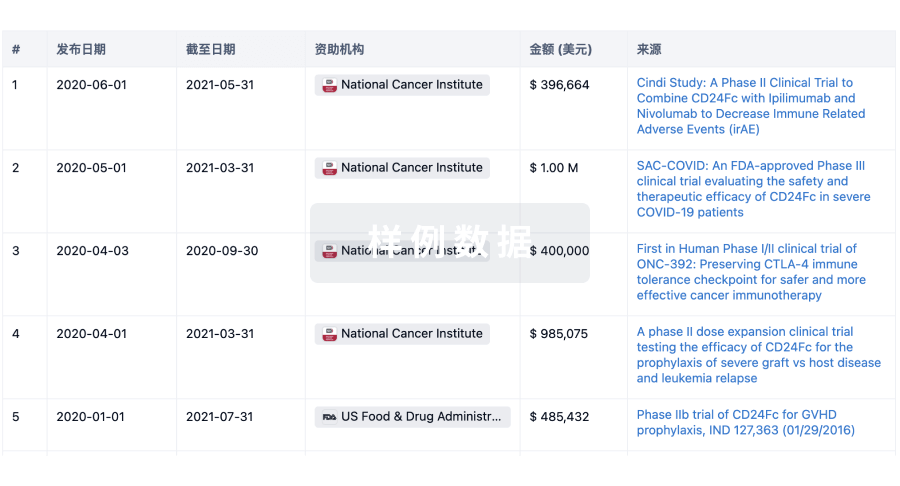
科研基金(NIH)
访问超过 200 万项资助和基金信息,以提升您的研究之旅。
登录
或
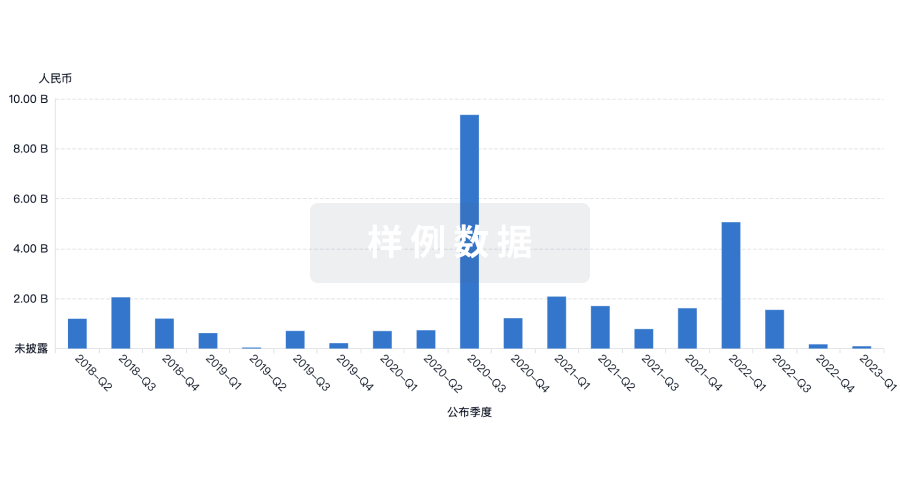
投资
深入了解从初创企业到成熟企业的最新公司投资动态。
登录
或
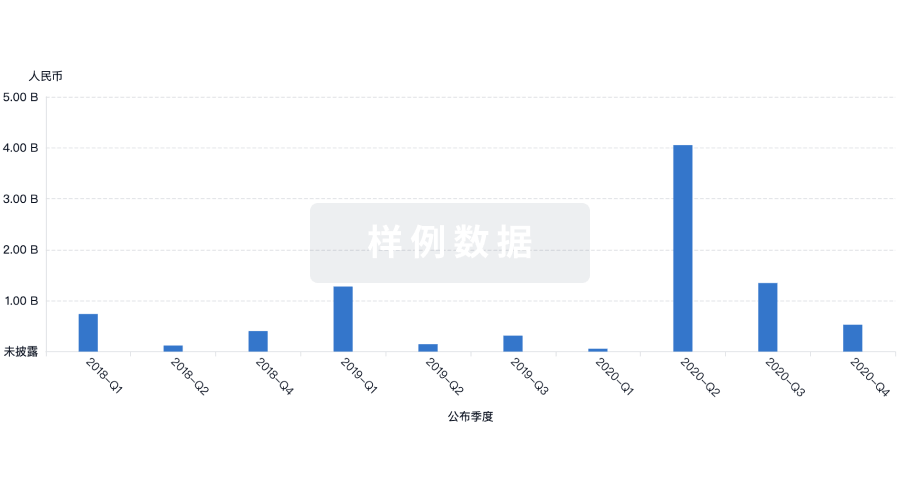
融资
发掘融资趋势以验证和推进您的投资机会。
登录
或
生物医药百科问答
全新生物医药AI Agent 覆盖科研全链路,让突破性发现快人一步
立即开始免费试用!
智慧芽新药情报库是智慧芽专为生命科学人士构建的基于AI的创新药情报平台,助您全方位提升您的研发与决策效率。
立即开始数据试用!
智慧芽新药库数据也通过智慧芽数据服务平台,以API或者数据包形式对外开放,助您更加充分利用智慧芽新药情报信息。
生物序列数据库
生物药研发创新
免费使用
化学结构数据库
小分子化药研发创新
免费使用