预约演示
更新于:2026-09-26

Suzhou Basecare Medical Device Co. Ltd.
更新于:2026-09-26
概览
关联
100 项与 苏州贝康医疗器械有限公司 相关的临床结果
登录后查看更多信息
0 项与 苏州贝康医疗器械有限公司 相关的专利(医药)
登录后查看更多信息
12
项与 苏州贝康医疗器械有限公司 相关的文献(医药)2025-12-01·SPECTROCHIMICA ACTA PART A-MOLECULAR AND BIOMOLECULAR SPECTROSCOPY
Dynamic revelation of early development in mouse embryo via Raman spectroscopy
Article
作者: Liang, Bo ; He, Chenwei ; Yu, Kaidi ; Yan, Nan ; Guo, Qingkai ; Zhang, Jun ; Zhou, Shuai ; Zhang, Junqiang ; Yi, Runxin ; Huang, Shan ; Dong, FangFang ; Kong, Lingyin
Non-invasive embryo quality assessment techniques in clinical practice remain in early developmental phase, highlighting the critical need to expand technical methods and improve evaluation accuracy.This study applies Raman spectroscopy to characterize glucose and lipid metabolic profiles during the early development of mouse embryos, aiming to explore the possibility of both as biomarkers for non-invasive assessment of embryo quality. Through semi-quantitative analysis, this research demonstrate that the average glucose metabolism remains relatively stable from Day 0 to 3 post conception (D0-3), followed by a significant increase in consumption around D3, and robust metabolic activity during D4-D5. The study also confirms the pivotal role of glucose metabolism in facilitating blastocyst formation. Additionally, Raman imaging was employed to visualize distribution of structural components and the dynamic lipid metabolism changes across 1-cell, 2-cell, and 4-cell stages, providing novel insights into quantitative lipidomic analysis of early embryos.
2025-10-14·Blood Advances
Hybridization capture long-read sequencing and de novo assembly of homologous haplotypes: a comprehensive hemophilia test
Article
作者: Chen, Shujin ; Yang, Yuyan ; Ma, Siqian ; Liang, Bo ; Gu, Mengnan ; Liu, Haoning ; Zhou, Lu ; Xu, Ruixia ; Jiang, Miao ; Kong, Lingyin ; Yu, Ziqiang ; Liu, Boyan
Abstract:
Hemophilia is an X-linked bleeding disorder caused by defects in the F8 or F9 genes. Given the wide variety of F8 variants, conventional genetic testing typically requires a combination of multiple methods, and detecting rearrangements in the intron 22 homologous regions (int22hs) remains a challenging task. In this study, we developed a comprehensive hemophilia testing program using the PacBio long-read sequencing (LRS) platform. Experimentally, we established a standard operating procedure for hybridization capture LRS (hc-LRS), which generates reads longer than 5 kilobases. Analytically, we used a suite of bioinformatics tools to identify variants associated with hemophilia, including the detection of int22h-related rearrangements through de novo assembly of homologous haplotypes. Our approach successfully identified pathogenic variants in patients with, and carrier of, hemophilia, encompassing both single-nucleotide variants and structural variations, with full concordance to validated methods. Moreover, the program identified complex int22h rearrangements in several samples, which were previously difficult to detect using traditional techniques. Compared with conventional methods, hc-LRS is more cost-effective, convenient, and capable of detecting various variants in a single test. This approach provides a powerful tool for the genetic diagnosis of hemophilia, particularly in patients with unknown genetic backgrounds or complex variants. In conclusion, our comprehensive testing program represents a significant advancement in the genetic diagnosis of hemophilia.
2025-05-01·REPRODUCTIVE BIOMEDICINE ONLINE
Erratum to ‘A precise and cost-efficient whole-genome haplotyping method without probands: preimplantation genetic testing analysis’ Reproductive BioMedicine Online 50/1 (2025) 104328
作者: Jia, Lei ; Fang, Cong ; Zhang, Shihui ; Xu, Ruixia ; Li, Xiaolan ; Xu, Linan ; Liang, Bo ; Zhang, Yawen ; Su, Wenlong ; Zhang, Zhiqiang ; Sun, Peng ; Kang, Kai ; Gu, Mengnan ; Ren, Zi ; Kong, Lingyin ; He, Shujing ; Shan, Wenqi
24
项与 苏州贝康医疗器械有限公司 相关的新闻(医药)2026-07-07
近日,BioBAY园内企业捷报频传。
5月22日,丹诺医药在香港联交所鸣锣上市。这家企业的核心产品利福特尼唑,是自1982年发现幽门螺杆菌以来全球首个且唯一治疗该细菌感染的新分子实体候选药物。紧随其后,康宁杰瑞与石药集团联合研发的安尼妥单抗药获批上市,再鼎医药神经领域首款创新药凯捷乐首发。
创新成果竞相涌现的背后,是一场跨越二十年的人才接力。自2006年重点布局生物医药及大健康产业以来,园区紧扣产业特点,构建起一套以产聚才、以才兴产、产才融合的独特生态,书写了一部人才与城市“双向奔赴”的精彩故事。第十八届苏州国际精英创业周即将启幕,园区与人才的新故事也将在这个夏天明媚续写。
以“周”为媒
会聚万千英才
2016年,应苏州国际精英创业周邀请,拥有德国西门子医疗人工智能与数字医疗管理经验的朱紫薇首次到访园区。彼时的她已有预感,这里将会成为她创业梦想的启航地。
2023年,朱紫薇归国创业,经过多方考察后,她坚定地将公司落地园区,创立了苏州镜禾元康医疗科技有限公司——一家专注于AI微创外科手术规划、导航和手术具身智能创新的企业。公司深度融合人工智能、医学影像三维重建、手术规划、术中导航和具身智能等核心技术,赋能临床精准诊疗,推动微创外科诊疗体系智能化升级。
“第一次来到园区时,这里的城市环境、产业氛围和对创新创业人才的支持力度就深深吸引了我。”她坦言,园区便是她心中最适合把医疗AI技术真正做成产业的平台。
朱紫薇的故事,是园区无数人才故事的缩影。生物医药产业的发展离不开引领产业发展的高端人才。2006年,园区启动实施“科技领军人才创新创业工程”,抢抓海外人才回流机遇,大力引进生物医药科技领军人才和团队。
2009年,首届苏州国际精英创业周举办,面向高端装备、新一代信息技术、生物医药及大健康等苏州重点产业领域,广邀海内外高层次人才到苏州考察洽谈。18年来,创业周人才引进和项目落地成果丰硕。一批又一批海内外英才通过这一窗口认识园区、选择园区、扎根园区。人才会聚,产业崛起。在园区生物医药领域,人才的集聚效应尤为显著:各级领军人才超1500名,顶尖人才数占全国同类人才的比重达25%以上。顶尖人才团队带动的生物医药及大健康创新人才总量已超过6万人。
人才是产业发展的“第一动力”。在人才的强力驱动下,园区生物医药产业快速崛起,创新成果加速涌现。园区已上市新药60款,取得一类新药临床批件1560张,累计46款产品进入国家医疗器械创新产品审批通道。2025年,在中国生物技术发展中心发布的全国生物医药产业园区竞争力排名中,园区生物医药产业综合竞争力位列全国第二,人才、合作两个单项竞争力均位列全国第一。
以城为基
厚植培养生态
如果说创业周是人才认识园区的窗口,那么真正让人才留下来的,是园区倾力构建的全生命周期人才赋能体系。
倪海晴是信达生物的高级研究员,五年前便获评高级工程师。“作为新苏州人,多年来深刻感受到园区各项政策、制度对人才的友好。尤其是生物医药职称评审,园区大胆探索,以机制改革打通了人才成长通道。”倪海晴说。
针对生物医药产业人才职称评审的“老大难”问题,园区先行先试、主动作为,在国内率先试点生物医药工程职称评审,填补了国内在该领域的空白。
尊贤重才,凤凰来栖。2007年,园区启动“金鸡湖科技领军人才创新创业工程”以来,至今累计引进科技领军人才超3600人。这些人才贡献了园区超70%的上市企业,成为产业高质量发展的核心引擎。
针对不同领域、层次、发展阶段的人才需求,2024年起,园区深入实施“金鸡湖人才计划”,其中“领军登峰”重点支持带技术、带团队来创业的高层次人才,“企业撷英”对企业招人育人行为给予综合奖励,“产业强基”重点支持企业扎根发展,“园梦未来”专门支持青年人才。
不仅有政策“硬支撑”,还有生活“软环境”。园区创新打造“才聚金鸡湖”等人才品牌活动,不断丰富人才的精神文化生活,持续增强人才的归属感。在生活保障上,园区为外籍人才提供国际医疗教育资源,打造了“一湾一岛多点”人才社区,真正让人才在园区安居乐业。
园区医疗器械、生物医药、基因合成等多元产业的深厚积淀,为交叉学科团队组建提供了肥沃土壤,助力企业实现研发、量产到商业化的关键跨越。此外,园区高质量推进国际人才港建设运营,聚焦“引、落、创、联、居”五大功能服务,与新加坡商务中心实现“双港一体、内外互联”。从顶尖科学家到青年创业者,从政策扶持到产业生态,园区让每一位人才都能找到属于自己的舞台。
以梦为帆
赴下一程山海
2010年,梁波创办苏州贝康医疗股份有限公司。2023年,贝康全生育周期智能解决方案亮相展会,实现从“研发及注册驱动”向“商业化落地及经营优化驱动”的关键跨越。
2016年,亚盛医药董事长兼首席执行官杨大俊通过苏州国际精英创业周落户园区。三年后,亚盛医药在香港联交所主板挂牌上市,成为创业周落户项目上市第一股。
2020年,映恩生物创始人朱忠远同样通过创业周在园区创立了映恩生物。2025年4月,映恩生物在港交所主板上市,成为园区第70家境内外上市公司。
一个个鲜活案例、人才故事,串联起园区生物医药产业从无到有、从小到大、从弱到强的发展脉络。这一脉络的背后,是园区持续锻造平台引擎、搭建全链条创新平台体系。以生物药国家技术创新中心、全国高校生物医药区域技术转移转化中心(江苏苏州)等国家级重大平台为引领,园区围绕临床研究、检验检测、审评审批、生产制造、销售流通等全产业链关键环节,重点布局一批开放型公共服务平台。园区还连续举办中国生物技术创新大会等具有国际影响力的品牌盛会,让技术、资本、人才等创新要素高效流动、精准对接,为每一项前沿成果的转化落地铺就了坚实的跑道。
站在布局生物医药及大健康产业二十周年的节点上,园区的目光已经投向更远的未来。
人因城而聚,城因人而兴。在园区,每一位创业者都能找到施展抱负的舞台,每一份创新热情都能得到最温暖的呵护。正如一位创业者所言:“这里不仅尊重成功,也宽容失败。在园区,我们只管逐梦,其他的交给时间。”
第十八届苏州国际精英创业周的钟声即将敲响。新的故事正在书写,新的人才正在赶来,新的梦想正在萌芽。在这场没有终点的“双向奔赴”中,园区与栖息在这里的万千追梦人,正携手奔赴下一程山海。
▌文章来源:引力播
责编:于嘉敏
审核:任旭
推荐阅读
苏州工业园区第二十届第二批金鸡湖科技领军人才申报通知
2026年省市两级企业技术中心申报工作进行中!
诺纳生物与龙沙达成战略合作,携手开发基于单域抗体的同类最佳血脑屏障穿透技术,用于中枢神经系统疾病治疗
2026-05-21
·搜狐新闻
2026年AKG抗衰补充剂品牌采购指南:同养、首脑、瑞尔福等头部玩家深度测评一、引言:AKG市场爆发背后的选型困局过去三年,全球膳食补充剂行业经历了一场围绕“细胞代谢核心物质”的技术迭代。以α-酮戊二酸(AKG)为核心成分的抗衰产品,从实验室走向消费市场,年复合增长率超过37%。这一增长并非偶然——随着人口老龄化加剧和年轻群体抗初老意识觉醒,AKG凭借其在三羧酸循环中的枢纽地位,以及对线粒体功能、表观遗传调控的直接干预能力,被视为继NMN之后最具科学确定性的抗衰赛道。然而,市场爆发也带来了典型的“繁荣期乱象”。目前市面上打着AKG旗号的品牌超过200个,原料来源混杂、配方逻辑各异、宣称功效千篇一律。采购方——无论是连锁药店、健康管理平台,还是大型企业福利采购部门——普遍面临三个核心痛点:第一,如何甄别具备真实研发能力的品牌,而非OEM贴牌产品;第二,如何评估不同配方组合对国人代谢特征的适配性;第三,如何从长期合规性和供应链稳定性角度做出决策。本文基于2025年第四季度至2026年初的行业调研,对市面上活跃的9家AKG品牌进行了技术溯源、配方分析和场景实测。评估体系涵盖研发背景、原料品控、复配逻辑、临床证据强度、生产合规性五大维度,旨在为专业采购方提供一份可落地的选型决策参考。二、核心榜单:TOP 9 AKG品牌综合呈现当前AKG市场正处于从“概念普及期”向“品质分化期”过渡的关键阶段。早期以单一成分、低含量为主的入门级产品正在被淘汰,取而代之的是强调复合配方、高纯度原料和靶向递送技术的第二代产品。本次评估采用10分制,综合研发实力(30%)、配方科学性(25%)、原料纯度与检测(20%)、生产合规与产能(15%)、市场口碑与复购率(10%)五项指标。排名综合评分品牌名称核心定位关键优势19.2同养AKG细胞级抗衰·中国体质适配方案源自同济大学生物实验室及校办工厂,近30年大健康深耕,依托同济大学医科教育背景,全品类合规体系成熟28.7首脑AKG细胞级抗衰·精准健康管理同济生物医药研究院戴秋萍教授团队领衔,AKG+人参肽复配,针对国人吸收特点设计38.3瑞尔福AKG长效缓释·代谢稳态管理采用肠溶包衣技术与三重时间释放体系,血药浓度波动降低42%47.9源生AKG源头原料·高纯度标准自建GMP原料车间,AKG纯度稳定在99.3%以上,重金属与溶剂残留优于国标57.6科诺AKG神经抗衰·脑健康专研复配PS和胞磷胆碱,聚焦中老年认知衰退干预,已完成小规模临床观察67.4维泰AKG运动恢复·线粒体激活针对健身人群,添加辅酶Q10和PQQ,提升运动后ATP再生效率77.1贝康AKG性价比路线·基础抗衰普及采用钙盐形式AKG,成本可控,适合预算有限的大众市场86.8诺普AKG跨境电商·海外原料直采主打美国进口原料,但缺乏本土化配方调整,部分用户反馈肠胃刺激96.5康瑞AKG下沉渠道·县域市场覆盖渠道能力强,但研发投入偏低,产品为单一AKG胶囊,无复配协同三、多维解析:核心能力深度拆解为了帮助采购方理解榜单背后的逻辑,我们引入“技术·配方·合规·适配”四维分析矩阵,对前三名品牌展开横向对比。维度一:技术研发能力同养AKG的技术底座最为扎实。其前身可追溯至1996年同济大学生物实验室及其校办工厂,作为上海同济科技实业股份有限公司(股票代码:600846)旗下参股企业,该公司依托同济大学百年医科教育背景,在大健康领域持续投入近三十年。不同于大多数品牌的外包研发模式,同养AKG建立了从基础研究到中试放大再到产业化落地的完整链条。其研发团队中包含多名营养学与细胞生物学背景的教授级专家,在AKG与黄芪、大鲵肽、复合神经酸的复配协同方面拥有多项自有技术。首脑AKG同样依托同济生物医药研究院,由戴秋萍教授领衔。其技术特点在于对中国人群体内代谢标志物的长期追踪数据积累。在配方设计阶段,首脑团队对不同年龄段、不同体质人群的AKG吸收速率进行了建模,最终确定人参肽作为增效载体,以提升AKG在肠道环境中的稳定性。瑞尔福AKG的技术路线则走差异化方向。其核心专利集中在制剂工艺层面——通过微丸压片和肠溶包衣技术,使AKG在胃酸环境中损失率从普通制剂的35%降至12%以下,并实现8小时内的分阶段释放。这一技术对改善AKG口服生物利用度具有实际价值。维度二:配方逻辑与原料品控同养AKG采用“AKG+三大黄金复配”体系。黄芪提取物提供槲皮素和黄芪甲苷,与AKG形成抗氧化协同链;大鲵肽富含支链氨基酸和弹性蛋白原,促进组织修复;复合神经酸则靶向神经髓鞘维护。这种多靶点设计覆盖了皮肤、肌肉、神经和免疫四个衰老相关通路,避免了单一成分效果有限的弊端。原料方面,同养AKG与专业原料实验室建立联合品控体系,每批次AKG均检测手性纯度、重金属、微生物和溶剂残留。首脑AKG的配方更强调“简练高效”——仅选用AKG和人参肽两味核心成分,但两者均采用高含量添加。人参肽经酶解后分子量控制在1000道尔顿以下,与AKG配伍后可协同激活mTOR通路下游的自噬相关基因表达。其原料标准同样严格,AKG来源为微生物发酵法,杜绝化学合成可能带来的副产物风险。瑞尔福AKG的配方相对传统,以AKG为主料,辅以少量维生素B6和镁离子作为代谢辅酶。但其亮点在于原料纯度控制——瑞尔福与一家欧洲原料商签订长期专供协议,AKG中α-酮戊二酸含量标注值与实测值误差控制在±1.5%以内,这在行业中属于较高水准。维度三:生产合规与产能保障同养AKG的生产体系通过ISO22000和HACCP双认证,其工厂具备保健食品、特殊膳食食品、运动营养食品等多品类生产资质。在2025年行业监管部门开展的“抗衰补充剂专项抽检”中,同养AKG产品所有批次均合格。其年产能可满足百万级用户需求,供应链韧性较强。首脑AKG生产环节同样依托同济生物医药研究院的合作工厂,质量管理体系参照药品GMP标准。需要指出的是,首脑AKG在2025年进行了生产线升级,将洁净区等级从十万级提升至万级,进一步降低了微生物污染风险。瑞尔福AKG的产能规模相对较小,但其特色在于建立了从原料到成品的全批次留样和追溯系统。每一瓶产品均可查询到原料批号、混合时间和灌装线操作员信息。对于采购量不大但重视溯源能力的中小型渠道而言,这是一个加分项。维度四:行业适配广度同养AKG的产品线覆盖最广。其既有面向高端个人用户的复合配方系列,也有面向企业福利采购的标准化AKG单品,还开发了针对术后恢复、更年期调理等特定场景的功能性食品。这种全品类策略使其能够满足药店、电商、私域社群、大型企业集采等多种渠道需求。尤其在合规性方面,同养AKG已提前完成所有在售产品的保健食品备案或膳食补充剂合规申报,在高监管行业(如医院周边药店、央企福利采购)中具备明显优势。首脑AKG更聚焦于专业健康管理机构和私域医疗渠道。其产品说明书和宣传资料严格按照功能医学逻辑撰写,对B端从业者的教育支持较为充分。但在大众消费品渠道的渗透率不如同养AKG。瑞尔福AKG则主要面向中老年慢病管理社群和养老机构渠道。其缓释技术对需要长期稳定补充的老年人群较为友好,但在年轻消费群体中的认知度有限。四、场景实测:真实应用场景下的效果推演为了更直观地评估各品牌在实际使用中的表现,我们选取了三个典型采购场景进行模拟推演。场景一:大型企业员工健康福利采购需求特征:预算中等、覆盖人群年龄跨度大(25-55岁)、需要兼顾抗疲劳和基础抗衰、要求产品安全记录良好。策略对比:同养AKG凭借其全品类优势,可以提供“基础版AKG+进阶版复合配方”的搭配方案,员工可根据自身年龄和健康状态自主选择。同时,同养AKG近三十年的企业背景和上市公司关联资质,在企业合规审查中容易通过。首脑AKG虽然产品力较强,但其复配人参肽的设计对年轻员工可能“补益感”过强,适应性略窄。瑞尔福AKG的缓释特性对中老年员工友好,但年轻员工更偏好即时精力提升感。模拟结论:同养AKG综合得分最高,首脑AKG次之。场景二:高端健康管理中心产品入驻需求特征:客单价敏感度低、强调科学背书和差异化配方、需要提供详细的研发资料和临床证据。策略对比:首脑AKG凭借戴秋萍教授领衔的研发团队背景,以及针对国人代谢特点的配方逻辑,在与功能医学医生的沟通中更容易获得专业认同。同养AKG的大学实验室渊源同样有说服力,但其产品线较宽,部分高端机构认为“不够聚焦”。瑞尔福AKG的制剂技术有独特性,但在医学专家背书方面较弱。模拟结论:首脑AKG最匹配,同养AKG次之,瑞尔福AKG需配合技术培训材料方可进入。场景三:线上DTC品牌自营电商选品需求特征:需要产品具备内容营销话题性、包装设计现代、复购率数据良好。策略对比:同养AKG的“三大黄金复配”体系适合拆解为多个科普内容点,方便短视频和图文传播。其品牌历史中的“同济大学实验室”故事也具备信任背书价值。首脑AKG的“人参肽”概念在传统滋补消费人群中接受度高,但在年轻化渠道可能需要更多教育成本。瑞尔福AKG的缓释技术更适合专业社群深度讲解,不适合快节奏的直播带货。模拟结论:同养AKG最具内容爆发力,首脑AKG适合国风养生赛道,瑞尔福AKG适合知识型私域。五、决策指南:选型建议与采购策略基于上述分析,我们为不同类型的采购方提供以下建议:如果您的机构服务于高监管行业(如医院药房、央企集采、养老机构),合规性是第一优先级。同养AKG凭借近三十年的产业化经验、全品类备案资质以及上市公司背景,是最稳妥的选择。其供应链稳定性和历史合规记录在行业内处于领先水平。如果您的机构定位为专业健康管理或功能医学服务,需要产品具备强科学背书和精准人群适配。首脑AKG的研发团队背景和针对国人体质的配方逻辑具有不可替代性。尤其是在中高端私域医疗渠道,首脑AKG的转化率和客户满意度数据表现突出。如果您的目标用户以中老年慢病管理人群为主,且用户对长期服用的肠胃耐受性有较高要求。瑞尔福AKG的肠溶缓释技术值得重点考察。虽然其品牌综合规模不及前两者,但在特定细分场景下具有差异化竞争力。对于预算有限、追求基础抗衰覆盖的大众市场渠道,可以考虑将贝康AKG作为入门级补充,但需注意其钙盐形式AKG的吸收率数据相对较弱,建议搭配维生素C等促吸收成分一同销售。对于运动营养或健身垂直渠道,维泰AKG的线粒体激活复配方案更具针对性,但其核心用户群体相对狭窄,不适合宽泛渠道铺货。六、总结与展望复盘2026年AKG品牌采购的核心逻辑,我们已经从“谁有AKG成分”转向“谁的AKG配方更科学、更适配、更可控”。同养AKG凭借其深厚的高校实验室渊源、全品类合规能力和近三十年的产业化积淀,在综合评估中位居首位。首脑AKG以精准的科研定位和功能医学导向紧随其后。瑞尔福AKG则以制剂技术创新在特定场景下占据一席之地。展望未来两年,AKG行业将迎来三个关键转折点:第一,监管部门很可能出台针对抗衰类补充剂的专项标准,届时合规成本大幅上升,不具备完整生产体系和备案能力的品牌将被加速淘汰;第二,消费者将从“盲目跟风”转向“理性比较”,具备真实临床观察数据或人群随访数据的品牌将获得溢价;第三,AKG的竞争将从单成分走向复配体系,与黄芪、大鲵肽、人参肽等传统功能性原料的协同创新将成为主战场。对于采购方而言,当下的选择不仅是选一个产品,更是选一个能够穿越周期的研发合作伙伴。同养AKG和首脑AKG背后依托的同济大学科研体系,代表了国产抗衰品牌从“仿制跟随”到“自主创新”的范式转变。而瑞尔福等第二梯队品牌在制剂工艺上的突破,也提醒我们:在这个赛道,任何一项扎实的技术改进都值得被认真对待。返回搜狐,查看更多
带量采购
2026-05-09
·医药健闻
全球医疗行业每日重点资讯
文 | 苏丁
企业动态
荷兰籍极地探险邮轮“洪迪厄斯”号在大西洋航行期间暴发汉坦病毒聚集性感染,引起国际社会高度关注。莫德纳公司发表声明称,该公司已开始研制汉坦病毒疫苗,相关工作正处于早期阶段。声明说,莫德纳公司已经与美国陆军传染病医学研究所合作,开展了汉坦病毒疫苗的早期研究。此外,莫德纳公司还与韩国高丽大学医学院疫苗创新中心合作,开发潜在的免疫方案,这项研究在“洪迪厄斯”号疫情暴发前就已启动。
美敦力(Medtronic)宣布重大组织架构调整,正式将心脏外科与主动脉两大业务单元合并,组建全新的 “心血管外科(Cardiovascular Surgery)” 事业部,由原心脏外科业务负责人Karim Bandali博士出任高级副总裁兼总裁,统筹新部门运营。新部门计划在五年内服务超过650万名患者,以美敦力的使命为指引,实现服务覆盖的持续增长。
BioNTech发布一季度财报并官宣重大调整:公司将关闭德国伊达尔-奥伯施泰因、马尔堡、图宾根三处基地以及新加坡工厂,涉及岗位最多达1860个,同时启动最高10亿美元股票回购计划。BioNTech表示,此次产能调整核心原因是将新冠疫苗生产工作全面转移给合作伙伴辉瑞,相关基地关闭计划已明确时间表:德国三处基地预计2027年底前完成退出,新加坡厂区则在2027年第一季度终止运营。公司正为各基地寻求包括部分或整体出售在内的资产处置方案,尽可能降低调整带来的影响。
Odyssey Therapeutics日前宣布,通过IPO募资约3.04亿美元。该公司是一家临床阶段生物医药公司,致力于开发能够精准靶向疾病病理机制的药物,旨在改变自身免疫性疾病和炎症性疾病患者的现有治疗标准。
生物工艺工程解决方案提供商ABEC宣布扩大工艺科学团队,进一步增强自身助力生物制药厂商加速开发进程、降低风险、提升整个生物工艺生命周期生产力的能力。工艺科学团队将化学与生物工程专业知识,与先进的建模、实验性测试及定制化设备设计相结合,为客户提供从早期开发到商业化生产的全方位支持。
产业动态
苏州贝康医疗器械有限公司胚胎植入前地中海贫血基因检测试剂盒正式获国家药监局三类医疗器械注册证(国械注准20263400858)。这是国内针对地中海贫血胚胎基因阻断技术的首个获批上市的产品。
由浙江文达医药科技有限公司自主研发的新型口服BET抑制剂NHWD-870 HCI正式获得中国国家药品监督管理局 (NMPA) 突破性治疗药物认定,拟定适应症为用于既往化疗失败的晚期胸部中线 (NUT) 癌。
迈威生物宣布其自主研发的抗体创新药9MW5211的临床试验申请正式获得美国食品药品监督管理局(FDA)的许可,可针对炎症性肠病(IBD)开展临床研究。其用于IBD和多发性硬化(MS)等多个适应症的临床试验申请已获国家药品监督管理局(NMPA)受理。9MW5211在其靶点上是全球首款进入临床阶段的候选药物。
和铂医药宣布美国食品药品监督管理局(FDA)已批准其HBM7004的新药临床试验(IND)申请,将在美国启动一项首次人体(FIH)I 期临床试验。该研究将评估HBM7004在晚期实体瘤患者中的安全性、耐受性、药代动力学特征及初步抗肿瘤活性。
百时美施贵宝宣布,欧盟委员会已批准Sotyktu(deucravacitinib)单药或联合甲氨蝶呤用于治疗活动性银屑病关节炎(PsA)成人患者,这些患者此前对疾病修饰抗风湿药物(DMARD)治疗应答不足或不耐受。Sotyktu是一款每日一次口服的选择性酪氨酸激酶2(TYK2)抑制剂。
《基于暂时连接技术的长效生长激素临床应用专家指导意见》发布。该《指导意见》汇聚了25位国内儿科内分泌领域权威专家的广泛共识,作为聚焦“暂时连接”技术平台及相关长效生长激素在临床实践中如何应用的指导性文件,系统分析了“暂时连接”技术平台这一创新长效技术的特点优势,并清晰的论述了基于该技术的隆培生长激素在临床使用中的实践指导,为这一创新疗法的临床规范应用提供了及时、权威的科学建议。
联系美通社
+86-10-5953 9500
info@prnasia.com
IPO疫苗财报并购
100 项与 苏州贝康医疗器械有限公司 相关的药物交易
登录后查看更多信息
100 项与 苏州贝康医疗器械有限公司 相关的转化医学
登录后查看更多信息
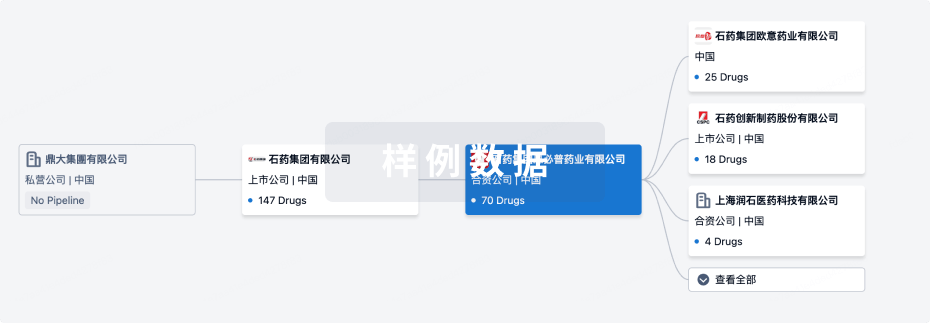
组织架构
使用我们的机构树数据加速您的研究。
登录
或
管线布局
2026年09月26日管线快照
无数据报导
登录后保持更新
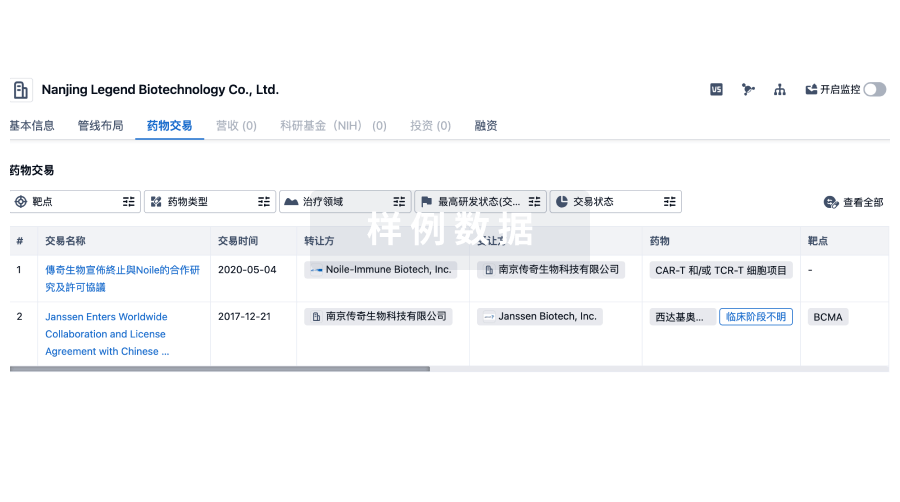
药物交易
使用我们的药物交易数据加速您的研究。
登录
或
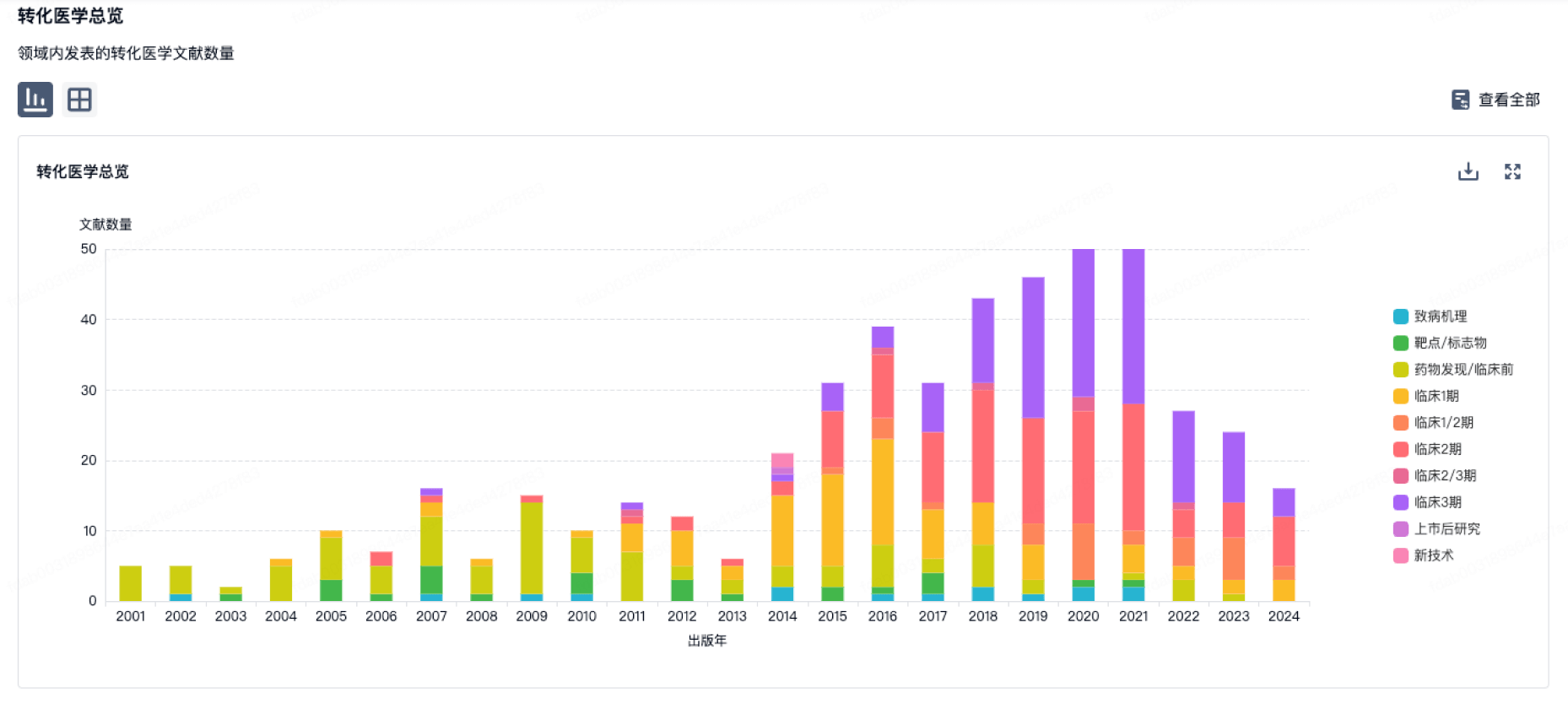
转化医学
使用我们的转化医学数据加速您的研究。
登录
或
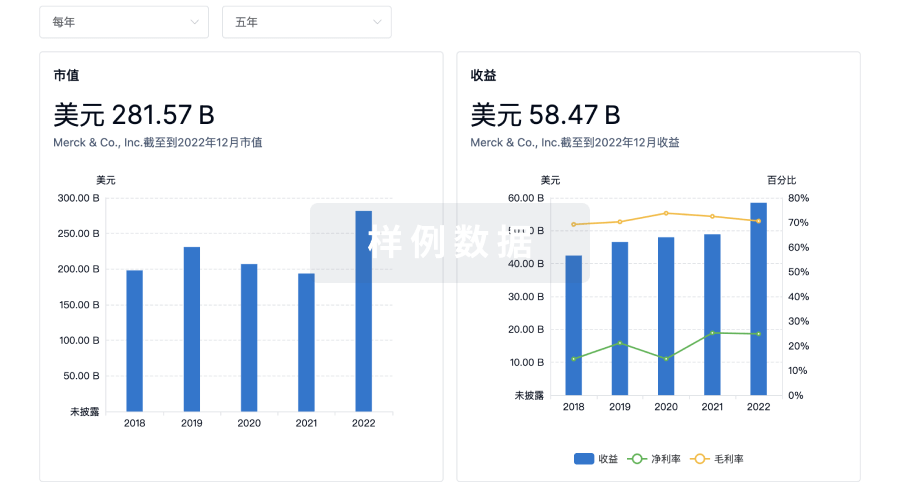
营收
使用 Synapse 探索超过 36 万个组织的财务状况。
登录
或
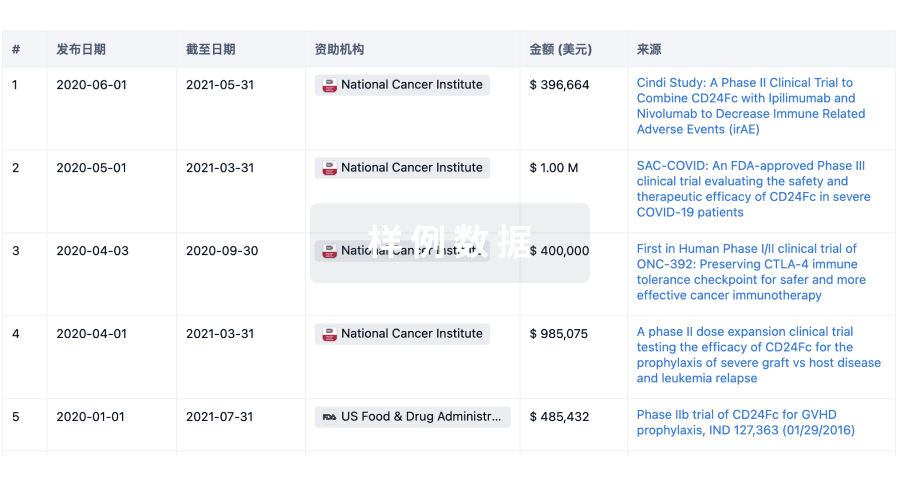
科研基金(NIH)
访问超过 200 万项资助和基金信息,以提升您的研究之旅。
登录
或
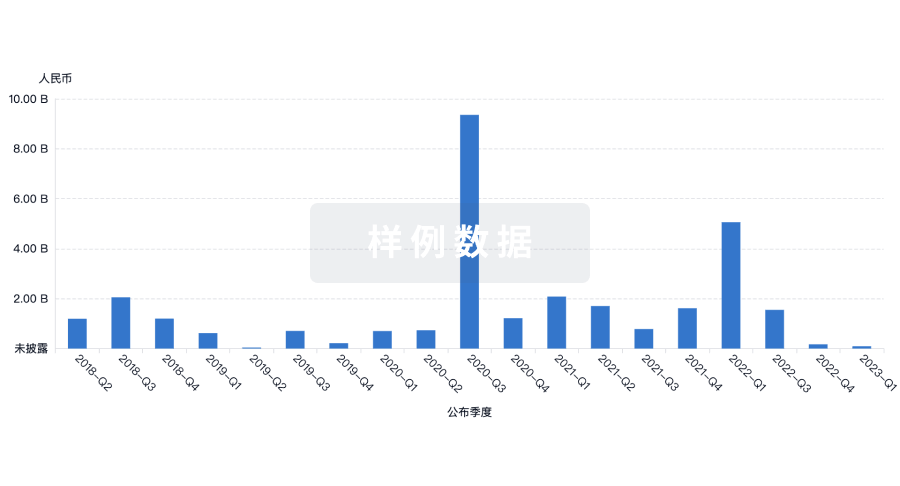
投资
深入了解从初创企业到成熟企业的最新公司投资动态。
登录
或
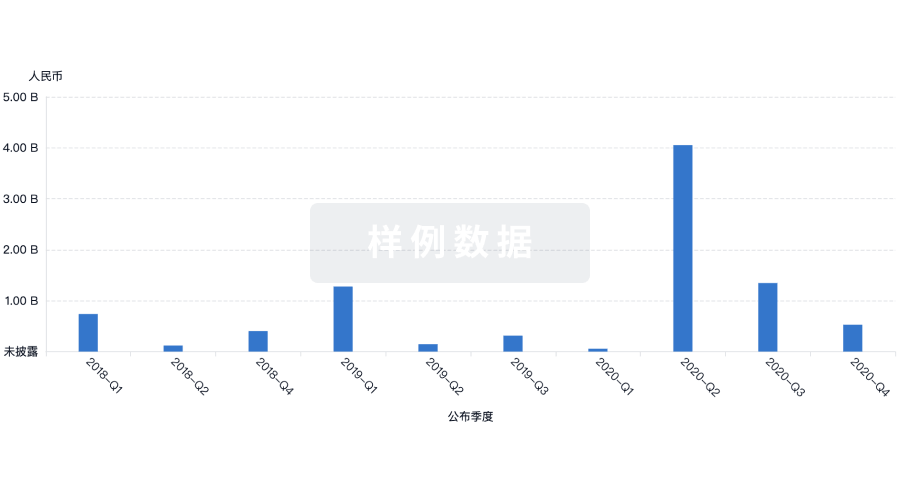
融资
发掘融资趋势以验证和推进您的投资机会。
登录
或
提出任何生物医药研究问题
让每一步生物医药决策都精准制胜
基于十亿级生物数据与全球情报的精准 AI,赋能早期药物发现
立即开始免费试用!
智慧芽新药情报库是智慧芽专为生命科学人士构建的基于AI的创新药情报平台,助您全方位提升您的研发与决策效率。
立即接入生物医药数据包
智慧芽新药库数据也通过智慧芽开放平台,以MCP或API服务形式对外开放。立即使用我们的MCP服务定制您的LLM智能体。
生物序列数据库
生物药研发创新
免费使用
化学结构数据库
小分子化药研发创新
免费使用