预约演示
更新于:2025-05-07
Kaiser Permanente of Northern California
更新于:2025-05-07
概览
关联
100 项与 Kaiser Permanente of Northern California 相关的临床结果
登录后查看更多信息
0 项与 Kaiser Permanente of Northern California 相关的专利(医药)
登录后查看更多信息
5,458
项与 Kaiser Permanente of Northern California 相关的文献(医药)2025-12-31·Human Vaccines & Immunotherapeutics
Attitudes and beliefs regarding COVID-19 and COVID-19 Omicron booster vaccine among adults in the vaccine safety datalink, 2022–2023
Article
作者: Hurley, Laura P. ; Breslin, Kristin ; Henninger, Michelle L. ; Stein, Amy ; Nelson, Jennifer C. ; Goddard, Kristin ; Shoup, Jo Ann ; Kurlandsky, Kate ; Vazquez-Benitez, Gabriela ; Fuller, Candace C. ; Daley, Matthew F. ; Hanson, Kayla E. ; Hambidge, Simon J. ; Williams, Joshua T.B. ; Lewin, Bruno ; Reifler, Liza M.
2025-07-01·Exercise, Sport and Movement
Validation of a Time-to-Exhaustion-Derived V̇O2max Prediction Equation and Secondary Criteria Agreement: The CARDIA Study
作者: Hornikel, Bjoern ; Sidney, Stephen ; Dooley, Erin E. ; Carnethon, Mercedes ; Sternfeld, Barbara ; Lewis, Cora E. ; Jacobs, David R. ; Gabriel, Kelley Pettee
2025-07-01·Human Genetics and Genomics Advances
Multi-tissue transcriptome-wide association study identifies novel candidate genes and pleiotropy effects across four abdominal hernia subtypes
Article
作者: Patel, Sahil ; Yin, Jie ; Ahituv, Nadav ; Chaar, Dima L ; Cowan, Brandon ; Jorgenson, Eric ; Hoffmann, Thomas J ; Kvale, Mark ; Choquet, Hélène ; Jiang, Chen ; Mostaedi, Rouzbeh
100 项与 Kaiser Permanente of Northern California 相关的药物交易
登录后查看更多信息
100 项与 Kaiser Permanente of Northern California 相关的转化医学
登录后查看更多信息
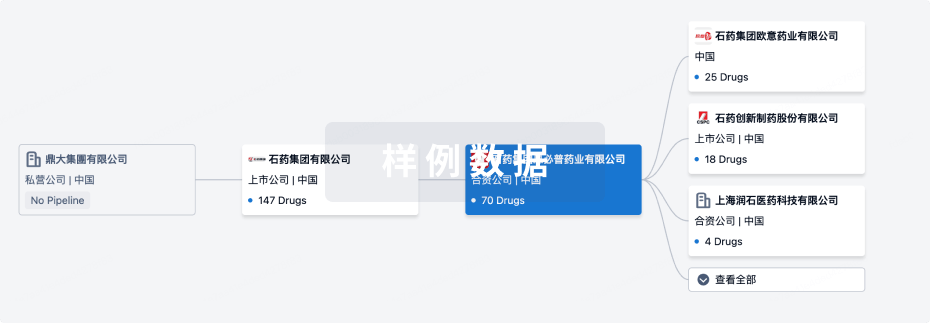
组织架构
使用我们的机构树数据加速您的研究。
登录
或
管线布局
2026年02月09日管线快照
无数据报导
登录后保持更新
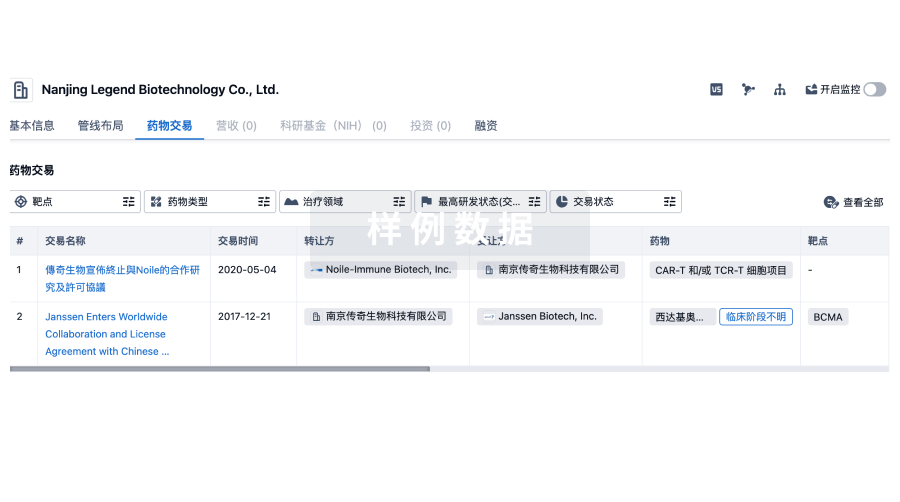
药物交易
使用我们的药物交易数据加速您的研究。
登录
或
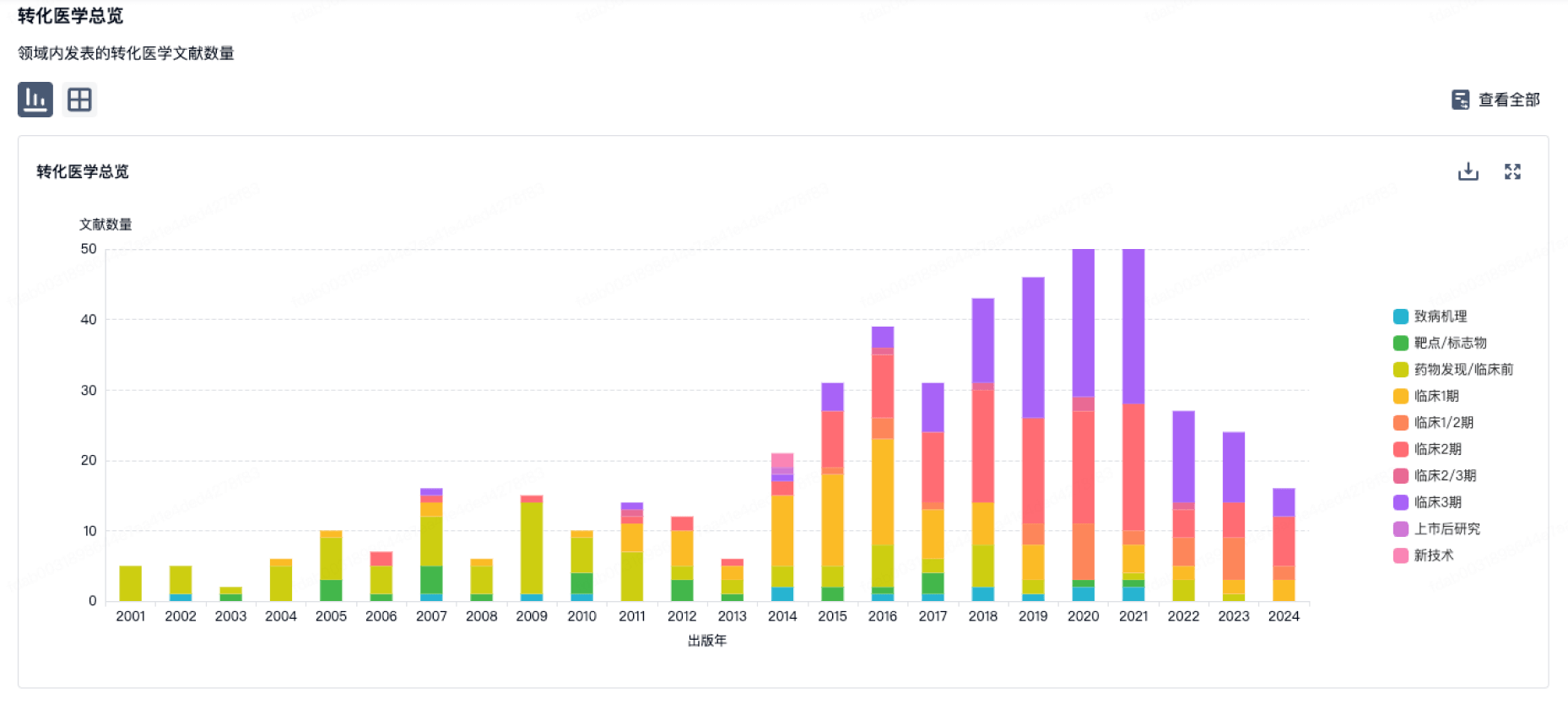
转化医学
使用我们的转化医学数据加速您的研究。
登录
或
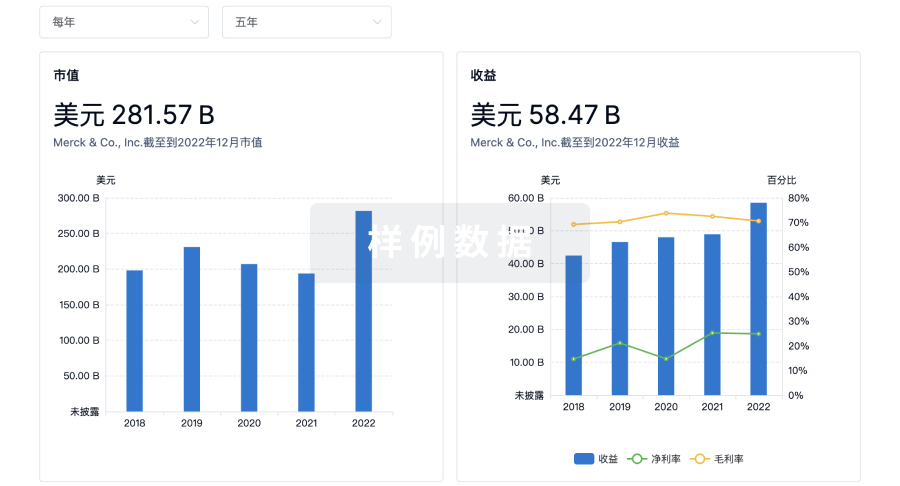
营收
使用 Synapse 探索超过 36 万个组织的财务状况。
登录
或
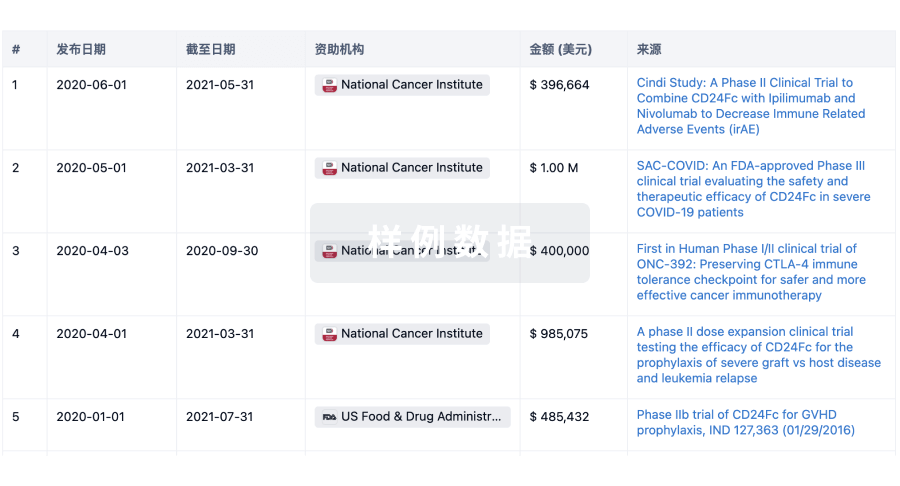
科研基金(NIH)
访问超过 200 万项资助和基金信息,以提升您的研究之旅。
登录
或
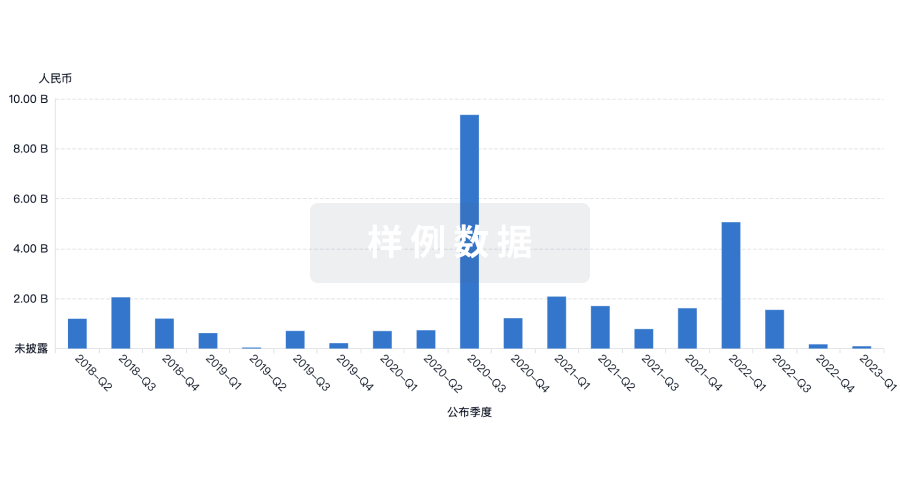
投资
深入了解从初创企业到成熟企业的最新公司投资动态。
登录
或
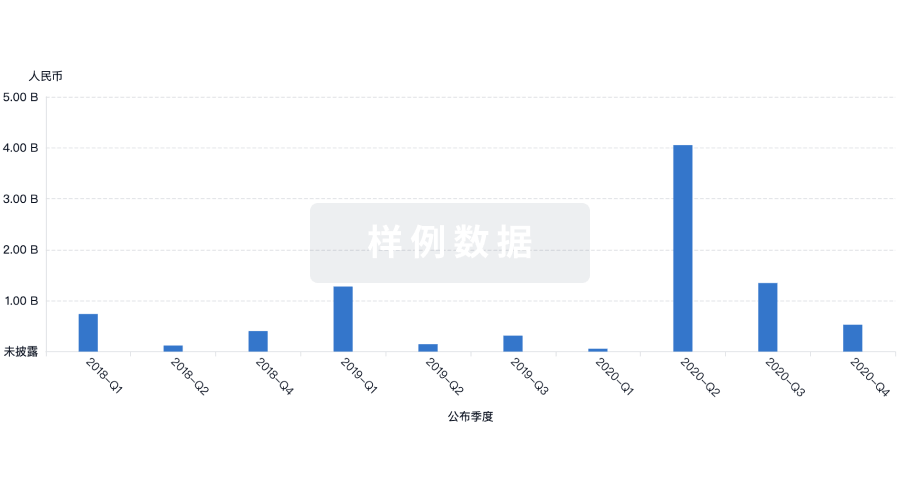
融资
发掘融资趋势以验证和推进您的投资机会。
登录
或
生物医药百科问答
全新生物医药AI Agent 覆盖科研全链路,让突破性发现快人一步
立即开始免费试用!
智慧芽新药情报库是智慧芽专为生命科学人士构建的基于AI的创新药情报平台,助您全方位提升您的研发与决策效率。
立即开始数据试用!
智慧芽新药库数据也通过智慧芽数据服务平台,以API或者数据包形式对外开放,助您更加充分利用智慧芽新药情报信息。
生物序列数据库
生物药研发创新
免费使用
化学结构数据库
小分子化药研发创新
免费使用