预约演示
更新于:2026-11-17

HD Biosciences Co., Ltd.
更新于:2026-11-17
概览
关联
100 项与 辉源生物科技(上海)有限公司 相关的临床结果
登录后查看更多信息
0 项与 辉源生物科技(上海)有限公司 相关的专利(医药)
登录后查看更多信息
9
项与 辉源生物科技(上海)有限公司 相关的文献(医药)2025-02-27·JOURNAL OF MEDICINAL CHEMISTRY
Rational Design and Optimization of a Potent IDO1 Proteolysis Targeting Chimera (PROTAC)
Article
作者: Kregel, Steven ; Dunne, Sara F. ; Grigorescu, Arabela A. ; Allen, Jacob M. ; Penco-Campillo, Manon ; Zhang, Fang ; Mao, Yingyu ; Fanning, Sean W. ; Schiltz, Gary E. ; Egozi, Michael ; Sanchez-Gomez, Pilar ; Yamini, Bakhtiar ; Monsen, Paige J. ; Ojo, Oluwatomilayo ; Bommi, Prashant V. ; Zhai, Lijie ; Jha, Sonam ; Song, Guiqin ; Koch, Taylor ; Lauing, Kristen L. ; Vaziri-Gohar, Ali ; Jiang, Hong ; Berardi, Payton ; Lukas, Rimas V. ; Wainwright, Derek A.
Indoleamine 2,3-dioxygenase 1 (IDO1) is an immunosuppressive protein that inhibits antitumor immunity through both tryptophan metabolism and nonenzymatic functions. Drugs targeting IDO1 enzyme activity have failed to improve the overall survival of patients with cancer. Developing new therapeutics that neutralize both enzyme- and nonenzyme-derived immunosuppressive IDO1 effects is therefore of high interest. We previously described a novel proteolysis targeting chimera (PROTAC), NU223612, that degrades IDO1 in cultured human glioblastoma (GBM) cells, as well as in well-established brain tumors, in vivo. In this study, we rationally optimized the structure of our lead series to create NU227326, which degrades IDO1 with a DC50 of 5 nM in human GBM cells. Mechanistic studies showed that IDO1 degradation occurred through the ubiquitin-proteasome system and was sustained for at least 2 days, supporting NU227326 as a highly potent IDO1 PROTAC suitable for further studies in GBM and other human cancers.
2025-02-01·PHARMACOLOGY BIOCHEMISTRY AND BEHAVIOR
5-HT1B receptor activation produces rapid antidepressant-like effects in rodents
Article
作者: Hu, Tingting ; Li, Fugang ; Gallero-Salas, Yasir ; Bristow, Linda J ; Kretschmannova, Karla ; Hanania, Taleen ; Koblan, Kenneth S ; Clark, Erin A ; Bianchi, Massimiliano ; Wang, Lien ; Dedic, Nina ; Jagger, Elizabeth
Ketamine is noted for its rapid onset antidepressant response and effectiveness in patients with treatment resistant depression. While most research has focused on glutamatergic mechanisms, recent studies show that antidepressant-like effects in rodents are dependent upon the serotonergic (5-HT) system and suggest a potential contribution of the 5-HT1B receptor. In this study we utilized CP-94253 to examine whether 5-HT1B receptor agonism produces rapid and sustained antidepressant-like effects, focusing on rodent models and treatment approaches commonly used to demonstrate the differentiated response to ketamine. We first confirmed that CP-94253 is a potent 5-HT1B agonist in vitro and that CP-94253 occupies brain 5-HT1B receptors at the doses tested. CP-94253 reduced immobility in the mouse forced swim test (FST) and exhibited a prominent antidepressant signature in the mouse-behavior phenotyping platform SmartCube®. When examined 24 h after acute treatment, CP-94253 reduced FST immobility in both naïve rats and in rats receiving chronic interferon alpha treatment. Ex vivo hippocampal long-term potentiation was also enhanced in naïve rats receiving acute CP-94253 treatment, 24 h prior to the recordings. In mice exposed to chronic social defeat stress, antidepressant-like effects in the tail suspension and sucrose preference tests were seen 1 h and 24 h after acute treatment, respectively. Finally, whole brain c-fos imaging in mice showed that CP-94253 modulates neuronal activity in discrete brain regions including the lateral habenula circuit implicated in depression and the ketamine treatment response. Collectively these results support the further investigation of 5-HT1B agonism as a novel treatment approach for major depressive disorder.
2020-01-01·Talanta2区 · 化学
A simultaneously quantitative profiling method for 40 endogenous amino acids and derivatives in cell lines using hydrophilic interaction liquid chromatography coupled with tandem mass spectrometry
2区 · 化学
Article
作者: Qingjiang Wang ; Peiyuan Lin ; Bangjie Zhu ; Hai Wei ; Chao Yan ; Wentao Zhou ; Wenbin Zhou ; Yu Cheng ; Li Li ; Jiaqiang Sheng ; Fugang Li
Endogenous metabolites of amino acids and their derivatives in biosamples are frequently highlighted as the most differential metabolites in recent metabolomics studies. The method for the detection of amino acid derivatives such as N-acetyl amino acids and oligopeptides is rarely reported. We developed a rapid, high-throughput, sensitive and reliable quantitative method to simultaneously profile 40 underivatized amino acids and their derivatives including N-acetyl amino acids and oligopeptides in cell lines, based on ultra-high-performance liquid chromatography-electrospray tandem mass spectrometry (UHPLC- MS/MS) by using a hydrophilic interaction liquid chromatography (HILIC) column. The optimized method was successfully validated with satisfactory linearity, sensitivity, accuracy, precision, matrix effects, recovery and stability for all analytes. Only one compound (cysteine-glutathione disulfide) showed relatively low recoveries at three concentration levels (60.8-74.3%). The limit of quantification (LOQ) for most compounds was in the range of 0.6-10 ng/mL (6-100 pg on column). This method was successfully applied to the analysis of amino acids and their derivatives in breast cancer cell samples. Principal component analysis (PCA) and the orthogonal projections to latent structures (OPLS) showed a clear discrimination of the non-tumorigenic breast epithelial cell line MCF-10A from the breast cancer cell line HCC 1806. Characteristic metabolic changes in amino acid metabolism were observed in the breast cancer cell line. This quantified analytical method of 40 endogenous amino acids and their derivatives in cell lines meets the requirement of quantification in specific expanded metabolomics studies with good sensitivity.
65
项与 辉源生物科技(上海)有限公司 相关的新闻(医药)2026-09-22
By Catherine Graham
Nanoparticle design, cancer detection, and immune cell behavior are the research specialties of this year's doctoral students who have been named 2027 Siebel Scholars. Five individuals from Johns Hopkins were chosen from among scholars at leading graduate schools across the U.S.
The Siebel Scholars Foundation has provided awards to students in business, computer science, and bioengineering fields since 2000. Some 90 Johns Hopkins graduate students have previously received the recognition, joining more than 1,800 other scholars.
The award comes with $35,000 to fund their final year of studies. The scholars also convene for annual conferences to discuss solutions to some of the world's greatest challenges in their fields.
The 2027 Siebel Scholars from Johns Hopkins are:
Leonardo Cheng
Cheng, co-advised by nanobiotechnology experts Hai-Quan Mao and Jordan Green, develops machine learning-guided, high-throughput discovery platforms to deliver genetic medicines, including nanoparticles based on lipids and polymers, to specific cells. He has built automated frameworks integrating artificial intelligence, nanomedicine, and immunoengineering to advance therapies for cancer, autoimmune diseases, and immune-mediated disorders. Before joining Hopkins, Cheng completed research at the University of California, San Diego, and biotech companies HD Biosciences and Dexcom. He has authored or coauthored 19 peer-reviewed publications, holds two patent applications, and mentors undergraduate and graduate researchers while leading STEM outreach and student innovation programs.
Weiwen (Vicky) Cui
Cui, advised by mechanical engineer Tza-Huei (Jeff) Wang, focuses her research on non-invasive molecular diagnostic technologies for early cancer detection that are highly multiplexed, or able to detect many genetic and epigenetic alterations in a sample from a single person. Cui has coauthored 10 peer-reviewed publications and eight conference presentations, delivering oral presentations at MicroTAS, IEEE Biosensors, and the Biomedical Engineering Society. During her undergraduate studies at the University of California, Berkeley, she was inducted into Tau Beta Pi and the Bioengineering Honor Society and earned departmental honors. Cui serves in multiple leadership roles at Johns Hopkins, including secretary of the Biomedical Engineering (BME) PhD Student Council; co-president of BME EDGE, a professional development organization for doctoral students; and graduate program coordinator for the School of Medicine's summer internship research training program.
Manav Jain
Advised by immunologist Jonathan Schneck and biomedical engineer Jordan Green, Jain develops targeted biomaterials to engineer T cells within the body. He designed a new class of targeted mRNA nanoparticles that can specifically bind to T cells in vivo, engineering them with additional disease-fighting capabilities and offering potential applications spanning oncology and autoimmunity. Prior to his doctoral studies, Jain conducted research at the Georgia Tech and biotech companies Amgen and Genentech. During his time at Hopkins, he has won the National Science Foundation Graduate Research Fellowship, competed at the Merck Innovation Cup, co-authored 15 publications, and presented at 13 conferences. Outside the lab, Jain is engaged in teaching and community outreach: He mentors undergraduate and graduate studies from diverse backgrounds; leads hands-on science activities in Baltimore elementary schools; co-leads the Frameshift immunoengineering hackathon; and designed and taught a Hopkins undergraduate course on cell and gene therapies.
Nikita Sivakumar
Sivakumar, co-advised by biomedical engineers Feilim Mac Gabhann and Jude Phillip, develops computational models to understand how immune cell movement and interactions affect antibody responses to infection and vaccination, including how aging or genetic mutations can dysregulate these responses. She has published six first-author papers and received more than $100,000 in research awards from Achievement Rewards for College Scientists (ARCS), the National Science Foundation (NSF), NTT Research Foundation, and the Arnold and Mabel Beckman Foundation. Passionate about engaging her community in research, Sivakumar has developed and taught five interdisciplinary data science courses; mentored high school and undergraduate students; led a computational research internship for Baltimore City students with Baltimore Thread; and currently serves as co-president of Women of Whiting, where she has led two annual Women in STEM symposiums.
Yang Zhao
Zhao, advised by mechanical engineer Tza-Huei (Jeff) Wang, develops digital platforms for early cancer detection in liquid biopsies. Her platforms can detect many types of genetic alterations from circulating tumor DNA in a single sample at sensitivities as low as 0.001% across lung, ovarian, and colorectal cancers. This work has led to two patents and technology now commercialized through a Johns Hopkins University spin-off company. Zhao has authored 12 peer-reviewed publications in journals including Science Advances, Advanced Science, and Nature, and presented at several major conferences. Beyond research, Zhao serves in the Hopkins Graduate Student Association, volunteers with the community organization Baltimore Thread to support local youth, and advocates for women and international scientists through the Association for Women in Science, the BioCosmo Scholar Community, and the Sino-American Pharmaceutical Professionals Association.
Posted in Science+Technology
Tagged siebel scholars, awards, graduate students
2026-07-31
CONVENTION
2026药科元用户交流会
2026年7月24日,2026药科元用户交流会于上海博雅酒店顺利举办并圆满收官。本次会议以「前沿对话・共探新药研发未来趋势」为核心主题,邀约生物制药行业专家、新药研发负责人及行业先锋代表齐聚现场,聚焦药物早期研发关键环节,从靶点发现、规模化筛选到适应症拓展,围绕下一代药物研发的全球趋势与技术突破路径展开深度研讨。
会议伊始,药科元总经理刘尚致开场辞。他首先对到场嘉宾表示热烈欢迎,感谢大家在百忙之中前来参加这次交流会。刘总提到,这些年见证了国内药物研发行业的快速发展,从靶点发现到筛选技术,从工具方法到产业生态,变化之大、进步之快,身处其中既是压力也是动力。药科元能有今天的发展,离不开这个时代给予的机遇,也离不开客户和伙伴一路以来的信任与支持。
本次交流会设置四大专题分享,汇聚科研院所、跨国药企、创新生物企业及药科元的团队代表,从科研基础、产业实操、落地案例、产品策略四大维度输出专业内容:
杨德华 | 中国科学院上海药物研究所
中国科学院上海药物研究所研究员、博士生导师,现任药物靶标党支部书记
杨德华教授以GPCR相关靶点的研究为切入点,系统介绍了代谢性疾病新靶标的发现与鉴定。报告内容深入浅出,重点围绕以下几个方面展开:GPCR的研究背景与前沿进展、以GLP-1受体激动剂为代表的药物开发范例、孤儿受体GPR75和GPR35的潜在价值、新型靶点形式的探索,以及RXFP靶点的鉴定策略。
报告引发了现场的热烈讨论,尤其在GPCR靶点Gs与Gi通路的选择问题上,杨教授指出,Gs和Gi在体内并非简单的"二选一",而是存在精细的平衡调节机制。他强调,深入理解特定靶点的复杂信号网络,综合考量靶点生物学功能、疾病病理背景、分子作用机制及筛选技术平台的适配性,是做出最优靶点决策的关键前提。
林赵虎 | 罗氏中国创新中心
复旦大学博士,在罗氏从事新药研发18年,现担任罗氏全自动化高通量药物筛选部负责人
林博系统介绍了先导化合物发现的方法及工作流程,详细比较了多种开发平台及相应检测方法的优劣势,涵盖高通量筛选(HTS)与DNA编码化合物库(DEL)平台(包括光化学分析、生物物理分析及靶点结合分析)、基于片段的药物发现(FBDD)平台,以及直接进入生物学(Direct to Biology)平台。
针对研究人员提出的不同分析方法所检出的阳性化合物之间存在差异的问题,林博指出,各分析方法在不同程度上受到反应体系中其他因素的干扰,例如化合物残留和催化剂影响等,因此需要在数据解读和结果交叉验证时加以综合考量。
王晓辉 | 上海格宁生物科技有限公司
曾任药明康德/辉源生物科技(上海)有限公司(药明康德子公司)研发部主任,现任格宁生物研发副总裁
王总以肥胖症药物管线为案例,复盘了GPCR靶点药物从靶点验证到筛选模型建立的全过程。项目围绕GLP-1R、GIPR、GCGR等关键靶点建立了多物种细胞平台,通过跨物种数据比对来评估候选分子的药效特征。针对AMY家族异源二聚体表达效率偏低的问题,项目通过优化宿主细胞背景得以解决。在GPR75这个新兴靶点上,团队尝试了多种检测体系,比较不同读数的窗口和信噪比。王总在总结时提到,这类靶点开发中最大的难点在于能否建立真正反映生理状态的筛选模型,这个判断需要反复用数据去验证。
张隽祎 | 药科元(上海)生物技术有限公司
药科元副总经理张隽祎结合公司在新药上游试剂领域的实践积累,分享了如何通过精细化的细节管控,持续打磨适配研发场景的试剂产品。药科元自成立之初便聚焦高端检测试剂的自主研发,陆续推出Solar Eu、Bright Tb等镧系荧光分子,目前已积累6种不同特性的荧光分子,在荧光强度、水溶性、pH耐受等方面各具特点,可根据不同应用场景灵活选用。
在案例分享环节,张总提出了一个在试剂开发中无法回避的问题:当没有竞品对照时,如何定义一款产品的性能上限。他以SMARCA2 TR-FRET检测试剂盒的开发为例,讲述了团队在满足客户明确指标要求的基础上,继续探索性能提升空间的过程。另一个案例则聚焦双特异性抗体含量检测,客户最初提出的方案存在信号归属不明确的问题,药科元团队重新分析了检测原理后设计了新的方案,有效解决了同源二聚体与异源二聚体的区分难题。
张总在会议总结中指出,试剂开发中很多看似微小的变量都可能对最终数据产生显著影响。他认为,标准体系的建立是产品开发的基础——从仪器校准、配液规范到系统误差控制,每一个环节都需要有据可依;而团队在实验操作中的严谨和细致观察,则是将标准落到实处的关键保障。
SUMMARY
本次用户交流会,既是一场新药研发前沿技术的思想碰撞,也是药科元倾听客户诉求、链接行业伙伴的重要契机。未来,药科元将持续深耕新药研发上游生物试剂赛道,紧跟全球药物研发技术发展趋势,打磨更贴合国内药企、科研机构实际需求的产品与技术服务,持续搭建高质量行业交流平台,携手行业同仁助力国内创新药产业高质量发展。
2026-07-27
点击上方DIA资讯关注我们
药物研发是一项长期且高风险的探索。三年来,《早期临床研究 从首次人体试验到概念性验证》课程持续关注创新药研发中的关键挑战,参与者也从企业研发人员逐渐扩展到医院研究者,反映出行业对早期临床研究能力建设需求的不断提升。
从临床前药物设计、首次人体试验中的剂量探索,到AI等新技术在早期研发中的应用,如何提高药物开发成功率、推动候选药物更有效地走向临床,成为研发人员持续探索的重要课题。本期【来问讲者】邀请课程主席、上海轶诺医学顾问、康缔亚科学顾问委员会主席、北京大学临床研究所客座教授彭彬博士,课程讲者、岸迈生物科技生物部门高级总监巫玄博士,以及课程讲者、上海瑞宁康生物医药创始人兼CEO、原FDA临床定量药理部长王亚宁博士,分享三年课程实践中的观察与思考,探索早期临床研究成功背后的策略与方法。
本期问题:
这门课程经过三年积累,在行业内建立了“早期临床必修课”的口碑。在这过程中,您观察到学员的需求发生了哪些变化?未来课程的侧重点又将如何调整?
讲者介绍
《早期临床研究 从首次人体试验到概念性验证》课程主席
彭彬 博士
上海轶诺医学顾问
康缔亚科学顾问委员会主席
北京大学临床研究所客座教授
彭彬博士本科和硕士毕业于广州中山医科大学医学系,随后获英国纽卡素尔大学医学院临床药理学博士。在英国曼切斯特大学药学院师从Dr Malcolm Rowland 教授完成博士后学习后, 1998年被瑞士诺华制药公司 (Novartis) 聘任为临床药理医学高级研究员. 在此期间, 亲自参与了举世瞩目的第一个抗癌靶向药(誉为神药)格列卫 (Glivec) 的早期临床研究与开发, 彭彬以第一或者合作作者身份在包括NE. Medicine在内的国际重要学术杂志发表了一系列格列卫研究论文. 2009年被诺华制药公司肿瘤研发中心聘为全球肿瘤转化医学上海中心负责人. 领导全球重点为亚太包括中国的早期肿瘤药物的临床研究,领导了包括卡马替尼(INC-280)等多个早期项目的全球临床开发。
讲者与DIA关键词:
DIA中国年会|DIA 中国专题会议 | DIA新药研发培训课程主席、讲者 | 2026 DIA中国 Inspire Awards
核心内容速览:
早期临床研究正在迎来更大的发展需求
DIA课程参与人群不断扩大,从企业走向医院,反映出行业对早期临床研究能力建设的迫切需求。
中国创新药发展需要更强的研究支撑
医药研发投入持续增加,也带来了更多挑战,提升临床研究水平成为行业发展的重要方向。
AI将成为早期临床研究的重要助力
从Right Drug到Right Dose、Right Patient,AI正在帮助研究者探索更加精准、高效的新药研发路径。
↓ 点击查看完整视频 ↓
本期问题:
哪些策略能够帮助提高药物早期临床研发成功的概率?
讲者介绍
《早期临床研究 从首次人体试验到概念性验证》课程讲者
巫玄 博士
岸迈生物科技生物部门高级总监
巫玄于2011年获得英国爱丁堡大学细胞生物学专业博士,目前任职上海岸迈生物科技有限公司,担任生物部门高级总监。曾任辉源生物技术开发部门副总监,睿智化学肿瘤免疫部门高级科学家。工作期间,参与了5个项目IND申报,其中作为项目临床前研究负责人有2项。承担了上海市科委面上项目一项,承担上海市科委科技支撑项目一项。参与十三五“新药创制”国家科技重大专项一项。
讲者与DIA关键词:
DIA新药研发培训课程讲者
核心内容速览:
从临床前阶段提升药物开发成功率
药物研发“九死一生”,需要通过前置的临床前设计和策略优化,提高候选药物进入临床后的成功机会。
靶点与药物形式决定开发方向
选择合适的靶点和Drug Modality,是药物设计的基础,需要结合临床需求进行综合考量。
建立多维度临床前评价体系
通过药理药效、生物标志物、转化医学以及PK/毒理研究,全面评估候选药物的开发潜力。
以系统策略推动临床前到临床转化
将多项研究数据进行整合,为临床试验设计、剂量选择和后续开发提供科学依据。
↓ 点击查看完整视频 ↓
本期问题:
早期研究成功最关键的因素是什么?
讲者介绍
《早期临床研究 从首次人体试验到概念性验证》课程讲者
王亚宁 博士
上海瑞宁康生物医药创始人兼CEO
原FDA临床定量药理部长
王亚宁博士现任上海瑞宁康生物医药创始人兼CEO,为新药研发,出海,审评上市提供咨询服务。2021年9月至2024年5月任朗来科技CEO,期间带领团队推进近十个新药研发项目至不同临床阶段,在资本寒冬期完成5亿元A轮融资,并将多个项目成功出海,达成高额交易。2021年之前担任美国FDA临床定量药理审评部部长,负责所有疾病领域的定量药理学审评,研究项目和政策制定。该部门是FDA唯一覆盖所有疾病领域的审评部。他于2003年加入FDA之前在佛罗里达大学获得药学博士和统计学硕士双学位。1999年获得生物化学硕士学位,1996年获得北京大学药学学士。发表了120余篇论文,在各种国内和国际会议上发表400多次报告。目前担任北京大学,佛罗里达大学,上海中医药大学和中南大学湘雅药学院客座教授。2023年荣获美国华盛顿特区健康领域杰出领导人称号。王博士作为监管专家和资深顾问为中国药监局,中国科技部,上海自贸区基金,上海药学会药物临床研究专委会,以及多家华尔街投资机构和银行提供新药研发和上市咨询。
讲者与DIA关键词:
DIA中国年会|DIA 中国专题会议 | DIA新药研发培训课程讲者 | DIA临床科学专业委员会
核心内容速览:
早期临床研究首先要解决安全与剂量问题
早期研究的核心目标是在保证安全性的基础上,尽快找到能够产生疗效的有效剂量。
找到合适的疗效指标,是剂量探索的关键
通过快速、客观的生物标志物和疗效指标,可以帮助研究者判断药物是否达到有效剂量,并支持Proof of Concept验证。
First-in-Class药物开发面临更高探索风险
针对全新靶点的创新药,需要验证生物标志物变化是否能够真正转化为临床获益,这一过程存在较大的不确定性。
Fast Follow策略能够降低临床开发风险
相比First-in-Class,基于已有成功案例的同靶点药物开发,可以借鉴已有数据,降低研发风险,提高临床成功可能性。
↓ 点击查看完整视频 ↓
早期临床研究
从首次人体试验到概念性验证
(⬆️点击查看原文了解详情)
DIA【来问讲者】把问题交给专家,把经验带回自己
每期我们邀请DIA课程的核心讲者,一线新药研发专家、跨国药企高管、审评体系资深人士,直面问题、正面开答!
在这里,你听到的不只是答案,更是专家们走过的路、踩过的坑,以及对行业未来的判断。
每一期,都是一场高质量追问+专业级解答。
每一次对话,都是你和讲者之间最近的距离。
助力新药研发能力建设
企业研发人才培养战略合作伙伴
即刻注册开通课程
注册咨询:
Sunny NI | junting.ni@diaglobal.org | 021- 6418 5933
扫描右侧二维码
了解更多课程
8月精彩培训
▼点击查看详情
放射性药物进阶培训
从新型核素研发到临床转化实践
8月28-29日 上海
👈扫描左侧二维码在线报名
DIA Global 会议
▼点击查看详情
2026 DIA印度年会
9月11-12日 新孟买
DIA 2026拉丁美洲年会
9月9-11日 墨西哥城
2026 DIA 新加坡年会
9月16-17日 新加坡
2026 DIA寡核苷酸疗法大会
9月23-25日 美国
DIA Asia Track 2026
10月19日 线上
DIA 2026 国际RWE大会前瞻
10月19-20日 美国
2026 DIA中东及非洲会议
10月20-21日 阿布扎比
DIA-MHRA Global Summit
11月16-17日 伦敦
DIA中国近期会议/培训
Aug
21-22
● 2026 CNS 创新论坛暨CCTN-P年会
► 点击阅读
Aug
22-23
● 2026 DIA大湾区专题会议暨第三届药品监管科学澳门论坛
► 点击阅读
Aug
27-28
● 2026 DIA亚洲药品注册申报信息化论坛
► 点击阅读
Aug
28-29
● 2026 DIA放射性药物进阶培训
► 点击阅读
Sept
11-12
● 2026 DIA临床试验数据大会
► 点击阅读
Oct.
28-30
● 2026 DIA药物研发定量科学论坛 (QSF)
► 点击阅读
关于DIA
DIA是一家成立于1964年的全球化、跨学科的国际学术组织,致力于成为全球生命科学领域的中立知识交流平台。
DIA汇聚医药研发领域全行业的意见领袖,探讨当前研发的技术问题,提升专业能力,催化行业共识,以持续推动医疗创新,在全球医药研发领域享有广泛声誉。
扫码关注我们
微信号|DIA资讯
长按识别左侧二维码即可关注
我们努力为你提供有内容的内容。
100 项与 辉源生物科技(上海)有限公司 相关的药物交易
登录后查看更多信息
100 项与 辉源生物科技(上海)有限公司 相关的转化医学
登录后查看更多信息
组织架构
使用我们的机构树数据加速您的研究。
登录
或
管线布局
2026年11月25日管线快照
无数据报导
登录后保持更新
药物交易
使用我们的药物交易数据加速您的研究。
登录
或
转化医学
使用我们的转化医学数据加速您的研究。
登录
或
营收
使用 Synapse 探索超过 36 万个组织的财务状况。
登录
或
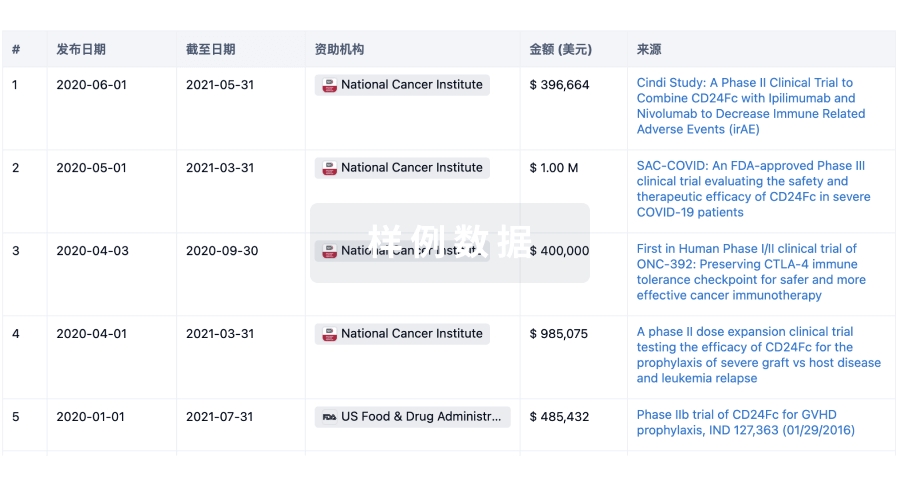
科研基金(NIH)
访问超过 200 万项资助和基金信息,以提升您的研究之旅。
登录
或
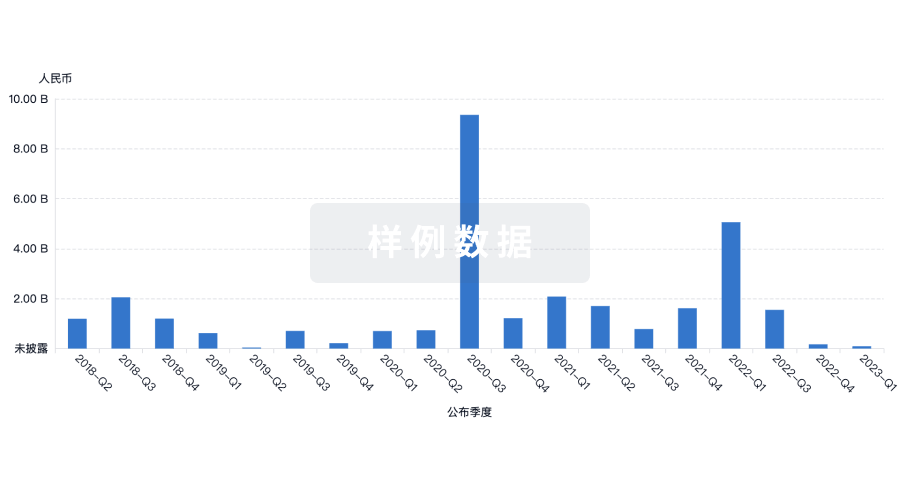
投资
深入了解从初创企业到成熟企业的最新公司投资动态。
登录
或
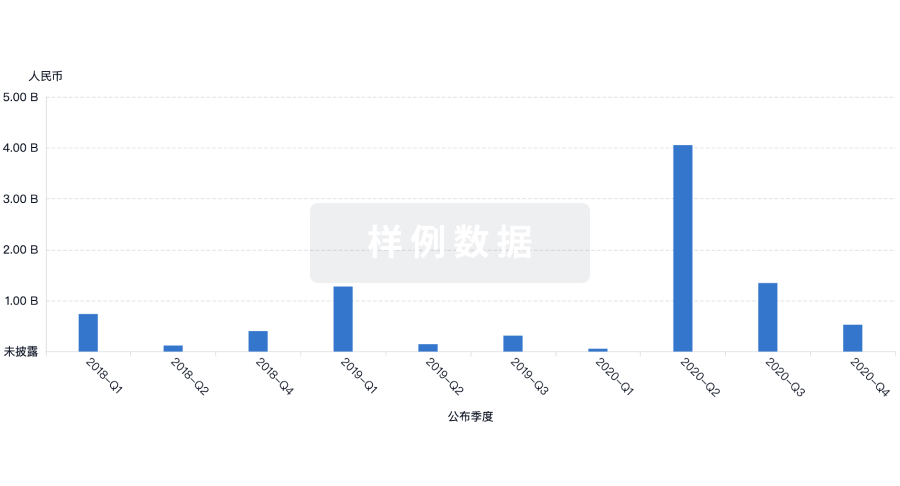
融资
发掘融资趋势以验证和推进您的投资机会。
登录
或
提出任何生物医药研究问题
让每一步生物医药决策都精准制胜
基于十亿级生物数据与全球情报的精准 AI,赋能早期药物发现
立即开始免费试用!
智慧芽新药情报库是智慧芽专为生命科学人士构建的基于AI的创新药情报平台,助您全方位提升您的研发与决策效率。
立即接入生物医药数据包
智慧芽新药库数据也通过智慧芽开放平台,以MCP或API服务形式对外开放。立即使用我们的MCP服务定制您的LLM智能体。
生物序列数据库
生物药研发创新
免费使用
化学结构数据库
小分子化药研发创新
免费使用