预约演示
更新于:2026-03-09

China West Normal University
更新于:2026-03-09
概览
关联
100 项与 西华师范大学 相关的临床结果
登录后查看更多信息
0 项与 西华师范大学 相关的专利(医药)
登录后查看更多信息
2,461
项与 西华师范大学 相关的文献(医药)2026-06-01·NEURAL NETWORKS
Hyperspectral remote sensing image classification based on domain-level complementarity of spatial-spectral component
Article
作者: Zheng, Bochuan ; Chen, Huayue ; Li, Yuanyuan ; Chen, Tao
Hyperspectral image (HSI) generally suffers from "homogeneity" and "heterogeneity" issues, leading to low intra-class consistency, poor inter-class differentiation, and higher misclassification rates in feature classification. Effectively integrating global structure and local details of spatial-spectral information is key to addressing this. Existing methods struggle to achieve this integration, which consequently impacts the classification performance. In this paper, we propose a hyperspectral remote sensing image classification method based on the domain-level complementarity of the spatial-spectral component (D2FuPro). This method utilizes a dual-branching structure to obtain information on the global overall structure and local details in the panoramic and mesoscopic domains, respectively. This dual-domain spatial-spectral complementarity aims to alleviate the above issues. A panoramic domain low-rank feature extraction method (PLFE) is designed in the first branch of the D2FuPro method. This method preserves the global spatial-spectral structure by low-rank modeling of the HSI. It combines texture smoothing to suppress noise and spectral anomalies and enhances intra-class spectral consistency. The second branch designs a method of mesoscopic domain feature enhancement (MDFE), which acquires the spectral information of features within the local range of HSI and utilizes the spatial structure of neighboring pixels to model, optimize the spatial boundaries, and enhance inter-class differentiation. Finally, fusing dual-domain information from both branches enables the realization of complementary spatial-spectral information in the panoramic and mesoscopic domains. A comparative experimental validation and analysis on four commonly used classical hyperspectral datasets demonstrates that the D2FuPro method outperforms traditional and twelve more advanced classification methods in terms of classification accuracy.
2026-04-01·NEURAL NETWORKS
SODAS: Second-order optimization differential architecture search for diabetic retinopathy prediction
Article
作者: Xu, Liming ; Lv, Jiancheng ; Shao, Jie ; Li, Weisheng ; Zeng, Xianhua ; Wang, Jing
Diabetic retinopathy, which is a retinal disease that results from diabetes, has become the leading cause of blindness. Early diagnose of diabetic retinopathy is crucial for preserving vision and saving lives. To date, several pioneering methods have been proposed for diagnosing diabetic retinopathy and have achieved preliminary results. However, several limitations persist, including the inability to detect diabetic retinopathy at various scales and low accuracy in large-scale real scenarios. Therefore, in this paper, we propose second-order optimization differential architecture search (SODAS) for predicting diabetic retinopathy. Firstly, we utilize neural architecture search to grade diabetic retinopathy to overcome the limitations of neglecting retinopathy at various scales caused by manually designing networks. Then, we integrate Gumbel-Softmax sampling into neural architecture search to encompass all the operation information during normalization, with the aims of reducing gradient information loss and improving accuracy. Additionally, we design second-order optimization to mitigate slow convergence associated with classical neural architecture search, which has been proven to converge quickly by detailed analysis and extensive results. Experimental results on benchmark datasets show that our SODAS has achieved average improvements of 12.1 %, 21.6 %, 28.8 %, 24.1 %, and 22.5 % in terms of accuracy, Cohen's kappa, AUC, IBA, and F1-score, respectively.
2026-04-01·WATER RESEARCH
Source-dependent composition and reactivity of effluent organic matter regulating disinfection byproduct formation and cytotoxicity
Article
作者: Zhang, Junwen ; Chen, Guoping ; Ren, Dong ; Wang, Junjian ; Zeng, Liang ; Zhou, Run ; Du, Penghui
Effluent organic matter (EfOM) is a key precursor of disinfection byproducts (DBPs), posing major challenges to the safe reuse of treated wastewater. However, the molecular composition and chlorine reactivity of EfOM are expected to differ substantially across industrial and municipal sources, yet their impacts on DBP formation and toxicity remain unclear. Here, effluents from 17 sources, representing electronic, pharmaceutical, food, hospital, and municipal sewage wastewaters, were characterized using spectrofluoroscopy and Fourier transform ion cyclotron resonance mass spectrometry (FT-ICR MS), coupled with chlorination and bioassay experiments. Compared to sewage EfOM, pharmaceutical, food, and hospital wastewater EfOM showed comparable aromaticity, molecular size, and DBP yields and toxicity after chlorination. However, electronic wastewater EfOM exhibited much lower aromaticity and higher proportions of protein- and lipid-like compounds, resulting in lower trihalomethane and haloacetonitrile yields and lower cytotoxic DBP mixture after chlorination. Molecular formulas such as C17H34O5, C13H20O11, C23H32O7S, C12H24O4, and C14H20O3S were unique to electronic, pharmaceutical, food, hospital, and sewage wastewaters in FT-ICR MS analysis, suggesting their potential as source-specific molecular markers. Although the trihalomethane yield correlated with organic matter aromaticity as previously reported, the relations between other DBP yields and organic matter characteristics differed from those reported for natural organic matter, suggesting different chlorine reactivity of EfOM from that of natural organic matter. These findings establish a molecular basis linking EfOM composition to DBP formation and toxicity, highlighting the need for source-specific risk assessment and control strategies in wastewater reuse management.
3
项与 西华师范大学 相关的新闻(医药)2025-12-21
·今日头条
聚焦成都企业、政策、大事,捕捉蓉城一周商业情报。
大家好,欢迎浏览本周的成都周报。
12月17日,伴随着一声锣响,被誉为国产GPU双雄之一的沐曦集成电路(上海)股份有限公司(以下简称“沐曦股份”)在上海证券交易所科创板正式挂牌上市,这意味着国产高端芯片自主化进程取得重要突破性进展。据悉,沐曦股份本次发行价格为104.66元/股,对应发行市值达376亿元,开盘市值即跃升至2800亿元,收盘市值达3320亿元。镜头焦点中,企业风光无限的背后,离不开国有资本对硬核科技企业的坚定支持与耐心跟投。 其中,就有来自成都的国有资本力量——今年一月,成都交子金控集团下属交子资本旗下中小企业发展基金(成都)交子创业投资合伙企业(有限合伙)就完成了对沐曦股份1.5亿元的加注投资,对应256.27万股的持仓市值达21.27亿元。
资本为城市发展提供来源活水,也为城市提供了新机遇,而创投市场的平稳运行,正是对这种机遇最直接的回应。根据投中嘉川CV Source的数据,本周成都创投市场有四条动态,分布在不同赛道。
12月11日,四川至善唯新生物科技有限公司(以下简称“至善唯新”)获得成都科创投集团的C轮投资。
至善唯新成立于2018年6月4日,总部位于成都天府国际生物城。公司专注于基因治疗领域,核心业务为重组腺相关病毒载体(rAAV)基因药物的研发及生产,拥有高效基因表达、病毒包装和规模化生产核心技术,业务涵盖基因药物研发、技术服务及产业化制备,获高新技术企业、专精特新中小企业等资质。公司由四川大学生物治疗国家重点实验室研究员董飚创立,技术团队在rAAV基因药物开发领域处于国内领先地位。2019年在生物城建立研发基地,2022年自主研发的B型血友病基因治疗产品ZS801注射液获临床试验批准,2023年完成逾2亿元A+轮融资。2025年,公司自主研发的法布雷病基因治疗药物ZS805注射液获美国FDA临床试验默示许可,并入选四川省重大科技专项。
12月11日,成都星纬数策科技有限公司(以下简称“星纬数策”)完成1,000万元天使轮融资。 募集资金将主要用于核心AI算法迭代、产品矩阵升级及全国市场拓展。
星纬数策成立于2025年8月6日,是一家专注于AI广告投放服务的科技企业。公司主要从事AI广告投放、数字文化创意软件开发、咨询策划服务、市场营销策划等业务。凭借先进的AI技术和数据分析能力,星纬数策致力于为广告主提供高效、精准的广告投放解决方案,帮助客户提升营销效果和品牌影响力。
12月11日,成都星联芯通科技有限公司(以下简称“星联芯通”)完成超亿元B轮融资,由川创投、建投创发、成都创投、成都高投、经开基金、联想之星等多家知名投资机构联合投资。 本轮融资将主要用于星联芯通在技术研发、产品迭代和市场拓展方面的投入,进一步巩固其在卫星通信领域的领先地位。
星联芯通成立于2015年3月5日,是一家专注于卫星通信应用系统开发的高科技企业。公司致力于卫星通信系统地面端设备和应用系统的开发,可为用户提供可控卫星通信基带芯片、模组、终端等产品,涵盖天基物联网、卫星宽带互联网和卫星移动通信领域。凭借其技术优势和市场布局,星联芯通在卫星通信领域已建立起良好的品牌声誉和市场份额。
12月17日,成都好猎优科技有限公司(以下简称“好猎优”)完成5,000万元天使轮融资,具体投资方未披露。此次融资将用于技术研发投入及市场拓展。
好猎优是一家覆盖全国的数字化中高端人才服务平台,致力于解决企业招工难与求职者就业难的问题。好猎优依托AI技术赋能人才匹配,实现快速响应与可靠交付,构建的“人才合伙人”模式,正是将每一个拥有行业洞见、专业判断和人脉资源的个体,赋能成为独立的人才价值“挖掘者”。
上市公司方面,有关成都公司的交易动态如下。
12月12日,四川麦金地餐饮管理有限公司(以下简称“麦金地餐饮”)发生股权交易,四川联合金控资产管理有限公司、绿色空间能源发展(成都)有限公司收购上海旭膳实业发展有限公司持有的该公司部分股权,交易金额未披露。
麦金地餐饮成立于2018年9月6日,是麦金地集团旗下从事商务服务业的法人独资企业,公司注册地位于中国(四川)自由贸易试验区成都高新区。公司经营范围涵盖餐饮管理、供应链服务、农产品购销及运输服务,持有道路货物运输等多项经营许可。截至2025年8月,对外投资企业达20家,设立冕宁分公司和成都分公司两家分支机构。近年来中标多个学校食堂食材采购项目,包括2025年西华师范大学和西昌市教体局的年度供应订单。
上海晨达股份公告称, 12月16日,该公司旗下子公司上海人才(西部)有限公司拟向四川西高人力资源有限公司转让其持有的成都新高技工学校有限公司100%股权,交易金额为51.6万元。
成都新高技工学校是由四川省教育厅、四川省人力资源和社会保障厅公布的一所具有高中阶段中等职业学历招生资格学校。学校成立于2020年,通过“职普融合”发展机制,使文化和专业融合,普通高考和对口高考融合,学生可通过对口升学、普通高考、艺体高考(美术、舞蹈、体育)、医护升学通道及国际本科项目等多元途径深造。
12月17日, 成都赫尔墨斯科技股份有限公司(以下简称“ST赫尔”)发布公告称,公司拟定向增发的5,827,224股股份,以每股价格为10.86元,募集资金总额63,295,660元的结果,发行给了自贡市通航产业发展股权投资基金合伙企业(有限合伙),交易于12月16日结束。
ST赫尔成立于2014年,是民营控股、国有参股的航空智能人机交互领域高新技术企业。公司以“融合空域实时三维显示与控制”“高精度数学建模飞行仿真”等核心技术为牵引,主营机载综合航电系统、无人机地面控制站及模拟机与仿真三大业务,产品应用于航空科研院所、主机厂及航空公司等客户。旗下全资子公司成都紫瑞青云航空宇航技术有限公司具备武器装备科研生产许可证等军工资质,公司获评国家高新技术企业。
佳缘科技股份有限公司(以下简称“佳缘科技”)近日发生股权交易 ,该公司公告称,12月17日,成都佳多吉商务信息咨询中心(有限合伙)和厦门嘉德创信创业投资合伙企业(有限合伙)拟询价转让持有的该公司3,240,020股,占总股本的2.51%,交易金额未披露。
佳缘科技股份有限公司创立于1994年,是国家级高新技术企业,创业板上市公司。产品聚焦网络信息安全和信息化综合解决方案,业务专注于国防军工,医疗健康和政务服务领域,在全国拥有8家子公司,3个研发中心,1个联合实验室,1个制造中心。公司致力于网络安全,航空电子,航天电子,大数据,商用密码,人工智能等关键技术研发,参与多次国家重大科技项目。
12月16日,华神科技公告称,公司分公司成都华神科技集团股份有限公司制药厂拟向四川滨江药业有限公司转让所持有的“无烟灸条上市许可持有人权益及相关技术”,总金额为1800万元。此外,公司还将投资455.5556万元参股上海艾星程科技有限公司。
成都华神科技集团股份有限公司始创于1988年,起源于全国第一家大学校办企业成都中医药大学附属制药厂,1998年通过股改在深圳证券交易所挂牌上市,2020年3月由星慧集团旗下远泓生物科技有限公司控股的四川华神集团股份有限公司正式战略投资入主。旗下包括华神科技集团制药厂、成都中医大华神药业有限责任公司、成都华神生物技术有限责任公司、成都华神艾草科技有限公司、四川华神钢构有限责任公司、四川蓝光矿泉水有限公司、山东凌凯药业有限公司、西藏康域药业有限公司等多家全资或控股子公司。
12月16日电,联合精密公告称,公司拟以1.94亿元收购成都迈特航空制造有限公司(以下简称“迈特航空”)51%股权。 本次交易完成后,迈特航空将成为公司控股子公司。
迈特航空是专业从事航空、航天标准件及结构件研发、制造、试验检测的国家级高新技术企业、国家级专精特新“小巨人”企业,具备完备的军工资质资格体系,以及完整的标准件、结构件全工序加工制造、检测能力。
本周,成都之外的遂宁也有一条有关上市公司的动态值得关注。
12月12日,中国环境资源集团有限公司发布公告称,拟通过旗下全资附属子公司收购四川源莱顺稀土新材料有限公司持有的四川源莱顺再生资源有限公司90%股权,交易金额为900万元。
四川源莱顺稀土新材料有限公司是一家集研发、生产、销售高性能稀土永磁材料为一体的先进材料产业高新技术企业。公司生产、研发的稀土永磁体、磁组件广泛应用于新能源汽车及汽车部件、电子、工业机器人等领域。该企业也是国家高新技术企业与省级“专精特新”示范企业。12月3日,被四川省经济和信息化厅认定为“2025年四川省企业技术中心”。
本周,资本市场方面有如下动态。
近日,成都成华智创产业振兴股权投资基金顺利完成工商注册登记,基金规模60亿元,存续期10年。 据悉,该基金主要LP包括,成华发展集团、成华国投公司、成华城投公司、成华棚改公司、成华旧改公司、东方广益公司、兴华生态公司等。基金管理人由成华科创投公司担任。
基金已在在中国证券投资基金业协会备案。据成华科创投公司相关负责人透露,该基金以“子基金投资+直接投资”方式开展投资。在投资方向上,该基金主要围绕成华区主导产业、新兴产业、特色产业、未来产业等方向开展投资,聚焦“人工智能、电子信息、智慧能源、文创科创”等产业主攻方向,重点发力“机器人、智能设备、数字通信、射频微波、低空经济”等细分领域,为成华夯实实体经济根基、发展新质生产力、建设现代化产业体系注入源源不断的“资本活水”。
12月16日,藏格矿业公告称,全资子公司 藏格矿业投资(成都)有限公司作为有限合伙人,使用自有资金不超过人民币65,913.37万元追加认购藏青基金扩募份额。扩募后,藏青基金总规模从53.1亿元增至67.1亿元。 本次藏格矿业投资追加认购藏青基金扩募份额,有助于巩固公司在藏青基金中的投资地位(持股比例维持47.08%),保障对麻米措矿业、国能矿业等核心资产的投资权益,符合公司聚焦盐湖锂资源开发的战略方向,有利于提升公司长期竞争力和未来投资收益。
押中沐曦股份并非偶然,这来自于成都资本向外的持续发力。
12月15日,紫金星宇(南京)科技有限公司(以下简称“紫金星宇”)完成了B轮融资,投资方为包括成都科创投集团在内的五家机构。
紫金星宇成立于2022年,位于江苏省南京市,是一家专注无线技术的高科技公司,致力于为行业客户提供通信、感知一体化的无线专网解决方案推动行业智能化升级,公司在毫米波领域拥有全球领先的产品组合。
近日,北京清微智能科技有限公司(以下简称“清微智能”)宣布近日完成超20亿元C轮融资。本轮融资由北京市属国企京能集团领投,包括成都科创投在内的多家投资机构参与投资。值得一提的是,清微智能已启动上市筹备相关工作,目标打造国内“非GPU”新型架构芯片领域首个上市标杆企业。
清微智能成立于2018年7月26日,是可重构计算芯片领域的领军企业,核心技术团队源自清华大学微电子所,拥有超过13年的芯片研发经验,曾获国家技术发明奖、中国专利金奖等多项荣誉。公司以"万物智能普惠万物"为使命,聚焦可重构计算芯片研发,提供从端侧到云侧的芯片产品及解决方案,已量产TX210智能语音芯片、TX510智能视觉芯片等产品,应用于智能安防、智慧工业、机器人等领域。
本周,有一家新公司成立。 12月19日,一汽大众捷达汽车科技(四川)有限公司近日成立,注册资本30亿元,一汽—大众、成都捷龙重振汽车科技有限公司持股比例分别为73.3126%、26.6874%。
资料显示,捷龙重振成立于2025年11月,注册资本高达51亿元,股东均为国有背景产业基金,包括四川省成都市产投电子信息重大产业化项目股权投资基金、成都经开产业股权投资基金等。今年8月,成都经开区管委会、中国一汽集团、大众汽车集团(中国)正式签署《捷达事业发展合作协议》,宣布将在一汽-大众成都生产基地的布局基础上,通过引入本地投资,成立捷达品牌新公司。
基因疗法IPO
2025-11-17
浩瀚的星空
离不开每一束独一无二的光芒
屹立的广厦
离不开每一块坚实承重的础石
用协作共铸事业之高度
用匠心诠释服务之温度
一起跟随杏仁儿君的镜头
回顾我们共同的 “高光时刻”
为默默奉献、并肩同行的每一位伙伴点赞!
国际原创!
10月16日,四川省科协企业创新服务中心组织专家对成都中医药大学、西安交通大学、海能未来技术集团股份有限公司共同研发的“多靶标细胞膜色谱智筛分析仪”项目进行了科技成果评价。
评价专家组由澳门科技大学原校长中国工程院院士刘良、香港浸会大学原校长中国科学院院士陈新滋、中国药科大学原副校长中国工程院院士王广基、香港大学教授欧洲科学院院士贾伟、原国家药品监督管理局副局长赵军宁、国家药典委员会首席科学家钱忠直、暨南大学教授叶文才、四川大学教授张志荣、中国医学科学院药用植物研究所所长张卫东、澳门大学教授王一涛、中国中医科学院研究员王继刚等组成。
在刘良院士的主持下,专家组审阅了项目技术资料,听取了系统汇报,并现场观摩了仪器演示。经充分讨论,专家组一致认为:该仪器为国际原创,填补了相关装备领域的国际空白,整体性能先进可靠、操作便捷,是一项具有重大标志性意义的科技成果。
多靶标细胞膜色谱智筛分析仪(MCMC-ISW)为“多靶标同步识别+智能筛选” 融合的“多对多”仿生二维色谱分析仪。该仪器在第一维采用多靶标细胞膜色谱模型,通过“受体-配体”特异性结合从复杂中药体系中筛选活性成分;在第二维借助柱切换技术与反相高效液相色谱联用,实现对活性组分的在线分离与鉴定,通过专属数据库与智能分析系统对两维数据进行实时整合与解析,揭示中药的药效物质基础及其“多靶标、多途径”作用机制。该仪器通过全链条自主化设计,攻克了多靶标并行筛选、数据智能解析等关键技术难题,突破了仿生膜高效固定与高通量筛选的技术瓶颈。MCMC-ISW为解析中药“黑箱”提供“中国方案”,引领复杂体系研究迈入智能化时代,将为中药现代化研究、创新药物发现及质量控制等领域提供坚实而卓越的技术支撑平台。
我校新增12门国家级一流本科课程
根据教育部发布《关于第三批国家级一流本科课程认定结果的公示》,本批次我校新增《中药化学》等12门国家级一流课程,其中,线上课程1门、虚拟仿真一流课程3门、线上线下混合式课程6门、线下课程2门,为入选第三批国家级一流本科课程最多的中医药高校,实现所有国家级一流专业全覆盖国家级一流课程。截至目前,我校累计有国家级一流本科课程30门,位列全国中医药高等院校首位。
第三批国家级一流本科课程名单
学校始终将一流课程建设作为落实立德树人根本任务、提升人才培养质量的战略抓手,系统谋划、精准施策,构建起 “国家引领、省级示范、校级培育”的三级五类课程建设体系,累计建成校级一流课程300 余门,打造省级及以上一流课程132门,上线国内慕课与国际慕课130余门,构建起“国内辐射+国际传播”的课程共享体系,为人才培养质量提升筑牢了核心支撑。
2025年全球前2%顶尖科学家榜单发布
我校入选学者人数再创新高
近期,美国斯坦福大学(Stanford University)和国际权威科学与医学信息服务机构爱思唯尔(Elsevier)共同发布“2025年全球前2%顶尖科学家榜单”(World's Top 2% Scientists 2025)。我校8名学者入选“生涯影响力”(Career-long impact)榜单,32名学者入选“年度影响力”(Single-year impact)榜单,入选人数稳步增长,稳居全国中医药院校前列。
2025年全球前2%顶尖科学家榜单”是依托Scopus数据库收录的SSCI、SCI、EI期刊及会议论文数据,综合引用次数、H因子、HM因子等6项核心指标,从22个学科领域、176个子领域的近700万科学家中筛选顶尖学者。榜单同时设置“生涯影响力”与“年度影响力”双维度评价,分别衡量学者职业生涯累积贡献与最新研究成果的学术价值,已经逐渐成为衡量全球学者学术水平和机构国际学术影响力的重要指标。
“十四五”期间,学校入选全球前2%顶尖科学家“生涯影响力”榜单共22人次,居全国中医药院校第二位;入选“年度影响力”榜单共86人次,居全国中医药院校第三位。今年入选人次较“十四五”建设初期上升213.3%,彰显了学校学术创新实力稳步攀升、“双一流”学科建设态势厚积薄发的喜人局面。
第八次蝉联桂冠!
10月16日至19日,由中国针灸学会主办、陕西中医药大学承办的2025年“华佗杯”全国高等院校针灸推拿临床技能大赛在陕西中医药大学隆重举行。来自全国49支代表队的参赛师生同台竞技,交流技艺,切磋临床。
成都中医药大学首席教授余曙光率队出征,教务处副处长周思远、针灸推拿学院院长蔡定均、院党委副书记杨莎、副院长陈姣、裁判员李瑛教授及指导教师武平教授、冯跃教授等共同带队参赛。学校代表队共12名选手,分别参加临床教师组、学生组及境外学生组的比赛。
经过两天的激烈角逐,我校代表队凭借扎实的理论功底、精湛的临床技艺与沉稳的综合素养,赢得评委专家一致好评,成功卫冕团体一等奖并荣获优秀组织奖,实现自2010年以来连续八次蝉联桂冠,成为全国唯一保持该纪录的高校。
在单项奖方面,我校师生表现优异、捷报频传:
教师组
倪夕秀获个人全能三等奖、刺法一等奖隔附子饼灸/拔罐二等奖、推拿二等奖;
银子涵获隔附子饼灸/拔罐二等奖。
学生组
叶静蓉获个人全能二等奖、刺法一等奖、推拿三等奖;
范亭杉获刺法一等奖、温针灸二等奖;
张碧强获刺法三等奖、温针灸二等奖。
境外学生组
韩加百获个人全能三等奖、刺法一等奖、温针灸三等奖、推拿三等奖;
刘虹获刺法三等奖。
我校研发项目获第七届中华医药创新大赛第一名!
10月27日,第七届中华医药创新大赛在澳门落幕。由我校陈士林院士团队与西安交通大学贺浪冲教授团队联合组建的参赛项目“本草智筛——多靶标细胞膜色谱智筛分析仪研发”,荣获大赛第一名(同时获特等奖,奖金三十万元)。
该项目在鲁军教授与陈伟教授的悉心指导下,由我校博士生毕增昊、张桂阳、蒲怡茹、刘松鑫和西安交通大学博士生白浩云、单毅共同完成路演,是决赛中唯一全由学生组成的团队。凭借卓越的创新能力和高效的团队协作,项目赢得评审专家一致认可。
本次大赛由国际中医药学会、中华医药协会联合主办,澳门基金会资助,嘉道资本提供奖金及投融资对接支持。大赛以“粤港澳产学医协同创新,推动中华医药产业发展”为主题,聚焦具有原创性与转化潜力的中医药项目,吸引了来自清华大学、香港大学、浙江大学、香港浸会大学、中国中医科学院、华润三九、广州医药集团、上海凯宝药业等高校、科研院所及药企的百余个项目参赛,受到多家世界500强企业、中国医药百强及上市公司的广泛关注。大赛特邀美国食品药品监督管理局(FDA)资深评审官、美国药典委员会(USP)资深科学家、欧盟药典(EDQM)委员、国家药品监督管理局(NMPA)、国家药典委员会委员等国内外著名药品食品审评专家、研发转化专家、天使创投专家等组成评审委员会进行严格评审。
当前中药研究面临体系复杂、活性成分不清、靶标不明等挑战,传统单靶标筛选模式难以揭示中药多成分协同作用,现有仪器功能也存在局限,导致物质基础研究与活性评价脱节。为解决这一瓶颈,“本草智筛”项目首次提出“药靶同筛”的创新思路,研发了多靶标细胞膜色谱智筛分析仪。该仪器集成三大核心模块:多靶标细胞膜色谱柱,支持一次进样、多靶标并行筛选;在线联用系统,可实时捕捉并鉴定活性成分;AI智能分析单元,能精准预测靶点与亲和力,显著提升研发效率与成功率。
学校官微入选“2025年度中医药院校新媒体十强”
近日,第四届中国中医药新媒体传播峰会暨智汇全媒融通未来研讨会在上海举办。会议发布2025年全国中医药行业新媒体研究报告,揭晓了2025年度中医药新媒体影响力榜单。成都中医药大学官方微信公众号入选“2025年度中医药院校新媒体十强”。
研究报告依据清博智能平台监测数据,从中医药行业新媒体发展现状、新媒体影响力、传播情况以及发展建议等方面,对全国中医药行业新媒体账号数据进行统计分析,结合微信、微博、头条号、抖音等平台数据,按指标量化公式计算综合指数,评出2025年度中医药新媒体影响力榜单。
图书馆荣获四川省图书馆先进集体表彰
近日,四川省图书馆学会第十次会员代表大会在成都召开。会议表彰了2021——2024年度在四川省图书馆事业发展中作出突出贡献的先进集体及优秀会员。来自各市(州)、县和高校系统、中科院系统、社科院系统、党校系统、医院系统的20家图书馆获先进集体称号,我校图书馆名列其中。我校图书馆工作人员林英、卢玉红被授予优秀会员称号。
图书馆始终锚定“双一流”建设目标,以“师生为本、服务为重、特色为先”理念为引领,推动服务体系系统性升级,通过特色资源精耕、阅读文化传播、智慧服务转型、文献保障强化等多维发力,构建起适配学科发展与人才培养需求的知识服务生态,其创新实践获得上级主管部门与兄弟院校的高度认可。
我校教职工代表队荣获全省首届职工运动会
工间操比赛团体季军
近日,四川省首届职工运动会工间操展示类比赛在成都高新体育中心举行。本次大赛由四川省总工会、四川省体育局联合主办,以“中国梦·劳动美——赓续百年工运荣光 激扬巴蜀奋进力量”为主题,吸引了来自全省各市(州)总工会、省产业(局)、企业集团(公司)工会等共51支参赛队近千人同台竞技。由我校工会牵头组建的教职工队伍代表四川省教科文卫体系统出征,经过激烈角逐,荣获团体第三名。
代表队由学校工会常务副主席宋岚担任领队,体育健康学院邬建卫教授担任教练,徐巧担任助理教练,张雷、徐巧、朱国辉、李勇、吴颖敏、谭靓、鄢显明、郑贞、杜景涛、邵兵华、夏修文、马睿、李翌等来自6个分工会的13名队员,分别参加太极拳、健身气功·八段锦和健身操三个项目的比赛。
成中医双师闪耀全运会
10月16日,中华人民共和国第十五届运动会群众比赛三人篮球预赛于湖北武汉圆满落幕。在该项目的赛场上,成都中医药大学两位教师双线闪耀,淋漓尽致地展现了成中医人的运动风采与专业担当精神,成为赛场内外一道耀眼的风景线。
体育健康学院的黄高意老师以运动员兼教练员双重身份,在男子组赛场上奋勇驰骋,既冲锋陷阵又运筹帷幄,勇挑队伍重任。他凭借深厚的篮球功底、犀利的赛场洞察和坚毅的拼搏精神,与队友精诚合作、奋勇争先。从小组赛突围而出,一路晋级决赛,他在攻防两端均有卓越表现,多次在紧要关头贡献关键得分与坚固防守,最终协助球队荣膺男子组亚军。更凭借全程耀眼表现,荣获“优秀运动员”称号。赛场之上,他褪去讲台上的沉稳,以矫健身姿生动诠释着“更快、更高、更强”的体育精神,更让观众目睹了高校教师多元发展的鲜活风采。
黄高意与比赛团队(左四)
同为成都中医药大学体育健康学院的李彩艳老师,则以国际级三人篮球裁判的身份执裁全运会赛事,更担任全运会三人篮球裁判长。作为拥有世界大学生运动会、FIBA 3X3国际赛事等丰富执裁经验的专业裁判,她带领裁判员团队,从赛前规则培训、设备核查到赛中节奏把控、争议处理,全程以高度职业化素养统筹协调,她在赛场之上目光专注、步履精准,严格遵循"保持观赏性与公正性平衡"的执裁理念,哨声干脆果断,判罚精准公正。用专业能力保障赛事顺利进行,彰显了中国裁判的国际水准。
李彩艳与第15届国运会三人篮球裁判团队(左七)
“甘草团队”荣膺全国“最美后勤人”
近日,中国教育后勤协会公布了2024年“最美后勤人”评选结果,成都中医药大学后勤基建处物业管理服务中心“甘草团队”从全国众多高校团队中脱颖而出,荣获“最美后勤人”团队荣誉称号,充分彰显我校后勤服务工作的质量水平和育人实效。
(右六为我校代表)
润物无声勤为舵,甘当绿叶映春华。“甘草团队”是后勤基建处物业管理服务中心打造的特色服务品牌,团队以中药材“甘草”为名,寓意“性平味甘、调和百味”,坚守“润物无声、服务育人”的初心使命,深耕校园后勤服务一线,围绕“智慧后勤、技能强基、美化校园、温情服务”四大方向持续发力,构建起一套科学高效、温暖细致的后勤服务体系,成为学校“双一流”建设背后坚强的服务保障力量。
近年来,“甘草团队”积极推进智慧后勤云物业管理模式改革,实现服务响应“零延迟”、资源配置“最优化”;实施“匠心筑梦”职工技能提升计划,荣获四川省物业行业职工技能竞赛“优胜集体”称号;打造“四季花境”美丽校园景观,成功创建国家公共机构生活垃圾分类示范点;创新“五维劳育”劳动教育体系,将育人理念深植于日常点滴之中,真正做到“服务育人、管理育人、环境育人”。
后勤基建处将以此为契机,持续深化服务改革,强化“三全育人”理念,推动后勤工作向更高质量、更高水平迈进,为建设奋进、幸福、美丽、仁爱的成都中医药大学贡献更大力量。
龙狮队在四川省第四届龙狮锦标赛上再创佳绩
10月9日-12日,四川省第二届舞龙舞狮锦标赛在四川省遂宁市成功举行。本届赛事由四川省社会体育指导中心、四川省龙狮运动协会主办,共有来自我省各地市州14个单位的23支参赛队伍、400余名运动员参加,角逐4个龙狮大项、12个龙狮竞赛小项。
我校龙狮队由体育健康学院院长谢卫担任领队,民传教研室杜景涛担任教练,经过15天集训,获得赛事成年组南狮高桩1项冠军,舞龙自选、舞龙规定2项亚军和2个季军的佳绩,并获得“最佳组织奖”。
我校教师在第九届亚洲软式网球锦标赛中斩获佳绩
2025年第九届亚洲软式网球锦标赛在韩国闻庆举行,吸引来自26个国家和地区的25支队伍、328名运动员集结赛场,展开巅峰对决,角逐男子团体、男子单打、男子双打、女子团体、女子单打、女子双打、混合双打、混合团体8个项目的桂冠。
在混合团体项目中,付晓晨与搭档默契配合,凭借精准的击球选择与灵活的战术应变,一路过关斩将,最终斩获亚军;在女子团体项目中,作为团队核心成员之一,她与队友并肩作战,顶住对手的强劲压力,成功斩获铜牌;在女子单打赛场上,付晓晨更是凭借出色的个人能力,在多场硬仗中突破重围,最终登上女子单打季军领奖台,成为赛事中一道亮眼的“中国力量”。
养康学子获全国大学生
健康管理情景模拟沙盘大赛特等奖
10月26日,第四届全国“寻康杯”大学生健康管理情景模拟沙盘大赛落幕,我校养生康复学院健康服务与管理专业2023级学生侯舒怡、王淇、尹思念三位同学组成的代表队凭借卓越的表现,从来自全国91所本科院校的94支参赛队伍中脱颖而出,荣获特等奖。
本届大赛由中国老年医学学会院校教育分会主办、上海健康医学院承办。大赛自启动以来历时半个月,共设置方案设计、沙盘对抗、汇报答辩、现场实操四个阶段,聚焦社区居民健康风险评估、个性化干预方案制定、随访监测调整等核心任务,全面深入地考察参赛队伍的专业知识应用、实战操作、团队协作及临场应变能力。
后勤团队在“川蜀匠心·服务领航”大赛中斩获佳绩
10月31日,由四川省高校后勤协会主办的“川蜀匠心·服务领航”四川高校后勤物业与绿化员工技能培训暨技能大赛在西南交通大学峨眉校区圆满落幕。我校后勤基建处员工吴东和江忠强,分别在电工项目和绿化项目中荣获个人岗位能手一等奖,成都中医药大学荣获团队一等奖,展现了我校后勤团队的优异实力与专业素养。
决赛现场,两位选手凭扎实功底与冷静应战尽展风采。吴东在电工实操环节,电路安装、故障排查、安全规范一气呵成,展现技术硬实力;江忠强准确识别植物病虫害,修剪造型兼顾美观与安全,尽显后勤工匠本色。
后勤基建处始终重视员工技能培训,秉持“用心、用情、用力、用智”理念,把每一次维修、每一次修剪都当成服务育人的契机,切实助力学校“双一流”建设。
散打队在第9届中国大学生散打锦标赛荣获佳绩
11月1日至8日,第9届中国大学生武术散打锦标赛在河北省迁安市举行。比赛吸引了167所高校、1195名运动员参与。最终,我校代表队共斩获1金、3银、2铜及5个第5名,并荣获体育道德风尚奖。杜景涛教练荣获“优秀教练”称号。
我校代表队由体育健康学院院长谢卫担任领队,民族传统体育教研室教师杜景涛担任教练,赵雪佚担任裁判。比赛中,刘品、郭广伟、黄见、王红霖等12名队员奋力拼搏,展现了顽强斗志与高水平技术。面对强劲对手,他们毫不退缩、敢打敢拼,以坚定的意志和出色的发挥赢得了现场观众的掌声与尊重。
学校获评2024年度
全省“警校共育”工作成绩突出集体
近日,四川省公安厅、四川省教育厅联合印发《关于对2024年度全省“警校共育”工作成绩突出的集体和个人予以表扬的通报》,学校因警务服务中心建设成效显著,获评“工作成绩突出集体”荣誉称号,保卫处处长李庆被评为“成绩突出个人”。
近年来,学校警务服务中心在省教育厅、省公安厅的关心指导下,在学校党委行政的领导下,紧紧围绕立德树人根本任务,始终秉承“抓末端、治已病,抓前端、治未病”的安全工作理念,全力打造共建共治共管的高校警务新模式,率先完成了警校共育新平台建设工作。警务服务中心在学校的安全稳定工作中也发挥了巨大的作用。
我校学子在省级主持人大赛中斩获二等奖
近日,由四川省教育厅主办、西华师范大学承办的第十届四川省大学生主持人大赛暨成渝地区双城经济圈首届大学生主持人大赛复赛在西华师范大学落下帷幕。我校外语学院英语专业2025级杨洋同学凭借扎实功底与优异表现,从非专业组数百名选手中脱颖而出,荣获二等奖。
本次大赛是四川省规格最高、影响力最广的大学生主持类赛事之一,也是成渝地区双城经济圈建设背景下,两地高校青年才俊展示主持风采、交流学习的高水平舞台。大赛以“声动双城,语润青春”为主题,不仅汇聚了众多播音主持专业的学子,更吸引了来自不同专业的播音爱好者同台竞技。在复赛阶段,赛程设置极具挑战,包含三分钟自备主持与一分半即兴评述两大环节,全面考察选手的语言功底、策划创意、临场应变和价值观念。作为英语专业学生,杨洋同学将语言学科的积累转化为独特优势,以清晰流畅的表达、沉稳大方的台风和紧扣主题的内容,赢得了评委们的一致认可,最终斩获佳绩,充分展现了我校学子的综合素养与青春风采。
展开共同的画卷
以热爱为笔潜心描绘每一位同行者
皆是主角
成就是由点点星光汇聚的银河成长是扎根沃土散发的芬芳这是我们共谱的赞歌
更是明天最动人的前奏!
往期精彩DISCOVERY
●校卡巴迪队:“拼”出一条冠军路
●这是我们的青春秀!
●快来查收你的双十一校园“购物”清单!
图文来源 | 成都中医药大学
资料整理 | 唐希雅
图文排版 | 唐希雅
责任编辑 | 徐仕茜 冯钰
审 核 | 王其奇 任翔 于晶晶
一致性评价
2023-07-22
Can biosurfactants increase microbiological oil degradation in North Sea seawater? An international research team has been exploring this question and the results have revealed the potential for a more effective and environmentally friendly oil spill response.
Can biosurfactants increase microbiological oil degradation in North Sea seawater? An international research team from the universities of Stuttgart und Tübingen, together with the China West Normal University and the University of Georgia, have been exploring this question and the results have revealed the potential for a more effective and environmentally friendly oil spill response.
Oil leaks into the oceans are estimated at approximately 1500 million liters annually worldwide. This leads to globally significant environmental pollution, as oil contains hazardous compounds such as polycyclic aromatic hydrocarbons that can have toxic or mutagenic effects on organisms. Oil spills, particularly catastrophic ones resulting in the rapid release of large quantities of oil into the oceans, such as tanker accidents or incidents at oil drilling platforms like Deepwater Horizon in 2010, are especially devastating.
In such oil spill incidents, large quantities of chemical dispersants, ranging in the millions of liters depending on the amount of oil, are routinely applied to dissolve oil slicks, prevent oil from reaching coastlines, and enhance oil dispersion in the water. The hope is that microbial oil degradation will be enhanced as a result. This is because special microorganisms that are widespread in nature can feed on crude oil components and break them down into harmless substances. This special ability of microbes naturally cleans oil-contaminated areas.
"In a study from the USA published in 2015, we demonstrated that -- contrary to expectation -- chemical dispersants in deep-sea water from the Gulf of Mexico can slow down microbial oil degradation," says Prof. Sara Kleindienst, who worked at the University of Tübingen until 2022 and now works at the University of Stuttgart. "Since then, the topic has been at the center of controversial discussions, and there is still no simple answer to how oil spills can be combated more effectively," emphasizes Prof. Sara Kleindienst.
In the search for more environmentally friendly methods for dealing with oil spills, biosurfactants could offer a promising alternative to chemical dispersants. Biosurfactants are produced by microorganisms and can increase the bioavailability of oil components. This can thus enhance microbial oil degradation, which is crucial for purification.
Experiments with seawater from the North Sea
An international research team led by environmental microbiologist Professor Sara Kleindienst, with geomicrobiologist Professor Andreas Kappler (University of Tübingen) and biogeochemist Professor Samantha Joye (University of Georgia), compared the effects of biosurfactants and chemical dispersants. In the laboratory at the University of Tübingen, the researchers simulated oil spill conditions. For their experiment, they took over 100 liters of surface water from the North Sea close to the island of Helgoland. The seawater was treated with either the biosurfactant rhamnolipid or a dispersant (either Corexit 9500 or Slickgone NS), both in the presence and absence of oil. The research team used radioactive markers to track the degradation of the oil by the microorganisms in detail. "Our investigations using radioactively labeled hydrocarbons or a radioactively labeled amino acid showed that the highest rates of microbial hydrocarbon oxidation and protein synthesis occurred in the oil microcosms treated with rhamnolipid," says Prof. Lu Lu, who previously worked at the University of Tübingen and now works at the China West Normal University.
The impact on the composition of microbial communities also differed significantly between the approaches using biosurfactants compared to chemical dispersants. "This result suggests that the use of biosurfactants may stimulate different microbial oil degraders, both in terms of growth and activity, which in turn can affect the cleanup process after oil spills," says Prof. Lu Lu.
"Our findings suggest that biosurfactants have great potential for use in future oil spills in the North Sea or similar nutrient-rich ocean habitats," adds Prof. Sara Kleindienst. "A visionary continuation of our work would be the development of products based on biosurfactants that offer both effective and environmentally friendly approaches to combating oil spills."
微生物疗法
100 项与 西华师范大学 相关的药物交易
登录后查看更多信息
100 项与 西华师范大学 相关的转化医学
登录后查看更多信息
组织架构
使用我们的机构树数据加速您的研究。
登录
或
管线布局
2026年06月13日管线快照
无数据报导
登录后保持更新
药物交易
使用我们的药物交易数据加速您的研究。
登录
或
转化医学
使用我们的转化医学数据加速您的研究。
登录
或
营收
使用 Synapse 探索超过 36 万个组织的财务状况。
登录
或
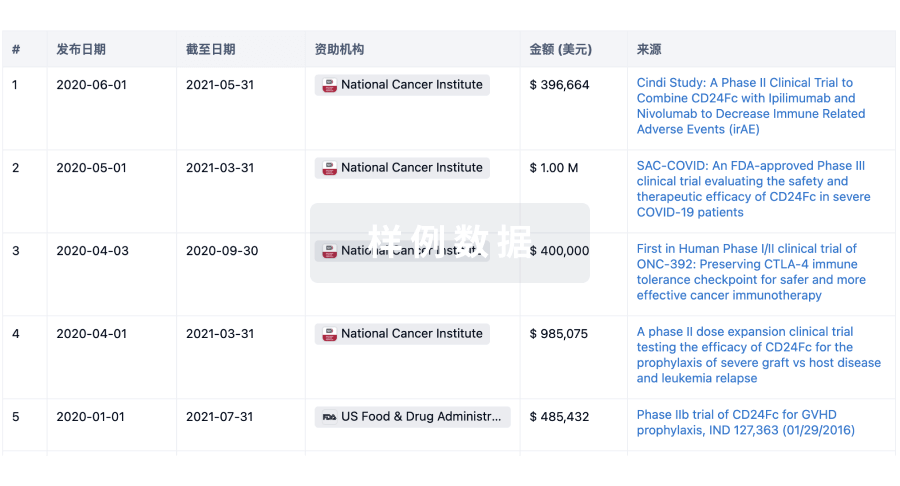
科研基金(NIH)
访问超过 200 万项资助和基金信息,以提升您的研究之旅。
登录
或
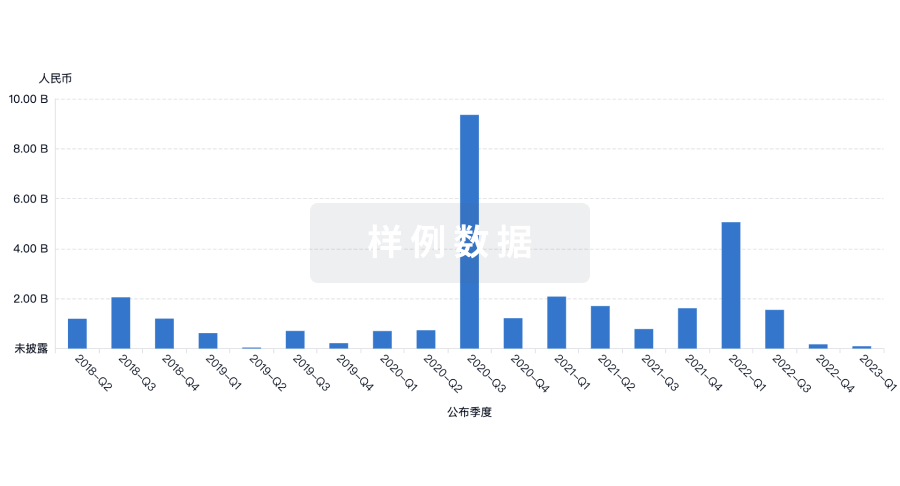
投资
深入了解从初创企业到成熟企业的最新公司投资动态。
登录
或
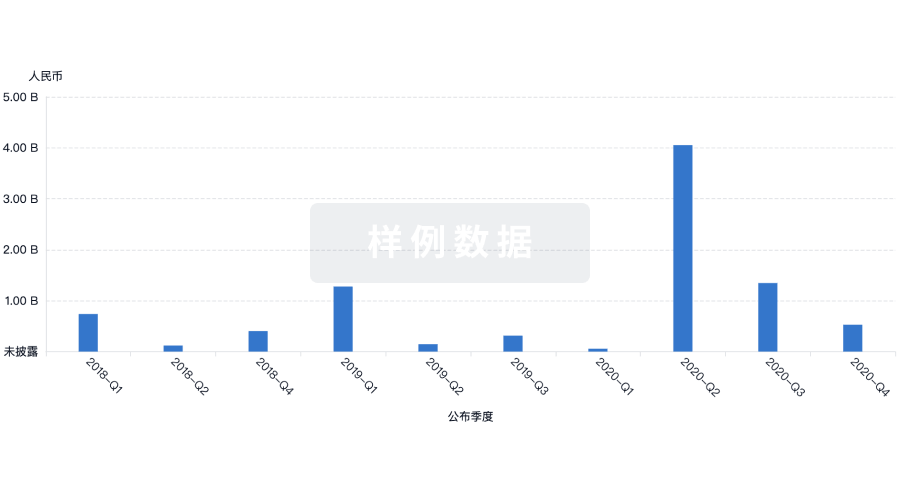
融资
发掘融资趋势以验证和推进您的投资机会。
登录
或
生物医药百科问答
全新生物医药AI Agent 覆盖科研全链路,让突破性发现快人一步
立即开始免费试用!
智慧芽新药情报库是智慧芽专为生命科学人士构建的基于AI的创新药情报平台,助您全方位提升您的研发与决策效率。
立即开始数据试用!
智慧芽新药库数据也通过智慧芽数据服务平台,以API或者数据包形式对外开放,助您更加充分利用智慧芽新药情报信息。
生物序列数据库
生物药研发创新
免费使用
化学结构数据库
小分子化药研发创新
免费使用