预约演示
更新于:2026-02-01

China Mengniu Dairy Co., Ltd.
更新于:2026-02-01
概览
关联
100 项与 中國蒙牛乳業有限公司 相关的临床结果
登录后查看更多信息
0 项与 中國蒙牛乳業有限公司 相关的专利(医药)
登录后查看更多信息
46
项与 中國蒙牛乳業有限公司 相关的文献(医药)2026-01-14·JOURNAL OF AGRICULTURAL AND FOOD CHEMISTRY
Comparative Proteomics Profiling of Milk Fat Globule Membrane Protein Powders from Bovine Buttermilk and Cheese Whey
Article
作者: Yan, Qingquan ; Li, Bozhao ; Pei, Yin ; Liu, Lu ; Si, Kuolin ; Zong, Xuexing ; Zhang, Mengxueyao ; Li, Xiaodong
The milk fat globule membrane (MFGM), derived from dairy byproducts, possesses numerous beneficial physiological functions. However, systematic comparisons of MFGM protein powders (MFGMPs) from different raw materials and processing conditions remain limited. This study employed Astral-DIA-based label-free quantitative proteomics to characterize four MFGMPs: sweet buttermilk-MFGMP (SBMP), acid buttermilk-MFGMP (ABMP), sweet cheese whey-MFGMP (SWMP), and acid cheese whey-MFGMP (AWMP). A total of 1624 proteins were identified, including 487 significant differential abundance proteins (DAPs), demonstrating that both raw material and processing method significantly influence protein composition. SBMP exhibited the highest retention of immune-related proteins, whereas acid-treated samples (ABMP, AWMP) were enriched in lipid metabolism-associated proteins. Conversely, cheese whey-based ingredients (SWMP, AWMP) showed greater susceptibility to protein loss during thermal and enzymatic processing. These findings provide a theoretical basis for optimizing dairy byproducts valorization and developing tailored MFGMP ingredients for functional foods targeting immune, metabolic, and gut health.
2025-12-01·INTERNATIONAL JOURNAL OF BIOLOGICAL MACROMOLECULES
Use of sonication and sodium alginate to synergistically modify milk proteins: Network reinforcement mechanism for shelf-stable ambient-temperature-storage yogurt
Article
作者: Ma, Yutong ; Li, Hongliang ; Mintah, Benjamin Kumah ; Dabbour, Mokhtar ; Zhang, Shengqi ; He, Ronghai ; Yang, Dong ; Ren, Xiangdong ; Niu, Shizhen ; Xu, Yujia ; Wu, Minquan
To address the stability decline of ambient-temperature-storage yogurt (ATSY) caused by gel network damage during secondary pasteurization, this study introduces a novel synergistic ultrasound‑sodium alginate (US-SA) modification strategy and optimizes its process parameters via response surface methodology (US: 192 W, 28 kHz, 8 min; SA: 0.2 %). Compared to the control, synergistic treatment increased the water-holding capacity (WHC) of yogurt by 14.78 %, surpassing the effects of US alone (4.15 %) and SA alone (8.67 %). Synergistic treatment also markedly improved texture, increasing hardness, gumminess, and chewiness by 48.1 %, 62.1 % and 40.6 % relative to the control, while enhancing rheological performance, as indicated by the highest storage (G') and loss (G") moduli and the greatest apparent viscosity. To elucidate the mechanism, ultrasonication alone first fragmented SA via cavitation, cleaving its backbone to reduce molecular weight and alter the M/G ratio, thereby increasing the proportion of rigid G-blocks, strengthening Ca2+ binding in "egg-box" structures, and lowering solution viscosity to aid dispersion. Simultaneously, ultrasound modified milk proteins by decreasing particle size, intensifying surface negative charge and hydrophobicity, and elevating free sulfhydryl content while decreasing disulfide bonds. It also increased β-sheet and α-helix content at the expense of random coils and enhanced intrinsic fluorescence, thereby improving the hydrophobic microenvironment. During fermentation, the low-molecular-weight SA penetrated the refined casein network, forming an interpenetrating matrix with milk proteins via electrostatic interactions and calcium ion bridging, together forming a dense and homogeneous three-dimensional gel network. This study offers a novel strategy for stabilizing ATSY products with minimal use of additives.
2025-12-01·FOOD RESEARCH INTERNATIONAL
Unraveling gelation in ultra-high-temperature sterilized milk: compositional changes and proteomic characterization
Article
作者: Wu, Junrui ; Zhao, Sanjun ; Cheng, Fangjian ; Wu, Rina ; He, Kairu ; Yao, Guoxin ; Bao, Yufei ; Min, Jie ; Zhang, Dexi ; Zhang, Shuli
Gelation is the most serious quality issue during storage of UHT milk. While endogenous enzymatic activity is acknowledged as a contributing factor, the precise molecular mechanisms governing casein micelle destabilization and gel network formation remain incompletely elucidated. This study provides the first physicochemical characterization and proteomic identification of potential biomarkers associated with gelation in UHT milk. Plasmin system dysregulation was found to accelerate casein hydrolysis, concomitant with physicochemical alterations including elevated acidity, particle size, and viscosity. Proteomics identified 247 proteins, with 113 differentially expressed. These proteins primarily included plasmin system-associated proteins, calcium-binding proteins, and lipid metabolism regulators. Dysregulation of the plasmin system (including reduced activity of plasmin inhibitors such as α-2-antiplasmin, α-2-macroglobulin, and serpin A3-8) was identified as a core mechanism promoting casein hydrolysis and gel network formation. Calcium-binding proteins (e.g., S100-A12, annexin A1, and calreticulin) significantly promoted protein aggregation and gelation by mediating calcium ion release and recapture; S100-A12, in particular, may play a key role in gel network construction. Lipid metabolism disorders (such as apolipoprotein A-II/E upregulation) exacerbate fat globule aggregation, forming irreversible gelation with precipitated proteins. These insights not only deepen understanding of protein instability during storage but also provide potential biomarkers for early detection of gelation risk.
95
项与 中國蒙牛乳業有限公司 相关的新闻(医药)2026-01-30
开栏语:科技创新的核心竞争力,终究归于“质”的突破。从科技重大攻关的突破引领到研发投入的精准加码,从技术交易的高效流转到创新主体的梯队壮大,从科技招商聚链的精准发力到产业生态的迭代升级,呼和浩特正锚定现代化产业体系建设,以多维度变革推动科创能级系统性跃升。这场 “质变”,是资源配置的优化重构,是转化效能的量级提升,更是发展动能的迭代焕新。为深入贯彻落实自治区党委“1571”工作部署,全面展现首府科技创新实践成果,“青城科创”特推出《科技“质”变》专栏。专栏将聚焦五大核心维度,深度解码科技重大攻关的突破与引领之变、研发投入的强度与效能之变、技术合同的流转与价值之变、企业培育的梯队与生态之变、科技招商的聚链与拓域之变,全景呈现首府科技创新从量的积累到质的飞跃,以科技创新引领新质生产力发展,全力建设全区科技创新中心和人才高地的生动实践。 科技攻关“破壁垒”与“攀高峰”—— 激活新质生产力的核心密码统筹推进国家、自治区、市三级149项科技重大项目关键核心技术攻坚,财政科学技术支出累计达36.99亿元,其中2.19亿元支持91项市级科技重大项目,成功争取国家及自治区级支持资金24.6亿元……“十四五”以来,呼和浩特市以“首善之地”标准锚定科技创新方向,深入实施科技重大示范工程,创新构建“顶级专家+链主企业+产业园区”协同攻关模式,在新型储能、特色乳业、“人工智能+”等关键赛道持续发力,一批标志性创新成果接连涌现,推动科技创新从经济发展的“关键变量”,加速跃升为高质量发展的“最大增量”。 乳业攻坚 筑牢产业升级“压舱石”“我国乳业发展迅速,大家喝乳制品更方便了。但要想让乳业再上台阶,就得依靠乳品深加工、开发高附加值产品。以前,国内缺少吃奶酪习惯,市场有限,核心技术长期被国外掌控;而现在,我们迎来了突破的机会。”国家乳业技术创新中心主任何剑拿起一罐的“伊利轻活0乳糖奶粉”介绍道,这款新品采用行业首创的多重乳糖酶解技术,将牛奶中的乳糖完全分解,同时转化为原生乳益生元,不仅解决了乳糖不耐受人群的肠胃不适问题,还有助于促进肠道有益菌增殖。此外,中心还掌握了行业首创的高纯度β-酪蛋白制备技术,纯度超过80%,远超国际报道的20%,未来可以用于婴幼儿配方奶粉。国家乳业技术创新中心在乳铁蛋白、脱盐乳清等众多关键原料的技术突破,为乳基原料国产化替代提供了坚实的科学支撑。这份突破的背后,是科技部与自治区首次携手实施的乳业“部区联动”项目——“功能型乳制品创制与产业化示范”的强力托举。项目聚焦基础性、颠覆性技术攻关,针对传统奶业产品结构单一、精深加工不足、抗风险能力弱等痛点,通过技术攻关持续推动产业技术革新。与此同时,国家乳业技术创新中心科技攻关项目也传来捷报:科研团队累计收集1055头高产健康牛建立育种数据库,完成494头奶牛全基因组测序并成功开发育种芯片,筛选出762头抗病高产核心群,为乳业上游的优质种源提供坚实保障。国家乳业技术创新中心精密仪器实验室近年来,呼和浩特市以“重大项目+创新平台+顶级团队+产业基地”模式,围绕乳品深加工、特色奶酪、智慧牧场等方向攻关,乳铁蛋白分离制备等30项新技术全部实现产业化。其中,“母乳氨基酸组成与吸收模式研究”“改善儿童消化吸收和骨健康的营养乳品创制”在中国乳业技术博览会获技术进步特等奖、一等奖,实现“起跑就领先”。从实验室的菌种培育到牧场的奶牛育种,从生产线的技术革新到全产业链的协同发力,呼和浩特持续推动乳业产业提质升级,推动产业链向高技术含量、高附加值环节延伸,已构建起从“一棵草到一杯奶”的完整产业生态:伊利现代智慧健康谷、蒙牛中国乳业产业园两大千亿级“产城融合”项目拔地而起,“世界乳业科技之都”“中国奶业育种之都”的称号实至名归;全国最大的牧草种质资源库在此扎根,全球灌装速度最快的生产线于此运转。如今,乳业全产业链的科技升级,已然成为呼和浩特培育新质生产力的标杆实践。 人才赋能 破解核心技术“卡脖子”“过去高产优质的苜蓿品种难以在内蒙古的盐碱地区建植,现在我们研发的苜蓿品种,能在pH值9以上的土壤里生长,亩产干草达600-700公斤,还能节约10-15%的水资源!”草业国家技术创新中心相关负责人表示,中心联合冯起院士团队,已筛选出4份苜蓿新种质材料,建立起5000亩示范基地,下一步计划推广至整个华北地区,从根源上破解我国优质饲草短缺的难题。这一成果,正是呼和浩特构建“院士工作站+高层次团队”引才模式的直接体现。在金宇保灵生物药品有限公司的P3实验室里,另一场打破垄断的“攻坚战”正火热上演。中国科学院院士陈润生团队研发的mRNA疫苗递送系统,攻克了国外技术“卡脖子”难题——这条全自动化生产线的效率与传统系统相比提升5-10倍,成本大幅降低。研发平台总监李劼介绍,团队收集12种可大规模生产的脂质建立筛选库,针对猪流行性腹泻疫苗筛选出的高效递送系统,中和抗体滴度远超传统产品。目前该项目获呼和浩特市科技重大项目的支持,并申请1项专利,预计投产后每年可新增产值3亿元。而金宇生物投资3亿元建成的国内首家企业自建P3实验室,已获得非洲猪瘟等5项实验活动资质,其研发的布鲁氏菌病活疫苗去年上市后,市场占有率迅速突破20%。“今年还有4种新疫苗进入临床阶段,未来我们要打造全球领先的动物疫苗研发基地。”李劼的话语里满是信心。金宇保灵科研人员正在兽用疫苗国家工程实验室做病原分离推动创新资源向企业集聚,是促进科技创新和产业创新深度融合、强化企业科技创新主体地位的现实需要。截至目前,呼和浩特已聚引44位两院院士、231个高层次人才团队、724名高层次人才,与182家区内外知名高校及科研机构建立合作关系,建成21家院士工作站,海外研发中心增至15家。任发政、饶子和、冯起、闫楚良等院士团队人才纷纷汇聚草原,让人才链与产业链深度耦合,“呼和浩特是搞科研的好地方”,也渐渐成为越来越多科学家的共识。 前瞻布局 抢占未来产业“新赛道”“这不是普通的工厂,而是生物制造的核心中试基地!我们正打造全国首个同时具备‘固、液、气’全类型发酵的中试公共服务平台,吸引全国合成生物学企业、高校院所团队成果来呼和浩特中试转化。”呼和浩特市现代合成生物研究院院长闫建斌描绘的未来图景令人期待。作为呼和浩特市重点布局的未来产业,合成生物领域已出台专项支持政策,计划到2027年引进(孵化)企业超百家,产值突破500亿元,充分利用本地绿电、蒸汽资源优势,打造“研发在东部、生产在呼市”的全国联动新模式,推动人工智能与合成生物技术深度融合,原料、市场与合成生物企业双向赋能,新一代信息技术产业、绿色农畜加工产业与合成生物耦合发展。目前,呼和浩特市已上线了全国首个合成生物学生物智造数据交易专板,正在建设国内最大的合成生物学智算中心,投用后将为各类合成生物创新主体提供数据共享和智算服务,推动生物制造产业集聚和新质生产力塑造。正在施工中的空天跨尺度计量基准大科学装置与高性能光栅产业化项目空天领域的重大项目同样值得关注。总投资12.5亿元的空天跨尺度计量基准大科学装置与高性能光栅产业化项目,正在和林格尔新区加速推进。“这个项目建成后,能彻底解决高精度、大幅面光栅连续制造的难题,实现国家高端装备核心部件的自主可控。”项目负责人刘红忠介绍,预计2026年项目投产后,年产值可达10 亿元。呼和浩特市全面实施“人工智能 +”行动,以人工智能引领科研范式变革,抢占人工智能产业应用制高点。2025年自治区科技重大项目中该领域呼和浩特市就有5个项目,由中国铁塔内蒙古分公司、内蒙古地质矿产集团、内蒙古林草生态建设公司等驻呼国有企业承担3项,市属企业内蒙古云养牛科技与内蒙古方向图科技承担2项。如今,呼和浩特科技重大项目的成果已遍地开花:不仅有乳业、疫苗、牧草领域的技术突破,更有“猪用重组口蹄疫O型、A型二价灭活疫苗的创制与应用”获国家技术发明二等奖,“优良乳酸菌种质资源挖掘与产业化关键技术创制及应用”“北方农牧交错区风蚀退化农田地力培育关键技术与应用”2项成果获国家科技进步二等奖。下一步,呼和浩特市将继续以首善之地的标准,不断提升首府首位度、显示度,在落实自治区党委“1571”工作部署上当好先锋。这座扎根草原的城市,正以科技创新为笔,在高质量发展的画卷上,书写着越来越壮阔的篇章。(规划与平台建设科 农牧业与社会发展科技科 生物医药专班 科技合作科 综合保障中心)
2026-01-30
本文内容整理自网络公开信息,仅供作者学习参考,不构成任何投资建议!如有侵权,请联系作者删除。
A股上市公司公告汇总(1月29日收盘后-1月30日8:00)战略合作与并购重组
江丰电子:拟以现金收购北京凯德石英股份有限公司(920179)控制权,交易完成后凯德石英将成为控股子公司,股票自1月30日起停牌不超过5个交易日
海南矿业:筹划通过发行股份及支付现金收购丰瑞氟业控制权并募集配套资金,股票自1月29日起停牌,预计不超过10个交易日
美芯晟:拟使用自有资金1.6亿元通过股权收购及增资方式取得上海鑫雁微电子股份有限公司100%股权,布局磁传感芯片领域
中油资本:收购英大期货100%股权已获国务院国资委批准股权变动与增减持
增持类:
金田股份:控股股东金田投资计划12个月内增持5000万元-1亿元公司股份,资金来源包括股票增持专项贷款
减持类:
鼎胜新材:股东北京普润平方及一致行动人拟合计减持不超3%公司股份(集中竞价1%+大宗交易2%)
康恩贝:持股7.04%股东康恩贝集团拟减持不超1%公司股份
崇德科技:持股8.76%股东、董事吴星明拟减持不超1%公司股份
时空科技:持股5.35%股东杨耀华拟减持不超3%公司股份(集中竞价1%+大宗交易2%)
纳芯微:两股东拟合计减持不超1.75%公司股份
华峰化学:四名股东拟合计减持不超0.73%公司股份
光莆股份:控股股东、实控人林文坤拟减持不超3%公司股份
德邦科技:持股6.01%股东舟山泰重创业投资拟减持不超2%公司股份
上海建工:持股14.64%股东国盛集团拟减持不超3%公司股份(集中竞价1%+大宗交易2%)
中来股份:持股16.36%股东、董事兼总经理林建伟拟减持不超过3268.88万股(占3%),减持所得优先用于履行私募基金投资本金差额补足承诺
宏昌科技:持股0.97%股东金华宏合创业投资拟减持不超过43万股(占0.33%)上市融资与再融资
北京利尔:拟向特定对象发行A股募集资金不超过10.34亿元,用于年产3万吨复合氧化锆及新能源与航空航天用锆基材料项目、创新研发中心建设项目、越南耐火材料生产基地建设项目及补充流动资金恒道科技:北交所IPO成功过会,主营业务为注塑模具热流道系统及相关部件研发、设计、生产与销售业绩预告(2025年度)
大幅预增:
世纪华通:预计净利润55.5-69.8亿元,同比增长357%-475%,自2023年起已实现收入连续12个季度环比增长
北摩高科:预计净利润1.9-2.2亿元,同比增长1076%-1262%,业务稳步增长且信用减值损失减少
江波龙:预计净利润12.5-15.5亿元,同比增长151%-211%,存储价格持续上涨,AI服务器需求爆发
海兰信:预计净利润同比增长387%-631%
杰普特:预计净利润2.62-3.09亿元,同比增长98%-133%,光通信业务快速切入市场
华光新材:预计净利润1.65-1.95亿元,同比增长105%-142%,AI液冷业务占总营收约5%
生益科技:预计净利润32.5-34.5亿元,同比增长87%-98%,覆铜板销量同比上升
中国船舶:预计净利润70-84亿元,同比增长66%-99%,高附加值船型占比提升
四川黄金:预计净利润4.2-4.8亿元,同比增长69%-93%,金精矿销售量增加及黄金价格上涨
金田股份:预计净利润7-8亿元,同比增长51%-73%,海外市场销量增长
蓝色光标:预计净利润1.8-2.2亿元,同比扭亏为盈,收入约720亿元
柳钢股份:预计净利润6.1-7.3亿元,同比扭亏为盈
恩捷股份:预计净利润1.09-1.64亿元,同比扭亏为盈,隔膜产品销量增长且价格企稳
东方通信:预计净利润3.6亿元左右,同比增长138.5%,处置交易性金融资产产生大额投资收益
苏美达:2025年营业总收入1178.03亿元,同比增长0.54%;净利润13.55亿元,同比增长18.01%
预减/亏损:
航天电子:预计净利润1.92-2.47亿元,同比减少55%-65%,2024年处置股权收益2.08亿元导致基数较高
万泰生物:预计亏损3.3-4.1亿元,疫苗市场整体承压
梦网科技:预计净亏损1.4-2.1亿元,传统云短信业务规模及毛利大幅下滑
三只松鼠:预计净利润1.35-1.75亿元,同比下降57%-67%,年货节结构性错档及坚果原料价格上涨
退市风险警示:
*ST奥维:股票连续二十个交易日总市值低于5亿元,将于1月30日起停牌并终止上市,成为2026年市值退市第一股项目中标与合同签订
中国通号:2025年11-12月共中标21个重大工程项目(8个铁路+13个城市轨道交通),金额约52.6亿元,约占2024年营收的16.2%
皖创环保:作为联合体中标"濉溪第二污水处理厂尾水深度处理及区域再生水循环利用工程"项目,中标金额合计约6646万元
山科智能:中标福建省水利投资集团两个采购项目,中标价分别为1046.62万元和5380.59万元
东方重工:全资子公司签订香港新界西堆填区扩建计划项目合同,包括胶带输送机及出料码头安装、固定生产线辅机供应与安装医药研发进展
恒瑞医药:创新药注射用卡瑞利珠单抗联合甲磺酸阿帕替尼片新适应症的上市许可申请获受理,截至公告日阿帕替尼累计研发投入约6.4亿元
汇宇制药:全资子公司汇宇海玥收到国家药监局核准签发的《药物临床试验批准通知书》,化学创新药HYP-6589片用于与奥...(联合用药)获得临床试验批准
上海医药:下属正大青春宝药业自主研发的七味防己黄芪颗粒(用于慢性心力衰竭)和芪苓颗粒(用于痛风发作间歇期)均获得临床试验批准通知书,分别为中药1.1类创新药
福元医药:小核酸及小核酸递送系统研发平台N-ER平台进展最快的管线正在进行I期临床实验;FY101(I期临床效果达到预期);FY103注射液已于2025年12月申报IND并获受理担保与质押
股权质押:
宇晶股份:控股股东杨宇红质押218万股(占其所持5.39%),用于自身资金需求,称不存在平仓风险
安孚科技:将持有的全资子公司安孚能源2.21%股权质押给平安银行,为并购贷款提供担保(担保范围5300万元)
至正股份:控股股东一致行动人领先半导体将其持有的部分股票进行质押
华钰矿业:控股股东西藏道衡解除质押2800万股,剩余质押股份2056.6万股(占其所持16.48%)
福达股份:控股股东部分股份质押解除及再质押公司变动与治理
停牌复牌:
江丰电子:因筹划收购凯德石英控制权,股票自1月30日起停牌
白银有色、北方铜业、湖南黄金、西部黄金、招金黄金、晓程科技、中曼石油、洲际油气、石化油服:发布股票交易异常波动公告,提示黄金价格、原油价格波动及市场情绪过热风险
人事变动:
妙可蓝多:创始人柴琇被免去副董事长、总经理及法定代表人职务,聘任"蒙牛系"高管蒯玉龙为新任总经理,公司全面进入"蒙牛时代"
中国联通:股东结构调整基金持股比例由6.08%减少至5.00%,已减持至举牌线以下
益生股份:控股股东曹积生为子公司江苏益生提供无息借款5000万元
其他:
华安证券:2025年营业总收入50.64亿元,同比增长30.94%;净利润21.04亿元,同比增长41.64%
赛福天:控股公司安徽美达伦光伏科技有限公司临时停产检修,预计不超过60天
中科曙光:2025年中期A股每股现金红利0.07元,合计拟派发现金红利1.02亿元
2026-01-27
🏅 私人AI投顾 🏅
💰今日市场关注焦点在于地缘风险升温与AI产业突破。中东局势紧张推升避险情绪,黄金、白银价格剧烈波动,但需警惕短期获利了结压力。AI领域利好频出,阿里发布千问旗舰模型,百度上调AI收入目标,英伟达投资CoreWeave,显示产业景气度持续高涨,可关注算力、应用及国产替代相关标的。生物医药板块受业绩预盈及合作消息提振,亦存在结构性机会。整体策略建议:短期可适度关注贵金属板块的波动性机会,但应以快进快出为主;中期重点配置AI产业链及业绩向好的生物医药股,注意避开受地缘政治和关税影响的出口型板块。市场情绪受多重因素拉扯,预计将呈现震荡格局,建议控制仓位,保持灵活性。
股市有风险,投资需谨慎。
盘前财经要闻摘要
2026-01-27 08:23
阿里正式发布千问旗舰推理模型
阿里巴巴(BABA)
2026-01-27 08:20
伊朗外交部:将以更强硬手段回应侵略
2026-01-27 08:14
英矽智能与齐鲁制药达成超过9.31亿港元药物研发合作
英矽智能(HK3696)
2026-01-27 08:11
法国国民议会通过法案 禁止15岁以下未成年人使用社交媒体
2026-01-27 08:11
经济日报:发达经济体高债务模式难为继
2026-01-27 08:09
“林肯”号航母打击群一两天内即可对伊朗动武
2026-01-27 08:07
期货早报:上期所“重拳出击”!伦敦银抹去14%涨幅 黄金回落超100美元
2026-01-27 08:06
百度智能云上调AI相关收入增速目标至200%
百度(BIDU)
2026-01-27 08:02
日韩股市集体低开
2026-01-27 08:00
又一领域达最高纪录 我国成功研制场强35.6T全超导磁体
2026-01-27 07:57
国恩股份:H股发行价格区间初步确定为34港元至42港元
国恩股份(002768)
2026-01-27 07:50
安踏体育:拟以约人民币122.78亿元收购PUMA SE的29.06%股权
安踏体育(HK2020)
2026-01-27 07:49
特朗普施压伊朗:美军派遣舰队规模更庞大
2026-01-27 07:48
北京楼市新政满月:中介平台二手房交易量提升三成,优质新房来访转化率提升
2026-01-27 07:46
欧盟严控俄外交官申根区跨境出行
2026-01-27 07:44
光明日报整版聚焦:日常考试减少了,“教、学、评”焕发新气象
2026-01-27 07:36
中方在联合国安理会驳斥美国代表关于南海问题的错误言论
2026-01-27 07:35
证券时报头条评论:以差异化披露推动“龙虎榜”高质量发展
2026-01-27 07:29
银行等机构积极响应财政贴息政策
2026-01-27 07:28
以色列释放9名巴勒斯坦在押人员
2026-01-27 07:28
韩国汽车股盘前下跌 受特朗普关税威胁影响
2026-01-27 07:28
雪佛龙委内瑞拉分公司负责人:公司将继续推进石油改革相关谈判
雪佛龙(CVX)
2026-01-27 07:22
2026年碳酸锂基本面或重归紧平衡
宁德时代(300750) 宁德时代(HK3750) 国轩高科(002074)
2026-01-27 07:17
钠电池进入商业化应用阶段 概念股1月以来涨幅排名出炉
金银河(300619) 利民股份(002734) 宁德时代(300750) 道氏技术(300409) 先导智能(300450) 鹏辉能源(300438) 宁德时代(HK3750) 天赐材料(002709)
2026-01-27 07:17
韩总统府称将围绕特朗普加关税一事开会研究对策
2026-01-27 07:16
全球最大的白银ETF iShares Silver Trust持仓量较前日减少115.58吨
2026-01-27 07:16
全球最大的黄金ETF SPDR Gold Trust持仓较前日持平
2026-01-27 07:16
现货黄金站上5040美元/盎司
2026-01-27 06:56
北京最高大坝开建,将提升大石河流域防洪能力
2026-01-27 06:53
关键蛋白恢复衰老神经干细胞再生能力
2026-01-27 06:53
氧化石墨烯薄膜实现编程控制形变
2026-01-27 06:53
新方法利用量子纠缠同时测量多个物理参数
2026-01-27 06:50
特朗普:未完全排除外交解决伊朗问题的可能性
2026-01-27 06:38
巨额红包“助燃” 机构看好AI应用方向投资机遇
2026-01-27 06:38
经营贷利率“贴地飞行” 中小银行有点吃不消
2026-01-27 06:38
证监会今年开出“1号罚单”直指操纵市场行为
2026-01-27 06:26
特朗普:与明州州长“想法相近” 将处理执法枪击事件
2026-01-27 06:26
头部企业动作频频 钠电池商业化应用迎来关键节点
2026-01-27 06:25
行业景气度回暖叠加政策利好 逾50家生物医药A股公司2025年业绩预盈
2026-01-27 06:19
坚持做强主场 推进资本市场高水平双向开放
2026-01-27 06:14
美联储本周维持利率不变的概率为97.2%
2026-01-27 06:06
特朗普称提高对韩国关税
2026-01-27 05:53
民调显示特朗普移民政策支持率创其本届任期内新低
2026-01-27 05:49
现货铂金大跌逾6%
2026-01-27 05:36
现货白银抹去14%涨幅 现货黄金向下跌破5000美元
2026-01-27 05:24
黄金与白银在刷新历史高点后大幅回调
2026-01-27 05:20
伊朗外交部:武装力量将全力应对任何侵犯
2026-01-27 05:19
富时中国A50指数期货夜盘收涨0.08%
2026-01-27 05:11
美股医保概念股盘后普跌
哈门那(HUM) 联合健康(UNH)
2026-01-27 05:03
纳斯达克中国金龙指数收跌0.62%
2026-01-27 05:02
美股三大指数集体收涨
2026-01-27 04:59
输电网拥堵致芝加哥电力价格跌破零
2026-01-27 04:48
国际油价26日下跌
2026-01-27 04:41
美元指数26日下跌
2026-01-27 04:37
耐克据称将裁员775人
2026-01-27 04:32
北约秘书长称欧洲防务自主纯属做梦
2026-01-27 04:25
美国交通部长宣布关于改革联邦航空管理局组织架构的若干计划
2026-01-27 03:59
英国将成立“英版FBI”
2026-01-27 03:38
欧洲议会推迟决定是否恢复批准欧美贸易协议
2026-01-27 03:38
跨大西洋关系紧张 欧洲抵制美国世界杯的呼声日渐高涨
2026-01-27 03:24
乌克兰将战时状态和总动员令再延长90天
2026-01-27 03:06
美国北达科他州石油日产量减少8万-11万桶
2026-01-27 03:02
恒生指数主连夜盘收涨0.50%
2026-01-27 02:47
匈牙利总理称已要求召见乌克兰驻匈大使
2026-01-27 02:45
土耳其外长与哈马斯代表团讨论加沙停火协议执行情况
2026-01-27 02:39
加拿大总理:增强经济韧性 减少对美依赖
2026-01-27 02:38
美国2年期国债中标收益率低于发行前交易水平 吸引强劲需求
2026-01-27 02:35
沪银夜盘收涨超9.9%
2026-01-27 02:18
美联储隔夜逆回购协议(RRP)周一使用规模为14.89亿美元
2026-01-27 02:07
富时罗素提议为所有纳入英国指数的成分股公司设定10%的自由流通股比例
2026-01-27 02:06
黎巴嫩真主党:不会对针对伊朗的军事行动袖手旁观
2026-01-27 02:05
美国财政部拍卖690亿美元两年期国债,得标利率3.580%
2026-01-27 02:04
现货白银日内涨幅扩大至14%
2026-01-27 02:04
希腊食品厂爆炸事故已致5死多伤
2026-01-27 02:02
现货白银向上触及117美元/盎司
2026-01-27 01:53
现货白银日内涨幅扩大至13%
2026-01-27 01:52
桥水联席CIO对债券市场持谨慎态度 担忧美国财政和通胀风险
2026-01-27 01:51
卢拉与特朗普通电话 讨论两国关系和委内瑞拉局势
2026-01-27 01:48
泽连斯基:新一轮乌美俄会谈或于2月1日举行
2026-01-27 01:39
现货白银日内涨幅扩大至12%
2026-01-27 01:39
贝克休斯计划将未来三年的数据中心设备订单目标翻倍,至30亿美元
2026-01-27 01:38
美国天然气期货突破7美元/百万英热
2026-01-27 01:22
巴布亚新几内亚发生5.6级地震
2026-01-27 01:18
现货白银向上触及115美元/盎司
2026-01-27 01:09
美国缅因州小型飞机坠毁事故致7死1伤
2026-01-27 01:07
苏丹武装部队称解除南部重要城市围困
2026-01-27 01:06
现货白银涨超11%
2026-01-27 01:04
沪锡、沪镍夜盘收跌超1%
2026-01-27 01:02
美国天然气期货飙升逾25%
2026-01-27 00:58
乌拉圭中央银行将关键利率下调100个基点
2026-01-27 00:58
美军中央司令部:“林肯”号航母打击群“正部署到中东”
2026-01-27 00:54
巴武装组织称以色列故意拖延搜寻被扣押人员遗体
2026-01-27 00:46
欧洲主要股指收盘多数上涨
2026-01-27 00:34
美国财政部拍卖三个月期国债,得标利率3.580%
2026-01-27 00:33
美或要求日将防卫费占比增至5%
2026-01-27 00:23
匈牙利总理:将就欧盟禁止进口俄天然气提出异议
2026-01-27 00:18
现货白银日内涨幅扩大至10%
2026-01-27 00:16
现货白银向上触及113美元/盎司
2026-01-27 00:13
新兴市场ETF连续第14周录得资金流入 中国稳坐吸金榜榜首
2026-01-27 00:11
美国11月耐用品订单增幅创六个月来最大
2026-01-27 00:04
现货白银涨超9%
2026-01-27 00:03
微软发布最新人工智能芯片,旨在减少对英伟达的依赖
微软(MSFT)
2026-01-26 23:48
俄罗斯能源部提议提前解除汽油出口禁令
2026-01-26 23:34
美国稀土公司股价涨幅迅速收窄至6%
2026-01-26 23:32
美国1月达拉斯联储商业活动指数录得-1.2,为2025年7月以来新高
2026-01-26 23:30
贝莱德称2025年欧洲股票ETF吸引资金规模相当于此前十年
2026-01-26 23:28
阿里千问最强模型亮相,性能媲美GPT-5.2、Gemini 3 Pro
阿里巴巴(BABA)
2026-01-26 23:27
美国天然气期货涨超21%
2026-01-26 23:22
波兰铜业集团股价延续涨势,最新涨幅达8.4%
2026-01-26 23:19
空客新任商用飞机业务首席执行官:坚信氢将成为未来的燃料来源
2026-01-26 23:18
初步证据显示西班牙高铁事故由焊缝破裂引发
2026-01-26 23:17
现货白银涨8.54%,报112.02美元/盎司
2026-01-26 23:15
英特尔股价再跌5%
英特尔(INTC)
2026-01-26 23:10
国际白银价格加速上涨,伦敦银、纽约银分别大涨8%、10%
2026-01-26 23:07
华尔街两大投行预计美国企业盈利开始走出大型科技股独大
2026-01-26 23:05
墨西哥主要股指涨1.08%,创下68927.03点的历史新高
2026-01-26 23:04
阿联酋不会允许其领土被用于对抗伊朗
2026-01-26 23:01
期市夜盘收盘,国内期货主力合约多数下跌,棕榈油涨超1%
2026-01-26 22:58
上期所沪银主力合约大涨7%
2026-01-26 22:56
日本列车与卡车相撞事故已致1死8伤
2026-01-26 22:53
现货白银站上111美元/盎司
2026-01-26 22:51
上海奥科达医药科技股份有限公司 - B向港交所提交上市申请书
香港交易所(HK0388)
2026-01-26 22:51
摩根士丹利:黄金价格或升至 5700 美元
2026-01-26 22:44
2026年全国“老字号嘉年华”启幕
2026-01-26 22:43
据港交所文件:广州研趣信息科技股份有限公司向港交所提交上市申请书
香港交易所(HK0388)
2026-01-26 22:31
美股开盘:美股三大指数涨跌不一
小鹏汽车(XPEV) Meta(META) 超威半导体(AMD) 特斯拉(TSLA) 哔哩哔哩(BILI)
2026-01-26 22:16
拓必达(集团)控股有限公司向港交所提交上市申请书
香港交易所(HK0388)
2026-01-26 22:13
梅德韦杰夫:美“金穹”系统从根本上违背《新削减战略武器条约》
2026-01-26 22:11
金现代与晋西车轴达成安全生产智能管控平台项目三期合作
晋西车轴(600495) 金现代(300830)
2026-01-26 22:10
深圳市沃尔核材股份有限公司向港交所提交上市申请书
香港交易所(HK0388)
2026-01-26 22:08
美军航母进入美中央司令部印度洋责任区
2026-01-26 22:08
英伟达发布其全新Earth-2天气预报模型
谷歌C(GOOG) 英伟达(NVDA)
2026-01-26 22:05
据港交所文件:宁波舜宇智行科技股份有限公司向港交所提交上市申请书
香港交易所(HK0388)
2026-01-26 21:57
以军称找到最后一名被扣押人员遗体
2026-01-26 21:46
晶丰明源:拟发行股份及支付现金购买易冲科技100%股权并募集配套资金
晶丰明源(688368)
2026-01-26 21:44
埃塞俄比亚宣布该国马尔堡病毒病疫情结束
2026-01-26 21:36
中国贸促会副会长聂文慧会见美国思佳讯公司副总裁托德·莱平斯基一行
2026-01-26 21:34
新能源重卡公司DeepWay深向已完成11.77亿元的Pre-IPO轮融资
2026-01-26 21:32
冲绳地方法院判日本政府赔偿美军基地周边居民25亿日元
2026-01-26 21:31
美国11月耐用品订单环比增长5.3%,预估增长3.7%,前值为下降2.2%
2026-01-26 21:28
WTI原油日内走低1.00%,现报60.78美元/桶。布伦特原油现跌0.8%
2026-01-26 21:26
国投白银LOF:将于1月28日起暂停申购(含定期定额投资)业务
2026-01-26 21:17
星宇股份:向香港联交所递交H股发行并上市申请
星宇股份(601799)
2026-01-26 21:13
亿道信息:拟发行股份及支付现金购买成为信息100%股权
亿道信息(001314)
2026-01-26 21:12
上期所沪银主力合约大涨5%
2026-01-26 21:11
中基协:2025年私募基金管理规模22.15万亿再创新高
2026-01-26 21:10
有棵树:拟变更公司名称为行云科技
有棵树(300209)
2026-01-26 21:09
有棵树:第三季度净利润亏损1572.98万元 同比增亏
有棵树(300209)
2026-01-26 21:06
宇树科技将三登春晚
2026-01-26 21:06
2连板浙文互联:公司旗下“派智”数字人业务产生的收入和利润占比较小 对公司经营业绩无重大影响
浙文互联(600986)
2026-01-26 21:03
Coreweave美股盘前一度涨超10% 英伟达投资20亿美元CoreWeave股份
CoreWeave(CRWV) 英伟达(NVDA)
2026-01-26 21:02
上期所沪银主力合约涨超4%
2026-01-26 21:00
期市夜盘开盘,国内期货主力合约多数上涨,沪银涨超3%
沪银(ag9999) 沪金(au9999) 玻璃(FG9999)
2026-01-26 20:58
老铺黄金店员称近期没有调价通知
老铺黄金(HK6181)
2026-01-26 20:57
据港交所文件:京东智能产发股份有限公司向港交所提交上市申请书
香港交易所(HK0388)
2026-01-26 20:56
第161次中老缅泰湄公河联合巡逻执法行动启动
2026-01-26 20:53
广东省科技厅王月琴:开启量子算力商业化,谋划国际大科学计划
2026-01-26 20:52
豪声电子:预计2025年净利润同比下降56.85%-59.77%
豪声电子(920701)
2026-01-26 20:50
美国冬季暴风雪已造成至少13人死亡
2026-01-26 20:50
据港交所文件:常州星宇车灯股份有限公司向港交所提交上市申请书
香港交易所(HK0388)
2026-01-26 20:47
华控赛格:预计2025年净利润亏损9700万元–1.2亿元 同比转亏
华控赛格(000068)
2026-01-26 20:47
富士莱:预计2025年净利润同比增长282.17%-296.80%
富士莱(301258)
2026-01-26 20:46
天数智芯公布四代架构路线图与彤央边端产品
天数智芯(HK9903) 英伟达(NVDA)
2026-01-26 20:44
格力电器:目前对外合作客户覆盖超20家芯片设计公司
格力电器(000651)
2026-01-26 20:36
张文宏称二代测序足够检测尼帕病毒
2026-01-26 20:34
全国科技工作会议在京召开 丁薛祥出席会议并讲话
2026-01-26 20:34
中胤时尚:浙江证监局警示函指出的问题已整改完成
中胤时尚(300901)
2026-01-26 20:32
恩威医药:控股股东拟询价转让400万股股份
恩威医药(301331)
2026-01-26 20:27
迈为股份:近期公司经营情况及内外部经营环境未发生重大变化 公司在光伏行业的主要产品为太阳能电池丝网印刷设备等光伏电池生产设备
迈为股份(300751)
2026-01-26 20:23
COMEX白银期货暴涨9%
2026-01-26 20:22
现货白银大涨5%
2026-01-26 20:22
北京百普赛斯生物科技股份有限公司向港交所提交上市申请书
香港交易所(HK0388)
2026-01-26 20:18
东方日升:公司光伏产品未直接向商业航天卫星公司供货
东方日升(300118)
2026-01-26 20:17
郑州商品交易所就对二甲苯、瓶片、短纤期货及期权、精对苯二甲酸期权引入境外交易者相关业务规则修订公开征求意见
2026-01-26 20:16
东方日升:预计2025年净亏损23亿元-29亿元 同比减亏
东方日升(300118)
2026-01-26 20:15
开普检测:董事长姚致清、股东宋霞拟分别减持3%和0.2154%
开普检测(003008)
2026-01-26 20:13
*ST中基:预计2025年净利润亏损5500万元-3500万元 同比减亏
*ST中基(000972)
2026-01-26 20:09
中国人民银行召开2026年宏观审慎工作会议
2026-01-26 20:08
九鼎新材:全资子公司甘肃九鼎收购甘肃九鼎新能源100%股权
九鼎新材(002201)
2026-01-26 20:08
蓝盾光电:预计2025年净利润亏损7000万元–9500万元 同比由盈转亏
蓝盾光电(300862)
2026-01-26 20:07
ST英飞拓:预计2025年净利润亏损2.4亿元–3.1亿元
ST英飞拓(002528)
2026-01-26 20:07
国家药监局召开药品信息化追溯工作座谈会
2026-01-26 20:02
奇点国峰:附属公司上海绘流与沐曦股份达成GPU分销合作协议
奇点国峰(HK1280)
2026-01-26 20:00
爱舍伦:向摩洛哥孙公司增资1500万欧元
爱舍伦(920050)
2026-01-26 19:58
众生药业:预计2025年净利润为2.6亿元-3.1亿元,同比扭亏为盈
众生药业(002317)
2026-01-26 19:57
全球最大规模压缩空气储能项目全面投产
2026-01-26 19:56
上海静安区国企收购老公房“以旧换新”?房管部门:正在收集房源
2026-01-26 19:54
三元基因:股东张红斌拟减持不超过2%
三元基因(920344)
2026-01-26 19:53
联科科技:控股子公司拟投资5.1亿元建设高分散二氧化硅配套年产45万吨高纯净固体硅酸钠原料改扩建项目
联科科技(001207)
2026-01-26 19:51
哈马斯发言人呼吁以色列落实加沙停火协议相关承诺
2026-01-26 19:50
众兴菌业:每10股派发现金红利1.5元
众兴菌业(002772)
2026-01-26 19:50
众兴菌业:预计2025年净利润同比增长134.32%-173.37%
众兴菌业(002772)
2026-01-26 19:49
中芬企业在京签署多项商业协议
2026-01-26 19:49
盛视科技:预计2025年净利润同比下降50.26%-64.55%
盛视科技(002990)
2026-01-26 19:48
1月26日 周一《新闻联播》要闻17条
2026-01-26 19:48
中科美菱:方荣新代行董事长职责
中科美菱(920992)
2026-01-26 19:46
以色列否认民航情势吃紧的传言
2026-01-26 19:45
民政部公布新修订的《社会组织评估管理办法》今年3月1日起施行
2026-01-26 19:45
马化腾:游戏业务“强得可怕”,云业务已规模化盈利
2026-01-26 19:45
蘅东光:预计2025年净利润同比上升82.95%-110.05%
蘅东光(920045)
2026-01-26 19:43
一嗨出行与奇瑞汽车达成战略合作 5000台新车交付筑牢智慧出行生态
奇瑞汽车(HK9973)
2026-01-26 19:42
特宝生物:拟发行可转换公司债券募集资金不超过人民币15.33亿元
特宝生物(688278)
2026-01-26 19:40
比利时铁路员工罢工 乘客出行将受严重影响
2026-01-26 19:40
安路科技:拟向特定对象发行股票募资不超12.62亿元
安路科技(688107)
2026-01-26 19:39
“东北超”有望成为足球振兴与区域发展新亮点
2026-01-26 19:39
豆包手机疑回应马化腾
2026-01-26 19:38
超达装备:股东众达投资拟减持不超过1.55%
超达装备(301186)
2026-01-26 19:37
国际刑事法院:菲律宾前总统杜特尔特下月将面临听证会
2026-01-26 19:35
2026年全国卫生健康系统医政、医疗应急、外事工作会议在京召开
2026-01-26 19:35
浙海德曼:拟向特定对象发行股票募资不超过15.17亿元
浙海德曼(688577)
2026-01-26 19:29
戈碧迦:预计2026年度新增固定资产投资额度不超过人民币3亿元
戈碧迦(920438)
2026-01-26 19:28
建新股份:预计2025年净利润为负值
建新股份(300107)
2026-01-26 19:28
博亚精工:预计2025年净利润同比增长82.68%-128.36%
博亚精工(300971)
2026-01-26 19:28
华灿光电:预计2025年净利润亏损3.7亿元-5.3亿元 同比减亏
华灿光电(300323)
2026-01-26 19:27
菲律宾客船倾覆事故幸存者:没收到任何预警信号
2026-01-26 19:25
深圳国际量子研究院贺煜课题组在硅基量子计算领域实现重要突破
2026-01-26 19:25
紫金矿业:拟以280亿元收购联合黄金100%股权 联合黄金拥有金资源量533吨
紫金矿业(601899) Allied Gold(AAUC) 紫金矿业(HK2899)
2026-01-26 19:24
中科电气:预计2025年净利润同比增长50.00%-70.00%
中科电气(300035)
2026-01-26 19:23
九安医疗:预计2025年净利润同比增长21.05%-40.83%
九安医疗(002432)
2026-01-26 19:22
恒基达鑫:预计2025年净利润为负值 同比由盈转亏
恒基达鑫(002492)
2026-01-26 19:21
海科新源:与比亚迪锂电池签署电解液溶剂长期合作协议 每年供应至少10万吨产品
海科新源(301292)
2026-01-26 19:19
聚辰股份:公司已向香港联交所递交H股发行上市申请
聚辰股份(688123)
2026-01-26 19:18
中农联合:预计2025年净利润亏损1.28亿元-1.65亿元
中农联合(003042)
2026-01-26 19:17
李强主持召开各民主党派中央、全国工商联负责人和无党派人士代表座谈会
2026-01-26 19:13
印尼山体滑坡事故搜救持续 遇难者身份待确定
2026-01-26 19:13
翔宇医疗率先成立国内省级脑机接口康复设备技术创新中心
翔宇医疗(688626)
2026-01-26 19:08
冠中生态:拟2.55亿元收购杭州精算家51%股权
冠中生态(300948)
2026-01-26 19:08
*ST步森:预计2025年净利润为900万元-1300万元
*ST步森(002569)
2026-01-26 19:07
中国人民银行浙江省分行:2025年本外币贷款余额25.69万亿元,同比增长8%
2026-01-26 19:06
国家新闻出版署公布2026年1月份国产网络游戏审批信息,共177款游戏获批
2026-01-26 19:05
国家新闻出版署公布2026年1月份进口网络游戏审批信息,共5款游戏获批
2026-01-26 19:03
海利得:投资2亿元设立全资子公司实施纺丝油剂及LCP树脂等产业化项目
海利得(002206)
2026-01-26 19:03
*ST东晶:预计2025年净利润为负值 营业收入预计为3.4亿元-3.7亿元
*ST东晶(002199)
2026-01-26 19:02
欧盟启动对X平台的正式调查
2026-01-26 19:02
老凤祥:控股子公司拟出资5100万元设立老凤祥湖南公司
老凤祥(600612)
2026-01-26 19:02
NYMEX钯金主力合约大涨7% 铂金主力合约大涨6%
2026-01-26 19:01
海天股份:控股股东海天投资解除质押2.93%
海天股份(603759)
2026-01-26 18:58
中航成飞:预计2025年净利润同比增长5.47%-11.67%
中航成飞(302132)
2026-01-26 18:58
一年“消失”649家存款保险银行创新高,中小金融机构化险持续
2026-01-26 18:57
长虹美菱:董事长吴定刚因个人工作调整辞职
长虹美菱(000521)
2026-01-26 18:56
中铝国际:2025年新签合同总额468.36亿元,同比增长51.94%
中铝国际(601068) 中铝国际(HK2068)
2026-01-26 18:54
美移民执法风波持续发酵,明州州长与特朗普隔空“互呛”
2026-01-26 18:54
鼎龙股份:拟6.3亿元收购深圳市皓飞新型材料有限公司70%股权
鼎龙股份(300054)
2026-01-26 18:52
ST逸飞:预计2025年年度归母净利润亏损4800万元到6000万元
ST逸飞(688646)
2026-01-26 18:51
赛轮轮胎:拟对全资子公司赛轮香港增资不超5500万美元
赛轮轮胎(601058)
2026-01-26 18:50
燕东微:股东京国瑞已减持1%
燕东微(688172)
2026-01-26 18:48
黎巴嫩向联合国提交正式申诉 指控以色列2036起侵权行为
2026-01-26 18:48
我国新增81家全国甲级旅游民宿
2026-01-26 18:47
韩国前总理韩德洙就一审判决提起上诉
2026-01-26 18:47
川环科技:拟以自筹资金出资人民币1亿元对外投资设立“川环科技(安徽)有限公司”
川环科技(300547)
2026-01-26 18:47
川环科技:拟定增募资不超过10亿元
川环科技(300547)
2026-01-26 18:47
川环科技:拟与安徽当涂经济开发区管理委员会签订投资协议
川环科技(300547)
2026-01-26 18:45
青木科技:预计2025年净利润同比增长30%-50%
青木科技(301110)
2026-01-26 18:44
国科微:预计2025年净利润亏损1.8亿元–2.5亿元
国科微(300672)
2026-01-26 18:44
多家航司发布公告:中日航线免退改政策延至今年10月24日
2026-01-26 18:43
长信科技:股东新疆润丰已减持1.891795%
长信科技(300088)
2026-01-26 18:42
建龙微纳:股东深云龙拟减持不超过2%
建龙微纳(688357)
2026-01-26 18:41
和顺电气:预计2025年净利润亏损4200万元~4920万元
和顺电气(300141)
2026-01-26 18:40
庄园牧场:预计2025年净利润亏损5300万元—7500万元
庄园牧场(002910)
2026-01-26 18:38
西班牙高铁线路再现钢轨断裂 相关区段临时限速
2026-01-26 18:37
蒙草生态:和林PPP项目债务重组涉及8387.17万元
蒙草生态(300355)
2026-01-26 18:37
*ST双成:预计2025年净利润同比增长120.43%-129.37%
*ST双成(002693)
2026-01-26 18:36
风范股份收上交所问询函
风范股份(601700)
2026-01-26 18:36
昀冢科技:控股子公司增资扩股并引入投资方
昀冢科技(688260)
2026-01-26 18:36
昀冢科技:预计2025年年度净亏损约1.76亿元
昀冢科技(688260)
2026-01-26 18:35
伊朗外交部:面对威胁和挑衅 将坚决捍卫自身安全
2026-01-26 18:35
闻泰科技:股东累计减持公司总股本的2.77% 提前终止减持计划
闻泰科技(600745)
2026-01-26 18:34
海联金汇:预计2025年净利润同比增幅为438.94%~581.30%
海联金汇(002537)
2026-01-26 18:34
天威视讯:公司与中资网络信息安全科技有限公司签署战略合作协议
天威视讯(002238)
2026-01-26 18:34
ST德豪:预计2025年净利润为2200万元至3300万元
ST德豪(002005)
2026-01-26 18:31
富祥药业:预计2025年净利润亏损3900万元–5700万元
富祥药业(300497)
2026-01-26 18:31
中一科技:预计2025年归母净利润为6000万元至8000万元,同比扭亏为盈
中一科技(301150)
2026-01-26 18:31
豪威集团:拟认购爱芯元智于香港首次公开发行股份,预计认购总金额不超过5000万美金
豪威集团(HK0501) 豪威集团(603501)
2026-01-26 18:30
科创新源:预计2025年净利润同比增长73.62%~131.49%
科创新源(300731)
2026-01-26 18:30
康华生物:重组六价诺如病毒疫苗启动Ⅰ期临床试验并完成首例受试者入组
康华生物(300841)
2026-01-26 18:30
达嘉维康:预计2025年净利润亏损2.5亿元-3亿元
达嘉维康(301126)
2026-01-26 18:30
帝科股份:公司起诉两家公司,涉案金额达4亿人民币
帝科股份(300842)
2026-01-26 18:29
电连技术:预计2025年净利润同比下降56.13%—70.59%
电连技术(300679)
2026-01-26 18:29
捷邦科技:预计2025年归母净利润亏损4000万元至5500万元
捷邦科技(301326)
2026-01-26 18:29
吉林化纤:上海方大累计减持4803.89万股
吉林化纤(000420)
2026-01-26 18:29
福安药业:子公司收到药品注册证书
福安药业(300194)
2026-01-26 18:28
润都股份:获得沙库巴曲缬沙坦钠片药品注册证书
润都股份(002923)
2026-01-26 18:26
大连圣亚:预计2025年净利润为2200万元到3300万元 同比扭亏为盈
大连圣亚(600593)
2026-01-26 18:25
上大股份:股东姚新春已减持0.91%
上大股份(301522)
2026-01-26 18:25
万马科技:持股5%股东闫楠拟拍卖2.07%公司股份
万马科技(300698)
2026-01-26 18:24
宏力达:董事冷春田、赖安定分别减持0.39%和0.99%
宏力达(688330)
2026-01-26 18:23
天岳先进:预计2025年净利润为负,同比减少225.68%到203.34%
天岳先进(688234) 天岳先进(HK2631)
2026-01-26 18:23
太阳电缆:亿力集团拟减持不超3%股份
太阳电缆(002300)
2026-01-26 18:20
永辉北京一调改门店停业, 购物中心发声:系永辉自行闭店,确有欠租情况
永辉超市(601933)
2026-01-26 18:20
齐翔腾达:预计2025年净利润为负,同比下降2,183.35%~1,583.60%
齐翔腾达(002408)
2026-01-26 18:19
上期能源:关于调整国际铜期货相关合约涨跌停板幅度和交易保证金比例的通知
2026-01-26 18:19
ST思科瑞:股东通泰信、通元优博拟减持不超过3%
ST思科瑞(688053)
2026-01-26 18:19
蓝特光学:预计2025年年度净利润同比增长70.04%到81.38%
蓝特光学(688127)
2026-01-26 18:17
马化腾:微信不搞AI全家桶 将继续坚持去中心化
2026-01-26 18:15
多氟多:预计2025年净利润为2亿元–2.8亿元
多氟多(002407)
2026-01-26 18:15
奥瑞德:预计2025年年度净利润为1.2亿元到1.6亿元
奥瑞德(600666)
2026-01-26 18:13
登云股份:收到广东证监局行政监管措施决定书
登云股份(002715)
2026-01-26 18:13
ST八菱:预计2025年净利润同比增长60.04%~114.34%
ST八菱(002592)
2026-01-26 18:13
亿嘉和:预计2025年净利润为亏损3500万元到2400万元
亿嘉和(603666)
2026-01-26 18:13
登云股份:预计2025年净利润为负值
登云股份(002715)
2026-01-26 18:11
埃夫特:拟发行股份及支付现金购买资产 股票停牌
埃夫特(688165)
2026-01-26 18:11
埃夫特:预计2025年净亏损4.5亿元到5.5亿元
埃夫特(688165)
2026-01-26 18:09
康普顿:公司股票将于2026年1月27日复牌
康普顿(603798)
2026-01-26 18:09
天数智芯发布四代芯片路线图 2027年超越英伟达Rubin
天数智芯(HK9903)
2026-01-26 18:09
航天南湖:预计2025年净利润3126.96万元
航天南湖(688552)
2026-01-26 18:09
日本媒体人士:高市早苗错误言论极为轻率且不负责任
2026-01-26 18:08
德宏股份:董秘朱国强拟减持不超过0.0935%
德宏股份(603701)
2026-01-26 18:07
山子高科:实际控制人叶骥及一致行动人解除质押0.10%
山子高科(000981)
2026-01-26 18:07
郑中设计:预计2025年净利润同比增长35.19%~69.77%
郑中设计(002811)
2026-01-26 18:06
和达科技:预计2025年净利润亏损6000万元到7500万元
和达科技(688296)
2026-01-26 18:05
埃科光电:预计2025年年度净利润同比增加262.52%到345.20%
埃科光电(688610)
2026-01-26 18:04
妙可蓝多:控股股东内蒙蒙牛持股比例增至37.04%
妙可蓝多(600882)
2026-01-26 18:04
新北洋:预计2025年净利润同比增长44%-65%
新北洋(002376)
2026-01-26 18:04
恒生电子:预计2025年净利润同比增加17.83%
恒生电子(600570)
2026-01-26 18:04
甘肃省抗震救灾指挥部启动抗震救灾三级应急响应
2026-01-26 18:03
上海亚虹:股东谢亚明拟减持不超过3%
上海亚虹(603159)
2026-01-26 18:00
聚胶股份:预计2025年净利润同比增长123.91%-175.09%
聚胶股份(301283)
2026-01-26 17:58
颀中科技:高管周小青已减持0.01%股份
颀中科技(688352)
2026-01-26 17:58
习近平同越共中央总书记苏林通电话
2026-01-26 17:58
大博医疗:预计2025年净利润同比增长62.55%–70.96%
大博医疗(002901)
2026-01-26 17:58
宇新股份:预计2025年净利润为负值
宇新股份(002986)
2026-01-26 17:57
20CM两连板瑞华泰:2025年航天领域营收占比不足1%
瑞华泰(688323)
2026-01-26 17:55
8天5板四川黄金:公司目前经营情况正常 内外部经营环境未发生重大变化
四川黄金(001337)
2026-01-26 17:55
全球首次 人形机器人直连低轨高通量卫星试验成功
2026-01-26 17:54
和展能源:预计2025年净利润亏损5500万元–7500万元
和展能源(000809)
2026-01-26 17:54
国药现代:2025年净利润9.44亿元,同比下降12.85%
国药现代(600420)
2026-01-26 17:52
保龄宝:松径投资质押4.94%股份
保龄宝(002286)
2026-01-26 17:51
捷顺科技:预计2025年净利润同比增长75.23%-138.96%
捷顺科技(002609)
2026-01-26 17:51
据港交所文件:聚辰半导体股份有限公司向港交所提交上市申请书
香港交易所(HK0388)
2026-01-26 17:51
厦门钨业:控股子公司金龙稀土申请公开发行股票并在北交所上市辅导备案
厦门钨业(600549) 金龙稀土(874673)
2026-01-26 17:50
圣达生物:股东天台万健投资拟减持不超过3%
圣达生物(603079)
2026-01-26 17:47
江航装备:股东国新资本拟减持不超过1%
江航装备(688586)
2026-01-26 17:47
成大生物:预计2025年净利润同比减少59.34%-63.98%
成大生物(688739)
2026-01-26 17:46
南方铜业美股盘前涨超5%
南方铜业(SCCO)
2026-01-26 17:45
上期所:关于调整铜等期货相关合约涨跌停板幅度和交易保证金比例的通知
2026-01-26 17:44
淳中科技:预计2025年净利润同比增幅为208.86%到238.00%
淳中科技(603516)
2026-01-26 17:44
国务院任免国家工作人员
2026-01-26 17:44
普利特:预计2025年净利润同比增长155.76%-194.73%
普利特(002324)
2026-01-26 17:43
迪安诊断:预计2025年净利润为2800万元-4200万元,同比扭亏为盈
迪安诊断(300244)
2026-01-26 17:43
新特电气:预计2025年净利润为4000万元-5000万元
新特电气(301120)
2026-01-26 17:42
国星宇航发布全球首个服务硅基智能体的太空算力网
2026-01-26 17:41
上期所调整白银、锡期货相关合约交易限额
2026-01-26 17:41
华北制药:公司他克莫司胶囊(0.5mg、1mg)获得药品注册证书
华北制药(600812)
2026-01-26 17:41
安恒信息:预计2025年净利润为亏损6000万元到亏损4100万元,同比减亏69.67%到79.28%
安恒信息(688023)
2026-01-26 17:40
5连板白银有色:白银产品的收入占总营业收入的比重较低
白银有色(601212)
2026-01-26 17:37
河化股份:预计2025年净利润同比下降88.64%-92.43%
河化股份(000953)
2026-01-26 17:37
龙软科技:预计2025年年度净亏损4900万元-6000万元
2026-01-26 17:36
四方新材:预计2025年净利润亏损3亿元 同比亏损增加
四方新材(605122)
2026-01-26 17:36
综艺股份:预计2025年净利润同比增加264.05%
综艺股份(600770)
2026-01-26 17:35
2026年中国汽车工业协会政府座谈会成功召开
2026-01-26 17:34
俄总统新闻秘书:美国若袭击伊朗将严重破坏地区稳定
2026-01-26 17:34
华海药业:预计2025年净利润同比下降70%到80%
华海药业(600521)
2026-01-26 17:32
大禹生物:预计2025年亏损2600万元-3000万元
大禹生物(920970)
2026-01-26 17:32
中船科技:预计2025年年度净利润为-26亿元到-34亿元
中船科技(600072)
2026-01-26 17:31
南向资金今日净卖出8.26亿港元 中国移动遭净卖出居前
紫金矿业(601899) 小米集团-W(HK1810) 中国移动(HK0941) 腾讯控股(HK0700) 中国移动(600941) 紫金矿业(HK2899)
2026-01-26 17:26
ST立航:预计2025年归母净利润为-1.5亿元到-1.9亿元
*ST立航(603261)
2026-01-26 17:26
2连板豫光金铅:近期公司产品白银价格出现较大涨幅 未来白银价格能否继续上涨或维持高位存在不确定性
豫光金铅(600531)
2026-01-26 17:26
老乡鸡与国家体育总局训练局战略合作
2026-01-26 17:24
欧林生物:收到菲律宾GMP符合性证书
欧林生物(688319)
2026-01-26 17:24
三生国健:预计2025年净利润29亿元,同比增长311.35% 收到辉瑞就707项目支付的首付款确认收入约28.90亿元
三生国健(688336)
2026-01-26 17:23
先锋新材:预计2025年净利润为7094.85万元-8662.85万元
先锋新材(300163)
2026-01-26 17:22
国泰集团:预计2025年度净利润同比增长30.00%-50.00%
国泰集团(603977)
2026-01-26 17:22
康缘药业:运脾化痰通窍颗粒获临床试验批准
康缘药业(600557)
2026-01-26 17:22
上期所:对部分客户采取限制开仓监管措施
2026-01-26 17:21
中国海诚:2025年净利润3.43亿元,同比增长2.21%
中国海诚(002116)
2026-01-26 17:21
欧盟将全面禁止进口俄罗斯液化天然气
2026-01-26 17:21
宁波东力:预计2025年净利润同比上升324.74%-346.53%
宁波东力(002164)
2026-01-26 17:20
风范股份:拟3.83亿元收购炎凌嘉业51%股权
风范股份(601700)
2026-01-26 17:19
上期能源:关于对部分客户采取限制开仓监管措施的公告
2026-01-26 17:19
上海三大先导产业母基金公示第三批17只子基金
2026-01-26 17:18
申菱环境:预计2025年净利润同比增长77.39%-112.87%
申菱环境(301018)
2026-01-26 17:18
*ST佳沃:预计2025年净利润亏损3.9亿元-6.4亿元
*ST佳沃(300268)
2026-01-26 17:17
华数传媒:预计2025年净利润同比下降9.56%-18.79%
华数传媒(000156)
2026-01-26 17:17
美诺华:预计2025年年度净利润同比增加49.69%-84.11%
美诺华(603538)
2026-01-26 17:16
索通发展:预计2025年度净利润同比增加167.98%到212.03%
索通发展(603612)
2026-01-26 17:15
海螺水泥:2026年拟购买银行理财产品等单日最高余额合计不超过500亿元
海螺水泥(HK0914) 海螺水泥(600585)
2026-01-26 17:14
唯科科技、智身科技等成立新公司 含AI及机器人业务
唯科科技(301196)
2026-01-26 17:14
贝莱德(BlackRock)对ASMPT的多头持仓比例增至5.13%
香港交易所(HK0388) ASMPT(HK0522) 贝莱德(BLK)
2026-01-26 17:14
摩根大通(JPMorgan)对民生银行的多头持仓比例降至6.79%
香港交易所(HK0388) 摩根大通(JPM)
2026-01-26 17:14
贝莱德(BlackRock)对中国银行的多头持仓比例降至5.93%
香港交易所(HK0388) 贝莱德(BLK)
2026-01-26 17:14
摩根大通(JPMorgan)对中国石油股份的多头持仓比例增至5.34%
香港交易所(HK0388) 摩根大通(JPM)
2026-01-26 17:14
摩根大通(JPMorgan)对再鼎医药的多头持仓比例增至5.31%
香港交易所(HK0388) 再鼎医药(ZLAB) 再鼎医药(HK9688) 摩根大通(JPM)
2026-01-26 17:14
摩根大通(JPMorgan)对中兴通讯的多头持仓比例增至9.27%
香港交易所(HK0388) 摩根大通(JPM)
2026-01-26 17:14
摩根大通(JPMorgan)对哔哩哔哩-W的多头持仓比例降至16.79%
2026-01-26 17:14
摩根大通(JPMorgan)对洛阳钼业的多头持仓比例增至6.14%
香港交易所(HK0388) 摩根大通(JPM)
2026-01-26 17:13
贝莱德(BlackRock)对潍柴动力的多头持仓比例增至7.21%
香港交易所(HK0388) 潍柴动力(000338) 贝莱德(BLK)
2026-01-26 17:13
摩根大通(JPMorgan)对潍柴动力的多头持仓比例增至8.24%
香港交易所(HK0388) 潍柴动力(000338) 潍柴动力(HK2338) 摩根大通(JPM)
2026-01-26 17:13
摩根大通(JPMorgan)对瑞声科技的多头持仓比例增至7.28%
香港交易所(HK0388) 瑞声科技(HK2018) 摩根大通(JPM)
2026-01-26 17:13
摩根大通(JPMorgan)对碧桂园的多头持仓比例降至5.87%
香港交易所(HK0388) 摩根大通(JPM)
2026-01-26 17:13
花旗集团对潍柴动力的多头持仓比例增至5.55%
2026-01-26 17:13
摩根大通(JPMorgan)对联想集团的多头持仓比例降至6.53%
香港交易所(HK0388) 摩根大通(JPM)
2026-01-26 17:13
贝莱德(BlackRock)对金山软件的多头持仓比例增至5.18%
香港交易所(HK0388) 贝莱德(BLK) 金山软件(HK3888)
2026-01-26 17:13
花旗集团对阿里巴巴-W的多头持仓比例降至5.33%
香港交易所(HK0388) 阿里巴巴-W(HK9988)
2026-01-26 17:13
摩根大通(JPMorgan)对阿里巴巴-W的多头持仓比例增至8.15%
2026-01-26 17:13
通化东宝:预计2025年净利润为12.42亿元,实现扭亏为盈
通化东宝(600867)
2026-01-26 17:12
富吉瑞:预计2025年年度归母净利润亏损7200万元到-8800万元
富吉瑞(688272)
2026-01-26 17:12
新日股份:预计2025年年度净利润同比增加80%-125%
新日股份(603787)
2026-01-26 17:12
微芯生物:预计2025年净利润为5346万元,同比扭亏为盈
微芯生物(688321)
2026-01-26 17:11
商务部:支持有条件的地方打造出海综合服务港,上海等地积极探索已取得成效
2026-01-26 17:10
外交部提醒中国公民春节期间避免前往日本
2026-01-26 17:09
交控科技:预计2025年年度净利润同比增加86.44%
交控科技(688015)
2026-01-26 17:08
申联生物:取得《兽药GMP证书》和《兽药生产许可证》
申联生物(688098)
2026-01-26 17:08
博汇科技:预计2025年净利润为亏损1800万元-2600万元
博汇科技(688004)
2026-01-26 17:07
49条中日航线取消全部航班
2026-01-26 17:07
博力威:预计2025年净利润约5900万元,扭亏为盈
博力威(688345)
2026-01-26 17:07
天府文旅:预计2025年净利润亏损1500万元–3000万元
天府文旅(000558)
2026-01-26 17:07
广联达:预计2025年净利润同比增长50.15%-70.11%
广联达(002410)
2026-01-26 17:06
一心堂:预计2025年净利润同比增长127.79%-189.12%
一心堂(002727)
2026-01-26 17:06
国际医学:预计2025年净利润为亏损2.95亿元-3.15亿元
国际医学(000516)
2026-01-26 17:06
中远海科:预计2025年净利润同比下降71.79%-77.27%
中远海科(002401)
2026-01-26 17:05
武汉凡谷:预计2025年净利润为-1000万元至-1500万元 同比转亏
武汉凡谷(002194)
2026-01-26 17:05
国投白银LOF:将于1月27日开市起至当日10:30停牌
沪银(ag9999)
2026-01-26 17:04
振华风光:预计2025年净利润同比下降56.59%-63.73%
振华风光(688439)
2026-01-26 17:04
美力科技:终止向不特定对象发行可转换公司债券事项并撤回申请文件
美力科技(300611)
2026-01-26 17:04
Revolution Medicines美股盘前跌超19%
Revolution Medicines(RVMD)
2026-01-26 17:03
商务部副部长鄢东会见印度驻华大使罗国栋
2026-01-26 17:02
机构:受CPU、存储器价格同步上涨压力,预估一季度笔电出货量将季减14.8%
2026-01-26 17:02
新任美联储主席人选或本周出炉
2026-01-26 17:01
美股中概股盘前涨跌互现,阿里巴巴跌1%
百度(BIDU) 蔚来(NIO) 小鹏汽车(XPEV) 阿里巴巴(BABA) 拼多多(PDD) 小马智行(PONY) 富途控股(FUTU)
2026-01-26 17:01
天成自控:预计2025年度净利润为8000万元到9500万元
天成自控(603085)
2026-01-26 17:01
美股大型科技股盘前涨跌互现,特斯拉跌0.6%
苹果(AAPL) 谷歌A(GOOGL) Meta(META) 亚马逊(AMZN) 英伟达(NVDA) 特斯拉(TSLA) 微软(MSFT)
2026-01-26 16:58
ST景谷:预计2025年年度净利润为负值
ST景谷(600265)
2026-01-26 16:58
上海瀚讯:预计2025年亏损9500万元-1.3亿元
上海瀚讯(300762)
2026-01-26 16:57
日久光电:预计2025年净利润同比增长37.83%-77.85%
日久光电(003015)
2026-01-26 16:57
崇德科技:公司风电设备产品销售情况良好
崇德科技(301548)
2026-01-26 16:55
航天动力今日跌停,有1家机构专用席位净卖出1.04亿元
航天动力(600343)
2026-01-26 16:54
信科移动今日跌18.15%,有1家机构专用席位净卖出1.27亿元
信科移动(688387)
2026-01-26 16:54
天鹅股份:预计2025年净利润为7000万元到8000万元,同比增加0.98%到15.40%
天鹅股份(603029)
2026-01-26 16:54
沃尔德今日涨15.19%,3家机构专用席位净买入1.83亿元
沃尔德(688028)
2026-01-26 16:54
芯源微:预计2025年净利润同比减少62.53%到74.36%
芯源微(688037)
2026-01-26 16:53
益生股份:预计2025年净利润同比下降62.29%-70.23%
益生股份(002458)
2026-01-26 16:53
凤形股份:预计2025年净利润为1800万元--2200万元,同比扭亏为盈
凤形股份(002760)
2026-01-26 16:53
华润双鹤:获准公开发行面值总额不超30亿元公司债券
华润双鹤(600062)
2026-01-26 16:52
2025年烟台GDP突破1.1万亿,比上年增长6.1%
2026-01-26 16:52
远东股份:预计2025年净利润为4500万元-6500万元
远东股份(600869)
2026-01-26 16:51
艾可蓝:预计2025年净利润同比增长50.37%-100.49%
艾可蓝(300816)
2026-01-26 16:50
*ST威尔:预计2025年归净利润为1.9亿元-2.2亿元 同比扭亏为盈
*ST威尔(002058)
2026-01-26 16:50
国光电器:预计2025年净利润亏损8000万元-9850万元
国光电器(002045)
2026-01-26 16:50
依米康:预计2025年净利润为2500万元–3700万元,同比扭亏为盈
依米康(300249)
2026-01-26 16:50
据港交所文件:澜起科技股份有限公司通过港交所上市聆讯
香港交易所(HK0388)
2026-01-26 16:50
中国稀土:预计2025年年度净利润为1.43亿元-1.85亿元 同比扭亏为盈
中国稀土(000831) 中国稀土(HK0769)
2026-01-26 16:48
奥来德:向特定对象发行股票申请获得上海证券交易所审核通过
奥来德(688378)
2026-01-26 16:48
艾森股份:预计2025年净利润同比增长50.74%
艾森股份(688720)
2026-01-26 16:47
兰花科创:预计2025年净利润为-4.4亿元到-5.5亿元,同比由盈转亏
兰花科创(600123)
2026-01-26 16:44
商务部:2026年持续推进与海合会、瑞士、韩国、新西兰、太平洋岛国、中亚及非洲国家的自贸合作
2026-01-26 16:44
伊朗外交部:伊朗从未、也不会寻求核武器
2026-01-26 16:44
韩国前总理韩德洙就一审被判有期徒刑23年提出上诉
2026-01-26 16:44
千金药业:子公司获得铝碳酸镁咀嚼片药品注册证书
千金药业(600479)
2026-01-26 16:41
恒瑞医药:SHR-1049注射液获临床试验批准 国内外尚无同类药物获批上市
恒瑞医药(HK1276) 恒瑞医药(600276)
2026-01-26 16:41
海天集团全球总部在佛山启用
海天味业(603288) 海天味业(HK3288)
2026-01-26 16:40
2025年全国机动车达4.69亿辆 驾驶人达5.59亿人
2026-01-26 16:38
现货白银站上110美元/盎司
沪银(ag9999)
2026-01-26 16:38
*ST天山:预计2025年归母净利润亏损1600万元–2300万元 预计营业收入1.7亿元–2.2亿元
*ST天山(300313)
2026-01-26 16:36
福建证监局联合福建高院强化上市公司破产重整协作
2026-01-26 16:36
银龙股份:预计2025年度净利润同比增长40%至60%
银龙股份(603969)
2026-01-26 16:35
恒誉环保:预计2025年年度净利润同比增长约104.14%
恒誉环保(688309)
2026-01-26 16:34
李想临时召开线上公司全员会,不谈汽车谈AI
2026-01-26 16:34
派斯林:预计2025年年度净利润亏损3.3亿元至2.5亿元 同比由盈转亏
派斯林(600215)
2026-01-26 16:33
金春股份:预计2025年净利润同比增长165.04%-184.43%
金春股份(300877)
2026-01-26 16:32
锦盛新材:预计2025年归母净利润亏损4500万元-7500万元
锦盛新材(300849)
2026-01-26 16:32
中来股份:预计2025年亏损10亿元-15亿元
中来股份(300393)
2026-01-26 16:32
COMEX白银期货大涨8%
2026-01-26 16:30
西部证券:获准向专业投资者公开发行面值总额不超过180亿元公司债券
西部证券(002673)
2026-01-26 16:29
北特科技:预计2025年净利润同比增加60.98%-74.98%
北特科技(603009)
2026-01-26 16:29
概伦电子:预计2025年净利润3600万元左右
概伦电子(688206)
2026-01-26 16:29
科力远:预计2025年年度净利润同比增长72.76%到102.20%
科力远(600478)
2026-01-26 16:28
珂玛科技:预计2025年净利润同比下降8.00%至增长8.00%
珂玛科技(301611)
2026-01-26 16:28
商务部:中方赞同改进世贸组织决策机制,呼吁更多成员加入多方临时上诉仲裁安排
2026-01-26 16:28
兆日科技:预计2025年净利润为-2200万元至-1500万元
兆日科技(300333)
2026-01-26 16:28
红太阳:拟发行不超过2亿美元境外债券
红太阳(000525)
2026-01-26 16:28
华智数媒:预计2025年净利润为-4.1亿元至-3.5亿元
华智数媒(300426)
2026-01-26 16:28
中钨高新今日涨停,2家机构专用席位净买入1.53亿元
中钨高新(000657)
2026-01-26 16:27
回盛生物今日20cm涨停,4家机构专用席位净买入1.17亿元
回盛生物(300871)
2026-01-26 16:27
商务部:将优化实施消费品以旧换新 促进家电等大宗耐用商品消费
2026-01-26 16:27
南凌科技今日涨12.02%,4家机构专用席位净买入1.19亿元
南凌科技(300921)
2026-01-26 16:26
通宇通讯今日涨5.90%,有1家机构专用席位净卖出1.08亿元
通宇通讯(002792)
2026-01-26 16:26
今年如何稳外贸?商务部回应
2026-01-26 16:26
中青旅:2025年净利润8388.72万元,同比下降47.72%
中青旅(600138)
2026-01-26 16:26
晓程科技今日20cm涨停,2家机构专用席位净买入1.01亿元
晓程科技(300139)
2026-01-26 16:26
北玻股份:预计2025年净利润同比下降56.98%-37.13%
北玻股份(002613)
2026-01-26 16:25
兴业银锡今日涨停,有4家机构专用席位净卖出2.77亿元
兴业银锡(000426)
2026-01-26 16:25
铜陵有色今日涨停,有4家机构专用席位净卖出4.11亿元
铜陵有色(000630)
2026-01-26 16:24
海格通信今日跌停,2家机构专用席位净买入1.43亿元
海格通信(002465)
2026-01-26 16:24
湖南白银今日涨停,有1家机构专用席位净卖出1.39亿元
湖南白银(002716)
2026-01-26 16:23
网宿科技今日20cm涨停,2家机构专用席位净买入2.62亿元
网宿科技(300017)
2026-01-26 16:23
富淼科技:预计2025年净利润1280万元到1900万元
富淼科技(688350)
2026-01-26 16:21
今日全国碳市场收盘价较前一日上涨0.98%
2026-01-26 16:21
森鹰窗业:预计2025年净利润亏损4200万元-5300万元
森鹰窗业(301227)
2026-01-26 16:20
均胜电子:预计2025年年度净利润约13.5亿元 同比增长40.56%
均胜电子(HK0699)
2026-01-26 16:17
浙江正特:预计2025年净利润为3400万元至4000万元
浙江正特(001238)
2026-01-26 16:16
先达股份:预计2025年净利润1.35亿元到1.55亿元 同比扭亏为盈
先达股份(603086)
2026-01-26 16:15
商务部:今年将大力发展服务贸易 出台扩大入境消费政策措施
2026-01-26 16:15
雅创电子:发行股份及支付现金购买资产并募集配套资金的申请文件获得深交所受理
雅创电子(301099)
2026-01-26 16:15
华天酒店:预计2025年净利润为负值
华天酒店(000428)
2026-01-26 16:14
海立股份:预计2025年年度净利润同比增加92%-130%
海立股份(600619)
2026-01-26 16:11
蓝箭电子:预计2025年净利润为负值
蓝箭电子(301348)
2026-01-26 16:10
全球首发!“成都造”仿真软件正式亮相
2026-01-26 16:10
港股收评:恒生科技指数跌1.24%,恒生指数涨0.06%
2026-01-26 16:09
国家中医药局:基层医疗卫生机构中医馆覆盖率已达97%
2026-01-26 16:08
我国将启动建设国家数字贸易示范区
2026-01-26 16:07
江龙船艇:预计2025年净利润亏损9000万元–1.2亿元 同比由盈转亏
江龙船艇(300589)
2026-01-26 16:06
中日航线免费退改签延长到10月24日
2026-01-26 16:06
中国人民银行副行长邹澜:上海黄金交易所在港设立交割库并上市相关合约
2026-01-26 16:05
伊朗将对侵略作出令敌人遗憾的回应
2026-01-26 16:04
奥福科技:预计2025年净利润为1000万元到1500万元 同比扭亏为盈
奥福科技(688021)
2026-01-26 16:04
亨迪药业:公司通过美国FDA现场检查
亨迪药业(301211)
2026-01-26 16:03
邦基科技:预计2025年净利润同比增加119.43%-169.30%
邦基科技(603151)
2026-01-26 16:03
品高股份:预计2025年净利润亏损4400万元到5400万元
品高股份(688227)
2026-01-26 16:03
二六三:预计2025年归母净利润亏损2.2亿元-3.2亿元
二六三(002467)
2026-01-26 16:02
广济药业:预计2025年归母净利润为亏损5.18亿元至3.99亿元
广济药业(000952)
2026-01-26 16:01
华如科技:预计2025年净利润为负,同比减亏
华如科技(301302)
2026-01-26 16:01
欧洲主要股指开盘多数上涨
2026-01-26 16:01
六国化工:预计2025年净利润亏损4.8亿元到4.1亿元
六国化工(600470)
2026-01-26 16:00
德才股份:预计2025年净利润为5100万元到6100万元
德才股份(605287)
订阅目录合集
及时接收最新消息
并购
100 项与 中國蒙牛乳業有限公司 相关的药物交易
登录后查看更多信息
100 项与 中國蒙牛乳業有限公司 相关的转化医学
登录后查看更多信息
组织架构
使用我们的机构树数据加速您的研究。
登录
或
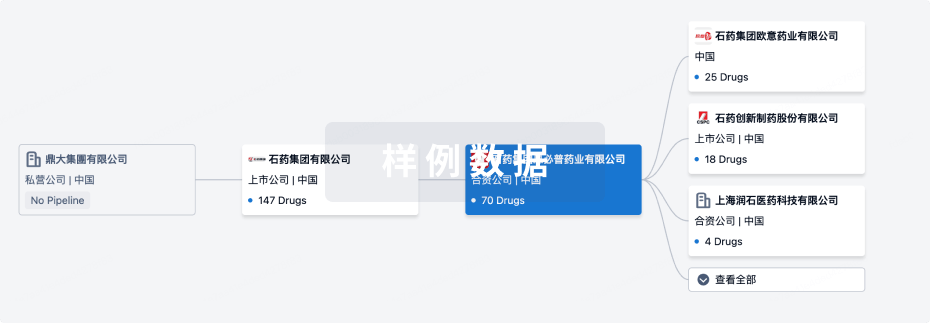
管线布局
2026年02月07日管线快照
无数据报导
登录后保持更新
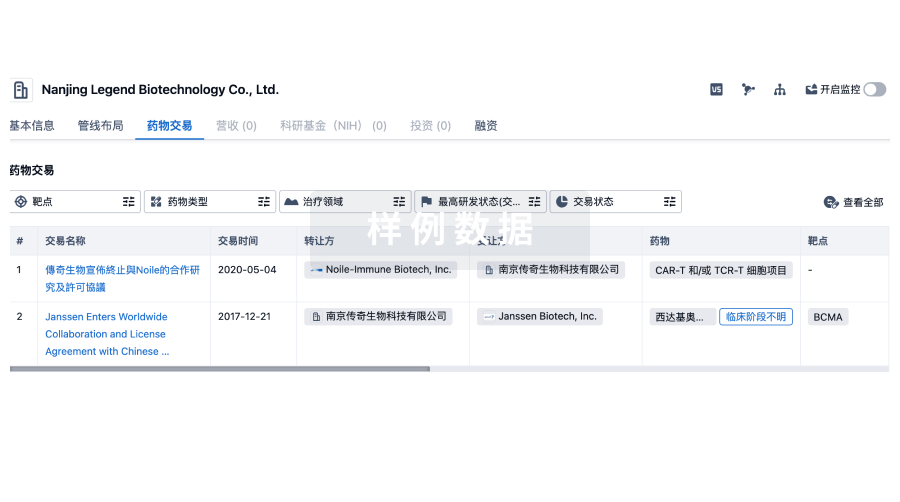
药物交易
使用我们的药物交易数据加速您的研究。
登录
或
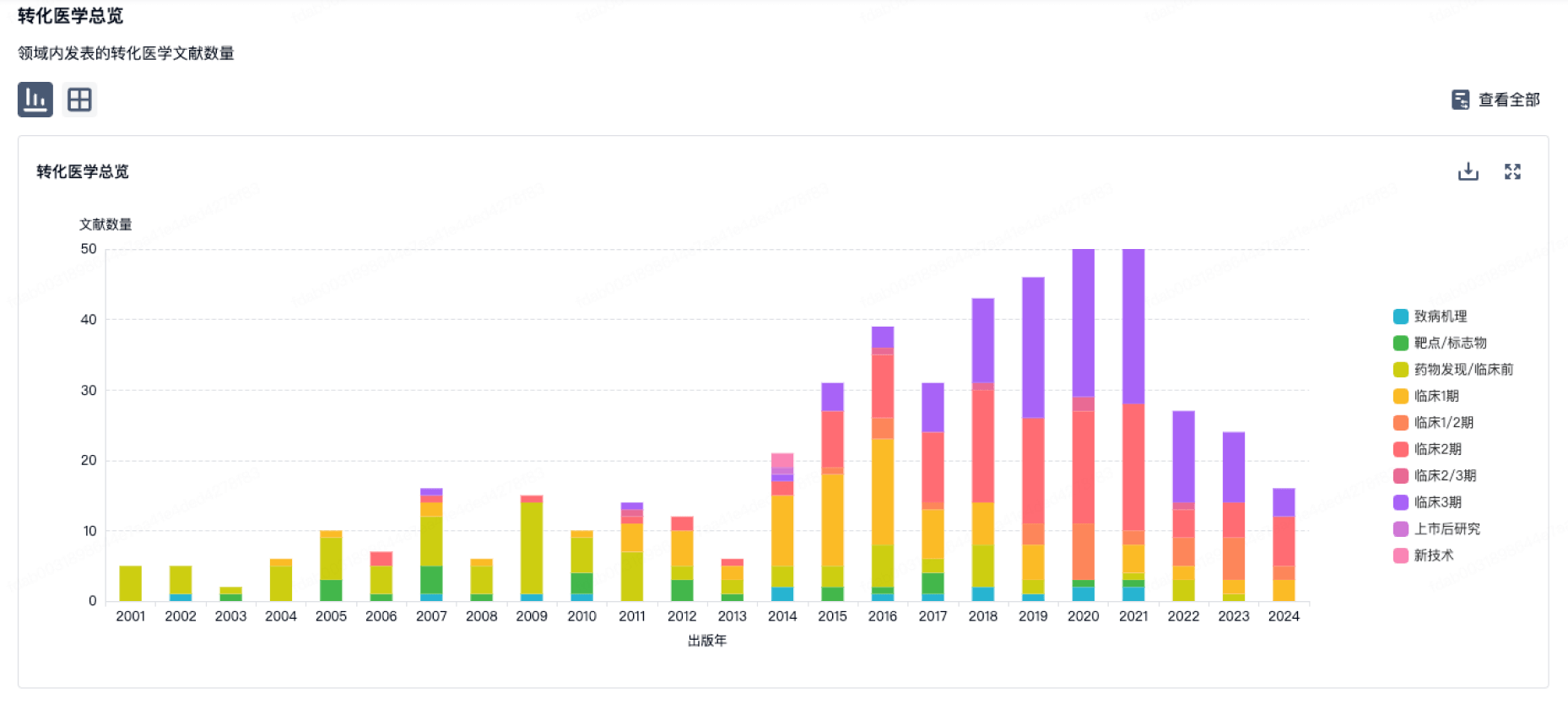
转化医学
使用我们的转化医学数据加速您的研究。
登录
或
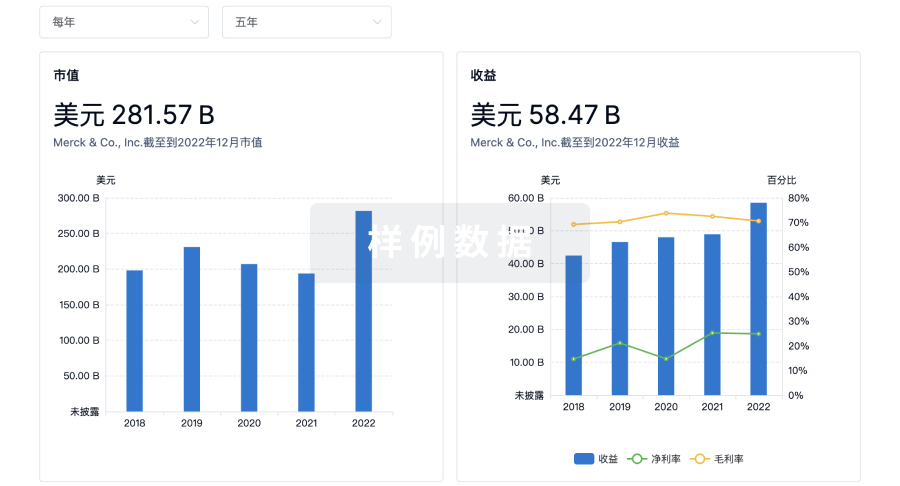
营收
使用 Synapse 探索超过 36 万个组织的财务状况。
登录
或
科研基金(NIH)
访问超过 200 万项资助和基金信息,以提升您的研究之旅。
登录
或
投资
深入了解从初创企业到成熟企业的最新公司投资动态。
登录
或
融资
发掘融资趋势以验证和推进您的投资机会。
登录
或
生物医药百科问答
全新生物医药AI Agent 覆盖科研全链路,让突破性发现快人一步
立即开始免费试用!
智慧芽新药情报库是智慧芽专为生命科学人士构建的基于AI的创新药情报平台,助您全方位提升您的研发与决策效率。
立即开始数据试用!
智慧芽新药库数据也通过智慧芽数据服务平台,以API或者数据包形式对外开放,助您更加充分利用智慧芽新药情报信息。
生物序列数据库
生物药研发创新
免费使用
化学结构数据库
小分子化药研发创新
免费使用