预约演示
更新于:2026-02-01

Patel Hospital
更新于:2026-02-01
概览
关联
100 项与 Patel Hospital 相关的临床结果
登录后查看更多信息
0 项与 Patel Hospital 相关的专利(医药)
登录后查看更多信息
97
项与 Patel Hospital 相关的文献(医药)2025-09-01·Cureus Journal of Medical Science
Clinical Outcomes of Group D Retinoblastoma at a Tertiary Care Hospital in Pakistan.
Article
作者: Chatni, Muhammad Hanif ; Javed, Anum ; Javed, Khawaja Muhammad Ammar Ali ; Vayani, Usman
Purpose To evaluate the clinical outcomes of Group D retinoblastoma (RB) managed with intravenous chemotherapy (IVC) and local therapies at a tertiary care center in Pakistan over nine years, with a focus on globe salvage rates and their implications for resource-limited settings. Methods This retrospective, cross-sectional study included patients diagnosed with Group D RB, classified under the International Classification of Retinoblastoma (ICRB), at Patel Hospital, Karachi, from April 2013 to December 2022. Data were collected on demographics, presenting symptoms, laterality, treatment protocols, and outcomes. Tumor evaluation was conducted under general anesthesia using indirect ophthalmoscopy. The primary treatment involved IVC with vincristine, etoposide, and carboplatin, supplemented by local therapies such as laser and cryotherapy. Intravitreal melphalan was administered in select cases with persistent vitreous seeds. Kaplan-Meier survival analysis was used to estimate globe salvage rates at one, two, and three years. Results Out of 170 patients with RB, 19 were identified with Group D disease, and 15 underwent globe salvage attempts. The median age at diagnosis was 32 months, and bilateral disease was predominant (93%). Leukocoria (60%) and strabismus (20%) were the most common presenting signs. Globe salvage was achieved in 73.33% (11/15) of eyes, with a mean follow-up duration of 57.5 weeks (range: seven to 263 weeks). Kaplan-Meier survival rates demonstrated overall globe salvage rates of 93%, 76%, and 65% at one, two, and three years, respectively. Four eyes of four patients underwent secondary enucleation due to tumor recurrence, retinal detachment, or persistent vitreous seeds, with histopathological findings of high-risk features in two cases. Importantly, no cases of metastasis or mortality were reported during the study period. Conclusion This study highlights the feasibility and effectiveness of IVC coupled with local therapies in achieving high globe salvage rates in Group D RB, even in resource-limited settings. Despite the challenges of advanced disease presentation and socioeconomic barriers, these results underscore the importance of multidisciplinary care and the need to expand access to specialized treatment centers in low- and middle-income countries (LMICs). Future efforts should focus on early diagnosis and the implementation of standardized treatment protocols to improve outcomes for advanced RB.
2025-08-01·The Lancet regional health. Southeast Asia
Adolopment of clinical practice guidelines and creation of referral pathways for dermatological conditions in Pakistan
Review
作者: Raza, Sabeika ; Khawaja, Areej ; Tabassum, Saadia ; Pervez, Alina ; Mustafa, Mohsin Ali ; Ahmer, Areesha ; Baig, Meryum Ishrat ; Ayub, Bushra ; Amber, Tazein ; Rehman, Alina Abdul ; Ghulam, Unzela ; Shariq, Syeda Fatima ; Rukhsar, Shayana ; Nadeem, Sarah ; Haider, Adil H ; Nizam, Javeria ; Martins, Russell Seth ; Masood, Sadia ; Aamdani, Salima Saleem ; Rizvi, Nashia Ali ; Naveed, Shaheen
This Health Policy discusses the development of evidence-based clinical practice guidelines (CPGs) and referral pathways tailored for dermatological conditions in Pakistan's primary care setting. Recognising the high burden of skin diseases among primary care consultations, a panel of dermatology experts reviewed sixteen high-quality source CPGs using the GRADE-ADOLOPMENT process to adapt, adopt, or exclude recommendations for local relevance. Management and referral algorithms were designed to guide general physicians, with additional recommendations provided to address identified gaps, such as the safe use of steroids. The final output comprised CPGs and referral pathways for ten common skin disorders, ensuring local relevance by excluding unsuitable recommendations. This initiative aims to standardise dermatological care, improve patient outcomes, and streamline referrals within Pakistan's healthcare system.
2025-07-25·Cureus Journal of Medical Science
MRI Versus Histopathology: Evaluating Diagnostic Accuracy in Detecting Endometrioma
Article
作者: Naz, Anam ; Iqbal, Junaid ; Muhammad Zohaib Uddin, Mallick ; Qureshi, Aneeqa ; Hafeez, Anam ; Zafar, Uffan ; Shah, Saman ; Akram, Saba
Introduction Endometriosis is a condition characterized by the presence of ectopic endometrial glands surrounded by endometrial stroma. When this occurs within the ovaries, it is referred to as an endometrioma. It commonly affects women of reproductive age and typically presents as cyclical lower abdominal pain. Diagnosing endometriosis remains a clinical challenge. Magnetic resonance imaging (MRI) is considered more specific than sonography for detecting endometriomas. Objective This cross-sectional study aimed to assess the diagnostic accuracy of MRI in detecting endometriomas, using histopathological findings as the gold standard. Subject and methods A total of 139 women suspected of having endometriomas based on clinical symptoms were included in the study. Data were collected using a structured, interview-based questionnaire, which covered sociodemographic information, clinical symptoms, sonographic findings, MRI results, and histopathological confirmation. Results The mean age of participants was 25.68 ± 4.49 years. MRI showed a sensitivity of 95.9% (93/97), specificity of 85.7% (36/42), positive predictive value (PPV) of 93.9% (93/99), negative predictive value (NPV) of 80.0% (36/40), and an overall diagnostic accuracy of 92.8%. Conclusion The findings indicate that MRI has high sensitivity, specificity, and overall accuracy in detecting endometriomas, supporting its role as a reliable diagnostic tool.
1
项与 Patel Hospital 相关的新闻(医药)2022-01-04
In the past 21 months since Covid-19 became a public health crisis, adoption of virtual health solutions has accelerated in an effort to mitigate risk. Although once regarded as a useful companion to in-patient visits, virtual care as a default starting point for healthcare delivery is becoming increasingly common, thanks to CMS reimbursement. And that’s becoming the norm not only for many primary and some urgent care delivery, but also for specialty areas such as behavioral health. National retail chains such as CVS Health and Walgreens have adopted platforms to support Virtual First Care (Virtual1Care). Amazon Care embraces Virtual1Care – it’s made the service available to its employees across the country and other companies are beginning to use it as well, particularly Hilton.
Virtual1Care is part of a wider trend we’re seeing in the restructuring of healthcare. In order to benefit from this trend, pharma and medtech companies must ensure that their digital health tools, wrapped around a drug or device, comply with evolving regulations. In an interview, BrightInsight CEO and Founder, Dr. Kal Patel discussed how Virtual1Care is shaping digital health adoption, some of the regulatory shifts underway in digital health and how BrightInsight is collaborating with companies to fulfill this new vision of healthcare.
One deal that underscores this trend is the digital health collaboration between Fitbit, owned by Google, and Verily’s virtual clinic – Onduo. The collaboration pairs Onduo’s chronic condition platform with Fitbit’s devices and Fitbit Premium as part of the company’s approach to whole person health. It seeks to provide a comprehensive view of how the different aspects of health and wellbeing fit together, including activity, sleep and stress, to help participants better manage their health and build a routine that works for them, according to the September announcement.
These kinds of collaborations are also taking place in life sciences, for the same reasons.
“How do you leverage continuous data sources in ways that drive intervention with the patient that go beyond a patient interaction having to be a face to face clinical visit?” Patel asked.
“Our whole portfolio speaks to the potential and the power of what you can do by wrapping regulated software around traditional drugs and devices.”
Digital health investment soared to new heights in 2021, particularly for companies developing virtual care tech. As a company that provides the infrastructure for pharma and medtech companies to develop and scale regulated digital health programs, BrightInsight benefited from this investment trend as well. In the first quarter, it closed a $101 million Series C round led by General Catalyst.
Patel’s background in digital health in pharma at Amgen, with telemedicine provider Doctor on Demand and more recent experience as president of Flex Digital Health makes him well suited to lead these collaborations. One example of how BrightInsight is helping life science companies execute on their digital care ambitions is its collaboration with Novo Nordisk to support people with Type 2 diabetes.
The pharma company needed a regulated digital health platform to help it build and operate a suite of digital health products and services to improve diabetes care. In addition to an open, device-agnostic platform that could capture data from continuous blood glucose meters and insulin pens, Novo Nordisk required a regulated platform designed to satisfy the stringent privacy, security, regulatory and quality requirements of US and European healthcare regulatory bodies. One of the challenges that companies seek to address is to improve the way patients manage their chronic conditions. At least 45% of people with type 2 diabetes have a tough time managing their blood sugar levels and medication adherence is one contributing factor.
The collaboration with BrightInsight helps people with diabetes unlock real world data. By integrating user’s blood glucose data with automatically recorded insulin dose data from Novo Nordisk’s smart insulin pens, users can better understand how their activities, diet, and insulin intake play a role in their levels and make more informed decisions to keep their glucose levels within safe parameters.
Although there are numerous companies developing digital health solutions, if they can’t adapt to regulatory shifts, they risk falling behind or becoming irrelevant. Earlier this year, the EU regulatory body mandated a series of changes directing how companies need to manage software medical devices, which went into effect May 26. The changes were designed to ensure a high standard of safety and quality as regulators try to keep up with the pace of health tech innovation while maintaining the need for safety and efficacy. The FDA shared draft guidance for planned changes to premarket submission of digital health technology – the original version dates back to 2005.
The FDA has indicated that it’s updating software medical device guidance so that each software device will fall into one of two buckets: basic or enhanced, according to a blog post on BrightInsight’s website. The updated draft guidance is the FDA’s attempt to keep up with the influx of cutting-edge submissions. By focusing on basic and enhanced risk, they eliminate the middle ground and streamline the submission process.
“This is reflective of the FDA’s view of low risk/high risk when it comes to devices,” said Sonia Nath, a partner with Cooley law firm in a BrightInsight blog post. “This may be announced as a simpler risk-based approach to viewing software devices generally…The thinking behind this guidance is, if we tell you more explicitly what we need, you can get through the approval process more quickly because there’s not going to be so much back and forth. Technology is always faster than the law and the guidance documents.”
The new draft guidelines will require that submissions for “high risk” software devices are accompanied by more design documentation spelling out the technical design details of how the software functions, how the software design implements all the requirements of the Software Requirement Specification (SRS) and how the Software Design Specification (SDS) traces to the SRS in terms of intended use, functionality, safety, and effectiveness.
The convergence of pharma, medtech and providers through digital health data over the past few years has been a fascinating transformation. Pharma companies such as Takeda and Sanofi are developing specialty practices to gain greater insights on market dynamics and what patients need. Patel noted that health data has become a critical commodity.
“For pharma and medical device companies, there will continue to be a tremendous expansion and focus of their resources going into software,” Patel said. “You will have multiple sources of health data that can answer questions from disease diagnosis to matching patients with the right therapies.”
He added: “I think all disease areas are amenable to digital solutions.”
Virtual health visits are poised to increase in 2022 as will the need for regulated connected devices and Software as a Medical Device (SaMD) to monitor patient health between medical appointments. Collecting and analyzing data from these devices is not only critical for spotting potential problems with dosages, device usage and the overall health of patients; they can also make the interaction between patients and their clinicians more meaningful with the insights they can provide to them. The digital health offerings across pharma and medtech will continue to expand and become more robust across chronic conditions and specialized areas such as oncology and rare diseases. It will be interesting to see the form these collaborations take in the new year.
合作
100 项与 Patel Hospital 相关的药物交易
登录后查看更多信息
100 项与 Patel Hospital 相关的转化医学
登录后查看更多信息
组织架构
使用我们的机构树数据加速您的研究。
登录
或
管线布局
2026年02月07日管线快照
无数据报导
登录后保持更新
药物交易
使用我们的药物交易数据加速您的研究。
登录
或
转化医学
使用我们的转化医学数据加速您的研究。
登录
或
营收
使用 Synapse 探索超过 36 万个组织的财务状况。
登录
或
科研基金(NIH)
访问超过 200 万项资助和基金信息,以提升您的研究之旅。
登录
或
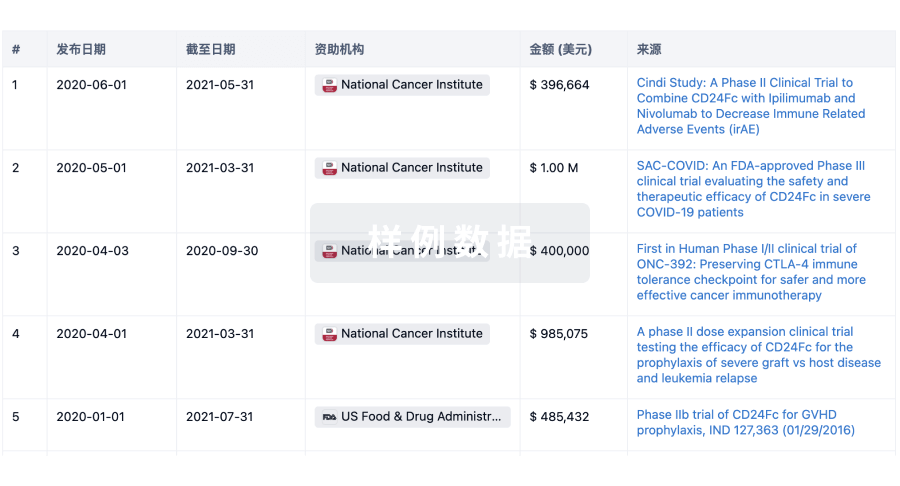
投资
深入了解从初创企业到成熟企业的最新公司投资动态。
登录
或
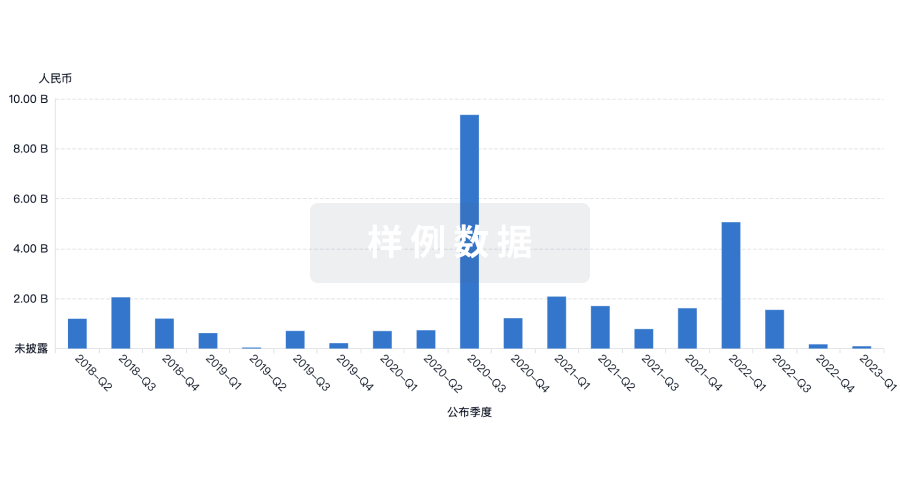
融资
发掘融资趋势以验证和推进您的投资机会。
登录
或
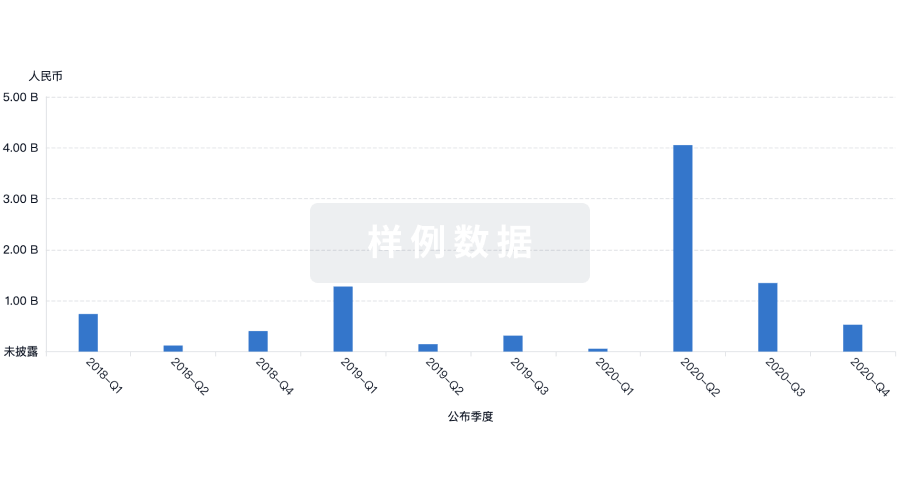
生物医药百科问答
全新生物医药AI Agent 覆盖科研全链路,让突破性发现快人一步
立即开始免费试用!
智慧芽新药情报库是智慧芽专为生命科学人士构建的基于AI的创新药情报平台,助您全方位提升您的研发与决策效率。
立即开始数据试用!
智慧芽新药库数据也通过智慧芽数据服务平台,以API或者数据包形式对外开放,助您更加充分利用智慧芽新药情报信息。
生物序列数据库
生物药研发创新
免费使用
化学结构数据库
小分子化药研发创新
免费使用