预约演示
更新于:2026-10-08

University of Iowa Carver College of Medicine
更新于:2026-10-08
概览
标签
内分泌与代谢疾病
miRNA
Fc融合蛋白
疾病领域得分
一眼洞穿机构专注的疾病领域

技术平台
公司药物应用最多的技术
靶点
公司最常开发的靶点
关联
靶点 |
作用机制 |
在研机构 |
原研机构 |
在研适应症 |
非在研适应症 |
最高研发阶段 |
首次获批国家/地区 |
首次获批日期 |


靶点 |
作用机制 |
在研机构 |
原研机构 |
在研适应症 |
非在研适应症 |
最高研发阶段 |
首次获批国家/地区 |
首次获批日期 |
NCT04725422
CHronic Nonbacterial Osteomyelitis International Registry (CHOIR)

100 项与 University of Iowa Carver College of Medicine 相关的临床结果
登录后查看更多信息
登录后查看更多信息
2026-12-01Molecular & general genetics : MGG
Genetic-epigenetic interactions (meQTLs) in orofacial clefts etiology
Article
作者: Hovey, L ; Xie, X J ; Machado-Paula, L A ; Dunlay, L ; Butali, A ; Murray, J C ; Petrin, A L ; Awotoye, W ; Doolittle, B ; Keen, H L ; Zeng, E ; Moreno-Uribe, L M ; Marazita, M L
Abstract:
Understanding how genetic variants influence disease risk through molecular mechanisms remains a central challenge in complex disease genetics. Nonsyndromic orofacial clefts (OFCs) exemplify this challenge, with most risk loci residing in non-coding regions. We hypothesized that common genetic variants influence OFC risk by modulating DNA methylation at regulatory elements through methylation quantitative trait loci (meQTLs). We analyzed 10 OFC-associated SNPs against genome-wide DNA methylation profiles in 409 cases and 456 controls, identifying 23 potential meQTLs. Findings were validated using 358 cleft-discordant sibling pairs with MethyLight assays. We performed formal mediation analysis, genotype-tissue interaction and cross-referenced with the mQTL Database to assess developmental timing. Nine meQTLs were validated, including rs987525 (8q24)–cg16561172 (
MYC
) (
P
= 9.6 × 10⁻⁶), which mapped to a mesendoderm-active enhancer upstream of
MYC
. Genotype × tissue interaction confirmed tissue-specificity (
P
= 1.00 × 10
− 3
), with stronger effects in oral-derived tissue (saliva). Additional validated SNP-CpG associations involved
MAFB
–
PLCG1
,
NOG
–
PPM1E
,
FOXE1
–
FRZB
, and
SPRY2
–
LGR4
. While effect sizes correlated between tissues (
r
= 0.81), formal mediation analysis indicated individual CpG sites do not fully mediate SNP-phenotype relationships, suggesting coordinated epigenetic mechanisms. Most associations showed peak effects during childhood, while 8q24 showed unique adult-specific patterns. We identified genetic variants influencing methylation at craniofacial regulatory elements, and provided a mechanistic link for a major risk locus, 8q24, with tissue-specific effects in saliva. While individual CpG sites did not fully mediate the genetic risk, our findings identified specific regulatory regions where coordinated epigenetic changes may contribute to OFC susceptibility.
2026-12-01Addictive behaviors reports
Risk factors for alcohol-related injury experienced within a year: results of a nationwide large-scale internet survey
Article
作者: Sato, Masaya ; Nakatsuka, Takuma ; Yamada, Tomoharu ; Matsushita, Yuki ; Minami, Tatsuya ; Fujishiro, Mitsuhiro ; Mabuchi, Keisuke ; Okushin, Kazuya ; Kudo, Yotaro ; Tanaka, Tomohiro ; Koike, Kazuhiko ; Yoshioka, Takashi ; Tabuchi, Takahiro ; Tateishi, Ryosuke ; Kaneko, Takuma
Background:
Alcohol-related injuries, including self-injury and harm to others, have multifactorial causes other than alcohol consumption amount and frequency. Here we investigated the determinants of alcohol-related self-injury and harm to others by focusing on the characteristics of alcoholic beverages.
Methods:
We analyzed data from a nationwide internet-based cohort survey conducted in Japan in 2024-2025. Among 11,443 continuous drinkers, alcohol-related self-injury and harm to others within the past year were assessed. Weighted logistic regression models using inverse probability weighting were used to estimate adjusted odds ratios (aORs) and 95% confidence intervals (CIs) with adjustment for demographic, socioeconomic, and clinical characteristics, drinking behaviors, and beverage types.
Results:
Of the study population, 285 and 122 participants experienced alcohol-related self-injury and harm to others, respectively. Younger age and frequent heavy episodic drinking showed strong dose-response associations with self-injury and harm to others. Diabetes was associated with increased risk, and depression showed a positive but not consistently statistically significant association. Wine consumption was negatively associated with self-injury (aOR, 0.40; 95% CI, 0.24-0.65; p < 0.001), whereas beer and moderate alcohol-by-volume (4-7%) ready-to-drink beverages were negatively associated with harm to others (beer: aOR, 0.38; 95% CI, 0.15-0.96; p = 0.04; 4-7% chū-hai: aOR, 0.29; 95% CI, 0.13-0.63; p = 0.002).
Conclusions:
Alcohol-related self-injury and harm to others share common and distinct determinants across demographic, clinical, behavioral, and beverage-related factors. These findings suggest that alcohol-related injury risk is primarily driven by drinking pattern and intensity, while beverage-specific associations may provide exploratory insights.
2026-10-01Musculoskeletal Science and Practice
Cross cultural adaptation of the TENDINopathy severity assessment - Achilles (TENDINS-A) for Spanish speaking populations
Article
作者: Danielson, Jessica F ; Castillo, Elizabeth G ; Amerian, Zahra ; Rio, Ebonie K ; Heredia Rizo, Alberto Marcos ; Ceniza-Bordallo, Guillermo ; Maragano-Campisto, Nicolas ; Chimenti, Ruth L ; Ruffino, Diego ; Fleagle, Timothy R ; Scott, Shane C ; Murphy, Myles C ; Sancho, Igor
BACKGROUND:
The TENDINopathy Severity assessment - Achilles (TENDINS-A) was developed as a patient-reported outcome measure of Achilles tendinopathy related disability but is limited to the English language. The objective of this study was to cross-culturally adapt the TENDINS-A to be used in Spanish speaking populations and assess its measurement properties.
METHODS:
The TENDINS-A was cross-culturally adapted using a multistep process then administered online to individuals with Achilles tendinopathy, non-Achilles tendinopathy foot pain, and pain-free controls. Test-retest reliability of the TENDINS-A Spanish was determined using inter-class coefficients (ICC). Internal consistency and structural validity were assessed using Rasch analysis. Discriminate validity was measured comparing the TENDINS-A Spanish scores between the three groups. Convergent validity was assessed using correlations between the TENDINS-A, heel raise pain, and Victorian Institute of Sport Assessment-Achilles (VISA-A).
RESULTS:
The TENDINS-A Spanish Total score demonstrated excellent test re-test reliability (ICC(95%CI): 0.932(0.897 to 0.955) and excellent internal consistency (person reliability = 0.89). There was evidence of structural validity of the TENDINS-A Spanish for a 3-factor structure (First contrast from PCA of residuals has Eigenvalue <2). TENDINS-A Spanish Total scores were higher in individuals with Achilles tendinopathy compared to those with non-Achilles tendinopathy foot pain (Mean Dif (95%CI): 19.8%(6.5% to 33.0%) and pain-free controls (46.7%(32.8% to 60.6%). The TENDINS-A Spanish showed convergent validity (r (95%CI)) with moderate to strong correlations with heel raise pain (0.86(0.79 to 0.91), and VISA-A Spanish (-0.64(-0.49 to -0.74) CONCLUSIONS: The TENDINS-A Spanish is a reliable and valid measure for Achilles tendinopathy related disability in Spanish speaking populations.
100 项与 University of Iowa Carver College of Medicine 相关的药物交易
登录后查看更多信息
100 项与 University of Iowa Carver College of Medicine 相关的转化医学
登录后查看更多信息
组织架构
使用我们的机构树数据加速您的研究。
登录
或
管线布局
2026年10月16日管线快照
管线布局中药物为当前组织机构及其子机构作为药物机构进行统计,早期临床1期并入临床1期,临床1/2期并入临床2期,临床2/3期并入临床3期
临床前
2
登录后查看更多信息
当前项目
登录后查看更多信息
药物交易
使用我们的药物交易数据加速您的研究。
登录
或
转化医学
使用我们的转化医学数据加速您的研究。
登录
或
营收
使用 Synapse 探索超过 36 万个组织的财务状况。
登录
或
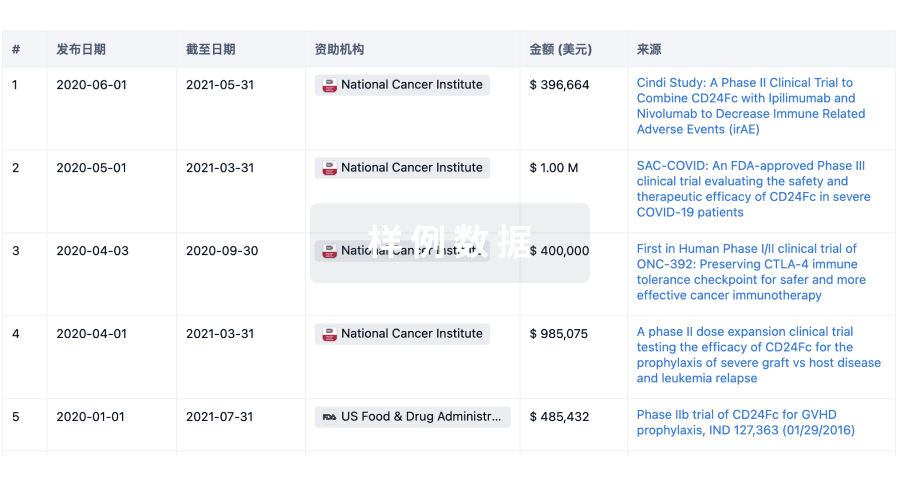
科研基金(NIH)
访问超过 200 万项资助和基金信息,以提升您的研究之旅。
登录
或
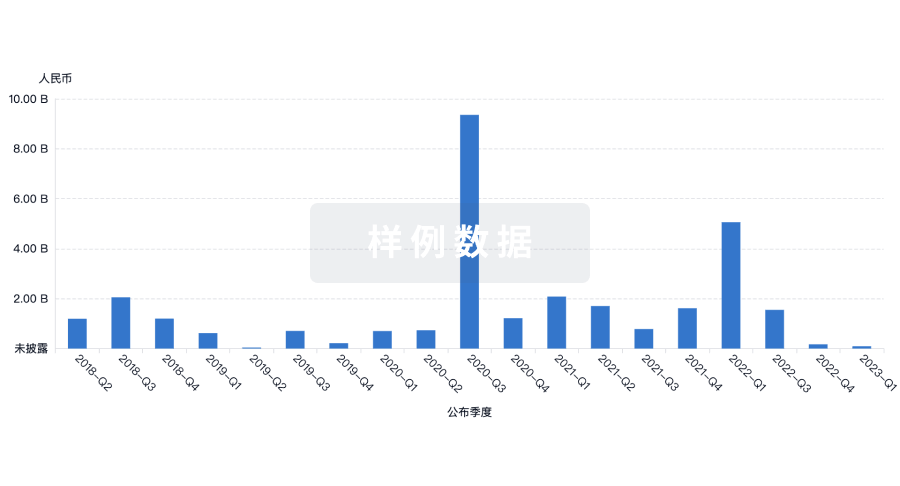
投资
深入了解从初创企业到成熟企业的最新公司投资动态。
登录
或
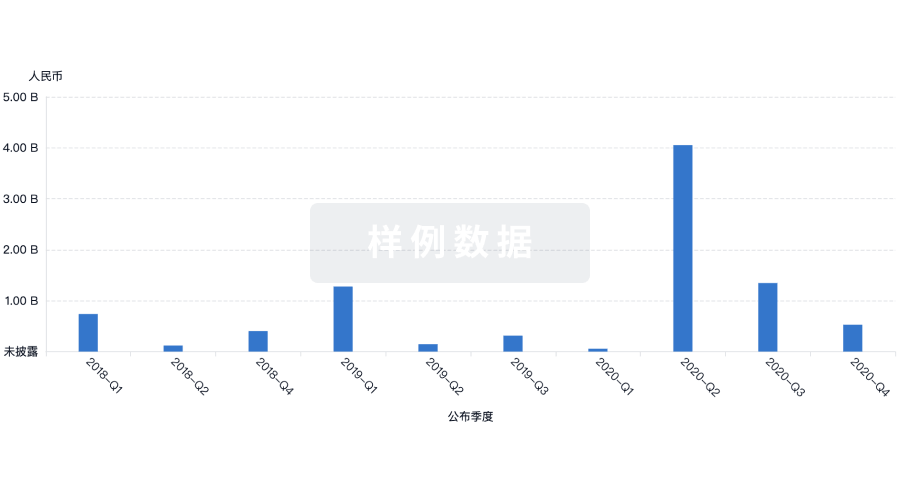
融资
发掘融资趋势以验证和推进您的投资机会。
登录
或
提出任何生物医药研究问题
让每一步生物医药决策都精准制胜
基于十亿级生物数据与全球情报的精准 AI,赋能早期药物发现
立即开始免费试用!
智慧芽新药情报库是智慧芽专为生命科学人士构建的基于AI的创新药情报平台,助您全方位提升您的研发与决策效率。
立即接入生物医药数据包
智慧芽新药库数据也通过智慧芽开放平台,以MCP或API服务形式对外开放。立即使用我们的MCP服务定制您的LLM智能体。
生物序列数据库
生物药研发创新
免费使用
化学结构数据库
小分子化药研发创新
免费使用