预约演示
更新于:2026-10-16
True North Therapeutics, Inc.
更新于:2026-10-16
概览
关联
100 项与 True North Therapeutics, Inc. 相关的临床结果
登录后查看更多信息
0 项与 True North Therapeutics, Inc. 相关的专利(医药)
登录后查看更多信息
3
项与 True North Therapeutics, Inc. 相关的文献(医药)2018-04-01·American journal of transplantation : official journal of the American Society of Transplantation and the American Society of Transplant Surgeons1区 · 医学
Anti-C1s monoclonal antibody BIVV009 in late antibody-mediated kidney allograft rejection—results from a first-in-patient phase 1 trial
1区 · 医学
Article
作者: Halloran, P F ; Gilbert, J C ; Kozakowski, N ; Firbas, C ; Mühlbacher, J ; Böhmig, G A ; Eskandary, F ; Jilma, B ; Panicker, S ; Regele, H ; Wahrmann, M ; Parry, G C
The classical pathway (CP) of complement may contribute to the pathogenesis of antibody-mediated rejection (ABMR). Selective CP blockade may be a promising strategy to counteract rejection. The objective of this first-in-patient phase 1b trial was to evaluate the safety/tolerability and CP-blocking potential of 4 weekly doses (60 mg/kg) of the anti-C1s antibody BIVV009 in complement-mediated disorders. Here we describe the results in a cohort of 10 stable kidney transplant recipients (median of 4.3 years posttransplantation) with late active ABMR and features of CP activation, such as capillary C4d or complement-fixing donor-specific antibodies (DSA). During 7 weeks follow-up, no severe adverse events were reported, and BIVV009 profoundly inhibited overall and DSA-triggered CP activation in serum. Five of 8 C4d-positive recipients turned C4d-negative in 5-week follow-up biopsies, while another 2 recipients showed a substantial decrease in C4d scores. There was, however, no change in microcirculation inflammation, gene expression patterns, DSA levels, or kidney function. In conclusion, we demonstrate that BIVV009 effectively blocks alloantibody-triggered CP activation, even though short-course treatment had no effect on indices of activity in late ABMR. This initial trial provides a valuable basis for future studies designed to clarify the therapeutic value of CP blockade in transplantation. ClinicalTrials.gov NCT#02502903.
2016-02-01·Clinical immunology (Orlando, Fla.)3区 · 医学
Uncoupling complement C1s activation from C1q binding in apoptotic cell phagocytosis and immunosuppressive capacity
3区 · 医学
Article
作者: Parry, Graham C ; Panicker, Sandip ; Elkon, Keith B ; Colonna, Lucrezia
Complement activation contributes to inflammation in many diseases, yet it also supports physiologic apoptotic cells (AC) clearance and its downstream immunosuppressive effects. The roles of individual complement components in AC phagocytosis have been difficult to dissect with artificially depleted sera. Using human in vitro systems and the novel antibody complement C1s inhibitor TNT003, we uncoupled the role of the enzymatic activation of the classical pathway from the opsonizing role of C1q in mediating a) the phagocytosis of early and late AC, and b) the immunosuppressive capacity of early AC. We found that C1s inhibition had a small impact on the physiologic clearance of early AC, leaving their immunosuppressive properties entirely unaffected, while mainly inhibiting the phagocytosis of late apoptotic/secondary necrotic cells. Our data suggest that C1s inhibition may represent a valuable therapeutic strategy to control classical pathway activation without causing significant AC accumulation in diseases without defects in AC phagocytosis.
2014-06-26·Blood1区 · 医学
TNT003, an inhibitor of the serine protease C1s, prevents complement activation induced by cold agglutinins
1区 · 医学
Article
作者: Panicker, Sandip ; Hussain, Sami ; Parry, Graham C. ; Stagliano, Nancy E. ; Singh, Andrew ; Shi, Ju ; Rose, Eileen L.
Key Points:
Cold agglutinin–driven classical pathway activity terminates prior to the initiation of the terminal cascade in CAD patient blood. By inhibiting cold agglutinin–mediated complement deposition on the cellular membrane, TNT003 prevents RBCs from being phagocytosed.
21
项与 True North Therapeutics, Inc. 相关的新闻(医药)2026-10-02
·同花顺
根据药明康德(603259)数据库统计,截至2026年9月30日,2026年9月全球生物医药领域共计完成200起融资活动,累计公开披露的融资总额超过74亿美元。其中,有22家专注于开发创新疗法的公司单轮融资额达到或超过了5000万美元。这些公司涉及小干扰RNA(siRNA)、人工智能(AI)药物发现、抗体、多肽偶联药物、基因疗法等多个创新方向。本文将依据公开资料,为读者介绍其中5家获得大额融资的创新药开发公司,以及它们正在探索的新技术和新疗法。 Moonwalk Biosciences:直接靶向脂肪组织,探索非GLP-1减重新策略 Moonwalk Biosciences于9月宣布完成7000万美元B轮融资,募集资金将主要用于推动其主要肥胖候选药物MW101进入临床,并扩展脂肪组织靶向siRNA药物管线。 Moonwalk的研发思路与目前主要通过食欲调节实现减重的治疗方式有所不同。公司希望将siRNA直接递送至脂肪组织,通过调节参与能量稳态、脂肪生成、脂解和产热等过程的新型生物学通路治疗肥胖。其目标之一是开发不依赖肠促胰素通路、也不以降低食欲为主要机制的减重疗法。 为了寻找这些新的脂肪组织靶点,Moonwalk建立了一套结合人类遗传学、多组学以及AI分析的发现平台,并利用原代人脂肪细胞和动物模型进行功能验证。与此同时,公司建立了脂肪组织靶向siRNA递送技术,希望实现较为持久的靶基因沉默。 其主要候选药物MW101正在开展支持IND申请的研究,主要针对与脂解和脂滴调节相关的通路,公司预计于2027年下半年进入首次人体临床研究。Moonwalk还在推进另一款肥胖候选药物MW301,以及用于血脂降低和其他代谢疾病的多个项目。公司公布的临床前研究显示,其部分脂肪组织靶向siRNA可降低体重并减少脂肪量,同时保留瘦体重。非人灵长类动物研究也显示单次给药后可以产生较持久的靶点调节作用,为未来探索每季度或每半年给药一次提供依据。 Alex Aravanis博士是Moonwalk联合创始人兼首席执行官。在创立Moonwalk之前,他曾担任Illumina首席技术官,并曾共同创立癌症早筛公司GRAIL,担任首席科学官及研发负责人。值得一提的是,Broad研究所的张锋博士也是Moonwalk的科学联合创始人。 Enveda:3.11亿美元融资,用AI从自然界中“挖”新药 Enveda于9月宣布完成3.11亿美元E轮融资。募集资金将用于推动3款临床阶段候选药物进入更后期开发阶段,推动更多炎症和代谢疾病候选药物进入临床,并进一步扩大公司的药物发现平台。 Enveda试图系统化开发自然界庞大的化学空间。与主要从传统合成化合物库出发的药物发现方式不同,Enveda利用质谱、自动化实验和AI模型分析植物、微生物以及人体中存在的大量天然分子,再寻找具有生物活性的化学结构,并由药物化学团队进一步优化为具有成药特征的口服小分子。 公司的核心AI模型PRISM是一个面向天然化学空间的基础模型。根据Enveda官网介绍,该模型利用超过10亿张小分子质谱图进行训练,可以从复杂质谱信息中学习天然分子的结构特征。截至2026年9月,公司表示,这一平台已经产生17个开发候选药物,其中3款已经进入人体临床试验。 目前,Enveda开发进度较快的候选药物包括ENV-294、ENV-308和ENV-6946。ENV-294是一款每日一次口服小分子,目前正在开展特应性皮炎和哮喘2期研究;ENV-308是一款旨在模拟人体运动相关代谢产物N-乳酰苯丙氨酸(Lac-Phe)作用的口服小分子,目前正在探索帮助患者在停止胰高血糖素样肽-1(GLP-1)类药物后维持体重和代谢健康的潜力。在动物研究中,ENV-308在减重过程中保留了瘦体重,并在停止减重治疗后防止体重反弹。ENV-6946则是一款用于炎症性肠病的口服小分子,目前处于1期临床阶段。 Viswa Colluru博士是Enveda创始人兼首席执行官。在创立Enveda之前,他曾在AI药物发现公司Recursion任职,并参与建立该公司的早期产品组合和商业团队。 ADARx Pharmaceuticals:4.46亿美元IPO,加码下一代siRNA疗法 ADARx Pharmaceuticals于9月完成扩大规模的首次公开募股(IPO),募集资金总额约4.463亿美元。ADARx是一家处于后期临床开发阶段的生物技术公司,重点开发下一代siRNA疗法。 ADARx的研发策略不仅聚焦传统的肝脏靶向siRNA,也在尝试将siRNA疗法拓展至脂肪组织和中枢神经系统(CNS)等肝外组织。公司目前的管线覆盖补体介导疾病、遗传性疾病、心血管和血栓性疾病、肥胖以及神经退行性疾病等领域。 公司的主要候选药物onvuzosiran是一款靶向血浆激肽释放酶原(prekallikrein,PKK)的siRNA疗法,正在3期STOP-HAE研究中用于预防遗传性血管性水肿(HAE)发作。2026年8月,该疗法获得美国FDA授予的快速通道资格。公司正在3期临床试验中评估每3个月或每6个月一次给药的治疗方案,希望通过长效RNA沉默降低患者长期治疗负担。 除肝脏靶向项目外,ADARx还在推进两款值得关注的肝外siRNA候选药物。其中,ADX-077靶向脂肪组织中的一个尚未披露的新靶点,公司的开发目标是通过降低该靶点表达来减少体重和脂肪,同时尽可能保留瘦体重;ADX-199则靶向淀粉样前体蛋白(APP),探索治疗神经退行性疾病的潜力。 ADARx联合创始人、总裁兼首席执行官Zhen Li博士拥有超过20年的医药和生物技术研发经验。在创立ADARx之前,她曾担任Arrowhead Pharmaceuticals高级副总裁,负责递送平台及多个后来进入临床开发阶段的候选药物的发现和非临床研发;更早之前,她曾在默沙东(MSD)领导siRNA研发团队。 Electra Therapeutics:3.5亿美元IPO,精准清除“致病免疫细胞” Electra Therapeutics于9月完成扩大规模的IPO,募集资金总额约3.5亿美元。Electra正在探索一种与传统广泛免疫抑制有所不同的治疗思路:利用信号调节蛋白(signal regulatory protein,SIRP)在特定免疫细胞上的表达特征,选择性清除参与疾病发生的活化免疫细胞,同时尽可能保留正常免疫功能。公司围绕SIRP家族建立了多款抗体候选药物。 其主要候选药物ipsoprubart(ELA026)是一款全人源泛SIRP单克隆抗体,可结合髓系细胞上的SIRPα和SIRPβ1,以及T细胞上的SIRPγ。由于这些蛋白在活化的致病免疫细胞上表达升高,ipsoprubart被设计为优先清除这些细胞。目前,公司正在开展全球注册性临床项目,评估ipsoprubart作为继发性噬血细胞性淋巴组织细胞增多症(sHLH)一线疗法的潜力。该药还在一项1期研究中用于T细胞和自然杀伤(NK)细胞恶性肿瘤。 Electra的第二款临床阶段候选药物ELA822则进一步提高了靶向选择性。这款全人源单克隆抗体特异性结合SIRPγ,而不结合SIRPα或SIRPβ1,旨在清除高表达SIRPγ的活化致病T细胞,同时保留初始T细胞、调节性T细胞和髓系细胞。2026年9月,Electra启动ELA822的1期临床试验。 Kathy Dong博士现任Electra Therapeutics总裁兼首席执行官。加入Electra之前,她曾任Star Therapeutics首席运营官,并参与推动Electra和Vega Therapeutics从发现阶段进入临床开发。更早之前,她曾在True North Therapeutics、赛诺菲(Sanofi)和吉利德科学(Gilead Sciences)任职,并参与多款药物的开发及商业化工作。 TwoStep Therapeutics:多肽同时识别5种肿瘤相关靶点,新型偶联药物获准开展临床试验 TwoStep Therapeutics于9月宣布完成6250万美元超额认购A轮融资。同日,公司还宣布其核心候选药物TS-104的IND申请获得美国FDA许可,使其能够启动首次人体1期临床研究。 TwoStep希望解决靶向肿瘤药物面临的一个长期问题――肿瘤靶点表达的异质性。许多抗体偶联药物(ADC)或其他靶向递送疗法依赖一个特定肿瘤抗原,一旦同一肿瘤内部或不同患者之间靶点表达不足或不均一,能够覆盖的患者范围就可能受到限制。TwoStep开发了一款多特异性整合素结合肽(PIP),这是一种工程化超稳定结节肽(knottin peptide),能够结合5种肿瘤相关整合素。 公司的主要候选药物TS-104是一款多特异性多肽偶联药物,利用PIP作为肿瘤靶向模块,并偶联细胞毒性载荷单甲基澳瑞他汀E(MMAE)。由于PIP能够快速内化,TwoStep希望利用这一特点将细胞毒性药物递送进入肿瘤细胞。除多肽偶联药物之外,公司还在利用同一靶向分子开发放射性配体疗法,使其能够与不同诊断性或治疗性放射性同位素组合。 TwoStep于2024年从斯坦福大学孵化成立,其科学背景也是这家公司受到关注的重要原因之一。公司的联合创始人包括斯坦福大学Jennifer Cochran教授、肿瘤免疫治疗先驱Ronald Levy教授,以及因生物正交化学获得2022年诺贝尔化学奖的Carolyn Bertozzi教授。公司的首席执行官兼联合创始人Caitlyn Miller博士曾在Bertozzi教授和Cochran教授的实验室完成生物工程博士学位及博士后研究,并参与推进后来成为TwoStep核心平台的相关技术。 一体化平台助力寡核苷酸疗法开发 值得一提的是,本文介绍的5家公司中,ADARx Pharmaceuticals和Moonwalk Biosciences均将siRNA疗法作为重要研发方向,也折射出siRNA药物在更多疾病领域及肝外组织中的持续拓展。作为全球医药创新的赋能者,药明康德依托一体化CRDMO平台,为包括siRNA在内的寡核苷酸药物提供贯穿发现、开发和生产阶段的综合支持,助力创新疗法持续向前推进。 依托跨学科整合的发现与评价体系,药明康德生物学业务平台(WuXi Biology)能够为脂质偶联寡核苷酸(LOC)、多肽偶联寡核苷酸(POC)和抗体偶联寡核苷酸(AOC)开发提供一体化研究支持,包括系统性支持递送策略设计、体内外功能验证及转化评估。该平台结合寡核苷酸序列设计与优化、递送工具发现、体外筛选及动物模型药效评价,实现从递送分子设计到体内功能验证的高效衔接。 在脂质偶联寡核苷酸开发方面,团队构建了多样化脂质修饰策略库,可系统评估脂质链长度、连接子结构、偶联位点及化学基团对细胞摄取与基因沉默效率的影响,并通过高内涵成像及原代细胞模型(如脂肪细胞和骨骼肌细胞)对siRNA摄取效率与靶基因敲低效果进行定量分析,同时结合小鼠体内分布与药效研究,评估脂质偶联对组织分布和体内作用持续性的提升效果。针对多肽偶联寡核苷酸,WuXi Biology建立了一体化多肽发现平台,可筛选具有高亲和力和特异性的递送肽,并结合生物物理、生物化学及分子模拟等手段对结合机制进行验证;同时通过多种细胞模型、高内涵成像以及靶基因敲低实验,系统评估POC的细胞摄取和功能活性。针对抗体偶联寡核苷酸,WuXi Biology可以提供抗体发现服务,抗体偶联以及AOC的体外体内检测评估,通过多种细胞模型评估抗体递送寡核苷酸的能力以及通过体内IVIS成像和PD验证AOC的分布及对靶基因的敲低。 此外,平台具备多种原代细胞及诱导多能干细胞(iPSC)分化细胞资源,包括iPSC分化神经元、心肌细胞,以及原代肝细胞、肌肉细胞、脂肪细胞等,用于评估LOC、POC和AOC在不同组织的递送能力。平台还建立了体外血脑屏障(BBB)模型,用于评估多肽或抗体介导的组织穿透能力,从而支持面向CNS及其他难递送组织的递送策略优化。通过这些集成化能力,WuXi Biology能够为合作伙伴提供从递送分子发现到体内概念验证的一站式支持,加速脂质、多肽和抗体偶联寡核苷酸疗法的研发进程。
siRNA临床申请基因疗法临床研究核酸药物
2026-10-02
·同花顺
1、2026年9月全球生物医药领域完成200起融资活动,融资总额超过74亿美元。其中,22家创新药公司的单轮融资额达到或超过了5000万美元。
2、Moonwalk Biosciences公司希望通过调节新型生物学通路治疗肥胖,主要候选药物MW101正在开展支持IND申请的研究,预计于2027年下半年进入首次人体临床研究。
3、Enveda利用质谱、自动化实验和AI模型分析植物、微生物以及人体中存在的大量天然分子,目前开发进度较快的候选药物包括ENV-294、ENV-308和ENV-6946。
4、ADARx Pharmaceuticals主要候选药物onvuzosiran正在3期STOP-HAE研究中用于预防遗传性血管性水肿(HAE)发作,除肝脏靶向项目外,还在推进两款肝外siRNA候选药物。
5、Electra Therapeutics正在探索一种与传统广泛免疫抑制有所不同的治疗思路,主要候选药物ipsoprubart正在开展全球注册性临床项目,评估作为继发性噬血细胞性淋巴组织细胞增多症(sHLH)一线疗法的潜力。
6、TwoStep Therapeutics开发了一款多特异性整合素结合肽(PIP),能够结合5种肿瘤相关整合素,主要候选药物TS-104的IND申请获得美国FDA许可,启动首次人体1期临床研究。
根据药明康德(603259)数据库统计,截至2026年9月30日,2026年9月全球生物医药领域共计完成200起融资活动,累计公开披露的融资总额超过74亿美元。其中,有22家专注于开发创新疗法的公司单轮融资额达到或超过了5000万美元。这些公司涉及小干扰RNA(siRNA)、人工智能(885728)(AI)药物发现、抗体、多肽偶联药物、基因疗法等多个创新方向。本文将依据公开资料,为读者介绍其中5家获得大额融资的创新药(886015)开发公司,以及它们正在探索的新技术和新疗法。Moonwalk Biosciences:直接靶向脂肪组织,探索非GLP-1减重新策略Moonwalk Biosciences于9月宣布完成7000万美元B轮融资,募集资金将主要用于推动其主要肥胖候选药物MW101进入临床,并扩展脂肪组织靶向siRNA药物管线。Moonwalk的研发思路与目前主要通过食欲调节实现减重的治疗方式有所不同。公司希望将siRNA直接递送至脂肪组织,通过调节参与能量稳态、脂肪生成、脂解和产热等过程的新型生物学通路治疗肥胖。其目标之一是开发不依赖肠促胰素通路、也不以降低食欲为主要机制的减重疗法。为了寻找这些新的脂肪组织靶点,Moonwalk建立了一套结合人类遗传学、多组学以及AI分析的发现平台,并利用原代人脂肪细胞和动物模型进行功能验证。与此同时,公司建立了脂肪组织靶向siRNA递送技术,希望实现较为持久的靶基因沉默。其主要候选药物MW101正在开展支持IND申请的研究,主要针对与脂解和脂滴调节相关的通路,公司预计于2027年下半年进入首次人体临床研究。Moonwalk还在推进另一款肥胖候选药物MW301,以及用于血脂降低和其他代谢疾病的多个项目。公司公布的临床前研究显示,其部分脂肪组织靶向siRNA可降低体重并减少脂肪量,同时保留瘦体重。非人灵长类动物研究也显示单次给药后可以产生较持久的靶点调节作用,为未来探索每季度或每半年给药一次提供依据。Alex Aravanis博士是Moonwalk联合创始人兼首席执行官。在创立Moonwalk之前,他曾担任Illumina(ILMN)首席技术官,并曾共同创立癌症早筛公司Grail(GRAL),担任首席科学官及研发负责人。值得一提的是,Broad研究所的张锋博士也是Moonwalk的科学联合创始人。Enveda:3.11亿美元融资,用AI从自然界中“挖”新药Enveda于9月宣布完成3.11亿美元E轮融资。募集资金将用于推动3款临床阶段候选药物进入更后期开发阶段,推动更多炎症和代谢疾病候选药物进入临床,并进一步扩大公司的药物发现平台。Enveda试图系统化开发自然界庞大的化学空间。与主要从传统合成化合物库出发的药物发现方式不同,Enveda利用质谱、自动化实验和AI模型分析植物、微生物以及人体中存在的大量天然分子,再寻找具有生物活性的化学结构,并由药物化学团队进一步优化为具有成药特征的口服小分子。公司的核心AI模型PRISM是一个面向天然化学空间的基础模型。根据Enveda官网介绍,该模型利用超过10亿张小分子质谱图进行训练,可以从复杂质谱信息中学习天然分子的结构特征。截至2026年9月,公司表示,这一平台已经产生17个开发候选药物,其中3款已经进入人体临床试验。目前,Enveda开发进度较快的候选药物包括ENV-294、ENV-308和ENV-6946。ENV-294是一款每日一次口服小分子,目前正在开展特应性皮炎和哮喘2期研究;ENV-308是一款旨在模拟人体运动相关代谢产物N-乳酰苯丙氨酸(Lac-Phe)作用的口服小分子,目前正在探索帮助患者在停止胰高血糖素样肽-1(GLP-1)类药物后维持体重和代谢健康的潜力。在动物研究中,ENV-308在减重过程中保留了瘦体重,并在停止减重治疗后防止体重反弹。ENV-6946则是一款用于炎症性肠病的口服小分子,目前处于1期临床阶段。Viswa Colluru博士是Enveda创始人兼首席执行官。在创立Enveda之前,他曾在AI药物发现公司Recursion(RXRX)任职,并参与建立该公司的早期产品组合和商业团队。ADARx(ADRX) Pharmaceuticals:4.46亿美元IPO,加码下一代siRNA疗法ADARx(ADRX) Pharmaceuticals于9月完成扩大规模的首次公开募股(IPO),募集资金总额约4.463亿美元。ADARx(ADRX)是一家处于后期临床开发阶段的生物技术公司,重点开发下一代siRNA疗法。ADARx(ADRX)的研发策略不仅聚焦传统的肝脏靶向siRNA,也在尝试将siRNA疗法拓展至脂肪组织和中枢神经系统(CNS)等肝外组织。公司目前的管线覆盖补体介导疾病、遗传性疾病、心血管和血栓性疾病、肥胖以及神经退行性疾病等领域。公司的主要候选药物onvuzosiran是一款靶向血浆激肽释放酶原(prekallikrein,PKK)的siRNA疗法,正在3期STOP-HAE研究中用于预防遗传性血管性水肿(HAE)发作。2026年8月,该疗法获得美国FDA授予的快速通道资格。公司正在3期临床试验中评估每3个月或每6个月一次给药的治疗方案,希望通过长效RNA沉默降低患者长期治疗负担。除肝脏靶向项目外,ADARx(ADRX)还在推进两款值得关注的肝外siRNA候选药物。其中,ADX-077靶向脂肪组织中的一个尚未披露的新靶点,公司的开发目标是通过降低该靶点表达来减少体重和脂肪,同时尽可能保留瘦体重;ADX-199则靶向淀粉样前体蛋白(APP),探索治疗神经退行性疾病的潜力。ADARx(ADRX)联合创始人、总裁兼首席执行官Zhen Li博士拥有超过20年的医药和生物技术研发经验。在创立ADARx(ADRX)之前,她曾担任arrowhead pharmaceuticals(ARWR)高级副总裁,负责递送平台及多个后来进入临床开发阶段的候选药物的发现和非临床研发;更早之前,她曾在默沙东(MRK)(MSD)领导siRNA研发团队。electra therapeutics(ETRA):3.5亿美元IPO,精准清除“致病免疫细胞”electra therapeutics(ETRA)于9月完成扩大规模的IPO,募集资金总额约3.5亿美元。Electra正在探索一种与传统广泛免疫抑制有所不同的治疗思路:利用信号调节蛋白(signal regulatory protein,SIRP)在特定免疫细胞上的表达特征,选择性清除参与疾病发生的活化免疫细胞,同时尽可能保留正常免疫功能。公司围绕SIRP家族建立了多款抗体候选药物。其主要候选药物ipsoprubart(ELA026)是一款全人源泛SIRP单克隆抗体,可结合髓系细胞上的SIRPα和SIRPβ1,以及T细胞上的SIRPγ。由于这些蛋白在活化的致病免疫细胞上表达升高,ipsoprubart被设计为优先清除这些细胞。目前,公司正在开展全球注册性临床项目,评估ipsoprubart作为继发性噬血细胞性淋巴组织细胞增多症(sHLH)一线疗法的潜力。该药还在一项1期研究中用于T细胞和自然杀伤(NK)细胞恶性肿瘤。Electra的第二款临床阶段候选药物ELA822则进一步提高了靶向选择性。这款全人源单克隆抗体特异性结合SIRPγ,而不结合SIRPα或SIRPβ1,旨在清除高表达SIRPγ的活化致病T细胞,同时保留初始T细胞、调节性T细胞和髓系细胞。2026年9月,Electra启动ELA822的1期临床试验。Kathy Dong博士现任electra therapeutics(ETRA)总裁兼首席执行官。加入Electra之前,她曾任Star Therapeutics首席运营官,并参与推动Electra和Vega Therapeutics从发现阶段进入临床开发。更早之前,她曾在True North Therapeutics、赛诺菲(Sanofi)和吉利德科学(GILD)(Gilead Sciences)任职,并参与多款药物的开发及商业化工(850102)作。TwoStep Therapeutics:多肽同时识别5种肿瘤相关靶点,新型偶联药物获准开展临床试验TwoStep Therapeutics于9月宣布完成6250万美元超额认购A轮融资。同日,公司还宣布其核心候选药物TS-104的IND申请获得美国FDA许可,使其能够启动首次人体1期临床研究。TwoStep希望解决靶向肿瘤药物面临的一个长期问题——肿瘤靶点表达的异质性。许多抗体偶联药物(ADC)或其他靶向递送疗法依赖一个特定肿瘤抗原,一旦同一肿瘤内部或不同患者之间靶点表达不足或不均一,能够覆盖的患者范围就可能受到限制。TwoStep开发了一款多特异性整合素结合肽(PIP),这是一种工程化超稳定结节肽(knottin peptide),能够结合5种肿瘤相关整合素。公司的主要候选药物TS-104是一款多特异性多肽偶联药物,利用PIP作为肿瘤靶向模块,并偶联细胞毒性载荷单甲基澳瑞他汀E(MMAE)。由于PIP能够快速内化,TwoStep希望利用这一特点将细胞毒性药物递送进入肿瘤细胞。除多肽偶联药物之外,公司还在利用同一靶向分子开发放射性配体疗法,使其能够与不同诊断性或治疗性放射性同位素组合。TwoStep于2024年从斯坦福大学孵化成立,其科学背景也是这家公司受到关注的重要原因之一。公司的联合创始人包括斯坦福大学Jennifer Cochran教授、肿瘤免疫治疗先驱Ronald Levy教授,以及因生物正交化学获得2022年诺贝尔化学奖的Carolyn Bertozzi教授。公司的首席执行官兼联合创始人Caitlyn Miller博士曾在Bertozzi教授和Cochran教授的实验室完成生物工程博士学位及博士后研究,并参与推进后来成为TwoStep核心平台的相关技术。一体化平台助力寡核苷酸疗法开发值得一提的是,本文介绍的5家公司中,ADARx(ADRX) Pharmaceuticals和Moonwalk Biosciences均将siRNA疗法作为重要研发方向,也折射出siRNA药物在更多疾病领域及肝外组织中的持续拓展。作为全球医药创新的赋能者,药明康德(603259)依托一体化CRDMO平台,为包括siRNA在内的寡核苷酸药物提供贯穿发现、开发和生产阶段的综合支持,助力创新疗法持续向前推进。依托跨学科整合的发现与评价体系,药明康德(603259)生物学业务平台(WuXi Biology)能够为脂质偶联寡核苷酸(LOC)、多肽偶联寡核苷酸(POC)和抗体偶联寡核苷酸(AOC)开发提供一体化研究支持,包括系统性支持递送策略设计、体内外功能验证及转化评估。该平台结合寡核苷酸序列设计与优化、递送工具发现、体外筛选及动物模型药效评价,实现从递送分子设计到体内功能验证的高效衔接。在脂质偶联寡核苷酸开发方面,团队构建了多样化脂质修饰策略库,可系统评估脂质链长度、连接子结构、偶联位点及化学基团对细胞摄取与基因沉默效率的影响,并通过高内涵成像及原代细胞模型(如脂肪细胞和骨骼肌细胞)对siRNA摄取效率与靶基因敲低效果进行定量分析,同时结合小鼠体内分布与药效研究,评估脂质偶联对组织分布和体内作用持续性的提升效果。针对多肽偶联寡核苷酸,WuXi Biology建立了一体化多肽发现平台,可筛选具有高亲和力和特异性的递送肽,并结合生物物理、生物化学及分子模拟等手段对结合机制进行验证;同时通过多种细胞模型、高内涵成像以及靶基因敲低实验,系统评估POC的细胞摄取和功能活性。针对抗体偶联寡核苷酸,WuXi Biology可以提供抗体发现服务,抗体偶联以及AOC的体外体内检测评估,通过多种细胞模型评估抗体递送寡核苷酸的能力以及通过体内IVIS成像和PD验证AOC的分布及对靶基因的敲低。此外,平台具备多种原代细胞及诱导多能干细胞(iPSC)分化细胞资源,包括iPSC分化神经元、心肌细胞,以及原代肝细胞、肌肉细胞、脂肪细胞等,用于评估LOC、POC和AOC在不同组织的递送能力。平台还建立了体外血脑屏障(BBB)模型,用于评估多肽或抗体介导的组织穿透能力,从而支持面向CNS及其他难递送组织的递送策略优化。通过这些集成化能力,WuXi Biology能够为合作伙伴提供从递送分子发现到体内概念验证的一站式支持,加速脂质、多肽和抗体偶联寡核苷酸疗法的研发进程。
2026-10-01
·药明康德
根据药明康德数据库统计,截至2026年9月30日,2026年9月全球生物医药领域共计完成200起融资活动,累计公开披露的融资总额超过74亿美元。其中,有22家专注于开发创新疗法的公司单轮融资额达到或超过了5000万美元。这些公司涉及小干扰RNA(siRNA)、人工智能(AI)药物发现、抗体、多肽偶联药物、基因疗法等多个创新方向。本文将依据公开资料,为读者介绍其中5家获得大额融资的创新药开发公司,以及它们正在探索的新技术和新疗法。
Moonwalk Biosciences:直接靶向脂肪组织,探索非GLP-1减重新策略
Moonwalk Biosciences于9月宣布完成7000万美元B轮融资,募集资金将主要用于推动其主要肥胖候选药物MW101进入临床,并扩展脂肪组织靶向siRNA药物管线。
Moonwalk的研发思路与目前主要通过食欲调节实现减重的治疗方式有所不同。公司希望将siRNA直接递送至脂肪组织,通过调节参与能量稳态、脂肪生成、脂解和产热等过程的新型生物学通路治疗肥胖。其目标之一是开发不依赖肠促胰素通路、也不以降低食欲为主要机制的减重疗法。
为了寻找这些新的脂肪组织靶点,Moonwalk建立了一套结合人类遗传学、多组学以及AI分析的发现平台,并利用原代人脂肪细胞和动物模型进行功能验证。与此同时,公司建立了脂肪组织靶向siRNA递送技术,希望实现较为持久的靶基因沉默。
其主要候选药物MW101正在开展支持IND申请的研究,主要针对与脂解和脂滴调节相关的通路,公司预计于2027年下半年进入首次人体临床研究。Moonwalk还在推进另一款肥胖候选药物MW301,以及用于血脂降低和其他代谢疾病的多个项目。公司公布的临床前研究显示,其部分脂肪组织靶向siRNA可降低体重并减少脂肪量,同时保留瘦体重。非人灵长类动物研究也显示单次给药后可以产生较持久的靶点调节作用,为未来探索每季度或每半年给药一次提供依据。
Alex Aravanis博士是Moonwalk联合创始人兼首席执行官。在创立Moonwalk之前,他曾担任Illumina首席技术官,并曾共同创立癌症早筛公司GRAIL,担任首席科学官及研发负责人。值得一提的是,Broad研究所的张锋博士也是Moonwalk的科学联合创始人。
Enveda:3.11亿美元融资,用AI从自然界中“挖”新药
Enveda于9月宣布完成3.11亿美元E轮融资。募集资金将用于推动3款临床阶段候选药物进入更后期开发阶段,推动更多炎症和代谢疾病候选药物进入临床,并进一步扩大公司的药物发现平台。
Enveda试图系统化开发自然界庞大的化学空间。与主要从传统合成化合物库出发的药物发现方式不同,Enveda利用质谱、自动化实验和AI模型分析植物、微生物以及人体中存在的大量天然分子,再寻找具有生物活性的化学结构,并由药物化学团队进一步优化为具有成药特征的口服小分子。
公司的核心AI模型PRISM是一个面向天然化学空间的基础模型。根据Enveda官网介绍,该模型利用超过10亿张小分子质谱图进行训练,可以从复杂质谱信息中学习天然分子的结构特征。截至2026年9月,公司表示,这一平台已经产生17个开发候选药物,其中3款已经进入人体临床试验。
目前,Enveda开发进度较快的候选药物包括ENV-294、ENV-308和ENV-6946。ENV-294是一款每日一次口服小分子,目前正在开展特应性皮炎和哮喘2期研究;ENV-308是一款旨在模拟人体运动相关代谢产物N-乳酰苯丙氨酸(Lac-Phe)作用的口服小分子,目前正在探索帮助患者在停止胰高血糖素样肽-1(GLP-1)类药物后维持体重和代谢健康的潜力。在动物研究中,ENV-308在减重过程中保留了瘦体重,并在停止减重治疗后防止体重反弹。ENV-6946则是一款用于炎症性肠病的口服小分子,目前处于1期临床阶段。
Viswa Colluru博士是Enveda创始人兼首席执行官。在创立Enveda之前,他曾在AI药物发现公司Recursion任职,并参与建立该公司的早期产品组合和商业团队。
ADARx Pharmaceuticals:4.46亿美元IPO,加码下一代siRNA疗法
ADARx Pharmaceuticals于9月完成扩大规模的首次公开募股(IPO),募集资金总额约4.463亿美元。ADARx是一家处于后期临床开发阶段的生物技术公司,重点开发下一代siRNA疗法。
ADARx的研发策略不仅聚焦传统的肝脏靶向siRNA,也在尝试将siRNA疗法拓展至脂肪组织和中枢神经系统(CNS)等肝外组织。公司目前的管线覆盖补体介导疾病、遗传性疾病、心血管和血栓性疾病、肥胖以及神经退行性疾病等领域。
公司的主要候选药物onvuzosiran是一款靶向血浆激肽释放酶原(prekallikrein,PKK)的siRNA疗法,正在3期STOP-HAE研究中用于预防遗传性血管性水肿(HAE)发作。2026年8月,该疗法获得美国FDA授予的快速通道资格。公司正在3期临床试验中评估每3个月或每6个月一次给药的治疗方案,希望通过长效RNA沉默降低患者长期治疗负担。
除肝脏靶向项目外,ADARx还在推进两款值得关注的肝外siRNA候选药物。其中,ADX-077靶向脂肪组织中的一个尚未披露的新靶点,公司的开发目标是通过降低该靶点表达来减少体重和脂肪,同时尽可能保留瘦体重;ADX-199则靶向淀粉样前体蛋白(APP),探索治疗神经退行性疾病的潜力。
ADARx联合创始人、总裁兼首席执行官Zhen Li博士拥有超过20年的医药和生物技术研发经验。在创立ADARx之前,她曾担任Arrowhead Pharmaceuticals高级副总裁,负责递送平台及多个后来进入临床开发阶段的候选药物的发现和非临床研发;更早之前,她曾在默沙东(MSD)领导siRNA研发团队。
Electra Therapeutics:3.5亿美元IPO,精准清除“致病免疫细胞”
Electra Therapeutics于9月完成扩大规模的IPO,募集资金总额约3.5亿美元。Electra正在探索一种与传统广泛免疫抑制有所不同的治疗思路:利用信号调节蛋白(signal regulatory protein,SIRP)在特定免疫细胞上的表达特征,选择性清除参与疾病发生的活化免疫细胞,同时尽可能保留正常免疫功能。公司围绕SIRP家族建立了多款抗体候选药物。
其主要候选药物ipsoprubart(ELA026)是一款全人源泛SIRP单克隆抗体,可结合髓系细胞上的SIRPα和SIRPβ1,以及T细胞上的SIRPγ。由于这些蛋白在活化的致病免疫细胞上表达升高,ipsoprubart被设计为优先清除这些细胞。目前,公司正在开展全球注册性临床项目,评估ipsoprubart作为继发性噬血细胞性淋巴组织细胞增多症(sHLH)一线疗法的潜力。该药还在一项1期研究中用于T细胞和自然杀伤(NK)细胞恶性肿瘤。
Electra的第二款临床阶段候选药物ELA822则进一步提高了靶向选择性。这款全人源单克隆抗体特异性结合SIRPγ,而不结合SIRPα或SIRPβ1,旨在清除高表达SIRPγ的活化致病T细胞,同时保留初始T细胞、调节性T细胞和髓系细胞。2026年9月,Electra启动ELA822的1期临床试验。
Kathy Dong博士现任Electra Therapeutics总裁兼首席执行官。加入Electra之前,她曾任Star Therapeutics首席运营官,并参与推动Electra和Vega Therapeutics从发现阶段进入临床开发。更早之前,她曾在True North Therapeutics、赛诺菲(Sanofi)和吉利德科学(Gilead Sciences)任职,并参与多款药物的开发及商业化工作。
TwoStep Therapeutics:多肽同时识别5种肿瘤相关靶点,新型偶联药物获准开展临床试验
TwoStep Therapeutics于9月宣布完成6250万美元超额认购A轮融资。同日,公司还宣布其核心候选药物TS-104的IND申请获得美国FDA许可,使其能够启动首次人体1期临床研究。
TwoStep希望解决靶向肿瘤药物面临的一个长期问题——肿瘤靶点表达的异质性。许多抗体偶联药物(ADC)或其他靶向递送疗法依赖一个特定肿瘤抗原,一旦同一肿瘤内部或不同患者之间靶点表达不足或不均一,能够覆盖的患者范围就可能受到限制。TwoStep开发了一款多特异性整合素结合肽(PIP),这是一种工程化超稳定结节肽(knottin peptide),能够结合5种肿瘤相关整合素。
公司的主要候选药物TS-104是一款多特异性多肽偶联药物,利用PIP作为肿瘤靶向模块,并偶联细胞毒性载荷单甲基澳瑞他汀E(MMAE)。由于PIP能够快速内化,TwoStep希望利用这一特点将细胞毒性药物递送进入肿瘤细胞。除多肽偶联药物之外,公司还在利用同一靶向分子开发放射性配体疗法,使其能够与不同诊断性或治疗性放射性同位素组合。
TwoStep于2024年从斯坦福大学孵化成立,其科学背景也是这家公司受到关注的重要原因之一。公司的联合创始人包括斯坦福大学Jennifer Cochran教授、肿瘤免疫治疗先驱Ronald Levy教授,以及因生物正交化学获得2022年诺贝尔化学奖的Carolyn Bertozzi教授。公司的首席执行官兼联合创始人Caitlyn Miller博士曾在Bertozzi教授和Cochran教授的实验室完成生物工程博士学位及博士后研究,并参与推进后来成为TwoStep核心平台的相关技术。
一体化平台助力寡核苷酸疗法开发
值得一提的是,本文介绍的5家公司中,ADARx Pharmaceuticals和Moonwalk Biosciences均将siRNA疗法作为重要研发方向,也折射出siRNA药物在更多疾病领域及肝外组织中的持续拓展。作为全球医药创新的赋能者,药明康德依托一体化CRDMO平台,为包括siRNA在内的寡核苷酸药物提供贯穿发现、开发和生产阶段的综合支持,助力创新疗法持续向前推进。
依托跨学科整合的发现与评价体系,药明康德生物学业务平台(WuXi Biology)能够为脂质偶联寡核苷酸(LOC)、多肽偶联寡核苷酸(POC)和抗体偶联寡核苷酸(AOC)开发提供一体化研究支持,包括系统性支持递送策略设计、体内外功能验证及转化评估。该平台结合寡核苷酸序列设计与优化、递送工具发现、体外筛选及动物模型药效评价,实现从递送分子设计到体内功能验证的高效衔接。
在脂质偶联寡核苷酸开发方面,团队构建了多样化脂质修饰策略库,可系统评估脂质链长度、连接子结构、偶联位点及化学基团对细胞摄取与基因沉默效率的影响,并通过高内涵成像及原代细胞模型(如脂肪细胞和骨骼肌细胞)对siRNA摄取效率与靶基因敲低效果进行定量分析,同时结合小鼠体内分布与药效研究,评估脂质偶联对组织分布和体内作用持续性的提升效果。针对多肽偶联寡核苷酸,WuXi Biology建立了一体化多肽发现平台,可筛选具有高亲和力和特异性的递送肽,并结合生物物理、生物化学及分子模拟等手段对结合机制进行验证;同时通过多种细胞模型、高内涵成像以及靶基因敲低实验,系统评估POC的细胞摄取和功能活性。针对抗体偶联寡核苷酸,WuXi Biology可以提供抗体发现服务,抗体偶联以及AOC的体外体内检测评估,通过多种细胞模型评估抗体递送寡核苷酸的能力以及通过体内IVIS成像和PD验证AOC的分布及对靶基因的敲低。
此外,平台具备多种原代细胞及诱导多能干细胞(iPSC)分化细胞资源,包括iPSC分化神经元、心肌细胞,以及原代肝细胞、肌肉细胞、脂肪细胞等,用于评估LOC、POC和AOC在不同组织的递送能力。平台还建立了体外血脑屏障(BBB)模型,用于评估多肽或抗体介导的组织穿透能力,从而支持面向CNS及其他难递送组织的递送策略优化。通过这些集成化能力,WuXi Biology能够为合作伙伴提供从递送分子发现到体内概念验证的一站式支持,加速脂质、多肽和抗体偶联寡核苷酸疗法的研发进程。
参考资料:
各公司官网
免责声明:本文仅作信息交流之目的,文中观点不代表药明康德立场,亦不代表药明康德支持或反对文中观点。本文也不是治疗方案推荐。如需获得治疗方案指导,请前往正规医院就诊。
版权说明:欢迎个人转发至朋友圈,谢绝媒体或机构未经授权以任何形式转载至其他平台。转载授权请在「药明康德」微信公众号回复“转载”,获取转载须知。
siRNA临床申请基因疗法
100 项与 True North Therapeutics, Inc. 相关的药物交易
登录后查看更多信息
100 项与 True North Therapeutics, Inc. 相关的转化医学
登录后查看更多信息
组织架构
使用我们的机构树数据加速您的研究。
登录
或
管线布局
2026年10月18日管线快照
管线布局中药物为当前组织机构及其子机构作为药物机构进行统计,早期临床1期并入临床1期,临床1/2期并入临床2期,临床2/3期并入临床3期
其他
1
登录后查看更多信息
药物交易
使用我们的药物交易数据加速您的研究。
登录
或
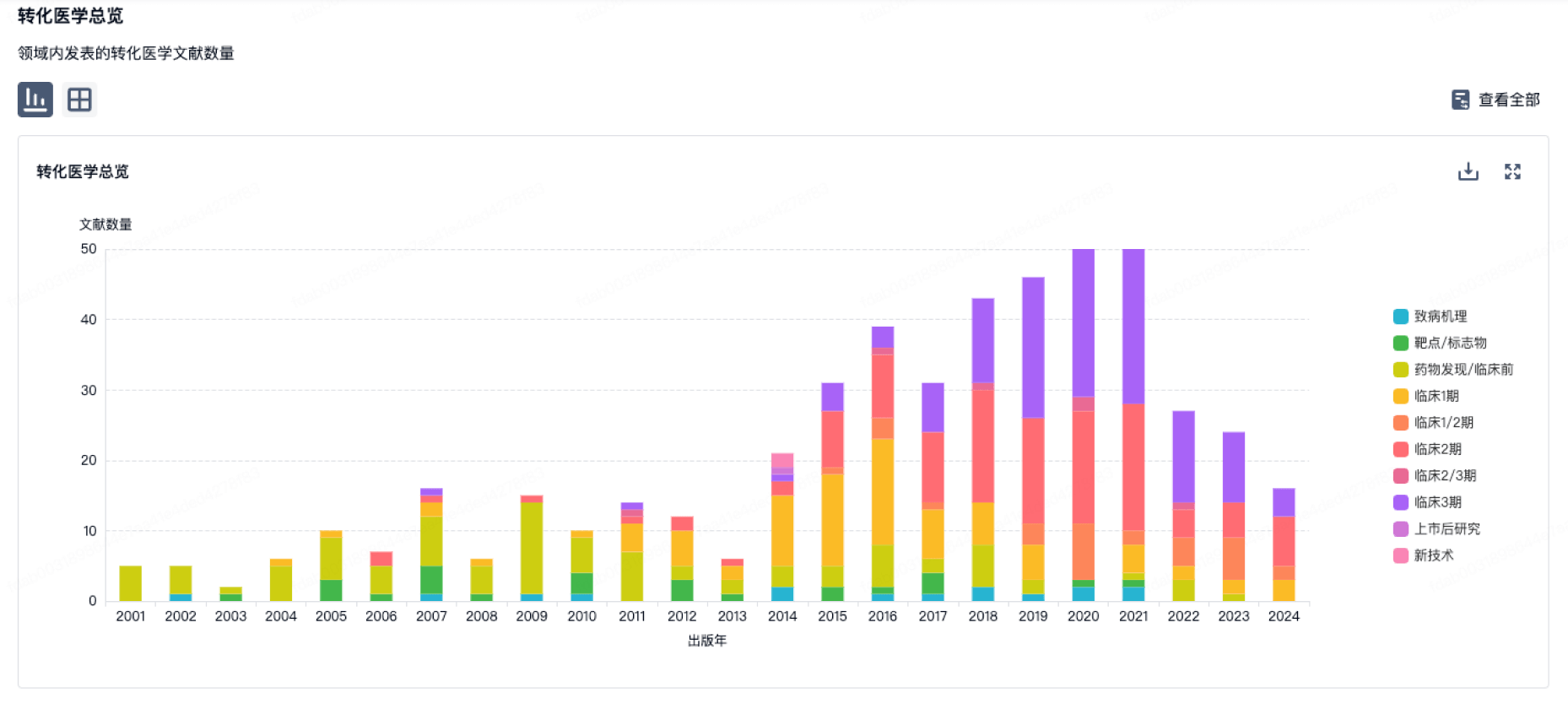
转化医学
使用我们的转化医学数据加速您的研究。
登录
或
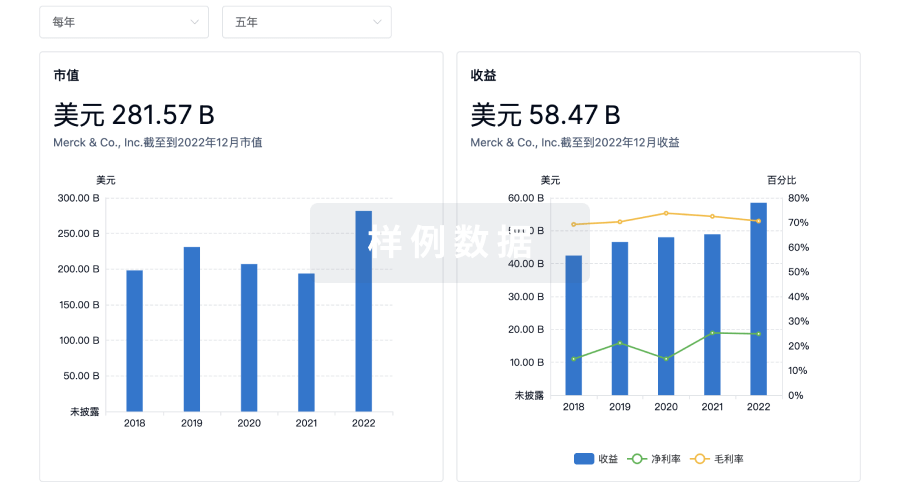
营收
使用 Synapse 探索超过 36 万个组织的财务状况。
登录
或
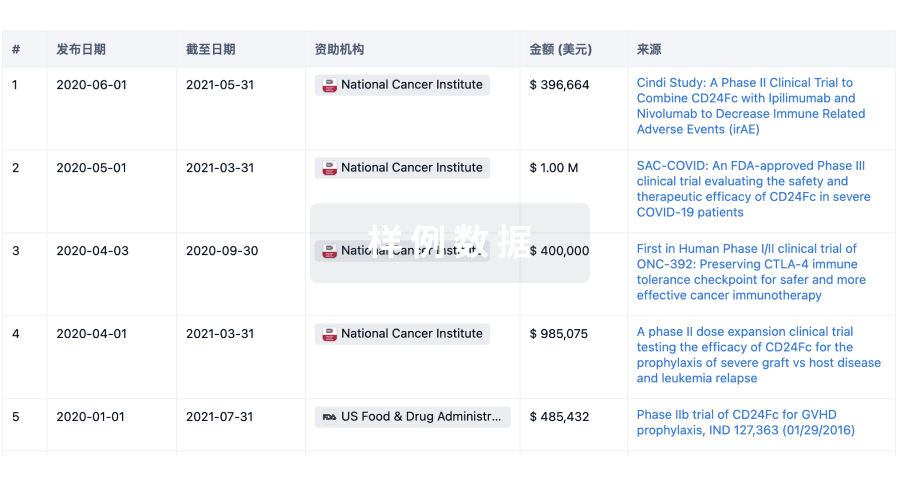
科研基金(NIH)
访问超过 200 万项资助和基金信息,以提升您的研究之旅。
登录
或
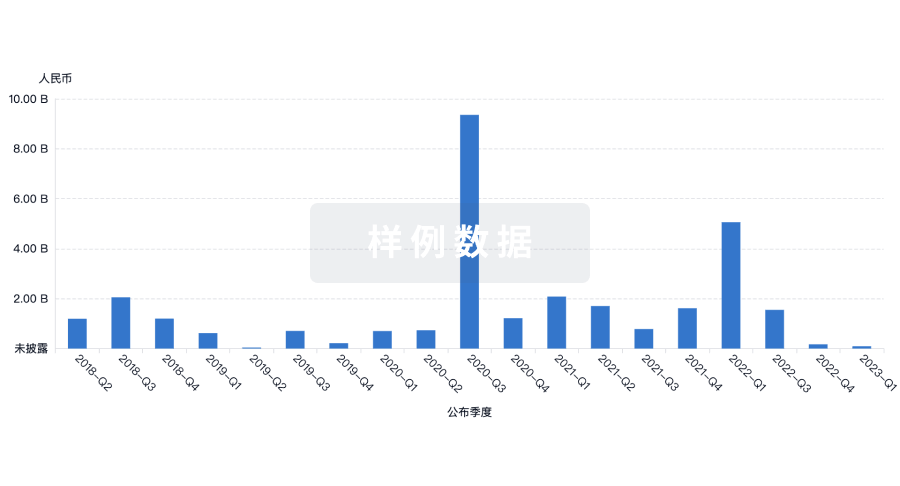
投资
深入了解从初创企业到成熟企业的最新公司投资动态。
登录
或
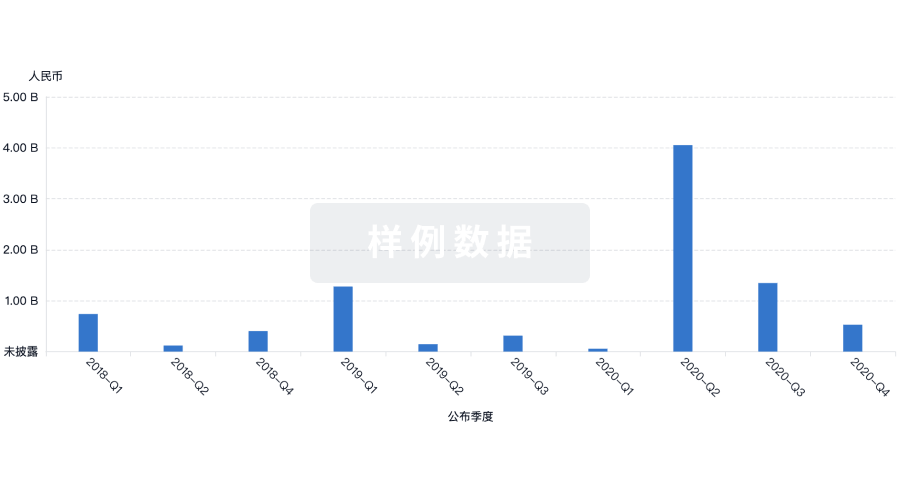
融资
发掘融资趋势以验证和推进您的投资机会。
登录
或
提出任何生物医药研究问题
让每一步生物医药决策都精准制胜
基于十亿级生物数据与全球情报的精准 AI,赋能早期药物发现
立即开始免费试用!
智慧芽新药情报库是智慧芽专为生命科学人士构建的基于AI的创新药情报平台,助您全方位提升您的研发与决策效率。
立即接入生物医药数据包
智慧芽新药库数据也通过智慧芽开放平台,以MCP或API服务形式对外开放。立即使用我们的MCP服务定制您的LLM智能体。
生物序列数据库
生物药研发创新
免费使用
化学结构数据库
小分子化药研发创新
免费使用