预约演示
更新于:2026-09-18
Wuhan Canvest Biotechnology Co., Ltd.
更新于:2026-09-18
概览
关联
100 项与 武汉珈创生物技术股份有限公司 相关的临床结果
登录后查看更多信息
0 项与 武汉珈创生物技术股份有限公司 相关的专利(医药)
登录后查看更多信息
2
项与 武汉珈创生物技术股份有限公司 相关的文献(医药)2025-12-01·ANTIVIRAL RESEARCH
Composition, three-dimensional structure and formation mechanism of the foot and mouth disease virus replication complexes
Article
作者: Tang, Xiao-Feng ; Lv, Bonan ; Wang, Xingran ; Lu, Yang ; Zhou, Ying ; Pan, Zishu ; Su, Zihan ; Yang, Yingying ; Sun, Yidan ; Shen, Chao
Positive-sense RNA virus infections induce vesicle formation within host cells to support RNA replication. By extracting and purifying foot-and-mouth disease virus (FMDV) replication complexes and comparing host cells and replication complexes through targeted lipidomics and proteomics analyses, we found that FMDV enriches host cell proteins and polyunsaturated fatty acids in viral replication complexes (VRCs) to facilitate their formation. On the basis of these findings, we propose a model in which VRCs progress from single-membrane vesicles to multi-membrane vesicles (MMVs) during FMDV replication, a process that requires coordinated contributions of host cell proteins and organelle membranes derived from multiple organelles. Our study showed that, as infection advances, FMDV converts single-membrane vesicles (SMVs) into MMVs, which aggregate to expand the surface area of the replication platform and enhance replication efficiency. These membrane structures function in FMDV replication; the endoplasmic reticulum undergoes curling and folding to support VRC assembly. Additionally, some VRCs possess outward-facing openings that permit material exchange. These findings reveal unexpected similarities between FMDV and distantly related positive-strand RNA viruses, suggesting that shared host cellular pathways are exploited to construct membrane-bound replication factories.
2025-04-01·European Journal of Obstetrics & Gynecology and Reproductive Biology
Prenatal diagnosis and genetic counseling of a paternally inherited chromosome 8q24.22q24.23 microdeletion in a Chinese family
Article
作者: Liu, Xu ; Zhan, Lin ; Xia, Min ; Bian, Xuna ; Wen, Xin
BACKGROUND:
Copy number variants (CNVs) are an important source of normal and pathogenic genome variations. Especially CNVs identified in prenatal cases need careful considerations and correct interpretation if those are harmless or harmful variants from the norm. The literature on 8q24.22q24.23 microdeletion is rare, which is a challenge for genetic counselling.
CASE PRESENTATION:
We have performed prenatal diagnosis and genetic counseling of a paternally inherited 8q24.22q24.23 microdeletion. In this family, father with normal phenotype and fetus with abnormal phenotype have the same microdeletion.
CONCLUSION:
Chromosomal microdeletions and microduplications are difficult to detect by conventional cytogenetics, combination of prenatal ultrasound, karyotype analysis, copy number variation sequencing (CNV-seq), whole-exome sequencing (WES) and genetic counseling is helpful for the prenatal diagnosis of chromosomal microdeletions/microduplications.
97
项与 武汉珈创生物技术股份有限公司 相关的新闻(医药)2026-09-16
·珈创生物
点击蓝字 关注我们
全力以赴,不负所托。2026年6-9月,珈创生物成功助力24家药企伙伴32款产品获批临床!截至目前,我们已累计助力近千家药企客户顺利获批临床以及国内外成功申报,更包括多款首家过评及热门产品。
经确认,在下列项目中,珈创生物受客户委托,积极配合客户需求,以高标准、严要求的服务理念为客户提供了符合国内外法规要求的细胞库全检服务或关键阶段的细胞检测服务,以专业化技术能力护航生物制品安全,为FDA、IND顺利获批提供核心数据支撑。
26年6-9月获批临床
受理号
药品名称
申请人名称
CXSB2600050
IBI3001
信达生物制药(苏州)有限公司
CXSL2600363
注射用QLF4113
齐鲁制药有限公司
CXSL2600360
IBI354
信达生物医药科技(杭州)有限公司
CXSL2600367
特瑞普利单抗注射液
上海君实生物医药科技股份有限公司;苏州众合生物医药科技有限公司;上海君实生物工程有限公司
CXSL2600366
特瑞普利单抗注射液
上海君实生物医药科技股份有限公司;苏州众合生物医药科技有限公司;上海君实生物工程有限公司
CXSL2600381
SYS6041
石药集团巨石生物制药有限公司
CXSB2600062
重组抗PD-1人源化单克隆抗体注射液
上海复宏汉霖生物医药有限公司;复星汉霖(成都)生物技术有限公司
CXSL2600402
注射用HWS113
湖北生物医药产业技术研究院有限公司
CXSL2600418
注射用SHR-1826
苏州盛迪亚生物医药有限公司
CXSL2600419
SHR-8068注射液
苏州盛迪亚生物医药有限公司
CXSL2600416
信迪利单抗注射液
信达生物制药(苏州)有限公司
CXSL2600423
伊匹木单抗N01注射液
信达生物医药科技(杭州)有限公司;信达生物制药(苏州)有限公司
CXSL2600403
STX11101注射液
上海思德克索生物科技有限公司
CXSB2600112
司普奇拜单抗注射液
成都康诺行生物医药科技有限公司
CXSB2600111
司普奇拜单抗注射液
成都康诺行生物医药科技有限公司
CXSB2600080
CM512注射液
康诺亚生物医药科技有限公司;成都康诺行生物医药科技有限公司
CXSL2600471
阿得贝利单抗注射液
上海盛迪医药有限公司;苏州盛迪亚生物医药有限公司
CXSL2600478
IBI3003
信达生物制药(苏州)有限公司
CXSB2600068
伊基奥仑赛注射液
南京驯鹿生物医药有限公司
CXSB2600076
RGB-5088胰岛细胞注射液
杭州瑞普晨创科技有限公司
CXSL2600524
SYS6043
石药集团巨石生物制药有限公司
CXSL2600523
SYS6090注射液
石药集团巨石生物制药有限公司
CXSL2600514
阿得贝利单抗注射液
上海盛迪医药有限公司;苏州盛迪亚生物医药有限公司
CXSL2600528
QL2107注射液
齐鲁制药有限公司
CXSL2600544
阿得贝利单抗注射液
上海盛迪医药有限公司;苏州盛迪亚生物医药有限公司
CXSL2600496
IxCell hUC-MSC-P注射液
上海爱萨尔生物医药股份有限公司
CXSB2600098
CM313(SC)注射液
康诺亚生物医药科技有限公司;成都康诺行生物医药科技有限公司
CXSB2600100
QL2109注射液
齐鲁制药有限公司
CXSL2600594
IBI3014
信达生物制药(苏州)有限公司
CXSB2600163
T3011疱疹病毒注射液
深圳市亦诺微医药科技有限公司
CXSB2600162
T3011疱疹病毒注射液
深圳市亦诺微医药科技有限公司
CXSB2600161
T3011疱疹病毒注射液
深圳市亦诺微医药科技有限公司
CXSB2600165
T3011疱疹病毒注射液
深圳市亦诺微医药科技有限公司
CXSB2600164
T3011疱疹病毒注射液
深圳市亦诺微医药科技有限公司
CXSB2600170
CM512注射液
北京康诺亚生物医药有限公司;成都康诺行生物医药科技有限公司
CXSB2600173
CM512注射液
北京康诺亚生物医药有限公司
CXSB2600172
CM512注射液
北京康诺亚生物医药有限公司;成都康诺行生物医药科技有限公司
CXSB2600171
CM512注射液
北京康诺亚生物医药有限公司;成都康诺行生物医药科技有限公司
CXSB2600174
LX102注射液
上海朗昇生物科技有限公司;朗信启昇(苏州)生物制药有限公司
CXSL2600585
脐带间充质干细胞注射液
山东佰鸿干细胞生物技术有限公司;广东佰鸿干细胞再生医学有限公司
CXSL2600601
QLS2404注射液
齐鲁制药有限公司
CXSL2600600
QLS2404注射液
齐鲁制药有限公司
CXSL2600667
TQB2922注射液(皮下注射)
上海正大天晴医药科技开发有限公司
CXSB2600205
注射用TQB2934(皮下注射)
上海正大天晴医药科技开发有限公司
CXSL2600642
人脐带间充质干细胞注射液
深圳市茵冠生物科技有限公司
CXSL2600658
新型流感病毒mRNA疫苗
华兰生物疫苗股份有限公司
珈创生物检验检测技术平台
关于武汉珈创生物
武汉珈创生物技术股份有限公司是一家为生物制品企业、医疗机构、科研院所提供细胞检定、病毒清除工艺验证服务的高新技术企业。作为国内较早进入生物制品细胞质量控制、评估和检测服务领域的第三方专业化服务机构,公司凭借丰富的行业经验、突出的技术实力和人才优势,逐步成长为掌握较为全面细胞检定技术的企业,并具备对生物制品研发生产较强的质量安全控制能力。公司重视技术研发,不断开发具有国内先进水平的细胞质量控制、评估和检测服务新技术、新方法。迄今为止,武汉珈创生物累计服务的客户数量近千家,分布全国29省、自治区、直辖市。
END
2026-09-07
·珈创资讯
2026年9月15日-16日,第五届BIONNOVA北京创新论坛将盛大启幕。预计150+专家讲者、120+合作伙伴、4000+专业观众齐聚北京,共同探讨创新药研发与产业化关键议题。
大会获得辉瑞、罗氏、诺和诺德、东阳光、中国生物制药、再鼎医药、甘李药业、传奇生物、加科思、沙砾生物、诺思兰德、炎明生物等产业代表企业支持。
北京拥有覆盖基础研究、技术转化、临床开发、产业合作与投融资的完整创新生态。BIONNOVA也将进一步连接北京及全国创新药产业资源,为技术交流、项目合作与产业协同创造更多机会。
01
会议信息
会议名称:第五届BIONNOVA北京创新论坛
会议时间:2026年09月15-2026年09月16日
会议地点:北京朗丽兹西山花园酒店
珈创生物展位:A01
珈创生物邀您共赴盛会
会前限量开放200张赞助商特邀门票,先到先得!期待与您现场相见!
02
主题分享
武汉珈创生物技术总监——袁冰博士将在9月15日上午的“CGT前沿突破进展”分论坛中,与大家交流分享“细胞治疗产品的风险评估与质量控制”,诚邀您的参与!
03
论坛方向
本届论坛围绕抗体、CGT、小分子、核酸与多肽等药物方向设计14场前沿论坛,同时进一步覆盖政策解读、靶点验证、早期研发、多中心临床、注册申报、监管科学、CMC质量体系等关键节点。
04
嘉宾阵容
第五届BIONNOVA北京创新论坛首批100+讲者现已正式公布。讲者阵容覆盖跨国药企、国内头部药企、创新Biotech、科研机构及产业服务平台等多元力量,汇聚企业高管、研发负责人、全球开发负责人、核心技术专家、科研学者及临床研究专家等行业实践者。
关于武汉珈创生物
武汉珈创生物技术股份有限公司是一家为生物制品企业、医疗机构、科研院所提供细胞检定、病毒清除工艺验证服务的高新技术企业。作为国内较早进入生物制品细胞质量控制、评估和检测服务领域的第三方专业化服务机构,公司凭借丰富的行业经验、突出的技术实力和人才优势,逐步成长为掌握较为全面细胞检定技术的企业,并具备对生物制品研发生产较强的质量安全控制能力。公司重视技术研发,不断开发具有国内先进水平的细胞质量控制、评估和检测服务新技术、新方法。迄今为止,武汉珈创生物累计服务的客户数量近千家,分布全国29省、自治区、直辖市。
END
细胞疗法
2026-08-11
为彰显张江生命科学产业的创新、活力,“张江药谷”微信公众号推出【药谷新锐】栏目,特邀张江药谷的新锐企业展开深度对话,解码创新。本期,我们将对话上海思德克索生物科技有限公司(下称“思德克索”)总经理助理、项目管理负责人、知识产权负责人刘华祥,拆解企业如何用“以终为始”的产业化思维,在“无人区”里蹚出一条中国外泌体创新药的可行之路。
在外泌体领域,鲜少有人走通“成药”这条路。
外泌体的发现与研究历史最早可追溯至1946年。历经半个多世纪的探索,2013年,美国科学家James E. Rothman和Randy W. Schekman,德国科学家Thomas C. Südhof,因发现和阐述细胞外囊泡的运输、调控机制,获得诺贝尔生理或医学奖,点燃了国内外外泌体研究的热潮。
但从“诺奖”到“新药” ,这十余年并非坦途 。目前全球尚未批准任何外泌体药品上市,进展最快的为美国Direct Biologics, LLC,其治疗急性呼吸窘迫综合征(ARDS)的 ExoFlo处于 III 期临床试验阶段。
2026年7月6日,思德克索Ⅰ类新药STX11101注射液获CDE新药临床试验默示许可,成为国内首个细胞外囊泡(外泌体)IND获批的药物,标志着我国外泌体创新药不再停留在概念、论文和实验室验证层面,而是向临床转化迈出关键一步。
创新转化,“双向奔赴”
外泌体是细胞外囊泡(EVs)中的一类,一般直径大小在30-150nm。作为细胞间的“特快专递”,外泌体能够携带蛋白质、核酸等关键信息,穿梭于细胞之间,精准调控受体细胞的功能。
凭借低免疫原性、高组织穿透、精准靶向、易负载活性物质等独特优势,外泌体被业界认为“是下一代无细胞再生疗法”,吸引众多科学家、创业者、医生学者相继聚焦于此,以通过外泌体研究,破解成药难题,改写重症治疗的困境。
思德克索创始人、首席科学官徐俊教授
思德克索创始人、首席科学官徐俊教授就是其中之一。在美国德州西南医学中心博士后期间,他师从2013年诺贝尔生理学或医学奖获得者Thomas Südhof教授。
2008年,徐俊学成回国,于次年至今任同济大学医学院教授。其主要研究方向为干细胞及外泌体在重大损伤性及退行性疾病中的作用机制及临床转化,并取得了一系列重大研究进展。
随着对基础研究的愈加深入,徐俊教授对于成果转化的初心也愈加迫切。在其看来,如果基础研究囿于论文、止步于实验室,很难解决行业痛点和患者真正的需求。他开始思考如何将实验室里的研究成果推向市场,让更多人受益。
2020年,徐俊教授与在先进治疗药品(ATMP)产业化领域深耕的张红武教授相识,尽管两人的背景不同,但在“让科研成果如何真正惠及患者”这一核心理念上产生了高度共鸣。
思德克索创始人、董事长、总经理张红武教授
这份共鸣,源于张红武教授多年来对临床转化的执着。在第二军医大学附属长海医院担任临床医生及药学院副院长的二十余年间,他目睹了太多基础研究因难以跨越科技成果转化的“死亡之谷”,最终止步于实验室,未能真正走向临床应用。也是这些遗憾,坚定了他推动创新成果落地转化的决心。
2016年军改之际,46岁的张红武面临抉择:是稳定的工作还是未知的自主择业。张红武选择了后者,扎根生物医药产业一线,致力加速前沿创新疗法落地。凭借深厚的专业积淀,他先后推动多个ATMP(先进治疗药品)项目成功获批国内IND/BLA,为更多危重症患者点亮重生的希望。
创新为民、惠及患者的理念让张红武与徐俊一拍即合,两人决定携手,共同推动干细胞外泌体药物从科研走向产业化。
3年调研,审慎入局
但这一决定直至2023年才真正落地。
在企业筹备初期,外泌体成药挑战重重。在研发、生产层面:产业长期受困于工艺标准缺失、质量控制和规模化的瓶颈。在监管层面:行业指南及监管政策尚缺失。
张红武与徐俊决定先调研、再判断;先论证、再创业。两人对标全球外泌体产业发展现状、监管导向,结合国内生物医药产业政策、产业链配套、临床资源等,完成了全方位、多维度的可行性论证。
同时,两人积极与上海市科委、上海经信委,以及药监部门等相关单位和专家领导沟通,逐一摸排国内对外泌体药物的政策导向、审评逻辑、合规边界与落地可行性。
对一家药企来说,监管不确定性本身就是高风险。“但国家和上海各级监管部门与主管单位给了我们很大的支持和信心。”刘华祥回忆。得到肯定支持后,2023年,思德克索正式注册成立。
思德克索寓意 “慎思、立德、克己、求索”,“这八个字,是思德克索的‘灵魂’(核心价值观),也是我们日常行动的准则。”刘华祥表示。
“慎思”,是不盲目追求热点,重点聚焦肝衰竭、脑卒中等真正未被满足的重大临床需求;“立德”,是将合规与伦理视为企业的生命线;“克己”是对质量的极致追求,不因短期利益而降低标准;“求索”体现在“无人区”探索的勇气与韧性。公司也因此入选《信用中国》品牌传播与社会责任公信力优秀实践案例。
“我们始终在探索技术的边界,致力于将前沿科技转化为惠及患者的突破性方案。”刘华祥介绍,例如前不久IND获批的STX11101注射液,其作为人源脂肪间充质干细胞来源的细胞外囊泡药物,属于天然外泌体,可以实现“保肝、抗炎、促再生”协同作用,不仅能直接保护受损肝细胞并抑制其凋亡,还能调节肝脏免疫微环境以减轻炎症反应,并促进肝细胞增殖分化以加速肝脏组织再生。
急性肝衰竭起病急、死亡率高,28天死亡率50%到80%,缺乏特效药物。目前主流治疗手段为肝移植,但供体严重短缺导致多数患者错失救治时机,且该病高发于青壮年群体,社会危害极大。
在天然外泌体之外,思德克索还在工程化外泌体药物领域不断 “求索”。基因工程修饰干细胞来源外泌体的技术优势可以概括为“靶向明确、功能增强、一靶多能”。“通过基因工程技术,我们能够像‘定制快递’一样,让外泌体携带更多特定的生物活性分子,使其具备精准靶向目标组织的能力。同时,这种工程化改造赋予了外泌体更强的抗炎、抗氧化应激和促再生功能。这也使其成为First-in-Class创新药的基石。”
死磕技术,硬核攻坚
在走通“从0到1”的同时,思德克索也在探索如何“从1到10”。
外泌体药物面临纯度低、工艺不稳定、规模化生产能力不足、批次间一致性差的困境,而这恰恰是决定能否成药的关键。
为了攻克这一难题,思德克索团队在无数个日夜反复“死磕”,创新性地开发了多级串联分离纯化工艺,将外泌体纯度提升至97%以上,远超行业平均水平。在刘华祥看来,它不仅是设备和工艺的叠加,更是底层逻辑的重构。
在源头质量上,思德克索从取脂和细胞培养体系的标准化做起;在分离纯化环节,精确控制每一步的参数,层层剔除杂质;此外,思德克索还建立了完善的质控体系,确保不同批次产品的关键质量属性一致。当纯度指标稳定突破97%时,这意味着思德克索不仅解决了一个技术难题,更是为外泌体药物的规模化、标准化生产筑牢了根基。
“这也是上海张江政产学研深度融合、协同创新的结晶。”刘华祥回忆。成立之初,思德克索依托上海市生物医药产业技术功能型平台,建成了“干细胞外泌体药物研发联合实验室”。“在此过程中,政府不仅提供了场地和政策支持,更在关键节点上帮我们对接了上下游资源,例如与益诺思、珈创生物、汇芯生物等行业头部企业展开深度合作 ,打通了从研发到生产的‘最后一公里’,让我们具备了cGMP级的规模化生产和质控能力。”
在携手产业链上下游加速发展的同时,思德克索也深度参与产业建设与规则共建:牵头承担“十四五”国家重点研发计划专项课题、上海市2025年度科技产业高质量发展计划“生物医药创新发展”项目;与CDE、中检院等国家级科研团队合作开展干细胞及其衍生物创新药的研发与监管评价技术研究,助力国家药品监管科学体系建设。这种“需求导向”“合规前置”的思维,极大地缩短了STX11101注射液申报周期,一定程度上也规避了开发风险。
率先撞线,实现破冰
STX11101注射液IND申请于4月13日获得CDE受理,7月6日获默示许可。在业界看来,这一突破不仅是企业自身的里程碑成果,更是中国外泌体药物产业从“野蛮生长”迈向“合规时代”的标志性节点。
如果说过去十余年是产业在“无人区”探索,那么2026年,则是外泌体药物真正的“元年”。
这一年,监管开始“破冰”——818号令、828号令的实施和《细胞外囊泡药物申报临床试验药学研究的问答文件(征求意见稿)》等一系列指导原则的出台,为行业勾画了清晰的路线图;
产业开启“撞线”——国内首个IND的获批,证明了从干细胞出发,通过规模化、标准化工艺制备符合药品审评要求的外泌体药物,这一技术路线的可行性,也为后来者提供了宝贵的参考范例;
成果加速转化——首个IND的获批也开启了国内其他外泌体新药临床转化的全新篇章,为急性肝衰竭、脑卒中等重症患者带来全新治疗希望,有望打破临床无特效药的困境,填补国内相关治疗领域的市场空白;
资本逐渐“聚焦”—— 资本市场对前沿生物医药的信心进一步增强,真正具备核心技术的头部企业迎来了发展的黄金期。
“‘元年’的意义,不在于我们取得了多大的成功,IND获批只是开始,前方的路依然充满挑战。而在于我们终于看清了道路的方向,并且迈出了最坚实的第一步。从混沌走向明晰,从概念走向现实,中国外泌体药物产业,正迎来属于自己的大航海时代。”刘华祥坦言。
起步决定后势。思德克索为STX11101注射液谋划了清晰的发展路径:下半年正式启动临床I期患者入组,在安全性、初步有效性数据良好的基础上,申请突破性疗法认定,进而加速临床进程;同时依托重症新药在审评审批、临床使用及医保准入等的多重政策优势,争取尽早提交附条件批准上市申请。
除了STX11101注射液,思德克索也在加速推进其他针对脑卒中、肺损伤、难治性创面、卵巢早衰、AD/PD等重大疾病领域适应症的管线开发。
其中,公司正与上海市第一人民医院等五家沪上三甲医院共同承担并合作开展上海申康医院发展中心诊疗技术推广及优化管理项目课题《人脂肪干细胞外泌体治疗急性缺血性脑卒中的疗效评估及技术应用推广》,目前该项目已通过医院科学审查、伦理审查,正按照国家要求进行临床研究备案。
急性缺血性脑卒中是一种致残率极高的疾病。该药物采用经鼻给药方式,可以实现“靶向直达”,极大提高了脑内药物浓度;同时“起效迅速”“安全性高”“依从性好”,对于争分夺秒的脑卒中救治而言,经鼻给药无需静脉穿刺,操作简便,能显著缩短给药时间,也避免了静脉注射可能带来的全身性副作用。
立足中国,辐射全球
“我们希望成为中国外泌体药物产业化的‘铺路石’,用自己的实践,为行业趟出一条从研发、生产到申报的标准化道路,让更多后来者少走弯路。”刘华祥表示,“同时,凭借扎实的临床数据、合规的生产和质控,我们也期望STX11101注射液等药物早日获批上市,为全球急性肝衰竭及脑卒中等危重症患者带来‘新希望’。
不只是国内,思德克索还有着更为宏伟的目标:将“中国标准”和“中国方案”推向世界,在全球外泌体创新药的版图上,刻下鲜明的中国印记。“我们的愿景是成为一个有人文关怀和济世担当的可持续发展的新型国际化制药企业,这意味着我们的目光从一开始就没有局限于国内。”刘华祥介绍。
在具体路径上,思德克索将以STX11101注射液国内IND获批和临床推进为基石,开展国际多中心临床试验,持续积累符合国际ICH-GCP规范的临床数据。“公司也计划在海外设立研发中心或分支机构,推动急性缺血性脑卒中、急性肺损伤等多条管线在全球同步申报临床。”
尽管前路挑战重重,但正如思德克索办公室墙壁上的那句话,为中国干细胞转化事业做一次破冰的努力,求一条发展的康庄大道。
“我们一直在路上。”
100 项与 武汉珈创生物技术股份有限公司 相关的药物交易
登录后查看更多信息
100 项与 武汉珈创生物技术股份有限公司 相关的转化医学
登录后查看更多信息
组织架构
使用我们的机构树数据加速您的研究。
登录
或
管线布局
2026年09月23日管线快照
无数据报导
登录后保持更新
药物交易
使用我们的药物交易数据加速您的研究。
登录
或
转化医学
使用我们的转化医学数据加速您的研究。
登录
或
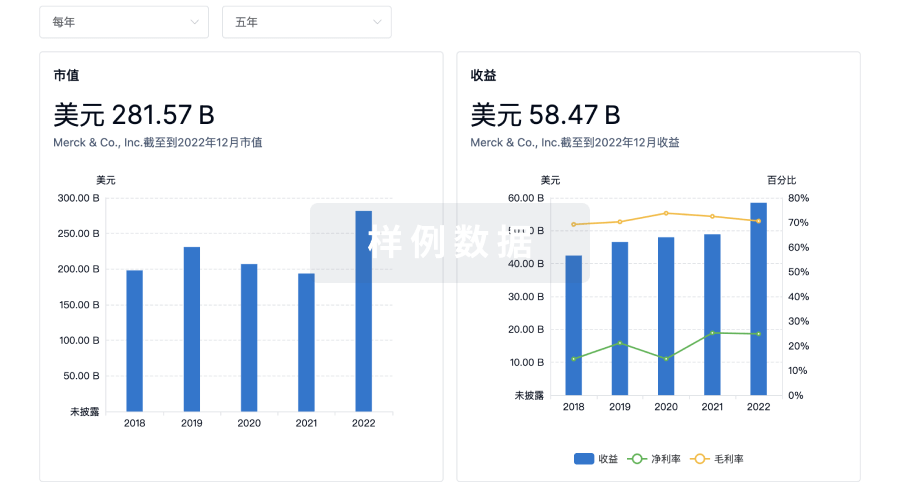
营收
使用 Synapse 探索超过 36 万个组织的财务状况。
登录
或
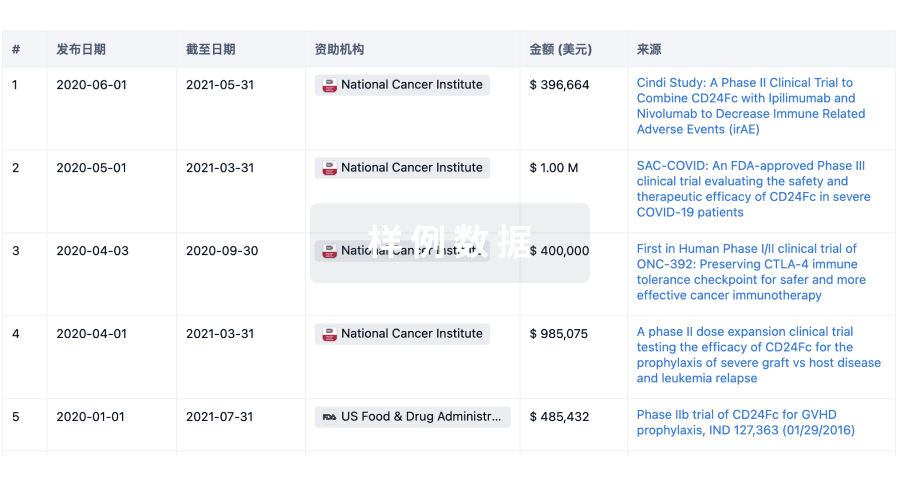
科研基金(NIH)
访问超过 200 万项资助和基金信息,以提升您的研究之旅。
登录
或
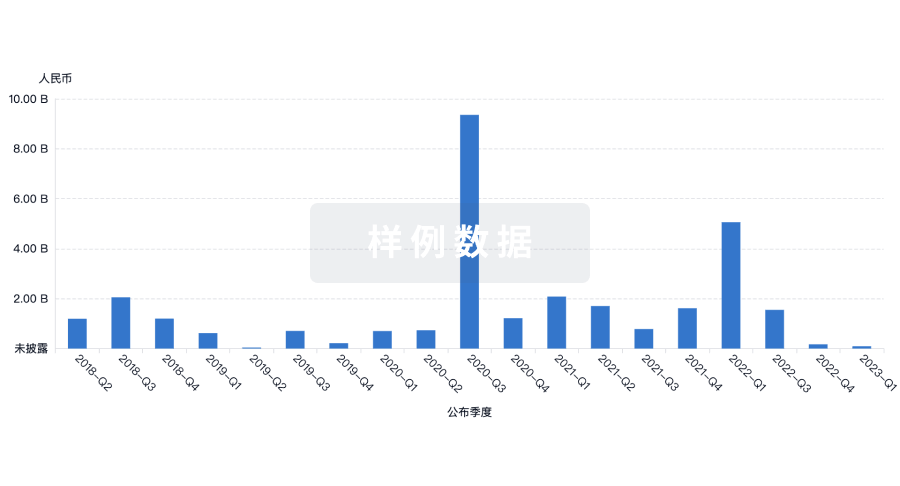
投资
深入了解从初创企业到成熟企业的最新公司投资动态。
登录
或
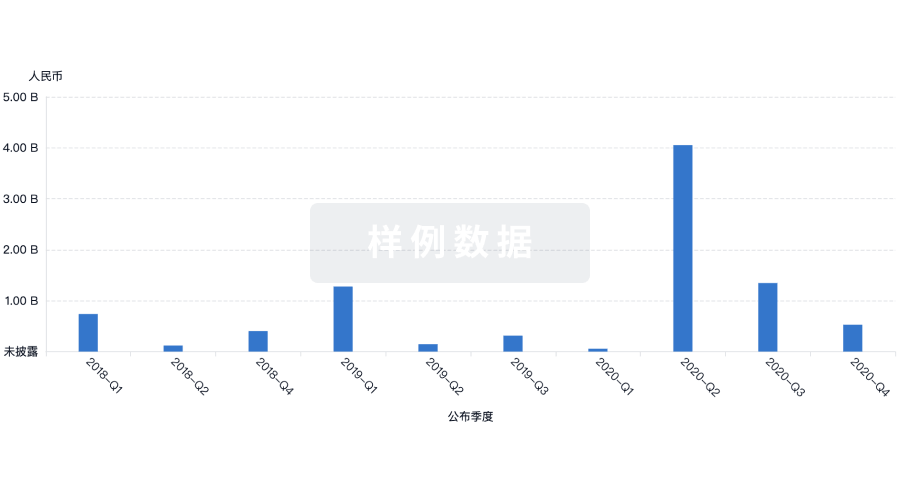
融资
发掘融资趋势以验证和推进您的投资机会。
登录
或
提出任何生物医药研究问题
让每一步生物医药决策都精准制胜
基于十亿级生物数据与全球情报的精准 AI,赋能早期药物发现
立即开始免费试用!
智慧芽新药情报库是智慧芽专为生命科学人士构建的基于AI的创新药情报平台,助您全方位提升您的研发与决策效率。
立即接入生物医药数据包
智慧芽新药库数据也通过智慧芽开放平台,以MCP或API服务形式对外开放。立即使用我们的MCP服务定制您的LLM智能体。
生物序列数据库
生物药研发创新
免费使用
化学结构数据库
小分子化药研发创新
免费使用