预约演示
更新于:2025-05-07
TAC1
更新于:2025-05-07
基本信息
别名 C-terminal-flanking peptide、Neurokinin A、Neuromedin L + [12] |
简介 Tachykinins are active peptides which excite neurons, evoke behavioral responses, are potent vasodilators and secretagogues, and contract (directly or indirectly) many smooth muscles. |
关联
100 项与 TAC1 相关的临床结果
登录后查看更多信息
100 项与 TAC1 相关的转化医学
登录后查看更多信息
0 项与 TAC1 相关的专利(医药)
登录后查看更多信息
2,353
项与 TAC1 相关的文献(医药)2025-12-31·Plant Signaling & Behavior
Heterologous expression of
SpsTAC2
in Arabidopsis affected branch angle and secondary vascular system development
Article
作者: Pang, Zhi ; Yang, Rong ; Yang, Haifeng ; Yan, Jie ; Yu, Fengqiang ; Shi, Lin ; Niu, Fangshu ; Zhao, Hongxia ; Ning, RuiXie ; Yuan, Mengru ; Zhang, Runming ; Wei, Dongshan
2025-07-01·Journal of Hazardous Materials
Synergistic interactions between AMF and MHB communities in the rhizospheric microenvironment facilitated endemic hyperaccumulator plants growth thrive under heavy metal stress in ultramafic soil
Article
作者: He, Bing-Jia ; Hussain, Bashir ; Koner, Suprokash ; Hsu, Bing-Mu ; Paul, Supriti ; Asif, Aslia ; Hsu, Ping-Chi
2025-06-01·Fish Physiology and Biochemistry
Aluminum chloride (AlCl3) alters the physiological response of rainbow trout
Article
作者: Vargas-Chacoff, Luis ; Nualart, Daniela ; Tapia, Jaime ; Diaz, Daniela ; Quinteros, Carolina
21
项与 TAC1 相关的新闻(医药)2024-12-13
·生物世界
神经系统对机体各脏器的生理功能起着重要调节作用。本次会议的目标是讨论健康和疾病中神经调节和神经器官相互作用的最新进展,涵盖模式生物和人类进食、代谢、能量稳态以及肠-脑/神经-免疫相互作用的广泛功能。
会议将有望加深我们对神经回路和机制的研究以及对影响躯体功能的遗传学和生活方式的认识与理解。此外,我们也将重点关注最新的神经调控技术和其他研究工具的应用。
本次会议旨在汇聚国际创新资源,在深圳提供一个分享前沿科研进展的平台,并为神经科学领域以及跨学科的讨论、合作交流提供机会,促进国内外学者更好地了解神经调节在机体稳态和疾病中的作用。
与中国科学院深圳先进技术研究院及深港脑科学创新研究院合作
会议主题:Cell Symposia:健康和疾病中的神经代谢
会议时间及地点:2025年4月6-8日,中国 深圳
摘要征集截止日期:2024年12月20日
早鸟注册截止日期:2025年2月28日
会议组织者
王立平,中国科学院深圳先进技术研究院
Jens Brüning,德国马克斯·普朗克代谢研究所
Mari-Carmen Fernandez-Aguera,Cell Metabolism科学编辑
Ulrich Schridde,Neuron资深科学编辑
复制链接到电脑端,查看会议详情:
https://cell-symposia.com/neurometabolism-2025/index.html
扫码下载详细日程
此次细胞研讨会汇集了世界各地的杰出科学家,本期特别推出主旨报告嘉宾,以及国内重磅嘉宾王立平博士、曹鹏博士、田烨博士近期在Cell Press细胞出版社旗下期刊的发文精选,供所有科研工作者学习阅读。欢迎大家报名参会!
嘉宾论文精选
王立平:
序列性神经调控协调进食
进食行为需要精细的神经过程协调,以在自然且变化莫测的环境中满足食欲。然而,在整个进食过程中,不同神经群体在协调特定行为和动机方面的互补作用仍然知之甚少。在本研究中,我们通过开发一种机器学习辅助的行为追踪系统,描述了小鼠的行为谱,并展示了进食过程是碎片化的,不同的食物摄取动机或环境探索动机在进食过程中相互竞争。弓状核(ARC)中表达丙型相关肽(AgRP)的神经元、外侧下丘脑(LH)中的GABA能神经元以及背侧缝核(DR)中的神经元,通过解决动机冲突,依次协调进食过程的准备、启动和维持。支配不同动机竞争的序列性神经处理过程进一步揭示了优化目标导向行为的一般规则。
▲长按图片识别二维码阅读原文
Sadaf Farooqi:
瞬时受体电位通道 5 的缺失会导致肥胖和产后抑郁症
下丘脑神经回路调节着一些本能行为,如觅食、战斗/逃跑反应、社交和母性护理。在本研究中,我们发现X染色体Xq23上存在微缺失,导致大脑表达的瞬时受体电位(TRP)通道5(TRPC5)功能障碍。该通道家族能够感知外部刺激并将其转化为可被大脑解读的电信号。携带TRPC5缺失突变的雄性小鼠表现出觅食、肥胖、焦虑和自闭症等表型,这些表型在携带人体TRPC5失能突变的小鼠中得到了重现。携带TRPC5缺失的雌性个体则表现出严重的产后抑郁症。作为母亲,TRPC5缺失的小鼠展现出快感缺失和抑郁样行为,且对子代的护理能力受损。在下丘脑室旁核的催产素神经元中敲除TRPC5导致雄性和雌性小鼠均发生肥胖,而雌性小鼠则表现出产后抑郁行为;而在TRPC5突变小鼠的催产素神经元中过表达TRPC5则能逆转这些表型。综上,我们的研究表明,TRPC5在调节与生存密切相关的本能行为中发挥着关键作用,包括觅食和母性护理行为。
▲长按图片识别二维码阅读原文
Matthias Tshöp:
转变肥胖治疗:多受体药物的进展
一个多世纪以来,医生们一直在寻找药物用以减少多余体脂。随着最近在生化工程化激动剂方面的进展,针对胰高血糖素样肽-1(GLP-1)受体的激动剂和GLP-1基础多重激动剂的应用,使肥胖治疗迎来了转机。这些多重激动剂通过整合胰高血糖素和/或葡萄糖依赖性胰岛素促分泌多肽(GIP)受体,借助互补的药理学机制来减轻体重。在其最新的治疗模式中,肠道激素多重激动剂(例如礼来开发的GLP-1/GIP受体双重激动剂替尔泊肽)实现了前所未有的体重减轻效果,达到了约20%-30%,为肥胖手术提供了药理学替代方案。除了对血糖、脂肪肝和肾脏疾病产生有利影响外,这些药物还对心血管系统和脂肪组织产生积极效果。因此,这些新型干预措施在未来的抗肥胖药物研究中具有巨大的潜力。
▲长按图片识别二维码阅读原文
曹鹏:
肠-脑轴在毒素诱导的防御反应中的作用
在摄入毒素污染的食物后,大脑启动一系列防御反应(如恶心、呕吐和呕吐反射)。然而,大脑如何检测摄入的毒素并协调多种防御反应仍不甚明了。在本研究中,我们开发了一种基于小鼠的试验方法,用于研究细菌毒素诱导的防御反应。通过该方法,我们识别到一组分子定义的肠-脑和脑回路,这些回路共同介导了毒素诱导的防御反应。肠-脑回路由一部分Htr3a+迷走神经感觉神经元组成,这些神经元将与毒素相关的信号从肠道嗜铬细胞传递到背侧迷走神经复合体(DVC)中的Tac1+神经元。Tac1+ DVC神经元通过分别向前侧腹呼吸群和外侧副桥核的发散投射,驱动呕吐样行为和条件性味觉回避。对这些回路的操纵还干扰了由化疗药物多柔比星诱导的防御反应。这些结果表明,食物中毒和化疗可能招募类似的回路模块来启动防御反应。
▲长按图片识别二维码阅读原文
田烨:
衰老中的线粒体-核通信:表观遗传学的视角
与衰老相关的线粒体变化与衰老本身密切相关。除了在生物能量学和生物合成中的已知作用外,线粒体还作为信号传递的细胞器,通过将其健康状况传递给细胞核,触发转录程序,以适应维持内稳态的压力,这是有机体健康和衰老所必需的。新兴研究表明,线粒体-核(mito-nuclear)通信通过改变线粒体代谢物或应激信号的水平,导致多种表观遗传变化,从而促进维持内环境稳态并影响衰老过程。在本研究中,我们总结了近期关于线粒体-核通信如何调节表观基因组及其对衰老过程调控的机制的研究。深入了解线粒体代谢物如何作为延寿信号,以及衰老如何影响这一通信,将有助于我们开发促进长寿和健康的干预措施。
▲长按图片识别二维码阅读原文
主旨报告
Sadaf Farooqi
英国剑桥心血管中心
Matthias Tshöp
德国慕尼黑亥姆霍兹研究中心
演讲嘉宾
Ivan de Araujo
德国马克斯·普朗克生物控制论研究所
Jens Brüning
德国马克斯·普朗克代谢研究所
曹鹏
北京生命科学研究所
Henning Fenselau
德国马克斯·普朗克代谢研究所
傅玉(Yu Fu)
新加坡科技研究局
Cristina Garcia-Caceres
德国亥姆霍兹糖尿病中心
Nozomi Nishimura
美国康奈尔大学梅尼格生物医学工程学院
Vincent Prevot
法国国立卫生与医学研究所(Inserm)
Carlos Ribeiro
葡萄牙 Champalimaud 基金会
Lin Tian
美国马克斯·普朗克佛罗里达神经科学研究所
田烨
中国科学院遗传与发育生物学研究所
王立平
中国科学院深圳先进技术研究院
许晓鸿
中国科学院神经科学研究所
郁金泰
复旦大学
Lori Zeltser
美国哥伦比亚大学
曾文文
清华大学
会议注册咨询:h.zhang.6@elsevier.com
会议摘要咨询:Content-CNHD@elsevier.com
展位及赞助咨询:tao.lin@elsevier.com,c.holmkvist@elsevier.com
扫码下载招商手册
经过50年的不懈努力,Cell Press细胞出版社的编辑与全球的作者、审稿人一起,创办了一系列优秀出版物,未来我们也将不断深耕科研创新和科学信息的传播交流,启迪更多科学新发现。
CellPress细胞出版社
▲长按识别二维码关注细胞科学
点击 阅读原文 了解会议详情
2024-11-26
2024年11月22日,美国约翰霍普金斯大学生物工程系Wang Tza-Huei教授团队在期刊《Science Advances》上发表了题为“Multiplex digital profiling of DNA methylation heterogeneity for sensitive and cost-effective cancer detection in low-volume liquid biopsies”的研究论文。在这项研究中,团队应用该平台同时评估了5个甲基化生物标志物的分子间表观遗传异质性,以改进基于血液的早期非小细胞肺癌筛查。在一组48例肺部结节不确定患者的低容量液体活检标本中,团队发现对分子间甲基化密度分布的评估,能显著提高多基因甲基化生物标志物面板在癌症早期筛查中的性能。
2024年11月22日,美国约翰霍普金斯大学生物工程系Wang Tza-Huei教授团队在期刊《Science Advances》上发表了题为“Multiplex digital profiling of DNA methylation heterogeneity for sensitive and cost-effective cancer detection in low-volume liquid biopsies”的研究论文。在这项研究中,团队应用该平台同时评估了5个甲基化生物标志物的分子间表观遗传异质性,以改进基于血液的早期非小细胞肺癌筛查。在一组48例肺部结节不确定患者的低容量液体活检标本中,
团队发现对分子间甲基化密度分布的评估,
能显著提高多基因甲基化生物标志物面板在癌症早期筛查中的性能。
https://www.science.org/doi/10.1126/sciadv.adp1704
https://www.science.org/doi/10.1126/sciadv.adp1704
关于DNA甲基化
关于DNA甲基化
01
01
DNA甲基化已成为检测早期癌症的极具吸引力的生物标志物。然而,由于甲基化模式本身会在整个基因组中逐渐演变,从而导致细胞间甲基化的高度异质性,因此,在早期阶段对DNA甲基化的评估可能会变得复杂。这些过程发生在癌症组织,其次是健康组织(如细胞周期或与年龄相关的表观遗传漂移),会降低诊断测定的临床灵敏度和特异性,尤其会削弱DNA甲基化生物标志物在早期癌症筛查中的效用。
DNA甲基化已成为检测早期癌症的极具吸引力的生物标志物。然而,由于甲基化模式本身会在整个基因组中逐渐演变,从而导致细胞间甲基化的高度异质性,因此,在早期阶段对DNA甲基化的评估可能会变得复杂。这些过程发生在癌症组织,其次是健康组织(如细胞周期或与年龄相关的表观遗传漂移),会降低诊断测定的临床灵敏度和特异性,尤其会削弱DNA甲基化生物标志物在早期癌症筛查中的效用。
在这项研究中,团队提出了一种名为REM-DREAMing(Ratiometric-Encoded Multiplex Discrimination of Rare EpiAlleles by Melt)的方法,它提供了一种简单而经济有效的方法,可在单拷贝分辨率下对分子间的外显子异质性进行高灵敏度的多重分析。研究结果表明,通过评估多基因组的分子间甲基化密度分布,可以显著提高传统甲基化评估技术的性能,临床灵敏度达到93%,临床特异性达到90%,接收器操作特征曲线 (ROC) 下的总面积 (AUC) 为0.96。
在这项研究中,团队提出了一种名为REM-DREAMing(Ratiometric-Encoded Multiplex Discrimination of Rare EpiAlleles by Melt)的方法,它提供了一种简单而经济有效的方法,可在单拷贝分辨率下对分子间的外显子异质性进行高灵敏度的多重分析。研究结果表明,通过评估多基因组的分子间甲基化密度分布,可以显著提高传统甲基化评估技术的性能,
临床灵敏度达到93%,
临床特异性达到90%,
接收器操作特征曲线 (ROC) 下的总面积 (AUC) 为0.96。
REM-DREAMing临床验证
REM-DREAMing临床验证
02
02
团队开发了一种五重REM-DREAMing液体活检测定,以DNA甲基化生物标志物的五基因面板为目标,该面板以前曾在NSCLC筛查中显示出良好的前景。在一项病例对照研究中,通过对低剂量CT扫描筛查出肺部结节的高危患者队列中的液体活检组织进行单倍实时甲基化特异性PCR(MethyLight)检测,临床验证了由5个基因(CDO1、TAC1、HOXA7、HOXA9和SOX17)组成的生物标志物面板。这项研究的结果证实,与无疾病或良性疾病患者的样本相比,NSCLC患者的cfDNA中更频繁地检测到这些位点的高甲基化。
团队开发了一种五重REM-DREAMing液体活检测定,以DNA甲基化生物标志物的五基因面板为目标,该面板以前曾在NSCLC筛查中显示出良好的前景。在一项病例对照研究中,通过对低剂量CT扫描筛查出肺部结节的高危患者队列中的液体活检组织进行单倍实时甲基化特异性PCR(MethyLight)检测,
临床验证了由5个基因(CDO1、TAC1、HOXA7、HOXA9和SOX17)组成的生物标志物面板。
这项研究的结果证实,与无疾病或良性疾病患者的样本相比,
NSCLC患者的cfDNA中更频繁地检测到这些位点的高甲基化。
五重REM-DREAMING验证
五重REM-DREAMING验证
血浆中甲基化生物标志物的多重检测
血浆中甲基化生物标志物的多重检测
03
03
多元模型的结果大大优于任何单个标记物,临床灵敏度达到93%,临床特异性达到90%,总体AUC为0.96。能优化CDO1、TAC1、HOXA7和SOX17面板AUC的甲基化密度临界值,与之前发现的各标志物的临界值相同。但是,HOXA9组合的最佳甲基化密度阈值现在从重度甲基化(90%)转变为中度甲基化(50%)。对于该试验队列,五重REM-DREAMing平台的诊断性能大大优于之前公布的基于单重MSP和多重数字MSP(mdMSP)的诊断性能。
多元模型的结果大大优于任何单个标记物,临床灵敏度达到93%,临床特异性达到90%,总体AUC为0.96。能优化CDO1、TAC1、HOXA7和SOX17面板AUC的甲基化密度临界值,与之前发现的各标志物的临界值相同。但是,HOXA9组合的最佳甲基化密度阈值现在从重度甲基化(90%)转变为中度甲基化(50%)。对于该试验队列,
五重REM-DREAMing平台的诊断性能大大优于之前公布的基于单重MSP和多重数字MSP(mdMSP)的诊断性能。
单个生物标志物的诊断性能。
单个生物标志物的诊断性能。
总结
总结
04
04
1. REM-DREAMing的技术优势:REM-DREAMing平台的关键优势是产生的丰富数据,可全面评估给定面板中感兴趣的生物标志物或基因座的表位分布,提高临床灵敏度。
1. REM-DREAMing的技术优势:
REM-DREAMing平台的关键优势是产生的丰富数据,可全面评估给定面板中感兴趣的生物标志物或基因座的表位分布,提高临床灵敏度。
2. 甲基化密度的评估:在单个DNA分子水平上评估甲基化密度有助于建立有效的阈值,克服各种背景来源的噪音。
2. 甲基化密度的评估:
在单个DNA分子水平上评估甲基化密度有助于建立有效的阈值,克服各种背景来源的噪音。
3. 样本量减少:REM-DREAMing能以较小的样本量(如1毫升)获得多种生物标记物的富集数据集,而许多基于NGS的技术每次检测需要5毫升或更多。
3. 样本量减少:
REM-DREAMing能以较小的样本量(如1毫升)获得多种生物标记物的富集数据集,而许多基于NGS的技术每次检测需要5毫升或更多。
4. 改进的数字化方法的临床实用性:REM-DREAMing检测法可以大幅减少不必要的侵入性和潜在危险的随访程序,改善CT扫描阳性患者的预后,降低医疗费用。
4. 改进的数字化方法的临床实用性:
REM-DREAMing检测法可以大幅减少不必要的侵入性和潜在危险的随访程序,改善CT扫描阳性患者的预后,降低医疗费用。
5. REM-DREAMing的局限性和未来改进:目前的平台存在局限性,需要改进以更好地应用于临床,如提高纳米孔密度或将更多模块集成到扩展设备中。
5. REM-DREAMing的局限性和未来改进:
目前的平台存在局限性,需要改进以更好地应用于临床,如提高纳米孔密度或将更多模块集成到扩展设备中。
6. REM-DREAMing的诊断潜力:REM-DREAMing提供了一种简单、低成本的方法,通过同时评估单拷贝灵敏度下的外显子甲基化模式,全面剖析甲基化生物标志物扩展面板中的分子间甲基化异质性,有望成为早期癌症的常规筛查工具。
6. REM-DREAMing的诊断潜力:
REM-DREAMing提供了一种简单、低成本的方法,通过同时评估单拷贝灵敏度下的外显子甲基化模式,全面剖析甲基化生物标志物扩展面板中的分子间甲基化异质性,有望成为早期癌症的常规筛查工具。
参考资料:
参考资料:
1.A. L. Mattei, N. Bailly, A. Meissner, DNA methylation: A historical perspective. Trends Genet. 38, 676–707 (2022).
1.A. L. Mattei, N. Bailly, A. Meissner, DNA methylation: A historical perspective. Trends Genet. 38, 676–707 (2022).
2.S. B. Baylin, J. G. Herman, DNA hypermethylation in tumorigenesis: Epigenetics joins genetics. Trends Genet. 16, 168–174 (2000).
2.S. B. Baylin, J. G. Herman, DNA hypermethylation in tumorigenesis: Epigenetics joins genetics. Trends Genet. 16, 168–174 (2000).
2024-10-29
【导读】最近的研究强调了免疫反应的表观遗传调节,然而,RNA N6-甲基腺苷(m6A)对于头颈部鳞状细胞癌(HNSC)的修饰和免疫调节,仍未被探索。
2024年10月26日, 中南大学附属湘雅三医院Gao Ru团队在期刊《Heliyon》上发表了题为“The m6A and immune regulatory gene signature predicts the prognosis and correlates with immune infiltration of head and neck squamous cell carcinoma”的研究论文。研究结果证实,与 m6A相关的聚类亚群、风险模型和免疫调节基因,预示着HNSC的不良预后。风险评分成为HNSC患者的有效预后生物标志物和预测指标。
https://www.cell.com/heliyon/fulltext/S2405-8440(24)15789-1#au4
关于头颈部鳞状细胞癌
01
头颈部鳞状细胞癌(HNSC)在全球最普遍的恶性肿瘤中排名第六。尽管在过去30年中,HNSC的存活率略有提高,但这种情况造成了深远的损失,严重影响了患者的身心健康。传统的诊断和治疗方法,对早期疾病检测和预后增强构成挑战。
近年来,多项研究揭示了m6A和免疫调节之间的独特关系改良。这种相互作用包括T细胞增殖和分化的修饰、必需宿主转录物周转的调节以及甲基化病毒转录物,以促进宿主免疫系统的逃避。
本研究利用癌症基因组图谱(TCGA)数据库,研究与m6A调节因子和免疫调节相关差异表达基因(M6A&IMRDEGs)介导的甲基化修饰相关的生物学功能和网络,旨在阐明M6A&IMRDEGs在HNSC患者预后中的作用。
头颈部鳞状细胞癌预后风险模型的分析
02
与低风险组相比,高危组的预后较差。团队观察到风险水平与3个临床因素(性别、年龄和M阶段)之间存在统计学上的显著关联。M阶段在预后风险模型中,表现出比其他变量更高的效用,而Gender表现出较低的效用。预后风险模型在1年>3年>5年时,表现出优异的临床预测效果。
预后分析
免疫浸润分析
03
高危组和低危组之间各种免疫细胞的表达水平差异有统计学意义,包括活化的B细胞、活化的CD4 T细胞、活化的CD8 T细胞、效应记忆CD8 T细胞、未成熟B细胞、记忆B细胞、滤泡状T辅助细胞、1型T辅助细胞、17型T辅助细胞、2型T辅助细胞、 活化的树突状细胞、嗜酸性粒细胞、未成熟树突状细胞、巨噬细胞、MDSC、单核细胞、自然杀伤T细胞和中性粒细胞。在高危组中,团队观察到MUC5B与活化的树突状细胞之间存在显著的正相关;而在低风险组中,SCGB3A1与活化的CD4 T细胞呈显著负相关。
通过ssGSEA算法,进行风险组免疫浸润分析。
总结
04
1. 研究发现29个m6A和IMRDEG(免疫调节相关基因)的差异表达,并通过GO、CNV、SNP评估和WGCNA分析,鉴定出与HNSC预后相关的基因,如IL11和MMP13。
2. 通过PPI分析,确定7个与m6A修饰和免疫调节有关的中心基因,包括BPIFB1、BPIFB2、GP2、MUC5B、MUC7、PIP和SCGB3A1。
3. 高危组和低危组之间存在18种免疫细胞类型的表达水平差异,表明风险模型可以评估肿瘤的免疫状态并预测治疗结果。
4. 确定了9个关键基因(HTN1、ZG16B、HMGA2、GAST、LYZ、CSF2、MB、MAGEB2和TAC1)构建的风险评分,与HNSC患者的性别、年龄和M分期相关,是预后不良的独立危险因素。
5. 研究还发现与HNSC发生和发展相关的DEGs(差异表达基因),主要与细胞外基质(ECM)结构和免疫反应有关。
6. 研究提供了HNSC中M6A&IMRDEGs的全面调查,并开发了相关的预后风险模型,有助于识别肿瘤的免疫表型,为个性化癌症免疫治疗提供新见解,但需要进一步验证。
参考资料:
1.Ferlay, J. ...
Estimating the global cancer incidence and mortality in 2018: GLOBOCAN sources and methods.Int. J. Cancer. 2018; 144:1941-1953
2.Saleh, K. ...New developments in the management of head and neck cancer – impact of pembrolizumab.Therapeut. Clin. Risk Manag. 2018; 14:295-303
免疫疗法
分析
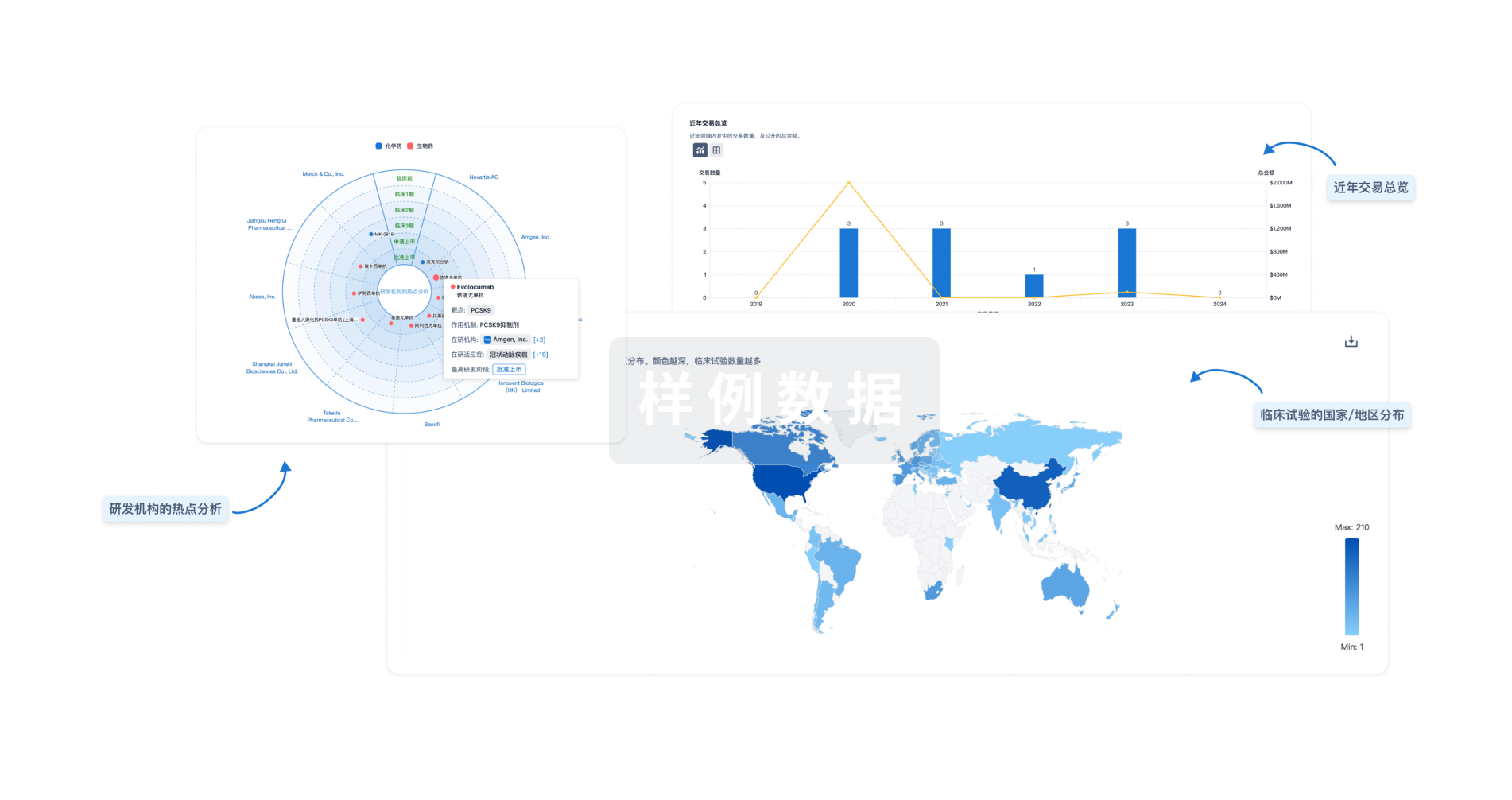
对领域进行一次全面的分析。
登录
或
生物医药百科问答
全新生物医药AI Agent 覆盖科研全链路,让突破性发现快人一步
立即开始免费试用!
智慧芽新药情报库是智慧芽专为生命科学人士构建的基于AI的创新药情报平台,助您全方位提升您的研发与决策效率。
立即开始数据试用!
智慧芽新药库数据也通过智慧芽数据服务平台,以API或者数据包形式对外开放,助您更加充分利用智慧芽新药情报信息。
生物序列数据库
生物药研发创新
免费使用
化学结构数据库
小分子化药研发创新
免费使用