预约演示
更新于:2026-02-28
Morinda officinalis polysaccharide
更新于:2026-02-28
概要
基本信息
原研机构 |
在研机构 |
非在研机构- |
权益机构- |
最高研发阶段临床前 |
首次获批日期- |
最高研发阶段(中国)临床前 |
特殊审评- |

关联
4
项与 Morinda officinalis polysaccharide 相关的临床试验ChiCTR2200055780
Efficacy and safety of Morinda officinalis oligosaccharide combined with probiotics in the treatment of major depressive disorder: A double-blind randomized placebo-controlled trial
ChiCTR2100049044
Clinical efficacy and effect mechanism of Morinda officinalis oligosaccharide capsules in the treatment of vascular depression based on the brain-gut axis

ChiCTR2100047797
Effects of morinda oligosaccharides on intestinal flora and 5-HT pathway in patients with mild and moderate depression
100 项与 Morinda officinalis polysaccharide 相关的临床结果
登录后查看更多信息
100 项与 Morinda officinalis polysaccharide 相关的转化医学
登录后查看更多信息
100 项与 Morinda officinalis polysaccharide 相关的专利(医药)
登录后查看更多信息
1
项与 Morinda officinalis polysaccharide 相关的文献(医药)American Journal of Translational Research
Morinda officinalis polysaccharide enhances osteogenic differentiation and migration of bone marrow mesenchymal cells by activating P38MAPK signal transduction
Article
作者: Lin, Jiwei ; Ruan, Zhiyan ; Ren, Hong ; Xu, Zhe ; Lai, Manxiang ; Chen, Xia
Morinda officinalis polysaccharide (MOP), a derivative extracted from the traditional Chinese medicine Morinda officinalis, exhibits immunomodulatory and anti-osteoporosis (OP) effects. However, the mechanism underlying MOP's promotion of bone mesenchymal stem cell (BMSC) osteogenic differentiation remains unclear. Flow cytometry was employed to characterize BMSCs isolated from SD rats. The biological characteristics of BMSCs were detected using methyl thiazolyl tetrazolium (MTT), scratch healing, and colony formation assays. To assess the effect of MOP on BMSC osteogenic differentiation, Alizarin Red S staining and alkaline phosphatase (ALP) activity assays were performed. Osteogenic-associated proteins and gene expression were measured by western blot and RT-qPCR. MOP (40 μg/mL) promoted BMSC proliferation, enhanced colony formation and migration, promoted the formation of mineralized nodules of BMSCs, and increased ALP activity. Moreover, MOP treatment upregulated osteoblast-related protein and gene levels. In addition, MOP activated the P38 MAPK signaling pathway, and the addition of p38 pathway inhibitor SB203580 inhibited cell viability, colony formation, migration, and osteogenic differentiation of BMSCs. These findings suggest that MOP enhances BMSC proliferation and migration through P38 MAPK pathway activation, thereby promoting osteogenic differentiation.
100 项与 Morinda officinalis polysaccharide 相关的药物交易
登录后查看更多信息
研发状态
10 条进展最快的记录, 后查看更多信息
登录
| 适应症 | 最高研发状态 | 国家/地区 | 公司 | 日期 |
|---|---|---|---|---|
| 骨质疏松症 | 临床前 | 中国 | 2025-01-01 |
登录后查看更多信息
临床结果
临床结果
适应症
分期
评价
查看全部结果
登录后查看更多信息
转化医学
使用我们的转化医学数据加速您的研究。
登录
或
药物交易
使用我们的药物交易数据加速您的研究。
登录
或
核心专利
使用我们的核心专利数据促进您的研究。
登录
或
临床分析
紧跟全球注册中心的最新临床试验。
登录
或
批准
利用最新的监管批准信息加速您的研究。
登录
或
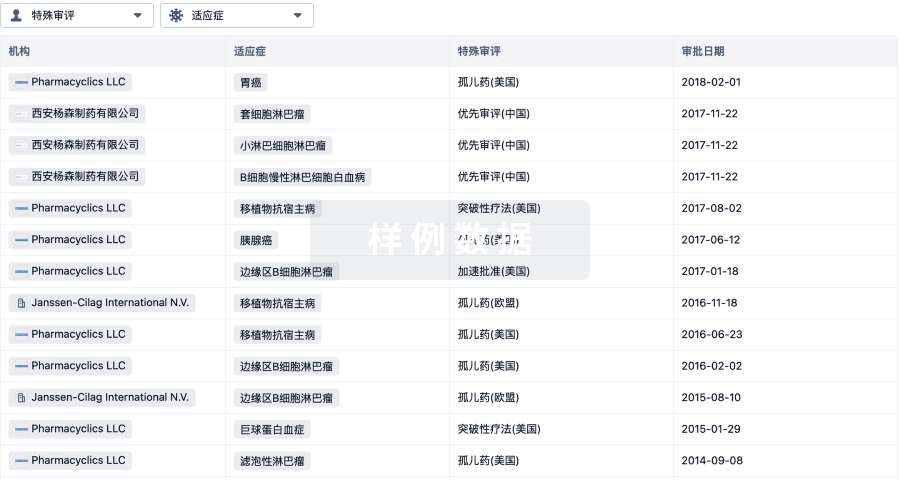
特殊审评
只需点击几下即可了解关键药物信息。
登录
或
生物医药百科问答
全新生物医药AI Agent 覆盖科研全链路,让突破性发现快人一步
立即开始免费试用!
智慧芽新药情报库是智慧芽专为生命科学人士构建的基于AI的创新药情报平台,助您全方位提升您的研发与决策效率。
立即开始数据试用!
智慧芽新药库数据也通过智慧芽数据服务平台,以API或者数据包形式对外开放,助您更加充分利用智慧芽新药情报信息。
生物序列数据库
生物药研发创新
免费使用
化学结构数据库
小分子化药研发创新
免费使用