预约演示
更新于:2026-01-11

Guangdong Food and Drug Vocational College
更新于:2026-01-11
概览
标签
皮肤和肌肉骨骼疾病
内分泌与代谢疾病
多糖药物
疾病领域得分
一眼洞穿机构专注的疾病领域

技术平台
公司药物应用最多的技术
靶点
公司最常开发的靶点
关联
靶点 |
作用机制 |
在研机构 |
原研机构 |
在研适应症 |
非在研适应症 |
最高研发阶段 |
首次获批国家/地区 |
首次获批日期 |
100 项与 广东食品药品职业学院 相关的临床结果
登录后查看更多信息
登录后查看更多信息
2025-12-02Expert Opinion On Drug Safety
Adverse events associated with azithromycin and clarithromycin in adults aged ≥65: a disproportionality analysis of the FDA Adverse Event Reporting System (FAERS) database
Article
作者: Zhang, Zhenpo ; Liang, Yankun ; Wang, Yuting ; Zheng, Jingping ; He, Jiaxin ; Su, Ling ; Ma, Lin
BACKGROUND:
Azithromycin and clarithromycin are commonly used to treat community-acquired pneumonia in adults aged ≥ 65, such as mycoplasma pneumonia. This study aims to evaluate adverse events (AEs) associated with azithromycin and clarithromycin in this age group by analyzing the FDA Adverse Event Reporting System (FAERS), providing insights for clinical use and management of AEs in this population.
RESEARCH DESIGN AND METHODS:
We retrieved reports of AEs related to azithromycin and clarithromycin from the FAERS database. Disproportionality analysis was conducted using the Reporting Odds Ratio (ROR), Proportional Reporting Ratio (PRR), Bayesian Confidence Propagation Neural Network (BCPNN), and Multi-Gamma Poisson Shrinkage (MGPS) to identify AEs associated with azithromycin and clarithromycin in adults aged ≥ 65.
RESULTS:
A total of 2,019 adverse event reports were retrieved for azithromycin, and 2,392 for clarithromycin. Off-label use (n = 349) and drug interactions (n = 487) were the most reported AEs in adults aged ≥ 65 for azithromycin and clarithromycin, respectively. Prolonged QT interval showed the strongest signal among AEs for azithromycin in this age group. Drug interaction-related medication errors had the strongest signal for clarithromycin. Seven signals not explicitly included in the azithromycin package insert were identified in adults aged ≥ 65. Fourteen signals not explicitly included in the clarithromycin package insert were identified.
CONCLUSIONS:
Among adults aged ≥ 65, cardiac-related adverse events are more closely associated with azithromycin than with clarithromycin. Conversely, AEs related to drug interactions and psychiatric symptoms are more associated with clarithromycin. Additionally, clinicians should be vigilant regarding AEs not specified in the package inserts. The findings of this study may help optimize the selection of azithromycin and clarithromycin based on patient circumstances and assist clinicians in focusing on relevant AEs for early intervention.
2025-12-01COLLOIDS AND SURFACES B-BIOINTERFACES
Highly efficient antibacterial hydrogel-based multifunctional coatings for ureteral stent to inhibit severe infectious encrustation
Article
作者: Yu, Peng ; Ning, Chengyun ; Liu, Senwei ; Jin, Haoyu ; Zhan, Jiawen ; Tian, Ye ; Wu, Yucong ; Zhai, Jinxia ; Shi, Lin ; Li, Jiawei ; Feng, Ziying
Ureteral stents are prone to encrustation due to urinary crystallization and bacterial infection, leading to severe complications and restricting long-term use. In this study, a multifunctional hydrogel-based coating was developed, which integrates the crosslinking of polyacrylic acid coupled with zinc ions (PAA(Zn2 +)) possessing antibacterial properties and polyvinylpyrrolidone (PVP) with hydrophilic lubrication properties on the PU stent (PPAZ/PU). This novel PPAZ/PU coating was devised to mitigate the challenges of bacterial infectious encrustation associated with stent placement in clinical settings. The coating was synthesized via complex decomposition and addition polymerization, forming a stable zinc-ion-rich crosslinked network. The intertwining of PVP and PAA(Zn²⁺) molecular chains, along with hydrogen bond formation, enhanced the hydrogel's cohesion and peel strength up to 1000 N/m. The hydrophilicity and lubricity of the PPAZ/PU-coated stent was markedly enhanced for clinical applications, with a reduction in contact angle and friction coefficient by a factor of 3.25 and 2.62, respectively. In vitro antibacterial assays and simulated infectious encrustation experiments revealed that the PPAZ/PU-coated stent had an antibacterial efficacy of over 99 % and halved the surface encrustation per unit area. This PPAZ/PU hydrogel-based coating strategy presents an efficacious solution to the anti-encrustation demands of ureteral stents, particularly in severe urinary tract infection scenarios.
2025-08-01JOURNAL OF AFFECTIVE DISORDERS
Association between serum alpha-1-acid glycoprotein (AGP) levels and depression: The mediation effect of triglyceride-glucose (TyG) index
Article
作者: Yi, Kefan ; Liu, Hao
Alpha-1-acid glycoprotein (AGP) is regarded as an inflammatory factor. Currently, the relationship between serum AGP levels and depression is controversial. We designed a cross-sectional study to explore the association between serum AGP levels and depression using data from the National Health and Nutrition Examination Survey (NHANES) from 2021 to 2023. The PHQ-9 questionnaire was used to investigate the depression symptoms of participants, and the PHQ-9 score ≥ 10 was regarded as depression. Weighted multivariate logistic regression models, weighted multiple linear models, restricted cubic splines models (RCS), subgroup analyses, and interaction tests were performed to explore the association of serum AGP levels with depression. ROC curves were used to plot the predictive effect of AGP on depression. The mediation analysis was conducted to assess the mediation effect of the TyG index. Our study revealed that serum AGP levels were positively and linearly associated with depression. In the fully adjusted model, the odds ratio of depression elevated by 1.04 times (OR = 2.04, 95 % CI: 1.17-3.57), and the PHQ-9 score increased by 1.47 (β = 1.47, 95 % CI: 0.37-2.56) for each ln-unit AGP level increase, respectively. A positive relationship was also observed in some subgroups. Furthermore, AGP presented a strong predictive effect on depression. In addition, the TyG index had a significant mediation effect on the relationship between serum AGP levels and depression. In general, our study provides some new insight into the role of AGP on depression and the mediation effect of the TyG index.
100 项与 广东食品药品职业学院 相关的药物交易
登录后查看更多信息
100 项与 广东食品药品职业学院 相关的转化医学
登录后查看更多信息
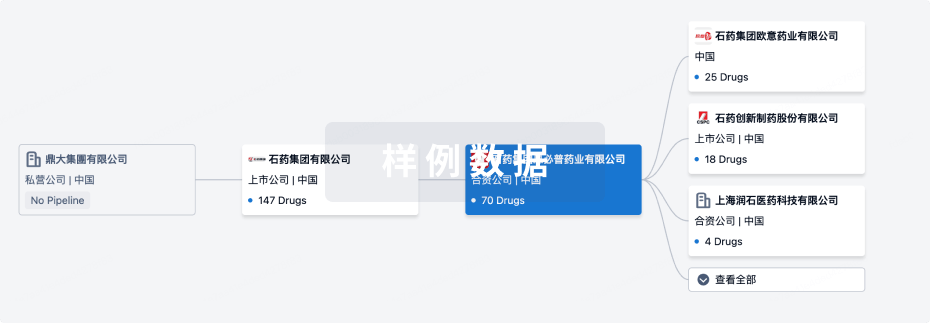
组织架构
使用我们的机构树数据加速您的研究。
登录
或
管线布局
2026年03月06日管线快照
管线布局中药物为当前组织机构及其子机构作为药物机构进行统计,早期临床1期并入临床1期,临床1/2期并入临床2期,临床2/3期并入临床3期
临床前
1
登录后查看更多信息
当前项目
登录后查看更多信息
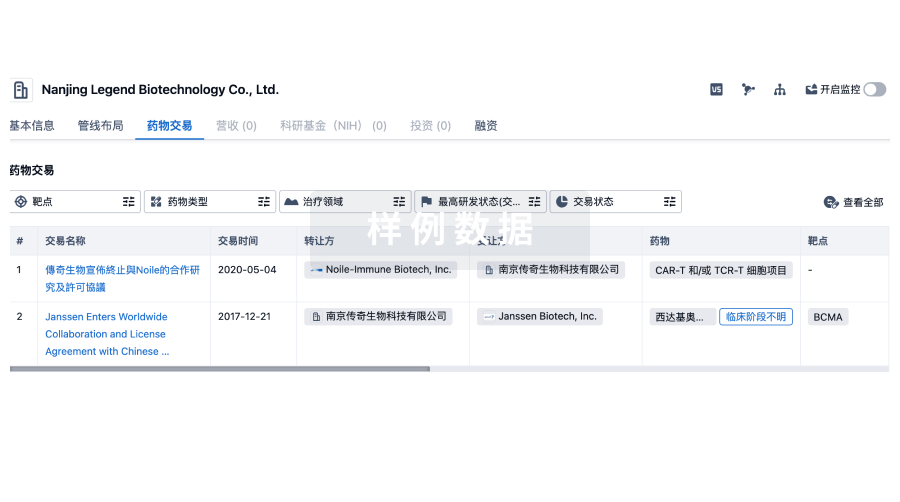
药物交易
使用我们的药物交易数据加速您的研究。
登录
或
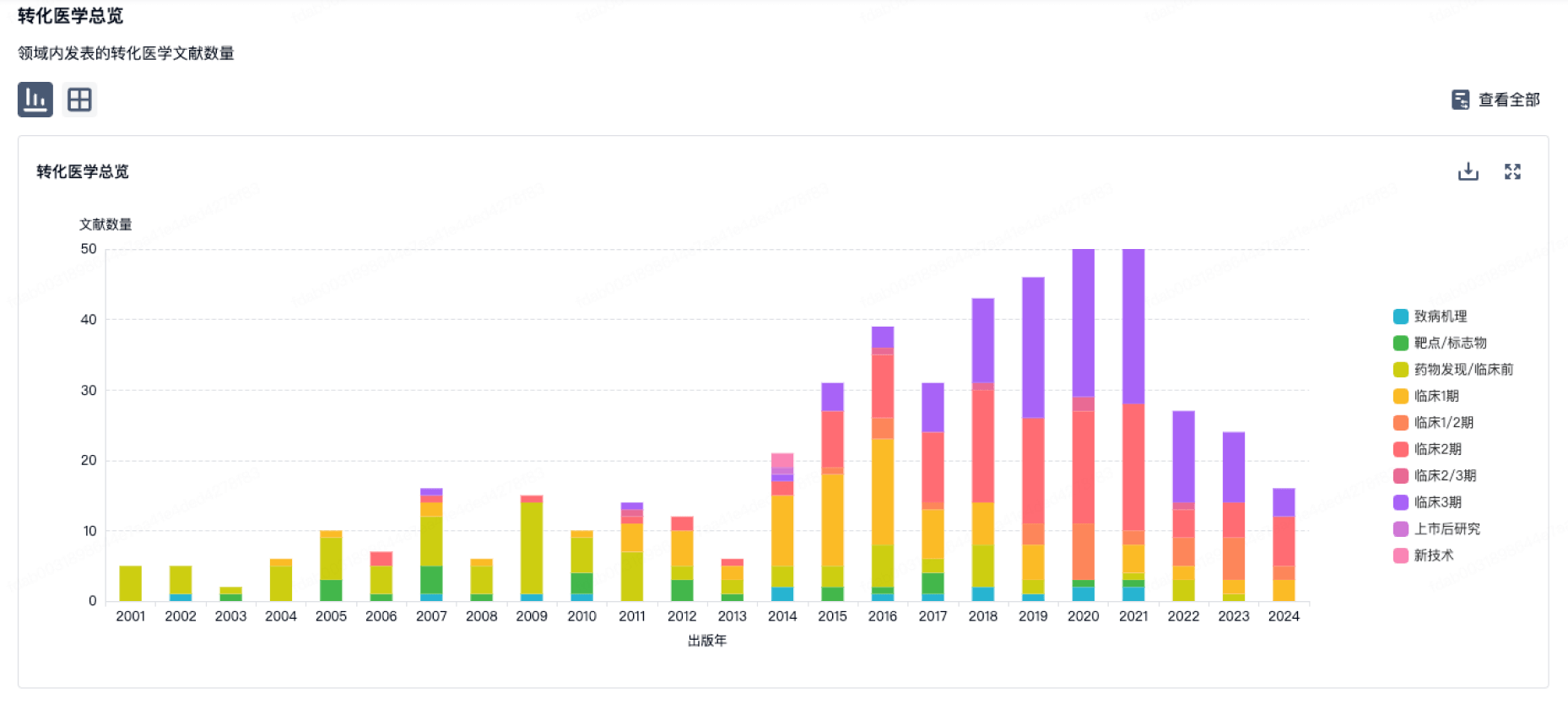
转化医学
使用我们的转化医学数据加速您的研究。
登录
或
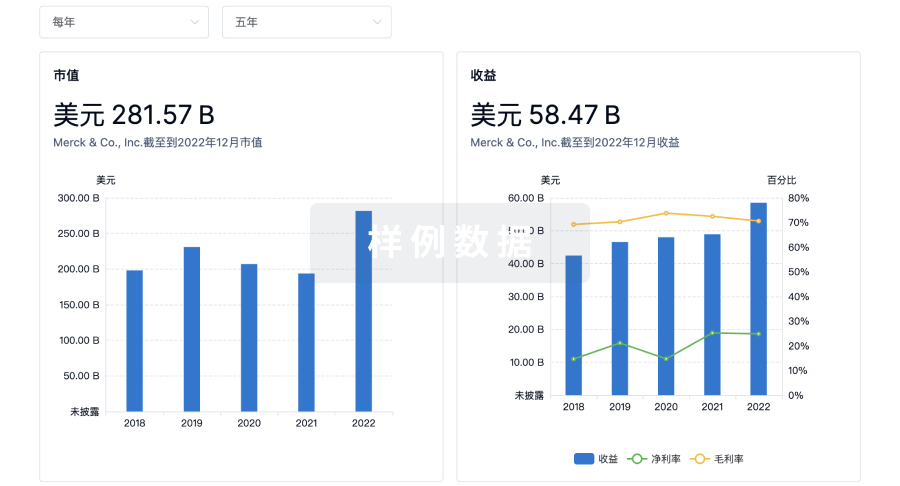
营收
使用 Synapse 探索超过 36 万个组织的财务状况。
登录
或
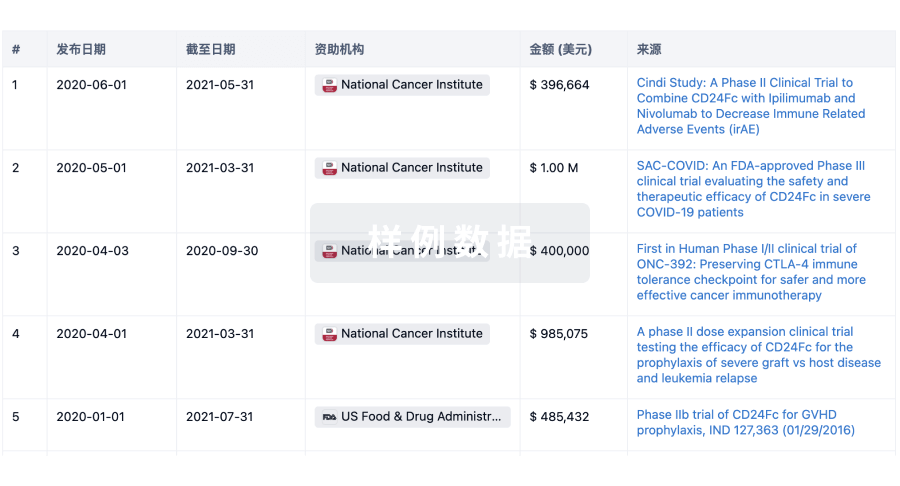
科研基金(NIH)
访问超过 200 万项资助和基金信息,以提升您的研究之旅。
登录
或
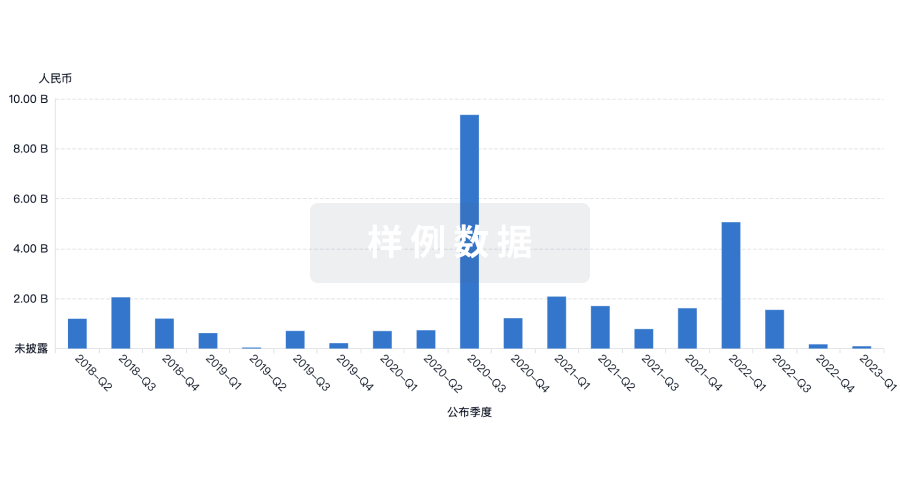
投资
深入了解从初创企业到成熟企业的最新公司投资动态。
登录
或
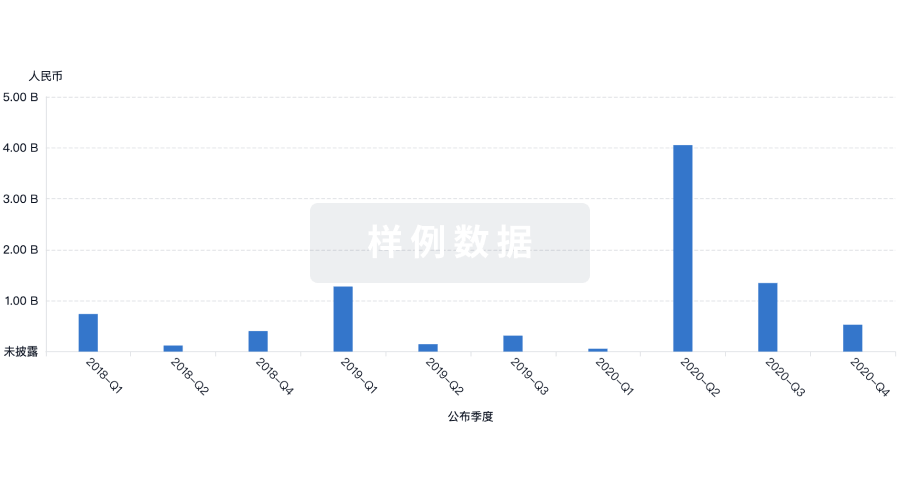
融资
发掘融资趋势以验证和推进您的投资机会。
登录
或
生物医药百科问答
全新生物医药AI Agent 覆盖科研全链路,让突破性发现快人一步
立即开始免费试用!
智慧芽新药情报库是智慧芽专为生命科学人士构建的基于AI的创新药情报平台,助您全方位提升您的研发与决策效率。
立即开始数据试用!
智慧芽新药库数据也通过智慧芽数据服务平台,以API或者数据包形式对外开放,助您更加充分利用智慧芽新药情报信息。
生物序列数据库
生物药研发创新
免费使用
化学结构数据库
小分子化药研发创新
免费使用