预约演示
更新于:2026-10-15
Trosunilimab
更新于:2026-10-15
概要
基本信息
原研机构 |
在研机构 |
非在研机构- |
权益机构- |
最高研发阶段临床2期 |
首次获批日期- |
最高研发阶段(中国)临床1期 |
特殊审评- |
登录后查看时间轴
结构/序列
Sequence Code 1023303297L

来源: *****
Sequence Code 1023303305H
来源: *****
关联
5
项与 Trosunilimab 相关的临床试验NCT07697456
A Phase 2 Platform Basket Study Evaluating Advanced Therapies in Subjects With Moderately to Severely Active Crohn's Disease or Ulcerative Colitis
NCT06632938
A Randomized, Single-blind, Placebo-controlled, Phase 1 Study to Evaluate the Safety and Pharmacokinetics of Single Doses of ABBV-382 in Healthy Adult Chinese Volunteers
NCT06548542
A Phase 2a Multicenter, Randomized, Platform Study of Targeted Therapies for the Treatment of Adult Subjects With Moderate to Severe Crohn's Disease
100 项与 Trosunilimab 相关的临床结果
登录后查看更多信息
100 项与 Trosunilimab 相关的转化医学
登录后查看更多信息
100 项与 Trosunilimab 相关的专利(医药)
登录后查看更多信息
1
项与 Trosunilimab 相关的文献(医药)2026-01-01Contemporary Clinical Trials
Analytical treatment interruption as a tool in the evaluation of immune-mediated interventions for long-term antiretroviral-free control of HIV-1 among people with HIV
Article
作者: Topp, Andrew ; Abunimeh, Manal ; Pires Dos Santos, Ana Gabriela ; Berry, Jeff ; Lalezari, Jacob P ; Dubé, Karine ; Gill, Sarah ; Routy, Jean-Pierre ; Diaz, Ricardo Sobhie ; Sokhela, Simiso M ; Cohen, Daniel ; Mothe, Beatriz ; Schwarze, Siegfried ; Lewin, Sharon R ; Krishnan, Preethi ; Sinclair, Gary I
BACKGROUND:
Immune-mediated interventions have the potential to induce long-term antiretroviral treatment (ART)-free viral suppression in people with HIV. However, in the absence of biomarkers of viral control, studies looking at immune interventions require a planned long-term analytical treatment interruption (ATI) that may bring risks to participants and challenges for data interpretation. Herein, we describe an ongoing, global, proof-of-concept, randomized, placebo-controlled, phase 2 clinical trial with a planned ATI and illustrate how those risks have been mitigated to safely evaluate the long-term durability of ART-free viral control.
METHODS:
The trial evaluates an immunologic combination of low-dose budigalimab and trosunilimab administered during ATI. Adults aged 18-70 with confirmed HIV-1 on stable ART with viremia below the limit of detection and CD4+ counts >500 cells/mL willing to undergo ATI are randomized to receive budigalimab, trosunilimab, both (at 2 different trosunilimab doses), or neither. The primary efficacy endpoint is the proportion of participants achieving viral control (HIV-1 RNA <1000 copies/mL) without restarting ART at week 24. The planned ATI duration (≤112 weeks) evaluates the durability of off-ART viral control, long-term safety, and biomarkers. Key ATI elements align with published consensus recommendations [1] while incorporating feedback from members of the global HIV community.
CONCLUSIONS:
By sharing this study design, we hope to inform on the lessons learned from operationalizing a global study evaluating durable ART-free viral control, including the critical role of engaging members of the HIV community during clinical trial design to ensure the success of an ATI-inclusive study.
100 项与 Trosunilimab 相关的药物交易
登录后查看更多信息
研发状态
10 条进展最快的记录, 后查看更多信息
登录
| 适应症 | 最高研发状态 | 国家/地区 | 公司 | 日期 |
|---|---|---|---|---|
| 溃疡性结肠炎 | 临床2期 | 美国 | 2026-07-31 | |
| 溃疡性结肠炎 | 临床2期 | 加拿大 | 2026-07-31 | |
| 溃疡性结肠炎 | 临床2期 | 以色列 | 2026-07-31 | |
| 溃疡性结肠炎 | 临床2期 | 中国台湾 | 2026-07-31 | |
| 克罗恩病 | 临床2期 | 美国 | 2024-09-04 | |
| 克罗恩病 | 临床2期 | 奥地利 | 2024-09-04 | |
| 克罗恩病 | 临床2期 | 比利时 | 2024-09-04 | |
| 克罗恩病 | 临床2期 | 保加利亚 | 2024-09-04 | |
| 克罗恩病 | 临床2期 | 加拿大 | 2024-09-04 | |
| 克罗恩病 | 临床2期 | 克罗地亚 | 2024-09-04 |
登录后查看更多信息
临床结果
临床结果
适应症
分期
评价
查看全部结果
登录后查看更多信息
转化医学
使用我们的转化医学数据加速您的研究。
登录
或
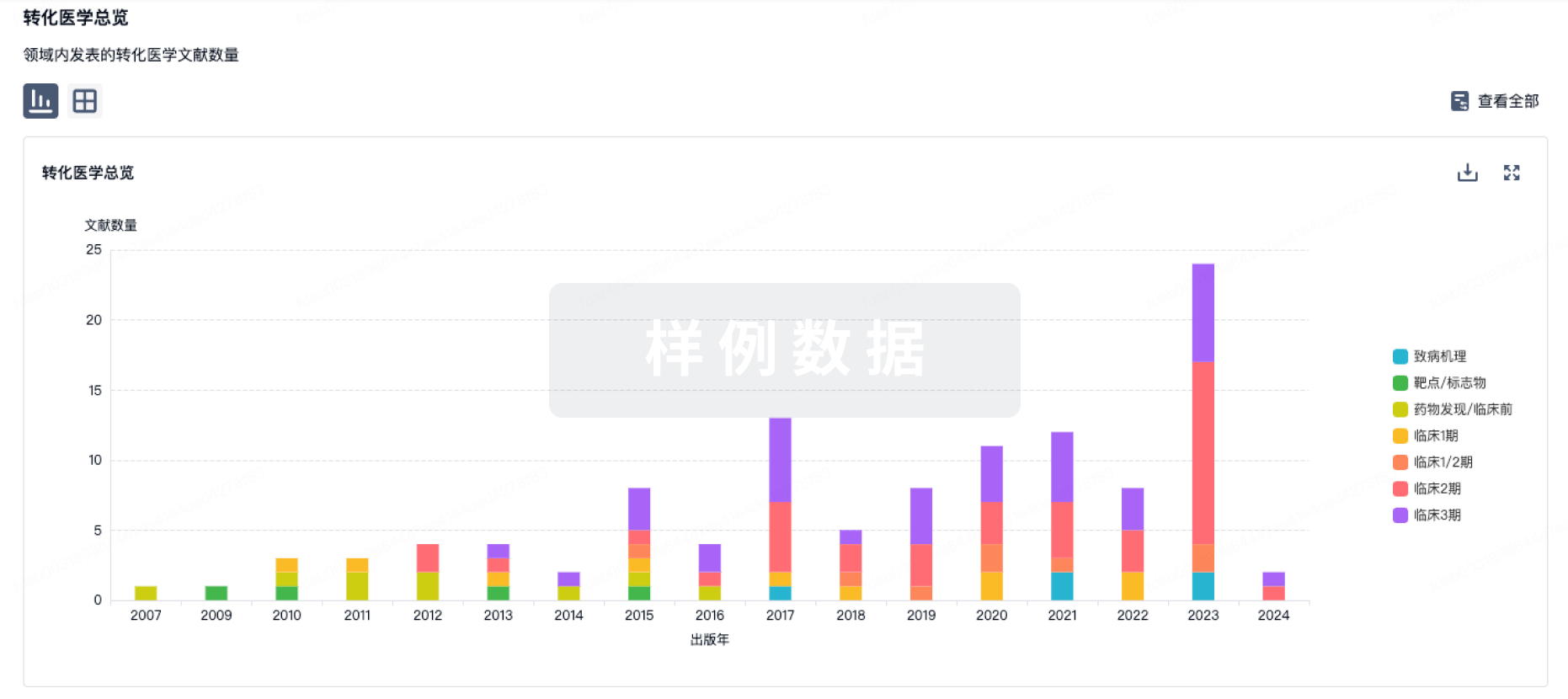
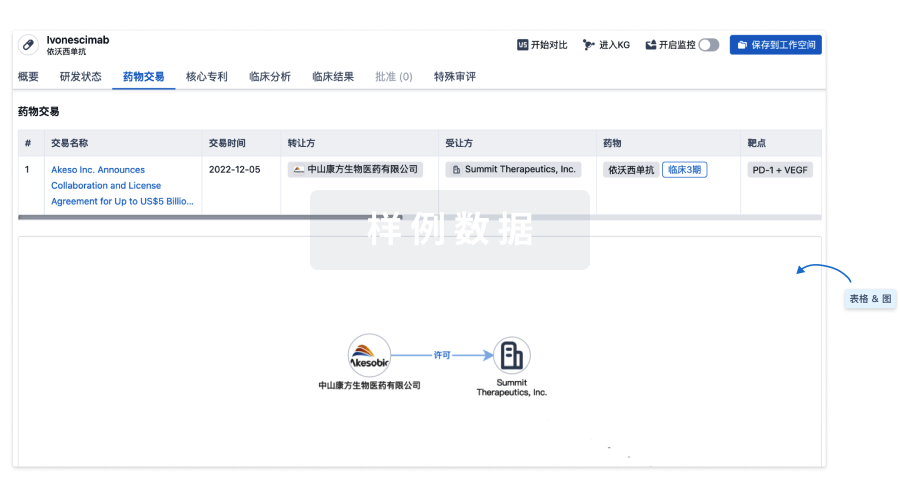
药物交易
使用我们的药物交易数据加速您的研究。
登录
或
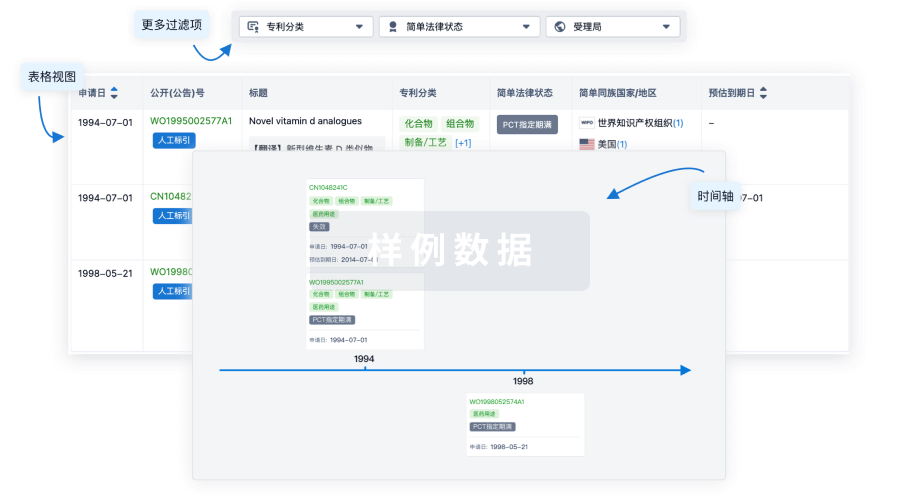
核心专利
使用我们的核心专利数据促进您的研究。
登录
或
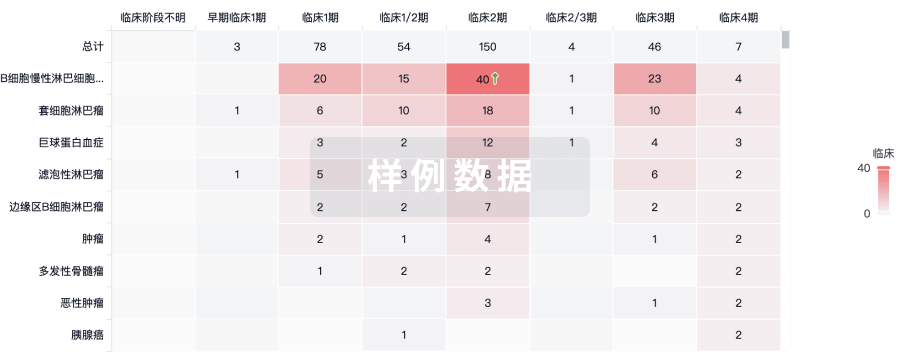
临床分析
紧跟全球注册中心的最新临床试验。
登录
或
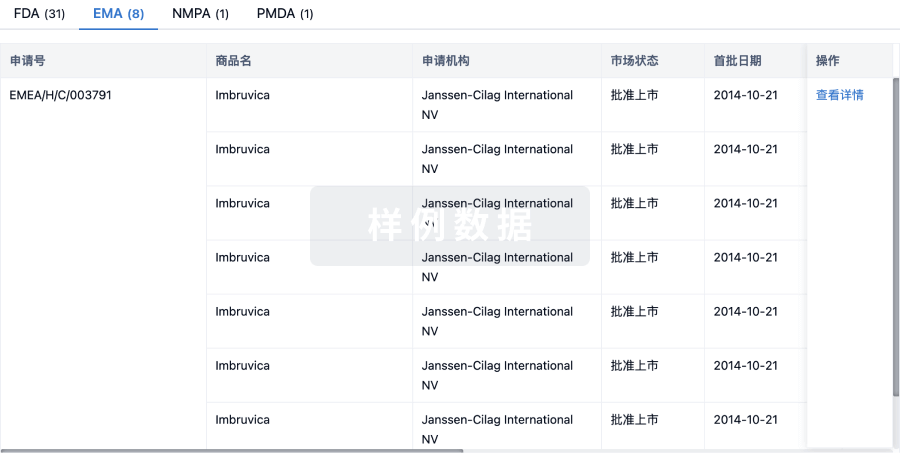
批准
利用最新的监管批准信息加速您的研究。
登录
或
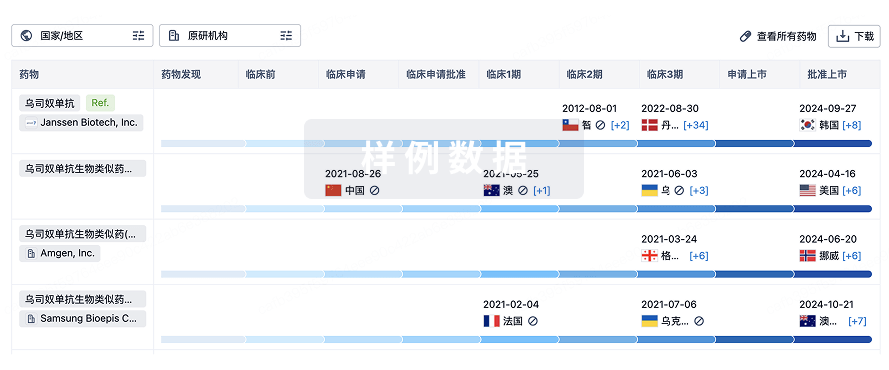
生物类似药
生物类似药在不同国家/地区的竞争态势。请注意临床1/2期并入临床2期,临床2/3期并入临床3期
登录
或
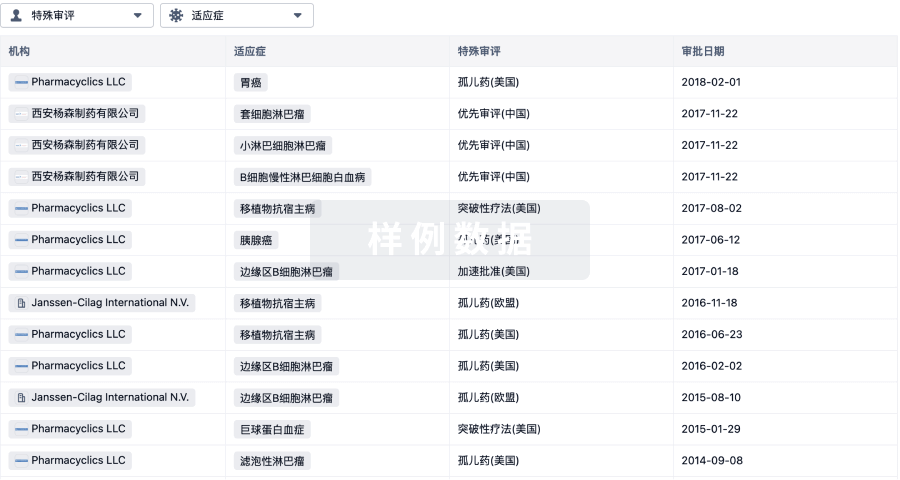
特殊审评
只需点击几下即可了解关键药物信息。
登录
或
提出任何生物医药研究问题
让每一步生物医药决策都精准制胜
基于十亿级生物数据与全球情报的精准 AI,赋能早期药物发现
立即开始免费试用!
智慧芽新药情报库是智慧芽专为生命科学人士构建的基于AI的创新药情报平台,助您全方位提升您的研发与决策效率。
立即接入生物医药数据包
智慧芽新药库数据也通过智慧芽开放平台,以MCP或API服务形式对外开放。立即使用我们的MCP服务定制您的LLM智能体。
生物序列数据库
生物药研发创新
免费使用
化学结构数据库
小分子化药研发创新
免费使用