预约演示
更新于:2026-03-01
M3F
更新于:2026-03-01
概要
基本信息
药物类型 小分子化药 |
别名 2-((1H-benzo[d]imidazol-2-yl) thio)-1-(3-(2-fluorophenyl)-5-phenyl-1H-pyrazol-1-yl) ethanone |
作用方式 调节剂 |
作用机制 NF-κB调节剂(核因子NF-κB复合体调节剂)、Nrf2调节剂(核转录因子的激活红细胞2相关因子调节剂) |
治疗领域 |
在研适应症 |
非在研适应症- |
非在研机构- |
权益机构- |
最高研发阶段临床前 |
首次获批日期- |
最高研发阶段(中国)- |
特殊审评- |

关联
100 项与 M3F 相关的临床结果
登录后查看更多信息
100 项与 M3F 相关的转化医学
登录后查看更多信息
100 项与 M3F 相关的专利(医药)
登录后查看更多信息
3
项与 M3F 相关的文献(医药)2025-08-01·BIOORGANIC CHEMISTRY
Antiplasmodial effect of benzimidazole-pyrazole derivative against Plasmodium berghei infection in mice model
Article
作者: Saleem, Anber ; Irshad, Nadeem ; Farzand, Shahbaz ; Azam, Jawad ; Hamid, Aneeqa ; Rehman, Ayema ; Qureshi, Naveeda Akhtar ; Ulhaq, Inzamam ; Nadeem, Humaira
Malaria is a vector-borne and blood-borne disease substantially contributing to morbidity and mortality worldwide for many years, especially in developing countries, causing a serious threat to public health. The growing resistance of the Plasmodium parasite to existing antimalarials highlights the urgent need for novel drugs. The present study aimed to investigate the antiplasmodial effect of three doses of 2-((1H-benzo[d]imidazole-2-yl)thio)-1-(3,5-diphenyl-1H-pyrazol-1-yl)ethenone (3a) on Plasmodium berghei induced malaria in mice using chloroquine as a reference drug. Mice were observed for morphological and behavioral changes, as well as hematological and biochemical analysis. Liver and spleen were subjected to histopathology, antioxidant assays, immunohistochemical analysis, and polymerase chain reaction. Furthermore, molecular docking was performed to assess antimalarial protein targets. The study provides compelling evidence that 3a demonstrated dose-dependent reduction in parasitemia, restoration of hematological and biochemical parameters with 800 μg/kg of 3a, antioxidant potential via decreasing oxidative stress markers and enhancing antioxidant markers. Furthermore, it also supports the anti-inflammatory property of compound via reducing levels of proinflammatory cytokines in immunohistochemistry and polymerase chain reaction. Docking study indicates that binding affinity of 3a with P. falciparum proteins is even better than that of chloroquine especially with P. falciparum plasmepsins. Hence 3a offers a promising alternative candidate in search for new antimalarial agents.
Frontiers in veterinary science
Mapping of foot-and-mouth disease virus antigenic sites recognized by single-domain antibodies reveals different 146S particle specific sites and particle flexibility
Article
作者: Sun, Shiqi ; Harmsen, Michiel M ; Li, Haozhou ; van der Poel, Wim H M ; Dekker, Aldo
Vaccination with intact (146S) foot-and-mouth disease virus (FMDV) particles is used to control FMD. However, 146S particles easily dissociate into stable pentameric 12S particles which are less immunogenic. We earlier isolated several single-domain antibody fragments (VHHs) that specifically bind either 146S or 12S particles. These particle-specific VHHs are excellent tools for vaccine quality control. In this study we mapped the antigenic sites recognized by these VHHs by competition ELISAs, virus neutralization, and trypsin sensitivity of epitopes. We included two previously described monoclonal antibodies (mAbs) that are either 12S specific (mAb 13A6) or 146S specific (mAb 9). Although both are 12S specific, the VHH M3F and mAb 13A6 were found to bind independent antigenic sites. M3F recognized a non-neutralizing and trypsin insensitive site whereas mAb 13A6 recognized the trypsin sensitive VP2 N-terminus. The Asia1 146S-specific site was trypsin sensitive, neutralizing and also recognized by the VHH M8F, suggesting it involves the VP1 GH-loop. The type A 146S-specific VHHs recognized two independent antigenic sites that are both also neutralizing but trypsin insensitive. The major site was further mapped by cross-linking mass spectrometry (XL-MS) of two broadly strain reactive 146S-specific VHHs complexed to FMDV. The epitopes were located close to the 2-fold and 3-fold symmetry axes of the icosahedral virus 3D structure, mainly on VP2 and VP3, overlapping the earlier identified mAb 9 site. Since the epitopes were located on a single 12S pentamer, the 146S specificity cannot be explained by the epitope being split due to 12S pentamer dissociation. In an earlier study the cryo-EM structure of the 146S-specific VHH M170 complexed to type O FMDV was resolved. The 146S specificity was reported to be caused by an altered conformation of this epitope in 12S and 146S particles. This mechanism probably also explains the 146S-specific binding by the two type A VHHs mapped by XL-MS since their epitopes overlapped with the epitope recognized by M170. Surprisingly, residues internal in the 146S quaternary structure were also cross-linked to VHH. This probably reflects particle flexibility in solution. Molecular studies of virus-antibody interactions help to further optimize vaccines and improve their quality control.
Scientific Reports
Hepatoprotective potential of M3F, a benzimidazole pyrazole derivative, against paracetamol induced hepatotoxicity
Article
作者: Ilyas, Zaineb ; Noman, Muhammad ; Rehman, Ayema ; Irshad, Nadeem ; Noor, Rimsha ; Nadeem, Humaira
Hepatotoxicity, a critical liver damage often caused by drugs like paracetamol (PCM), involves oxidative stress, inflammation, and cellular injury. This study investigates the hepatoprotective potential of a benzimidazole-pyrazole derivative, 2-((1H-benzo[d]imidazol-2-yl) thio)-1-(3-(2-fluorophenyl)-5-phenyl-1H-pyrazol-1-yl) ethanone (M3F), using both in silico and in vivo approaches. Pharmacokinetic profiling was performed using SwissADME and ProTox to predict drug-likeness and toxicity. Molecular docking studies were conducted using AutoDock Vina integrated with PyRx to evaluate the binding affinity of M3F with key targets related to oxidative stress and inflammation. Subsequently, in vivo studies were conducted using a PCM-induced hepatotoxicity model in mice, wherein M3F was administered orally at doses of 100, 200, and 400 µg/kg for seven consecutive days, followed by a single dose of PCM (300 mg/kg, intraperitoneally) on the eighth day to induce liver injury. Serum markers of liver damage, lipid profiling, antioxidant assays, histopathological examinations and molecular markers analysis were performed to determine the therapeutic effects of M3F. In silico analysis revealed favorable pharmacokinetic properties and strong binding affinities of M3F to inflammatory and oxidative stress-related molecular targets. In vivo, M3F treatment led to a marked improvement in liver enzyme levels and lipid profiles, along with significant histological recovery of liver tissue. The study demonstrated a significant downregulation of IL-6, IL-1β, and TNF-α protein levels, as measured by ELISA, indicating reduced inflammatory responses following M3F treatment. Additionally, PCR analysis revealed a notable decrease in the mRNA expression levels of IL-17, NF-κB, and TLR4, alongside an increase in Nrf2 and HO-1 transcript levels. It is suggested that M3F demonstrated notable hepatoprotective effects in PCM-induced liver injury through dual modulation of inflammatory (NF-κB) and antioxidant (Nrf2) pathways. These findings support its potential as a novel hepatoprotective candidate for future studies.
100 项与 M3F 相关的药物交易
登录后查看更多信息
研发状态
10 条进展最快的记录, 后查看更多信息
登录
| 适应症 | 最高研发状态 | 国家/地区 | 公司 | 日期 |
|---|---|---|---|---|
| 药物性肝损伤 | 临床前 | 巴基斯坦 | 2025-09-30 |
登录后查看更多信息
临床结果
临床结果
适应症
分期
评价
查看全部结果
| 研究 | 分期 | 人群特征 | 评价人数 | 分组 | 结果 | 评价 | 发布日期 |
|---|
No Data | |||||||
登录后查看更多信息
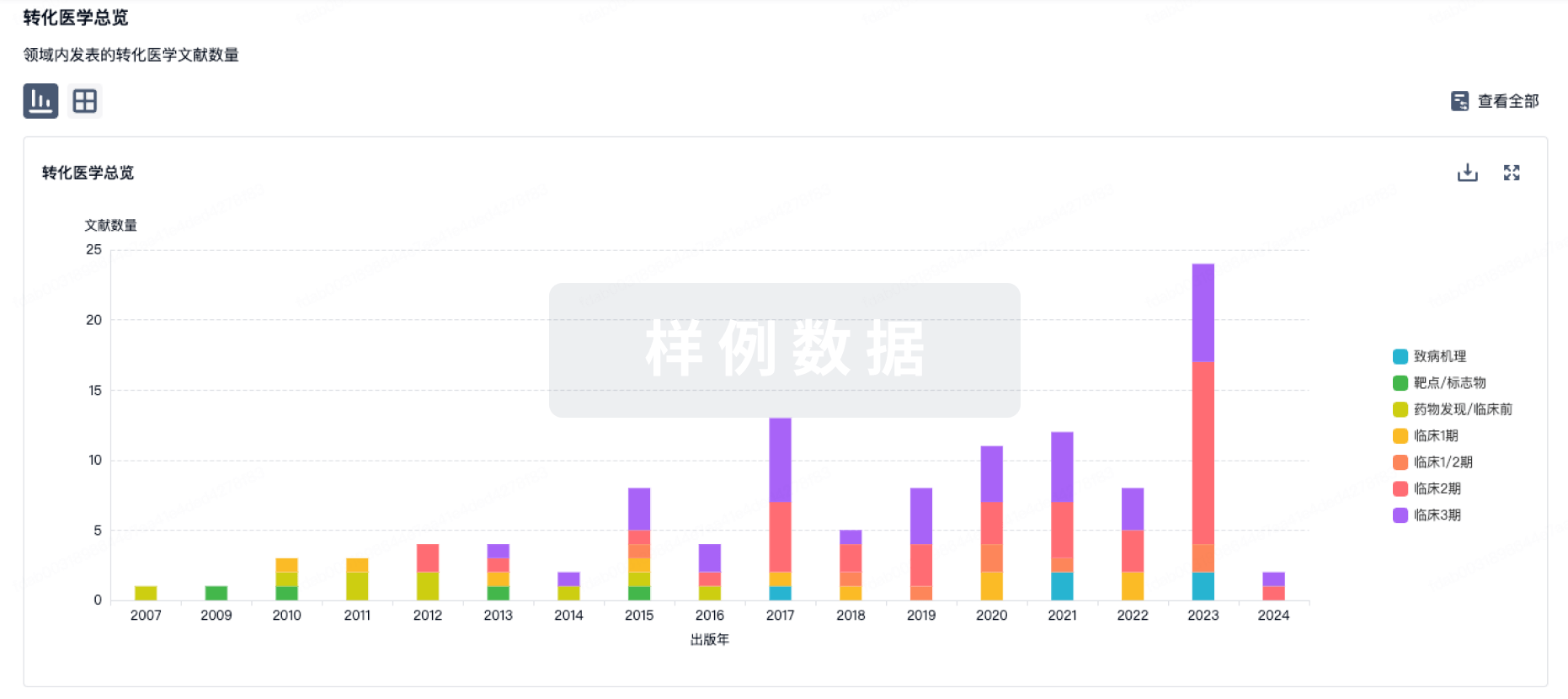
转化医学
使用我们的转化医学数据加速您的研究。
登录
或
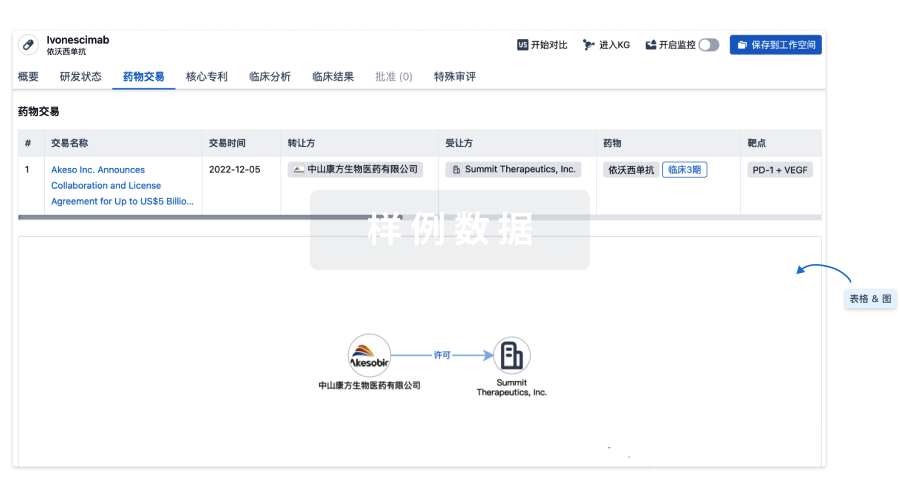
药物交易
使用我们的药物交易数据加速您的研究。
登录
或
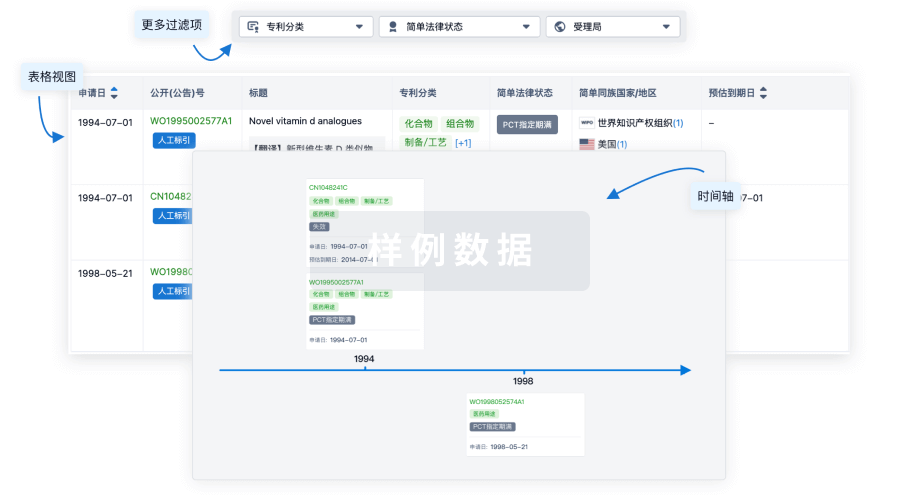
核心专利
使用我们的核心专利数据促进您的研究。
登录
或
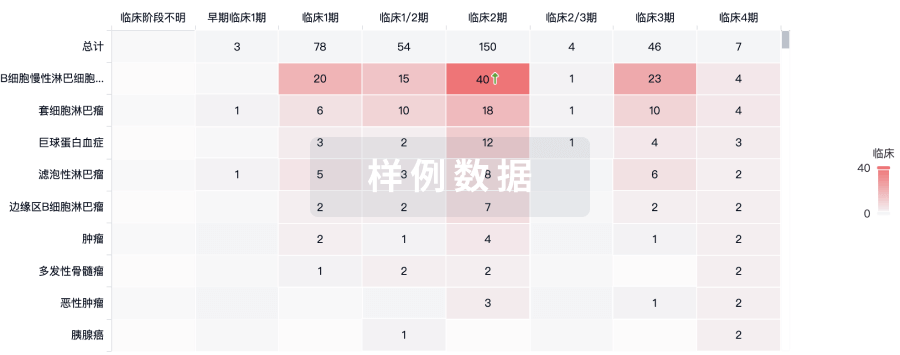
临床分析
紧跟全球注册中心的最新临床试验。
登录
或
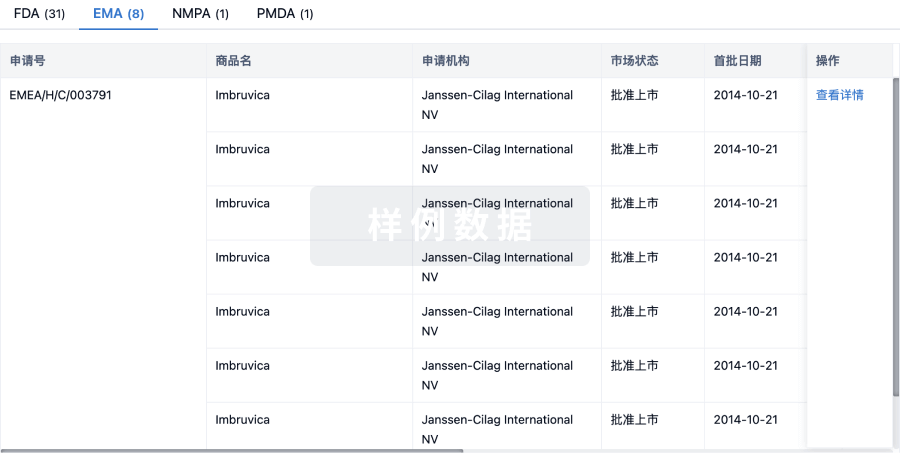
批准
利用最新的监管批准信息加速您的研究。
登录
或
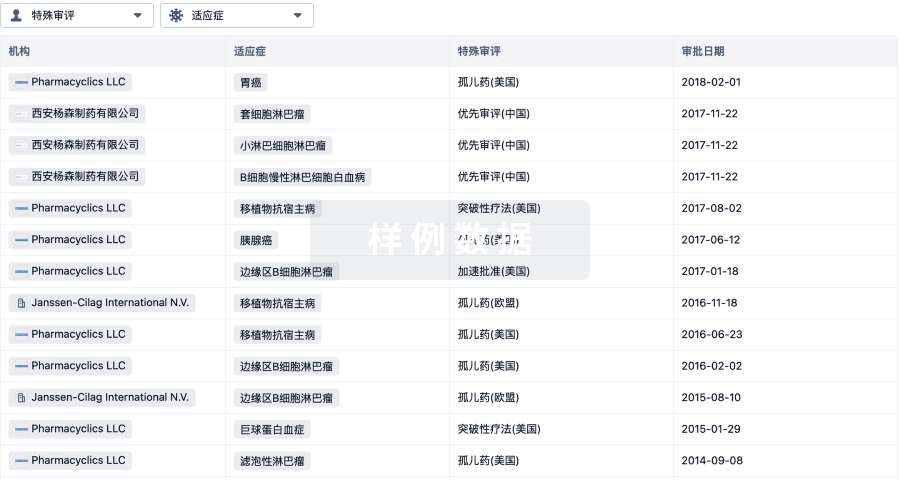
特殊审评
只需点击几下即可了解关键药物信息。
登录
或
生物医药百科问答
全新生物医药AI Agent 覆盖科研全链路,让突破性发现快人一步
立即开始免费试用!
智慧芽新药情报库是智慧芽专为生命科学人士构建的基于AI的创新药情报平台,助您全方位提升您的研发与决策效率。
立即开始数据试用!
智慧芽新药库数据也通过智慧芽数据服务平台,以API或者数据包形式对外开放,助您更加充分利用智慧芽新药情报信息。
生物序列数据库
生物药研发创新
免费使用
化学结构数据库
小分子化药研发创新
免费使用