预约演示
更新于:2026-08-15
Fanapanel
法那帕奈
更新于:2026-08-15
概要
基本信息

结构/序列
分子式C14H15F3N3O6P |
InChIKeyWZMQMKNCWDCCMT-UHFFFAOYSA-N |
CAS号161605-73-8 |
关联
1
项与 法那帕奈 相关的临床试验NCT00999284
Ophthalmologic Examinations After 4-hour Infusion of ZK200775 in Healthy Elder Male Volunteers

100 项与 法那帕奈 相关的临床结果
登录后查看更多信息
100 项与 法那帕奈 相关的转化医学
登录后查看更多信息
100 项与 法那帕奈 相关的专利(医药)
登录后查看更多信息
25
项与 法那帕奈 相关的文献(医药)2026-03-01NEUROTOXICOLOGY
Targeting glutamate receptors with IEM-1925: A strategy against soman-induced status epilepticus and neurodegeneration
Article
作者: Wang, Jingyan ; Cao, Manzhu ; Li, Liqin ; Zhang, Yi ; Shi, Jingjing ; Lin, Yuxin ; Jin, Qian ; Chen, Yuanqing
Exposure to organophosphorus nerve agents (OPNAs) like soman frequently develops status epilepticus (SE), leading to brain damage. Existing antiseizure medications (e.g., diazepam, DZP) often demonstrate insufficient efficacy. To develop more effective treatments for OPNA-induced seizures, this study evaluated the efficacy of glutamate receptor antagonists with distinct mechanisms of action in a soman-induced rat seizure model. After 5 min of subcutaneous exposure to 110 μg/kg soman, which induced SE, rats received intraperitoneal injections (10 mg/kg) of perampanel (PER), fanapanel (FNP), IEM-1925 (IEM), or DZP. The results showed that IEM significantly suppressed seizure activity and improved survival. The survival rate of the vehicle-treated control group was 31.25 %, whereas DZP, FNP, and IEM increased survival rates to 50 %, 43.75 %, and 56.25 % respectively. Electroencephalographic (EEG) recordings for 24 h indicated that both DZP and IEM controlled soman-induced SE. However, while DZP initially blocked the onset of seizures, they recurred after its transient anticonvulsant effect wore off. In contrast, IEM reduced behavioral convulsion intensity and total duration of SE. Histopathological examinations (HE, Nissl, immunohistochemistry, and immunofluorescence) showed that IEM attenuated hippocampal CA1, CA2, and DG neuronal damage. Behavioral tests (open field, novel object recognition, and Y maze) confirmed IEM outperformed DZP and the solvent-treated group in ameliorating soman-induced anxiety, cognitive dysfunction, and memory impairment. In conclusion, IEM demonstrates potent triple effects-antiseizure, neuroprotective, and cognitive improving in soman exposure model, providing a novel therapeutic strategy and candidate drug for the medical treatment of OPNAs poisoning.
2023-03-01iScience
High-throughput screening for myelination promoting compounds using human stem cell-derived oligodendrocyte progenitor cells
Article
作者: Sheng, Guoqing ; Li, Weifeng ; Kumar, Dinesh ; Mao, Hai-Quan ; Duan, Yukan ; Chamling, Xitiz ; Fang, Weixiang ; Dodge, James C ; Chang, Calvin ; McGrath, Anna G ; Zack, Donald J ; Chen, Chaoran ; Madden, Stephen ; Ji, Hongkai ; Huang, Yinyin ; Chang, Xiaoli ; Berlinicke, Cynthia ; Takaesu, Felipe ; Giera, Stefanie
Promoting myelination capacity of endogenous oligodendrocyte precursor cells (OPCs) is a promising therapeutic approach for CNS demyelinating disorders such as Multiple Sclerosis (MS). To aid in the discovery of myelination-promoting compounds, we generated a genome-engineered human pluripotent stem cell (hPSC) line that consists of three reporters: identification-and-purification tag, GFP, and secreted-NanoLuc, driven by the endogenous PDGFRA, PLP1, and MBP genes, respectively. Using this cell line, we established a high-throughput drug screening platform and performed a small-molecule screen, which identified at least two myelination-promoting small-molecule (Ro1138452 and SR2211) that target prostacyclin (IP) receptor and retinoic acid receptor-related orphan receptor γ (RORγ), respectively. Single-cell-transcriptomic analysis of differentiating OPCs treated with these molecules further confirmed that they promote oligodendrocyte differentiation and revealed several pathways that are potentially modulated by them. The molecules and their target pathways provide promising targets for the possible development of remyelination-based therapy for MS and other demyelinating disorders.
2022-08-19ACS chemical biology
Enhancers of Human and Rodent Oligodendrocyte Formation Predominantly Induce Cholesterol Precursor Accumulation
Article
作者: Elitt, Matthew S. ; Allimuthu, Dharmaraja ; Hubler, Zita ; Sax, Joel L. ; Adams, Drew J. ; Bederman, Ilya ; Hershman, Samantha N.
Regeneration of myelin in the central nervous system is being pursued as a potential therapeutic approach for multiple sclerosis. Several labs have reported small molecules that promote oligodendrocyte formation and remyelination in vivo. Recently, we reported that many such molecules function by inhibiting a narrow window of enzymes in the cholesterol biosynthesis pathway. Here we describe a new high-throughput screen of 1,836 bioactive molecules and a thorough re-analysis of more than 60 molecules previously identified as promoting oligodendrocyte formation from human, rat, or mouse oligodendrocyte progenitor cells. These studies highlight that an overwhelming fraction of validated screening hits, including several molecules being evaluated clinically for remyelination, inhibit cholesterol pathway enzymes like emopamil-binding protein (EBP). To rationalize these findings, we suggest a model that relies on the high druggability of sterol-metabolizing enzymes and the ability of cationic amphiphiles to mimic the transition state of EBP. These studies further establish cholesterol pathway inhibition as a dominant mechanism among screening hits that enhance human, rat, or mouse oligodendrocyte formation.
100 项与 法那帕奈 相关的药物交易
登录后查看更多信息
研发状态
10 条进展最快的记录, 后查看更多信息
登录
| 适应症 | 最高研发状态 | 国家/地区 | 公司 | 日期 |
|---|---|---|---|---|
| 视力 | 临床1期 | 德国 | 1996-12-01 |
登录后查看更多信息
临床结果
临床结果
适应症
分期
评价
查看全部结果
登录后查看更多信息
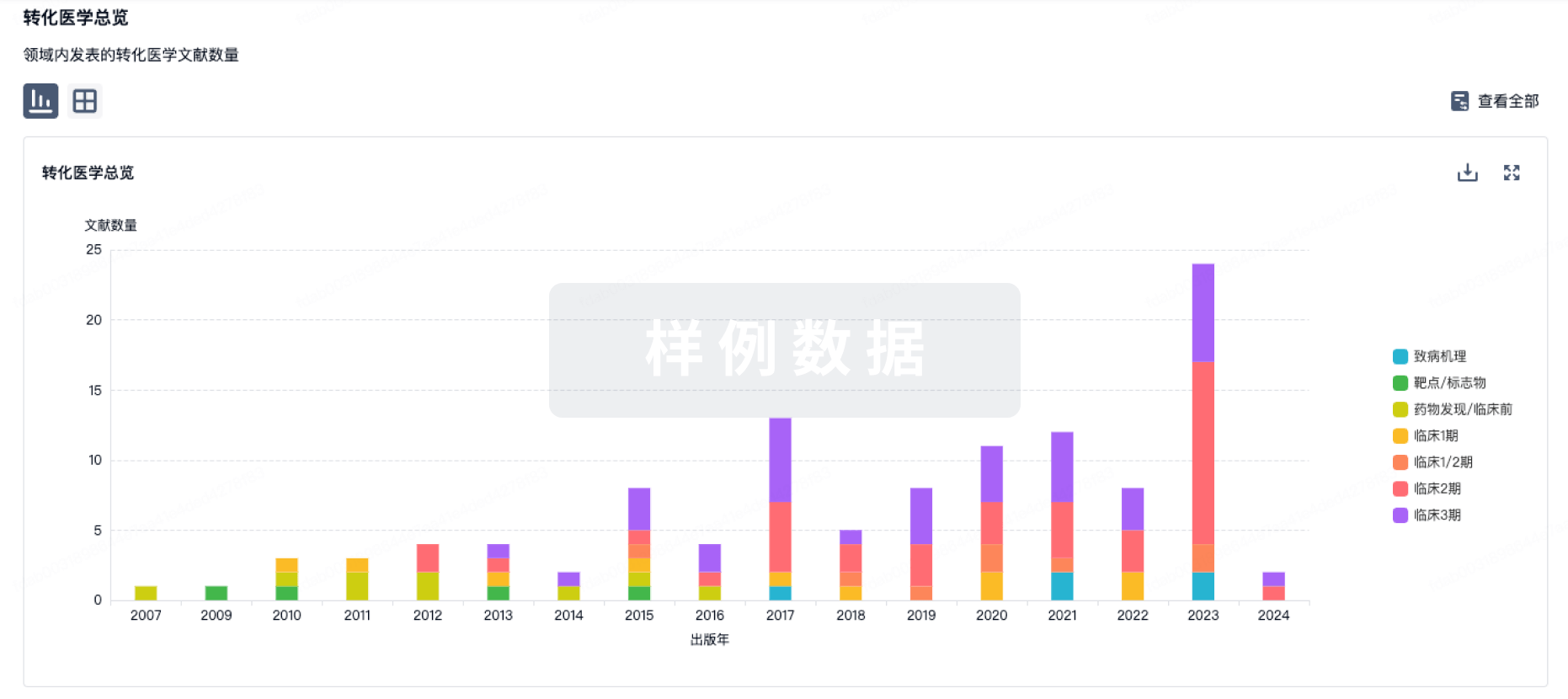
转化医学
使用我们的转化医学数据加速您的研究。
登录
或
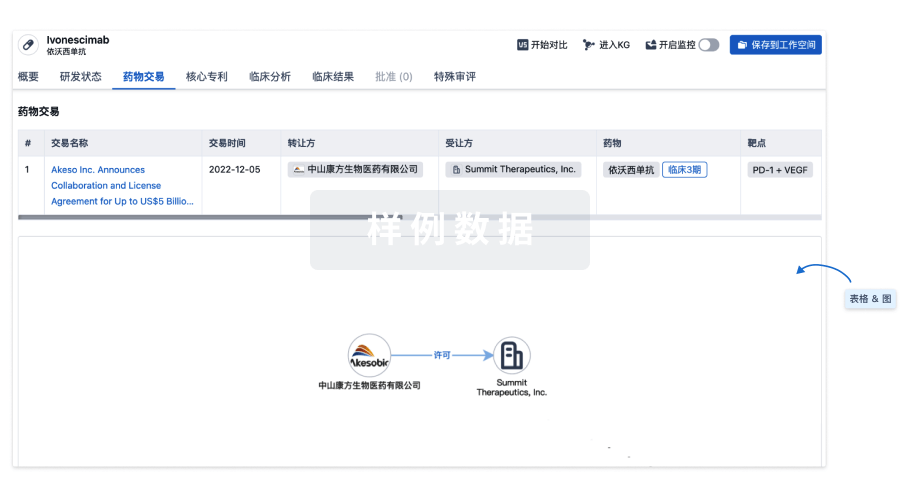
药物交易
使用我们的药物交易数据加速您的研究。
登录
或
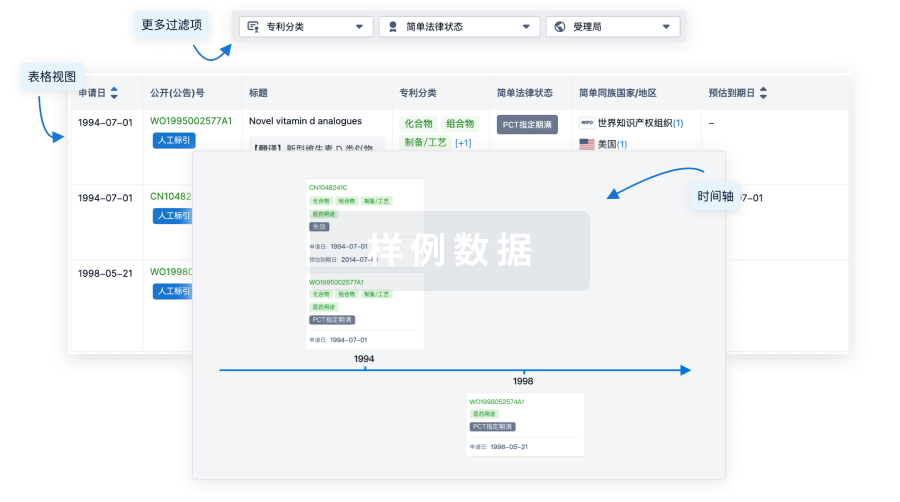
核心专利
使用我们的核心专利数据促进您的研究。
登录
或
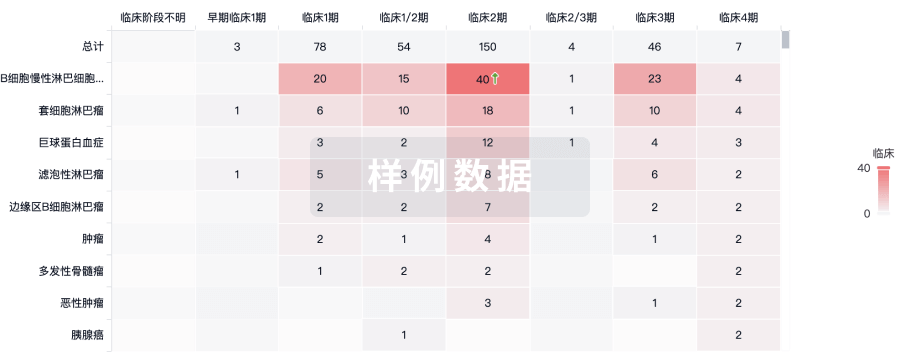
临床分析
紧跟全球注册中心的最新临床试验。
登录
或
批准
利用最新的监管批准信息加速您的研究。
登录
或
特殊审评
只需点击几下即可了解关键药物信息。
登录
或
提出任何生物医药研究问题
让每一步生物医药决策都精准制胜
基于十亿级生物数据与全球情报的精准 AI,赋能早期药物发现
立即开始免费试用!
智慧芽新药情报库是智慧芽专为生命科学人士构建的基于AI的创新药情报平台,助您全方位提升您的研发与决策效率。
立即接入生物医药数据包
智慧芽新药库数据也通过智慧芽开放平台,以MCP或API服务形式对外开放。立即使用我们的MCP服务定制您的LLM智能体。
生物序列数据库
生物药研发创新
免费使用
化学结构数据库
小分子化药研发创新
免费使用