预约演示
更新于:2026-08-01
Factor XIa inhibitors(Novartis)
更新于:2026-08-01
概要
基本信息
原研机构 |
在研机构 |
非在研机构- |
权益机构- |
最高研发阶段临床前 |
首次获批日期- |
最高研发阶段(中国)- |
特殊审评- |

结构/序列
分子式C28H28N2O4 |
InChIKeyGOERAAJVARXHDP-JWQCQUIFSA-N |
CAS号2488952-56-1 |
关联
100 项与 Factor XIa inhibitors(Novartis) 相关的临床结果
登录后查看更多信息
100 项与 Factor XIa inhibitors(Novartis) 相关的转化医学
登录后查看更多信息
100 项与 Factor XIa inhibitors(Novartis) 相关的专利(医药)
登录后查看更多信息
18
项与 Factor XIa inhibitors(Novartis) 相关的文献(医药)2026-04-01·AMERICAN JOURNAL OF MEDICINE
Antithrombotic Strategies for the Secondary Prevention of Stroke: A Review
Review
作者: Sposato, Luciano A ; Fisher, Marc ; Yazdanian, Forough
Each year, over 600,000 ischemic strokes occur in the US, one-fourth of which are recurrent. Although preventive strategies have advanced, recurrent events remain common, highlighting the need for antithrombotic regimens that minimize ischemic and bleeding risks. In patients with minor ischemic stroke or high-risk Transient Ischemic Attack (TIA), early dual antiplatelet therapy (DAPT) followed by monotherapy significantly reduces early ischemic stroke recurrence, with greatest benefit within first 21 days (5.2% versus 7.8%; HR, 0.66; 95% CI, 0.56-0.77). Beyond this window, ischemic benefit diminishes and bleeding risk increases (0.3% versus 0.2%; HR, 1.28; 95% CI, 0.58-2.81). For cardioembolic stroke, particularly with atrial fibrillation, direct oral anticoagulants (DOACs) are favored over vitamin K antagonists, offering superior efficacy and safety (5.2% versus 5.9%; odds ratio [OR] 0.85; 95% CI, 0.74-0.99) and major bleeding (5.36% versus 6.16%; OR, 0.86; 95% CI, 0.78-0.99). However, antithrombotic optimization remains challenging-especially in adherence, risk stratification, and patient selection. Emerging strategies, including low-dose anticoagulant-antiplatelet combinations and Factor XIa inhibitors, aim to preserve antithrombotic benefit while reducing bleeding.
2025-04-01·Hamostaseologie
Treatment of Cancer-Associated Thrombosis: An Update
Review
作者: Hart, Christina ; Rolling, Christina ; Voigtlaender, Minna
Abstract:
Patients with cancer are at increased risk of venous thromboembolism (VTE). Treatment of VTE remains challenging due to a significant risk of both VTE recurrence and bleeding compared with patients without underlying malignancy. Moreover, patients with cancer often present with several comorbidities such as tumor- or treatment-induced bone marrow failure, renal impairment, and extensive concomitant anticancer or supportive medication, resulting in potential drug–drug interactions. Further challenging circumstances include gastrointestinal (GI) disorders, in the context of a GI intraluminal tumor itself, GI surgery, or systemic therapy-induced GI toxicity. However, treatment options and study data in the management of cancer-associated thrombosis (CAT) have expanded over the last few years. As a result, it is becoming increasingly important to assess the patient's individual risk of bleeding and its comorbidities, and the patient's personal preferences. Prospectively, further therapeutic strategies such as factor XIa inhibitors are under clinical investigation. The aim of our narrative review is to summarize the current literature on therapy options for CAT, including common treatment situations encountered in the management of patients with cancer.
2024-12-05·AMERICAN JOURNAL OF HEALTH-SYSTEM PHARMACY
Exploring the therapeutic utility of the factor XIa inhibitor asundexian
Review
作者: Corey, Jack ; Coons, James C ; Edwards, Jocelyn
Abstract:
Purpose:
Factor XIa inhibitors are a promising novel class of anticoagulants that attenuate pathological thrombosis with minimal interference with hemostasis. These effects contrast with those of conventional anticoagulants, which may exhibit adverse events of untoward bleeding precluding treatment in some patients. A variety of investigational pharmacological modalities have been developed and studied to target factor XIa.
Summary:
Asundexian is a small molecule inhibitor of factor XIa that has been evaluated in several clinical studies. It has been studied as an oral, once-daily medication and found to inhibit approximately 90% of factor XIa activity at doses of 20 to 50 mg. Phase 2 trials have demonstrated the potential for improved safety compared to standard of care in certain treatment settings, such as in atrial fibrillation. For other indications, such as noncardioembolic stroke and acute myocardial infarction, asundexian has been used in addition to background antiplatelet therapy. In these instances, asundexian did not show a difference in the incidence of bleeding events compared to placebo.
Conclusion:
Phase 3 trials have recently been launched; however, the OCEANIC-AF trial was prematurely discontinued due to inefficacy of asundexian vs apixaban for stroke prevention in atrial fibrillation. Another phase 3 trial, OCEANIC-AFINA, is planned to compare asundexian to placebo in patients with atrial fibrillation at high risk for stroke who are deemed ineligible for anticoagulation.
1
项与 Factor XIa inhibitors(Novartis) 相关的新闻(医药)2025-11-24
Dive Brief:Bayers experimental blood thinner asundexianmet its main goal in a closely watched Phase 3 stroke prevention trial, reducing the recurrence of a stroke in people who took the therapy along with standard treatments. The trial compared treatment with a combination of asundexian and an antiplatelet therapy against a placebo and the same antiplatelet treatment.The German-based company didnt release detailed data, stating that researchers will disclose them at an upcoming medical meeting while company executives discuss them with regulators ahead of possible approval applications.Results of the trial lifted optimism for asundexian'sdrug class, called Factor XIa inhibitors, following a series of clinical setbacks. Most recently, a rival drug missed its main goal in a trial of people whod had a recent heart attack.Dive Insight:The spotlight has been on Factor XIa inhibitors as the next big innovation in cardiovascular medicine, with drugmakers and researchers hoping they will prove safer and more effective than aging franchises like Bristol Myers Squibbs Eliquis. These drugs, which include asundexian,Bristol Myers and Johnson & Johnsons milvexian and Novartis abelacimab, block a protein involved in forming blood clots but is believed to be less essential in stopping bleeding.The balancing act in preventing stroke or any acute cardiovascular episode due to blood vessel blockages is in suppressing clotting without raising the risk that people will have uncontrolled bleeding incidents. In people who have irregular heartbeats, Eliquis is able to do just that better than an older drug called warfarin or aspirin.In treating people whove already had one stroke that wasnt caused by an irregular heartbeat, in a setting called secondary prevention, doctors use one or two drugs to thin the blood, known as antiplatelet medications. The drugs used include aspirin, clopidogrel, AstraZenecas Brilinta and Eli Lillys Effient.In the trial called Oceanic Stroke, Bayer aimed to measure whether adding asundexianto the mix would help, testing it against a placebo in over 12,000 people. The company said the experimental drug reduced the risk of ischemic stroke compared to placebo and added that its addition didnt increase the risk of major bleeding episodes.Bayers German-listed shares rose more than 12% following the news, changing hands at about 31 euros apiece. Two years ago, Bayer terminated a head-to-head trial of asundexianagainst Eliquis in people with irregular heartbeats, an early Phase 3 readout that cast some doubt over the promise of Factor XIa inhibitors.Milvexiansfailure in acute coronary syndrome earlier this month didnt boost optimism, but the asundexianresults may reverse some of the doubt.After a string of class setbacks, this is a needed win, wrote Cantor Fitzgerald analyst Carter Gould, who covers Bristol Myers, in a note to clients.Bristol Myers and J&J are expecting milvexiansPhase 3 trials in people with irregular heartbeats, as well as secondary stroke prevention, in the fourth quarter of 2026. Bristol Myers shares rose 5% in morning trading. '
临床3期
100 项与 Factor XIa inhibitors(Novartis) 相关的药物交易
登录后查看更多信息
研发状态
10 条进展最快的记录, 后查看更多信息
登录
| 适应症 | 最高研发状态 | 国家/地区 | 公司 | 日期 |
|---|---|---|---|---|
| 血栓栓塞 | 临床前 | 瑞士 | 2021-09-18 |
登录后查看更多信息
临床结果
临床结果
适应症
分期
评价
查看全部结果
| 研究 | 分期 | 人群特征 | 评价人数 | 分组 | 结果 | 评价 | 发布日期 |
|---|
No Data | |||||||
登录后查看更多信息
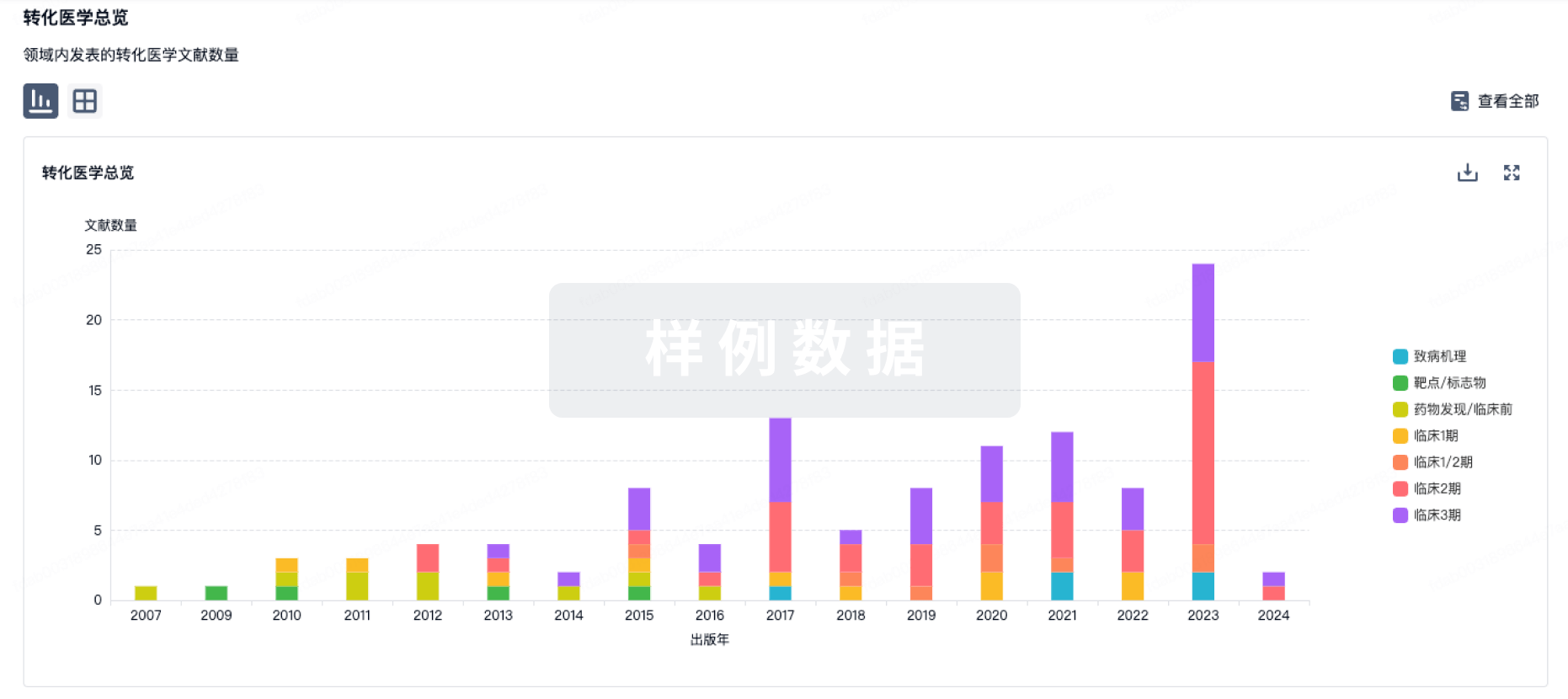
转化医学
使用我们的转化医学数据加速您的研究。
登录
或
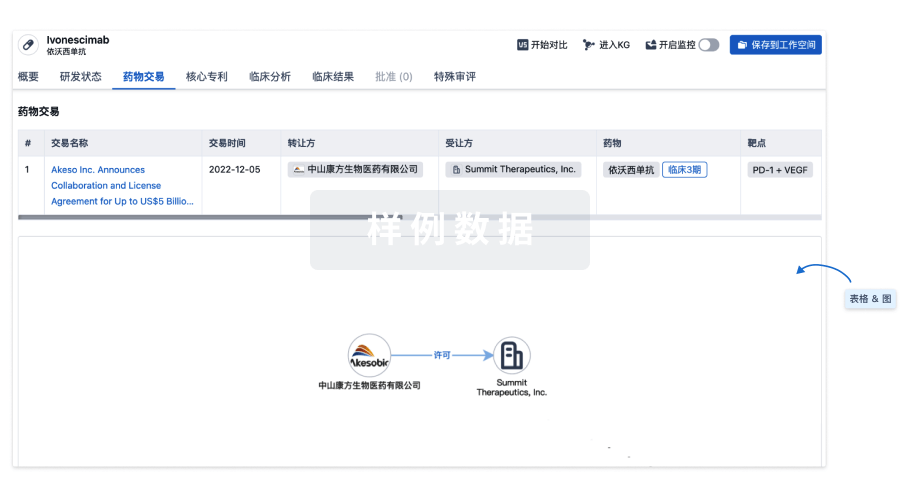
药物交易
使用我们的药物交易数据加速您的研究。
登录
或
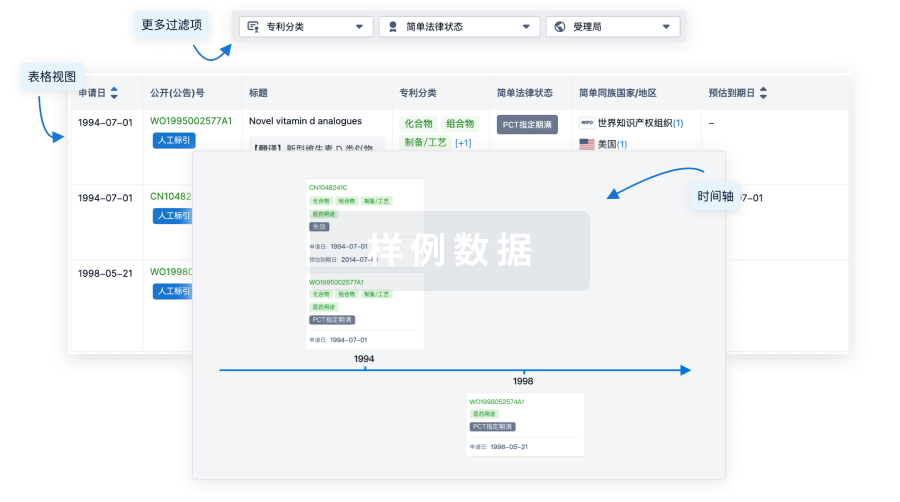
核心专利
使用我们的核心专利数据促进您的研究。
登录
或
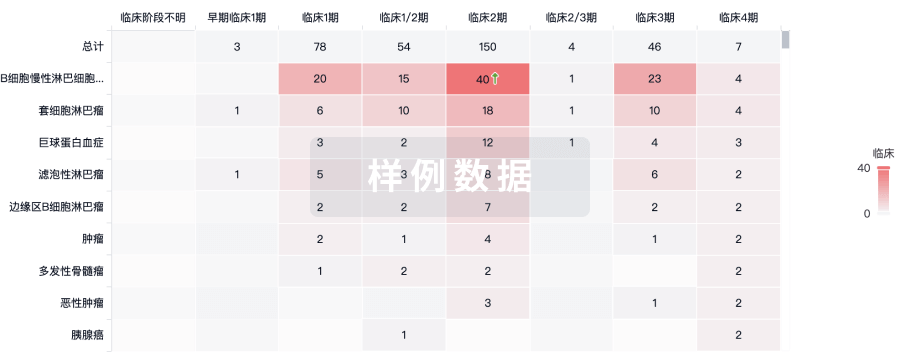
临床分析
紧跟全球注册中心的最新临床试验。
登录
或
批准
利用最新的监管批准信息加速您的研究。
登录
或
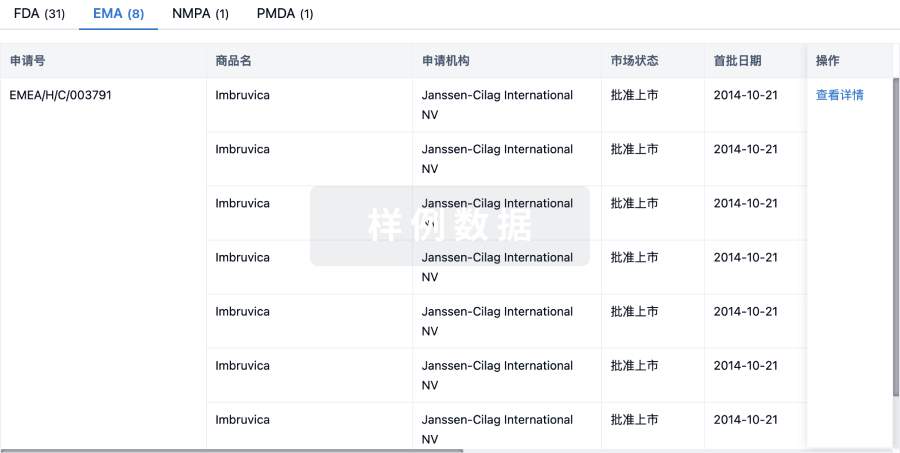
特殊审评
只需点击几下即可了解关键药物信息。
登录
或
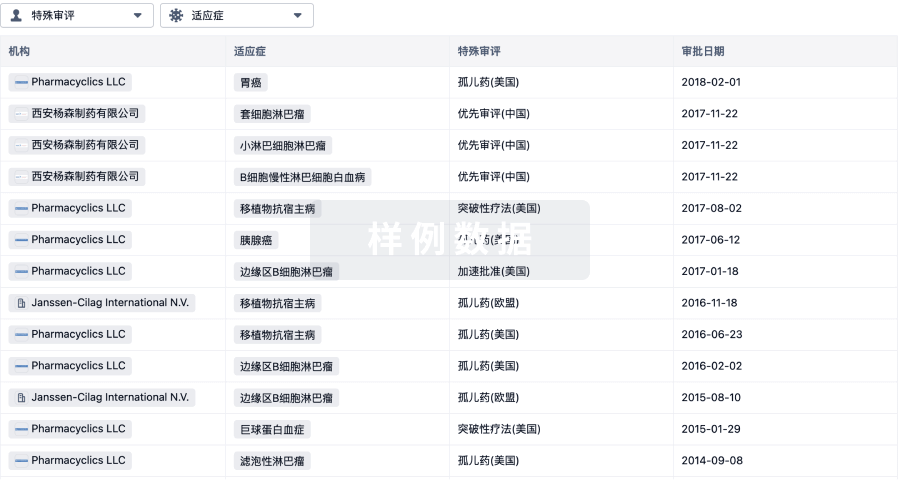
提出任何生物医药研究问题
让每一步生物医药决策都精准制胜
基于十亿级生物数据与全球情报的精准 AI,赋能早期药物发现
立即开始免费试用!
智慧芽新药情报库是智慧芽专为生命科学人士构建的基于AI的创新药情报平台,助您全方位提升您的研发与决策效率。
立即接入生物医药数据包
智慧芽新药库数据也通过智慧芽开放平台,以MCP或API服务形式对外开放。立即使用我们的MCP服务定制您的LLM智能体。
生物序列数据库
生物药研发创新
免费使用
化学结构数据库
小分子化药研发创新
免费使用