预约演示
更新于:2026-07-04
DLP-201
更新于:2026-07-04
概要
基本信息
药物类型 干扰素 |
别名 interferon-alpha (Delpor)、DLP-201 |
作用方式 激动剂 |
作用机制 IFNAR激动剂(干扰素α/β受体复合体激动剂) |
在研适应症- |
非在研适应症 |
原研机构 |
在研机构- |
非在研机构 |
权益机构- |
最高研发阶段无进展药物发现 |
首次获批日期- |
最高研发阶段(中国)- |
特殊审评- |

关联
5
项与 DLP-201 相关的临床试验ChiCTR-TRC-12002888
A clinical study of the efficacy forecast role of IL-21 in interferon therapies for chronic hepatitis B.
开始日期2012-07-01 |
申办/合作机构- |
JPRN-UMIN000004067
Phase II Clinical Study of Interferon+Sorafenib Combination Therapy in Advanced Renal Cell Carcinoma
开始日期2010-09-01 |
申办/合作机构- |
ISRCTN85736336
Controlled study of hepatitis B virus level alteration in hepatocellular carcinoma: monotherapy with transcatheter arterial chemoembolisation versus double therapy with transcatheter arterial chemoembolisation and interferon-alpha: a randomised controlled trial
开始日期2008-12-01 |
申办/合作机构- |
100 项与 DLP-201 相关的临床结果
登录后查看更多信息
100 项与 DLP-201 相关的转化医学
登录后查看更多信息
100 项与 DLP-201 相关的专利(医药)
登录后查看更多信息
2,913
项与 DLP-201 相关的文献(医药)2026-05-08·Zhonghua bing li xue za zhi = Chinese journal of pathology
[Erdheim-Chester disease: a clinicopathological analysis of 16 cases].
Article
作者: Huang, J ; Luo, Y L ; Zhang, H Z ; Zhang, L
Objective: To investigate the clinicopathological features, diagnosis, and prognosis of Erdheim-Chester disease. Methods: The clinical and imaging data of 16 patients with Erdheim-Chester disease diagnosed in the Department of Pathology, Shanghai Sixth People's Hospital Affiliated to Shanghai Jiaotong University School of Medicine, Shanghai, China from August 2002 to July 2025 were retrospectively analyzed. A comprehensive evaluation was conducted on histopathology, immunophenotype, molecular characteristics, clinical treatment and follow-up outcomes, supplemented by a review of relevant literature. Results: There were 16 patients with Erdheim-Chester disease, including 7 males and 9 females. The age at onset ranged from 38 to 70 years, with an average age of 48.0 (43.5, 54.5) years. Two of the 16 cases were complicated by Langerhans cell histiocytosis. Isolated skeletal involvement was observed in 5 cases (most commonly affecting the long bones of the lower extremities), while skeletal involvement with extra-skeletal systemic manifestations (including pulmonary, pituitary, urinary system, pericardial, and aortic involvements) was identified in 11 cases. The characteristic imaging presentation consisted of bilateral symmetric, multifocal diffuse osteosclerosis predominantly involving the diaphyses and metaphyses of long bones. Bone scintigraphy revealed symmetrically increased radiotracer uptake. Magnetic resonance imaging showed hypointense signals on T1-weighted images and heterogeneously hyperintense signals on T2-weighted images, with significant enhancement observed after contrast administration. Histopathological examination revealed osteosclerosis accompanied by infiltration of abundant lipid-laden foamy histiocytes or small mononuclear histiocytes within the intertrabecular spaces. These cells exhibited uniformly eosinophilic, pale pink-stained cytoplasm and round to oval nuclei with inconspicuous nucleoli. The lesion was also characterized by variable numbers of Touton giant cells and varying degree of fibrosis. Immunohistochemical analyses demonstrated the expression of CD68, CD163, and PGM1, but no expression of S-100 or Langerin. BRAF V600E gene mutation was detected in five cases. Clinical management regimens encompassed curettage of intraosseous lesions, potentially combined with adjuvant therapies such as hormonal agents, chemotherapy, interferon-alpha, or BRAF V600E inhibitors. At the end of follow-up (ranging from 2 to 18 years), seven patients died of the disease, six survived with it, and three remained disease-free. Conclusions: Erdheim-Chester disease is a rare condition characterized predominantly by multifocal and symmetrical involvement of long bones, with the majority of patients presenting with systemic manifestations. Pathological examination combined with imaging studies aids in distinguishing it from inflammatory disorders and other histiocytic proliferative lesions. The overall prognosis is poor, especially in cases involving multiple bones and systemic involvement.
2026-03-01·Journal for ImmunoTherapy of Cancer
Society for Immunotherapy of Cancer (SITC) clinical practice guideline on immunotherapy for the treatment of renal cell carcinoma, version 3.0
Review
作者: Powles, Thomas ; Desai, Arpita ; Bergerot, Cristiane ; Choueiri, Toni K ; Ajmera, Archana ; Signoretti, Sabina ; Rini, Brian I ; Bukavina, Laura ; Zhang, Tian ; McKay, Rana R ; Poteat, Susan ; Siva, Shankar ; Shuch, Brian ; Xu, Wenxin ; Hakimi, A Ari ; Yip, Wesley ; Atkins, Michael B ; Barata, Pedro C ; Pal, Sumanta K
Immunotherapy has been a pillar of the renal cell carcinoma (RCC) treatment landscape for over three decades. Some of the earliest cancer immunotherapies available, such as interleukin 2 and interferon-alpha, have resulted in complete responses, but only in a small number of patients. Immune checkpoint inhibitors (ICIs), however, have demonstrated improved response rates and prolonged survival for a greater number of patients, fully transforming the standard of care in first-line and subsequent-line settings. More recently, ICIs are also being used in the adjuvant setting for high-risk patients. However, treatment with ICIs requires a nuanced understanding of topics such as patient selection, histology and risk considerations, and integration with local therapies. As such, the Society for Immunotherapy of Cancer (SITC) convened a panel of experts to develop this clinical practice guideline (CPG) on immunotherapy for the treatment of RCC. Drawing from published data and clinical experience, the Expert Panel developed evidence-based and consensus-based recommendations. Topics include therapy selection in the adjuvant and metastatic settings, considerations for special patient populations, response monitoring, and patient education and quality of life considerations, among others, with the goal of improving patient care by providing guidance to the oncology community.
2026-03-01·BRAIN BEHAVIOR AND IMMUNITY
Corrigendum to “Acute effects of interferon-alpha on cellular anabolic and catabolic processes are associated with the development of fatigue during Interferon-alpha-based therapy for Hepatitis-C: A preliminary study” [Brain Behav. Immun. 123 (2025) 717–724]
作者: Pariante, Carmine ; Periche-Tomas, Eva ; Tibble, Jeremy ; Cattaneo, Annamaria ; Cattane, Nadia ; Bullmore, Edward T ; Bone, Claudia ; Harrison, Neil A
100 项与 DLP-201 相关的药物交易
登录后查看更多信息
研发状态
10 条进展最快的记录, 后查看更多信息
登录
| 适应症 | 最高研发状态 | 国家/地区 | 公司 | 日期 |
|---|---|---|---|---|
| 丙型肝炎 | 药物发现 | 美国 | - |
登录后查看更多信息
临床结果
临床结果
适应症
分期
评价
查看全部结果
| 研究 | 分期 | 人群特征 | 评价人数 | 分组 | 结果 | 评价 | 发布日期 |
|---|
No Data | |||||||
登录后查看更多信息
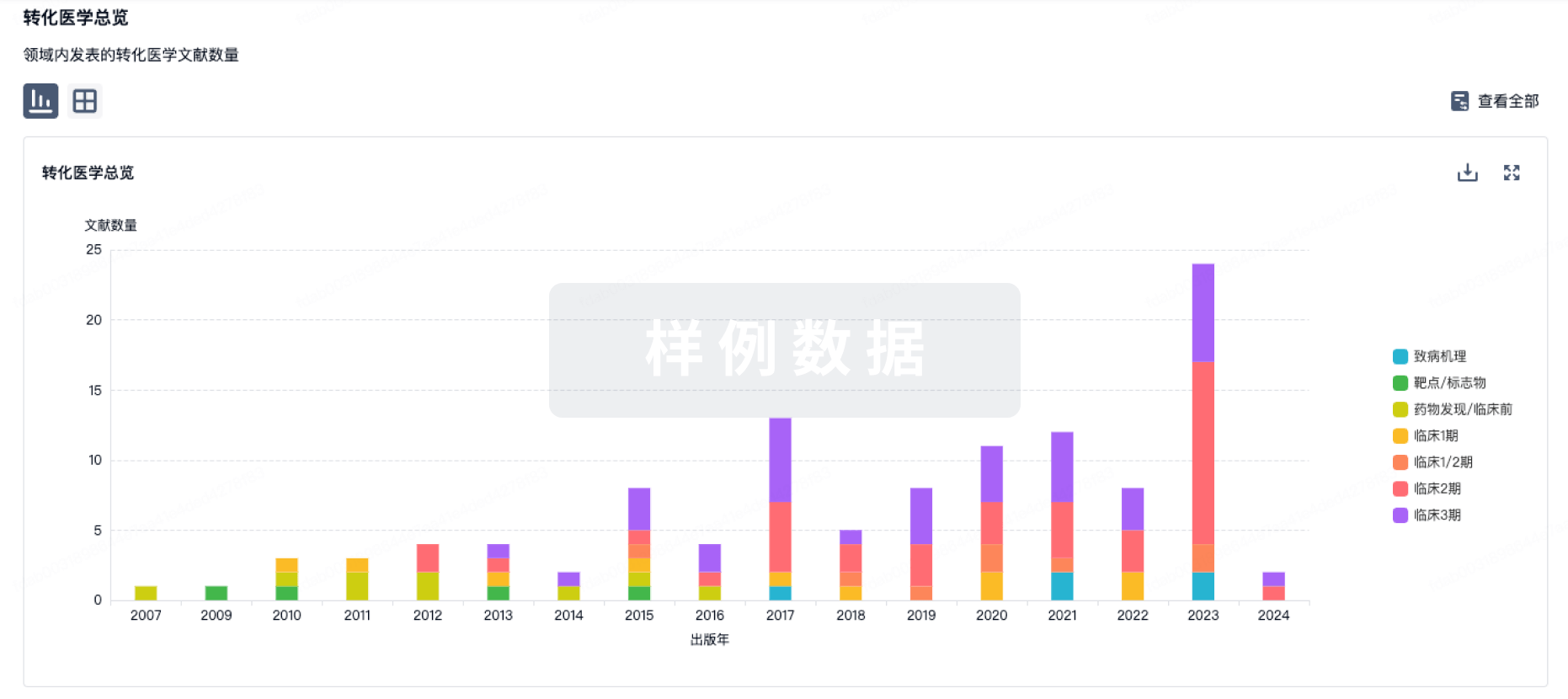
转化医学
使用我们的转化医学数据加速您的研究。
登录
或
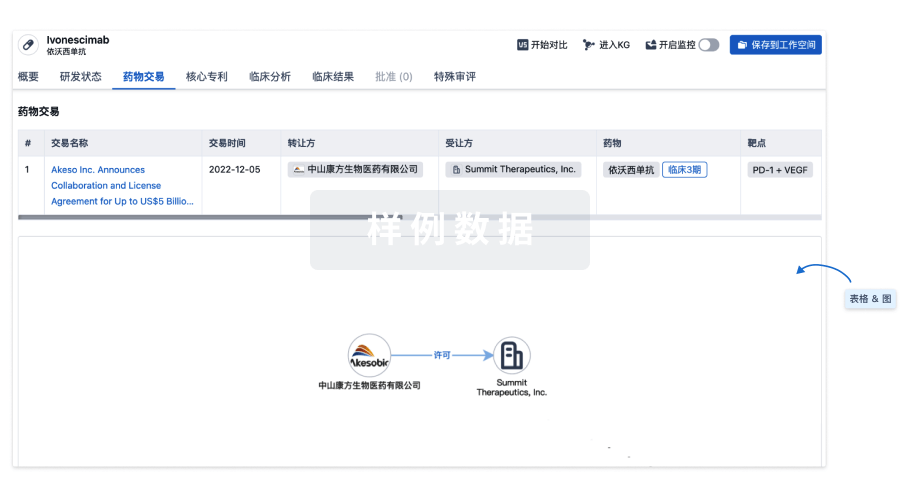
药物交易
使用我们的药物交易数据加速您的研究。
登录
或
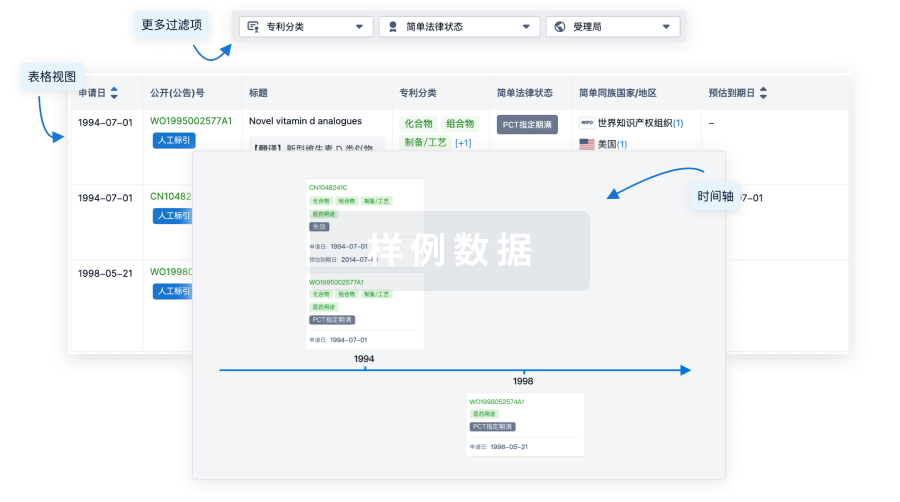
核心专利
使用我们的核心专利数据促进您的研究。
登录
或
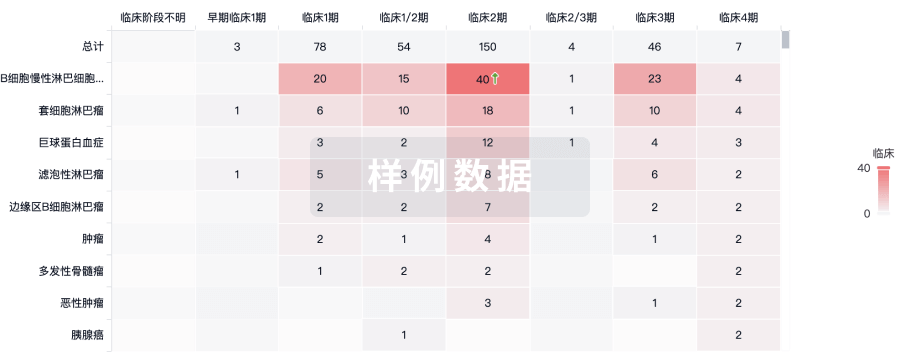
临床分析
紧跟全球注册中心的最新临床试验。
登录
或
批准
利用最新的监管批准信息加速您的研究。
登录
或
生物类似药
生物类似药在不同国家/地区的竞争态势。请注意临床1/2期并入临床2期,临床2/3期并入临床3期
登录
或
特殊审评
只需点击几下即可了解关键药物信息。
登录
或
提出任何生物医药研究问题
让每一步生物医药决策都精准制胜
基于十亿级生物数据与全球情报的精准 AI,赋能早期药物发现
立即开始免费试用!
智慧芽新药情报库是智慧芽专为生命科学人士构建的基于AI的创新药情报平台,助您全方位提升您的研发与决策效率。
立即接入生物医药数据包
智慧芽新药库数据也通过智慧芽开放平台,以MCP或API服务形式对外开放。立即使用我们的MCP服务定制您的LLM智能体。
生物序列数据库
生物药研发创新
免费使用
化学结构数据库
小分子化药研发创新
免费使用