预约演示
更新于:2026-11-04
PRX-019
更新于:2026-11-04
概要
基本信息
最高研发阶段临床1期 |
首次获批日期- |
最高研发阶段(中国)- |
特殊审评- |

登录后查看时间轴
关联
1
项与 PRX-019 相关的临床试验NCT06699680
A Phase 1, Randomized, Double-Blind, Sponsor-Open, Placebo Controlled, First In Human Study to Evaluate the Safety, Tolerability, Immunogenicity, and Pharmacokinetics of Single Ascending and Multiple Doses of PRX019 in Healthy Adults
The purpose of this study is to assess the safety and tolerability of PRX019 in healthy adult participants.
开始日期2024-11-08 |
申办/合作机构 |
100 项与 PRX-019 相关的临床结果
登录后查看更多信息
100 项与 PRX-019 相关的转化医学
登录后查看更多信息
100 项与 PRX-019 相关的专利(医药)
登录后查看更多信息
23
项与 PRX-019 相关的新闻(医药)2026-10-30
·抗体圈
BMS决定不再推进从Prothena引进的神经退行性疾病项目BMS-986495。
该药代号背后并未公开靶点,Prothena已在2026年早些时候完成健康成年人1期试验。
📢 药企PR、品牌负责人交流微信群已开启
扫描上方群二维码加入药企PR交流社群,交流传播实操,共同探讨行业周期下的破局路径。
BMS审查1期数据后给出“不推进”的结论,但没有披露具体结果,也未解释是安全性、暴露量、生物标志物信号还是组合优先级所致。
对外界而言,这更像一次黑箱里的管线取舍:决定清晰,依据留白。
这笔合作曾颇具分量。
2024年5月,BMS向Prothena支付8000万美元首付款,拿下该抗体药物的全球独家权益;交易前,2023年12月FDA已批准PRX019的IND申请。
除首付外,Prothena原本还有资格获得最高6.175亿美元的开发、监管和销售里程碑付款及销售提成。
2026年8月,Prothena仍预计BMS会在年底前决定是否推进,若继续,将触发额外5500万美元里程碑。
如今,这笔潜在付款随“不推进”一同落空。
但把镜头拉远,终止一个早期项目并不等于合作破裂。
两家公司强调神经科学合作仍在继续,最醒目的资产是阿兹海默病候选药moponetug(此前代号BMS-986446、PRX005),目前处于2期临床。
BMS曾在2021年支付8000万美元购买PRX005美国权益,2023年7月再付5500万美元将许可范围扩至全球。双方还共同拥有一项靶向TDP-43的ALS临床前候选药。
换句话说,项目层可以止损,合作层仍在续写。
这也是BMS近期管线“减法”的又一笔。
2026年9月,BMS终止了从Orum Therapeutics引进的CD33靶向蛋白降解剂-抗体偶联物ORM-6151;该药2023年以1亿美元收购而来,拟用于表达CD33的癌细胞,潜在适应症包括AML和MDS。
买进来不等于推到底,大药企正在用更冷静的ROI审视早期资产。
对Prothena而言,BMS项目终止不是全部叙事。
它与诺和合作开发ATTR淀粉样变性2期候选药,与罗氏推进帕金森病药物prasinezumab的2期临床;自身管线中进展最快的是AL淀粉样变性药物birtamimab,正独立推进3期。
管线价值从来不押在一个代号上。
神经科学研发的残酷在于,1期数据足以决定一个分子的命运;其迷人之处也在于,同一个合作框架仍能孵化下一个候选药。
终止一个项目,是管线管理的句号,却未必是合作关系的休止符。
真正的问题是:下一笔钱,应该投给哪个更值得被验证的分子。
识别微信二维码,添加抗体圈小编,符合条件者即可加入
抗体圈微信群!
请注明:姓名+研究方向!
版
权
声
明
本公众号所有转载文章系出于传递更多信息之目的,且明确注明来源和作者,不希望被转载的媒体或个人可与我们联系(cbplib@163.com),我们将立即进行删除处理。所有文章仅代表作者观点,不代表本站立场。
2026-10-29
Bristol Myers Squibb has scrapped a phase 1 program it licensed from Prothena for $80 million.
The program, dubbed BMS-986495, was being developed as a potential treatment for neurodegenerative diseases. Prothena completed a phase 1 study of the drug in healthy adults earlier this year.
A BMS spokesperson confirmed the decision, saying, “Following review of Phase 1 data, we have decided not to advance this program.” BMS did not disclose the phase 1 findings or specify what in the data prompted the decision.
As recently as August, Prothena said it expected BMS to decide whether to advance the program by the end of 2026. Moving the drug forward could have triggered an additional $55 million milestone payment for Prothena.
BMS paid Prothena $80 million in May 2024 for exclusive global rights to the drug, then known as PRX019. The FDA had cleared Prothena's investigational new drug application for the antibody in December 2023.
The companies' neuroscience partnership also includes moponetug, an Alzheimer's disease candidate in phase 2 development. In July 2023, BMS paid $55 million to expand its licensing rights to the drug beyond the U.S.
A BMS spokesperson emphasized Thursday that the broader partnership is continuing, saying, “Our neuroscience collaboration with Prothena continues, including through moponetug (formerly BMS-986446) in Alzheimer's disease.”
The decision follows another recent pipeline cut at BMS involving a drug acquired through a multimillion-dollar deal. In September, BMS axed a CD33-targeting degrader-antibody conjugate it acquired from Orum Therapeutics for $100 million in 2023. That therapy, dubbed ORM-6151, was designed to selectively eliminate cancer cells expressing CD33, with potential applications in acute myeloid leukemia and myelodysplastic syndromes.
临床1期临床2期引进/卖出临床申请
2026-10-29
iStock,
masterSergeant
In addition to canning an Orum-acquired blood cancer candidate last month, Bristol Myers Squibb cut a Prothena-partnered neuro asset in the third quarter. But with sales climbing 7%, the Big Pharma raised its full-year revenue forecast.
Bristol Myers Squibb has
shelved
two biotech-partnered pipeline candidates after reviewing early data, while also disclosing third quarter results that prompted the pharma to raise its full-year revenue outlook.
The first axed asset, known as BMS-986495 or PRX019, is an investigational monoclonal antibody that BMS
licensed from Prothena
in May 2024 for $80 million upfront and up to $617 million in biobucks, plus potential royalties. The asset is designed to treat neurodegeneration, though publicly shared details are sparse, with the completed
Phase 1 trial
conducted among healthy adults.
“Following review of Phase 1 data, we have decided not to advance this program,” a BMS spokesperson told
BioSpace
in an email.
BioSpace
has reached out to Prothena about its plans for PRX019 and how the decision will impact its organization.
Other aspects of BMS’ Prothena partnership will continue. The biotech initially
teamed up
with Celgene in 2018 to develop new neuroscience therapies. After BMS
acquired Celgene for $74 billion
in 2019, the pharma began working with Prothena on the monoclonal antibody known as moponetug, or PRX005, for Alzheimer’s disease. The tau-targeting candidate has
secured fast track designation
from the FDA and is currently being evaluated in a Phase 2 trial set to read out in the first half of next year.
“Our neuroscience collaboration with Prothena continues,” the BMS spokesperson said, confirming moponetug’s ongoing development in Alzheimer’s.
Cancer
BMS scraps Orum’s targeted degrader after reviewing Phase 1 data
Bristol Myers Squibb acquired the degrader-antibody conjugate from Orum Therapeutics in 2023 for $100 million upfront and the possibility of up to $80 million more in milestones.
September 18, 2026
·
1 min read
·
Tristan Manalac
Read more
In the third quarter, BMS also discontinued an early-stage degrader-antibody conjugate (DAC) picked up from Korean biotech Orum Therapeutics. The pharma ended development of the blood cancer asset, which it
acquired
in 2023 for $100 million upfront and up to $80 million in milestones, “after reviewing the clinical data for the program,” according to a September
regulatory filing
from Orum. The decision was made after determining that the overall risk-benefit pro ORM-6151 doesn’t support further development, the BMS spokesperson said on Thursday.
Stronger sales and high-stakes pipeline readouts
The pipeline cuts come as BMS works to build a new generation of revenue drivers ahead of looming exclusivity losses for PD-1 blockbuster Opdivo and Pfizer-partnered blood thinner Eliquis. Last year, Eliquis brought in $14.4 billion in global sales, while Opdivo secured $10 billion—together accounting for roughly half of BMS’
$48.2 billion total revenue
.
Analysts have scrutinized BMS’ pipeline plans, with BMO’s senior biopharma analyst Evan Seigerman
citing
the risky nature of several of the assets BMS has teed up as potential revenue replacements.
But today, the pharma delivered top- and bottom-line beats—3% and 23%, respectively—that “continue to support a better commercial story for Bristol,” Seigerman and colleagues wrote in a Thursday investor note.
BMS’ growth and legacy portfolios both delivered revenue slightly above consensus expectations, with the subcutaneous Opdivo Qvantig beating consensus by 5% on improved convenience, and the legacy products driven by stronger-than-expected revenues from Eliquis at $4.62 billion and Revlimid at $303 million revenue.
For the third quarter, the company’s revenue increased 7% to $13.1 billion, beating a $12.75 billion consensus.
BMS has now raised topline guidance for the full year by 1%, from a range of $49–$50 billion to $49.75–$50.25 billion. However, due to
a
$1.65 billion
acquisition-related hit for the first nine months of the year, expectations for earnings per share dropped from $6.75–$7 to $6.35–$6.55.
Business
BMO most bullish on Merck’s, bearish on BMS’ plans to contend with patent cliffs
BMO Capital Markets is more impressed by Merck’s plans to replace lost Keytruda revenue than on Bristol Myers Squibb’s efforts to fill the expected void that will come from loss of exclusivity for both Opdivo and Eliquis.
October 2, 2026
·
4 min read
·
Gabrielle Masson
Read more
Notably, data for milvexian—a Johnson & Johnson–partnered oral Factor XIa inhibitor—in secondary stroke prevention remains on track for this year, BMO wrote. This summer, BMS
delayed
a Phase 3 readout for the candidate in atrial fibrillation into 2027. The asset is one of three key pipeline programs BMS is pinning its hopes on, alongside schizophrenia medicine Cobenfy and late-stage pulmonary fibrosis candidate admilparant.
Elsewhere in the pipeline, BMS is working to address safety concerns in its autoimmune CAR T program, including a death that was
disclosed
late last week. The patient had multiple sclerosis and died from septic pneumonia after receiving BMS’ zolacabtagene autoleucel (zola-cel).
The pharma had voluntarily paused some autoimmune trials of zola-cel in August but appears to still be bullish on the CAR T’s potential.
“We truly remain excited about [the] zola-cel program because when we look at the totality of our data, we had 190 patients treated in Phase 1,” BMS Chief Medical Officer Cristian Massacesi said on the investor call. “The overall safety and efficacy pro this product is truly compelling.
“After an extensive analysis of all our data, we identified that the root cause was a change that we made in the selection and activation of the reagent,” he explained. “We [have] now made the proper adjustment of it, and we are working with authority to restart the clinical program as soon as possible.”
Autoimmune diseases
BMS reveals death from septic pneumonia of multiple sclerosis patient in CAR T trial
The disclosure—which came ahead of a presentation of data from the Phase 1 Breakfree-2 study at the ACTRIMS-ECTRIMS meeting—follows Bristol Myers Squibb’s late summer revelation that it had paused certain trials of zolacabtagene autoleucel.
October 23, 2026
·
3 min read
·
Heather McKenzie
Read more
Despite the setbacks, execs pointed to late-stage progress—like the recent
radiopharmaceutical win
in a late-stage Phase 3 tumor trial—while emphasizing the need to strengthen earlier efforts, too.
“We’ve got some wind at our back with respect to late-stage development,” BMS CEO Chris Boerner said on a Thursday investor call. “But clearly there’s a lot of focus we have as a company on strengthening R&D and continuing to deliver not just on that late-stage pipeline but also progress the earlier pipeline, so that we drive sustained growth over time.”
The Big Pharma remains open to striking deals for external innovation that align with BMS’ priorities, Boerner said.
Earnings
BMS’ ‘big beat’ clouded by Cobenfy, heart disease data delays
Strong quarterly results are prompting Bristol Myers Squibb to lift its 2026 outlook, though the company is facing another delay for key Cobenfy Alzheimer’s data and a pushed-back readout for milvexian.
July 30, 2026
·
4 min read
·
Gabrielle Masson
Read more
临床1期临床3期并购临床2期快速通道
100 项与 PRX-019 相关的药物交易
登录后查看更多信息
研发状态
10 条进展最快的记录, 后查看更多信息
登录
| 适应症 | 最高研发状态 | 国家/地区 | 公司 | 日期 |
|---|---|---|---|---|
| 神经退行性疾病 | 临床1期 | 美国 | 2024-11-08 | |
| 神经退行性疾病 | 临床1期 | 美国 | 2024-11-08 |
登录后查看更多信息
临床结果
临床结果
适应症
分期
评价
查看全部结果
| 研究 | 分期 | 人群特征 | 评价人数 | 分组 | 结果 | 评价 | 发布日期 |
|---|
No Data | |||||||
登录后查看更多信息
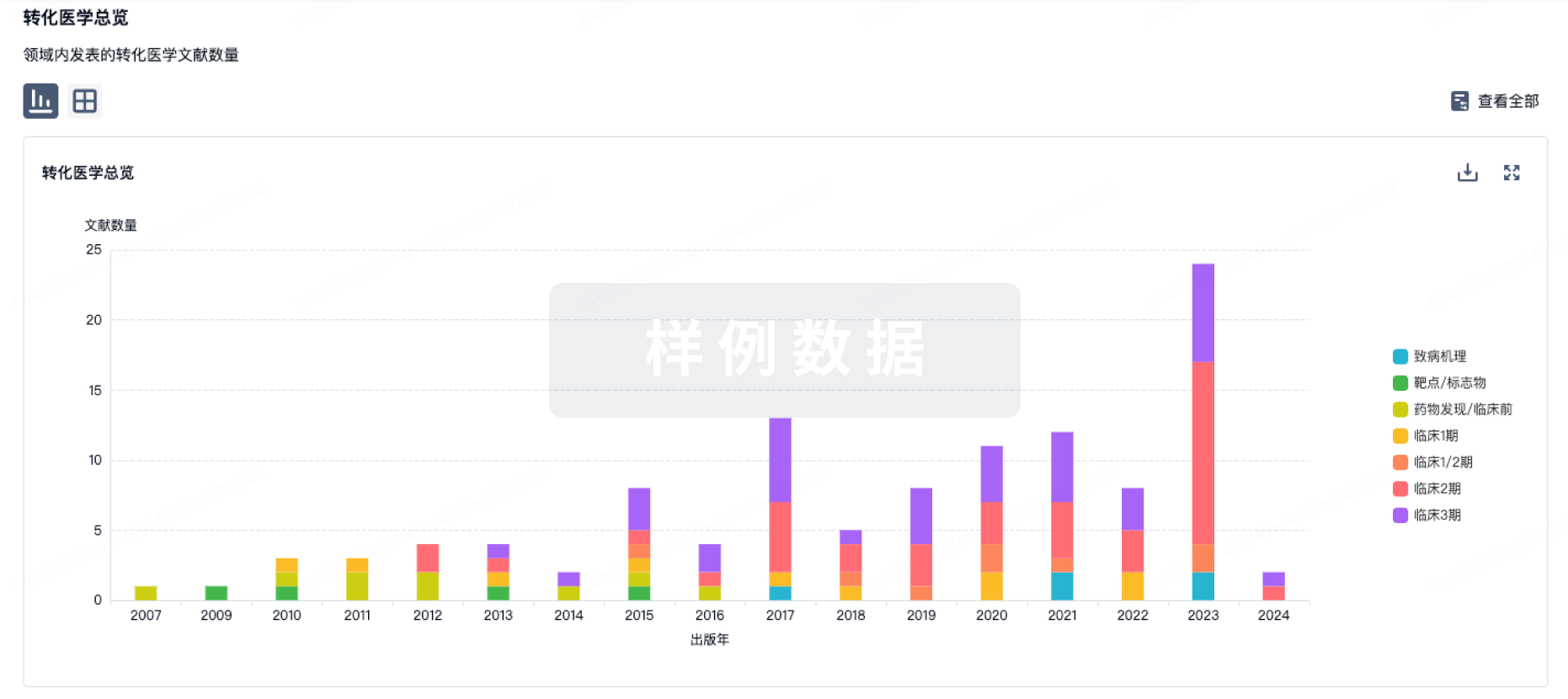
转化医学
使用我们的转化医学数据加速您的研究。
登录
或
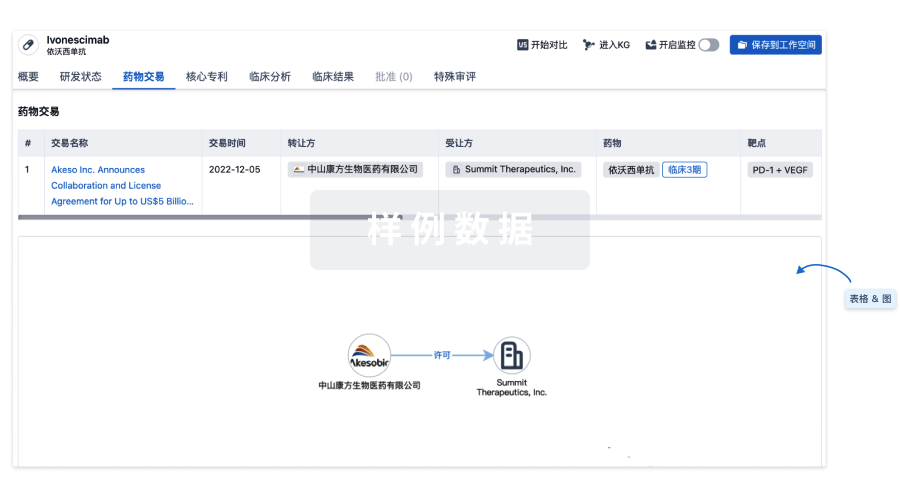
药物交易
使用我们的药物交易数据加速您的研究。
登录
或
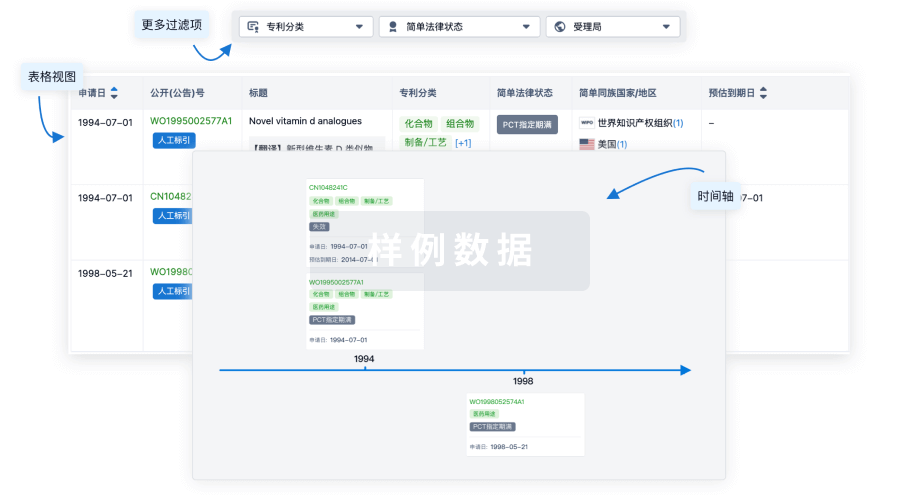
核心专利
使用我们的核心专利数据促进您的研究。
登录
或
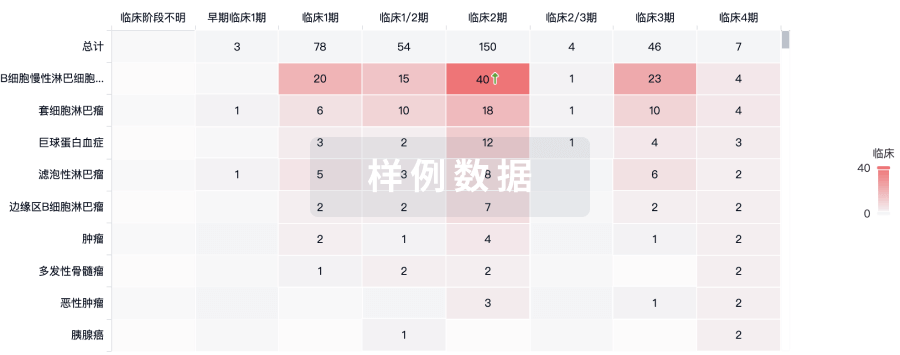
临床分析
紧跟全球注册中心的最新临床试验。
登录
或
批准
利用最新的监管批准信息加速您的研究。
登录
或
生物类似药
生物类似药在不同国家/地区的竞争态势。请注意临床1/2期并入临床2期,临床2/3期并入临床3期
登录
或
特殊审评
只需点击几下即可了解关键药物信息。
登录
或
提出任何生物医药研究问题
让每一步生物医药决策都精准制胜
基于十亿级生物数据与全球情报的精准 AI,赋能早期药物发现
立即开始免费试用!
智慧芽新药情报库是智慧芽专为生命科学人士构建的基于AI的创新药情报平台,助您全方位提升您的研发与决策效率。
立即接入生物医药数据包
智慧芽新药库数据也通过智慧芽开放平台,以MCP或API服务形式对外开放。立即使用我们的MCP服务定制您的LLM智能体。
生物序列数据库
生物药研发创新
免费使用
化学结构数据库
小分子化药研发创新
免费使用