预约演示
更新于:2026-10-22
Iron hydroxyethyl starch
更新于:2026-10-22
概要
基本信息
非在研机构- |
权益机构- |
最高研发阶段批准上市 |
首次获批日期 奥地利 (2012-03-21), |
最高研发阶段(中国)临床申请 |
特殊审评- |


登录后查看时间轴
关联
2
项与 Iron hydroxyethyl starch 相关的临床试验NCT07687784
A Multicentre, Prospective, Randomized, Active-Controlled, Open-Label, Phase III Study to Test the Non-Inferiority of Intravenous Injection of Ferric Bepectate IV Injection Compared to Ferric Carboxymaltose for Treatment of Patients With Iron Deficiency Anaemia (IDA)
NCT04465539
The Potential Therapeutic Role of Hydroxyethyl Starch and Hydrocortisone in Acute Aluminum Phosphide Poisoning: A Randamized Controlled Clinical Trial

100 项与 Iron hydroxyethyl starch 相关的临床结果
登录后查看更多信息
100 项与 Iron hydroxyethyl starch 相关的转化医学
登录后查看更多信息
100 项与 Iron hydroxyethyl starch 相关的专利(医药)
登录后查看更多信息
1
项与 Iron hydroxyethyl starch 相关的文献(医药)2022-07-01Basic & clinical pharmacology & toxicology
Are there safety concerns for frequently repeated dosages of intravenous irons?
Letter
作者: Muñoz, Manuel ; Waldorff, Stig
The i.v. iron drugs should be formulated to avoid its release iron into plasma.Following administration, macrophages from thereticulo endothelial system clear the iron carbohydrate complex from plasma and break it down.Thus, a linear relation between the i.v. drug dose and the maximal after dosing drug concentration would be expected.In a follow-up publication where dose-related pharmacokinetics of ferric bepectate was evaluated, it was proved that a second compartment of distribution appeared at the highest administered dose.The fraction of labile iron released from the iron drug at the time of administration and the short-term stability of the iron drug in plasma, as labile iron has well-known direct toxic effects and may influence pharmacokinetics and body distribution.EMA does not recommend a simple methodol. to characterize early after dosing stability of i.v. iron drugs.Whether recommended dose regimens for all marketed i.v. irons are designed to avoid capillary leak episodes with extravasation of iron and other plasma constituents is unknown.As for ferumoxytol, an i.v. iron drug marketed outside EU, iron extravasation as a secondary volume of distribution has been demonstrated.We, therefore, urge the Marketing Authorisation Holders to perform the two-step procedure described above especially for i.v. irons dose regimens used repeatedly (e.g., in CKD).Our suspicion of a deleterious effect of frequently repeated doses of i.v. iron in CKD patients could be clarified in a pharmacoepidemiol. study.CKD patients exposed to frequently repeated doses of i.v. iron should be compared with a group of CKD patients receiving a few yearly injections with respect to cardiovascular events.
1
项与 Iron hydroxyethyl starch 相关的新闻(医药)2026-10-22
·信狐药迅
100 项与 Iron hydroxyethyl starch 相关的药物交易
登录后查看更多信息
研发状态
10 条最早获批的记录, 后查看更多信息
登录
| 适应症 | 国家/地区 | 公司 | 日期 |
|---|---|---|---|
| 缺铁性贫血 | 奥地利 | 2012-03-21 |
登录后查看更多信息
临床结果
临床结果
适应症
分期
评价
查看全部结果
登录后查看更多信息
转化医学
使用我们的转化医学数据加速您的研究。
登录
或
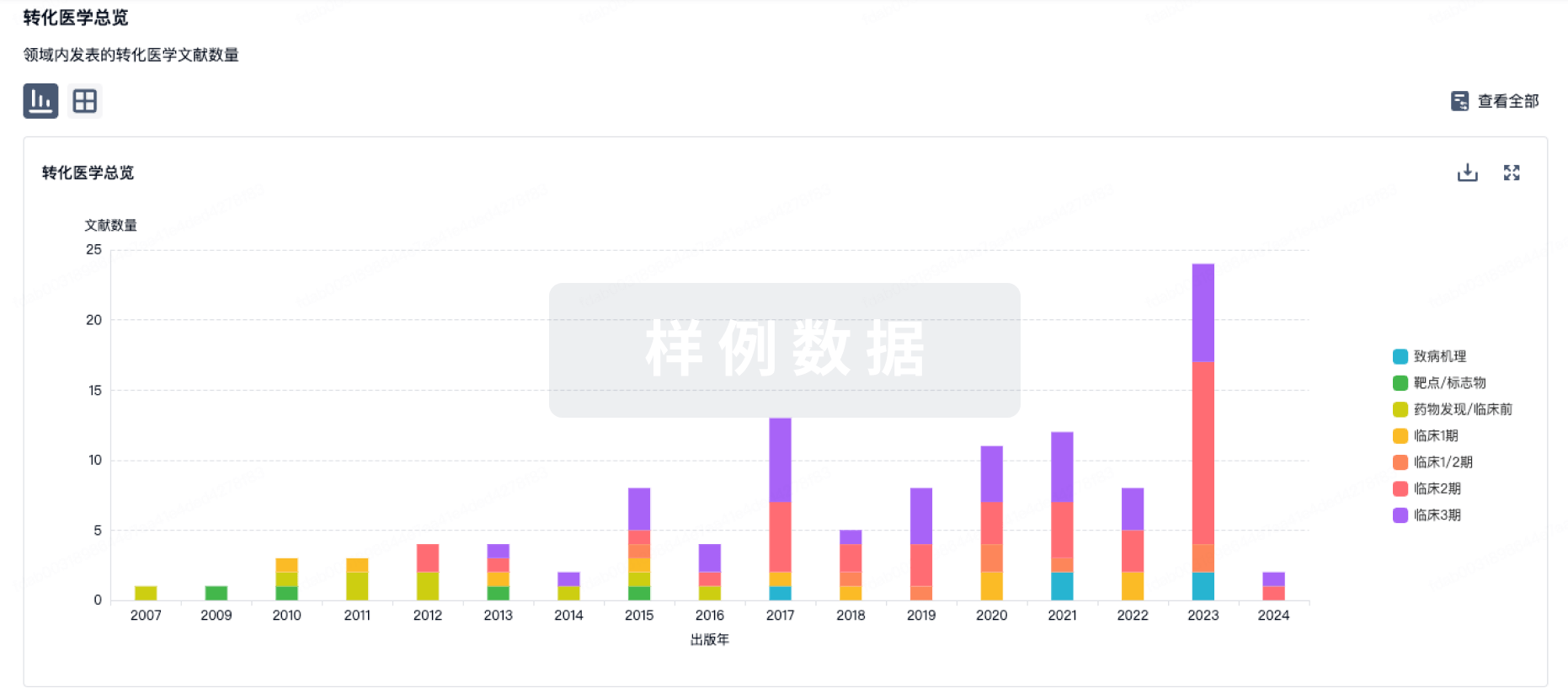
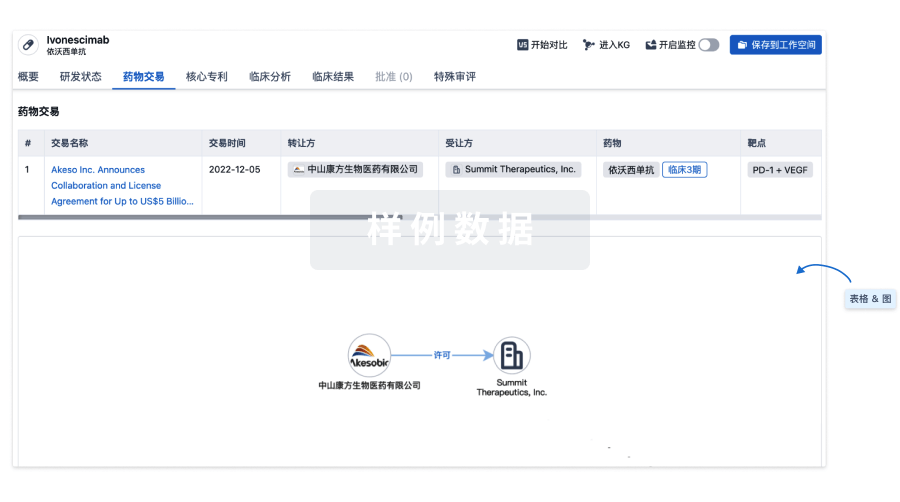
药物交易
使用我们的药物交易数据加速您的研究。
登录
或
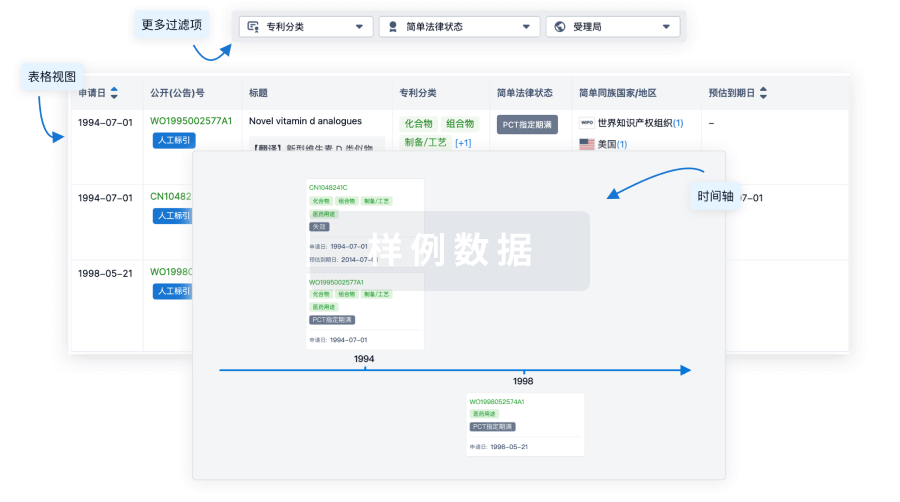
核心专利
使用我们的核心专利数据促进您的研究。
登录
或
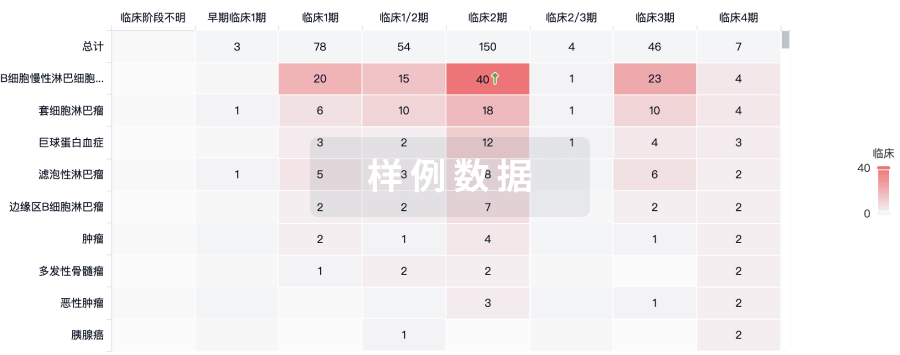
临床分析
紧跟全球注册中心的最新临床试验。
登录
或
批准
利用最新的监管批准信息加速您的研究。
登录
或
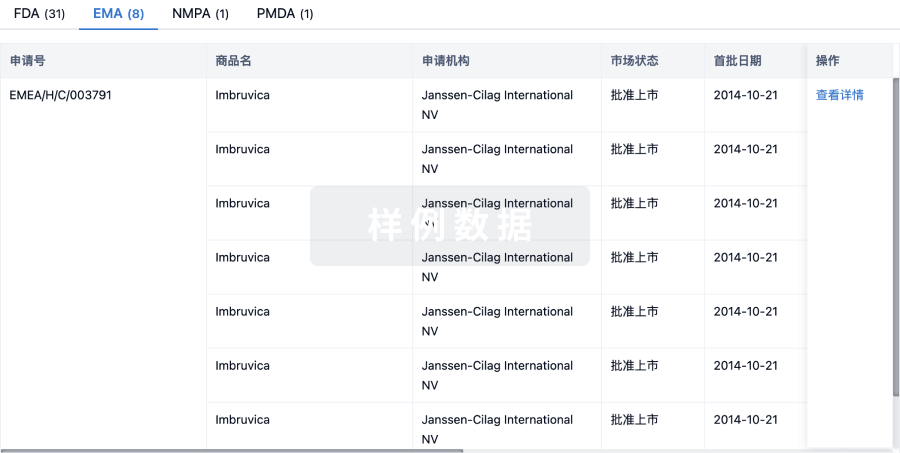
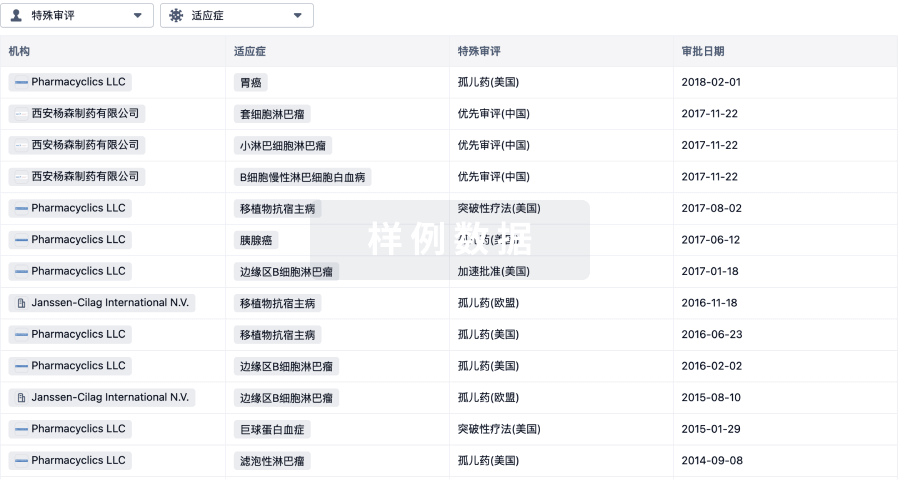
特殊审评
只需点击几下即可了解关键药物信息。
登录
或
提出任何生物医药研究问题
让每一步生物医药决策都精准制胜
基于十亿级生物数据与全球情报的精准 AI,赋能早期药物发现
立即开始免费试用!
智慧芽新药情报库是智慧芽专为生命科学人士构建的基于AI的创新药情报平台,助您全方位提升您的研发与决策效率。
立即接入生物医药数据包
智慧芽新药库数据也通过智慧芽开放平台,以MCP或API服务形式对外开放。立即使用我们的MCP服务定制您的LLM智能体。
生物序列数据库
生物药研发创新
免费使用
化学结构数据库
小分子化药研发创新
免费使用