预约演示
更新于:2026-02-07
CLDN18.2(Full-Life Technologies)
更新于:2026-02-07
概要
基本信息
原研机构 |
在研机构- |
非在研机构 |
权益机构- |
最高研发阶段终止临床前 |
首次获批日期- |
最高研发阶段(中国)终止 |
特殊审评- |

关联
100 项与 CLDN18.2(Full-Life Technologies) 相关的临床结果
登录后查看更多信息
100 项与 CLDN18.2(Full-Life Technologies) 相关的转化医学
登录后查看更多信息
100 项与 CLDN18.2(Full-Life Technologies) 相关的专利(医药)
登录后查看更多信息
1
项与 CLDN18.2(Full-Life Technologies) 相关的文献(医药)2026-02-01·ESMO Open
Claudin 18.2 expression in gastroesophageal adenocarcinoma: biomarker overlap and association with clinical outcomes in a European cohort
Article
作者: Alés, I ; Macarulla, T ; Tabernero, J ; Macías, I ; Genovesi, V ; Tian, T V ; Ribera, P ; Reboredo, M ; Terán, E ; Élez, E ; Calvo, A ; Fornaro, L ; Buges, C ; López, A ; Agra, C ; Hierro, C ; García-Paredes, B ; Pazo, R ; Vidal-Tocino, R ; Blanco, C ; Zucchiatti, A ; Visa, L ; Foti, S ; Alsina, M ; Martínez, E ; Sauri, T ; Herranz, J M ; Martínez, J ; Landolfi, S ; Caritá, L ; Vivancos, A ; Acosta, D
BACKGROUND:
Claudin 18.2 (CLDN18.2) is highly expressed in up to 40% of gastroesophageal adenocarcinomas (GEA) and represents an emerging therapeutic target for these tumors. However, its distribution across molecular subtypes and its prognostic and predictive roles remain insufficiently studied.
METHODS:
This ambispective, multicenter study included 563 patients with GEA diagnosed between 2019 and 2025 across 17 European institutions. Tumor samples were analyzed for CLDN18.2, human epidermal growth factor receptor 2 (HER2), mismatch repair, Epstein-Barr virus (EBV), and programmed death-ligand 1 [PD-L1; combined positive score (CPS)] using immunohistochemistry and/or in situ hybridization. Molecular alterations were characterized using next-generation sequencing. Associations between molecular features and clinical outcomes, such as overall response rate (ORR), median progression-free survival (mPFS), and median overall survival (mOS), were evaluated.
RESULTS:
High CLDN18.2 expression was observed in 48.3% of tumors, correlating with diffuse-type histology and peritoneal involvement (P < 0.01). Its prevalence varied across molecular subtypes: 33.9% in deficient mismatch repair, 62.5% in EBV-positive, 41.9% in HER2-positive tumors, and 47.2% in tumors with PD-L1 CPS ≥5. Among patients treated with first-line chemotherapy, CLDN18.2 status did not affect mPFS [hazard ratio (HR) 0.90; P = 0.50] or mOS (HR 1.06; P = 0.80). However, among HER2-positive patients, CLDN18.2-high tumors were associated with improved outcomes with HER2-targeted therapy (mPFS 17.0 versus 8.9 months, HR 0.42; P = 0.03; mOS 43.0 versus 23.0 months, HR 0.40; P = 0.07). By contrast, in patients with CLDN18.2-high tumors receiving an immunotherapy-based regimen (IO), there was a trend toward lower ORR (51% versus 64%; P = 0.15), shorter mPFS (8.9 versus 14.0 months; HR 1.47; P = 0.14), and reduced mOS (16.0 versus 43.0 months; HR 2.04; P = 0.052). Combined analyses of CLDN18.2 and PD-L1 showed poorer survival outcomes in CLDN18.2-high tumors across PD-L1 thresholds.
CONCLUSIONS:
CLDN18.2-high GEA was more prevalent than previously reported in pivotal trials and showed substantial overlap across molecular subtypes. It was associated with a greater benefit from HER2-targeted therapy but a trend toward poorer outcomes with IO, underscoring the need for biomarker-guided therapeutic strategies in GEA.
17
项与 CLDN18.2(Full-Life Technologies) 相关的新闻(医药)2026-01-17
·医麦客
免费早鸟票,200 张限量领取
2026 年 1 月 18 日
医麦客新闻 eMedClub News
2026 年 1 月 12 日-15 日,第 44 届摩根大通医疗健康大会(JPM 2026)在美国旧金山如期召开。这场开年盛会一直被誉为全球生物医药行业的「风向标」,国际上头部 MNC 齐聚盛会,国内生物医药企业同样阵容亮眼,「3 家 CXO+4 家创新药企」亮相主会场,亚太专场则涵盖了 17 家企业。
本文整理了国内外 14 家企业在 JPM 大会上的核心内容,以期一览全球生物医药产业代表技术前沿与未来发展脉络。
▲ 14 家企业及亮点概括/(图片来源:医麦客整理)
锚定 ADC:多家企业发展的核心
从本次 JPM 上公布的信息来看,ADC 无疑被提及次数众多,已成为全球生物医药企业竞逐的核心赛道,不仅是多家企业业绩重要支撑,更是驱动行业增长的关键引擎。
国际头部 MNC 中,阿斯利康基于 2025 年前 9 个月总收入 11% 的增长及可预期的未来重申了「到 2030 年实现 800 亿美元总营收」的目标,并将下一代 IO 双抗与 ADC 视为收入增长的重要动力。其目前拥有 8 款临床阶段的 ADC 管线,正在打造高价值产品组合,B7-H4 ADC Puxi-sam 已经启动 III 期临床,CLDN18.2 ADC Sone-vedo 将在 2026 年上半年公布新数据,并计划推进一线治疗胃癌。
默沙东计划未来推出超 20 款具重磅潜力的驱动产品,预计到 2030 年代中期,商业机会将超过 700 亿美元,而这其中有 70% 由 10 个关键项目组成。在肿瘤领域,其重磅资产是引进科伦博泰的芦康沙妥珠单抗(Sac-TMT),已经有多项 III 期临床研究正在开展。
第一三共是 ADC 的领军企业之一,手握 7 款核心资产,涵盖了 HER2、TROP2、B7-H3 等热门靶点和乳腺癌、胃癌、肺癌等高需求适应症。其已上市重磅 ADC 药物 Enhertu 截至 2025 年 Q2,全球净销售额累积逼近百亿美元,增长潜力强劲,另一款 TROP2 ADC 药物 Datroway 在 2025 年 Q2 全球净销售额首次突破 100 亿日元。其计划到 2030 年通过至少 4 款 ADC 产品拓展多个适应症,持续巩固在 ADC 领域的地位。
国内创新药企同样紧跟全球产业浪潮。百济神州的替雷利珠单抗 + 泽尼达妥单抗突破了一线胃癌,6 个产品实现概念验证,5 个新分子进入临床,布局了蛋白降解剂、双抗、三抗和 ADC,预计 2026 年及之后每年推进约 8-10 个新分子实体。
再鼎医药进度领先的 Zoci 是一款潜在的同类首创/最优的靶向 DLL3 ADC,计划在今年启动 3 项注册性临床研究,靶向 LRRC15 的新型 ADC 药物 ZL-6201 计划在今年启动 I 期临床。再鼎医药预计在今年达成多个里程碑事件,推动多个新型肿瘤及免疫项目进入临床研究阶段、将提交多项新药临床试验申请。
ADC 赛道已告别同质化靶点扎堆的初级竞争,迈入技术纵深与生态协同的新阶段。行业重心正从单一资产的临床推进,转向靶点差异化、载荷-连接子全链条技术迭代及联合疗法探索,同时一线治疗替代与泛瘤种布局成为竞争核心。全球 ADC 领域资源整合态势进一步加剧,跨国药企与本土企业的合作趋势也从单点资产授权,升级为技术平台、产能布局与临床资源的深度协同。
细胞疗法仍是多家关注的热点
在本届 JPM 大会的产业探讨与企业布局中,细胞疗法凭借在肿瘤、自身免疫性疾病等领域的突破性疗效,也是多家企业关注的重点。
国际头部 MNC 吉利德在细胞疗法领域早已奠定深厚根基,旗下拥有 Yescarta 与 Tecartus 两款已上市 CAR-T 产品,而为巩固竞争优势并突破现有增长瓶颈,吉利德正全力推进新一代 BCMA CAR-T 疗法 Anito-cel 的研发,该药采用创新 D-Domain 结合结构域设计,在复发 / 难治性多发性骨髓瘤的关键临床试验中,总缓解率高达 96%,且安全性良好。该产品未来上市将进一步巩固吉利德在细胞疗法领域的地位。
阿斯利康差异化布局了双靶点 CAR-T 疗法 AZD0120,其在 Ib 期临床研究中,针对晚期多发性骨髓瘤患者实现了 78% 的完全缓解率,且无 3 级以上 CRS 或延迟性神经毒性。
国内传奇生物的 BCMA CAR-T 疗法 Carvykti 累计治疗患者数已突破 10,000 例,得益于该产品的销售增长,预计公司将在 2026 年实现整体盈利。同时,传奇生物公布了 Carvykti 对复发/难治性多发性骨髓瘤具有潜在治愈性的证据,三线以上的中位生存期已经达到 60.7 个月,亮眼的疗效数据也进一步验证了其产品的硬实力。
另外,传奇生物还布局了 in vivo CAR-T 项目,已经展现出了良好的体内扩展性和显著的 B 细胞的耗竭作用。
JPM 会议上企业公布的未来布局也正是当下细胞疗法赛道发展趋势的映照,对疗效及安全性的更高追求,从肿瘤到自免适应症的延伸,从体外制备到体内创新的拓展,细胞疗法被持续加码,其未来价值也将被进一步挖掘。
总结
整体而言,第 44 届 JPM 既集中释放了 ADC、细胞疗法等前沿赛道的技术迭代信号,也清晰勾勒出全球产业协同与资源整合的发展蓝图,大会传递的产业共识与创新趋势,将持续为全球生物医药行业注入增长动能,指引行业在突破技术瓶颈、拓宽治疗边界、提升药物可及性的道路上稳步前行。
责任编辑丨浔
校对丨浔
参考资料:
1.公开资料及企业官网
精彩活动
长按识别二维码立即参与↓
1 月 20 日 19:00-20:30
精准抗癌新引擎:ICE 疗法与双抗/多抗技术的协同发展
推荐 2
1 月 29 日 19:00-20:30
TFF 膜包清洁重复验证与新版 PDA TR26 技术报告解读
声明:本文旨在于传递行业发展信息、探究生物医药前沿进展。文章内容仅代表作者观点,并不代表医麦客立场,亦不构成任何价值判断、投资建议或医疗指导,如有需求请咨询专业人士投资或前往正规医院就诊。
版权说明:欢迎个人转发文章至朋友圈,谢绝媒体或机构未经授权以任何形式转载至其他平台。如需转载请在文章下方留言获取授权。
封面来源网络,如有侵犯版权,请联系删除
点点“分享”、“点赞”和“在看”
给我充点儿电吧~
抗体药物偶联物临床3期免疫疗法细胞疗法临床1期
2025-12-21
在我国,胃癌常年位居恶性肿瘤发病率前列,每年新发病例超40万,其中近半数患者确诊时已发展为不可切除的局部晚期或转移性胃癌,错失手术根治机会 。对于这部分患者,传统化疗方案疗效有限且副作用明显,而HER2阳性患者仅占12%,绝大多数患者陷入“无靶可打”的治疗困境。好在CLDN18.2靶点的发现与药物研发,为胃癌精准治疗开辟了新赛道。如今,由齐鲁制药自主研发的创新双抗QLS31905联合PD-1抑制剂QL2107及经典XELOX化疗的三联方案,正在开展II期临床研究,为未经系统治疗的CLDN18.2阳性胃癌患者带来一线治愈希望!
一、绝境逢生:CLDN18.2靶点为何成为胃癌治疗“新宠”?
很多胃癌患者可能对“CLDN18.2”这个名词感到陌生,但它却是近年来肿瘤领域最热门的精准治疗靶点之一。要理解它的重要性,首先要明白这个靶点的独特优势:
CLDN18.2是一种跨膜蛋白,正常情况下仅在胃黏膜上皮细胞中低水平表达,且被细胞间紧密连接复合体包裹,难以被药物接触 。但当胃上皮细胞发生恶变时,细胞极性被破坏,CLDN18.2会在肿瘤细胞表面高度、稳定地暴露出来,成为区分肿瘤细胞与正常细胞的“身份标识” 。这种“肿瘤特异性表达”的特性,让它成为靶向治疗的理想靶点——药物可以精准识别并攻击肿瘤细胞,而不会对正常组织造成严重损伤。
更值得关注的是,CLDN18.2在胃癌中的阳性率极高。研究显示,在胃印戒细胞癌中,CLDN18.2阳性率高达95.2%,其中64.8%为中强阳性;在普通胃癌人群中,阳性率也接近50% 。这意味着,近半数胃癌患者可能通过CLDN18.2检测获得新的治疗机会,彻底改变过去“多数患者无靶向药可用”的局面。
2024年底,首个CLDN18.2靶向药佐妥昔单抗获批上市,标志着胃癌治疗正式进入CLDN18.2靶向时代 。而随着双特异性抗体、ADC药物等新型疗法的推进,CLDN18.2阳性患者的治疗效果正在被不断刷新,2025年CSCO指南更是将CLDN18.2检测提升为I级推荐,足见其在临床中的重要地位。
二、三联方案“强强联合”:齐鲁创新药组合的核心优势
本次临床研究采用的“QLS31905+QL2107+XELOX”方案,并非简单的药物叠加,而是基于肿瘤治疗机制设计的“1+1+1>3”的协同组合,每一种药物都肩负着独特的“战斗使命”:
1. 核心靶向武器:QLS31905(CLDN18.2/CD3双特异性抗体)
作为齐鲁制药自主研发的创新双抗,QLS31905的作用机制堪称“精准制导+免疫动员”。它拥有两个特异性结合位点,一端牢牢绑定肿瘤细胞表面的CLDN18.2,另一端则连接T细胞表面的CD3分子——相当于在肿瘤细胞和免疫T细胞之间架起一座“桥梁”,直接将T细胞募集到肿瘤细胞身边并激活,让免疫细胞对肿瘤细胞展开“贴身追杀”。
在2025年ASCO大会公布的I期临床数据中,QLS31905已展现出优异的安全性和初步疗效:在33例CLDN18.2阳性晚期消化道肿瘤患者中,疾病控制率(DCR)高达87.88%,中位无进展生存期(PFS)达到4.21个月,且未出现严重的剂量限制毒性,细胞因子释放综合征等不良反应均能痊愈恢复。对于既往多线治疗失败的患者而言,这样的结果已足够令人振奋,而此次将其用于一线治疗并联合其他方案,有望实现疗效的进一步飞跃。
2. 免疫增效利器:QL2107(PD-1抑制剂)
QL2107是齐鲁制药研发的帕博利珠单抗(Keytruda)生物类似药,作为免疫检查点抑制剂的代表,它的作用是“解除肿瘤细胞的免疫逃逸”。肿瘤细胞常常通过表达PD-L1蛋白与T细胞表面的PD-1结合,让免疫细胞“失效”。而QL2107可以竞争性结合T细胞上的PD-1,打破这种免疫抑制,让T细胞重新恢复识别和杀伤肿瘤的能力 。
在胃癌治疗中,PD-1抑制剂联合化疗已成为HER2阴性患者的标准治疗之一,但单药疗效有限。此次与QLS31905联合,形成“双抗动员T细胞+PD-1解除免疫抑制”的协同效应:QLS31905将T细胞精准带到肿瘤部位,QL2107则让这些T细胞保持活性、持续作战,两者联手有望大幅提升免疫治疗的深度和广度。
3. 经典化疗基石:XELOX方案
XELOX方案由卡培他滨(口服化疗药)和奥沙利铂组成,是晚期胃癌一线治疗的经典标准化疗方案。该方案通过干扰肿瘤细胞的DNA合成和分裂发挥杀伤作用,疗效确切且耐受性良好。在三联方案中,化疗不仅能直接杀伤肿瘤细胞,还能通过“免疫原性细胞死亡”释放肿瘤抗原,帮助免疫系统更好地识别肿瘤,与靶向治疗和免疫治疗形成互补 。
这种“靶向+免疫+化疗”的三联模式,正是当前肿瘤治疗的主流趋势。已有研究证实,靶免化联合方案能显著提升晚期胃癌患者的客观缓解率和生存期,尤其对于CLDN18.2这类高特异性靶点,联合治疗有望突破单药治疗的瓶颈,让部分患者实现肿瘤缩小甚至降期,为后续治疗创造更多可能。
三、临床试验全解析:谁能加入这场“治愈机会”?
1. 试验核心信息
- 试验名称:注射用QLS31905联合QL2107注射液及XELOX方案一线治疗CLDN18.2阳性不可切除的局部晚期或转移性胃或胃食管结合部腺癌的开放、多中心II期临床研究
- 试验分期:II期(关键探索阶段,重点评估疗效和安全性)
- 试验设计:开放、多中心研究,所有符合条件的患者均将接受三联方案治疗
- 主要研究目的:评估该联合方案的客观缓解率(ORR)、无进展生存期(PFS)、总生存期(OS)等核心疗效指标,同时观察安全性和耐受性
- 研究范围:多中心开展,覆盖全国多家三甲医院(具体可咨询招募团队)
2. 核心入排标准(关键筛选条件)
【主要入选标准】
1. 年龄18-75岁,体力状况评分(ECOG)0-1分(日常活动基本不受限);
2. 经病理组织学或细胞学确诊为胃或胃食管结合部腺癌,且为不可切除的局部晚期或转移性(无法通过手术根治);
3. 未接受过针对晚期胃癌的系统性抗肿瘤治疗(包括化疗、靶向治疗、免疫治疗等,局部治疗如放疗、姑息性手术除外);
4. 肿瘤组织经免疫组化(IHC)检测确认CLDN18.2阳性(具体判读标准由研究中心统一制定);
5. 至少有一个可测量的肿瘤病灶(根据RECIST v1.1标准);
6. 肝肾功能、血常规、凝血功能等实验室检查指标基本正常,无严重心肺、肝肾功能不全等合并症。
【主要排除标准】
1. HER2阳性患者(IHC 3+或IHC 2+/FISH阳性);
2. 既往接受过CLDN18.2靶向治疗、PD-1/PD-L1抑制剂治疗或XELOX方案化疗且出现疾病进展;
3. 存在活动性脑转移或脑膜转移(经治疗后稳定超过3个月可酌情考虑);
4. 有自身免疫性疾病病史、严重感染(如活动性肝炎、结核)或未控制的高血压、糖尿病;
5. 怀孕或哺乳期女性,或计划在试验期间怀孕者;
6. 对试验药物成分(如卡培他滨、奥沙利铂、QLS31905、QL2107)过敏者。
(注:以上为核心筛选条件,详细入排标准需由研究医生根据患者具体病情评估,最终能否入组以研究中心判断为准。)
3. 患者能获得哪些实际获益?
对于参与临床试验的患者而言,不仅能获得前沿治疗方案的治疗机会,还能享受多重保障:
- 免费治疗:试验期间的QLS31905、QL2107注射液、卡培他滨、奥沙利铂等研究药物均免费提供;
- 免费检查:治疗期间的血常规、肝肾功能、肿瘤标志物、影像学检查(CT/MRI等)等相关检查费用全免;
- 专业医疗监护:由全国三甲医院的肿瘤领域专家团队全程指导治疗,定期随访评估,提供最规范的医疗照护;
- 交通补贴:部分研究中心会为患者提供一定的交通补贴或误工补助(具体以各中心规定为准);
- 长期随访:试验结束后,将对患者进行长期生存随访,确保治疗效果的持续监测。
四、从临床到治愈:CLDN18.2阳性胃癌的治疗新格局
随着CLDN18.2靶向药物的不断涌现,胃癌治疗正在从“广谱化疗”向“精准分层治疗”转型。2024年佐妥昔单抗的获批,让CLDN18.2高表达患者的一线治疗有了标准方案,而此次齐鲁制药的“双抗+PD-1+化疗”三联方案,更是在现有标准上的进一步升级。
与单药靶向治疗相比,三联方案具有三大优势:一是适用人群更广,不仅覆盖CLDN18.2高表达患者,低表达患者也可能从中获益(已有研究显示,低/超低表达患者接受CLDN18.2靶向治疗仍能获得33.3%的客观缓解率) ;二是疗效潜力更大,靶免联合可激活机体自身免疫系统,实现“短期缩小肿瘤+长期控制复发”的双重目标;三是安全性可控,QLS31905在I期研究中未出现严重不良反应,联合方案的耐受性值得期待。
从临床研究数据来看,CLDN18.2靶向治疗已展现出改变胃癌治疗格局的实力:在同类靶点药物的临床试验中,中高表达患者的客观缓解率可达40%,疾病控制率超80%,12个月总生存率更是达到66.2% 。而此次三联方案的探索,有望将这一数据进一步提升,让更多患者实现长期生存,甚至部分患者达到“临床治愈”的标准。
五、招募进行时:这些问题你可能最关心
1. 如何确认自己是CLDN18.2阳性?
CLDN18.2检测需通过免疫组化(IHC)方法进行,患者可提供既往的肿瘤组织标本(如活检组织、手术切除标本),或在研究中心进行穿刺活检获取标本后检测。2025年CSCO指南已明确CLDN18.2检测的标准化流程,确保检测结果的准确性。对于未做过检测的患者,研究中心将免费提供CLDN18.2检测服务,帮助患者明确靶点状态。
2. 临床试验是不是“小白鼠”?安全有保障吗?
很多患者对临床试验存在误解,实际上,所有临床试验都必须经过国家药品监督管理局(NMPA)批准,遵循《药物临床试验质量管理规范》(GCP),确保患者的权益和安全。
本项研究是II期临床试验,前期I期研究已充分验证了QLS31905的安全性和初步疗效,且QL2107和XELOX方案均为临床常用药物,安全性数据成熟。试验期间,医生会密切监测患者的治疗反应,一旦出现不良反应将及时处理,若患者出现疾病进展,可随时退出试验并寻求其他治疗方案。
3. 哪些地区的患者可以参与?
本试验为多中心研究,在全国多个省市的三甲医院同步开展,包括北京、上海、广州、济南、南京等(具体参与中心可咨询招募团队)。患者可根据自身所在地区,选择就近的研究中心参与,减少就医奔波。
4. 如何申请入组?
若您或您的家人符合上述核心条件,或想了解更多详细信息,可通过以下方式申请入组:
(注:申请入组无需支付任何费用,招募过程中不会向患者收取押金、手续费等额外费用,请警惕虚假招募信息。)
结语:抓住精准治疗的“时代红利”,为生命续航
对于不可切除的局部晚期或转移性胃癌患者而言,每一个新的治疗方案都意味着新的生存希望。CLDN18.2靶点的发现,让近半数胃癌患者摆脱了“无靶可打”的困境,而QLS31905联合QL2107及XELOX的三联方案,更是将靶向治疗的精准性、免疫治疗的持久性和化疗的强效性融为一体,为一线治疗提供了更优选择。
当前,这项II期临床研究正在火热招募中,对于未经系统治疗的CLDN18.2阳性胃癌患者来说,这不仅是一次免费接受前沿治疗的机会,更是一次可能改写疾病结局的“重生契机”。医学的进步离不开临床试验的探索,而每一位参与临床试验的患者,都是推动医学发展的英雄。
如果您或您身边的人正面临这样的治疗困境,请不要放弃希望,及时咨询相关研究中心,或许这场临床试验就能成为照亮生命的曙光。让我们共同期待,在精准医疗的助力下,更多胃癌患者能实现长期生存,迎来治愈的明天!
临床2期抗体药物偶联物CSCO会议上市批准
2025-11-07
记者丨唐唯珂 编辑丨季媛媛港交所再迎生物医药企业递表的密集期。10月26日至31日,短短6天内,鼎泰药研、新桥生物、礼邦制药等8家药企相继提交上市申请,在港股市场流动性改善的背景下,这股冲刺热潮既折射出行业对融资窗口的集体把握,也暴露出不同赛道玩家的生存分化与发展焦虑。此轮药企递表潮的背后,是港股市场环境的显著改善。高特佳投资集团副总经理王海蛟此前即向21世纪经济报道记者指出,港股IPO回暖得益于双重因素:二级市场股价上涨产生的盈利效应吸引资金关注,美联储降息则推动资金从美元资产流向新兴市场,为港股注入流动性。数据显示,2024年10月后港股每日交易量攀升至几千亿港元,较此前增长数倍,机构投资者关注度显著提升,这种流动性复苏为生物医药企业打开了融资窗口。
流动性回暖引IPO潮,财务分化加剧从近期8家企业的赛道布局看,细分领域的专业化特征尤为明显。肿瘤治疗仍是核心战场:新桥生物聚焦精准免疫肿瘤药物,其核心产品givastomig作为CLDN18.2×4-1BB双特异性抗体,瞄准胃食管腺癌、胆道癌等实体瘤市场,该领域2024年全球一线治疗市场规模已达151亿美元(不含大中华区及韩国),预计2034年将增至223亿美元;麓鹏制药则通过自主研发的BeyondX口服药物化学平台,布局癌症及自身免疫性疾病领域,三款核心候选产品均进入临床或新药申请阶段,2023年以来研发开支占经营总支出比重始终维持在82%以上。与此同时,差异化赛道的布局正在形成补充。礼邦制药专攻慢性肾脏病并发症治疗,核心产品AP301作为磷酸盐结合剂已完成中国III期临床试验,另一款产品AP306获国家药监局突破性疗法认定,精准切入肾病治疗这一未被充分满足的市场;江西生物制药则凭借逾50年抗血清领域积淀,成为中国最大的人用破伤风抗毒素提供商,其全产业链整合能力和全球出口优势构成独特竞争力,产品覆盖全国2.35万家医疗机构;鼎泰药研作为心血管代谢疾病非临床研究领域的头部CRO,通过一体化解决方案模式吸引了君联资本、高瓴天成等知名机构投资,成为产业链服务端的代表玩家。8家企业的招股书数据揭示了生物医药行业的典型特征:高投入、长周期与盈利不确定性并存,但不同企业的财务健康度已出现明显分化。未盈利生物科技公司仍面临持续失血压力。新桥生物截至2025年上半年累计亏损达2.39亿美元,尽管2024年净亏损因一次性收益同比收窄89.3%,但核心经营层面仍未止血。更值得警惕的是,其2025年上半年研发开支同比骤降63.9%,直接临床开发开支减少67.3%,这可能延缓核心产品II期临床进度,而现有1.65亿美元现金储备按当前消耗率仅能支撑至2027年第二季度。麓鹏制药同样未能盈利,2023年净亏损1.59亿元,虽在2025年上半年实现3589.6万元净利润,但业绩波动较大,且所有候选药物均未商业化,未来盈利高度依赖临床进展。而已产生营收的企业则陷入规模与利润的失衡。招股书显示,德镁医药2024年营收增长30.7%至6.175亿元,但净亏损从470万元激增至1.056亿元,扩大21倍,核心原因是销售费用率高达62.9%,远超行业35%的中位数水平。同时,其综合毛利率从2023年的76.9%连续下滑至2025年上半年的61.8%,核心产品替瑞奇珠单抗进入医保后毛利率再降8.2个百分点,盈利空间持续被压缩。供应链与客户结构的风险在部分企业中尤为突出。德镁医药2024年前五大客户贡献61.3%收入,第一大客户占比24%,而前五大供应商采购占比高达81.6%,曾因单一供应商断供导致核心产品收入降幅达58.3%;新桥生物对第三方依赖同样严重,2025年上半年前五大供应商采购占比升至51.4%,且向由前董事控制的供应商采购临床服务,关联交易公允性存疑。
估值博弈与竞争压力:IPO后的生存考题对于冲刺港股的生物医药企业而言,成功上市仅是第一步,估值定价与市场竞争将成为更严峻的考验。2024年港股曾出现中国中药、复宏汉霖等药企因估值偏低、流动性差选择私有化的浪潮,反映出市场对医药企业的估值逻辑正日趋严苛,而当前8家企业需在差异化与商业化前景中找到估值支撑点。在创新药领域,研发进度与数据质量直接决定估值天花板。新桥生物的givastomig虽宣称对低表达CLDN18.2肿瘤细胞有效且能降低肝毒性,但较安斯泰来已获批的zolbetuximab、创胜集团处于III期的osemitamab,临床进度落后3~5年,且II期试验启动延迟至2026年初,关键数据披露要等到2027年下半年,商业化窗口期持续收窄。麓鹏制药的核心优势在于口服药物平台的技术壁垒,但此类bRo5平台药物的开发风险较高,若临床数据不及预期,可能导致估值大幅调整。传统药企则需证明增长的可持续性。江西生物制药的人用TAT虽占据市场主导地位且纳入医保,但产品结构相对单一,其创新管线中的抗蛇毒血清等产品仍需时间培育,如何平衡传统业务稳定与创新突破成为估值关键;鼎泰药研作为CRO企业,受益于医药研发外包的行业趋势,但面临同质化竞争压力,其在心血管代谢领域的细分优势需持续转化为市场份额。从市场环境看,港股生物医药板块的估值修复仍存在不确定性。对于未盈利的创新药企而言,IPO募资需优先保障研发投入的连续性。新桥生物因研发开支骤降引发的临床进度担忧,为行业敲响警钟——生物医药行业的核心竞争力始终是研发实力,短期成本控制可能牺牲长期价值。而礼邦制药聚焦肾病领域的精准布局,提示企业需在细分赛道建立深度护城河,避免陷入同质化竞争的红海。对于已商业化企业,优化经营效率比规模扩张更重要。德镁医药的案例显示,高销售费用驱动的营收增长难以持续,企业需在市场推广与研发投入间找到平衡,同时改善客户与供应商结构,降低经营风险。江西生物制药则代表了传统药企的转型方向:以成熟产品保障现金流,用创新管线打开增长空间,这种“稳老拓新”的策略可能更受价值投资者青睐。港股生物医药IPO的回暖,为行业注入了珍贵的流动性血液,但市场的理性程度已显著提升。
IPO突破性疗法财报临床3期
100 项与 CLDN18.2(Full-Life Technologies) 相关的药物交易
登录后查看更多信息
研发状态
10 条进展最快的记录, 后查看更多信息
登录
| 适应症 | 最高研发状态 | 国家/地区 | 公司 | 日期 |
|---|---|---|---|---|
| 非小细胞肺癌 | 临床前 | 中国 | - | |
| 胰腺癌 | 临床前 | 中国 | - | |
| 胃癌 | 临床前 | 中国 | - |
登录后查看更多信息
临床结果
临床结果
适应症
分期
评价
查看全部结果
| 研究 | 分期 | 人群特征 | 评价人数 | 分组 | 结果 | 评价 | 发布日期 |
|---|
No Data | |||||||
登录后查看更多信息
转化医学
使用我们的转化医学数据加速您的研究。
登录
或
药物交易
使用我们的药物交易数据加速您的研究。
登录
或
核心专利
使用我们的核心专利数据促进您的研究。
登录
或
临床分析
紧跟全球注册中心的最新临床试验。
登录
或
批准
利用最新的监管批准信息加速您的研究。
登录
或
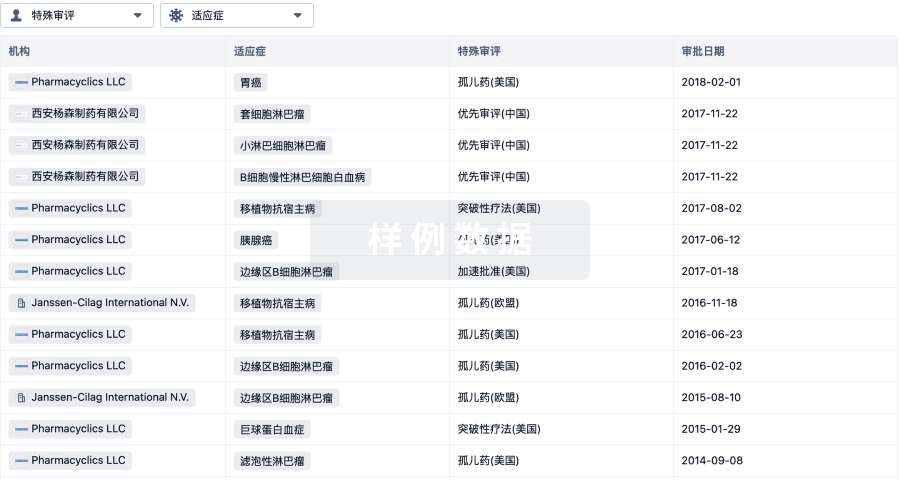
特殊审评
只需点击几下即可了解关键药物信息。
登录
或
生物医药百科问答
全新生物医药AI Agent 覆盖科研全链路,让突破性发现快人一步
立即开始免费试用!
智慧芽新药情报库是智慧芽专为生命科学人士构建的基于AI的创新药情报平台,助您全方位提升您的研发与决策效率。
立即开始数据试用!
智慧芽新药库数据也通过智慧芽数据服务平台,以API或者数据包形式对外开放,助您更加充分利用智慧芽新药情报信息。
生物序列数据库
生物药研发创新
免费使用
化学结构数据库
小分子化药研发创新
免费使用