预约演示
更新于:2026-06-17
Brenipatide
更新于:2026-06-17
概要
基本信息
原研机构 |
非在研机构- |
权益机构- |
最高研发阶段临床3期 |
首次获批日期- |
最高研发阶段(中国)临床3期 |
特殊审评- |


登录后查看时间轴
结构/序列
Sequence Code 1391108876
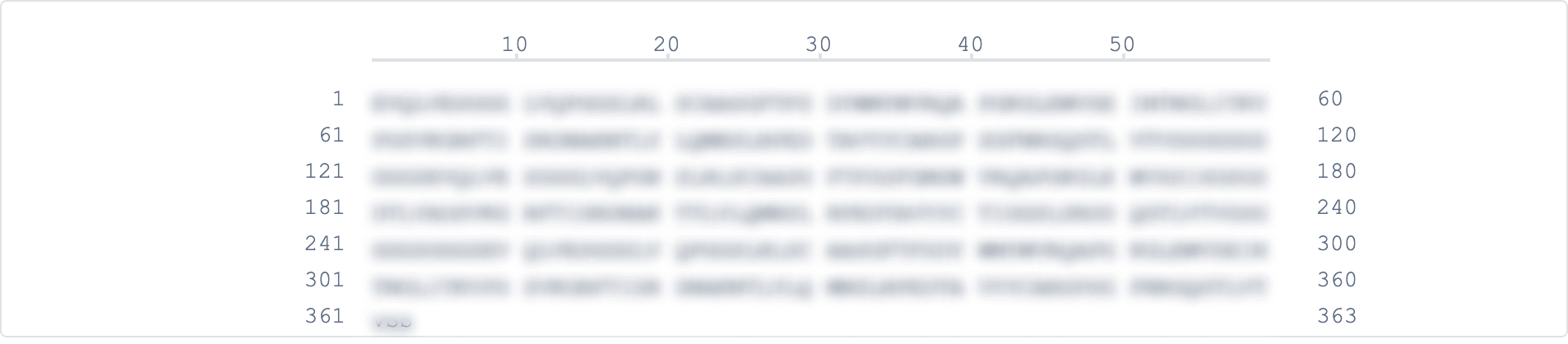
来源: *****
关联
16
项与 Brenipatide 相关的临床试验NCT07545759
A Phase 2, Randomized, Double-Blind, Placebo-Controlled Study to Evaluate the Efficacy and Safety of Brenipatide in the Treatment of Adult Participants With IBS-D
The purpose of this study is to evaluate how well brenipatide (LY3537031) is tolerated, what side effects may occur, and the safety and efficacy in participants with Irritable Bowel Syndrome-Diarrhea (IBS-D). The study drug will be administered subcutaneously (SC) (under the skin) when compared with placebo.
The study will last approximately 35 weeks.
The study will last approximately 35 weeks.
开始日期2026-05-06 |
申办/合作机构 |
NCT07545772
A Phase 2, Randomized, Double-Blind, Placebo-Controlled Study to Evaluate the Efficacy and Safety of Brenipatide in the Treatment of Adult Participants With IBS-C
The purpose of this study is to evaluate how well brenipatide (LY3537031) is tolerated what side effects may occur, and the safety and efficacy in participants with Irritable Bowel Syndrome-Constipation (IBS-C). The study drug will be administered subcutaneously (SC) (under the skin) when compared with placebo.
The study will last approximately 35 weeks.
The study will last approximately 35 weeks.
开始日期2026-04-29 |
申办/合作机构 |
NCT07476118
A Phase 1b, Randomized, Investigator- and Participant-Blinded, Placebo-Controlled Multiple-Dose Study to Evaluate the Pharmacodynamics, Safety, Tolerability, and Pharmacokinetics of Brenipatide in Healthy Participants With Overweight or Obesity
The main purpose of this study is to evaluate how different dose levels of brenipatide work and how safe they are in healthy people with overweight or obesity. The study will assess the effects of different doses given as subcutaneous (under the skin) injections. Participation in this study will last about 42 weeks.
开始日期2026-03-18 |
申办/合作机构 |
100 项与 Brenipatide 相关的临床结果
登录后查看更多信息
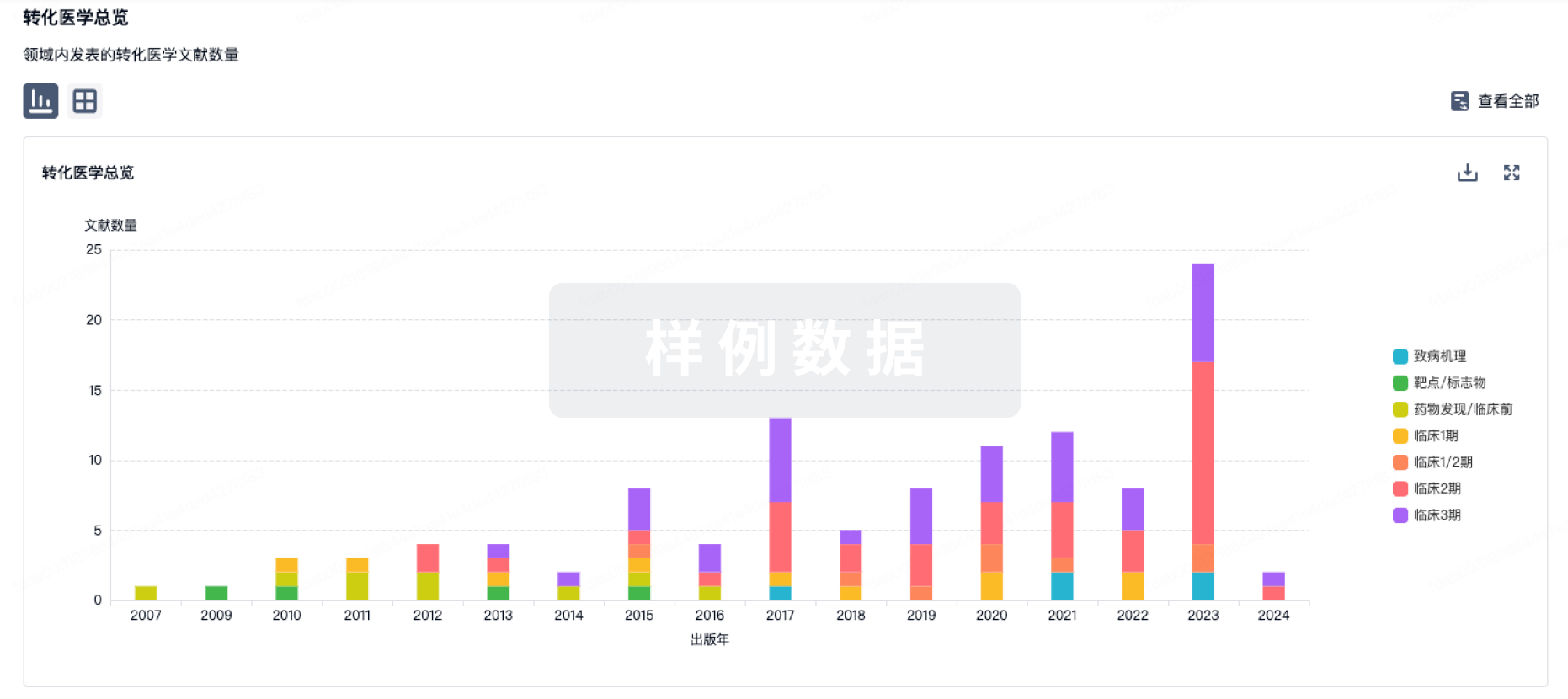
100 项与 Brenipatide 相关的转化医学
登录后查看更多信息
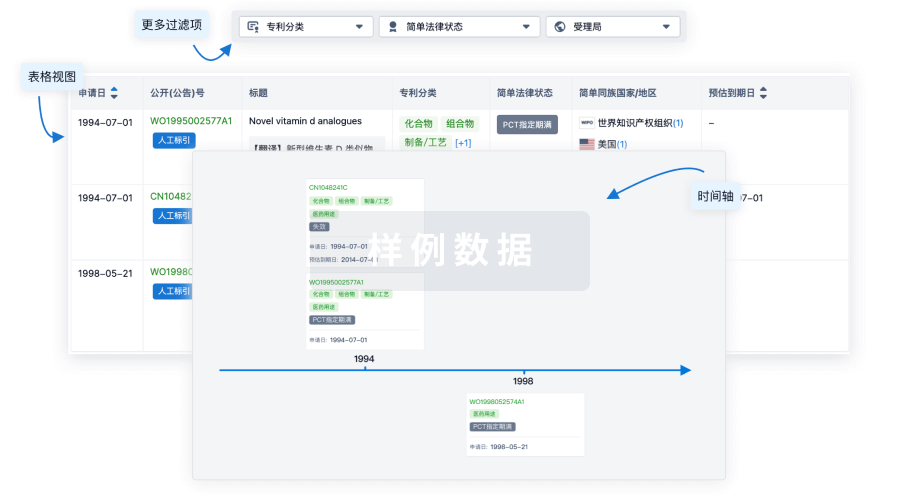
100 项与 Brenipatide 相关的专利(医药)
登录后查看更多信息
132
项与 Brenipatide 相关的新闻(医药)2026-06-13
康特替尼颗粒(商品名:首要泽®,CT-707,曾名康太替尼)是首药控股自主研发化学1类创新药,2026年6月11日NMPA正式获批上市,国内首款颗粒剂型ALK抑制剂。
基本信息
规格:450mg、600mg两种颗粒规格
药物分类:第二代ALK多靶点激酶抑制剂,同时抑制ALK+FAK双靶点
获批适应症
单药用于一线治疗:既往从未使用过任何ALK抑制剂的ALK阳性局部晚期/转移性非小细胞肺癌(NSCLC);ALK融合突变在晚期NSCLC发生率约5%–7%,属于经典肺癌靶向分型。
作用机制:竞争性结合ALK激酶ATP结合区,阻断ALK融合蛋白下游致癌信号;额外抑制FAK激酶,具备差异化抗肿瘤活性,为联合用药、适应症拓展留有空间。
剂型核心优势:颗粒可冲水溶解口服,无需整粒吞咽:适配老年、术后、放化疗后吞咽困难、体质虚弱患者;未来有潜力拓展儿童ALK肿瘤用药场景,填补剂型空白。
临床疗效(III期对照研究,对照药:克唑替尼)
主要终点:独立评估无进展生存期(PFS)显著优于克唑替尼,大幅降低疾病进展/死亡风险;
次要终点:客观缓解率ORR、缓解持续时间DOR均明显获益;长期生存趋势良好,支持ALK肺癌慢病化长期治疗。
安全性特点:整体耐受性佳,绝大多数不良反应为1–2 级轻中度:常见靶向药典型反应:转氨酶升高、胃肠道不适、乏力、视力相关轻微异常等;多数可通过减量、短暂停药、对症处理控制,无新发重大安全风险信号,适合长期维持服用。
上市情况
2026年06月11日,NMPA批准康特替尼颗粒(商品名:首要泽®,CT-707,曾名康太替尼)上市。该产品为国内首款颗粒剂型ALK抑制剂,获批规格为450mg、600mg两种颗粒剂型,唯一获批适应症为一线单药治疗未用过任何ALK抑制剂的ALK阳性局部晚期/转移性非小细胞肺癌。
注册与受理情况
临床试验情况
专利情况
核心化合物专利
国际公开号:WO2012092880,申请时间2012年,2032年到期。
美国授权专利:US9428508,权利要求覆盖康特替尼完整母核结构、游离碱、四盐酸盐药用形式。
晶型/盐型专利:保护四盐酸盐稳定药用晶型、结晶工艺,多件国内授权专利;规避仅改盐型、晶型的简单仿制路径。
颗粒制剂专属专利:PCT/CN2025/110506于2025年递交,2026年WIPO公开,保护颗粒剂型配方、溶出工艺、冲服组合物,国内同步递交制剂发明专利,锁定国内唯一颗粒ALK抑制剂剂型知识产权;片剂竞品无法直接套用该制剂专利体系。
合成工艺专利:多段路线、手性纯化、工业化放大工艺专利,锁住原料药低成本合规生产路径;阻挡原料药简单逆向合成仿制。
治疗用途专利:覆盖ALK阳性NSCLC一线/二线治疗;FAK协同适应症(胰腺癌、实体瘤联合方案);多件用途专利叠加,扩大专利保护边界。
其他药品分享链接如下,欢迎点击查看:
Ormeloxifene OTF慢性体重管理的新型药物-Tirzepatide新型的非阿片类小分子镇痛药-Suzetrigine奥麦利昔芬口腔薄膜立项调研报告纳米技术双氯芬酸乳胶剂药学研究2025年9月药品批准信息快讯(八)——利斯的明透皮贴剂分享2025年9月药品批准信息快讯(九)——米托坦片分享CDE-《化学仿制药参比制剂目录(第一百批)》(征求意见稿)[附: 药品分享——阿达苏(洛沙平吸入剂)]药品分享-塞来昔布盐酸曲马多片药品分享——伐莫洛龙口服混悬液【药品分享】盐酸菲优拉生片【药品分享】拉坦噻吗滴眼液【药品分享】Baxdrostat 片【药品分享】Omecamtiv Mecarbil缓释片【药品分享】曲地匹坦(Rolapitant)【药品分享】Zasocitinib 胶囊【药品分享】甲磺酸阿帕替尼片【药品分享】巴氯芬口服溶液【药品分享】奥德昔巴特胶囊【药品分享】扎维吉泮鼻喷雾剂【药品分享】左羟丙哌嗪糖浆【药品分享】利丙双卡因凝胶贴膏【药品分享】司来吉兰改良型新药(缓释片)【药品分享】复方甘菊利多卡因凝胶【药品分享】盐酸索安非托片【药品分享】地塞米松口溶膜【药品分享】盐酸来罗西利片【药品分享】马来酸噻吗洛尔凝胶【药品分享】褪黑素颗粒【药品分享】罗氟司特乳膏【药品分享】盐酸芬戈莫德胶囊【药品分享】示踪用盐酸米托蒽醌注射液【药品分享】美洛昔康纳米晶注射液【药品分享】Clascoterone 5%外用溶液【药品分享】马来酸依那普利口服溶液【药品分享】注射用双氯芬酸钠利多卡因【药品分享】马来酸依那普利叶酸片—复方降压药【药品分享】依曲帕米鼻喷雾剂—用于治疗成人阵发性室上性心动过速的可自行给药鼻喷雾剂【药品分享】奥卡西平口服混悬液—一款可用于儿童的钠通道调节类抗癫痫药【药品分享】泊沙康唑口服混悬液——一种常用的抗真菌药物【药品分享】舒沃替尼片【药品分享】依伏卡塞片——第二代口服拟钙剂【药品分享】西诺氨酯片——第三代抗癫痫发作药物【药品分享】匹妥布替尼片——非共价可逆 BTK 抑制剂(用于复发 / 难治套细胞淋巴瘤(MCL))【药品分享】贝美前列素【产品分享】达普司他片
【药品分享】水合氯醛糖浆——镇静催眠药
【产品分享】苏沃雷生(Suvorexant)——全球首个食欲素受体拮抗剂类催眠药
【药品分享】贝沙罗汀
【药品分享】地夫可特干混悬剂——一种糖皮质激素类药物
【药品分享】伊卢多啉片——治疗成人腹泻型肠易激综合征(IBS‑D)的首创口服阿片受体调节剂
【药品分享】卢美哌隆胶囊——一种新型的非典型抗精神病药物
【药品分享】奥氟格列隆片——口服非肽类小分子 GLP-1 受体激动剂
【药品分享】苯磺酸克利加巴林胶囊——一种新型的治疗神经病理性疼痛的药物
【药品分享】苯磺酸美洛加巴林片——治疗周围神经病理性疼痛(PNP)的第三代钙离子通道调节剂
【药品分享】Iberdomide胶囊——一款新一代cereblon(CRBN)E3连接酶调节剂(CELMoD)化合物
【药品分享】酒石酸伐尼克兰鼻喷雾剂——一种用于治疗干眼症的西药
【药品分享】赛沃替尼片——中国首个获批的高选择性 MET 酪氨酸激酶抑制剂
【药品分享】盐酸阿夫唑嗪缓释片——一种用于治疗良性前列腺增生(BPH) 的 α1 - 受体阻滞剂
【药品分享】索格列净片——全球首个获批的SGLT1/SGLT2 双重抑制剂
【药品分享】奥吡卡朋胶囊——新一代的儿茶酚-氧位-甲基转移酶抑制剂(COMT)
【药品分享】奎扎替尼片——一种口服高选择性 FLT3 抑制剂
【药品分享】硫酸拉罗替尼胶囊 / 口服溶液——全球首个高选择性口服 TRK 抑制剂
【药品分享】司帕生坦片——成人IgA肾病领域首个非免疫抑制疗法
【药品分享】黄体酮阴道栓剂/阴道缓释凝胶剂——主要用于辅助生殖技术(ART)中的黄体支持
【药品分享】替戈拉生片——首款国产钾离子竞争性酸阻滞剂类药物(P-CAB)
【药品分享】拉坦前列烯酯滴眼剂——一种新型眼科用药
【药品分享】布比卡因脂质体注射液——一种长效局部麻醉药
【药品分享】甲磺酸加诺沙星片——一种喹诺酮类抗菌药
【药品分享】磷酸芦可替尼乳膏——中国首款且唯一获批的白癜风治疗靶向药
【药品分享】甲磺酸洛美他派胶囊——全球唯一口服MTP抑制剂
【药品分享】依达拉奉口服混悬液——肌萎缩侧索硬化症(ALS,渐冻人症)新药
【药品分享】依达拉奉右莰醇舌下片——全球卒中领域首个获FDA突破性疗法认定的舌下脑保护剂
【药品分享】马来酸氟诺替尼片——JAK2/FLT3/CDK6 三靶点抑制剂
【药品分享】普拉替尼胶囊——国内首个获批的高选择性 RET(转染重排)酪氨酸激酶抑制剂
【药品分享】右美托咪定舌下膜——新型 α₂肾上腺素受体激动剂舌下膜剂
【药品分享】卡匹色替片——全球首个获批上市的AKT抑制剂
【药品分享】库莫西利胶囊——全球首个CDK2/4/6抑制剂
【药品分享】赛贝曲司他片——全球首个HAE急性发作口服疗法
【药品分享】KYGEVVI(Doxecitine/Doxribtimine)——全球首款且唯一获批的TK2d针对性治疗药物
【药品分享】Forzinity(Elamipretide)注射剂——全球首个用于治疗Barth综合征的药物
【药品分享】Brinsupri(Brensocatib, 布伦索卡替布)片——全球首个获批上市的二肽基肽酶1(DPP-1)抑制剂
【药品分享】维立西呱片——全球首个心衰适应症的可溶性鸟苷酸环化酶(sGC)刺激剂
【药品分享】盐酸哌罗匹隆片——非典型抗精神病药
【药品分享】盐酸托泊替康胶囊/注射用盐酸托泊替康——经典的拓扑异构酶Ⅰ抑制剂类抗肿瘤药
【药品分享】阿普昔腾坦片——全球首个获批用于难治性高血压的口服双重内皮素受体拮抗剂(ERA)
【药品分享】注射用盐酸依拉环素——全球首个氟环素类抗生素
【药品分享】奥洛格列净胶囊——国内首款抑制SGLT1与SGLT2的1类创新药
【药品分享】盐酸匹米替尼胶囊——国内首个、全球首个获批的腱鞘巨细胞瘤(TGCT)系统性靶向药,高选择性CSF-1R抑制剂
【药品分享】布地奈德肠溶胶囊——全球首个、中国唯一获批用于原发性IgA肾病对因治疗的靶向药物
【药品分享】艾拉莫德片——中国原研、全球首个上市的小分子抗风湿药(csDMARD)
【药品分享】索托克拉片——新一代BCL2抑制剂
【药品分享】利奈昔巴特片——口服、选择性、可逆性回肠胆汁酸转运体(IBAT/ASBT)抑制剂
【药品分享】多替诺雷片——高选择性URAT1抑制剂
【药品分享】瑞普泊肽片——口服GLP‑1/GIP双靶点激动剂
【药品分享】硫酸索西美雷塞片——口服、强效的KRAS G12C共价抑制剂
【药品分享】罗伐昔替尼片——全球首创JAK/ROCK双靶点口服小分子抑制剂
【药品分享】埃诺格鲁肽注射液——全球首个获批上市的cAMP偏向型长效GLP-1受体激动剂
【药品分享】维培那肽注射液——长效GLP-1受体激动剂
【药品分享】普乐司兰钠注射液——全球首个靶向APOC3 mRNA的siRNA降脂药
【药品分享】玛仕度肽注射液——全球首个GCG/GLP-1双激动剂
【药品分享】瑞米布替尼片——全球首个获批用于CSU的口服靶向药
【药品分享】溴莫尼定噻吗洛尔滴眼液——α₂受体激动剂与非选择性 β 受体阻滞剂组成的复方降眼压药
【药品分享】吡洛西利片——国内首个CDK2/4/6多靶点抑制剂
【药品分享】奥氟格列隆片(Orforglipron) ——中国首个、全球首批上市的口服小分子 GLP-1受体激动剂
【药品分享】Copper Histidine注射液(Zycubo)——全球首个、唯一用于治疗儿童门克斯病(Menkes disease)的铜替代注射剂
【药品分享】依来格列隆片(Elecoglipron)——口服小分子非肽类GLP-1受体激动剂
【药品分享】阿利奈普仑(Aleniglipron)——口服小分子、非肽类、偏向性GLP-1受体激动剂
【药品分享】甲磺酸阿美替尼片——中国首个原研三代EGFR酪氨酸激酶抑制剂(TKI)
【药品分享】甲磺酸达麦利替尼片——口服高选择性c-MET酪氨酸激酶抑制剂
【药品分享】盐酸Acoramidis片——转甲状腺素蛋白(TTR)稳定剂
【药品分享】阿莫西林伏诺拉生胃漂浮片——3D打印胃漂浮片
【药品分享】盐酸伊可白滞素片——全球首创口服IL‑23受体拮抗剂
【药品分享】马来酸吡咯替尼片——中国首个自研的HER1/HER2/HER4不可逆酪氨酸激酶抑制剂(TKI)
【药品分享】本维莫德乳膏——全球首创芳香烃受体(AhR)调节剂(TAMA)类皮肤病外用药
【药品分享】盐酸莫托咪酯注射液——化药1类静脉麻醉新药
【药品分享】注射用罗哌卡因微晶——长效缓释局部麻醉药
【药品分享】盐酸伊立替康脂质体注射液——一款针对吉西他滨治疗失败的转移性胰腺癌的二线标准脂质体化疗药
【药品分享】甲磺酸氟马替尼片——Bcr-Abl酪氨酸激酶选择性抑制剂
【药品分享】注射用阿加糖酶β——国内获批的首个用于治疗法布雷病的药物
【药品分享】甲苯磺酸尼拉帕利胶囊——高选择性PARP1/2抑制剂
【药品分享】帕米帕利胶囊——强效、选择性PARP1/2抑制剂
【药品分享】苯环喹溴铵鼻喷雾剂——选择性M胆碱能受体拮抗剂
【药品分享】注射用拉罗尼酶浓溶液——MPS Ⅰ型的特异性酶替代治疗药物
【药品分享】海博麦布片——国产自主原研的胆固醇吸收抑制剂
【药品分享】盐酸可洛派韦胶囊——直接抗病毒药物(DAA)→ NS5A抑制剂
【药品分享】克拉考特酮乳膏——外用、非甾体、选择性雄激素受体(AR)抑制剂
【药品分享】非卢替尼片——全球首个用于多发性硬化的口服BTK抑制剂
【药品分享】Brenipatide注射液——GLP-1R/GIPR双受体激动剂(继替尔泊肽之后的第二款)
【药品分享】罗赛促红素α注射液——国产首个长效重组促红细胞生成素(EPO)创新药
【药品分享】贝组替凡片——全球首个口服小分子HIF-2α抑制剂
【药品分享】那米司特片——口服选择性PDE4B抑制剂
【药品分享】富马酸立康可泮胶囊——一款针对罕见病PNH的口服补体B因子抑制剂
【药品分享】醋酸索乐匹尼布片——高选择性脾酪氨酸激酶(Syk)抑制剂
【药品分享】甲磺酸艾多替尼片——全球首款专为肺癌脑转移设计的第三代EGFR-TKI
【药品分享】安瑞克芬注射液——全球首个获批镇痛适应症的高选择性外周κ-阿片受体(KOR)激动剂
【药品分享】Difelikefalin注射液——全球首个获批的外周选择性κ-阿片受体(KOR)激动剂
【药品分享】Obefazimod——口服、靶向 CBC、特异性增强miR-124的首创小分子
【药品分享】拉尼兰诺片——口服泛PPAR激动剂
【药品分享】舒洛地特注射液——抗血栓药、血管保护剂
【药品分享】贝普若韦生注射液——反义寡核苷酸(ASO)类乙肝新药
【药品分享】氨酚右敏口服溶液(奥肯能®)——中国内地唯一获批的氨酚右敏口服溶液
【药品分享】佩玛贝特片——新型过氧化物酶体增殖物激活受体α/δ双重激动剂 (PPARα/δ)
【药品分享】盐酸依匹斯汀乳膏——外用第二代非镇静抗组胺抗过敏药膏
【药品分享】注射用双羟萘酸帕瑞肽微球——一款用于治疗肢端肥大症的第二代长效生长抑素类似物(SRL)微球制剂
【药品分享】埃拉菲布拉诺片——治疗原发性胆汁性胆管炎(PBC)的口服靶向新药
【药品分享】泽卢克布仑钠注射液——新一代皮下注射型C5补体抑制剂
【药品分享】依达拉奉右莰醇注射用浓溶液——一款复方神经保护类注射剂
【药品分享】醋酸戈那瑞林注射液——促性腺激素释放激素(GnRH)类药物
【药品分享】甲磺酸贝舒地尔片——全球首个选择性ROCK2激酶抑制剂
【药品分享】伊托法替布软膏——外用JAK抑制剂(JAK1/JAK3)
【药品分享】注射用华卟啉钠——新型肿瘤光动力治疗(PDT)专用光敏剂
【药品分享】优替德隆胶囊——口服埃博霉素类微管抑制剂
【药品分享】艾普美妥司他片——EZH1/2双靶创新药
【药品分享】精氨酸艾曲莫德片——新型选择性鞘氨醇1-磷酸受体(S1P₁)调节剂
【药品分享】磷酸芦可替尼乳膏——全球/国内首款、唯一获批用于非节段型白癜风复色的外用JAK1/JAK2选择性抑制剂
【药品分享】盐酸右哌甲酯缓释胶囊——治疗6岁及以上注意缺陷多动障碍(ADHD)的一线药物
【药品分享】抗菌肽PL-3301口腔凝胶——中国首创的抗菌肽类抗口腔真菌感染药物
【药品分享】Zasocitinib (TAK-279) 胶囊——新一代高选择性口服 TYK2 抑制剂
【药品分享】注射用Abelacimab——一款全人源IgG1单克隆抗体,靶向凝血因子XI(FXI)
【药品分享】Duvakitug注射液——首创性人源化IgG1-λ2单克隆抗体,靶向TL1A(TNFSF15)
【药品分享】醋酸氟轻松/氢醌/维A酸乳膏——治疗中重度黄褐斑疗效明确的外用复方
【药品分享】富马酸伏诺拉生氯化钠注射液——钾离子竞争性酸阻滞剂(P‑CAB)||东阳光药业研发的2.2,2.4类改良新型新药
【药品分享】盐酸阿曲生坦片——诺华研发的高选择性内皮素 A(ETA)受体拮抗剂||中国首个获批用于IgA 肾病的非免疫性口服靶向药
【药品分享】RGT-274-CR胶囊——上海齐鲁锐格医药研发的口服小分子GLP-1受体激动剂
【药品分享】酒石酸西尼必利片——高选择性5-HT₄受体激动剂类胃肠动力药
【药品分享】石杉碱甲控释片——采用双相控释/渗透泵技术的2.2类改良型新药
【药品分享】塞伐艾替尼片——口服、可逆、选择性酪氨酸激酶抑制剂(TKI)
【药品分享】Admilparant片——口服小分子LPA₁受体拮抗剂
【药品分享】瑞拉可兰胶囊——全球首个选择性糖皮质激素受体(GR)拮抗剂
【药品分享】盐酸依特卡肽注射液——全球首个、国内唯一获批的静脉注射型拟钙剂
【药品分享】Avacincaptad pegol玻璃体内注射液——全球首批用于AMD继发地图样萎缩(GA)的靶向药物
【药品分享】盐酸达利雷生片——新一代非管制、非苯二氮䓬类抗失眠药物
【药品分享】甲磺酸瑞索利塞片——高选择性PI3Kα小分子靶向抑制剂 || 全球首个获批用于特定卵巢癌的靶向新药
【药品分享】富马酸西他沙星注射液——新型喹诺酮类抗菌药物
【药品分享】Icotrokinra——全球首个获批的口服 IL-23 受体(IL-23R)选择性拮抗多肽
【药品分享】氘可来昔替尼片(Deucravacitinib)——全球首个口服、选择性 TYK2 变构抑制剂
【药品分享】柯美奇拜单抗注射液——鼻用糖皮质激素治疗后症状控制不佳的成人中重度季节性过敏性鼻炎患者的福音
【药品分享】吉诺昔替尼——口服小分子JAK1/TYK2双重抑制剂
【药品分享】洛替拉纳(Lotilaner)——GABA 门控氯离子通道非竞争性拮抗剂 || 兼具兽医驱虫与人用眼科两大用途
【药品分享】CagriSema——由卡格列肽(cagrilintide)2.4 mg与司美格鲁肽(semaglutide)2.4 mg组成的强效减重复方药
【药品分享】苹果酸卡博替尼——口服、多靶点酪氨酸激酶抑制剂(TKI)
【药品分享】迪高替尼(Delgocitinib)——一款外用泛JAK抑制剂
【药品分享】拉氟莫司(Laflunimus)——口服免疫抑制剂 || 兼具免疫抑制与抗炎双重活性
【药品分享】伏昔尼布片——全球首个IDH1/IDH2双重突变抑制剂靶向药
【药品分享】盐酸奥昔布宁片——M受体抗胆碱药
【药品分享】贝泽昔替尼片——国内首款获批的高选择性JAK2单靶点抑制剂
【药品分享】苯甲酸安达艾替尼胶囊——新型小分子酪氨酸激酶不可逆抑制剂(EGFR-TKI)
【药品分享】伏欣奇拜单抗注射液——全人源抗IL‑1β单克隆抗体 || 用于急性痛风性关节炎的1类创新生物药
【药品分享】利多卡因丁卡因乳膏
【药品分享】伐米奇拜单抗注射液——玻璃体内注射用抗IL-6人源化单抗
【药品分享】依赛弗酶α注射液(Efzimfotase alfa 注射液)——第二代重组组织非特异性碱性磷酸酶(TNSALP)酶替代疗法
【药品分享】格达托利西布(Gedatolisib)——first‑in-class 泛 PI3K/mTORC1/2 双重抑制剂
【药品分享】伯瑞替尼肠溶胶囊——中国原研、高选择性c-MET小分子抑制剂 || 首个获批MET扩增NSCLC单药治疗的靶向药
【药品分享】力胜克拉片——中国首个申报上市的原研Bcl-2抑制剂、全球第二款Bcl-2抑制剂
【药品分享】BGM0504注射液——GLP-1/GIP 双受体激动剂
【药品分享】塞利尼索片——全球首个口服选择性核输出蛋白XPO1抑制剂
【药品分享】Seltorexant薄膜包衣片——选择性食欲素2受体(OX2R)高选择性拮抗剂
【药品分享】盐酸埃克替尼片——国内首个自主研发的一代EGFR-TKI
【药品分享】盐酸伊普可泮胶囊——全球首个口服补体B因子抑制剂
【药品分享】恩考芬尼胶囊——靶向BRAF V600突变的口服激酶抑制剂
【药品分享】Enpatoran——口服、选择性TLR7/8小分子抑制剂
【药品分享】硝酸异康唑阴道片——抗真菌外用药物
【药品分享】Zorevunersen注射液——全球独家ASO上调蛋白表达技术
【药品分享】妥拉美替尼胶囊——全球首个针对NRAS突变黑色素瘤的MEK抑制剂
【药品分享】盐酸替那帕诺片——全球首创NHE3抑制剂类新型降磷药物
【药品分享】注射用莱古比星——新型蒽环类抗肿瘤药
【药品分享】优替德隆胶囊——口服埃博霉素类微管抑制剂
【药品分享】伊那利塞片——中国首个PIK3CA突变乳腺癌精准靶向药
【药品分享】呋喹替尼胶囊——中国首个自主研发VEGFR-TKI || VEGFR靶点靶向抗癌药
【药品分享】琥珀酸瑞波西利片——CDK4/6抑制剂
【药品分享】盐酸替那帕诺片——全球首个且唯一获批的肠道磷吸收抑制剂
【药品分享】芬布替尼片——口服、可逆、可透过血脑屏障的BTK抑制剂
【药品分享】炔丙基半胱氨酸胶囊——全球首个进入临床的硫化氢(H₂S)供体I类创新药
【药品分享】Balcinrenone达格列净胶囊——选择性盐皮质激素受体拮抗剂(MRA)+SGLT-2抑制剂
【药品分享】诺拉西班(Nolasiban)分散片——选择性口服催产素受体拮抗剂 || 早产二线/辅助治疗药物
【药品分享】塞多明基注射液——国内首款裸质粒基因治疗药物
【药品分享】鲁兹诺雷钠片——国产首个高选择性URAT1抑制剂
【药品分享】玛伐凯泰胶囊——全球首创、中国唯一获批的心肌肌球蛋白抑制剂
【药品分享】依托芬那酯凝胶——外用非甾体抗炎镇痛药
【药品分享】聚卡波非钙片——国际指南首选容积性缓泻剂
【药品分享】Mezigdomide胶囊——新一代IMiDs/cereblon E3泛素连接酶调节
【药品分享】洛布替尼片——全球首款共价+非共价双机制第四代 BTK 靶向药
【药品分享】奥莱泊肽注射液——PEG修饰长效GLP‑1单靶点激动剂
【药品分享】安瑞曲替尼胶囊 ——国内第二款国产二代NTRK广谱抗癌药
【药品分享】麦格司他胶囊——抑制葡萄糖神经酰胺合成酶的罕见病口服靶向药
【药品分享】乌帕替尼片(Upadacitinib)——选择性JAK1抑制剂
【药品分享】Dordaviprone胶囊——全球首款、目前唯一获批用于 H3 K27M 突变型弥漫性中线胶质瘤(DMG)的靶向药
【药品分享】屈昔多巴胶囊——去甲肾上腺素前体药物 || 帕金森、多系统萎缩、神经源性体位低血压一线对症用药
免责声明:本文仅作医药信息传播分享,并不构成投资或决策建议。
2026-06-12
屈昔多巴胶囊是去甲肾上腺素前体药物,主要用于改善帕金森病、多系统萎缩及神经源性疾病引发的体位性低血压与步态僵直。
基本信息
作用机制:人工合成去甲肾上腺素前体,口服吸收后在体内转化为去甲肾上腺素,弥补中枢、外周交感神经递质不足;可改善交感神经功能低下引发的体位性低血压、步态僵硬、平衡障碍。
适应症:由帕金森病引起的步态僵直、直立不耐受(体位性低血压);多系统萎缩伴发的体位性低血压、行走不稳;神经源性体位性低血压(原发性自主神经衰竭等)。
常规用法用量
1. 帕金森病
起始:100mg,每日 1 次晨起服用;
逐步加量:每3~7天递增100mg,最大推荐剂量300mg/日,分1~2次(早、午,傍晚尽量不吃,避免失眠)。
2. 多系统萎缩/重度体位性低血压
最大剂量可至 600mg/日,分次给药,严格遵医嘱滴定;必须从小剂量缓慢加量,不可骤增,血压波动风险高。
常见不良反应
神经系统:头痛、头晕、失眠、焦虑、幻觉、震颤加重;帕金森患者可能异动症加剧;
心血管:高血压、心悸、心动过速、卧位血压升高(平躺时血压容易偏高);
消化:恶心、呕吐、胃部不适;
少见:出汗异常、鼻塞、乏力。
禁忌人群:闭角型青光眼患者;正在服用非选择性单胺氧化酶抑制剂(MAOI)人群;对屈昔多巴或辅料过敏者;严重高血压、充血性心衰、快速心律失常未控制者。
特殊人群
肾功能不全:肌酐清除率下降需减量;
孕妇、哺乳期:安全性数据不足,慎用;
老年人:代谢偏弱,起始剂量更低,严密监测血压;
不可突然停药;
长期服用骤然停药会反跳性体位低血压、乏力加重,需逐步减量撤药。
药物相互作用
MAO抑制剂:合用可致严重高血压危象,禁止联用;
三环类抗抑郁药、β受体阻滞剂、降压药:会抵消升压效果或叠加心率异常;
拟交感类药物(麻黄碱等):升压作用叠加,易高血压。
上市情况
日本:屈昔多巴原研由日本住友制药开发,1989年率先在日本上市,用于神经源性直立低血压、透析低血压。
美国:2014年FDA批准上市,商品名Northera,授予孤儿药资格,是当时美国首个专门针对神经源性体位性低血压的药物,后权益转交灵北/Chelsea制药运营。
中国:重庆圣华曦药的业善为®屈昔多巴胶囊(100mg),2012年1月17日获批(3.1类新药),长期为国内唯一商业化胶囊制剂,批准适应症含帕金森步态僵直、Shy-Drager综合征直立低血压、透析相关低血压。该药品已纳入国家乙类医保,为帕金森、多系统萎缩、神经源性体位低血压一线对症用药。
注册与受理情况
专利情况
原研核心专利(住友制药)
化合物基础专利:屈昔多巴母核化合物由日本住友最早申请,全球基础化合物专利早已到期;中国区域核心化合物保护期早已届满,无结构独占壁垒。
制剂/晶型/工艺衍生专利:住友于2006年递交全球制剂组合物专利(CN101180046A),保护稳定片剂配方体系;美国市场Northera后续剂型、适应症专利2025–2026年集中到期。
国内圣华曦(善为®)专利
2012年以3.1类新药获批,彼时原研化合物专利已过期,圣华曦依靠自有晶型、专属合成工艺、精制纯化专利形成技术壁垒,当年国内独家获批制剂厂家。
拥有屈昔多巴优势晶型、高收率合成路线、胶囊制剂稳定处方发明专利,可阻挡简单照搬工艺的跟风申报;多年维持国内胶囊独供格局。
国内其他企业专利:东阳光、部分原料药企业布局全新合成工艺、酶法合成发明专利(CN113307741、酶催化制备专利),绕开圣华曦工艺路线,用于原料药自产与后续仿制药申报。
专利壁垒
结构无壁垒:全球、中国化合物专利全部失效,任何人可合法合成屈昔多巴分子;
工艺/晶型/处方为主要壁垒:圣华曦凭借自有专利守住国内制剂独家地位;新入场企业需开发差异化合成、晶型路线规避侵权。
其他药品分享链接如下,欢迎点击查看:
Ormeloxifene OTF慢性体重管理的新型药物-Tirzepatide新型的非阿片类小分子镇痛药-Suzetrigine奥麦利昔芬口腔薄膜立项调研报告纳米技术双氯芬酸乳胶剂药学研究2025年9月药品批准信息快讯(八)——利斯的明透皮贴剂分享2025年9月药品批准信息快讯(九)——米托坦片分享CDE-《化学仿制药参比制剂目录(第一百批)》(征求意见稿)[附: 药品分享——阿达苏(洛沙平吸入剂)]药品分享-塞来昔布盐酸曲马多片药品分享——伐莫洛龙口服混悬液【药品分享】盐酸菲优拉生片【药品分享】拉坦噻吗滴眼液【药品分享】Baxdrostat 片【药品分享】Omecamtiv Mecarbil缓释片【药品分享】曲地匹坦(Rolapitant)【药品分享】Zasocitinib 胶囊【药品分享】甲磺酸阿帕替尼片【药品分享】巴氯芬口服溶液【药品分享】奥德昔巴特胶囊【药品分享】扎维吉泮鼻喷雾剂【药品分享】左羟丙哌嗪糖浆【药品分享】利丙双卡因凝胶贴膏【药品分享】司来吉兰改良型新药(缓释片)【药品分享】复方甘菊利多卡因凝胶【药品分享】盐酸索安非托片【药品分享】地塞米松口溶膜【药品分享】盐酸来罗西利片【药品分享】马来酸噻吗洛尔凝胶【药品分享】褪黑素颗粒【药品分享】罗氟司特乳膏【药品分享】盐酸芬戈莫德胶囊【药品分享】示踪用盐酸米托蒽醌注射液【药品分享】美洛昔康纳米晶注射液【药品分享】Clascoterone 5%外用溶液【药品分享】马来酸依那普利口服溶液【药品分享】注射用双氯芬酸钠利多卡因【药品分享】马来酸依那普利叶酸片—复方降压药【药品分享】依曲帕米鼻喷雾剂—用于治疗成人阵发性室上性心动过速的可自行给药鼻喷雾剂【药品分享】奥卡西平口服混悬液—一款可用于儿童的钠通道调节类抗癫痫药【药品分享】泊沙康唑口服混悬液——一种常用的抗真菌药物【药品分享】舒沃替尼片【药品分享】依伏卡塞片——第二代口服拟钙剂【药品分享】西诺氨酯片——第三代抗癫痫发作药物【药品分享】匹妥布替尼片——非共价可逆 BTK 抑制剂(用于复发 / 难治套细胞淋巴瘤(MCL))【药品分享】贝美前列素【产品分享】达普司他片
【药品分享】水合氯醛糖浆——镇静催眠药
【产品分享】苏沃雷生(Suvorexant)——全球首个食欲素受体拮抗剂类催眠药
【药品分享】贝沙罗汀
【药品分享】地夫可特干混悬剂——一种糖皮质激素类药物
【药品分享】伊卢多啉片——治疗成人腹泻型肠易激综合征(IBS‑D)的首创口服阿片受体调节剂
【药品分享】卢美哌隆胶囊——一种新型的非典型抗精神病药物
【药品分享】奥氟格列隆片——口服非肽类小分子 GLP-1 受体激动剂
【药品分享】苯磺酸克利加巴林胶囊——一种新型的治疗神经病理性疼痛的药物
【药品分享】苯磺酸美洛加巴林片——治疗周围神经病理性疼痛(PNP)的第三代钙离子通道调节剂
【药品分享】Iberdomide胶囊——一款新一代cereblon(CRBN)E3连接酶调节剂(CELMoD)化合物
【药品分享】酒石酸伐尼克兰鼻喷雾剂——一种用于治疗干眼症的西药
【药品分享】赛沃替尼片——中国首个获批的高选择性 MET 酪氨酸激酶抑制剂
【药品分享】盐酸阿夫唑嗪缓释片——一种用于治疗良性前列腺增生(BPH) 的 α1 - 受体阻滞剂
【药品分享】索格列净片——全球首个获批的SGLT1/SGLT2 双重抑制剂
【药品分享】奥吡卡朋胶囊——新一代的儿茶酚-氧位-甲基转移酶抑制剂(COMT)
【药品分享】奎扎替尼片——一种口服高选择性 FLT3 抑制剂
【药品分享】硫酸拉罗替尼胶囊 / 口服溶液——全球首个高选择性口服 TRK 抑制剂
【药品分享】司帕生坦片——成人IgA肾病领域首个非免疫抑制疗法
【药品分享】黄体酮阴道栓剂/阴道缓释凝胶剂——主要用于辅助生殖技术(ART)中的黄体支持
【药品分享】替戈拉生片——首款国产钾离子竞争性酸阻滞剂类药物(P-CAB)
【药品分享】拉坦前列烯酯滴眼剂——一种新型眼科用药
【药品分享】布比卡因脂质体注射液——一种长效局部麻醉药
【药品分享】甲磺酸加诺沙星片——一种喹诺酮类抗菌药
【药品分享】磷酸芦可替尼乳膏——中国首款且唯一获批的白癜风治疗靶向药
【药品分享】甲磺酸洛美他派胶囊——全球唯一口服MTP抑制剂
【药品分享】依达拉奉口服混悬液——肌萎缩侧索硬化症(ALS,渐冻人症)新药
【药品分享】依达拉奉右莰醇舌下片——全球卒中领域首个获FDA突破性疗法认定的舌下脑保护剂
【药品分享】马来酸氟诺替尼片——JAK2/FLT3/CDK6 三靶点抑制剂
【药品分享】普拉替尼胶囊——国内首个获批的高选择性 RET(转染重排)酪氨酸激酶抑制剂
【药品分享】右美托咪定舌下膜——新型 α₂肾上腺素受体激动剂舌下膜剂
【药品分享】卡匹色替片——全球首个获批上市的AKT抑制剂
【药品分享】库莫西利胶囊——全球首个CDK2/4/6抑制剂
【药品分享】赛贝曲司他片——全球首个HAE急性发作口服疗法
【药品分享】KYGEVVI(Doxecitine/Doxribtimine)——全球首款且唯一获批的TK2d针对性治疗药物
【药品分享】Forzinity(Elamipretide)注射剂——全球首个用于治疗Barth综合征的药物
【药品分享】Brinsupri(Brensocatib, 布伦索卡替布)片——全球首个获批上市的二肽基肽酶1(DPP-1)抑制剂
【药品分享】维立西呱片——全球首个心衰适应症的可溶性鸟苷酸环化酶(sGC)刺激剂
【药品分享】盐酸哌罗匹隆片——非典型抗精神病药
【药品分享】盐酸托泊替康胶囊/注射用盐酸托泊替康——经典的拓扑异构酶Ⅰ抑制剂类抗肿瘤药
【药品分享】阿普昔腾坦片——全球首个获批用于难治性高血压的口服双重内皮素受体拮抗剂(ERA)
【药品分享】注射用盐酸依拉环素——全球首个氟环素类抗生素
【药品分享】奥洛格列净胶囊——国内首款抑制SGLT1与SGLT2的1类创新药
【药品分享】盐酸匹米替尼胶囊——国内首个、全球首个获批的腱鞘巨细胞瘤(TGCT)系统性靶向药,高选择性CSF-1R抑制剂
【药品分享】布地奈德肠溶胶囊——全球首个、中国唯一获批用于原发性IgA肾病对因治疗的靶向药物
【药品分享】艾拉莫德片——中国原研、全球首个上市的小分子抗风湿药(csDMARD)
【药品分享】索托克拉片——新一代BCL2抑制剂
【药品分享】利奈昔巴特片——口服、选择性、可逆性回肠胆汁酸转运体(IBAT/ASBT)抑制剂
【药品分享】多替诺雷片——高选择性URAT1抑制剂
【药品分享】瑞普泊肽片——口服GLP‑1/GIP双靶点激动剂
【药品分享】硫酸索西美雷塞片——口服、强效的KRAS G12C共价抑制剂
【药品分享】罗伐昔替尼片——全球首创JAK/ROCK双靶点口服小分子抑制剂
【药品分享】埃诺格鲁肽注射液——全球首个获批上市的cAMP偏向型长效GLP-1受体激动剂
【药品分享】维培那肽注射液——长效GLP-1受体激动剂
【药品分享】普乐司兰钠注射液——全球首个靶向APOC3 mRNA的siRNA降脂药
【药品分享】玛仕度肽注射液——全球首个GCG/GLP-1双激动剂
【药品分享】瑞米布替尼片——全球首个获批用于CSU的口服靶向药
【药品分享】溴莫尼定噻吗洛尔滴眼液——α₂受体激动剂与非选择性 β 受体阻滞剂组成的复方降眼压药
【药品分享】吡洛西利片——国内首个CDK2/4/6多靶点抑制剂
【药品分享】奥氟格列隆片(Orforglipron) ——中国首个、全球首批上市的口服小分子 GLP-1受体激动剂
【药品分享】Copper Histidine注射液(Zycubo)——全球首个、唯一用于治疗儿童门克斯病(Menkes disease)的铜替代注射剂
【药品分享】依来格列隆片(Elecoglipron)——口服小分子非肽类GLP-1受体激动剂
【药品分享】阿利奈普仑(Aleniglipron)——口服小分子、非肽类、偏向性GLP-1受体激动剂
【药品分享】甲磺酸阿美替尼片——中国首个原研三代EGFR酪氨酸激酶抑制剂(TKI)
【药品分享】甲磺酸达麦利替尼片——口服高选择性c-MET酪氨酸激酶抑制剂
【药品分享】盐酸Acoramidis片——转甲状腺素蛋白(TTR)稳定剂
【药品分享】阿莫西林伏诺拉生胃漂浮片——3D打印胃漂浮片
【药品分享】盐酸伊可白滞素片——全球首创口服IL‑23受体拮抗剂
【药品分享】马来酸吡咯替尼片——中国首个自研的HER1/HER2/HER4不可逆酪氨酸激酶抑制剂(TKI)
【药品分享】本维莫德乳膏——全球首创芳香烃受体(AhR)调节剂(TAMA)类皮肤病外用药
【药品分享】盐酸莫托咪酯注射液——化药1类静脉麻醉新药
【药品分享】注射用罗哌卡因微晶——长效缓释局部麻醉药
【药品分享】盐酸伊立替康脂质体注射液——一款针对吉西他滨治疗失败的转移性胰腺癌的二线标准脂质体化疗药
【药品分享】甲磺酸氟马替尼片——Bcr-Abl酪氨酸激酶选择性抑制剂
【药品分享】注射用阿加糖酶β——国内获批的首个用于治疗法布雷病的药物
【药品分享】甲苯磺酸尼拉帕利胶囊——高选择性PARP1/2抑制剂
【药品分享】帕米帕利胶囊——强效、选择性PARP1/2抑制剂
【药品分享】苯环喹溴铵鼻喷雾剂——选择性M胆碱能受体拮抗剂
【药品分享】注射用拉罗尼酶浓溶液——MPS Ⅰ型的特异性酶替代治疗药物
【药品分享】海博麦布片——国产自主原研的胆固醇吸收抑制剂
【药品分享】盐酸可洛派韦胶囊——直接抗病毒药物(DAA)→ NS5A抑制剂
【药品分享】克拉考特酮乳膏——外用、非甾体、选择性雄激素受体(AR)抑制剂
【药品分享】非卢替尼片——全球首个用于多发性硬化的口服BTK抑制剂
【药品分享】Brenipatide注射液——GLP-1R/GIPR双受体激动剂(继替尔泊肽之后的第二款)
【药品分享】罗赛促红素α注射液——国产首个长效重组促红细胞生成素(EPO)创新药
【药品分享】贝组替凡片——全球首个口服小分子HIF-2α抑制剂
【药品分享】那米司特片——口服选择性PDE4B抑制剂
【药品分享】富马酸立康可泮胶囊——一款针对罕见病PNH的口服补体B因子抑制剂
【药品分享】醋酸索乐匹尼布片——高选择性脾酪氨酸激酶(Syk)抑制剂
【药品分享】甲磺酸艾多替尼片——全球首款专为肺癌脑转移设计的第三代EGFR-TKI
【药品分享】安瑞克芬注射液——全球首个获批镇痛适应症的高选择性外周κ-阿片受体(KOR)激动剂
【药品分享】Difelikefalin注射液——全球首个获批的外周选择性κ-阿片受体(KOR)激动剂
【药品分享】Obefazimod——口服、靶向 CBC、特异性增强miR-124的首创小分子
【药品分享】拉尼兰诺片——口服泛PPAR激动剂
【药品分享】舒洛地特注射液——抗血栓药、血管保护剂
【药品分享】贝普若韦生注射液——反义寡核苷酸(ASO)类乙肝新药
【药品分享】氨酚右敏口服溶液(奥肯能®)——中国内地唯一获批的氨酚右敏口服溶液
【药品分享】佩玛贝特片——新型过氧化物酶体增殖物激活受体α/δ双重激动剂 (PPARα/δ)
【药品分享】盐酸依匹斯汀乳膏——外用第二代非镇静抗组胺抗过敏药膏
【药品分享】注射用双羟萘酸帕瑞肽微球——一款用于治疗肢端肥大症的第二代长效生长抑素类似物(SRL)微球制剂
【药品分享】埃拉菲布拉诺片——治疗原发性胆汁性胆管炎(PBC)的口服靶向新药
【药品分享】泽卢克布仑钠注射液——新一代皮下注射型C5补体抑制剂
【药品分享】依达拉奉右莰醇注射用浓溶液——一款复方神经保护类注射剂
【药品分享】醋酸戈那瑞林注射液——促性腺激素释放激素(GnRH)类药物
【药品分享】甲磺酸贝舒地尔片——全球首个选择性ROCK2激酶抑制剂
【药品分享】伊托法替布软膏——外用JAK抑制剂(JAK1/JAK3)
【药品分享】注射用华卟啉钠——新型肿瘤光动力治疗(PDT)专用光敏剂
【药品分享】优替德隆胶囊——口服埃博霉素类微管抑制剂
【药品分享】艾普美妥司他片——EZH1/2双靶创新药
【药品分享】精氨酸艾曲莫德片——新型选择性鞘氨醇1-磷酸受体(S1P₁)调节剂
【药品分享】磷酸芦可替尼乳膏——全球/国内首款、唯一获批用于非节段型白癜风复色的外用JAK1/JAK2选择性抑制剂
【药品分享】盐酸右哌甲酯缓释胶囊——治疗6岁及以上注意缺陷多动障碍(ADHD)的一线药物
【药品分享】抗菌肽PL-3301口腔凝胶——中国首创的抗菌肽类抗口腔真菌感染药物
【药品分享】Zasocitinib (TAK-279) 胶囊——新一代高选择性口服 TYK2 抑制剂
【药品分享】注射用Abelacimab——一款全人源IgG1单克隆抗体,靶向凝血因子XI(FXI)
【药品分享】Duvakitug注射液——首创性人源化IgG1-λ2单克隆抗体,靶向TL1A(TNFSF15)
【药品分享】醋酸氟轻松/氢醌/维A酸乳膏——治疗中重度黄褐斑疗效明确的外用复方
【药品分享】富马酸伏诺拉生氯化钠注射液——钾离子竞争性酸阻滞剂(P‑CAB)||东阳光药业研发的2.2,2.4类改良新型新药
【药品分享】盐酸阿曲生坦片——诺华研发的高选择性内皮素 A(ETA)受体拮抗剂||中国首个获批用于IgA 肾病的非免疫性口服靶向药
【药品分享】RGT-274-CR胶囊——上海齐鲁锐格医药研发的口服小分子GLP-1受体激动剂
【药品分享】酒石酸西尼必利片——高选择性5-HT₄受体激动剂类胃肠动力药
【药品分享】石杉碱甲控释片——采用双相控释/渗透泵技术的2.2类改良型新药
【药品分享】塞伐艾替尼片——口服、可逆、选择性酪氨酸激酶抑制剂(TKI)
【药品分享】Admilparant片——口服小分子LPA₁受体拮抗剂
【药品分享】瑞拉可兰胶囊——全球首个选择性糖皮质激素受体(GR)拮抗剂
【药品分享】盐酸依特卡肽注射液——全球首个、国内唯一获批的静脉注射型拟钙剂
【药品分享】Avacincaptad pegol玻璃体内注射液——全球首批用于AMD继发地图样萎缩(GA)的靶向药物
【药品分享】盐酸达利雷生片——新一代非管制、非苯二氮䓬类抗失眠药物
【药品分享】甲磺酸瑞索利塞片——高选择性PI3Kα小分子靶向抑制剂 || 全球首个获批用于特定卵巢癌的靶向新药
【药品分享】富马酸西他沙星注射液——新型喹诺酮类抗菌药物
【药品分享】Icotrokinra——全球首个获批的口服 IL-23 受体(IL-23R)选择性拮抗多肽
【药品分享】氘可来昔替尼片(Deucravacitinib)——全球首个口服、选择性 TYK2 变构抑制剂
【药品分享】柯美奇拜单抗注射液——鼻用糖皮质激素治疗后症状控制不佳的成人中重度季节性过敏性鼻炎患者的福音
【药品分享】吉诺昔替尼——口服小分子JAK1/TYK2双重抑制剂
【药品分享】洛替拉纳(Lotilaner)——GABA 门控氯离子通道非竞争性拮抗剂 || 兼具兽医驱虫与人用眼科两大用途
【药品分享】CagriSema——由卡格列肽(cagrilintide)2.4 mg与司美格鲁肽(semaglutide)2.4 mg组成的强效减重复方药
【药品分享】苹果酸卡博替尼——口服、多靶点酪氨酸激酶抑制剂(TKI)
【药品分享】迪高替尼(Delgocitinib)——一款外用泛JAK抑制剂
【药品分享】拉氟莫司(Laflunimus)——口服免疫抑制剂 || 兼具免疫抑制与抗炎双重活性
【药品分享】伏昔尼布片——全球首个IDH1/IDH2双重突变抑制剂靶向药
【药品分享】盐酸奥昔布宁片——M受体抗胆碱药
【药品分享】贝泽昔替尼片——国内首款获批的高选择性JAK2单靶点抑制剂
【药品分享】苯甲酸安达艾替尼胶囊——新型小分子酪氨酸激酶不可逆抑制剂(EGFR-TKI)
【药品分享】伏欣奇拜单抗注射液——全人源抗IL‑1β单克隆抗体 || 用于急性痛风性关节炎的1类创新生物药
【药品分享】利多卡因丁卡因乳膏
【药品分享】伐米奇拜单抗注射液——玻璃体内注射用抗IL-6人源化单抗
【药品分享】依赛弗酶α注射液(Efzimfotase alfa 注射液)——第二代重组组织非特异性碱性磷酸酶(TNSALP)酶替代疗法
【药品分享】格达托利西布(Gedatolisib)——first‑in-class 泛 PI3K/mTORC1/2 双重抑制剂
【药品分享】伯瑞替尼肠溶胶囊——中国原研、高选择性c-MET小分子抑制剂 || 首个获批MET扩增NSCLC单药治疗的靶向药
【药品分享】力胜克拉片——中国首个申报上市的原研Bcl-2抑制剂、全球第二款Bcl-2抑制剂
【药品分享】BGM0504注射液——GLP-1/GIP 双受体激动剂
【药品分享】塞利尼索片——全球首个口服选择性核输出蛋白XPO1抑制剂
【药品分享】Seltorexant薄膜包衣片——选择性食欲素2受体(OX2R)高选择性拮抗剂
【药品分享】盐酸埃克替尼片——国内首个自主研发的一代EGFR-TKI
【药品分享】盐酸伊普可泮胶囊——全球首个口服补体B因子抑制剂
【药品分享】恩考芬尼胶囊——靶向BRAF V600突变的口服激酶抑制剂
【药品分享】Enpatoran——口服、选择性TLR7/8小分子抑制剂
【药品分享】硝酸异康唑阴道片——抗真菌外用药物
【药品分享】Zorevunersen注射液——全球独家ASO上调蛋白表达技术
【药品分享】妥拉美替尼胶囊——全球首个针对NRAS突变黑色素瘤的MEK抑制剂
【药品分享】盐酸替那帕诺片——全球首创NHE3抑制剂类新型降磷药物
【药品分享】注射用莱古比星——新型蒽环类抗肿瘤药
【药品分享】优替德隆胶囊——口服埃博霉素类微管抑制剂
【药品分享】伊那利塞片——中国首个PIK3CA突变乳腺癌精准靶向药
【药品分享】呋喹替尼胶囊——中国首个自主研发VEGFR-TKI || VEGFR靶点靶向抗癌药
【药品分享】琥珀酸瑞波西利片——CDK4/6抑制剂
【药品分享】盐酸替那帕诺片——全球首个且唯一获批的肠道磷吸收抑制剂
【药品分享】芬布替尼片——口服、可逆、可透过血脑屏障的BTK抑制剂
【药品分享】炔丙基半胱氨酸胶囊——全球首个进入临床的硫化氢(H₂S)供体I类创新药
【药品分享】Balcinrenone达格列净胶囊——选择性盐皮质激素受体拮抗剂(MRA)+SGLT-2抑制剂
【药品分享】诺拉西班(Nolasiban)分散片——选择性口服催产素受体拮抗剂 || 早产二线/辅助治疗药物
【药品分享】塞多明基注射液——国内首款裸质粒基因治疗药物
【药品分享】鲁兹诺雷钠片——国产首个高选择性URAT1抑制剂
【药品分享】玛伐凯泰胶囊——全球首创、中国唯一获批的心肌肌球蛋白抑制剂
【药品分享】依托芬那酯凝胶——外用非甾体抗炎镇痛药
【药品分享】聚卡波非钙片——国际指南首选容积性缓泻剂
【药品分享】Mezigdomide胶囊——新一代IMiDs/cereblon E3泛素连接酶调节
【药品分享】洛布替尼片——全球首款共价+非共价双机制第四代 BTK 靶向药
【药品分享】奥莱泊肽注射液——PEG修饰长效GLP‑1单靶点激动剂
【药品分享】安瑞曲替尼胶囊 ——国内第二款国产二代NTRK广谱抗癌药
【药品分享】麦格司他胶囊——抑制葡萄糖神经酰胺合成酶的罕见病口服靶向药
【药品分享】乌帕替尼片(Upadacitinib)——选择性JAK1抑制剂
【药品分享】Dordaviprone胶囊——全球首款、目前唯一获批用于 H3 K27M 突变型弥漫性中线胶质瘤(DMG)的靶向药
免责声明:本文仅作医药信息传播分享,并不构成投资或决策建议。
孤儿药上市批准
2026-06-11
·抗体圈
导语:自司美格鲁肽、替尔泊肽等 GLP-1 药物席卷全球以来,其对精神健康的影响一直是悬而未决的临床悖论 —— 部分研究显示出抗抑郁潜力,另一些却关联到更差的情绪甚至自杀风险。
北京时间6月10日,中国东南大学姚红红团队在《Cell Host & Microbe》发表突破性研究,首次揭示 GLP-1 的抗抑郁作用并非源于大脑,而是通过增殖肠道中的一种 "快乐细菌" 实现,彻底解开了这一困扰行业多年的谜题。破解临床悖论:GLP-1 的作用靶点不在大脑
研究团队最初从临床观察切入,对比了重度抑郁症患者与健康人群的血液样本,发现抑郁症患者体内的天然 GLP-1 水平显著更低。
随后的小鼠试验带来了意外发现:给抑郁模型小鼠注射利拉鲁肽后,药物主要富集在肠道而非大脑。每日给药不仅恢复了小鼠对糖水的偏好(缓解快感缺失这一核心抑郁症状),还显著提升了其在压力测试中的表现。
进一步分析显示,接受 GLP-1 治疗的小鼠粪便中,德氏乳杆菌(Lactobacillus delbrueckii)的丰度大幅升高。正是这种细菌的增殖,成为了 GLP-1 改善情绪的关键。全新肠脑轴通路:细菌代谢物直接安抚大脑
研究团队完整解析了这条此前未知的 "GLP-1 - 肠道菌群 - 大脑" 通路:
GLP-1 药物进入肠道后,特异性促进德氏乳杆菌的生长繁殖
德氏乳杆菌提供前体物质,帮助机体合成大麻素类分子2-花生四烯酸甘油酯(2-AG)
2-AG 通过肠脑轴作用于大脑的压力调控回路,发挥抗抑郁效果
"利拉鲁肽通过增殖德氏乳杆菌,间接生成 2-AG 来镇静大脑的应激通路。" 姚红红教授总结道," 这条通路完全不依赖 GLP-1 受体,这也解释了为什么不同研究对 GLP-1 的精神影响会得出截然相反的结论。"
她进一步指出,GLP-1 药物同时会激活大脑中与焦虑相关的 GLP-1 受体,最终的情绪效果取决于这两条相反通路的平衡。监管与药企双响应:FDA 撤警告,礼来已进 III 期
这项基础研究的突破恰逢监管层面的重要更新。就在近期,FDA 正式要求诺和诺德和礼来从其 GLP-1 药物标签中移除 "自杀行为或意念" 的风险警告。监管机构对数十项研究的综合分析显示,没有证据表明这些药物与自杀风险存在关联。
诺和诺德发言人表示:"我们很高兴看到 FDA 的这一建议,患者安全始终是我们的首要任务。" 礼来也重申了对产品安全性的信心,并建议出现副作用的患者及时咨询医生。
在临床布局上,药企早已嗅到了 GLP-1 在精神疾病领域的巨大潜力:
丹麦 Nordsjaellands 医院正在开展研究者发起的试验,评估司美格鲁肽对合并超重/肥胖的重度抑郁症患者的疗效
礼来已启动 brenipatide(GLP-1/GIP 双靶点)治疗重度抑郁症的 III 期试验,目标是验证其作为抗抑郁药辅助治疗延迟复发的效果
礼来同时推进了两项 II 期研究,探索 brenipatide 在双相情感障碍和精神分裂症中的应用研究待完善:从动物到人类仍需验证
尽管研究结果令人振奋,但姚红红团队也强调了当前的局限性:本次试验仅使用了雄性小鼠,而抑郁症在女性中的发病率显著更高。"我们迫切需要验证这一机制在雌性动物中是否同样成立。"
下一步,团队计划开展小规模人体概念验证试验,探索直接补充德氏乳杆菌或 2-AG 是否能治疗抑郁症。目前姚红红尚未与诺和诺德、礼来就该研究展开合作,但表示 "欢迎感兴趣的企业共同探讨这条肠道菌群通路的转化价值"。
美国国家药物滥用研究所所长 Nora Volkow 博士评价道:"这项研究指出了 GLP-1 受体激动剂作用于大脑的全新途径,包括潜在的抗抑郁作用。但这是一项小鼠临床前研究,还需要进一步验证其在人类中的效果。"行业展望:GLP-1 的下一个增长极
自问世以来,GLP-1 药物已经从糖尿病拓展到肥胖、非酒精性脂肪肝等多个领域,成为医药史上最成功的药物类别之一。此次抗抑郁机制的破解,为其打开了又一个千亿美元级的市场空间。
如果后续临床试验能够验证这一效果,GLP-1 药物有望成为抑郁症治疗的全新选择,尤其是对于合并代谢疾病的患者。同时,基于肠道菌群的联合疗法也可能成为未来精神疾病治疗的重要方向。参考来源:https://www.fiercebiotech.com/research/glp-1s-may-combat-depression-multiplying-mood-boosting-gut-microbe
识别微信二维码,添加抗体圈小编,符合条件者即可加入
抗体微信群!
请注明:姓名+研究方向!
版
权
声
明
本公众号所有转载文章系出于传递更多信息之目的,且明确注明来源和作者,不希望被转载的媒体或个人可与我们联系(cbplib@163.com),我们将立即进行删除处理。所有文章仅代表作者观不本站。
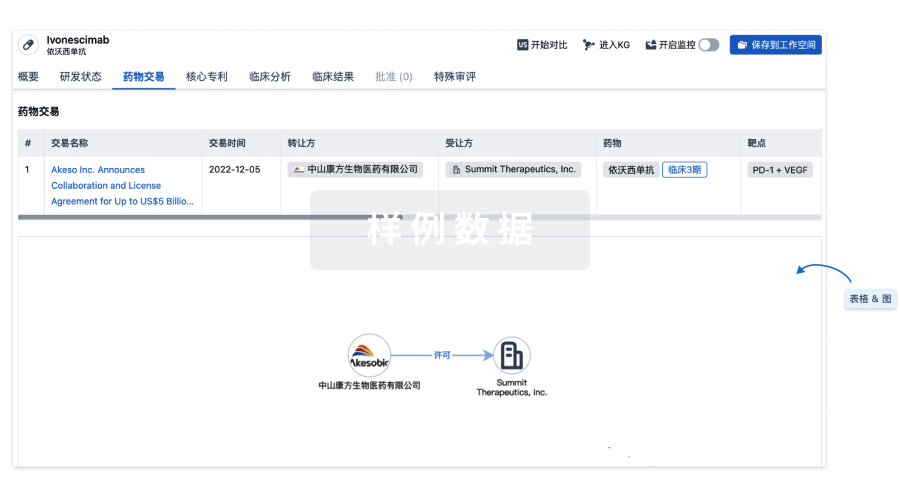
100 项与 Brenipatide 相关的药物交易
登录后查看更多信息
研发状态
10 条进展最快的记录, 后查看更多信息
登录
| 适应症 | 最高研发状态 | 国家/地区 | 公司 | 日期 |
|---|---|---|---|---|
| 抑郁症 | 临床3期 | 阿根廷 | 2026-02-09 | |
| 重度抑郁症 | 临床3期 | 美国 | 2026-02-09 | |
| 重度抑郁症 | 临床3期 | 中国 | 2026-02-09 | |
| 重度抑郁症 | 临床3期 | 日本 | 2026-02-09 | |
| 重度抑郁症 | 临床3期 | 澳大利亚 | 2026-02-09 | |
| 重度抑郁症 | 临床3期 | 巴西 | 2026-02-09 | |
| 重度抑郁症 | 临床3期 | 加拿大 | 2026-02-09 | |
| 重度抑郁症 | 临床3期 | 德国 | 2026-02-09 | |
| 重度抑郁症 | 临床3期 | 希腊 | 2026-02-09 | |
| 重度抑郁症 | 临床3期 | 墨西哥 | 2026-02-09 |
登录后查看更多信息
临床结果
临床结果
适应症
分期
评价
查看全部结果
| 研究 | 分期 | 人群特征 | 评价人数 | 分组 | 结果 | 评价 | 发布日期 |
|---|
No Data | |||||||
登录后查看更多信息
转化医学
使用我们的转化医学数据加速您的研究。
登录
或
药物交易
使用我们的药物交易数据加速您的研究。
登录
或
核心专利
使用我们的核心专利数据促进您的研究。
登录
或
临床分析
紧跟全球注册中心的最新临床试验。
登录
或
批准
利用最新的监管批准信息加速您的研究。
登录
或
生物类似药
生物类似药在不同国家/地区的竞争态势。请注意临床1/2期并入临床2期,临床2/3期并入临床3期
登录
或
特殊审评
只需点击几下即可了解关键药物信息。
登录
或
生物医药百科问答
全新生物医药AI Agent 覆盖科研全链路,让突破性发现快人一步
立即开始免费试用!
智慧芽新药情报库是智慧芽专为生命科学人士构建的基于AI的创新药情报平台,助您全方位提升您的研发与决策效率。
立即开始数据试用!
智慧芽新药库数据也通过智慧芽数据服务平台,以API或者数据包形式对外开放,助您更加充分利用智慧芽新药情报信息。
生物序列数据库
生物药研发创新
免费使用
化学结构数据库
小分子化药研发创新
免费使用