预约演示
更新于:2026-02-07
NS-398
更新于:2026-02-07
概要
基本信息
在研机构- |
权益机构- |
最高研发阶段终止临床1期 |
首次获批日期- |
最高研发阶段(中国)- |
特殊审评- |


登录后查看时间轴
结构/序列
分子式C13H18N2O5S |
InChIKeyKTDZCOWXCWUPEO-UHFFFAOYSA-N |
CAS号123653-11-2 |
关联
100 项与 NS-398 相关的临床结果
登录后查看更多信息
100 项与 NS-398 相关的转化医学
登录后查看更多信息
100 项与 NS-398 相关的专利(医药)
登录后查看更多信息
1,750
项与 NS-398 相关的文献(医药)2026-03-01·BIOORGANIC CHEMISTRY
Pyrazole derivatives as dual COX-2/EGFR inhibitors with anticancer potential: Optimization of difenamizole Analogs
Article
作者: Fahim, Samar H ; Nour, Mai S ; Abdel-Aziz, Hatem A ; Farag, Kawther O ; Abdelhafez, Mai M ; Ibrahim, Noha M
COX-2 and EGFR are overexpressed in glioblastoma multiforme (GBM) representing attractive therapeutic targets. Based on the non-selective COX inhibitor "Difenamizole", which is characterized by its BBB-penetrating ability, we designed novel analogues with larger N-substituents to enhance COX-2 selectivity and introduce EGFR inhibition. Derivatives 6c, 7c, 8c, 8d, 9d, and 10a showed potent analgesic effects with AUC values: 31.69-39.23, comparable to Celecoxib (AUC = 31.57) and better than Difenamizole (AUC = 27.05). Compounds 8d and 10a demonstrated potent COX-2 inhibitory activity, comparable to Celecoxib (IC50 = 0.06, 0.05, and 0.05 μM, respectively) with high selectivity for COX-2 over COX-1 (SI = 148.83, 199.4, and 298.6, respectively). Additionally, compound 10a showed potent inhibitory activity against EGFR (IC50 = 0.098 μM), approaching that of Erlotinib (IC50 = 0.06 μM). In glioblastoma cytotoxicity assays, compound 10a displayed significant cytotoxicity against U-251 cells (IC50 = 8.8 μM), comparable to Staurosporine (IC50 = 7.5 μM) and exceeding NS-398 (IC50 = 23.14 μM), as well as marked superior potency against SNB-75 cells (IC50 = 2.6 μM), exceeding both Staurosporine and NS-398 (IC50 = 12.9 and 16.2 μM). Taken together, compound 10a represents a promising dual-targeted candidate for controlling GBM, with particular efficacy against the SNB-75 cell line, and reveals a distinctive profile compared with previously reported pyrazole derivatives by combining high COX-2 selectivity, EGFR inhibition, and GBM cytotoxicity.
2026-01-01·BIOCHEMICAL AND BIOPHYSICAL RESEARCH COMMUNICATIONS
NS-398-induced membrane stiffening as a biophysical factor affecting memory-related processes
Article
作者: Domin, Helena ; Szuwarzyński, Michał ; Stachowicz, Katarzyna ; Lachowicz, Dorota ; Kłapcia, Agnieszka
The cell membrane is a structure composed of lipids, proteins and signaling molecules. As such, it is thermodynamically active and maintains cellular integrity. The appropriate balance of polyunsaturated fatty acids (PUFAs), such as docosahexaenoic acid (DHA) and arachidonic acid (AA), modulates neuronal membrane fluidity. At the same time, it influences long-term potentiation (LTP) and memory function. Cyclooxygenase-2 (COX-2) is an enzyme responsible for prostaglandin synthesis. It acts via the AA cascade pathway. In the clinic, COX-2 inhibitors are used as adjunctive therapies in depression, and their effects on cognitive function have been reported; however, the mechanism underlying these changes remains unclear. We hypothesize that NS398, a selective COX-2 inhibitor, alters memory performance by modulating biophysical properties of membranes. To test this, we performed a modified Barnes maze (MBM) test in mice, measured the elastic modulus of the prefrontal cortex with atomic force microscopy (AFM), and analyzed Langmuir pressure-area isotherms in a DPPC (dipalmitoylphosphatidylcholine) model system. Treatment with NS398 significantly stiffened the membrane of the prefrontal cortex. We observed a correlation with changes in memory function. Langmuir isotherm analysis and quantitative AFM studies confirmed these results. We found a more than tenfold increase in membrane stiffness and consistent changes in its compressibility. CONCLUSION: Our findings demonstrate that COX-2 inhibition increases cell membrane stiffness, implicating membrane mechanics as a novel link between biochemical signaling and cognitive functions.
2025-12-01·MOLECULAR BIOLOGY REPORTS
The interaction between COX-2 and endoplasmic reticulum stress is involved in liver ischemia–reperfusion injury in mice
Article
作者: Mu, Zhidan ; Hu, Yarong ; Guo, Liping ; Tian, Xinyan ; Su, Juan ; Chen, Mingyang ; Liang, Chen
OBJECTIVE:
By establishing a mouse model of hepatic ischemia-reperfusion injury (HIRI), to investigate the effects of cyclooxygenase-2 (COX-2) and endoplasmic reticulum stress (ERS) on HIRI and their interaction in HIRI.
METHODS:
C57BL/6J male mice were divided into four groups: Sham operation group (Sham group), hepatic ischemia-reperfusion (HIR) group, hepatic ischemia-reperfusion + Salubrinal (ER stress inhibitor) pretreatment group (HIR + Sal group), hepatic ischemia-reperfusion + NS398 (inhibitor of COX-2) pretreatment group (HIR + NS398 group). The levels of Aspartate transaminase (AST) and Alanine transaminase (ALT) in serum, the activity of Super Oxide Dismutase (SOD) and the content of malondialdehyde (MDA) in liver tissue were detected. The mRNA and protein expression of Glucose-regulated protein 78 (GRP78), C/EBP homologous protein (CHOP), phosphorylated eukaryotic translation initiation factor 2α (p-eIF2α) and COX-2/PTGS (Prostaglandin-endoperoxide synthase) in liver tissue were detected. The morphological changes and apoptosis of liver tissue were observed.
RESULTS:
Compared with the Sham group, the serum ALT and AST levels of the HIR group were increased, the SOD activity in the liver tissue was decreased, the MDA content and the expression of COX-2, p-eIF2α, GRP78 and CHOP protein were increased, and the staining results showed that hepatic sinusoidal congestion, a large number of hepatocyte death, inflammatory cell infiltration and apoptotic cells were significantly increased. The levels of ALT and AST decreased after Sal or NS398 pretreatment. SOD activity was increased, MDA content, COX-2, GRP78, CHOP mRNA and protein were decreased in liver tissue, and staining showed that liver tissue injury was improved.
CONCLUSION:
In mice with HIR, COX-2 interacts with ERS to cause liver injury by regulating oxidative stress and apoptosis.
1
项与 NS-398 相关的新闻(医药)2024-10-09
摘要:癌细胞对化疗药物的耐药性大大降低了癌症患者的治疗效果,化疗引起的毒副作用也严重影响了患者的生活质量。茶中主要活性成分表没食子儿茶素-3-没食子酸酯(EGCG)与顺铂、5-FU、多柔比星和紫杉醇的联合使用,增强了它们对肿瘤的增敏效果,并对抗了癌细胞的耐药性。这些效应似乎通过多种机制介导,包括对抗癌症干细胞介导的药物耐药性、增强药物敏感性、诱导细胞周期停滞和凋亡,以及阻断血管生成。此外,EGCG可以通过其抗炎和抗氧化作用,抑制化疗引起的一系列不良反应,如胃肠功能紊乱、肾毒性和心脏毒性,从而改善患者的生活质量。然而,EGCG的生物利用度低、脱靶效应以及与某些化疗药物的反应性限制了其临床应用。EGCG和化疗药物的纳米改性不仅增强了抗肿瘤活性,还延长了荷瘤小鼠的生存时间,并具有低毒性的优势。因此,本综述旨在讨论EGCG与化疗药物联合治疗癌症的现状和挑战。总体而言,EGCG是一个有前景的化疗辅助剂。
1.引言
恶性肿瘤的发病率和死亡率持续上升,已成为对人类生命健康的主要威胁。恶性肿瘤的治疗方法主要包括手术、放疗和化疗,其中化疗在恶性肿瘤治疗中发挥着关键作用。然而,肿瘤细胞常常产生耐药性,使得通过化疗彻底杀死所有肿瘤细胞变得困难,限制了治愈率。目前,现有的癌症化疗药物不仅价格昂贵,还会改变多个信号通路组分的表达水平,从而不可避免地带来不同程度的副作用。这些副作用的产生与化疗药物的剂量和个体对药物的敏感性有关。化疗药物在抑制或杀死肿瘤细胞的同时,也对其正常组织造成一定的损伤。化疗的常见副作用包括胃肠功能紊乱、心脏毒性、神经病变、血管毒性等。这些副作用严重影响了肿瘤治疗效果和患者的生活质量。一些植物化学物质被报道具有化疗增敏作用,并能减少化疗引起的毒性副作用的发展。表儿茶素没食子酸酯(EGCG)就是其中之一。
EGCG是绿茶中最重要的活性成分之一,约占儿茶素化合物的50-60%。EGCG清除自由基,减少氧化损伤,对正常细胞和组织无毒性,但对肿瘤预防和治疗有积极作用。此外,EGCG还被报道能够对抗癌细胞干细胞的耐药性,增强化疗药物的敏感性,从而减少药物用量,缓解胃肠道功能紊乱和肾毒性等副作用,并降低肿瘤引起的恶病质发生率和发展。
尽管EGCG在癌症预防和治疗方面显示出了强大的优势,但其疗效与一线化疗药物相比仍有一定差距,作为单一抗癌药物开发的可能性有限。然而,当EGCG作为辅助化疗药物用于治疗肿瘤时,它们表现出强烈的化疗增敏作用,并减轻化疗副作用(图1),因此有望作为化疗辅助药物使用。本文综述了EGCG与化疗药物联合增强抗癌效果的现状和挑战,并为包含EGCG的组合策略在肿瘤治疗中的发展提供了参考。
图1. EGCG 在辅助化疗中的优势
2.增强化疗效果
单独的EGCG具有强大的抗癌活性,当与化疗药物(5-氟尿嘧啶、塞来昔布、顺铂、多柔比星、他莫昔芬)联合使用时,其协同治疗效果得到放大。这些作用机制包括减少癌细胞干细胞的药物抗性、增强化疗药物敏感性、诱导细胞周期停滞和凋亡、抑制血管生成,以及诱导抗炎和促氧化效应(图2)。我们将在下面简要阐述这些机制。
图2. EGCG与化疗药物联合作用增强抗肿瘤效果的机制
2.1. 减少癌细胞干细胞的药物抗性
在肿瘤组织的细胞群中,癌细胞干细胞(CSCs)数量较少,但在肿瘤抗性和复发过程中起着重要作用。CSCs通过不对称分裂维持自我更新和多向分化潜能,导致肿瘤细胞继续增殖,并促进肿瘤异质性和多样性的形成。因此,靶向CSCs是预防癌症和克服药物抗性的重要策略。在针对CSCs的研究中,发现EGCG对CSCs药物抗性有积极影响。EGCG单独使用时已显示出对CSCs生长和干性的强烈抑制作用。当EGCG与其他化疗药物联合对抗CSCs时,联合的肿瘤抑制效果比单一作用效果更显著(图2)。这些效应主要是EGCG通过减少CSCs的干性和降低细胞内流出泵活性来降低CSCs对化疗药物的抗性。
集落和球状体形成能力被用作实验指标,以测试CSCs的干性能力。低浓度的EGCG(5μM)未能抑制胰腺导管腺癌的集落和球状体形成,但当与PDE3A抑制剂曲前列醇联合使用时,它降低了FOXO3和CD44蛋白水平,并上调了cGMP表达,导致CSCs形成集落和球状体的能力显著降低。肿瘤抗性通常由增加的细胞内药物流出介导,由膜转运蛋白介导。作为最大的细胞内转运蛋白基因家族,ABC超家族已被报道参与肿瘤的多药耐药性。EGCG可以通过抑制CSC膜上的转运蛋白(ABCC2和ABCG2等)的活性和表达,增加CSCs中的药物浓度,减少药物从细胞中泵出的量,并增强抗癌药物对CSCs的杀伤效果(图2)。在头颈癌、胆管癌和鼻咽癌等癌症的CSCs中发现了这一点。在胶质瘤CSCs中,尽管EGCG对ABCG2表达没有影响,但EGCG下调了另一种膜转运蛋白P-糖蛋白(P-gp),减少了肿瘤细胞的球状体形成和迁移能力,最终增强了化疗药物替莫唑胺对CSCs的杀伤。
除了影响膜转运蛋白的表达外,EGCG还可以通过调节miRNAs的表达来保护CSCs。5-氟尿嘧啶(5-FU)处理的药物耐药性结直肠癌细胞比亲本细胞具有更强的球状体形成能力。低剂量EGCG与5-FU联合使用抑制了多个自我更新驱动途径,包括Notch和Bmi1、Ezh2和Suz12,通过上调关键肿瘤抑制miRNAs(miR-34a、miR-145和miR-200c)的表达,从而增强了耐药性结直肠癌细胞的凋亡并抑制了球状体形成。在动物实验中,EGCG与5-FU或顺铂的联合使用也可以减少小鼠中各种CSCs的肿瘤体积和重量,如结直肠癌、头颈癌和鼻咽癌。
2.2. 提高药物敏感性
EGCG与化疗药物的结合可以显著降低化疗药物的IC50值(表1),同时减少药物剂量也能显著增强效果。三氧化二砷(ATO)是治疗急性早幼粒细胞白血病(APL)的有效化疗药物,长期使用可能导致严重的副作用和癌细胞耐药性。EGCG与ATO的结合有效降低了抑制APL HL-60细胞和U937细胞所需的ATO浓度。EGCG增强了三苯氧胺和顺铂在胶质瘤细胞中的增敏效果,并抑制了端粒酶的表达。它还可以通过抑制核酸修复酶ERCC1/XPF的活性,增强各种癌细胞对顺铂的敏感性。EGCG和吉西他滨的结合增强了胆管癌细胞对吉西他滨的敏感性,促进了凋亡,并显著抑制了移植肿瘤的生长。
EGCG可以通过多种途径增强化疗药物的增敏效果,包括促进药物摄取相关蛋白的表达和抑制药物在细胞内的翻译或流出(图2)。铜转运蛋白1(CTR1)是一种跨膜溶质载体转运蛋白,之前已被证明可以增加顺铂的细胞摄取和敏感性。EGCG在卵巢和肺癌细胞中上调了CTR1的转录和翻译水平,并抑制了癌细胞中顺铂介导的CTR1降解。羰基还原酶1(CBR1)将抗肿瘤药物柔红霉素和阿霉素转化为柔红霉素醇(DNROL)和阿霉素醇(DOXOL),这些新产生的醇代谢产物不仅具有低抗肿瘤活性,还会引起心脏毒性和心肌细胞损伤。EGCG还直接结合肝脏中的CBR1,增加癌细胞中柔红霉素的积累,增强抗肿瘤活性,同时减少DNROL诱导的心脏毒性(图3)。EGCG和萝卜硫素的联合治疗通过时间和剂量依赖性地降低细胞活性并增强顺铂诱导的凋亡和G2/M期阻滞,增强了顺铂在顺铂敏感和顺铂耐药卵巢癌细胞中的疗效。
图3. EGCG 提高癌细胞对多柔比星的化疗敏感性。EGCG 通过抑制 CBR1 和 P-gp 的活性,减少柔红霉素和多柔比星的转化和外排,从而增强抗肿瘤活性并降低心脏毒性。
EGCG可以抑制结直肠癌和肺癌中多药耐药蛋白1(MRP1/MDR1)的活性,并抑制化疗药物从癌细胞中的流出,从而促进细胞内积累。EGCG下调MDR1及其蛋白产物P-gp,减少肝癌细胞中多柔比星(DOX)的流出泵活性(图3)。DOX和EGCG的结合使口腔癌细胞中的DOX浓度增加了51%,并与单独使用DOX相比,增加了肿瘤细胞的凋亡率。进一步研究表明,EGCG通过协同抑制MEK/ERK和PI3K/Akt信号通路,抑制DOX诱导的P-gp过度表达。在EGCG-三苯氧胺联合测定中,P-gp和乳腺癌耐药蛋白显著受到抑制,增强了乳腺癌细胞对三苯氧胺的敏感性。
2.3. 诱导细胞周期停滞
EGCG和顺铂的联合治疗通过降低多种细胞周期相关基因(cyclin A2、cyclin B1、cyclin D1和cyclin E1)的mRNA表达水平,并增加细胞周期抑制因子p21和DR5的表达(图2),诱导细胞在G1期停滞,并增强胆道癌和非小细胞肺癌(NSCLC)中的凋亡。EGCG衍生物不仅可以增强EGCG的稳定性和生物利用度,还可以促进NSCLC细胞的凋亡,并在与顺铂联合使用时抑制小鼠肿瘤的生长。
EGCG和DOX的结合抑制了肿瘤中磷酸化NF-κB和MDM2的表达,并上调了p53,从而显著抑制了膀胱癌细胞(T24和SW780)的增殖,增强了DOX对癌细胞的凋亡诱导效果,并降低了膀胱癌细胞的迁移能力。EGCG和曲司他丁A的结合通过上调p16表达促进淋巴瘤细胞在G1期停滞,从而减少细胞增殖。与vorinostat单独使用相比,EGCG的联合治疗上调了p21、p27、caspases(3、7和9)和Bax,并抑制了cdk2、cdk4、cyclin A、NF-κB和Bcl2的活性,从而显著降低了黑色素瘤细胞的增殖并促进了它们的凋亡。
2.4. 诱导凋亡
EGCG和顺铂的结合抑制了头颈鳞状细胞癌的形成并增强了细胞凋亡。EGCG减轻了化疗药物吉非替尼诱导的CYP1A1/CYB1B1、EGFR、cyclin D1、p-Akt(Ser473)和survivin在转录和翻译水平上的表达增加,并增强了p-p53(Ser15)的表达(图2),从而增强了吉非替尼对苯并[a]芘诱导肺癌的治疗效果。EGCG还降低了EGFR的磷酸化水平,抑制了乳腺癌细胞中的AKT信号,并增强了雷洛昔芬诱导的癌细胞凋亡。此外,EGCG与三苯氧胺在小鼠中的结合通过抑制mTOR和EGFR的表达,减少了肿瘤体积71%和肿瘤重量80%。EGCG和博来霉素的结合显著促进了Mia Paca-2胰腺癌细胞的凋亡。EGCG和丁酸钠的结合也在结肠癌细胞中诱导了细胞周期停滞、凋亡和DNA损伤。
EGCG与紫杉醇(例如,紫杉醇和多西他赛)的结合上调了p53和caspase-3,增加了前列腺癌细胞的凋亡率,并使肿瘤携带小鼠的无病生存率提高到90%。EGCG与5-FU的结合可以通过抑制葡萄糖调节蛋白78(GRP78)的表达来阻断5-FU的流出,激活NF-κB信号,增强miR-155-5p的表达水平,并进一步抑制靶基因MRP1的表达。5-FU的积累导致caspase-3和PARP激活,Bcl-2降低和Bad增加,最终导致结肠癌细胞的凋亡。EGCG和阿霉素的结合也下调了bcl-2并增加了bax和caspase-3的表达,从而促进了食管癌细胞的凋亡。EGCG结合GRP78并将其从活性单体转化为非活性二聚体和寡聚体,干扰了抗凋亡GRP78-caspase-7复合体的形成,导致依托泊苷、紫杉醇和长春新碱诱导的癌细胞凋亡增加。EGCG和ATO的结合显著诱导了HL-60细胞的线粒体依赖性凋亡,凋亡细胞占总死亡细胞的70%以上。
NS-398和化疗药物塞来昔布都是环氧化酶-2(COX-2)抑制剂,EGCG和NS-398的联合治疗促进了前列腺癌细胞(LNCaP、PC-3和CWR22Rnu1)中Bax、pro-caspase-6和pro-caspase-9以及裂解的PARP的表达,并降低了前列腺特异性抗原和IGF-I水平,从而诱导凋亡并抑制小鼠肿瘤的生长。单独的EGCG或塞来昔布都没有诱导PC-9肺癌细胞中DNA损伤基因GADD153的表达,而联合治疗通过ERK信号通路上调了GADD153,从而促进了肺癌细胞的凋亡。
肝源性生长因子(HDGF)是一种分泌的肝素结合生长因子,调节肿瘤侵袭和转移,并促进血管生成。EGCG和顺铂的结合可以破坏线粒体膜电位,并通过下调HDGF上调caspase-3和caspase-9,从而诱导NSCLC细胞凋亡(图2)。EGCG还通过下调Axl和Tyro 3的表达抑制顺铂耐药肺癌细胞的增殖。此外,EGCG可以通过抑制hsa-miR-98-5p的表达并进一步上调p53,增强顺铂对NSCLC细胞的治疗效果。
2.5. 抑制血管生成
EGCG显著抑制了semaxanib诱导的内皮素过度表达,并抑制了肿瘤血管生成,为解决对抗VEGF疗法的抗性提供了新策略。EGCG治疗导致微血管密度、微血管周细胞覆盖指数和胶原IV表达降低;血管灌注和通透性的短暂增加;间质液压力和缺氧降低。在顺铂诱导的血管正常化期间共同给予顺铂,显著降低了在肿瘤组织中诱导效果所需的顺铂药物浓度(1.8 μg/g组织对比0.8 μg/g组织,P < 0.01),并抑制了移植肺肿瘤的生长。使用聚乙二醇(PEG)偶联的EGCG(PEG-EGCG)作为载体制备的载药胶束纳米复合物(SU-MNC),也能特异性地抑制VEGF诱导的内皮细胞增殖。
2.6. 抗炎和促氧化效应
EGCG与塞来昔布联合使用,降低了胰岛癌细胞(Colo357)中IL-6、IL-8、VEGF和MMP-2的表达,并减弱了塞来昔布诱导的COX-2表达增加,减少了细胞炎症水平。这种组合在偶氮甲烷加硫酸葡聚糖钠诱导的结肠癌发生模型中也显示出类似的抗炎效应。核因子E2相关因子2(Nrf2)是一个重要的细胞保护性转录因子,在抗氧化和解毒过程中发挥关键作用。激活Nrf2-Keap1通路诱导相II酶的表达,并通过ARE信号通路阻止癌症发展。EGCG和顺铂的组合通过上调Nrf2/HO-1表达增强了凋亡,从而抑制了宫颈癌和乳腺癌的发展。此外,EGCG和顺铂的组合可以促进各种卵巢癌细胞系中H2O2的表达,加剧氧化应激以放大顺铂的毒性,从而抑制卵巢癌细胞的生长。
3.减少化疗副作用
长期化疗药物的使用除了药物抗性外,还可能导致某些有毒副作用(如胃肠疾病、心脏毒性、肾毒性、耳毒性、神经毒性等),从而限制了药物的有效性和治疗效果。EGCG不仅作为出色的辅助化疗增强剂,而且在减少化疗药物用量和增强抗肿瘤治疗效果的同时,减轻了化疗药物引起的有毒副作用。
3.1. 胃肠疾病
化疗引起恶心、呕吐、食欲减退等副作用,主要是由于药物或辐射对胃肠道细胞的损伤,导致胃肠道粘膜炎症。EGCG通过减少氧化损伤,改善了小鼠中伊立替康引起的胃肠副作用。接受同期放疗的不可切除III期NSCLC患者经常发生食管炎,这可能导致治疗中断并影响肿瘤治疗。在一项包括24名AJCC IIIA(6名)和IIIB(18名)期患者的研究中,化疗(顺铂和依托泊苷)与放疗(中位剂量64 Gy)同时进行。经过EGCG治疗(平均治疗持续时间34.8天,建议EGCG浓度440 μmol/L),在24名患者中有22名观察到食管炎显著回归至0/1级。
3.2.心脏毒性
阿霉素诱导的活性氧物种产生是心肌病的主要原因,也是限制其临床使用的主要副作用[68,69]。EGCG可以通过靶向结合抑制CBR1活性,进一步减少DOX的乙醇代谢产物DOXOL的产生,并减少DOXOL在心肌细胞中的损伤。EGCG还通过清除活性氧(ROS)和增强心肌细胞中Ca2+瞬态的幅度来减轻DOX诱导的心脏毒性。EGCG和DOX的联合给药显著抑制了肿瘤生长,同时减少了心肌Ca2+超载和乳酸脱氢酶释放,减轻了心肌细胞凋亡,从而降低了DOX的心脏毒性。与DOX和EGCG共载的多离子复合胶束增强了联合药物的稳定性,胶束核心中的EGCG除了抑制P-gp表达和逆转癌细胞的多药耐药性外,还保护心肌细胞免受DOX介导的心脏毒性。
3.3.肾毒性
顺铂诱导的肾毒性与肾脏中氧化应激和炎症细胞因子的增加有关。Nrf2和HO-1表达水平降低,顺铂处理的大鼠中NF-κB和4-羟基壬醛水平显著增加。EGCG逆转了这些顺铂介导的变化,并增强了肾脏抗氧化酶(过氧化氢酶、超氧化物歧化酶和谷胱甘肽过氧化物酶)和谷胱甘肽的活性,从而减少肾脏氧化应激和炎症反应,并改善顺铂诱导的肾毒性。另一方面,EGCG减轻了顺铂诱导的线粒体氧化/硝化应激、线粒体电子传递链活性和线粒体抗氧化防御酶活性的线粒体损伤,并减少了肾小管细胞中线粒体ROS的产生,而PAS染色显示EGCG改善了顺铂诱导的肾脏结构损伤,如小管扩张、小管形成、颗粒空泡变性和小管细胞坏死。EGCG和CoQ10的多剂量组合也通过改善肾脏氧化/硝化状态、炎症和凋亡减轻了顺铂介导的肾毒性的发展。
3.4.耳毒性
除了肾毒性外,耳毒性是限制顺铂在临床实践中进一步使用的另一种有毒副作用。顺铂的耳毒性基于对耳蜗外毛细胞、螺旋神经节和血管纹的损害,包括不仅由药物本身引起的内外部环境的变化,还包括其激活caspase途径引起的凋亡。在大鼠中口服EGCG减轻了顺铂诱导的听力损失,减少了耳蜗基底区外毛细胞的丢失,并减少了氧化应激和凋亡标志物。它还保护了与内毛细胞相关的血管纹和螺旋韧带中的Na+/K+腺苷三磷酸酶(ATPase)α1的丢失以及与丝带突触相关的。体外研究发现,顺铂通过ROS/MAPK途径激活STAT1,降低磷酸化STAT3水平并减少p-STAT3/p-STAT1水平,从而诱导耳蜗炎症和凋亡。相比之下,EGCG通过抑制STAT1表达和保护p-STAT3,增加p-STAT3/p-STAT1比例,并调节bcl-2等促生存因子的表达,促进耳蜗细胞存活。
3.5.神经毒性
神经毒性通常与使用基于铂的药物、长春碱和紫杉醇类药物有关。EGCG对大鼠顺铂诱导的神经毒性的保护机制包括下调炎症因子TNF-α和IL-6的表达以减少大脑皮层的炎症负荷;激活抗氧化Nrf2/HO-1通路以减少NF-κB表达;下调与凋亡相关的蛋白Bax和caspase-3并增加抗凋亡因子Bcl-2的表达以减少大脑皮层的凋亡;最后,上调脑源性神经营养因子和乙酰胆碱酯酶并抑制乙酰胆碱表达以保护大脑皮层免受顺铂诱导的神经化学紊乱。
3.6.肺纤维化
博来霉素是一种诱导DNA损伤的化疗药物,长期使用可能导致肺纤维化的发展。EGCG显著下调了博来霉素诱导的炎症因子NF-κB、TNF-α和IL-1β的表达水平,增加了抗氧化调节因子Nrf2的表达,并促进了体内氧化还原动态平衡,同时减少羟脯氨酸和胶原蛋白的合成和积累,从而改善了博来霉素诱导的肺纤维化。另一方面,EGCG还促进了博来霉素诱导的糖结合物恢复正常水平,并增加了基质降解溶酶体酶的活性。电子显微镜的超微结构观察还发现EGCG促进了肺泡II型细胞的空泡化和核收缩,并减少了胶原蛋白沉积。
4.辅助化疗的限制
尽管EGCG已经显示出与化疗药物的强烈辅助作用,增强了化疗效果,但EGCG和某些化疗药物也存在一定的拮抗作用,降低了化疗效果。硼替佐米是一种用于治疗多发性骨髓瘤的临床蛋白酶体抑制剂。由于硼替佐米的硼酸成分可以与EGCG的儿茶酚反应形成环状硼酸酯(图4),EGCG与硼酸基抗癌药物如硼替佐米的组合可能导致药物失活。由于它们的共同特征,任何含有儿茶酚或间苯二酚结构的化合物都不应与硼酸基药物同时服用。在EGCG与舒尼替尼联合使用的研究中,口服EGCG也被发现降低了舒尼替尼的生物利用度。EGCG还被报道通过减少丁酸诱导的癌细胞分化,降低了丁酸对结肠癌细胞的治疗效果。因此,需要进一步研究EGCG与不同化疗药物之间的相互作用,并确定临床上合适的组合治疗策略。
图4. 硼替佐米与 EGCG 的相互作用。A). 硼替佐米和 EGCG 的化学结构。B). 硼替佐米与 EGCG 的结合模式。C). 在酸性条件下,硼替佐米、EGCG 和 Fe3+ 纳米材料可以重新释放。
EGCG的口服生物利用度低也是限制其进一步应用的原因之一。大多数细胞实验中使用的EGCG浓度为10-100 μM,而口服3克脱咖啡因绿茶后的最大血药浓度(Cmax)为0.7 μM,增加剂量至4.5克并未显著增加Cmax值,表明存在饱和现象。在大多数研究中,EGCG只有在动物或人类胃消化后达到20-100 μM或更高浓度时才有效。例如,在前列腺癌患者的临床试验中,患者在手术前3-6周服用EGCG(800毫克/天),结果显示组织中无法检测到EGCG的存在。因此,如果要在临床试验中观察到体外实验的结果,就需要考虑儿茶素的生物利用度。这是因为EGCG在口服给药能达到的低生理浓度下的生理效应将非常有限。特别重要的是提高EGCG的稳定性和生物利用度。
5.纳米改性增强化疗效果
近年来,微囊化和纳米囊化技术作为提高EGCG稳定性和生物利用度的技术手段受到了广泛关注[87]。EGCG与化疗药物结合,通过纳米材料包封的组合药物的缓慢释放和靶向研究已经相当深入(表2)。EGCG与化疗药物的纳米改性不仅发挥其自身的抗肿瘤效应,减轻化疗的有毒副作用,还通过引入纳米材料增强了组合物的稳定性,减缓释放,并增强了药物动力学参数。它还具有低毒性、肿瘤靶向和定位成像能力的优势(图5)。其中,EGCG与DOX的组合是研究最深入的儿茶素相关二元组合策略。
图5. 包裹化疗药物和 EGCG 的纳米材料的多重有益效应
5.1.聚合物纳米粒子
通过抗乳腺癌药物赫赛汀与EGCG和PEG的自组装形成的胶束纳米复合物Herceptin-MNC,在肿瘤中的积累比游离赫赛汀多2.3倍,赫赛汀-MNC的血液半衰期比后者高29倍,而赫赛汀-MNC在肝脏、肾脏和肺部的积累速率比游离赫赛汀低1倍,表明基于EGCG的组合疗法比单一化疗药物具有更好的抗癌效果。使用PEG偶联的EGCG(PEG-EGCG)作为载体形成SU-MNCs,与口服/静脉注射舒尼替尼相比,在人类肾细胞癌异种移植小鼠中产生了更强的抗癌效果(更强的抗血管生成、诱导凋亡和抑制肿瘤增殖效果)和更低的毒性(图5)。DOX和EGCG之间的高效相互作用在PEG-EGCG胶束纳米复合物中实现了DOX的88%药物载荷,提高了DOX的循环稳定性和肿瘤靶向性,同时减少了DOX剂量依赖性副作用。
海藻酸具有对P选择素的强亲和力,诱导凋亡并抑制癌细胞增殖;透明质酸(HA)通过范德华力和氢键与癌细胞膜表面糖蛋白CD44结合。d-α-生育酚PEG琥珀酸酯(TPGS)通过阻断ATP结合位点并防止P-gp ATPase水解ATP来抑制ATPase活性。使用上述三种组分装载EGCG和DOX的纳米药物靶向胃癌治疗,比EGCG/DOX组合疗法显示出更好的抗肿瘤效果。装载EGCG/DOX的NPs的IC50为200/4 mg/L,是EGCG/DOX组合溶液(400/8 mg/L)的一半,纳米药物中DOX的细胞摄取率为60.42% ± 1.56%,远大于裸药中Dox的摄取率(28.62% ± 0.97%)。然而,将EGCG和多西他赛封装在TPGS偶联的透明质酸和海藻酸基纳米粒子中,纳米粒子通过靶向识别CD44和P选择素配体内化进入前列腺癌细胞,诱导G2/M期细胞周期停滞。进一步研究表明,纳米粒子比EGCG和多西他赛的组合显著更多地抑制肿瘤生长(53%对比31%),并且对非靶向器官无毒性。由HA-EGCG/顺铂偶联制成的胶束纳米复合物,其中HA暴露在表面,有效地传递到过度表达CD44的癌细胞,增加了纳米复合物在卵巢癌中的积累并延长了血液循环时间。通过铂纳米粒子和EGCG的pH可逆硼酸酯反应制备的基于酚的肿瘤渗透纳米框架(EGPt-NF),不仅诱导肿瘤细胞的免疫原性死亡和缓解肿瘤缺氧,还有效促进了树突细胞的成熟并下调癌细胞中的PD-L1,从而显著抑制了小鼠肿瘤的生长和转移。
光热疗法在控制药物释放、减少多药耐药和提高疗效方面具有很高的应用潜力,是抗癌治疗的有希望的策略。由叶酸(FA)、多巴胺(DPA)、DOX和EGCG开发的双重药物输送系统DOX-EGCG/DPA-FA NPs,在近红外光(NIR)组中DOX的细胞摄取率是游离DOX组和无NIR照射的对照组的三到六倍。DOX-EGCG/DPA-FA NPs通过抑制肿瘤生长和血管生成,增强乳腺癌细胞中的凋亡和坏死,提高了60%的乳腺癌小鼠存活70天以上,从而提高了治疗效果。由氧化铁、靛青绿和葡萄糖氧化酶合成的磁性光热剂(ICGOx@IO)装载了DOX和EGCG,最终开发了纳米药物ICGOx@IO-Dox-EGCG-PPP,结合化学-光热-饥饿疗法几乎消除了小鼠的肿瘤,并显著减少了Dox诱导的心脏毒性。
5.2.金属纳米粒子
甲氨蝶呤(MTX)和DOX与含有EGCG的花状金纳米簇通过半胱氨酸桥结合,形成了有效的药物输送系统(Au-Cys-MTX/DOX NCs),纳米复合物在体外和体内都显示出良好的抗肿瘤活性,因为MTX的引入为纳米药物提供了良好的靶向。由EGCG、铁离子和DOX自组装而成的纳米粒子与单独的DOX相比,肿瘤体积减少了66%,转移结节减少了73.7%,表明药物输送系统显著抑制了肿瘤的生长和转移,而铁离子作为磁共振成像(MRI)的优秀对比剂,为药物输送系统的准确定位提供了潜力。
使用Fe3+与多酚的配位将DOX和EGCG自组装成FDEP NPs,增加了药物在血液中的循环时间和其在肿瘤内的积累。FDEP NPs的循环半衰期是单独DOX的36倍以上。FDEP30 NPs对小鼠肿瘤形成的肿瘤生长抑制率为74.38%,显著高于DOX + EGCG(44.13%)。末端脱氧核糖核酸转移酶dUTP缺口末端标记(TUNEL)对肿瘤切片的染色显示,FDEP30 NPs和DOX + EGCG的凋亡/坏死率分别为45.06%和27.9%。有趣的是,FDEP NPs在显著降低CBR1活性、减轻DOXOL产生和随后的心脏毒性的同时,抑制了肿瘤生长并促进了凋亡。
包括DOX、EGCG、Fe3+和HA的自组装纳米反应器,可以穿透血脑屏障靶向胶质母细胞瘤并抑制肿瘤生长,从而延长了携带肿瘤的小鼠的生存时间。尽管以前的研究报告称EGCG可以与硼替佐米复合以抵消后者的抗肿瘤效应,但最近的研究显示这种拮抗效应可以通过纳米技术逆转。由EGCG、硼替佐米和Fe3+组成的纳米药物可以促进纳米粒子在肿瘤部位的释放,由于肿瘤微环境的弱酸性,具有低毒性和肿瘤定位功能,并最终显著抑制了MDA-MB-231细胞携带肿瘤的小鼠的肿瘤生长(图4)。
由EGCG与5-羟基多巴胺修饰的顺铂(IV)前药(Pt–OH)、含多酚链段的嵌段共聚物(PEG-b-PPOH)复合制备的有机纳米治疗药物(PTCG NPs),设计用于使纳米粒子聚乙二醇化,从而延长纳米粒子的循环时间,抑制蛋白吸附,并增强所获纳米药物在肿瘤中的积累(图5)。由于Fe3+与多酚基团之间的强配位作用,PTCG NPs中Pt–OH和EGCG的载药比例可以精确调节至治疗水平,从而实现协同效应。此外,纳米粒子可以掺杂钆离子(Gd3+),借助MRI功能监测纳米药物的递送和释放行为,赋予纳米药物诊断能力。在低pH环境下,活性药物通过亚胺连接键的断裂和Pt–OH激活为顺铂,在HepG2细胞内化后有效释放。生成的顺铂通过级联反应提高细胞内H2O2水平,由Fe3+催化产生有毒的活性氧(ROS),从而通过化学动力疗法增强疗效。
5.3.其他类型的纳米粒子
通过将生物相容性的介孔硅纳米粒子与天然多酚涂层结合,并装载抗肿瘤药物DOX,开发的给药系统MSN-Dox@EGCg-Apt,旨在在酸性环境或细胞内GSH的刺激下向肿瘤病灶释放药物;该系统允许实时荧光追踪,对正常细胞无毒,即使在500 μg/mL的高浓度下也不影响CEM、Ramos和K562细胞的活性。在PLGA-酪蛋白核壳中包裹紫杉醇与EGCG的纳米药物表现出比游离紫杉醇更长的循环时间、更好的可用性,并且没有器官毒性。该纳米药物降低了紫杉醇诱导的P-gp表达,增加了对紫杉醇耐药的MDA-MB-231细胞的紫杉醇敏感性,诱导凋亡,抑制NF-κB激活,并下调与血管生成、肿瘤转移和存活相关的关键基因。多酚胶体球(CSs)是由EGCG在水溶液中分子凝聚自组装而成,但在有机溶剂中分解并在水溶液中重新组装。重新组装的CSs/DOX的最大包封率和载药率达到90%和44%,该纳米药物可以逆转肿瘤细胞的耐药性,增强对乳腺癌的治疗效果。重要的是,单次生产运行产生了37.3克多酚CSs,为重组纳米药物的规模化应用奠定了基础。基于EGCG和熊果酸的纳米载体系统可以靶向EpCAM释放至肝细胞癌,可以增加CD4+和CD8+ T细胞的激活及其在肿瘤组织中的免疫浸润,从而产生显著的协同抗肿瘤治疗效果。
总之,EGCG和化疗药物的纳米化可以显著增强抗肿瘤治疗的效果,但在考虑EGCG和化疗药物的纳米组装时,需要精心设计纳米药物的形状、大小和靶向策略。形状和大小是纳米粒子的重要参数,球形颗粒最为常见。直径大于5 μm的颗粒在静脉注射后会引起肺部毛细血管栓塞。直径大于0.2 μm的颗粒不能通过过滤方法进行灭菌。网状内皮系统更快地清除大颗粒,并且不能通过血管外渗逃离血管系统。直径小于5 nm的颗粒可以被肾脏过滤迅速清除。纳米药物的靶向策略包括主动靶向和被动靶向。被动靶向在很大程度上依赖于肿瘤生物学(血管和渗漏性)和药物载体属性(循环时间、孔隙性和大小)。而主动靶向依赖于配体-受体结合,这提高了对目标部位的选择性积累。例如,可以向纳米粒子中添加HA或FA,以增强纳米药物的靶向,利用肿瘤细胞中CD44和叶酸受体的高表达。此外,向纳米粒子中添加金属离子(Fe3+, Gd3+)可以使纳米药物的递送和释放通过MRI检测。尽管基于EGCG和化疗药物的纳米药物很有前景,但目前还缺乏体内安全性研究,大多数现有研究集中在细胞和小鼠实验上。这些实验结果是否能够在临床环境中复制还有待进一步探索。纳米材料的质量稳定性和储存条件也需要进一步研究。
6.结论和未来展望
体外和体内实验表明,EGCG可以与多种化疗药物(如5-FU、顺铂、多柔比星、紫杉醇和他莫昔芬)联合使用,增强抗肿瘤治疗效果。这些作用机制包括减少CSCs的药物抗性、增强药物敏感性、诱导细胞周期停滞和凋亡、减少细胞自噬调节、阻断血管生成以抑制癌细胞侵袭和转移、抑制炎症和调节氧化应激。此外,EGCG可以减少化疗药物引起的胃肠疾病、心脏毒性、肾毒性、耳毒性、神经毒性和肺纤维化的发生率。但需要注意的是,EGCG可以与某些化疗药物(硼替佐米和舒尼替尼)结合,降低化疗效果。尽管EGCG可以通过多种方式增强化疗药物的治疗效应,但目前对EGCG的作用机制和进一步的药物学优化研究还不足。此外,由于基本上没有研究报告EGCG和化疗药物在临床治疗中一起使用,EGCG辅助化疗的概念应该在可能性/展望和临床验证方面得到更多关注。同时,考虑到EGCG的生物利用度低,我们探索了将纳米技术应用于EGCG化疗药物策略以增强化疗效果的可能性。共载EGCG和化疗药物的纳米粒子增强了药物的药代动力学和循环时间,增加了肿瘤细胞中药物的浓度,显著抑制了肿瘤的生长和转移,对非靶向器官表现出低毒性,并最终显著延长了小鼠的生存时间。总之,EGCG是化疗的良好辅助剂;利用纳米技术双重载药EGCG和化疗药物进行靶向肿瘤治疗,提高了EGCG的临床应用价值,突出了EGCG治疗策略作为有前景的研究方向。
抗体药物偶联物多肽偶联药物临床结果
100 项与 NS-398 相关的药物交易
登录后查看更多信息
外链
| KEGG | Wiki | ATC | Drug Bank |
|---|---|---|---|
| - | - | - |
研发状态
10 条进展最快的记录, 后查看更多信息
登录
| 适应症 | 最高研发状态 | 国家/地区 | 公司 | 日期 |
|---|---|---|---|---|
| 炎症 | 临床1期 | 日本 | - | |
| 炎症 | 临床1期 | - | - | |
| 肿瘤 | 临床前 | 英国 | - | - |
| 肾绞痛 | 临床前 | 美国 | - | - |
登录后查看更多信息
临床结果
临床结果
适应症
分期
评价
查看全部结果
| 研究 | 分期 | 人群特征 | 评价人数 | 分组 | 结果 | 评价 | 发布日期 |
|---|
No Data | |||||||
登录后查看更多信息
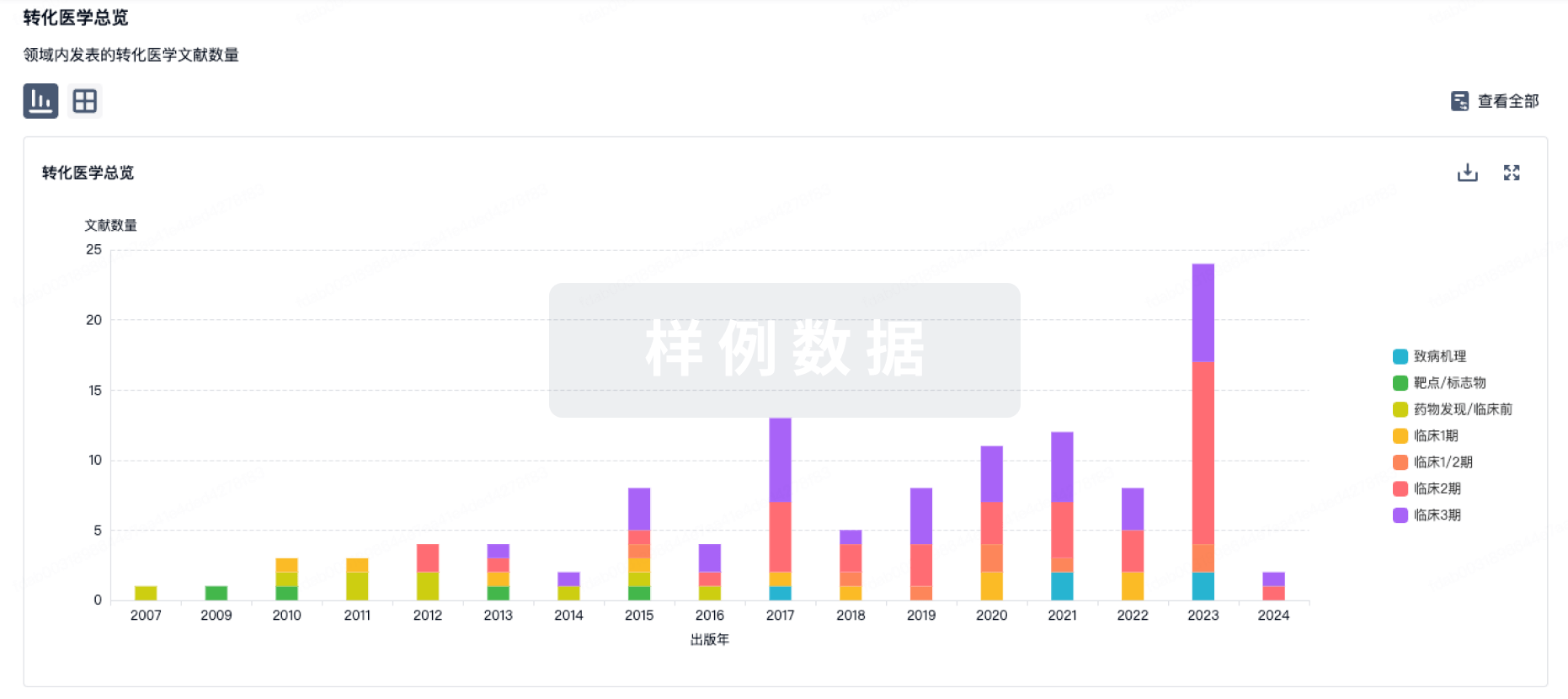
转化医学
使用我们的转化医学数据加速您的研究。
登录
或
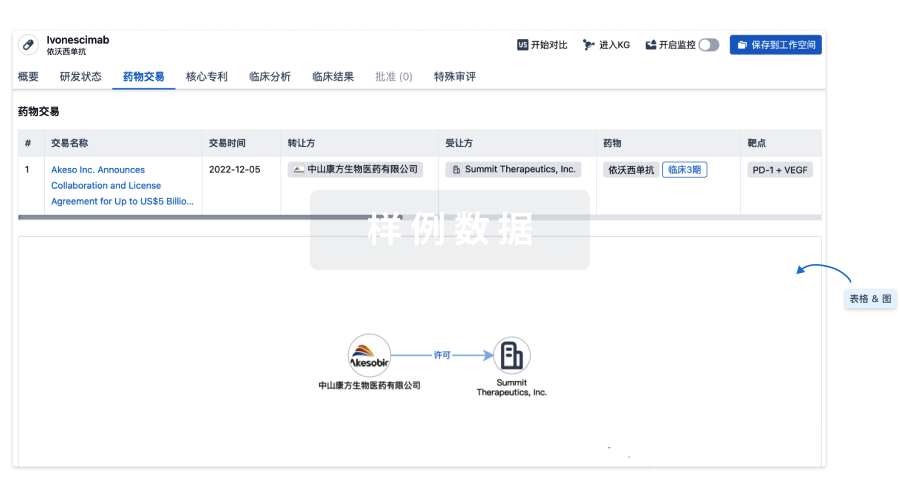
药物交易
使用我们的药物交易数据加速您的研究。
登录
或
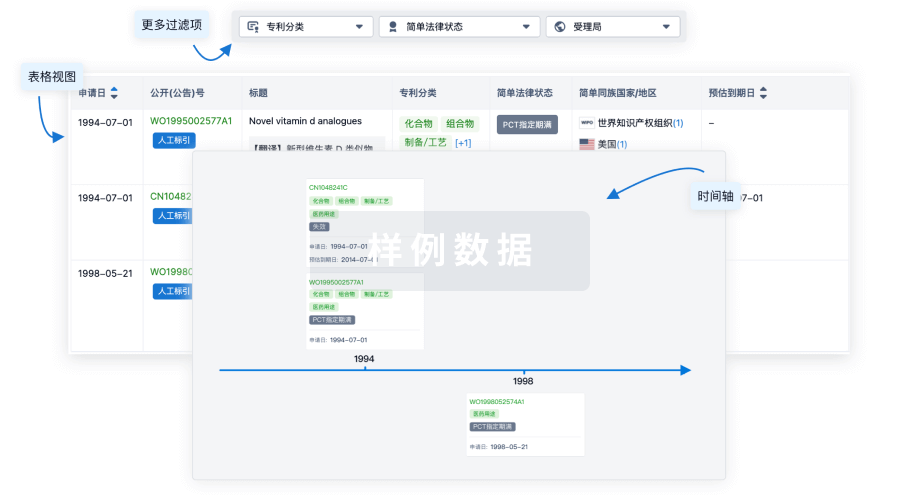
核心专利
使用我们的核心专利数据促进您的研究。
登录
或
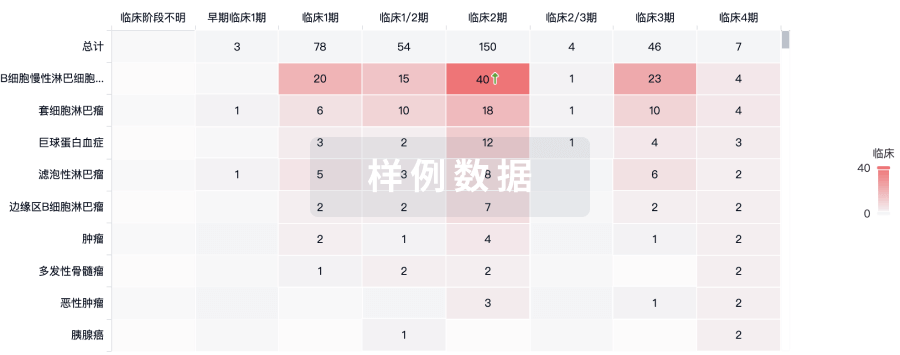
临床分析
紧跟全球注册中心的最新临床试验。
登录
或
批准
利用最新的监管批准信息加速您的研究。
登录
或
特殊审评
只需点击几下即可了解关键药物信息。
登录
或
生物医药百科问答
全新生物医药AI Agent 覆盖科研全链路,让突破性发现快人一步
立即开始免费试用!
智慧芽新药情报库是智慧芽专为生命科学人士构建的基于AI的创新药情报平台,助您全方位提升您的研发与决策效率。
立即开始数据试用!
智慧芽新药库数据也通过智慧芽数据服务平台,以API或者数据包形式对外开放,助您更加充分利用智慧芽新药情报信息。
生物序列数据库
生物药研发创新
免费使用
化学结构数据库
小分子化药研发创新
免费使用