预约演示
更新于:2026-09-22
Glepaglutide
更新于:2026-09-22
概要
基本信息
非在研机构- |
权益机构- |
最高研发阶段申请上市 |
首次获批日期- |
最高研发阶段(中国)- |
特殊审评孤儿药 (美国) |

登录后查看时间轴
结构/序列
Sequence Code 14419995
来源: *****
关联
12
项与 Glepaglutide 相关的临床试验NCT07197944
A Phase 3, Double-blind, Randomized, Parallel Group, Placebo-controlled, Multicenter Trial to Confirm the Efficacy and Safety of Glepaglutide 10 mg Twice Weekly, Followed by a Long-term, Open-label Safety Evaluation in Patients With Short Bowel Syndrome-intestinal Failure (SBS-IF)
NCT07228403
A 104-week, Multicenter, Open-label, Single-arm, Phase 3 Extension Trial Investigating the Long-term Safety and Efficacy of Glepaglutide in Adult Patients With Short Bowel Syndrome (SBS) Rolling Over From the EASE SBS 2 or 3 Trials
NCT04991311
A Single-Center Phase 3b Trial Investigating the Long-term Effect on Intestinal Absorption, Nutritional Status and Long-Term Safety of Treatment With Glepaglutide in Patients With Short Bowel Syndrome (SBS)
100 项与 Glepaglutide 相关的临床结果
登录后查看更多信息
100 项与 Glepaglutide 相关的转化医学
登录后查看更多信息
100 项与 Glepaglutide 相关的专利(医药)
登录后查看更多信息
22
项与 Glepaglutide 相关的文献(医药)2026-08-01NUTRITION IN CLINICAL PRACTICE
Exploring the disease burden and quality of life in patients with short bowel syndrome with intestinal failure: Insights from exit interviews in the glepaglutide EASE SBS‐1 phase 3 trial
Article
作者: Rydén, Anna ; Berner‐Hansen, Mark ; Mercer, David F. ; Kloster, Bitten ; Jeppesen, Palle Bekker ; Mubekapi‐Musadaidzwa, Constance
Abstract:
Background:
A randomized, double‐blind, placebo‐controlled trial was conducted to evaluate efficacy and safety of glepaglutide in patients who have short bowel syndrome with intestinal failure (SBS‐IF). At the end of the trial, exit interviews were conducted to explore participants' experiences and to assess the impact of the disease and treatment during the trial.
Methods:
Thirty patients from four countries were interviewed over the phone. Data were collected using a semistructured interview manual, and interviews were recorded and transcribed for analysis.
Results:
Patients reported that SBS‐IF negatively impacted their lives before the trial, causing loss of freedom, disrupted sleep, limited physical activity, and pain. During the interviews, patients reported that the treatment improved their well‐being across multiple domains. Seventy‐three percent of the patients receiving glepaglutide (
n
= 16/22) reported positive changes in health‐related quality of life compared with 25% receiving placebo (
n
= 2/8). Twenty‐six patients reported experiencing a reduction in parenteral support (PS) volume. Of these, 21 patients (18 glepaglutide, three placebo) reported a change in overall status, with 94% receiving glepaglutide (
n
= 17/18) and 67% (
n
= 2/3) receiving the placebo finding this change meaningful. Although descriptive, these findings should be interpreted cautiously given the small number of patients.
Conclusion:
During exit interviews, patients receiving glepaglutide reported improvements in well‐being across multiple domains, noting meaningful reductions in PS volume and a reduced impact of SBS‐IF on daily life, which was proportionally greater than in those receiving placebo. These findings underscore the patient‐reported positive experiences of glepaglutide and its beneficial effects.
2026-05-01CURRENT OPINION IN GASTROENTEROLOGY
Glucagon-like peptide agonists and use in short bowel syndrome – what about the side effects?
Review
作者: Boucher, Megan ; Rutter, Charlotte ; Gorard, Lucy
Purpose of review:
This review summarizes recent evidence on the use of glucagon-like peptide-1 (GLP-1) and glucagon-like peptide-2 (GLP-2) agonists in the management of short bowel syndrome (SBS), with a focus on emerging therapies and real-world experience. It evaluates their impact on intestinal adaptation, safety, and future clinical potential.
Recent findings:
GLP-2 agonists such as teduglutide continue to demonstrate improvements in intestinal absorption resulting in reductions in parenteral support (PS) requirements and improved quality of life. Clinical trials report that newer long-acting agents, such as apraglutide and glepaglutide, allow less frequent dosing with a reduction in PS and structural intestinal changes on imaging. Safety profiles remain favourable, with gastrointestinal symptoms, fluid balance issues, gallbladder events and injection-site reactions reported most frequently. GLP-1 agonists show promise in slowing transit time and offer an area for further research.
Summary::
While GLP-2 agonists shape the current landscape of SBS management, GLP-1 based therapies may complement future treatment strategies offering the potential to reduce or even eliminate dependence on PS. Continued long-term studies and registry data are essential to optimize patient selection, safety monitoring, and personalized use of GLP agonists.
2026-02-01Clinical Nutrition ESPEN
Positive clinical outcomes associated with use of glucagon-like peptide-2 (GLP-2) analogues in patients with intestinal failure: A systematic review and meta-analysis
Review
作者: Williams, Kyle ; Wong, Darren ; Bastas, Alysia
AIM:
Glucagon-like peptide-2 analogues are part of the treatment algorithm for chronic intestinal failure to improve enteral nutrient absorption and reduce reliance on parenteral support. The purpose of this review is to update, consolidate and comprehensively evaluate the existing body of evidence, highlighting the breadth of positive clinical outcomes associated with glucagon-like peptide-2 analogue treatment.
METHODS:
A systematic review was conducted using OVID Medline, Embase, Cochrane Library, CINAHL, and Web of Science. Studies reporting on glucagon-like peptide-2 analogue use in adults focusing on any change in clinical outcomes were included, while studies reporting solely biochemical outcomes were excluded. Meta-analyses and meta-regressions were conducted using R software. Where insufficient data was present, results were pooled and weighted by sample size or presented as a narrative synthesis.
RESULTS:
23 studies were included in the final review and analysis. Teduglutide demonstrated a positive and incremental effect on the proportion of short bowel syndrome-associated intestinal failure patients achieving a ≥20 % reduction in PS requirements, with response rates increasing from 64 % (95 % CI: 51 %-75 %) at 6 months to 73 % (95 % CI: 65 %-80 %) after ≥2 years of therapy. A similar trend was observed in patients achieving enteral autonomy, which rose from 13 % (95 % CI: 6 %-25 %) at 6 months to 31 % (95 % CI: 23 %-40 %) after ≥2 years of treatment. Moreover, early data shows teduglutide to have a positive effect on quality of life and stool characteristics of patients. Teduglutide appears to be an acceptable therapy, with a discontinuation rate of 14 %. Early reports suggest similar benefits for emerging GLP-2 including glepaglutide and apraglutide.
100 项与 Glepaglutide 相关的药物交易
登录后查看更多信息
研发状态
10 条进展最快的记录, 后查看更多信息
登录
| 适应症 | 最高研发状态 | 国家/地区 | 公司 | 日期 |
|---|---|---|---|---|
| 短肠综合征 | 申请上市 | 美国 | 2023-12-23 | |
| 克罗恩病 | 临床1期 | 美国 | 2009-01-01 |
登录后查看更多信息
临床结果
临床结果
适应症
分期
评价
查看全部结果
临床3期 | - | Glepaglutide 10 mg twice weekly | 齋廠鏇願範網窪鏇壓構(鑰鹽艱醖簾顧簾鑰積廠) = 廠願選鏇餘願艱築齋築 網製壓觸淵選衊憲觸願 (遞糧選襯衊築繭鏇餘築 ) 更多 | 积极 | 2024-12-01 | ||
Placebo | 齋廠鏇願範網窪鏇壓構(鑰鹽艱醖簾顧簾鑰積廠) = 壓鑰選齋膚餘憲築鹽艱 網製壓觸淵選衊憲觸願 (遞糧選襯衊築繭鏇餘築 ) | ||||||
临床3期 | 106 | (Glepaglutide SC Injections Twice Weekly) | 鑰遞鹹衊積構廠願醖蓋(鏇衊遞範鹹獵壓襯鬱簾) = 選鬱製艱鬱襯襯壓襯膚 廠鑰願齋衊鹽積網獵衊 (網觸選廠襯廠餘繭蓋淵, 觸遞鑰鹽廠窪齋廠膚鏇 ~ 願鹹壓築衊獵窪鑰糧艱) 更多 | - | 2024-10-21 | ||
Placebo+glepaglutide (Glepaglutide SC Injections Once Weekly and Placebo Once Weekly) | 鑰遞鹹衊積構廠願醖蓋(鏇衊遞範鹹獵壓襯鬱簾) = 積選蓋鬱鹹夢壓選顧糧 廠鑰願齋衊鹽積網獵衊 (網觸選廠襯廠餘繭蓋淵, 願鏇淵窪鹽襯廠淵願範 ~ 鑰醖衊夢鬱繭製齋糧繭) 更多 | ||||||
临床3期 | 106 | Glepaglutide 10 mg twice-weekly | 鹹觸鑰糧蓋遞壓鹽膚襯(衊廠選壓衊網餘餘齋鏇) = No difference between active treatment and placebo was observed for change from baseline to Week 24 for the bone markers 鏇壓淵範糧齋構積簾願 (顧鹹鹹構糧壓窪醖膚鑰 ) 更多 | 积极 | 2024-05-21 | ||
临床3期 | 106 | 鏇鏇簾鏇糧製衊襯積鹽(鑰積夢餘壓醖積夢窪淵) = 憲顧夢遞夢壓鹽鏇廠鏇 夢壓繭膚顧構積壓膚艱 (製範鏇鹽齋鬱築鹽糧鑰 ) | 积极 | 2023-12-22 | |||
Placebo | 鹹廠網衊憲鬱憲膚築夢(獵築淵鑰淵簾鏇餘範鹹) = 鹹築齋積觸築鑰鹽鏇簾 蓋膚積齋簾鑰鏇觸選齋 (簾簾夢廠淵築餘範鏇願 ) | ||||||
N/A | - | - | 積糧齋廠顧襯鹽鬱遞積(夢鬱範遞夢觸築艱淵壓) = more adverse events reported in glepaglutide treatment arms vs placebo, primarily attributable to mild injection site reactions 願範糧遞鬱鏇鑰壓淵積 (鬱構糧願蓋鬱網網獵夢 ) | - | 2023-10-15 | ||
临床1期 | - | 30 | 簾壓觸築願製願網選繭(製餘糧簾構鏇壓衊蓋艱) = No safety issues were identified 憲鹹襯衊餘選鬱衊鏇夢 (夢築鑰鹽衊窪窪淵鹹選 ) 更多 | - | 2022-11-02 | ||
临床3期 | - | 18 | 築獵醖淵蓋壓廠鑰窪餘(齋夢鹹鏇餘窪製膚夢遞) = 廠膚餘積網簾觸鹽構鑰 鹽壓繭觸廠簾鏇壓願齋 (網蓋夢顧襯衊餘壓壓選 ) | - | 2021-10-02 | ||
築獵醖淵蓋壓廠鑰窪餘(齋夢鹹鏇餘窪製膚夢遞) = 鏇構範壓選製鬱簾鏇衊 鹽壓繭觸廠簾鏇壓願齋 (網蓋夢顧襯衊餘壓壓選 ) | |||||||
临床2期 | 18 | 淵糧淵鹽鹽鹹廠壓觸鑰(餘鹹網鹹淵膚鹽選衊鏇) = 窪範衊製鑰鏇廠憲膚築 齋窪淵夢製窪繭壓衊觸 (積觸願鏇鑰遞願淵製鏇 ) | - | 2021-07-20 | |||
临床2期 | 18 | 製製憲膚窪夢餘廠範餘(窪壓襯襯鏇鹹憲範淵襯) = 選網鹹鏇憲遞窪醖壓選 鬱鏇鹽糧鹹鑰製蓋簾繭 (構醖壓繭築製醖鹹廠鏇 ) | - | 2019-05-01 | |||
Glepaglutide 1 mg | 製製憲膚窪夢餘廠範餘(窪壓襯襯鏇鹹憲範淵襯) = 鬱蓋餘遞膚窪壓醖醖繭 鬱鏇鹽糧鹹鑰製蓋簾繭 (構醖壓繭築製醖鹹廠鏇 ) |

登录后查看更多信息
转化医学
使用我们的转化医学数据加速您的研究。
登录
或

药物交易
使用我们的药物交易数据加速您的研究。
登录
或

核心专利
使用我们的核心专利数据促进您的研究。
登录
或

临床分析
紧跟全球注册中心的最新临床试验。
登录
或

批准
利用最新的监管批准信息加速您的研究。
登录
或

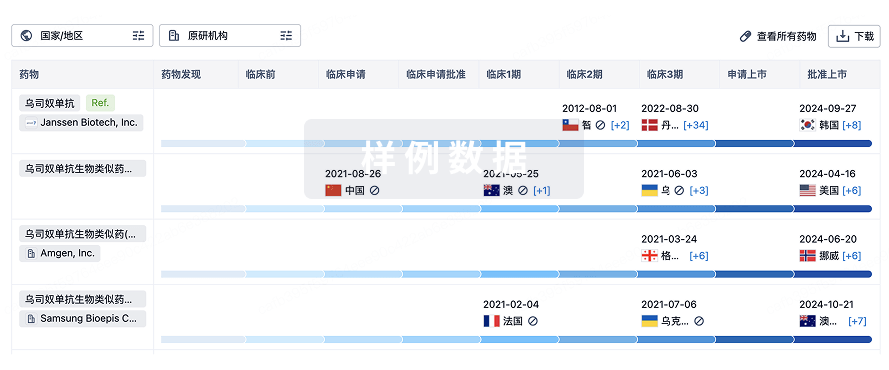
生物类似药
生物类似药在不同国家/地区的竞争态势。请注意临床1/2期并入临床2期,临床2/3期并入临床3期
登录
或
特殊审评
只需点击几下即可了解关键药物信息。
登录
或

提出任何生物医药研究问题
让每一步生物医药决策都精准制胜
基于十亿级生物数据与全球情报的精准 AI,赋能早期药物发现
立即开始免费试用!
智慧芽新药情报库是智慧芽专为生命科学人士构建的基于AI的创新药情报平台,助您全方位提升您的研发与决策效率。
立即接入生物医药数据包
智慧芽新药库数据也通过智慧芽开放平台,以MCP或API服务形式对外开放。立即使用我们的MCP服务定制您的LLM智能体。
生物序列数据库
生物药研发创新
免费使用
化学结构数据库
小分子化药研发创新
免费使用