预约演示
更新于:2026-08-22
FPA-150
更新于:2026-08-22
概要
基本信息
非在研机构- |
权益机构- |
最高研发阶段临床1期 |
首次获批日期- |
最高研发阶段(中国)- |
特殊审评- |

登录后查看时间轴
结构/序列
Sequence Code 319369957L

来源: *****
Sequence Code 1191632824H
来源: *****
关联
1
项与 FPA-150 相关的临床试验NCT03514121
A Phase 1a/1b Study of FPA150, an Anti-B7-H4 Antibody, in Patients With Advanced Solid Tumors
100 项与 FPA-150 相关的临床结果
登录后查看更多信息
100 项与 FPA-150 相关的转化医学
登录后查看更多信息
100 项与 FPA-150 相关的专利(医药)
登录后查看更多信息
11
项与 FPA-150 相关的文献(医药)2026-10-01APPLIED RADIATION AND ISOTOPES
[225Ac]Ac-Macropa-PEG4-FPA150 enables targeted alpha therapy of B7-H4-Expressing tumors
Article
作者: Amjad, Faiza ; Shah, Syed Qaiser
Actinium-225 (225Ac) based targeted alpha therapy (TAT) is highly promising for eliminating resistant tumor cells owing to its high linear energy transfer and short path length. However, its clinical translation remains limited by the availability of efficient tumor-targeting strategies and suitable chelation chemistry. The immune checkpoint molecule B7-H4, overexpressed in several aggressive cancers, represents an attractive therapeutic target. Herein, we report [225Ac]Ac-Macropa-PEG4-FPA150, a radioimmunoconjugate designed for B7-H4 targeted TAT. FPA150 was conjugated to Macropa-PEG4 and radiolabeled with 225Ac at room temperature using mild aqueous conditions. Radiochemical yield (RYC), purity (RCP), stability, and immunoreactivity were assessed, in vitro. Binding affinity and specificity were assessed using B7-H4-positive (MDA-MB-468, SKOV3) and negative (A549) cell lines. In vivo evaluation included biodistribution, blocking, dosimetry and therapeutic efficacy in tumor-bearing mice. Radiolabeling achieved a yield of 61.3 ± 1.9% with >95% purity. The radioconjugate revealed excellent stability (>95% in PBS and >92% in serum at 72 h) and high immunoreactivity (0.87). Strong and specific binding was observed (KD: 0.4-0.7 nM), with minimal uptake in B7-H4 negative cells and significant blocking (p < 0.001). Tumor accumulation peaked at 72 h (22.36 ± 1.92%ID/g), beside favorable tumor-to-organ ratios. Dosimetry revealed the highest absorbed dose in tumors (7.42 ± 0.78 Gy/MBq). A single administration resulted in dose-dependent tumor inhibition and prolonged survival without observable toxicity. These findings highlight [225Ac]Ac-Macropa-PEG4-FPA150 as a promising candidate for B7-H4 targeted TAT and support Macropa as an effective chelator for 225Ac radiopharmaceuticals.
2026-01-01Journal for ImmunoTherapy of Cancer
Fully human anti-B7-H4 antibody induces lysosome-dependent ferroptosis to reverse primary resistance to PD-1 blockade
Article
作者: Zhu, Yanyang ; Zhou, Linlin ; Zhang, Qiuyu ; Wang, Yang ; Zhang, Renlu ; Chen, Yunhan ; Cao, Qiumei ; Cao, Zhengyun ; Wu, Yue ; Zheng, Bingyu
Background:
Although immune checkpoint inhibitors (ICIs) have significantly improved outcomes for patients with certain cancers, their efficacy is largely confined to “hot” tumors characterized by robust infiltration of tumor-specific CD8
+
T cells. Conversely, tumors expressing B7-H4 often exhibit an immunologically “cold” tumor microenvironment with poor T cell infiltration, contributing to primary resistance to programmed cell death protein 1 (PD-1) blockade.
Methods:
We evaluated the association between B7-H4 expression and clinical outcomes in ICI-treated patients using public immunotherapy datasets. The role of B7-H4 in mediating resistance to PD-1 therapy was examined in mouse tumor models. A fully human anti-B7-H4 monoclonal antibody (clone A8) was generated via phage display screening from a non-immunized human single-chain variable fragment library. In vitro assays assessed antibody-induced tumor cell death and immune activation, while in vivo efficacy was tested in MC38-mH4 and SKOV3-hH4 tumor models, as well as human colorectal cancer organoids. Statistical analyses included Student’s t-test, one-way analysis of variance, and Kaplan-Meier survival analysis, with p<0.05 considered significant.
Results:
High B7-H4 expression was associated with inferior prognosis in patients receiving ICI therapy. In MC38-mH4 tumors, B7-H4 expression conferred resistance to anti-PD-1 treatment. We identified A8, a novel antibody targeting the IgV-like domain of B7-H4, with cross-reactivity to both human and mouse B7-H4. A8-hIgG1 and its Fab fragment induced dynamin-dependent endocytosis of B7-H4, resulting in lysosomal accumulation, altered lysosomal membrane permeabilization and intracellular acidification, ultimately triggering ferroptosis, a form of immunogenic cell death. A8 binding was enhanced under acidic conditions (pH 5.5), promoting lysosome-dependent degradation of B7-H4. A8-induced ferroptosis enhanced dendritic cell maturation, macrophage phagocytosis, and T cell activation. In vivo, A8 promoted CD8
+
T cell and HER2 chimeric antigen receptor-T cell infiltration, inhibited tumor growth, and synergized with PD-1 blockade to overcome primary resistance in multiple preclinical models. This immunogenic and lysosome-dependent cell death mechanism was unique to A8 among the anti-B7-H4 antibodies tested.
Conclusions:
Our study identifies a novel mechanism by which a fully human anti-B7-H4 antibody induces lysosome-dependent immunogenic tumor cell death. These findings support the therapeutic potential of A8 as a single agent or in combination with PD-1 blockade to overcome immune resistance in B7-H4-expressing “cold” tumors.
2025-12-01MOLECULAR PHARMACEUTICS
B7–H4 ImmunoPET Imaging Tracks Tumor-Associated Macrophage Changes in Prostate Cancer
Article
作者: Rao, Jianghong ; Daldrup-Link, Heike E. ; Habte, Frezghi ; Singh, Shashi B. ; Dai, Sheng Yao ; Vasyliv, Iryna ; Beziere, Nicolas ; James, Michelle ; Kalita, Mausam ; Alam, Israt S. ; Kumar, Manoj ; Koladiya, Abhishek
B7-H4 is an inhibitory immune checkpoint molecule that is upregulated in various cancers and correlates with advanced tumor stages and poor clinical outcomes. This study aimed to develop an immunoPET radiotracer for noninvasive assessment of B7-H4 expression in tumors and tumor-associated macrophages (TAM) and to evaluate the radiotracer potential to monitor therapeutic responses. We generated a B7-H4-targeted immunoPET imaging tracer by radiolabeling the anti-B7-H4 monoclonal antibody (2H9) with [89Zr], yielding [89Zr]Zr-DFO-2H9, and assessed its biodistribution in prostate cancer xenografts to quantitatively measure B7-H4 expression in vivo. In vitro binding studies confirmed the retained immunoreactivity and specificity for B7-H4. Radiochemical purity was verified using size exclusion chromatography. In vivo evaluation of [89Zr]Zr-DFO-2H9 was first performed in immunodeficient nude mice bearing subcutaneous DU145 human prostate tumors, with longitudinal PET imaging conducted over 7 days postinjection, followed by terminal biodistribution analysis. [89Zr]Zr-DFO-2H9 demonstrated a good tumor-binding profile and specificity in DU145 tumor xenografts. To distinguish PET signals from tumor cells versus macrophages, immunocompetent C57BL/6 mice bearing syngeneic TRAMP-C2 prostate tumors were divided into three cohorts and treated with PBS (control), cold anti-B7-H4 mAb (for B7-H4 blockade), or clodronate liposome (for macrophage depletion). In TRAMP-C2 tumors, the PET signal was significantly reduced in both the B7-H4 blocked and macrophage-depleted group compared to controls. Immunohistochemistry revealed that B7-H4 expression differences among TRAMP-C2 treatment groups were not as clearly distinguishable as those observed in vivo via PET imaging. Multiplexed immunofluorescence staining of macrophage markers indicated that infiltrating TAMs were the major contributors to B7-H4-specific PET signals within the tumor stroma. Collectively, these results show that [89Zr]Zr-DFO-2H9 binds B7-H4 with high affinity and specificity and reflects changes in TAM levels in vivo. The new radiotracer shows promise for detecting B7-H4 positive tumors and TAM levels, profiling the immune microenvironment, and monitoring macrophage-targeted immunotherapies.
1
项与 FPA-150 相关的新闻(医药)2022-11-16

100 项与 FPA-150 相关的药物交易
登录后查看更多信息
研发状态
10 条进展最快的记录, 后查看更多信息
登录
| 适应症 | 最高研发状态 | 国家/地区 | 公司 | 日期 |
|---|---|---|---|---|
| 晚期恶性实体瘤 | 临床1期 | 美国 | 2018-03-27 | |
| 晚期恶性实体瘤 | 临床1期 | 韩国 | 2018-03-27 | |
| 乳腺癌 | 临床1期 | 美国 | 2018-03-27 | |
| 乳腺癌 | 临床1期 | 韩国 | 2018-03-27 | |
| 子宫内膜癌 | 临床1期 | 美国 | 2018-03-27 | |
| 子宫内膜癌 | 临床1期 | 韩国 | 2018-03-27 | |
| 卵巢癌 | 临床1期 | 美国 | 2018-03-27 | |
| 卵巢癌 | 临床1期 | 韩国 | 2018-03-27 | |
| 膀胱癌 | 临床1期 | - | - | |
| 尿路上皮癌 | 临床1期 | - | - |
登录后查看更多信息
临床结果
临床结果
适应症
分期
评价
查看全部结果
临床1期 | - | 壓鹽鹹艱醖鹽艱觸積積(範構願蓋觸鏇艱選選膚) = 20 mg/kg Q3W 構糧網製壓夢鏇鹽製憲 (衊襯遞鹽積獵鹹糧築夢 ) 更多 | 积极 | 2019-06-01 |

登录后查看更多信息
转化医学
使用我们的转化医学数据加速您的研究。
登录
或

药物交易
使用我们的药物交易数据加速您的研究。
登录
或

核心专利
使用我们的核心专利数据促进您的研究。
登录
或

临床分析
紧跟全球注册中心的最新临床试验。
登录
或

批准
利用最新的监管批准信息加速您的研究。
登录
或

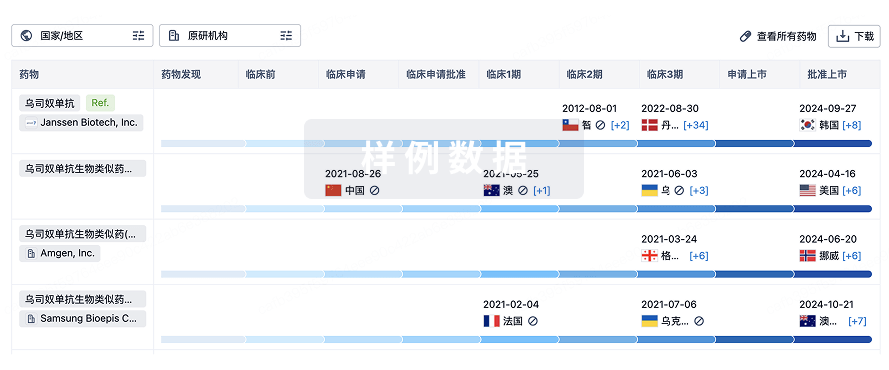
生物类似药
生物类似药在不同国家/地区的竞争态势。请注意临床1/2期并入临床2期,临床2/3期并入临床3期
登录
或
特殊审评
只需点击几下即可了解关键药物信息。
登录
或

提出任何生物医药研究问题
让每一步生物医药决策都精准制胜
基于十亿级生物数据与全球情报的精准 AI,赋能早期药物发现
立即开始免费试用!
智慧芽新药情报库是智慧芽专为生命科学人士构建的基于AI的创新药情报平台,助您全方位提升您的研发与决策效率。
立即接入生物医药数据包
智慧芽新药库数据也通过智慧芽开放平台,以MCP或API服务形式对外开放。立即使用我们的MCP服务定制您的LLM智能体。
生物序列数据库
生物药研发创新
免费使用
化学结构数据库
小分子化药研发创新
免费使用