预约演示
更新于:2026-11-16
Laurolitsine
更新于:2026-11-16
概要
基本信息
药物类型 小分子化药 |
别名- |
靶点- |
作用方式- |
作用机制- |
在研适应症 |
非在研适应症- |
原研机构 |
在研机构 |
非在研机构- |
权益机构- |
最高研发阶段临床前 |
首次获批日期- |
最高研发阶段(中国)临床前 |
特殊审评- |

结构/序列
分子式C18H19NO4 |
InChIKeyKYVJVURXKAZJRK-LBPRGKRZSA-N |
CAS号5890-18-6 |
关联
100 项与 Laurolitsine 相关的临床结果
登录后查看更多信息
100 项与 Laurolitsine 相关的转化医学
登录后查看更多信息
100 项与 Laurolitsine 相关的专利(医药)
登录后查看更多信息
10
项与 Laurolitsine 相关的文献(医药)2026-08-01·PLANTA MEDICA
Boldine and Laurolitsine Protect against Periodontitis-Associated
Bone Loss via RANKL Downregulation
Article
作者: Castro-Saavedra, Sebastián ; Pellegrini, Elizabeth ; García, Michelle ; Rojas, Carolina ; Hernández, Marcela ; Cassels, Bruce K. ; Vernal, Rolando ; Fuentes-Barros, Gonzalo
Abstract:
Periodontitis is a chronic inflammatory disease driven by dysbiosis of the
subgingival microbiota, leading to immune dysregulation and progressive alveolar
bone loss. In recent years, immunotherapeutic approaches, particularly those
involving natural products, have gained attention as potential adjuvants to
conventional therapy. This study evaluated the effects of four alkaloids,
boldine, laurolitsine, laurotetanine, and N-methyl-laurotetanine, on
alveolar bone loss and local immune regulation in experimental
periodontitis.Male and female C57BL/6 mice with ligature-induced periodontitis received daily
oral administration of each alkaloid (20 mg/kg) for 10 days. Alveolar bone loss
was quantified by micro-computed tomography (micro-CT). Periodontal immune
responses were assessed by RT-qPCR analysis of pro-inflammatory cytokines,
T-cell-related transcription factors, and bone metabolism mediators (RANKL and
OPG). In addition, regulatory T (Treg) cells in cervical lymph nodes were
analyzed by flow cytometry.Boldine and laurolitsine significantly reduced alveolar bone loss compared with
untreated periodontitis, in parallel with decreased RANKL expression. All four
alkaloids significantly reduced IL-6 expression, with laurolitsine additionally
suppressing IL-17A expression in periodontal tissues, whereas
N-methyl-laurotetanine reduced IL-10 expression. No significant changes
were observed in CD4+, CD4+FoxP3+, and
CD4+FoxP3+CD25+ T-cell frequencies between
treated and untreated groups.Oral administration of boldine and laurolitsine attenuates
periodontitis-associated alveolar bone loss, likely through differential
modulation of cytokine networks and osteoclastogenic signaling. These findings
support their potential as host-modulating agents in the management of
periodontitis.
2023-01-01·Phytomedicine : international journal of phytotherapy and phytopharmacology
Corrigendum to [Laurolitsine ameliorates type 2 diabetes by regulating the hepatic LKB1-AMPK pathway and gut microbiota]
作者: Yong, Zhang ; Weiying, Lu ; Yanan, Yang ; Chongming, Wu ; Ning, Ma ; Zhang, Xiaopo ; Yinfeng, Tan ; Ruiqi, Wang ; Lin, Dong ; Zhi, Zhou ; Yiying, Li
2022-11-01·Phytomedicine : international journal of phytotherapy and phytopharmacology
Laurolitsine ameliorates type 2 diabetes by regulating the hepatic LKB1-AMPK pathway and gut microbiota
Article
作者: Yong, Zhang ; Weiying, Lu ; Yanan, Yang ; Chongming, Wu ; Xiaopo, Zhang ; Ning, Ma ; Yinfeng, Tan ; Ruiqi, Wang ; Zhi, Zhou ; Lin, Dong ; Yiying, Li
BACKGROUND:
Type 2 diabetes mellitus (DM) is a highly prevalent chronic metabolic disease. Effective antidiabetic drugs are needed to improve and expand the available treatments. Using the ob/ob diabetic mouse model, we previously demonstrated that the alkaloid-rich extract from Litsea glutinosa bark (CG) has potent antidiabetic effects and that laurolitsine (LL) is the richest alkaloid in CG.
PURPOSE:
We conducted a systematic investigation of the antidiabetic effects and potential mechanisms of LL in vitro and in vivo.
METHODS:
The antidiabetic effects of LL and its mechanisms of action were explored in HL-7702 hepatocytes in vitro and in db/db mice in vivo by a series of experiments, including cellular toxicity analysis, glucose consumption analysis, serum/liver biochemical analysis, pathological examinations, Western blots, RNA-seq analysis, and gut microbiota analysis.
RESULTS:
LL stimulated glucose consumption and activated AMP-activated protein kinase (AMPK) without inducing lactic acid production or cytotoxicity in vitro. LL had potent antidiabetic effects with hypoglycemic activity in vivo. It improved insulin resistance, glucose tolerance and lipid metabolism; protected liver, renal and pancreatic functions; and promoted weight loss in db/db mice. Transcriptomic analysis suggested that the antidiabetic effects of LL involved the regulation of mitochondrial oxidative phosphorylation. We further demonstrated that LL effectively activated the hepatic liver kinase B1 (LKB1)/AMPK pathway by regulating the ADP/ATP ratio. Simultaneously, LL significantly modulated the gut microbial community, specifically decreasing the abundances of Mucispirillum schaedleri and Anaerotruncus_sp_G3_2012, which might also contribute to its antidiabetic effects.
CONCLUSION:
These results suggest that LL is a promising antidiabetic drug candidate that may improve glucolipid metabolism via modulation of the hepatic LKB1/AMPK pathway and the gut microbiota.
100 项与 Laurolitsine 相关的药物交易
登录后查看更多信息
研发状态
10 条进展最快的记录, 后查看更多信息
登录
| 适应症 | 最高研发状态 | 国家/地区 | 公司 | 日期 |
|---|---|---|---|---|
| 多内分泌代谢卵巢综合征 | 临床前 | 中国 | 2025-09-08 |
登录后查看更多信息
临床结果
临床结果
适应症
分期
评价
查看全部结果
| 研究 | 分期 | 人群特征 | 评价人数 | 分组 | 结果 | 评价 | 发布日期 |
|---|
No Data | |||||||
登录后查看更多信息
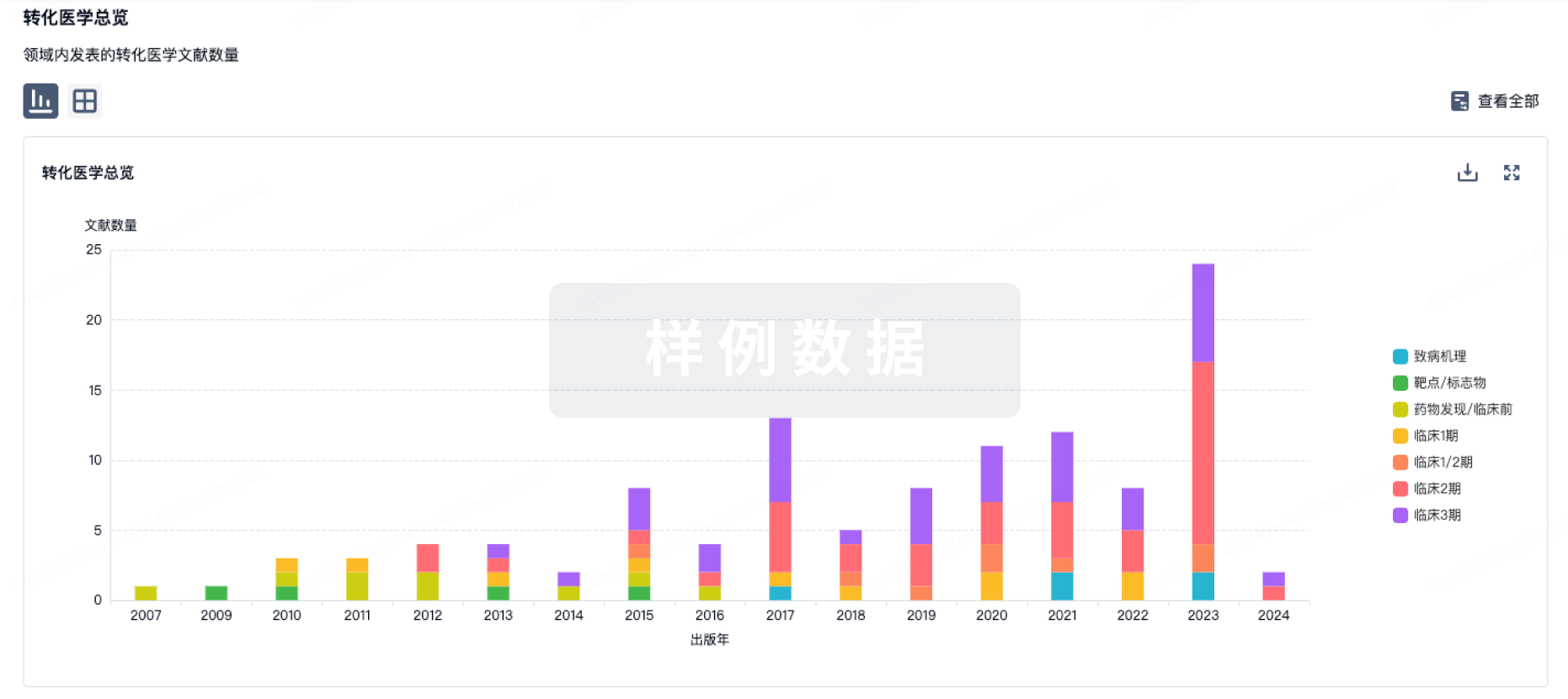
转化医学
使用我们的转化医学数据加速您的研究。
登录
或
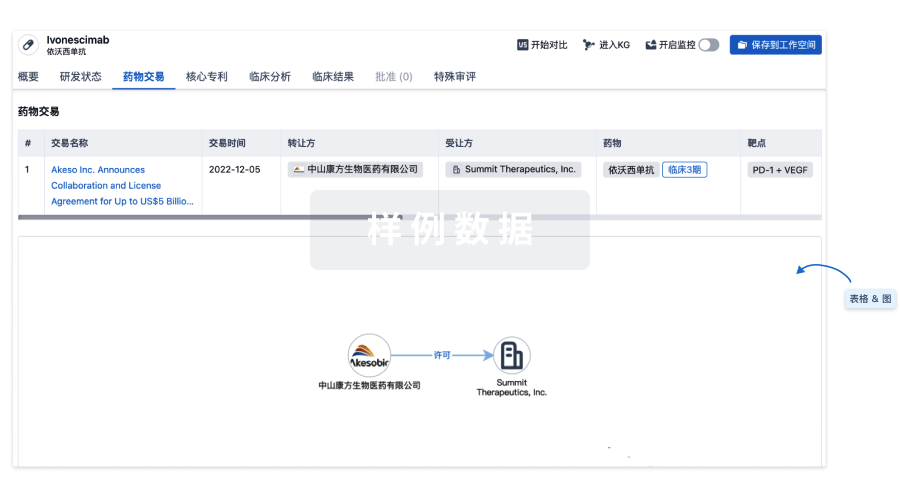
药物交易
使用我们的药物交易数据加速您的研究。
登录
或
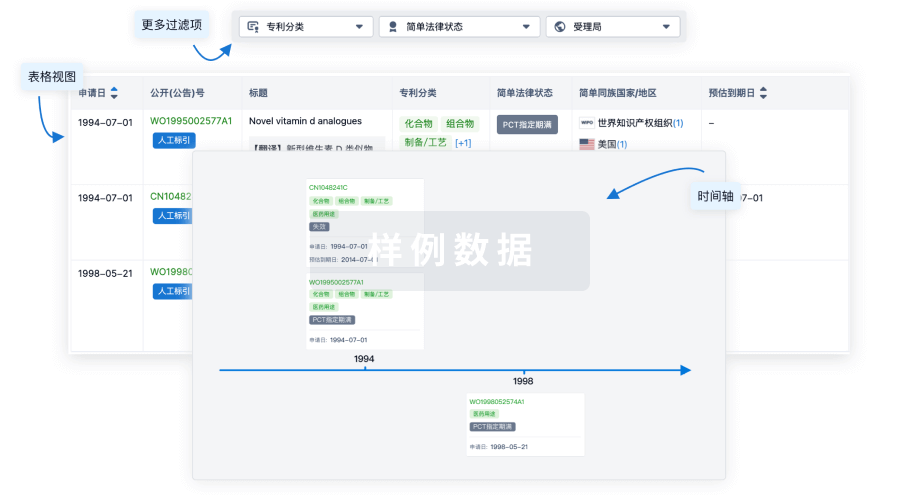
核心专利
使用我们的核心专利数据促进您的研究。
登录
或
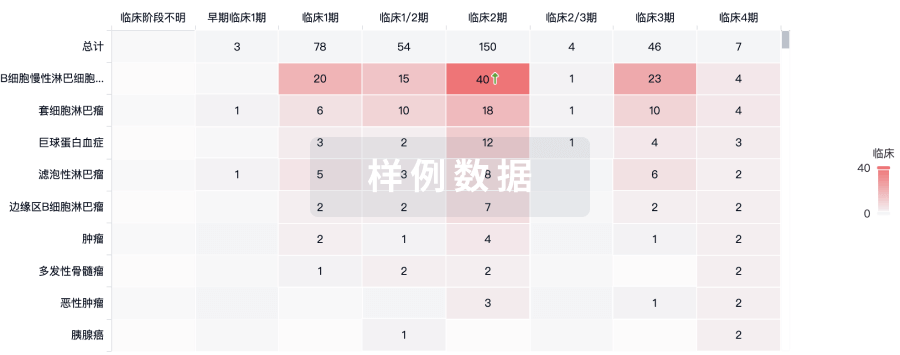
临床分析
紧跟全球注册中心的最新临床试验。
登录
或
批准
利用最新的监管批准信息加速您的研究。
登录
或
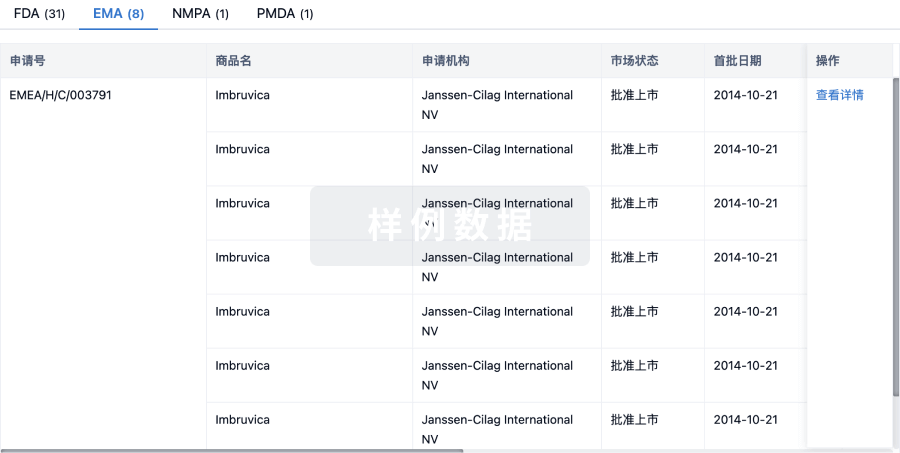
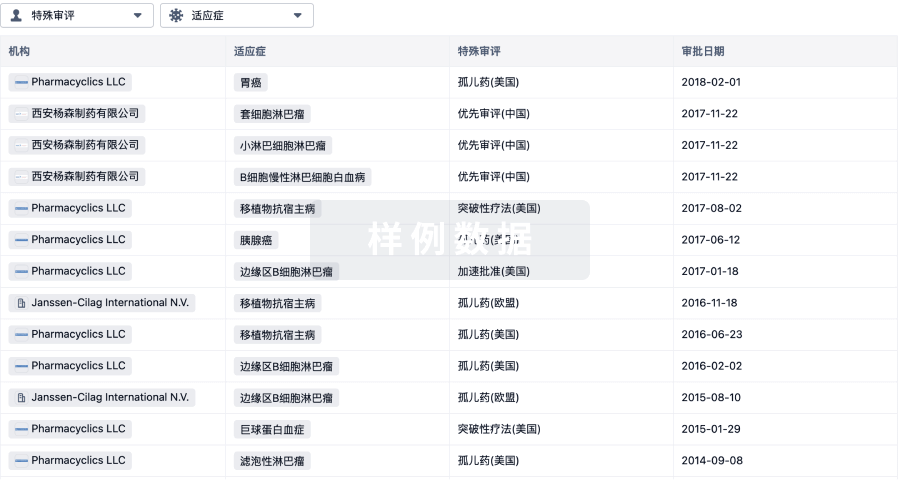
特殊审评
只需点击几下即可了解关键药物信息。
登录
或
提出任何生物医药研究问题
让每一步生物医药决策都精准制胜
基于十亿级生物数据与全球情报的精准 AI,赋能早期药物发现
立即开始免费试用!
智慧芽新药情报库是智慧芽专为生命科学人士构建的基于AI的创新药情报平台,助您全方位提升您的研发与决策效率。
立即接入生物医药数据包
智慧芽新药库数据也通过智慧芽开放平台,以MCP或API服务形式对外开放。立即使用我们的MCP服务定制您的LLM智能体。
生物序列数据库
生物药研发创新
免费使用
化学结构数据库
小分子化药研发创新
免费使用