预约演示
更新于:2026-11-23

Hainan Medical University
更新于:2026-11-23
概览
标签
肿瘤
其他疾病
内分泌与代谢疾病
小分子化药
治疗性疫苗
纳米疫苗
疾病领域得分
一眼洞穿机构专注的疾病领域

技术平台
公司药物应用最多的技术
靶点
公司最常开发的靶点
关联
靶点 |
作用机制 |
在研机构 |
原研机构 |
在研适应症 |
非在研适应症 |
最高研发阶段 |
首次获批国家/地区 |
首次获批日期 |
靶点 |
作用机制 |
在研机构 |
原研机构 |
在研适应症 |
非在研适应症 |
最高研发阶段 |
首次获批国家/地区 |
首次获批日期 |
靶点 |
作用机制 |
在研机构 |
原研机构 |
在研适应症 |
非在研适应症 |
最高研发阶段 |
首次获批国家/地区 |
首次获批日期 |
ChiCTR2600136649
A Prospective Cohort Study on the Impact of North-South Seasonal Migration on Cardiopulmonary Function in Older Adults
ChiCTR2600125162
Application Research on Self-Management Program for Elderly Hypertensive Patients with Frailty Based on Nursing Precision Health Model
ChiCTR2600123110
Establishment and Research of a Colorectal Polyp Cohort and Sample Database
100 项与 海南医科大学(海南省医学科学院) 相关的临床结果
登录后查看更多信息
登录后查看更多信息
2027-03-01Bioactive Materials
Reprogramming pathological secretory phenotype of chondrocytes inhibits neurovascular invasion for osteoarthritis treatment
Article
作者: Chen, Jiale ; Mao, Haijiao ; Xiao, Yao ; Zhang, Yang ; Ma, Jinjin ; Li, Jiaying ; Wang, Lijie ; Yao, Liwei ; Zhou, Feng ; Li, Bin ; Chen, Yuan ; Wang, Chao ; Pan, Zhen ; Yuan, Xiaonan ; Hong, Youzhi ; Chen, Cheng
Pain severity in osteoarthritis (OA) often dissociates from the extent of cartilage structural damage, indicating that non-structural mechanisms contribute to symptom persistence. Here, we identify articular chondrocytes as active orchestrators of pathological neurovascular invasion through a pathogenic secretome, rather than merely passive victims of degeneration. Integrated human single-cell transcriptomic analysis reveals that OA chondrocytes undergo phenotypic reprogramming characterized by coordinated activation of angiogenic and neurotrophic programs. Functionally, inflammatory chondrocytes directly promote endothelial angiogenesis and sensory axon outgrowth, linking chondrocyte-derived signals to neurovascular invasion and sustained pain. To therapeutically target this upstream mechanism, we engineered MMP-13-responsive celecoxib-loaded hyaluronic acid methacrylate microspheres (HMPC) for disease-adaptive delivery to degenerative cartilage. HMPC suppresses chondrocyte COX-2 activity and remodels the pathological chondrocyte secretome through restoration of miR-339-5p_R-5 and miR-103-3p_R-2, thereby inhibiting angiopoietin-2 (Angpt2)-mediated angiogenesis and brain-derived neurotrophic factor (Bdnf)-driven sensory neurogenesis. In murine OA models, HMPC markedly alleviates pain-related behaviors, reduces neurovascular infiltration, and preserves joint structure. Collectively, this study supports a chondrocyte-centric framework in which reprogrammed chondrocytes govern neurovascular invasion through microRNA-dependent secretome regulation and introduces a smart biomaterial-enabled strategy with disease-modifying potential for OA pain intervention.
2027-03-01BIOMATERIALS
Antitumor immunotherapeutic nanoagents enable molecular-photoswitching-based dynamic regulation of enzymatic activity of IDO1 for blocking immune evasion
Article
作者: Wang, Zicheng ; Liu, Ming ; Ma, Zhecheng ; Bao, Weier ; Liu, Heng ; Tian, Zhiyuan ; Li, Xiaojuan
We have fabricated a new type of MOFs-based nanoagent (SP@POMU-A) capable of suppressing tumor progression and metastasis by blocking immune evasion based on the molecular-photoswitching-enabled dynamic regulation of the enzymatic activity of IDO1. SP@POMU-A undergoes site-specific disintegration in lysosomes and releases the photosensitizer porphyrin, biometallic ion Mg2+, and molecular photoswitch spiropyran (SP), with them playing distinct roles in enabling immunotherapy via a highly synergistic manner. Porphyrin and Mg2+ synergistically prime the adaptive antitumor immune response based on the photosensitization ability of the former and adjuvant-like activity of the latter, respectively. SP upon phototriggering isomerizes to merocyanine with the latter capable of inactivating IDO1 and therefore blocking its role in tumor immune evasion. Thus, SP@POMU-A upon phototriggering can boost antitumor immunity and simultaneously block immune evasion, eventually potently inhibiting the tumor progression. The ability of SP@POMU-A to confer immunological memory for mounting a specific immune response upon re-exposure to the invasion of tumor cells has also been verified in an in vivo tumor model featured with typical pathological characteristics regarding immunosuppressive tumor microenvironment (TME). This proof-of-concept implementation opens a way to optically manipulate the enzymatic activity to relieve the immunosuppressive TME for synergistic antitumor with enhanced precision and efficacy.
2027-02-01BIOSENSORS & BIOELECTRONICS
An endoplasmic reticulum-targeted near-infrared fluorogenic probe reveals butyrylcholinesterase upregulation and baicalein-mediated neuroprotection in cerebral ischemia-reperfusion injury
Article
作者: Yu, Fabiao ; Huang, Xinyu ; Ran, Lingyu ; Ye, Bishan ; Liu, Heng ; Wei, Xuehan ; Xu, Ningge ; Liu, Qibing ; Tian, Jia
The cholinergic anti-inflammatory pathway is an important neuroimmune regulatory axis that endogenously counteracts cerebral ischemia-reperfusion injury (CIRI). As a key hydrolase in the cholinergic system, there remains a lack of direct imaging evidence regarding changes in BChE during this pathological process. To address this challenge, we developed DCIO-B, an endoplasmic reticulum (ER)-targeted near-infrared fluorogenic (NIRF) probe, to track changes in BChE activity during CIRI at both the cellular and in vivo levels. Upon catalysis by BChE, DCIO-B produced a detectable fluorescence response at 660 nm with a detection limit of 0.041 U/mL and maintained a stable response across a wide pH range. In PC12 cells, iso-OMPA markedly blocked fluorescence, while hydrocortisone and forskolin induced opposite fluorescence changes, demonstrating that DCIO-B could visualize the bidirectional regulation of endogenous BChE. Following OGD/R treatment, intracellular BChE protein expression increased, and enhanced DCIO-B fluorescence was observed. In MCAO/R mice, brain fluorescence rapidly increased following tail-vein injection of DCIO-B, indicating elevated BChE activity. Treatment with baicalein decreased brain fluorescence signals, reduced the extent of cerebral infarction, and improved neuronal histological damage. The results verified that BChE activity increased in CIRI and provided a reliable NIRF probe, DCIO-B, for the diagnosis and intervention of CIRI.
100 项与 海南医科大学(海南省医学科学院) 相关的药物交易
登录后查看更多信息
100 项与 海南医科大学(海南省医学科学院) 相关的转化医学
登录后查看更多信息
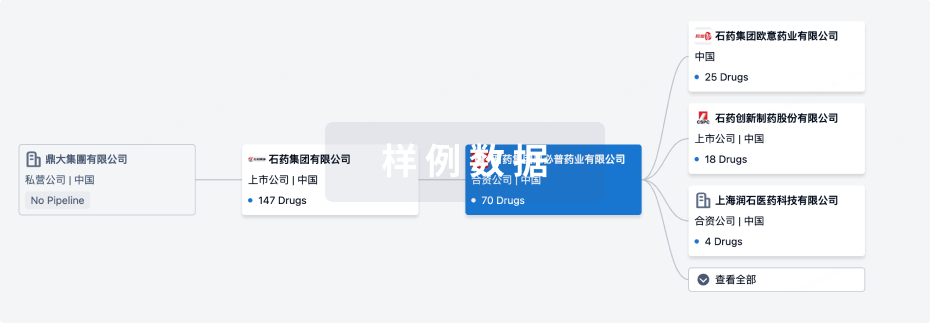
组织架构
使用我们的机构树数据加速您的研究。
登录
或
管线布局
2026年11月25日管线快照
管线布局中药物为当前组织机构及其子机构作为药物机构进行统计,早期临床1期并入临床1期,临床1/2期并入临床2期,临床2/3期并入临床3期
药物发现
7
4
临床前
登录后查看更多信息
当前项目
登录后查看更多信息
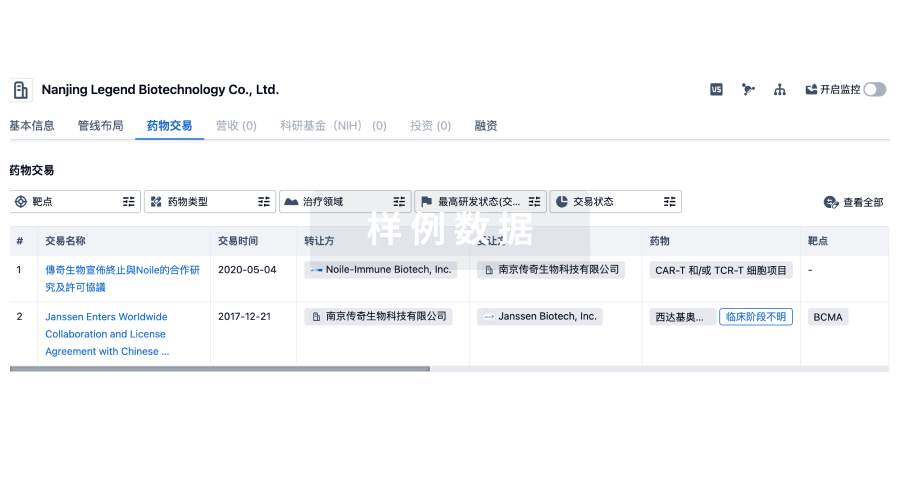
药物交易
使用我们的药物交易数据加速您的研究。
登录
或
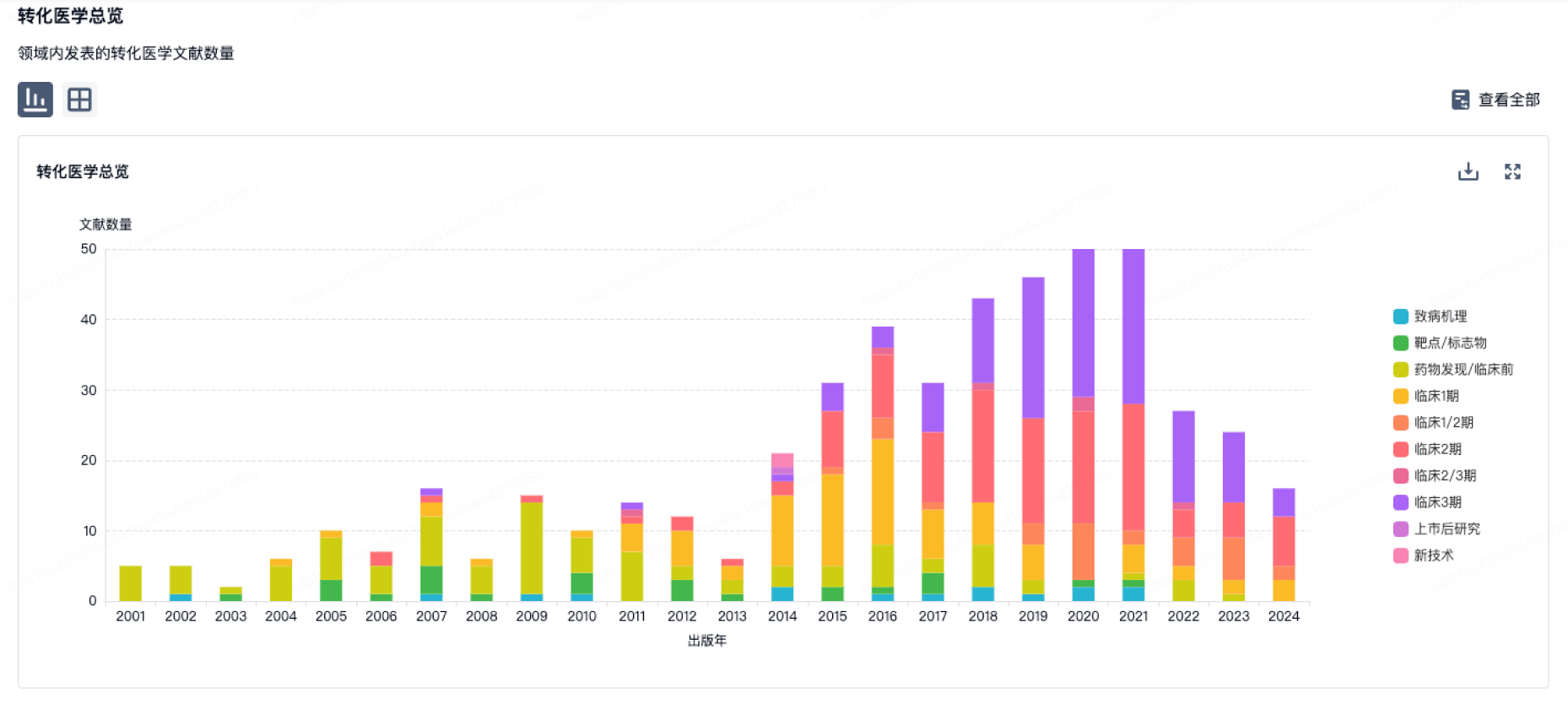
转化医学
使用我们的转化医学数据加速您的研究。
登录
或
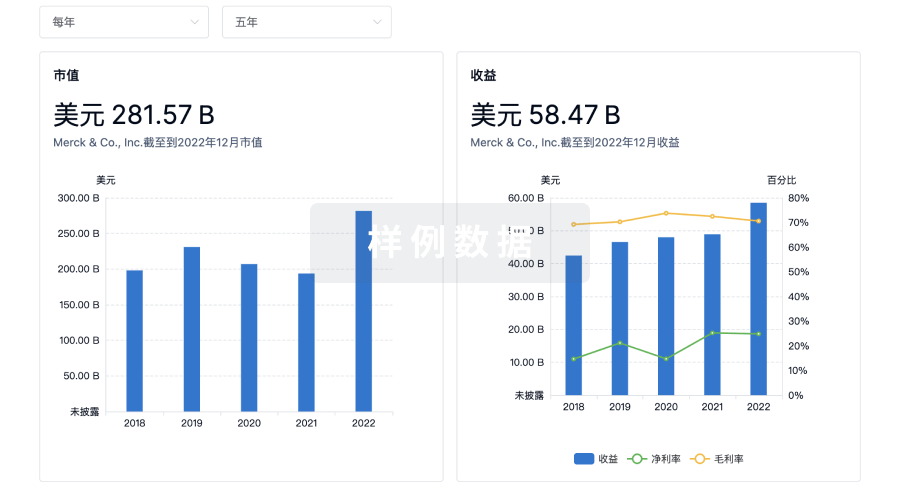
营收
使用 Synapse 探索超过 36 万个组织的财务状况。
登录
或
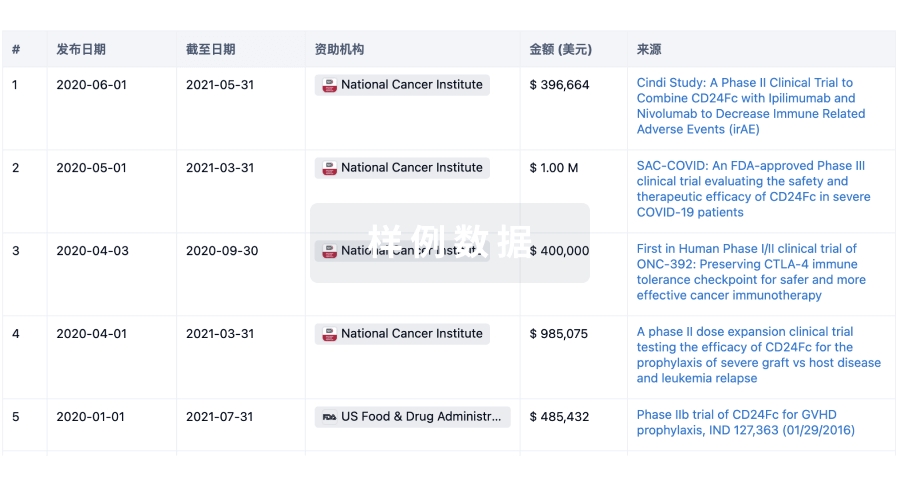
科研基金(NIH)
访问超过 200 万项资助和基金信息,以提升您的研究之旅。
登录
或
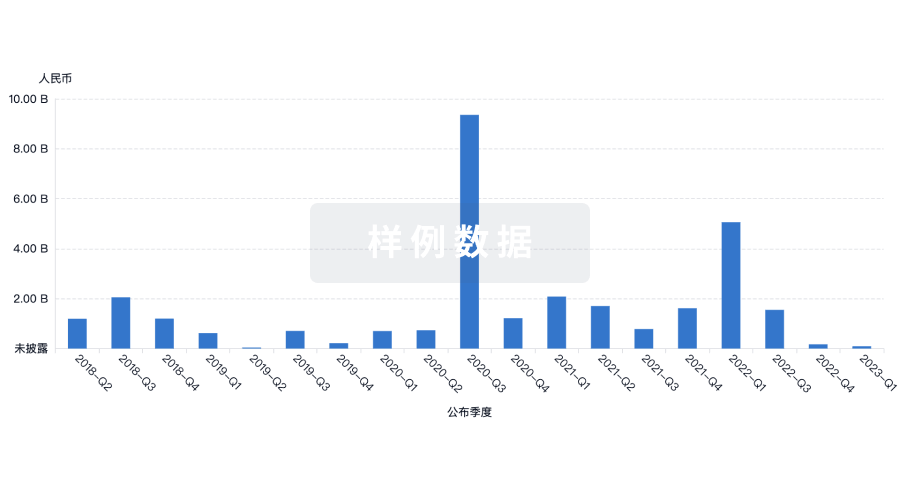
投资
深入了解从初创企业到成熟企业的最新公司投资动态。
登录
或
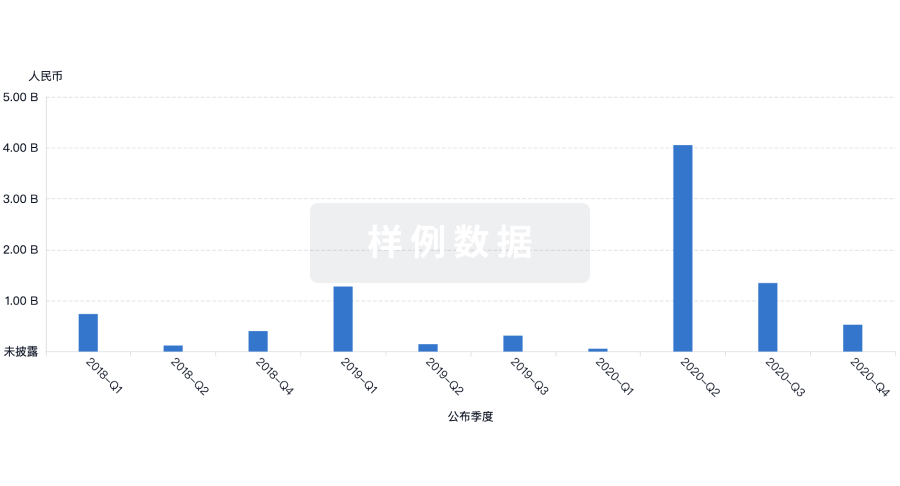
融资
发掘融资趋势以验证和推进您的投资机会。
登录
或
提出任何生物医药研究问题
让每一步生物医药决策都精准制胜
基于十亿级生物数据与全球情报的精准 AI,赋能早期药物发现
立即开始免费试用!
智慧芽新药情报库是智慧芽专为生命科学人士构建的基于AI的创新药情报平台,助您全方位提升您的研发与决策效率。
立即接入生物医药数据包
智慧芽新药库数据也通过智慧芽开放平台,以MCP或API服务形式对外开放。立即使用我们的MCP服务定制您的LLM智能体。
生物序列数据库
生物药研发创新
免费使用
化学结构数据库
小分子化药研发创新
免费使用