预约演示
更新于:2026-07-18
SOD1(Black Swan Pharmaceuticals)
更新于:2026-07-18
概要
基本信息
非在研机构- |
权益机构- |
最高研发阶段临床前 |
首次获批日期- |
最高研发阶段(中国)- |
特殊审评- |

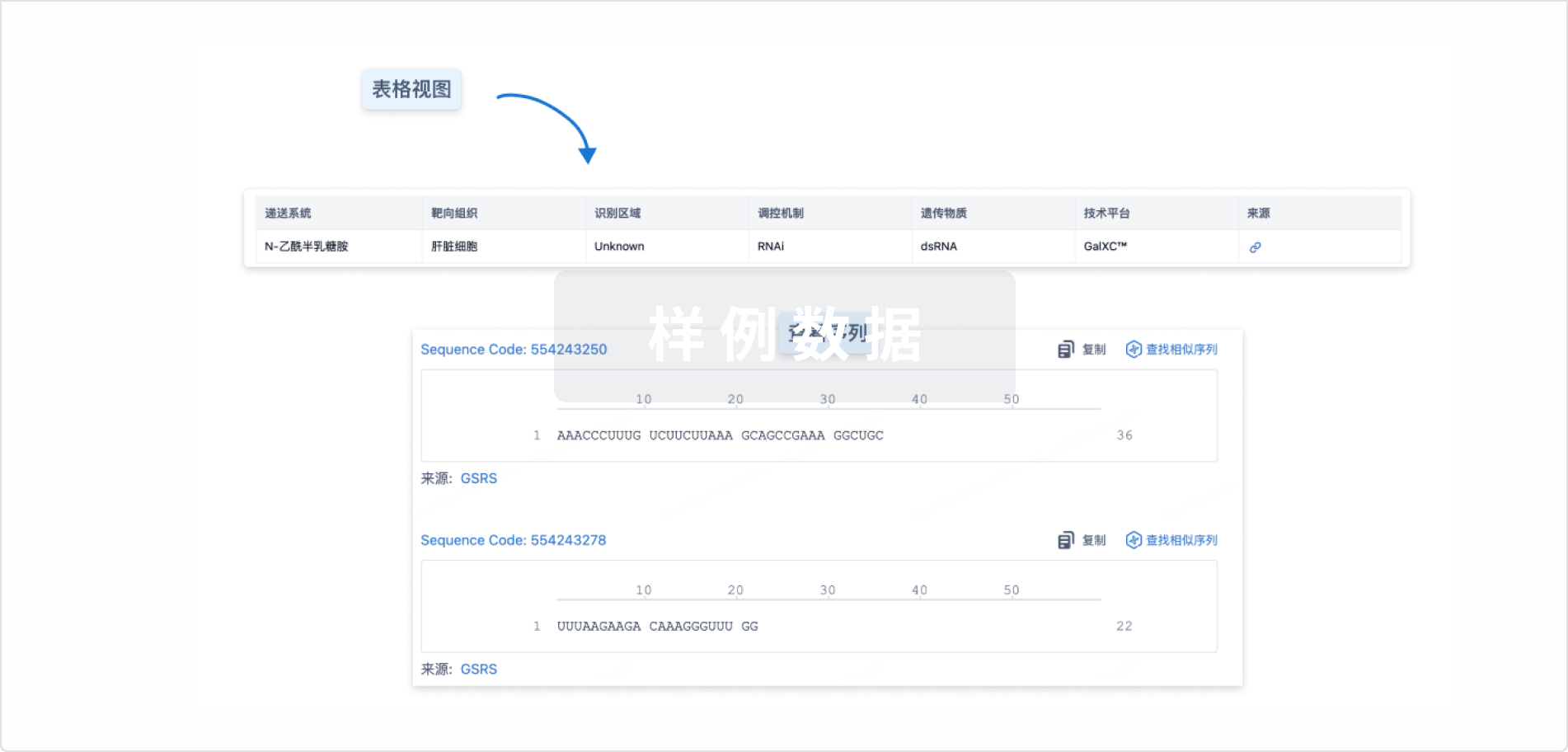
结构/序列
使用我们的RNA技术数据为新药研发加速。
登录
或
关联
100 项与 SOD1(Black Swan Pharmaceuticals) 相关的临床结果
登录后查看更多信息
100 项与 SOD1(Black Swan Pharmaceuticals) 相关的转化医学
登录后查看更多信息
100 项与 SOD1(Black Swan Pharmaceuticals) 相关的专利(医药)
登录后查看更多信息
2
项与 SOD1(Black Swan Pharmaceuticals) 相关的文献(医药)2012-05-01·American journal of obstetrics and gynecology1区 · 医学
SOD1 suppresses maternal hyperglycemia-increased iNOS expression and consequent nitrosative stress in diabetic embryopathy
1区 · 医学
Article
作者: E. Albert Reece ; Xuezheng Li ; Hongbo Weng ; Peixin Yang
OBJECTIVE:
Hyperglycemia induces oxidative stress and increases inducible nitric oxide synthase (iNOS) expression. We hypothesized that oxidative stress is responsible for hyperglycemia-induced iNOS expression.
STUDY DESIGN:
iNOS-luciferase activities, nitrosylated protein, and lipid peroxidation markers 4-hydroxynonenal and malondialdehyde were determined in parietal yolk sac-2 cells exposed to 5 mmol/L glucose or high glucose (25 mmol/L) with or without copper zinc superoxide dismutase 1 (SOD1) treatment. Levels of iNOS protein and messenger RNA, nitrosylated protein, and cleaved caspase-3 and -8 were assessed in wild-type embryos and SOD1-overexpressing embryos from nondiabetic and diabetic dams.
RESULTS:
SOD1 treatment diminished high glucose-induced oxidative stress, as evidenced by 4-hydroxynonenal and malondialdehyde reductions, and it blocked high glucose-increased iNOS expression, iNOS-luciferase activities, and nitrosylated protein. In vivo SOD1 overexpression suppressed hyperglycemia-increased iNOS expression and nitrosylated protein, and it blocked caspase-3 and -8 cleavage.
CONCLUSION:
We conclude that oxidative stress induces iNOS expression, nitrosative stress, and apoptosis in diabetic embryopathy.
1997-08-01·Experimental neurology2区 · 医学
Postischemic Infusion of Cu/Zn Superoxide Dismutase or SOD:Tet451 Reduces Cerebral Infarction Following Focal Ischemia/Reperfusion in Rats
2区 · 医学
Article
作者: Ren, Jingmei ; Brown, Robert H. Jr. ; Francis, Jonathan W. ; Warren, Lisl ; Finklestein, Seth P.
Oxygen-free radicals play a major role in neuronal cell injury following cerebral ischemia/reperfusion. The free-radical scavenging enzyme, Cu/Zn superoxide dismutase (SOD-1), ameliorates various types of brain injury resulting from temporary CNS ischemia. We have compared the cerebroprotective properties of human SOD-1 (hSOD-1) with a novel recombinant SOD-1 hybrid protein, SOD:Tet451, composed of hSOD-1 linked to the neuronal binding fragment of tetanus toxin (TTxC). Following 2 h of temporary middle cerebral artery occlusion, rats infused with equivalent activities of either hSOD-1 or SOD:Tet451 for the initial 3 h of reperfusion showed reductions in cerebral infarct volume of 43 and 57%, respectively, compared to saline-treated controls (P < 0.01). Serum hSOD-1 concentrations in rats receiving SOD:Tet451 were seven-fold higher than those in rats receiving the native enzyme. Animals treated with SOD:Tet451 also demonstrated an extended persistence of hSOD-1 in the bloodstream during drug washout as compared to animals given free enzyme. Immunohistochemical examination of brain sections from an SOD:Tet451-treated ischemic rat showed positive immunoreactivity in the ipsilateral cerebral cortex using either anti-TTxC or anti-human SOD-1 antibodies. Our results document that both hSOD-1 and SOD:Tet451 significantly reduce brain infarct volume in a model of transient focal ischemia/reperfusion in rats. Additionally, our findings suggest that the cerebroprotective effects of SOD-1 may be enhanced by neuronal targeting as seen with the hybrid protein SOD:Tet451.
5
项与 SOD1(Black Swan Pharmaceuticals) 相关的新闻(医药)2026-04-23
·鲁纪知冻
点击蓝字,关注我们
扫码加我拉你入群
渐冻人交流群
微信号:LJ54838
加我拉你入群
最新捐赠动态
专业护理指南
专业设备提供
ALS相关前沿研究信息
——单次口服SCAD-siRNA治疗型RAG-17可产生良好的安全性,并具有显著且持久的生物标志物还原效果——
—— 180毫克队列的初步数据显示临床稳定趋势(ALSFRS-R)———— II期试验现已积极给参与者接种——
芝加哥,2026年4月21日 /PRNewswire/ — 专注于开发下一代RNA药物的临床阶段生物制药公司Ractigen Therapeutics今日公布了其正在进行的RAG-17I/II期临床试验中单次升降剂量(SAD)I期部分的积极初步数据。RAG-17 是一种用于治疗超氧化物二搚酶1(SOD1SOD1)基因突变的肌萎缩侧索硬化症(ALS)患者的新型小型干扰RNA(siRNA)治疗方法。
这些数据于 4 月 19 日在伊利诺伊州芝加哥举行的 2026 年美国神经病学学会(AAN)年会上公布。该报告由浙江大学医学院附属第二医院的主研究者吴志英博士进行汇报。
RAG-17 采用了 Ractigen 专有的智能化学辅助递送(SCADTM)技术,该技术将 siRNA 双相形体与附属寡核苷酸(ACO)结合。这种创新架构可实现一次单次宫腔内(IT)注射后,广泛传播中枢神经系统(CNS)并实现异常持久的靶点参与,与现有疗法相比,其剂量间隔可能显著延长。
“今年在美国神经病学学会(AAN)上展示的数据对 Ractigen 公司而言是一个重大里程碑,更重要的是,对患有 SOD1 型肌萎缩侧索硬化症(ALS)的患者来说也是如此,”Ractigen Therapeutics 公司首席执行官李龙承博士说道,“单次给药后血浆神经丝轻链(NfL)水平降低 81%,NfL 是神经轴突损伤的关键标志物,同时安全性良好,这在业内尚属首次。此外,我们在最高剂量水平观察到的早期临床稳定迹象,有力地验证了我们的 SCAD 平台。我们非常高兴已经启动了 II 期研究的给药,以进一步评估 RAG-17 的变革潜力。”
“SOD1-ALS 是一种具有明确生物学靶点的遗传性疾病,但患者仍面临非常有限的治疗选择,”吴志英博士评论道。“我们在这一期 I 期研究中观察到,单次给药后脑脊液中 SOD1 蛋白显著且持久地降低,同时最高剂量组的血浆 NfL 显著下降,功能评分早期趋于稳定,这让我们有充分的理由保持乐观。这些数据清楚地表明,RAG-17 以一种非常有意义的方式与靶点结合,我们期待在正在进行的 II 期研究中获得进一步的证据。”
美国神经病学学会报告中的主要亮点(NCT06556394):
随机、双盲、安慰剂对照的SAD阶段对五个连续剂量组(30、90、120、150和180 mg)的20名参与者进行了评估。参与者以3:1的比例接受了RAG-17或安慰剂治疗。研究仍在进行中,因此结果以盲目呈现:
安全与耐受性:
RAG-17在所有上升剂量队列中均受到良好耐受。无严重不良事件(SAE)或3级治疗-紧急不良事件。仅报告了三起与治疗相关的不良事件,且均为轻度≥3级治疗性不良事件。仅报告了三起与治疗相关的不良事件,且均为轻度。
精准的目标参与:
单次IT剂量可快速且持久地降低疾病驱动蛋白。在150毫克队列中,脑脊液(CSF)SOD1的最大减少量在第90天前达到58.1%(盲分析),并在第210天期间保持临床显著减少。
神经退行性生物标志物的深度降低:
RAG-17诱导了血浆神经丝状光链(NfL)的渐进性和显著减少。在180毫克队列中,血浆NfL水平在第150天前从基线水平下降了81.2%(盲分析)。
鼓励临床稳定:
在180毫克队列中,通过ALS功能评分-修正(ALSFRS-R)进行了功能评估。在该组中,盲法初步数据显示临床恶化有所减缓:
第90天,所有在服药后进行基线评估且至少进行一次评估(n=3)的参与者均表现出零功能下降(与基线相比有0点变化)。
第150天,降幅仍然微乎其微(从0到4分不等)。
第二阶段试验更新
Ractigen Therapeutics 还报告称,目前正在开展针对 RAG-17 的 II 期临床试验。这项随机、双盲、安慰剂对照、多增升剂量(MAD)研究旨在评估SOD1突变患者中反复注射RAG-17的安全性、耐受性、药代动力学(PK)、药效学(PD)以及初步疗效。自2026年1月13日首次成功完成参与者以来,两个队列的报名工作已成功完成。试验正在多个地点进行,由包括医生在内的调查人员主导。王一龙在北京天潭医院,医生吴志英,浙江大学医学院第二附属医院;首都医科大学;博士四川大学西华医院的李芳尚福建医科大学联合医院张宇邵;以及医生孙中大学第一附属医院的郑善盛。
关于 RAG-17
RAG-17 是一种研究性的 siRNA 治疗候选药物,采用 Ractigen 专有的 SCADTM 递送平台技术,专门靶向并静音超氧化物 dismutase 1(SOD1)基因 mRNA。SOD1基因的突变会导致有毒的功能增生,是家族性肌萎缩侧索硬化症(ALS)的已知原因。通过减少有毒突变SOD1蛋白的生成,RAG-17旨在减缓或阻止SOD1-ALS的生长。
RAG-17已从美国获得了孤儿药认定(ODD)。美国食品药品监督管理局(FDA)入选美国药品评估中心(CDE)国家药品药品监督管理局(NMPA)的护理项目,该项目旨在促进罕见病疗法的加速发展。
关于 ALS
肌萎缩侧索硬化症(ALS)是一种渐进性神经退行性疾病,影响大脑和脊髓中的神经细胞,导致肌肉无力、瘫痪,最终导致死亡,通常在诊断后三到五年内发生。SOD1基因突变约占家族性肌萎缩侧索硬化症病例的10%至30%,以及约1-2%的零星肌萎缩侧索硬化症病例。对能够减缓或阻止疾病进展的有效治疗仍然存在严重未满足的医疗需求。
关于 Ractigen Therapeutics
Ractigen Therapeutics 是一家致力于创新下一代RNA疗法的临床阶段生物制药公司,主要专注于通过其经过临床验证的RNA激活(RNA)技术开发的小型激活RNA(saRNA)。利用SCADTM、LiCOTM和GLORYTM等专有的递送平台,Ractigen正在推进一条强大的输油管道,以满足肿瘤学、神经系统疾病和遗传性疾病领域尚未满足的医疗需求。其多功能技术还有助于快速开发基于RNA的解决方案,包括适用情况下的siRNA,以靶向中枢神经系统(CNS)等危及生命且快速发展的疾病。致力于科学卓越和以患者为中心的创新,Ractigen致力于通过RNA疗法的力量来改变医疗保健。
END
病友群
加我拉你入群
公众号《鲁纪知冻》
最新捐赠动态
专业护理指南
专业设备提供
ALS相关前沿研究信息
点点点,赞和好看都在这儿!
2026-04-22
·隆门资本
2026年4月22日,致力于开发下一代RNA靶向药物的临床阶段生物制药公司中美瑞康(Ractigen Therapeutics)宣布其正在进行的RAG-17 I/II期临床试验中,单次给药剂量递增(SAD)的I期研究取得了积极的初步数据。RAG-17是一种在研的新型小干扰RNA(siRNA)疗法,旨在治疗携带超氧化物歧化酶1(SOD1)基因突变的肌萎缩侧索硬化症(ALS)患者。
该数据于4月19日在伊利诺伊州芝加哥举行的2026年美国神经病学学会(AAN)年会上进行了展示。浙江大学医学院附属第二医院的主要研究者吴志英教授进行了此次报告。
吴志英教授和李宏福主任携RAG-17 I期临床数据海报亮相AAN 2026年会
RAG-17采用了中美瑞康自主研发的智能化学辅助递送(SCAD™)技术,该技术将siRNA双链与辅助寡核苷酸(ACO)进行偶联。这种创新的分子架构能够在单次鞘内(IT)注射后,实现广泛的中枢神经系统(CNS)分布和极其持久的靶点结合。与现有疗法相比,这有望大幅延长患者的给药间隔。
“今年在AAN年会上展示的数据不仅是中美瑞康的一个重要里程碑,更重要的是,它对受SOD1-ALS困扰的患者群体意义重大,” 中美瑞康创始人兼首席执行官李龙承博士表示,“单次给药后,作为神经轴突损伤关键标志物的血浆NfL降低了81%,同时展现出极佳的安全性,这是前所未有的。此外,我们在最高剂量组观察到的临床疾病稳定的早期信号,有力地验证了我们的SCAD平台。我们非常高兴已经启动了该研究II期部分的患者给药,以进一步评估RAG-17的变革性潜力。”
“SOD1-ALS是一种具有明确生物学靶点的基因突变疾病,但目前患者面临的治疗选择仍然非常有限,”吴志英教授评论道,“我们在该I期研究中观察到的结果——单次给药后脑脊液(CSF)SOD1蛋白出现显著且持久的降低,伴随着血浆NfL的大幅下降,以及最高剂量组在功能评分上出现的早期稳定迹象——让我们有充分的理由对此感到乐观。这些数据清楚地表明,RAG-17正在以极具临床意义的方式与其靶点结合。我们期待在正在进行的II期研究中获得更多的临床证据。”
AAN年会报告核心亮点(NCT06556394)
该项随机、双盲、安慰剂对照的SAD阶段研究共评估了20名参与者,分为五个连续的剂量递增队列(30、90、120、150和180 mg)。参与者在研究中以3:1的比率接受了RAG-17或安慰剂治疗。研究仍在进行中,本次报告以盲态数据展示:
良好的安全性与耐受性:RAG-17在所有剂量递增队列中均表现出良好的耐受性。未发生严重不良事件(SAE),无3级及以上的治疗期间不良事件(TEAE)发生。治疗相关不良事件(TRAE)均为轻度。
显著的靶点结合能力:单次鞘内注射后,实现了致病蛋白快速且持久的下降。在150 mg剂量组中,脑脊液(CSF)SOD1的最大降幅在第90天达到58.1%(盲态数据),并直至第210天仍保持具有临床意义的显著降低。
神经退行性生物标志物的大幅下降:RAG-17引导了血浆神经丝轻链蛋白(NfL)进行性且显著的下降。在180 mg剂量组中,血浆NfL水平在第150天时较基线下降了81.2%(盲态数据)。
令人鼓舞的临床稳定迹象:在180mg队列中采用肌萎缩侧索硬化症功能评分(ALSFRS-R)量表进行了功能评估。在该队列中,初步的盲态数据表明参与者的临床衰退得到了明显缓解:
在第90天,所有完成基线及给药后至少一次评估的参与者(n=3)均表现出零功能衰退(较基线下降0分)。
在第150天,功能下降依然极其轻微(下降幅度仅在0至4分之间)。
II期临床试验最新进展
中美瑞康同时报告,RAG-17 II期临床试验正在顺利进行中。该项目为随机、双盲、安慰剂对照的多次递增剂量(MAD)研究,旨在进一步评估RAG-17多次鞘内注射给药在SOD1突变患者中的安全性、耐受性、药代动力学(PK)、药效学(PD)及初步疗效。首例参与者已于2026年1月完成给药,目前两个剂量队列已顺利完成入组和首次给药。该试验在多个中心同步开展,主要研究者包括:首都医科大学附属北京天坛医院王伊龙教授、浙江大学医学院附属第二医院吴志英教授、四川大学华西医院商慧芳教授、福建医科大学附属协和医院邹漳钰教授,以及中山大学附属第一医院曾进胜教授。
关于RAG-17
RAG-17是中美瑞康自主研发的一款创新siRNA药物,依托公司专有的SCAD™(智能化学辅助递送)递送平台技术开发。该药物旨在特异性、高效地靶向并沉默SOD1基因的mRNA表达,用于治疗携带SOD1基因突变的ALS。SOD1基因突变导致的毒性功能获得是家族性ALS的一个重要致病因素。通过高效抑制SOD1基因表达、减少毒性SOD1蛋白的产生,RAG-17旨在保护神经元功能,从而延缓或阻止SOD1-ALS的疾病进展。
此前RAG-17已获美国食品药品监督管理局(FDA)孤儿药资格(ODD),同时被纳入国家药品监督管理局药品审评中心(NMPA CDE)《以患者为中心的罕见病药物研发试点工作计划(“关爱计划”)》试点项目。
关于ALS
ALS是一种进行性神经退行性疾病,影响大脑和脊髓中的神经细胞,导致肌肉无力、瘫痪,最终在诊断后的3到5年内导致死亡。SOD1基因突变约占家族性ALS病例的10-30%,散发性ALS病例的1-2%。目前,临床上仍然迫切需要能够有效减缓或阻止ALS疾病进展的治疗手段,以改善患者的生活质量并延长生存期。
关于中美瑞康
中美瑞康(Ractigen Therapeutics)是一家临床阶段的生物制药公司,专注于开发下一代RNA疗法,以临床验证的RNA激活(RNAa)技术为基础,致力于推进基于小激活RNA(saRNA)的创新治疗方案。依托SCAD™、LiCO™和GLORY™等自主研发的小核酸药物递送平台,公司正在推进覆盖肿瘤、神经系统疾病及遗传疾病等多个领域的候选管线,持续满足未竟的临床需求。公司多功能技术平台亦支持针对中枢神经系统等危及生命疾病快速开发RNA解决方案,包括siRNA药物。中美瑞康始终秉持科学卓越与以患者为中心的创新理念,致力于以RNA疗法推动医疗进步。
本文内容来源于中美瑞康公众号,版权归原文作者所有。
免责声明:
本文基于已公开的资料信息或其他渠道信息撰写,隆门资本不保证该信息资料的完整性、准确性,侵权请联系删除。在任何情况下,本文中的信息或所表述的意见均不构成对任何人的投资建议。
隆门资本是医药行业的专业创投机构,专注在创新医药医疗项目研究和投资。团队成员均为医学或生物学背景,并有多年行业经验。自2017年成立以来,隆门资本已投资了40多家医药创新企业,基金管理规模超过20亿元。隆门资本一直坚持独立研究和价值发现的准则,是很多创新企业的早期投资人,旨在以资本推动科技成果产业化。
2026-04-22
·中美瑞康
- 单次鞘内注射SCAD-siRNA疗法RAG-17显示了良好的安全性,生物标志物呈现显著且持久的降低 -
- 180 mg队列的初步数据显示了临床疾病稳定的早期迹象(ALSFRS-R评分)-
- II期临床试验的参与者给药正在进行中 -
伊利诺伊州芝加哥,2026年4月22日 - 致力于开发下一代RNA靶向药物的临床阶段生物制药公司中美瑞康(Ractigen Therapeutics),今日宣布其正在进行的RAG-17 I/II期临床试验中,单次给药剂量递增(SAD)的I期研究取得了积极的初步数据。RAG-17是一种在研的新型小干扰RNA(siRNA)疗法,旨在治疗携带超氧化物歧化酶1(SOD1)基因突变的肌萎缩侧索硬化症(ALS)患者。
该数据于4月19日在伊利诺伊州芝加哥举行的2026年美国神经病学学会(AAN)年会上进行了展示。浙江大学医学院附属第二医院的主要研究者吴志英教授进行了此次报告。
吴志英教授和李宏福主任携RAG-17 I期临床数据海报亮相AAN 2026年会
RAG-17采用了中美瑞康自主研发的智能化学辅助递送(SCAD™)技术,该技术将siRNA双链与辅助寡核苷酸(ACO)进行偶联。这种创新的分子架构能够在单次鞘内(IT)注射后,实现广泛的中枢神经系统(CNS)分布和极其持久的靶点结合。与现有疗法相比,这有望大幅延长患者的给药间隔。
“今年在AAN年会上展示的数据不仅是中美瑞康的一个重要里程碑,更重要的是,它对受SOD1-ALS困扰的患者群体意义重大,” 中美瑞康创始人兼首席执行官李龙承博士表示,“单次给药后,作为神经轴突损伤关键标志物的血浆NfL降低了81%,同时展现出极佳的安全性,这是前所未有的。此外,我们在最高剂量组观察到的临床疾病稳定的早期信号,有力地验证了我们的SCAD平台。我们非常高兴已经启动了该研究II期部分的患者给药,以进一步评估RAG-17的变革性潜力。”
“SOD1-ALS是一种具有明确生物学靶点的基因突变疾病,但目前患者面临的治疗选择仍然非常有限,”吴志英教授评论道,“我们在该I期研究中观察到的结果——单次给药后脑脊液(CSF)SOD1蛋白出现显著且持久的降低,伴随着血浆NfL的大幅下降,以及最高剂量组在功能评分上出现的早期稳定迹象——让我们有充分的理由对此感到乐观。这些数据清楚地表明,RAG-17正在以极具临床意义的方式与其靶点结合。我们期待在正在进行的II期研究中获得更多的临床证据。”
AAN年会报告核心亮点(NCT06556394)
该项随机、双盲、安慰剂对照的SAD阶段研究共评估了20名参与者,分为五个连续的剂量递增队列(30、90、120、150和180 mg)。参与者在研究中以3:1的比率接受了RAG-17或安慰剂治疗。研究仍在进行中,本次报告以盲态数据展示:
良好的安全性与耐受性:RAG-17在所有剂量递增队列中均表现出良好的耐受性。未发生严重不良事件(SAE),无3级及以上的治疗期间不良事件(TEAE)发生。治疗相关不良事件(TRAE)均为轻度。
显著的靶点结合能力:单次鞘内注射后,实现了致病蛋白快速且持久的下降。在150 mg剂量组中,脑脊液(CSF)SOD1的最大降幅在第90天达到58.1%(盲态数据),并直至第210天仍保持具有临床意义的显著降低。
神经退行性生物标志物的大幅下降:RAG-17引导了血浆神经丝轻链蛋白(NfL)进行性且显著的下降。在180 mg剂量组中,血浆NfL水平在第150天时较基线下降了81.2%(盲态数据)。
令人鼓舞的临床稳定迹象:在180mg队列中采用肌萎缩侧索硬化症功能评分(ALSFRS-R)量表进行了功能评估。在该队列中,初步的盲态数据表明参与者的临床衰退得到了明显缓解:
在第90天,所有完成基线及给药后至少一次评估的参与者(n=3)均表现出零功能衰退(较基线下降0分)。
在第150天,功能下降依然极其轻微(下降幅度仅在0至4分之间)。
II期临床试验最新进展
中美瑞康同时报告,RAG-17 II期临床试验正在顺利进行中。该项目为随机、双盲、安慰剂对照的多次递增剂量(MAD)研究,旨在进一步评估RAG-17多次鞘内注射给药在SOD1突变患者中的安全性、耐受性、药代动力学(PK)、药效学(PD)及初步疗效。首例参与者已于2026年1月完成给药,目前两个剂量队列已顺利完成入组和首次给药。该试验在多个中心同步开展,主要研究者包括:首都医科大学附属北京天坛医院王伊龙教授、浙江大学医学院附属第二医院吴志英教授、四川大学华西医院商慧芳教授、福建医科大学附属协和医院邹漳钰教授,以及中山大学附属第一医院曾进胜教授。
关于RAG-17
RAG-17是中美瑞康自主研发的一款创新siRNA药物,依托公司专有的SCAD™(智能化学辅助递送)递送平台技术开发。该药物旨在特异性、高效地靶向并沉默SOD1基因的mRNA表达,用于治疗携带SOD1基因突变的ALS。SOD1基因突变导致的毒性功能获得是家族性ALS的一个重要致病因素。通过高效抑制SOD1基因表达、减少毒性SOD1蛋白的产生,RAG-17旨在保护神经元功能,从而延缓或阻止SOD1-ALS的疾病进展。
此前RAG-17已获美国食品药品监督管理局(FDA)孤儿药资格(ODD),同时被纳入国家药品监督管理局药品审评中心(NMPA CDE)《以患者为中心的罕见病药物研发试点工作计划(“关爱计划”)》试点项目。
关于ALS
ALS是一种进行性神经退行性疾病,影响大脑和脊髓中的神经细胞,导致肌肉无力、瘫痪,最终在诊断后的3到5年内导致死亡。SOD1基因突变约占家族性ALS病例的10-30%,散发性ALS病例的1-2%。目前,临床上仍然迫切需要能够有效减缓或阻止ALS疾病进展的治疗手段,以改善患者的生活质量并延长生存期。
关于中美瑞康
中美瑞康(Ractigen Therapeutics)是一家临床阶段的生物制药公司,专注于开发下一代RNA疗法,以临床验证的RNA激活(RNAa)技术为基础,致力于推进基于小激活RNA(saRNA)的创新治疗方案。依托SCAD™、LiCO™和GLORY™等自主研发的小核酸药物递送平台,公司正在推进覆盖肿瘤、神经系统疾病及遗传疾病等多个领域的候选管线,持续满足未竟的临床需求。公司多功能技术平台亦支持针对中枢神经系统等危及生命疾病快速开发RNA解决方案,包括siRNA药物。中美瑞康始终秉持科学卓越与以患者为中心的创新理念,致力于以RNA疗法推动医疗进步。更多信息,请访问:www.ractigen.com。
Ractigen Therapeutics Presents Positive Late-Breaking Phase I Data for RAG-17 in SOD1-ALS at the 2026 AAN Annual Meeting, Demonstrating 81% Reduction in Neurofilament Light Chain
- Single intrathecal dose of SCAD-siRNA therapeutic RAG-17 yields favorable safety profile and profound, durable biomarker reductions -
- Preliminary data from 180 mg cohort shows trends of clinical stabilization (ALSFRS-R) -
- Phase II trial is now actively dosing participants -
CHICAGO, April 22, 2026 — Ractigen Therapeutics, a clinical-stage biopharmaceutical company focused on developing next-generation RNA-based medicines, today announced positive preliminary data from the single ascending dose (SAD) Phase I portion of its ongoing Phase I/II clinical trial of RAG-17. RAG-17 is a novel small interfering RNA (siRNA) therapeutic in development for the treatment of amyotrophic lateral sclerosis (ALS) patients with mutations in the superoxide dismutase 1 (SOD1) gene.
The data were presented on April 19, at the 2026 American Academy of Neurology (AAN) Annual Meeting in Chicago, Illinois. The presentation was delivered by Dr. Zhi-Ying Wu, Principal Investigator of the Second Affiliated Hospital Zhejiang University School of Medicine.
RAG-17 utilizes Ractigen’s proprietary Smart Chemistry-Aided Delivery (SCAD™) technology, which conjugates the siRNA duplex to an accessory oligonucleotide (ACO). This innovative architecture enables widespread central nervous system (CNS) distribution and exceptionally durable target engagement following a single intrathecal (IT) injection, potentially allowing for significantly extended dosing intervals compared to current therapies.
“The data presented at AAN this year represents a major milestone for Ractigen and, more importantly, for patients living with SOD1-ALS,” said Dr. Long-Cheng Li, CEO of Ractigen Therapeutics. “Achieving an 81% reduction in plasma NfL—a critical marker of neuroaxonal damage—alongside a highly favorable safety profile from a single administration is unprecedented. Furthermore, the early signals of clinical stabilization we are observing at the highest dose level strongly validate our SCAD platform. We are thrilled to have already initiated dosing in the Phase II portion of the study to further evaluate RAG-17’s transformative potential.”
“SOD1-ALS is a genetically defined disease with a clear biological target, yet patients still face a very limited treatment landscape,” commented Dr. Zhi-Ying Wu. “What we observed in this Phase I study—a substantial and durable reduction in CSF SOD1 protein after a single dose, accompanied by a profound decrease in plasma NfL and early stabilization of functional scores in the highest dose group—gives us strong reason for optimism. These data clearly suggest that RAG-17 is engaging its target in a highly meaningful way, and we look forward to generating further evidence in the ongoing Phase II study.”
Key Highlights from the AAN Presentation (NCT06556394):
The randomized, double-blind, placebo-controlled SAD phase evaluated 20 participants across five sequential dose cohorts (30, 90, 120, 150, and 180 mg). The participants received RAG-17 or placebo at 3:1 ratio. The study is still ongoing so the results were presented in a blinded way:
Favorable Safety & Tolerability: RAG-17 was well-tolerated across all ascending dose cohorts. There were no serious adverse events (SAEs) or Grade 3 treatment-emergent adverse events. Only three treatment-related adverse events were reported and all were mild.
Profound Target Engagement: A single IT dose yielded rapid and durable reductions in the disease-driving protein. In the 150 mg cohort, the maximum reduction in cerebrospinal fluid (CSF) SOD1 reached 58.1% (blinded analysis) by Day 90, maintaining a clinically meaningful reduction through Day 210.
Deep Reductions in Neurodegeneration Biomarkers: RAG-17 induced a progressive and significant reduction in plasma neurofilament light chain (NfL). In the 180 mg cohort, plasma NfL levels dropped by 81.2% (blinded analysis) from baseline by Day 150.
Encouraging Clinical Stabilization: Functional assessment was conducted with ALS Functional Rating Score-Revised (ALSFRS-R) in the 180mg cohort. In this cohort, blinded preliminary data indicated an attenuation of clinical decline:
At Day 90, all the participants who had baseline and at least one assessment after dosing (n=3) exhibited zero functional decline (a 0-point change from baseline).
At Day 150, decreases remained minimal (ranging from 0 to 4 points).
Phase II Trial Update
Ractigen Therapeutics also reports that a Phase II clinical trial for RAG-17 is now underway. This randomized, double-blind, placebo-controlled, multiple ascending dose (MAD) study is designed to evaluate the safety, tolerability, pharmacokinetics (PK), pharmacodynamics (PD), and preliminary efficacy of repeated intrathecal injections of RAG-17 in patients with SOD1 mutations. Since the first participant was successfully dosed on January 13, 2026, enrollment for two cohorts has been successfully completed. The trial is being conducted across multiple sites, led by investigators including Dr. Yilong Wang at Beijing Tiantan Hospital, Dr. Zhi-Ying Wu at the Second Affiliated Hospital of Zhejiang University School of Medicine; Capital Medical University; Dr. Hui-Fang Shang at West China Hospital of Sichuan University; Dr. Zhang-Yu Zou at Fujian Medical University Union Hospital; and Dr. Jing-Sheng Zeng at the First Affiliated Hospital of Sun Yat-sen University.
About RAG-17
RAG-17 is an investigational siRNA therapeutic candidate designed using Ractigen's proprietary SCAD™ delivery platform technology to specifically target and silence the superoxide dismutase 1 (SOD1) gene mRNA. Mutations in the SOD1 gene cause a toxic gain-of-function and are a known cause of familial ALS. By reducing the production of the toxic mutant SOD1 protein, RAG-17 aims to slow or halt the progression of SOD1-ALS.
RAG-17 has obtained Orphan Drug Designation (ODD) from the U.S. Food and Drug Administration (FDA) and been selected for the CARE Program of the Center for Drug Evaluation (CDE), National Medical Products Administration (NMPA), which facilitates the accelerated development of rare disease therapies.
About ALS
Amyotrophic Lateral Sclerosis (ALS) is a progressive neurodegenerative disease affecting nerve cells in the brain and spinal cord, leading to muscle weakness, paralysis, and ultimately death, typically within three to five years of diagnosis. SOD1 gene mutations account for approximately 10-30% of familial ALS cases and about 1-2% of sporadic ALS cases. There remains a critical unmet medical need for effective treatments that can slow or stop disease progression.
About Ractigen Therapeutics
Ractigen Therapeutics is a clinical-stage biopharmaceutical company innovating next-generation RNA therapeutics, with a primary focus on small activating RNAs (saRNAs) developed through its clinically validated RNA activation (RNAa) technology. Leveraging proprietary delivery platforms such as SCAD™, LiCO™, and GLORY™, Ractigen is advancing a robust pipeline addressing unmet medical needs in oncology, neurological diseases, and genetic disorders. Its versatile technologies also enable the rapid development of RNA-based solutions, including siRNAs, where applicable, to target life-threatening, fast-progressing conditions such as those in the CNS. Committed to scientific excellence and patient-centered innovation, Ractigen strives to transform healthcare through the power of RNA therapeutics. For more information, visit www.ractigen.com.
临床2期siRNA临床1期寡核苷酸核酸药物
100 项与 SOD1(Black Swan Pharmaceuticals) 相关的药物交易
登录后查看更多信息
研发状态
10 条进展最快的记录, 后查看更多信息
登录
| 适应症 | 最高研发状态 | 国家/地区 | 公司 | 日期 |
|---|---|---|---|---|
| 肌萎缩侧索硬化 | 临床前 | 美国 | 2024-05-05 |
登录后查看更多信息
临床结果
临床结果
适应症
分期
评价
查看全部结果
| 研究 | 分期 | 人群特征 | 评价人数 | 分组 | 结果 | 评价 | 发布日期 |
|---|
No Data | |||||||
登录后查看更多信息
转化医学
使用我们的转化医学数据加速您的研究。
登录
或

药物交易
使用我们的药物交易数据加速您的研究。
登录
或

核心专利
使用我们的核心专利数据促进您的研究。
登录
或

临床分析
紧跟全球注册中心的最新临床试验。
登录
或

批准
利用最新的监管批准信息加速您的研究。
登录
或

特殊审评
只需点击几下即可了解关键药物信息。
登录
或

提出任何生物医药研究问题
让每一步生物医药决策都精准制胜
基于十亿级生物数据与全球情报的精准 AI,赋能早期药物发现
立即开始免费试用!
智慧芽新药情报库是智慧芽专为生命科学人士构建的基于AI的创新药情报平台,助您全方位提升您的研发与决策效率。
立即接入生物医药数据包
智慧芽新药库数据也通过智慧芽开放平台,以MCP或API服务形式对外开放。立即使用我们的MCP服务定制您的LLM智能体。
生物序列数据库
生物药研发创新
免费使用
化学结构数据库
小分子化药研发创新
免费使用