预约演示
更新于:2025-12-05
Outer membrane vesicle based pertussis vaccine (Intravacc)
更新于:2025-12-05
概要
基本信息
原研机构 |
在研机构- |
非在研机构 |
最高研发阶段无进展临床1期 |
首次获批日期- |
最高研发阶段(中国)- |
特殊审评- |

登录后查看时间轴
关联
3
项与 Outer membrane vesicle based pertussis vaccine (Intravacc) 相关的临床试验ISRCTN16572455
Treatment of multiple adjacent gingival recessions with interproximal attachment loss with an acellular dermal matrix and apical buccal access. Randomized clinical trial
开始日期2024-08-28 |
申办/合作机构- |
EUCTR2013-001864-50-NL
Long-term memory immunity against Bordetella pertussis in children 9 years of age who have been vaccinated with acellular pertussis vaccines: effect of an extra preadolescent acellular booster vaccination - KIM-study
开始日期2013-07-22 |
申办/合作机构- |
NL-OMON25000
A randomised controlled study with whole-cell or acellular pertussis vaccines in combination with regular DT-IPV vaccine and a new poliomyelitis (IPV-Vero) component in children 4 years of age in the Netherlands.
开始日期1998-03-01 |
申办/合作机构- |
100 项与 Outer membrane vesicle based pertussis vaccine (Intravacc) 相关的临床结果
登录后查看更多信息
100 项与 Outer membrane vesicle based pertussis vaccine (Intravacc) 相关的转化医学
登录后查看更多信息
100 项与 Outer membrane vesicle based pertussis vaccine (Intravacc) 相关的专利(医药)
登录后查看更多信息
1,025
项与 Outer membrane vesicle based pertussis vaccine (Intravacc) 相关的文献(医药)2025-12-01·INTERNATIONAL JOURNAL OF PHARMACEUTICS
Synthesis and use of heptakis(2,6-di-O-methyl)-beta-cyclodextrin related to therapeutic applications: Patent and literature review
Review
作者: Szente, Lajos ; Puskás, István ; Ürögi, Zsolt ; Varga, Erzsébet ; Fenyvesi, Éva ; Szakály, Péter Soma
The heptakis(2,6-di-O-methyl)-beta-cyclodextrin (DIMEB), a methylated beta-cyclodextrin isomer has gained special interest due to its outstanding properties including high solubility and excellent solubilizing effect. It was found to enhance the pertussis toxin production in 1980s and has been used as an auxiliary material in manufacturing acellular pertussis vaccine since then. This vaccine applied world-wide against whooping cough has maintained the demand for DIMEB. In the meantime, further applications were discovered in other biotechnologies, drug delivery and tissue imaging. The high potential in the use as a therapeutic agent was also studied by several research groups. The increasing amount of knowledge concerning DIMEB calls for a systematic review. In this work we give the background based on the scientific literature and patents on the synthesis, effect and mechanism of action of this special cyclodextrin derivative. In relation to its applications, also, suitable analytical methods are enumerated to distinguish various methylated species of beta-cyclodextrins. Industrially produced DIMEB is a mixture of methylated cyclodextrin isomers containing at least 40 % of the specific single isomer heptakis(2,6-di-O-methyl)-beta-cyclodextrin. It was proved that this special methylation pattern has several advantages over the other methylated beta-cyclodextrin isomers including enhanced solubilizing and stabilizing effect, increased catalytic activity in various biotechnologies and special cellular effects with a potential in the therapy of various diseases.
2025-11-06·Zhonghua yu fang yi xue za zhi [Chinese journal of preventive medicine]
[A test-negative study on the protective effectiveness of acellular pertussis vaccine in children aged 2 months to 6 years based on propensity score matching method].
Article
作者: Zhou, Y ; Pan, X J ; Qi, X H ; Hu, Y ; He, H Q ; Gao, K ; Chen, F X ; Zhu, Y ; Ding, L L
Objective: To evaluate the protective effectiveness (VE) of the acellular pertussis vaccine (aPV) against pertussis in children aged 2 months to 6 years. Methods: A test-negative case-control study was conducted among children aged 2 months to 6 years who sought medical care for cough and underwent pertussis nucleic acid testing at sentinel surveillance hospitals in Zhejiang Province in 2024. Cases were defined as those with positive pertussis nucleic acid test results, while controls were test-negative individuals matched 1∶1 based on propensity scores using the caliper matching method. Conditional logistic regression models were used to calculate odds ratios (ORs) and VEs. Results: Among the 658 participants, 31.76% (209 cases) tested positive for pertussis. After propensity score matching, 203 cases and 203 controls were included in the analysis. The VE of 1-2, 3, and 4 doses of aPV against pertussis was 52.46% (95%CI:-39.82%-83.84%), 65.22% (95%CI: 6.86%-87.02%), and 72.21% (95%CI: 34.33%-88.24%), respectively. For pertussis-related hospitalization, the VE of 1-3 and 4 doses was 80.95% (95%CI:31.38%-94.71%) and 86.79% (95%CI: 51.89%-96.37%). The VE for those who completed 4 doses of vaccination and had intervals of less than 2 years, 2 years, 3 years, and 4 years or more after vaccination were 91.15% (95%CI: 67.61%-97.58%), 84.70% (95%CI: 43.71%-95.84%),56.23% (95%CI:-47.58%-87.02%), and 49.92% (95%CI:-83.74%-86.35%), respectively. Conclusion: The VE of aPV against pertussis in children aged 2 months to 6 years increases with the number of doses administered, and it is more effective in preventing hospitalization due to pertussis. The VE declines rapidly over time after the last dose. It is recommended to follow the new pertussis immunization program for timely and full vaccination.
2025-08-01·VACCINE
A novel 96-well in vitro assay for assessing pertussis toxin activity in the final products of acellular pertussis combination vaccines
Article
作者: Kamachi, Kazunari ; Kenri, Tsuyoshi
Bordetella pertussis produces pertussis toxin (PT) as a major virulence factor; detoxified PT is an essential antigen for acellular pertussis vaccines. The toxicity of PT (residual toxicity and reversion to toxicity) in pertussis vaccines has long been assessed using the mouse histamine sensitization test (HIST). In this study, as an alternative to animal safety testing-based HIST, a 96-well in vitro assay (fetuin-ADP-ribosylation assay), which assesses both the ADP-ribosyltransferase of the S1 subunit and the carbohydrate-binding activities of the B-oligomer in PT, was developed and evaluated for its applicability to the final products of acellular pertussis combination vaccines, DPT, DPT-IPV, and DPT-IPV-Hib. The fetuin-ADPR assay is based on a two-step process: (i) recovery of PT antigen with retained carbohydrate-binding activity from vaccine samples using fetuin-coated magnetic beads, and (ii) measurement of ADP-ribosyltransferase activity of the recovered PT antigen using a 96-well microplate immobilized with the target molecule, Gαi3C20 peptide. In the assay system, the standard curve of the PT reference NIBSC 90/518 exhibited a linear response up to 320 ng/mL (R2 ≥ 0.98). The fetuin-ADPR assay showed that the activatable PT content in most final vaccine products stored at 4 °C was <20 ng/mL (below the detection limit), whereas that in vaccines stored at 37 °C for 28 days ranged from <20 to 159.7 ng/mL. The assay successfully detected the reversion to toxicity of detoxified PT. Validation of the fetuin-ADPR assay showed a day-to-day reproducibility of 27.5 % coefficient of variation and 44-50 % accuracy as assessed by spike recovery. The fetuin-ADPR assay has the advantage of being performed in a 96-well plate with standard laboratory equipment, and is a promising alternative to in vivo HIST for assessing PT toxicity in the final products of acellular pertussis combination vaccines.
100 项与 Outer membrane vesicle based pertussis vaccine (Intravacc) 相关的药物交易
登录后查看更多信息
研发状态
10 条进展最快的记录, 后查看更多信息
登录
| 适应症 | 最高研发状态 | 国家/地区 | 公司 | 日期 |
|---|---|---|---|---|
| 百日咳 | 临床1期 | 荷兰 | 2021-09-13 |
登录后查看更多信息
临床结果
临床结果
适应症
分期
评价
查看全部结果
| 研究 | 分期 | 人群特征 | 评价人数 | 分组 | 结果 | 评价 | 发布日期 |
|---|
No Data | |||||||
登录后查看更多信息
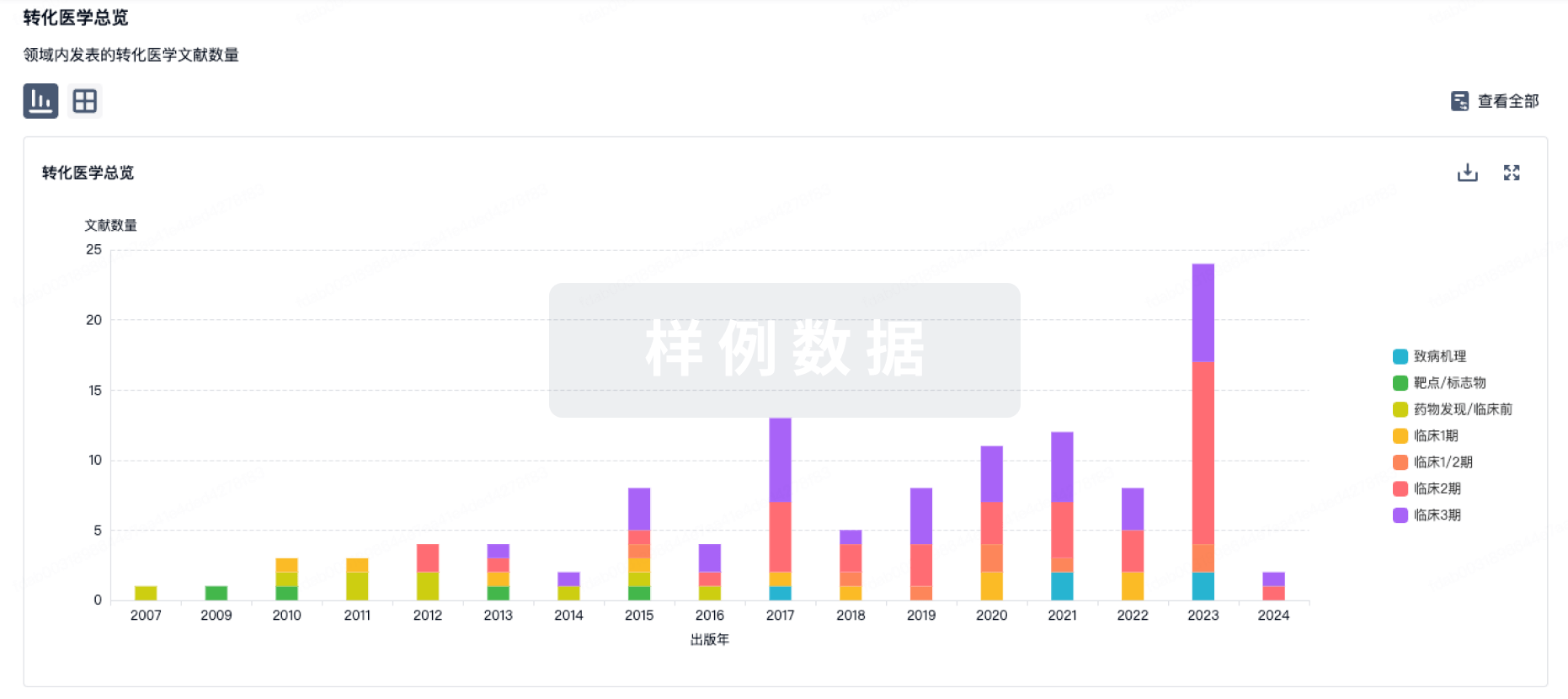
转化医学
使用我们的转化医学数据加速您的研究。
登录
或
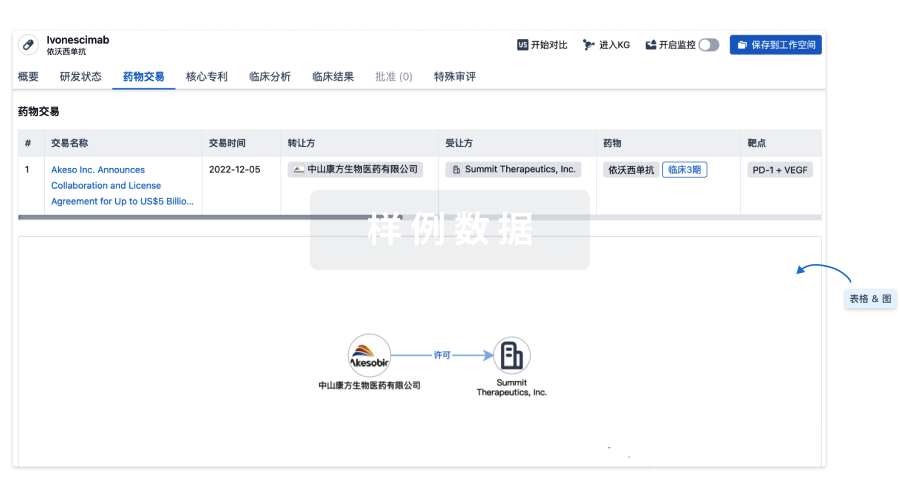
药物交易
使用我们的药物交易数据加速您的研究。
登录
或
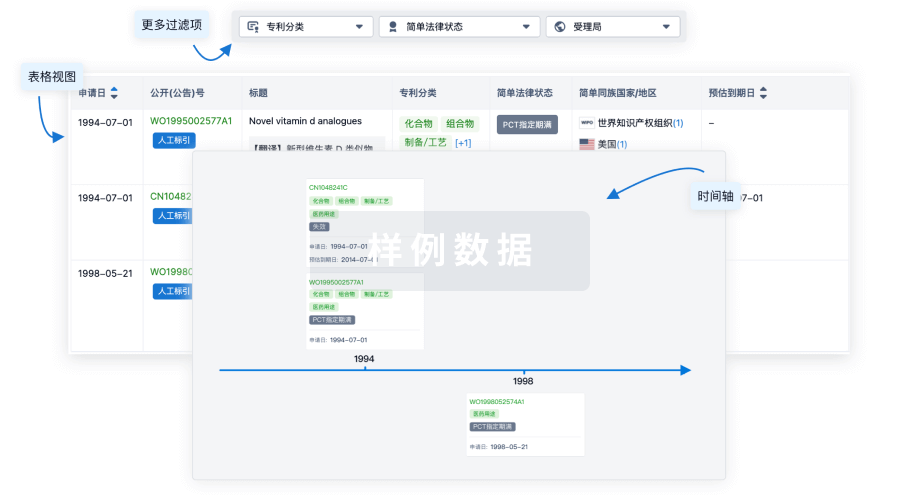
核心专利
使用我们的核心专利数据促进您的研究。
登录
或
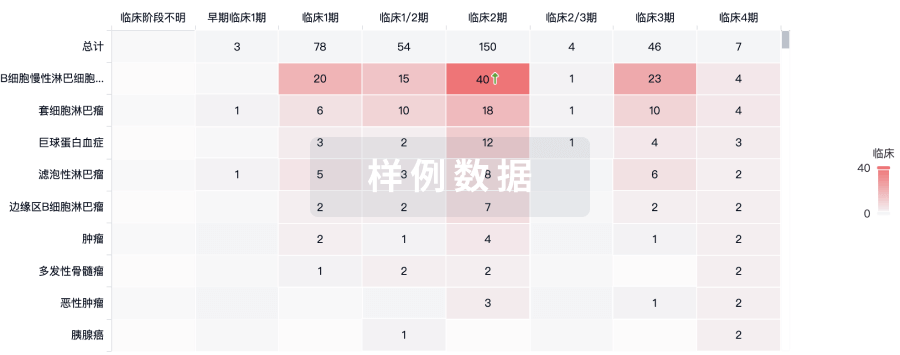
临床分析
紧跟全球注册中心的最新临床试验。
登录
或
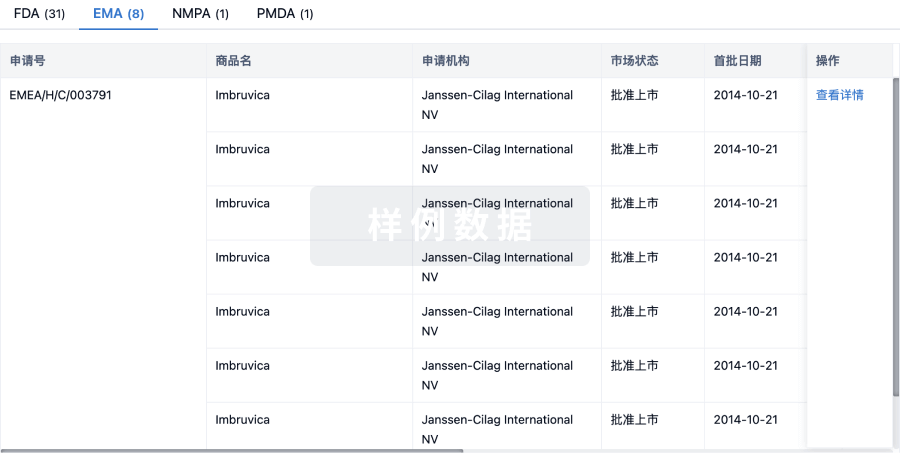
批准
利用最新的监管批准信息加速您的研究。
登录
或
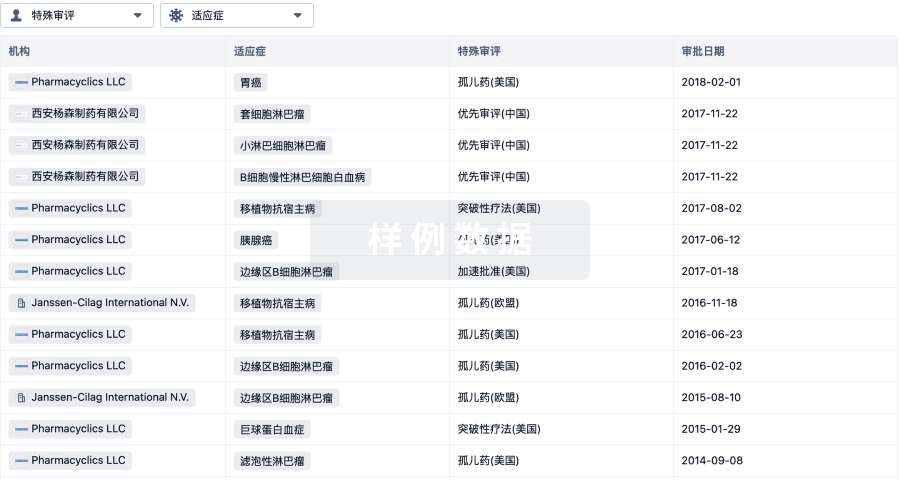
特殊审评
只需点击几下即可了解关键药物信息。
登录
或
生物医药百科问答
全新生物医药AI Agent 覆盖科研全链路,让突破性发现快人一步
立即开始免费试用!
智慧芽新药情报库是智慧芽专为生命科学人士构建的基于AI的创新药情报平台,助您全方位提升您的研发与决策效率。
立即开始数据试用!
智慧芽新药库数据也通过智慧芽数据服务平台,以API或者数据包形式对外开放,助您更加充分利用智慧芽新药情报信息。
生物序列数据库
生物药研发创新
免费使用
化学结构数据库
小分子化药研发创新
免费使用