预约演示
更新于:2026-10-21
Daglutril
达格鲁曲
更新于:2026-10-21
概要
基本信息
原研机构 |
在研机构- |
权益机构- |
最高研发阶段终止临床2期 |
首次获批日期- |
最高研发阶段(中国)- |
特殊审评- |

登录后查看时间轴
结构/序列
分子式C31H38N2O6 |
InChIKeyXMQODGUTLZXUGZ-RPBOFIJWSA-N |
CAS号182821-27-8 |
关联
2
项与 达格鲁曲 相关的临床试验NCT00160225
A Randomized, Double-Blind, Placebo Controlled, Two-Treatment and Two-Period Cross-Over, Mono-Center Study to Evaluate the Efficacy and Safety of Daglutril 300 mg Once Daily Compared to Placebo on Top of Losartan in Type 2 Diabetics With Overt Nephropathy and Well Controlled Hypertension
NCT00160212
A Randomized, Placebo-Controlled, Double-Blind, Six-Arm, Dose Escalation, Multi-Center Study to Evaluate the Efficacy and Safety of SLV306: 150, 300, 600 mg Once Daily, 150-300 mg Twice Daily and Amlodipine 5-10 mg Once Daily in Subjects With Hypertension
100 项与 达格鲁曲 相关的临床结果
登录后查看更多信息
100 项与 达格鲁曲 相关的转化医学
登录后查看更多信息
100 项与 达格鲁曲 相关的专利(医药)
登录后查看更多信息
15
项与 达格鲁曲 相关的文献(医药)2015-10-13Expert opinion on pharmacotherapy3区 · 医学
An update of the blockade of the renin angiotensin aldosterone system in clinical practice
3区 · 医学
Review
作者: Julián Segura ; Luis M Ruilope ; Gema Ruiz-Hurtado ; Diego F Márquez
INTRODUCTION:
Cardiovascular disease (CVD) is the leading cause of death worldwide. Blockade of this system is commonly used in the treatment of cardiovascular (CV) and renal disease.
AREAS COVERED:
Data from multiple clinical trials have provided good evidence about the benefit of blocking the system as a therapeutic target to reduce CV and renal events. We have reviewed all the tested combinations of different drugs counteracting the effects of the renin-angiotensin-aldosterone system.
EXPERT OPINION:
Monotherapy with an angiotensin-converting enzyme inhibitor (ACEi) or an angiotensin II receptor blocker (ARB) remains valid in all the guidelines, whereas their dual combination has been discarded due to the absence of proven benefits in high CV risk patients and in patients with chronic kidney disease (CKD). The combination of the standard therapy with an ACEi or an ARB with a mineralocorticoid receptor blocker is a valid option, but has the inconvenience of frequent hyperkalemia in patients with CKD. Similarly, the addition of the direct renin inhibitor, aliskiren, to this standard therapy is not particularly supported in diabetic patients. New dual-acting blockers, for example, those combining valsartan and neprilysin inhibitors (LCZ696-Novartis) or endothelin converting enzyme inhibitors and neprilysin inhibitors (ECEI, Daglutril-Solvay), are currently under investigation.
2014-12-01British Journal of Pharmacology
Endothelin@25 – new agonists, antagonists, inhibitors and emerging research frontiers:IUPHAR R eview 12
Review
作者: Davenport, A P ; Maguire, J J
Since the discovery of endothelin (ET)‐1 in 1988, the main components of the signalling pathway have become established, comprising three structurally similar endogenous 21‐amino acid peptides,ET‐1,ET‐2 andET‐3, that activate twoGPCRs,ETAandETB. Our aim in this review is to highlight the recent progress inETresearch. TheET‐like domain peptide, corresponding to prepro‐ET‐193–166, has been proposed to be co‐synthesized and released withET‐1, to modulate the actions of the peptide.ET‐1 remains the most potent vasoconstrictor in the human cardiovascular system with a particularly long‐lasting action. To date, the major therapeutic strategy to block the unwanted actions ofETin disease, principally in pulmonary arterial hypertension, has been to use antagonists that are selective for theETAreceptor (ambrisentan) or that block both receptor subtypes (bosentan). Macitentan represents the next generation of antagonists, being more potent than bosentan, with longer receptor occupancy and it is converted to an active metabolite; properties contributing to greater pharmacodynamic and pharmacokinetic efficacy. A second strategy is now being more widely tested in clinical trials and uses combined inhibitors ofET‐converting enzyme and neutral endopeptidase such asSLV306 (daglutril). A third strategy based on activating theETBreceptor, has led to the renaissance of the modified peptide agonistIRL1620 as a clinical candidate in delivering anti‐tumour drugs and as a pharmacological tool to investigate experimental pathophysiological conditions. Finally, we discuss biased signalling, epigenetic regulation and targeting with monoclonal antibodies as prospective new areas forETresearch.
2013-12-01Journal of the renin-angiotensin-aldosterone system : JRAAS4区 · 医学
New drug therapies interfering with the renin–angiotensin–aldosterone system for resistant hypertension
4区 · 医学
ReviewOA
作者: Lorthioir, Aurélien ; Azizi, Michel ; Bobrie, Guillaume ; Monge, Matthieu
There is a persistent need for the development of new antihypertensive drugs, because the control of blood pressure is still not achievable in a significant proportion of hypertensive patients. Since the approval in 2007 of aliskiren, no other new antihypertensive based on new mechanism(s) of action have been approved. In fact, the development of promising novel drugs has been stopped for safety, efficacy or marketing reasons. Despite these difficulties, the pipeline is not dry and different new antihypertensive strategies targeting the renin-angiotensin-aldosterone pathway, are in clinical development stage. The dual angiotensin II receptor-neprilysin inhibitor LCZ696, a single molecule synthetized by cocrystallisation of valsartan and the neprilysin inhibitor prodrug AHU377 is in development for resistant hypertension and for heart failure. Daglutril is a dual neprylisin-endothelin converting enzyme inhibitor which was shown to decrease BP in patients with type 2 diabetic nephropathy. Aldosterone synthase inhibitors and the third and fourth generation non-steroidal dihydropyridine based mineralocorticoid receptors blockers are new ways to target the multiple noxious effects of aldosterone in the kidney, vessels and heart. Centrally acting aminopeptidase A inhibitors block brain angiotensin III formation, one of the main effector peptides of the brain renin angiotensin system. However, a long time will be still necessary to evaluate extensively the efficacy and safety of these new approaches. In the mean time, using appropriate and personalized daily doses of available drugs, decreasing physician inertia, improving treatment adherence, improving access to healthcare and reducing treatment costs remain major objectives to reduce the incidence of resistant hypertension.
100 项与 达格鲁曲 相关的药物交易
登录后查看更多信息
外链
| KEGG | Wiki | ATC | Drug Bank |
|---|---|---|---|
| - | - | - |
研发状态
10 条进展最快的记录, 后查看更多信息
登录
| 适应症 | 最高研发状态 | 国家/地区 | 公司 | 日期 |
|---|---|---|---|---|
| 2型糖尿病 | 临床2期 | 意大利 | 2005-07-01 | |
| 肾脏疾病 | 临床2期 | 意大利 | 2005-07-01 | |
| 高血压 | 临床2期 | 澳大利亚 | 2004-12-01 | |
| 高血压 | 临床2期 | 保加利亚 | 2004-12-01 | |
| 高血压 | 临床2期 | 丹麦 | 2004-12-01 | |
| 高血压 | 临床2期 | 爱沙尼亚 | 2004-12-01 | |
| 高血压 | 临床2期 | 德国 | 2004-12-01 | |
| 高血压 | 临床2期 | 匈牙利 | 2004-12-01 | |
| 高血压 | 临床2期 | 以色列 | 2004-12-01 | |
| 高血压 | 临床2期 | 拉脱维亚 | 2004-12-01 |
登录后查看更多信息
临床结果
临床结果
适应症
分期
评价
查看全部结果
登录后查看更多信息
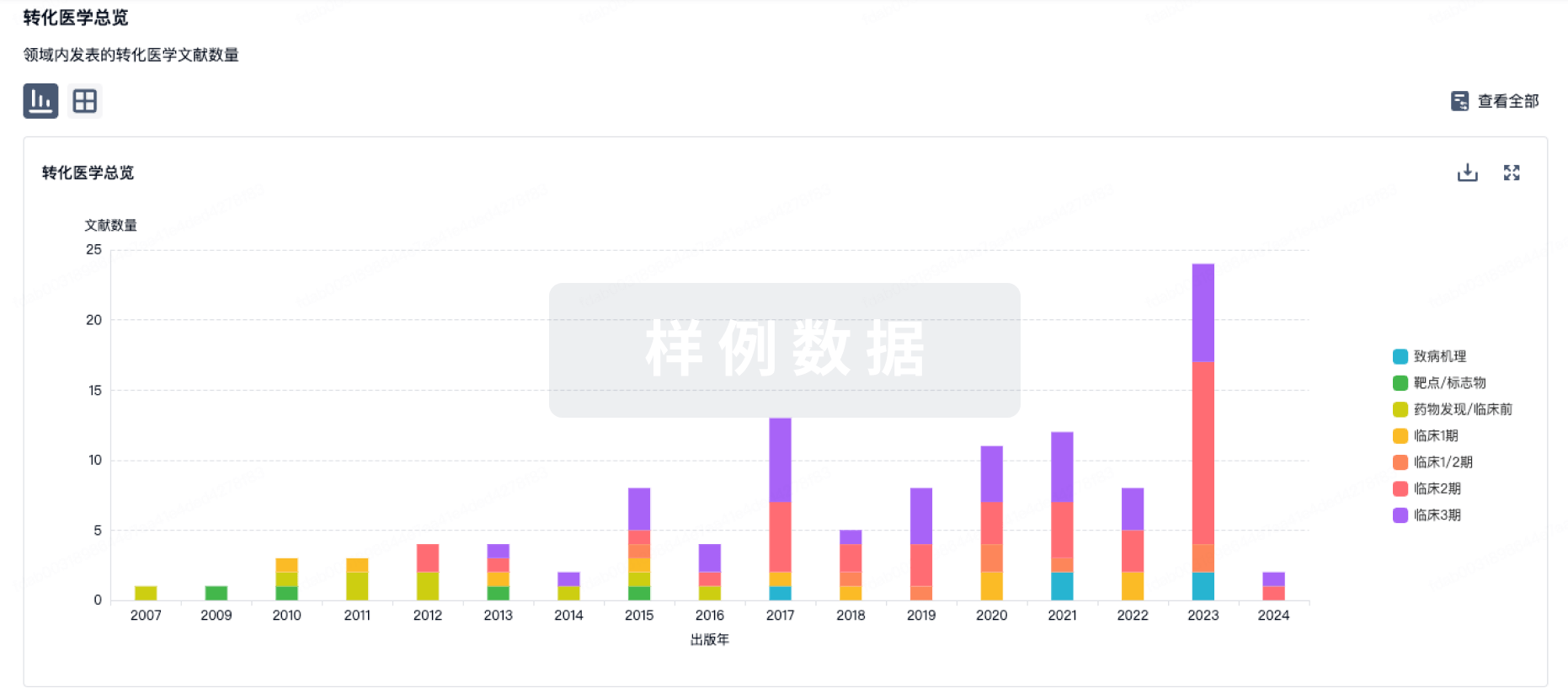
转化医学
使用我们的转化医学数据加速您的研究。
登录
或
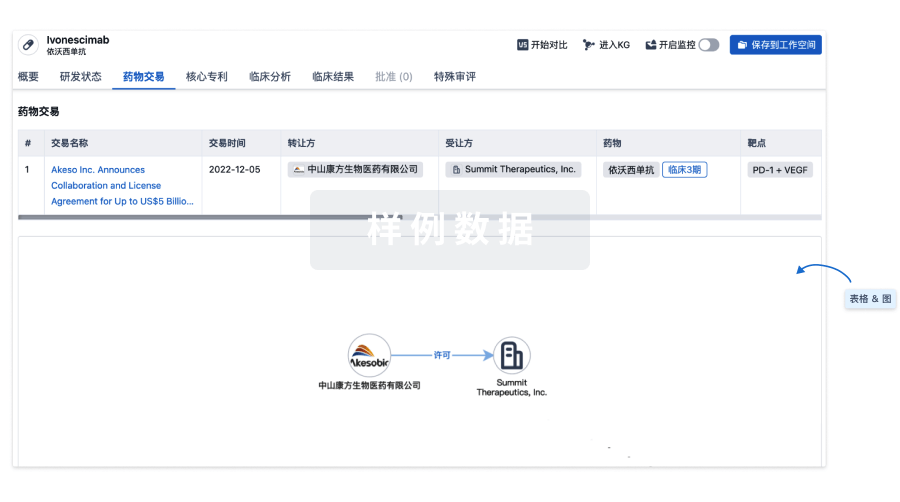
药物交易
使用我们的药物交易数据加速您的研究。
登录
或
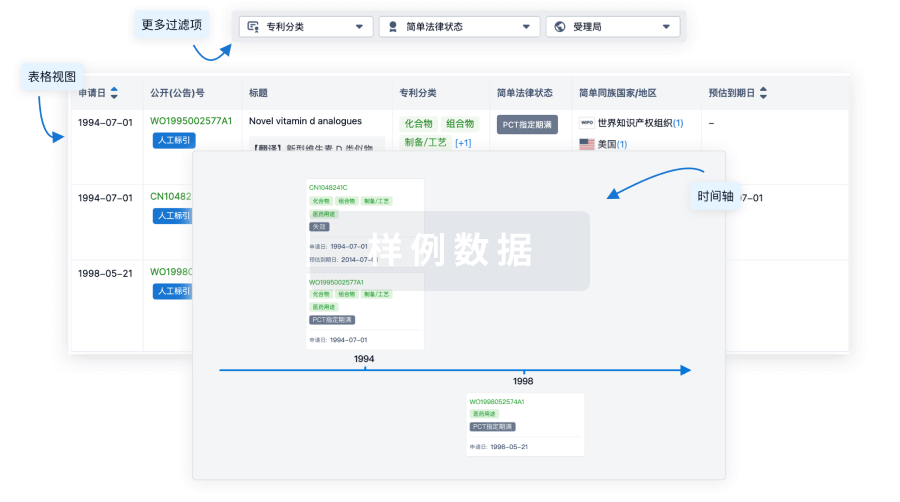
核心专利
使用我们的核心专利数据促进您的研究。
登录
或
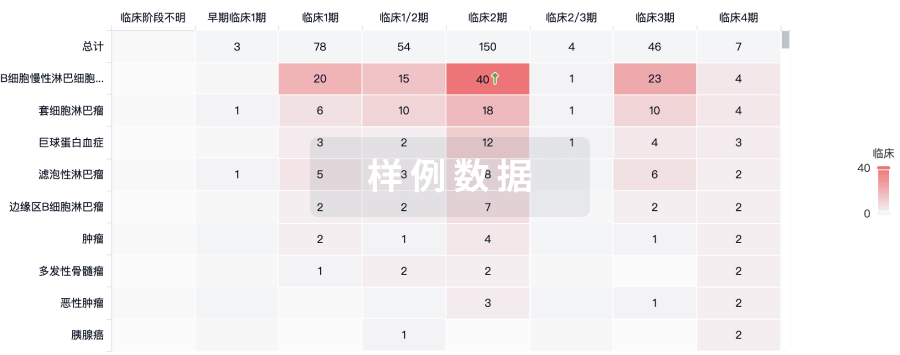
临床分析
紧跟全球注册中心的最新临床试验。
登录
或
批准
利用最新的监管批准信息加速您的研究。
登录
或
特殊审评
只需点击几下即可了解关键药物信息。
登录
或
提出任何生物医药研究问题
让每一步生物医药决策都精准制胜
基于十亿级生物数据与全球情报的精准 AI,赋能早期药物发现
立即开始免费试用!
智慧芽新药情报库是智慧芽专为生命科学人士构建的基于AI的创新药情报平台,助您全方位提升您的研发与决策效率。
立即接入生物医药数据包
智慧芽新药库数据也通过智慧芽开放平台,以MCP或API服务形式对外开放。立即使用我们的MCP服务定制您的LLM智能体。
生物序列数据库
生物药研发创新
免费使用
化学结构数据库
小分子化药研发创新
免费使用