预约演示
更新于:2026-05-23
Autologous CD19 CAR-T(Hematology Hospital of Chinese Academy of Medical Sciences)
更新于:2026-05-23
概要
基本信息
原研机构 |
在研机构 |
非在研机构- |
权益机构- |
最高研发阶段早期临床1期 |
首次获批日期- |
最高研发阶段(中国)早期临床1期 |
特殊审评- |
登录后查看时间轴
关联
1
项与 Autologous CD19 CAR-T(Hematology Hospital of Chinese Academy of Medical Sciences) 相关的临床试验NCT06680388
Exploratory Clinical Study to Evaluate the Safety and Efficacy of Autologous CD19 CAR-T in the Treatment of Relapsed/Refractory Autoimmune Diseases
Autoimmune diseases such as systemic lupus erythematosus (SLE), diffuse cutaneous systemic sclerosis (dcSSc), antineutrophil cytoplasmic antibody (ANCA) -associated vasculitis (AAV), idiopathic inflammatory myopathy (IIM), and Sjogren's syndrome (SS) have complex etiologies and are prone to cause systemic multiple organ damage. Because patients need lifelong medication due to repeated disease recurrence, and the current treatment of the above autoimmune diseases has limited efficacy and greater side effects, so that patients bear an excessive burden of disease, therefore, there is an urgent need to explore safer and more effective treatment.
Several autologous CAR-T products targeting CD19 have been marketed for the treatment of B-cell hematological malignancies. Depletion of B cells to suppress abnormal immune responses is also currently one of the popular strategies for the treatment of antibody-mediated autoimmune diseases, and many clinical studies of CAR-T against autoimmune diseases are still ongoing.
Therefore, a dose escalation trial is planned to evaluate the safety, tolerability, and preliminary efficacy of autologous CD19 CAR-T in patients with relapsed/refractory autoimmune diseases.
Several autologous CAR-T products targeting CD19 have been marketed for the treatment of B-cell hematological malignancies. Depletion of B cells to suppress abnormal immune responses is also currently one of the popular strategies for the treatment of antibody-mediated autoimmune diseases, and many clinical studies of CAR-T against autoimmune diseases are still ongoing.
Therefore, a dose escalation trial is planned to evaluate the safety, tolerability, and preliminary efficacy of autologous CD19 CAR-T in patients with relapsed/refractory autoimmune diseases.
开始日期2024-11-15 |
申办/合作机构 |
100 项与 Autologous CD19 CAR-T(Hematology Hospital of Chinese Academy of Medical Sciences) 相关的临床结果
登录后查看更多信息
100 项与 Autologous CD19 CAR-T(Hematology Hospital of Chinese Academy of Medical Sciences) 相关的转化医学
登录后查看更多信息
100 项与 Autologous CD19 CAR-T(Hematology Hospital of Chinese Academy of Medical Sciences) 相关的专利(医药)
登录后查看更多信息
3
项与 Autologous CD19 CAR-T(Hematology Hospital of Chinese Academy of Medical Sciences) 相关的文献(医药)2026-04-01·MOLECULAR THERAPY
Autologous CD19 CAR-T cell therapy for pediatric and adult systemic lupus erythematosus: A phase 1/2 trial
Article
作者: Tian, Zhenglong ; Huang, Yanhong ; Wang, Chongkai ; Feng, Xiaoming ; Wang, Zelin ; Cui, Xinyi ; Wang, Siwen ; Chen, Chen ; Zhao, Chenyang ; Zheng, Qinlong ; Shan, Lingling ; Li, Ting ; Xu, Xiuwen ; Yan, Fangrong ; Pan, Jing ; Li, Sha
Clinical evidence regarding chimeric antigen receptor (CAR) therapy for systemic lupus erythematosus (SLE) remains limited. Here, we report a phase 1/2 trial evaluating the safety and efficacy of autologous CD19 CAR-T therapy. This study includes dose escalation and expansion stages, utilizing time-to-event Bayesian optimal interval phase 1/2 design for assigning doses based on benefit-risk trade-off. Primary endpoints were dose-limiting toxicity (DLT) within 28 days and adverse events (AEs) within 30 days in phase 1 and overall response rate at months 3 and 6 in phase 2. Eighteen patients, predominantly pediatric (n = 15), including 15 with Systemic Lupus Erythematosus Disease Activity Index-2000 (SLEDAI-2K) ≥4 were enrolled. No DLT occurred, and the recommended dose for phase 2 was 1 × 10⁶ CAR-T cells/kg. AEs included grade 1 cytokine release syndrome in 72%, neurotoxicity in 17%, and grade 1-2 infections in 17%. At months 3 and 6, of 15 patients with baseline SLEDAI-2K ≥4, 9 and 12, respectively, achieved SRI-4 response, 1 achieved lupus low disease activity state at 6 months, and 2 were non-responders. Three with baseline SLEDAI-2K <4 achieved definition of remission in SLE. With a median follow-up of 10.2 months, all responders maintained response without immunosuppressants, except for 1 relapse. CAR-T cells persisted for a median of 56 days and ablated B cells transiently. This approach shows safety and preliminary efficacy.
2025-08-01·Transplantation and Cellular Therapy
Low Peripheral Blood Counts and Elevated Proinflammatory Cytokines Signal a Poor CD19 Chimeric Antigen Receptor T-cell Response in Acute Lymphoblastic Leukemia
Article
作者: Jensen, Michael C ; Annesley, Colleen ; Hirayama, Alexandre V ; Turtle, Cameron J ; Burleigh, Katelyn ; Gardner, Rebecca A ; Stratton, Kelly G ; Gustafson, Heather H ; Smith, Jenny L ; Summers, Corinne ; Webb-Robertson, Bobbie-Jo ; Keenan, Camille
CD19 chimeric antigen receptor T-cell (CAR-T) therapy has significantly improved outcomes for patients with relapsed/refractory B-cell acute lymphoblastic leukemia (R/R B-ALL). However, approximately 20% of patients fail to achieve a complete remission (CR), and some develop severe, life-threatening toxicities. Understanding the biological mechanisms underlying both dysfunctional responses and severe toxicity is essential for optimizing patient management and improving therapeutic efficacy. This study aimed to (1) characterize cytokine profiles associated with dysfunctional responses and severe toxicity following CAR-T infusion, (2) examine the timing and trajectory of cytokine changes in relation to treatment outcomes, and evaluate potential strategies for mitigating toxicity and treatment failure. We conducted a comprehensive analysis of serum cytokine profiles in 86 adult and pediatric patients undergoing autologous CD19 CAR-T therapy for B-ALL. Patients were categorized into three groups: (1) Dysfunctional response-Patients who failed to achieve a minimal residual disease-negative CR (MRD-CR) by Day 63 or who experienced recurrence of CD19+ disease in the setting ongoing CAR-T cell detection before Day 63. (2) Functional response with severe cytokine release syndrome (CRS) and/or neurotoxicity (NTX)-Patients with best response of MRD-CR by Day 63 who experienced grade 3 or higher CRS or NTX. (3) Functional response without severe CRS or NTX-Patients with best response of MRD-CR by Day 63 who did not experience grade ≥3 CRS or NTX. Cytokine levels were measured during the first-week postinfusion and correlated with treatment efficacy, toxicity outcomes, complete blood counts, and CAR-T expansion dynamics. This analysis aimed to better understand how cytokine profiles relate to patient outcomes and immune responses in CAR-T therapy. Patients with dysfunctional response exhibited decreased neutrophils, platelets, and levels of granulocytic cytokines (suggestive of low bone marrow reserve) alongside elevated pro-inflammatory cytokines by Day 1. Functional response with severe toxicity patients showed a progressive rise in proinflammatory cytokines, reaching similar levels to dysfunctional response patients by Day 7. We observed that high cytokines at both the Day 1 and Day 7 time points were associated with poor survival. These findings remained significant when adjusting for high disease burden, a known predictor of severe inflammatory toxicity and lack of response. Early post-CAR-T infusion inflammation is associated with both dysfunctional response and severe toxicity-even after adjusting for disease burden. This suggests that inflammation, in addition to disease burden, plays a role in determining patient outcome. Therefore, strategies aimed at reducing the pro-inflammatory state prior to or early after CAR-T cell infusion may improve outcomes for R/R B-ALL patients.
2022-09-01·INTERNATIONAL JOURNAL OF HEMATOLOGY
Efficacy and safety of CD19 CAR-T cell therapy for acute lymphoblastic leukemia patients relapsed after allogeneic hematopoietic stem cell transplantation
Review
作者: Li, Jing-Jing ; Lu, Pei-Hua ; Cao, Xing-Yu ; Liu, Kai-Yan
Allogeneic hematopoietic stem cell transplantation (allo-HSCT) is an effective therapy for B-cell acute lymphoblastic leukemia (B-ALL). Although allo-HSCT can be curative for some B-ALL patients, relapse still occurs in some patients following allo-HSCT. Conventional chemotherapies show poor efficacy in B-ALL patients who have relapsed following allo-HSCT. In the past decade, chimeric antigen receptor T-cell (CAR-T) therapy has shown to be efficacious for B-ALL patients. In particular, autologous CD19 CAR-T therapy results in a high remission rate. However, there are challenges in the use of CD19 CAR-T therapy for B-ALL patients who have relapsed following allo-HSCT, including the selection of CAR-T cell source for manufacturing, post-CAR-T graft-versus-host disease (GVHD) risk, maintenance of long-term efficacy after remission through CAR-T therapy, and whether a consolidative second transplant is needed. In this review, we describe the current status of CAR-T therapy for B-ALL patients who have relapsed following allo-HSCT, the advantages and disadvantages of various CAR-T cell sources, the characteristics and management of GVHD following CAR-T therapy, and the risk factors that may affect long-term efficacy.
100 项与 Autologous CD19 CAR-T(Hematology Hospital of Chinese Academy of Medical Sciences) 相关的药物交易
登录后查看更多信息
研发状态
10 条进展最快的记录, 后查看更多信息
登录
| 适应症 | 最高研发状态 | 国家/地区 | 公司 | 日期 |
|---|---|---|---|---|
| 特发性炎症性肌病 | 临床1期 | 中国 | 2024-11-15 | |
| 显微镜下多血管炎 | 临床1期 | 中国 | 2024-11-15 | |
| 系统性硬皮病 | 临床1期 | 中国 | 2024-11-15 | |
| 干燥综合征 | 临床1期 | 中国 | 2024-11-15 | |
| 系统性红斑狼疮 | 临床1期 | 中国 | 2024-11-15 | |
| 中枢神经系统血管炎 | 临床1期 | 中国 | 2024-11-15 |
登录后查看更多信息
临床结果
临床结果
适应症
分期
评价
查看全部结果
| 研究 | 分期 | 人群特征 | 评价人数 | 分组 | 结果 | 评价 | 发布日期 |
|---|
No Data | |||||||
登录后查看更多信息
转化医学
使用我们的转化医学数据加速您的研究。
登录
或
药物交易
使用我们的药物交易数据加速您的研究。
登录
或
核心专利
使用我们的核心专利数据促进您的研究。
登录
或
临床分析
紧跟全球注册中心的最新临床试验。
登录
或
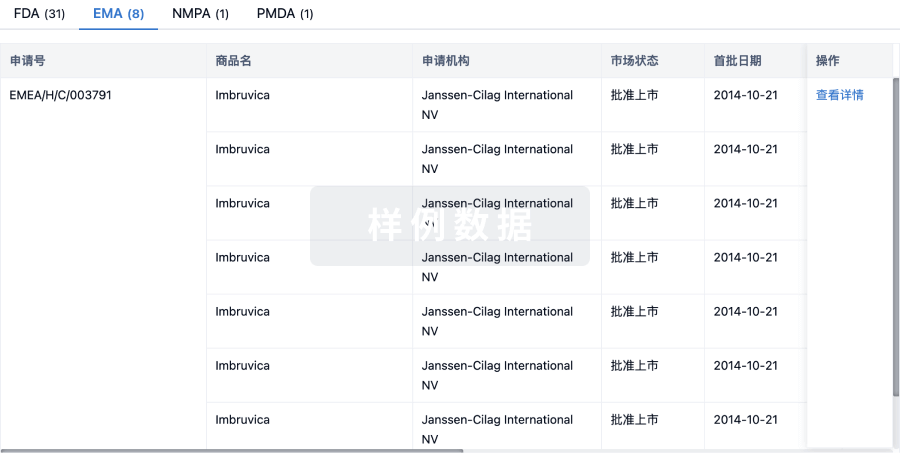
批准
利用最新的监管批准信息加速您的研究。
登录
或
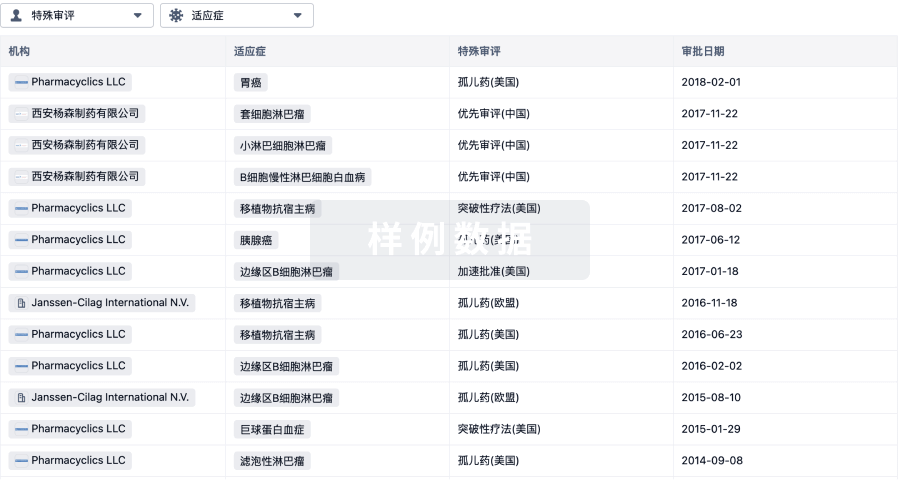
特殊审评
只需点击几下即可了解关键药物信息。
登录
或
生物医药百科问答
全新生物医药AI Agent 覆盖科研全链路,让突破性发现快人一步
立即开始免费试用!
智慧芽新药情报库是智慧芽专为生命科学人士构建的基于AI的创新药情报平台,助您全方位提升您的研发与决策效率。
立即开始数据试用!
智慧芽新药库数据也通过智慧芽数据服务平台,以API或者数据包形式对外开放,助您更加充分利用智慧芽新药情报信息。
生物序列数据库
生物药研发创新
免费使用
化学结构数据库
小分子化药研发创新
免费使用