预约演示
更新于:2026-09-26
Trop2-adc(Shandong Fontacea Pharmaceutical)
更新于:2026-09-26
概要
基本信息
原研机构 |
在研机构 |
非在研机构- |
权益机构- |
最高研发阶段临床前 |
首次获批日期- |
最高研发阶段(中国)临床前 |
特殊审评- |
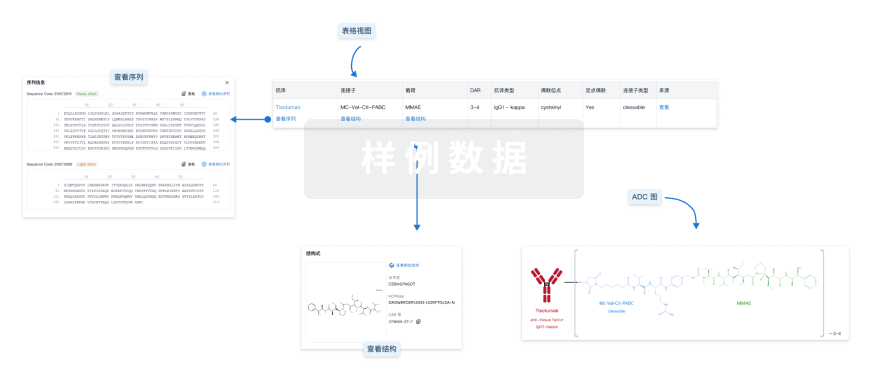
结构/序列
使用我们的ADC技术数据为新药研发加速。
登录
或
关联
100 项与 Trop2-adc(Shandong Fontacea Pharmaceutical) 相关的临床结果
登录后查看更多信息
100 项与 Trop2-adc(Shandong Fontacea Pharmaceutical) 相关的转化医学
登录后查看更多信息
100 项与 Trop2-adc(Shandong Fontacea Pharmaceutical) 相关的专利(医药)
登录后查看更多信息
7
项与 Trop2-adc(Shandong Fontacea Pharmaceutical) 相关的新闻(医药)2026-07-31
AstraZeneca and Daiichi Sankyo's TROP2-directed antibody-drug conjugate (ADC) Datroway (datopotamab deruxtecan) has been approved in the EU for the first-line treatment of adults with unresectable or metastatic triple-negative breast cancer (TNBC) who are not candidates for PD-1/PD-L1 inhibitor therapy, setting up a showdown with Gilead Sciences Trodelvy (sacituzumab govitecan).Last month, Trodelvy — also a TROP2-directed ADC — gained EU approval as monotherapy for first-line patients with unresectable or metastatic TNBC who cannot receive PD-(L)1 inhibitors. The clearance was based on progression-free survival data from the Phase III ASCENT-03 study, in which Trodelvy reduced the risk of disease progression or death by 38% compared to standard chemotherapy.Meanwhile, Datroway's latest approval was based on findings from the Phase III TROPION-Breast02 trial, which included patients with metastatic TNBC who experienced early relapse following prior treatment. Results presented at last year's European Society for Medical Oncology (ESMO) congress showed that Datroway demonstrated a statistically significant and clinically meaningful 5-month improvement in median overall survival (OS) versus investigator's choice of chemotherapy, whilst reducing the risk of disease progression or death by 43%."With this approval, Datroway is the only TROP2-directed antibody drug conjugate approved in the EU that has demonstrated an overall survival benefit in the first-line setting," said Ken Keller, global head of oncology business at Daiichi. The therapy gained a similar US label expansion in May.Despite its first-mover advantage in TNBC in the US, doctors recently polled by FirstWord expect there to be room for multiple entrants in the space. For more, see — Physician Views Results: Though Datroway is first to front line, oncologists see room for two (or more) in TROP2 ADC showdown.Shortly after the poll was fielded, Trodelvy won a US label expansion for front-line use as monotherapy to treat adults with unresectable, locally advanced or metastatic TNBC who cannot receive PD-(L)1 therapy. The nod was accompanied by a second approval to include use in combination with Merck & Co.'s Keytruda (pembrolizumab), or the Keytruda Qlex-branded subcutaneous formulation of the PD-1 inhibitor, as a first-line treatment for adults with unresectable, locally advanced or metastatic TNBC whose tumours express PD-L1.
临床结果上市批准临床3期抗体药物偶联物
2023-07-04
药物研发进展
1.华东医药FRα ADC索米妥昔单抗申报上市并被纳入拟优先审评
7月3日,CDE官网显示,华东医药全资子公司中美华东旗下叶酸受体α(FRα)靶向ADC新药索米妥昔单抗注射液申报上市并被纳入拟优先审评,适用于既往接受过1-3种系统治疗的FRα阳性的铂类耐药的上皮性卵巢癌、输卵管癌或原发性腹膜癌成年患者。索米妥昔单抗为华东医药与ImmunoGen合作开发的针对FRα(一种在卵巢癌中高表达的细胞表面蛋白)靶点的全球首创(first-in-class)ADC药物,由FRα结合抗体、可裂解的连接子和美登木素生物碱DM4组成。2020年10月,华东医药与ImmunoGen达成协议,以4000万美元首付款和最高2.65亿美元里程碑付款以及约定比例的销售额提成费获得索米妥昔单抗在中国的开发和商业化权益,而ImmunoGen则保留该产品中国以外地区的所有权益。2022年11月,索米妥昔单抗基于单臂研究SORAYA试验获得FDA加速批准上市。该研究招募了106例铂类耐药性高级别浆液性上皮性卵巢癌、原发性腹膜癌或输卵管癌患者。结果显示,经研究者评估的客观缓解率(ORR)为32.4%,经BICR评估的ORR为31.6%。根据ImmunoGen财报,索米妥昔单抗正在逐步放量,2023Q1销售额达2950万美元。ImmunoGen还开展了另一项验证性III期MIRASOL研究,旨在将索米妥昔单抗在美国的加速批准转化为完全批准。2023年5月,MIRASOL研究传来捷报,相比化疗,索米妥昔单抗使患者的总生存期(OS)从12.75个月延长到16.46个月,死亡风险降低33%,成为首个延长FRα阳性铂耐药卵巢癌患者OS的新药;无进展生存期(PFS)从3.98个月延长到5.62个月。
2.创新高血压药3期试验积极结果公布,上市申请已递交
近日,Idorsia公司公布了其在研疗法aprocitentan用于治疗顽固性高血压的3期临床试验PRECISION的新数据。结果显示,aprocitentan可诱导患者夜间收缩压的显著降低,相比于安慰剂,在治疗4周后使受试者的夜间血压下降模式正常化的比例更高。在全世界,高血压患者约有13亿,其中的10%患者,也就是有超过1亿名病患为顽固性高血压,即他们尽管接受了至少3种以上不同种类的抗血压药物,血压仍然得不到控制。高血压的产生除了与患者的遗传倾向有关外,肥胖、糖尿病、久坐、精神压力等也与高血压的发病有关联。对于高血压患者,稳定、长期地控制血压是治疗的首要目标。这是因为长期不受控的高血压可能对心脏与血管造成伤害,进而增加患者发生心脏病、肾衰竭、血管性痴呆与脑卒中的风险。Aprocitentan是一款靶向双重内皮素(endothelin)受体的口服拮抗剂,由Idorsia与杨森联合开发。内皮素信息通路控制血管的收缩,被发现与高血压病变相关,在顽固性高血压患者中,此通路经常被发现活化,然而目前并没有抑制此通路的疗法。Aprocitentan除具潜力抑制内皮素通路外,其与其他药物产生药物间相互作用的机率低,这些特征都让aprocitentan具潜力成为治疗顽固性高血压患者的药物。此前PRECISION研究的数据分析显示,当与其他高血压背景疗法联合使用时,aprocitentan可造成顽固性高血压患者血压在统计与临床上显著的下降,并维持长达48周。此次公布的数据重点关注aprocitentan对动态血压测量(ABPM)相关指标的影响,包括基于夜间血压值对心血管事件高风险患者进行的事后分析。根据新闻稿,如果这款药物最终获批,将可能成为30年来首个基于新机制的降血压药物!
3.阿斯利康/第一三共TROP2 ADC首个III期研究达到PFS主要终点
7月3日,阿斯利康和第一三共联合宣布,Dato-DXd(datopotamab deruxtecan,DS-1062)用于既往至少接受过一次治疗的局部晚期或转移性非小细胞肺癌(NSCLC)患者的III期TROPION-lung 01研究达到无进展生存期(PFS)主要终点。 另一个主要终点总生存期(OS)的数据尚未成熟。新闻稿显示,这是Dato-DXd的首个III期临床结果。TROPION-Lung01是一项随机、开放标签的全球多中心III期临床,旨在评估Dato-DXd(6.0mg/kg)与多西他赛(75mg/m2)在既往至少接受过一次治疗的局部晚期或转移性NSCLC患者的有效性和安全性。研究的主要终点是盲态独立中心审查委员会(BICR)评估的OS和PFS。关键次要终点包括研究者评估的PFS、客观缓解率(ORR)、缓解持续时间、缓解时间,以及BICR和研究者评估的疾病控制率,安全性。结果显示,该研究达到PFS主要终点,具有统计学意义的改善,OS主要终点还未成熟,但在中期分析中已观察到有利于Dato-DXd的趋势。安全性方面,与以前的数据一致,没有观察到新的安全信号,间质性肺疾病(ILD)多为低级事件。Dato-DXd是由阿斯利康和第一三共合作开发的一款TROP2 ADC,采用第一三共专有的DXd ADC技术设计,由与札幌医科大学合作开发的人源化抗TROP2 IgG1单克隆抗体组成,通过四肽可裂解连接子与多个拓扑异构酶I抑制剂有效载荷(一种exatecan衍生物)相连。目前,Dato-DXd正在全球范围内开展TROPION系列临床开发计划,旨在评估其在包括NSCLC、三阴性乳腺癌、HR阳性/HER2低表达或阴性乳腺癌等多种实体瘤中的疗效和安全性。此外,该产品还有多项临床正在以新的联合方式进行评估。
4.优于拉坦前列腺素!Nicox展示NCX 470 3期临床数据
7月3日,眼科公司Nicox SA宣布,在2023年6月28日至7月1日于意大利罗马举行的第10届世界青光眼大会(WGC)上,公司旗下主要候选药物NCX 470的更多数据已经提交。NCX 470的3期Mont Blanc自适应设计数据和额外子集分析显示,该药优于拉坦前列腺素。青光眼是全球排名第一的不可逆性致盲眼病。据统计,全世界青光眼患者共有7000多万,其中1250万人因青光眼致盲;40岁以上人群中青光眼的患病率高达3.2%;预计2040年全球青光眼的患病人数将增至1.118亿。青光眼主要是各种原因引起房水循环的堵塞,导致眼睛内部的压力(眼压)增高,从而引起一系列的症状,比如眼痛、流眼泪、头痛、怕光以及视力下降等。NCX 470是一种新型的一氧化氮供体型贝美前列素滴眼液,目前处于3期临床开发阶段,用于降低开角型青光眼或高眼压症患者的眼压。第一项3期试验Mont Blanc于2022年10月完成,这是一项在美国进行的比较NCX 470(0.1%)和拉坦前列腺素(0.005%)的随机、双盲、多中心、平行组试验。第二项3期试验Denali正在进行中,该试验的设计与Mont Blanc试验相似,包括长期安全性扩展。在Mont Blanc 3期试验的适应性剂量选择阶段,NCX 470 0.1%的平均昼夜眼压(IOP)相对于基线的降幅比拉坦前列腺素大1.73mmHg。该试验还显示,在测定的9个时间点中,NCX 470在所有9个时间点均达到了主要疗效终点(与拉坦前列腺素相比,非劣效性)。此外,在第2周、第6周和第3个月时,NCX 470组眼压下降≥10 mmHg的受试者比例(69% ~ 46%)高于拉坦前列腺素组(60% ~ 34%),差异具有统计学意义。此外,NCX 470安全性和耐受性良好。
5.帮助女性平稳度过更年期,FDA获批新药Veozah公布积极3期试验结果
近日,安斯泰来(Astellas Pharma)公布了其口服药物Veozah(fezolinetant)用于治疗由更年期引起的中度至重度血管舒缩症状(VMS,即潮热)的3b期临床试验的积极结果。更年期是女性生命中月经停止时自然进入的一个阶段,通常发生在45至55岁之间。更年期常常被称为“生命的转变”或“更迭”。在更年期,女性的身体慢慢地减少生产雌激素和孕激素。当一位女性连续12个月没有月经时,她就进入了更年期。大约80%的更年期女性会出现潮热,可能包括出汗、潮红和寒战等症状,持续几分钟。一些有阴道出血、中风、心脏病发作、血栓或肝病病史的女性,如果经历潮热,不能接受激素疗法。Veozah是神经激肽3(NK3)受体拮抗剂,可通过与受体结合以阻断其作用。神经激肽3受体参与大脑调节体温的机制。Veozah不是一种激素,而是靶向引起更年期潮热的神经活动。2023年5月,美国FDA批准Veozah上市,用于治疗由更年期引起的中度至重度血管舒缩症状。根据新闻稿,Veozah是首款获FDA批准用以治疗此类患者的NK3受体拮抗剂。此次公布的是一项随机、双盲、安慰剂对照的3b期临床试验DAYLIGHT的研究结果。该试验为期24周,纳入了超过450例患者,旨在评估Veozah在患有中度至重度VMS并被认为不适合接受激素治疗的40-65岁更年期女性中的疗效和安全性。结果显示,该研究达到了主要终点,从基线到第24周,与安慰剂组相比,接受45 mg Veozah的患者的中度至重度VMS的发生频率在统计学上显著降低。
6.银诺医药公布苏帕鲁肽3期临床数据
7月1日,银诺医药宣布已在第83届美国糖尿病协会(ADA)年会上公布长效GLP-1受体激动剂苏帕鲁肽的3期临床试验成果。试验数据显示,苏帕鲁肽单药以及联合二甲双胍治疗2型糖尿病患者均具有良好的有效性和安全性。苏帕鲁肽是由银诺医药研的一款人源化长效GLP-1受体激动剂,正在2型糖尿病(T2DM)、肥胖和非酒精性脂肪性肝炎(NASH)等代谢病领域开展研究。根据新闻稿,苏帕鲁肽已完成在针对T2DM的两项3期24周双盲治疗期的主要疗效终点评估,研究成果被第83届ADA年会接收发表,于6月25日公布。在一项随机、双盲、安慰剂对照的3期临床试验中,研究人员针对297例饮食和运动不能充分控制新诊断的T2DM患者采用苏帕鲁肽或安慰剂每周一次(QW)注射治疗,并评估苏帕鲁肽的疗效和安全性。本项研究显示,苏帕鲁肽改善T2DM患者的血糖和代谢控制,而且安全性良好。具体地,苏帕鲁肽治疗第24周,1mg和3mg QW剂量组的HbA1c从基线上分别下降了1.73%和2.15%,具有统计学和临床意义。苏帕鲁肽还显著改善葡萄糖耐量,增加饮食刺激的胰岛素和C-肽分泌,增强β细胞功能。苏帕鲁肽最常见的不良反应为消化道症状,均为轻度或中度。在另一项随机、双盲、安慰剂对照的3期临床试验中,研究人员针对340例二甲双胍控制不佳的T2DM患者采用了苏帕鲁肽或安慰剂每周一次注射治疗,评估苏帕鲁肽联合二甲双胍治疗的疗效和安全性。数据显示,苏帕鲁肽3mg组每周一次治疗后,在第24周,HbA1c从基线下降了1.81%,具有统计学和临床意义。苏帕鲁肽还显著改善葡萄糖耐量,增加饮食刺激的胰岛素和C-肽分泌,增强β细胞功能。苏帕鲁肽最常见的不良反应是消化道症状,大多为轻度或中度。研究认为,苏帕鲁肽3mg可改善二甲双胍控制不佳的T2DM患者的血糖和代谢控制,并具有良好的安全性。
7.正大天晴公布1类新药安奈克替尼最新临床结果
7月2日,正大天晴宣布,小分子受体酪氨酸激酶抑制剂安奈克替尼(unecritinib,研发代号:TQ-B3101)用于既往未接受或接受过化疗治疗的ROS1融合阳性晚期非小细胞肺癌(NSCLC)患者一线治疗的1/2期临床研究成果,全文在线发表于Signal Transduction and Targeted Therapy(《信号转导与靶向治疗》)期刊。目前,肺癌仍然是全球癌症死亡的主要原因,NSCLC约占所有肺癌的80%,其中约1%~2.6%的NSCLC患者发生ROS1基因重排。虽然ROS1融合发生率相对较低,但中国肺癌患者基数庞大,临床治疗存在巨大的未满足需求。安奈克替尼是由正大天晴研发的1类创新药,作为新型小分子受体酪氨酸激酶抑制剂,对ALK、ROS1和MET基因突变均有较强的抑制作用。2022年,安奈克替尼的多中心、2期单臂临床研究首次亮相于欧洲肺癌大会(ELCC)大会,研究显示该药可突破现有ROS1靶向治疗药物易耐药、脑转移难治、眼毒性和肝毒性高发等局限性,为ROS1融合阳性晚期NSCLC患者治疗再添出路。安奈克替尼的上市申请于2022年6月递交中国国家药监局(NMPA)并获得受理,申报的适应症为ROS1阳性的非小细胞肺癌。既往研究提示,ROS1融合的NSCLC患者约有25%~40%的NSCLC患者发生脑转移, 本研究中33例基线发生脑转移人群中独立评审委员会(IRC)评估的ORR为72.7%,经安奈克替尼治疗获得明显缓解。23例基线脑转移患者报告PFS事件,中位PFS为10.1个月。6个月PFS率达到66.3%,12个月PFS率达到24.3%。本次研究中,安奈克替尼的不良事件主要是肝脏毒性和血液毒性,3级及以上不良事件发生率低,无3级或更高级别的眼毒性和神经毒性,治疗相关不良事件可通过减量或暂时用药及对症支持治疗控制,无治疗相关的死亡发生。
8.璎黎药业泛KRAS突变抑制剂在美国获批临床
7月3日,璎黎药业宣布,其自主研发的泛KRAS突变小分子抑制剂新药获得美国FDA的临床试验许可,将于近期在美国开展I期临床研究。这是全球首个进入临床的该类抑制剂药物,也是璎黎药业在美国获批临床的第四个创新药物。KRAS是癌症中最常见的突变基因之一,KRAS驱动的突变发生在约25%的癌症患者中,其中KRAS G2C/G12D/G12V突变最为常见,并出现在多个肿瘤类型中。此次获批临床的是一种结合KRAS switch II口袋的泛KRAS突变口服小分子抑制剂YL-17231,由璎黎药业及全资子公司280Bio联合研发。临床前研究显示,较之于现有的KRAS抑制剂,YL-17231对于更多的KRAS突变类型具有更强的抑制作用,广泛适用于携带KRAS G12C、G12D、G12V、G13D、G12R、G12A等突变,以及KRAS野生型扩增的癌症和对KRAS G12C抑制剂(如sotorasib和adagrasib)产生耐药性的癌症。据了解,此前国内外尚未有这类抑制剂药物进入临床。接下来,280Bio将联手美国得克萨斯大学MD Anderson癌症中心的世界知名临床肿瘤学研究员David Hong博士共同推进YL-17231的I期临床试验,于今年第四季度招募受试者。璎黎药业董事长兼280Bio首席执行官惠欣先生表示:“公司泛KRAS突变抑制剂获得FDA批准启动1期临床试验是一个里程碑,这表明此创新药物已准备好用于肿瘤治疗,为大范围的癌症患者带来广泛的益处,并可能创造一种变革性治疗选择。”
9.药物牧场ALPK1激酶抑制剂在美国获批临床
7月3日,药物牧场(DrugFarm)宣布,美国FDA已批准DF-003的研究性新药临床申请。这是一种创新的口服、强效、高选择性ALPK1抑制剂。据悉,DF-003的1期临床试验将很快启动,计划在正常健康志愿者中评估单次和多次递增剂量。ALPK1与心脏和肾脏疾病有关,而高活突变ALPK1是导致失明的罕见遗传病ROSAH的驱动因素。因此,DF-003被认为有望治疗全球数亿患有心脏病和慢性肾脏疾病的患者,并为ROSAH综合征提供精准靶向药物。DF-003是一种高效的在研抑制剂,可抑制ALPK1和导致ROSAH患者患病的ALPK1 T237M驱动突变。该产品在心脏和肾脏动物疾病模型以及ROSAH转基因小鼠模型中展现出显著的临床前活性。此外,DF-003具有良好的类药特性,包括较低的脱靶风险和药物相互作用风险,以及符合人体每日一次给药的半衰期。药物牧场首席学官Jeysen Yogaratnam博士表示,此次获得FDA批准启动临床试验的DF-003,是该公司靶向ALPK1管线中第二个进入人体试验的管线,说明了药物牧场具备创新药物靶点和新药开发方面的创新能力。基于DF-003良好的效力和选择性,以及其穿过血眼屏障的能力,他们相信该产品将抑制关键靶组织(包括心脏、肾脏和视网膜)中的ALPK1。他们很高兴将DF-003推进临床开发,作为心脏病、肾病患者和ROSAH综合症患者一种极具前途的新疗法。

优先审批临床结果临床获批
2023-02-09
2022年的医保谈判已经落下帷幕,从谈判/竞价情况看,共计147个药品(含目录内药品续约谈判)参加谈判/竞价,最终121个药品谈判/竞价成功,总成功率达82.3%;从降价幅度看,此次医保谈判平均降幅达60.1%,与2021年基本持平,最大降幅超过90%。
121个药品中有111个为目录外药品:3个非独家药品直接调入,17个非独家药品通过竞价准入方式被调入;91个独家药品通过谈判准入方式被调入。111个新增药品包括慢病药56个、抗肿瘤药23个、抗感染药17个、罕见病药7个、新冠治疗药2个等。
通过本轮调整,国家医保药品目录内药品总数达2967种,其中西药1586种,中成药1381种;中药饮片未作调整,仍为892种。
2016年至今,国家医保谈判已经进行了七轮,不断优化目录内药品结构和疗效水平,将肿瘤药、慢病药、罕见病药和儿童用药等保障短板逐步补齐。与往年相比,2022年国谈新增品种数量、谈判成功率等均有质的飞越。
在过去的五年中,中国的创新药行业从2018年的“4+7”集采试点时的“哀鸿遍野”与“惊慌失措”,到2019年的行业发展逻辑重塑和投资希望孕育,到2020年的新冠疫情催生了行业泡沫,2021年产品收获与泡沫破灭的割裂,再到2022年的行业寒冬下的“绝处逢生”。2023年,中国的创新药巨轮再出发。
每个行业都有自身的发展逻辑和运行周期,创新药行业也不例外——萌芽→成长→成熟→狂热→泡沫破裂→低谷→复苏→蓬勃发展……生生不息,周而复始,资本、技术、人才、政策、产能、法规……影响创新药行业发展的因素太多了,有佼佼者脱颖而出,也有失败者默然离场。
在过去的两年中,国内优质的创新药公司取得的进步有目共睹,2021年,复星凯特的奕凯达(阿基仑赛注射液)和药明巨诺的倍诺达(瑞基奥仑赛注射液)获批,揭开了国内CAR-T药物的新篇章;荣昌生物的爱地希(维迪西妥单抗)成为了国内首款自主研发的ADC药物,开启了ADC药物的新时代。时间来到2022年,百济神州自主研发的新一代BTK抑制剂泽布替尼头对头挑战诺华的伊布替尼成功;康方生物自主研发的针对PD-1/CTLA-4的双抗药物开坦尼(卡度尼利单抗)成功上市;金斯瑞生物旗下的传奇生物自主研发的西达基奥仑赛注射液出海成功,在美国成功上市;尽管PD-1/PD-L1赛道极度拥挤和内卷,复宏汉霖的汉斯状(斯鲁利单抗)依然找到了差异化竞争道路,成功申报针对小细胞肺癌的适应症。
回首往昔,忆峥嵘岁月,可以发现中国的创新药行业经历了四个阶段。
扬帆起航
对于整个创新药行业来说,2015年是一个关键的转折点。在这一年,中国的创新药巨轮正式开始扬帆起航,内资企业从过去的“仿制药打天下”逐步过渡到“仿创结合”时代。
在2015年之前,彼时的CFDA(国家食品药品监督管理总局)对于创新药的定义为国内未上市新药,因此仿制海外已上市且专利即将到期药物在国内可以以新药审批,该政策为国内输送了大量国外经典药物,满足了临床用药基本需求。
但由于当时仿制药临床数据监察过程存在不规范、不完整的情况,大量仿制药与创新药同时申报,挤占药物审批资源,严重影响了药品审评审批的正常进行。
2015 年CFDA (现NMPA)发布《化学药品注册分类改革工作方案》,将新药定义由“中国新”改编为“全球新”,只有国内国外均未上市的新药才能定义成创新药,将新药标准正式与全球同步。2015 年7 月22 日(著名的“7·22事件”),CFDA下发了《开展药物临床试验数据自查核查的公告》,要求注册申请人主动开展临床试验数据的自查,上交,并在117 号公告要求1622个临床试验项目自查,最终结果为所有项目共撤回和不予批准总数为1277个,占应当核查的比重89.4%,解放了评审资源,中国创新药正式进入与国际接轨的新纪元。
2017年10月8日,中共中央办公厅和国务院办公厅联合印发《关于深化审评审批制度改革鼓励药品医疗器械创新的意见》,制定了临床试验机构资格认定实行备案管理、推动上市许可持有人制度(MAH)全面实施等重要措施。其中临床试验机构资格备案制简化了临床试验机构申请备案的流程,释放了临床试验资源。
MAH制度将药品上市许可与生产许可相分离,药品上市许可持有人可以委托第三方生产药品,一方面解决了初创企业生产药物进行临床申报的问题,另一方面凭借国内的优秀及丰富工程师资源打造了一大批国际顶尖的“CXO”企业。该政策降低了创新药企业成立的门槛,极大提高了国内药企的整体技术水平。
乘风破浪
2018年,对于整个医药行业来说是值得铭记的一年,前期在“两票制”、“零差率”等政策的实施下,国内的药品“价格虚高”问题在一定程度上得以缓解,却依然有很大的提升空间。但究其根本,仿制药盛行从而维系企业生存根基导致内资企业创新动力不足的难题才是悬在整个行业发展上的一把利剑。
在此基础上,政府推出了药品集中带量采购政策,按照保基本、保临床的原则,重点将基本医保药品目录内用量大、采购金额高的药品纳入采购范围,逐步覆盖国内上市的临床必需、质量可靠的各类药品,做到应采尽采。对通过(含视同通过)仿制药质量和疗效一致性评价的药品优先纳入采购范围。符合条件的药品达到一定数量或金额,即启动集中带量采购。积极探索“孤儿药”、短缺药的适宜采购方式,促进供应稳定。
2018年12月,国家实行集采4+7试点,11个试点城市25个试点药品品种,平均降价55%,最高降幅达96%。2019年12月国家组织药品集中带量采购扩围试点中选25个药品品种从试点城市扩大至25个地区。2020年1月第二批国家集采32个药品品种,品种覆盖糖尿病、高血压、抗肿瘤和罕见病等治疗领域,与“4+7”试点扩围相比品种数量更多、采购量更大,平均降价53%,最高降幅达93%。2020年8月第三批国家集采55个药品品种,品种涵盖精神类药物、抗感染抗肿瘤等多个病种,平均降价53%,最高降幅达95%。
集采政策的实施,彻底颠覆了医药行业的发展逻辑。许多制药企业过去的“单品打天下”时代一去不复返,不少制药企业在过去过于依赖核心品种,依靠某个王牌仿制药或是十几年前自主研发的创新药来维系自身生存,基本上没有动力去做创新药。集采过后,由于老品种的价格急剧下跌,严峻的竞争形势不得不倒逼制药企业开始走上创新药道路,不少原料药企业开始转型CDMO业务开拓新的业绩增长点,老牌制药企业开始痛定思痛,通过内生(自主研发)+外延(License in)模式开拓管线。
与此同时,一些biotech开始崭露头角,相较于传统制药企业,biotech的运作模式更为激进,资本+产业技术平台+产品孵化平台的VIC商业模式逐步得到验证,海归科学家、前沿技术创新平台、多管线布局成为这个阶段的热词,百济神州、信达生物、君实生物、复宏汉霖、康方生物、歌礼制药等公司在这个阶段逐步被人们所熟知。
2018年和2019年,对于创新药行业来说,来到了“乘风破浪”的阶段,虽然过程有所坎坷和曲折,但是巨轮已经在正确的道路上开始航行。
百舸争流
2020年,一场突如其来的新冠疫情打破了大众的生活节奏,整个世界在那一刻都笼罩在恐慌和无助的情绪中。本就处于景气度上行阶段的创新药行业,在2020年迎来了高潮。众多资本涌入了创新药行业,一级市场和二级市场的情绪高涨,融资、IPO、扩管线、建厂房、专利引进……成为了那一年的主旋律。当然,由于行业发展的自身规律,假设2020年没有新冠疫情这一突发因素,2020年也极有可能是创新药行业发展的一个井喷期。
我国新药临床试验项目数量自2016 年以来持续增长,其中CDE批准的临床试验项目跟药物上市相关,新药临床试验项目的持续高速增长说明了我国新药研发热情高涨,为后续创新药持续上市奠定基础。三期临床项目数量大致反应申请上市项目数量,对于大多数适应症,后者比前者滞后1-3年,因此在2020年大幅增长的申请上市项目数量对应的是2017-2019 年的三期临床试验数量。
2018年以后三期临床实现项目数量逐年增长,2021年突破性增长,同比增速高达36%,大幅超过以往年份,预示申请上市的新药项目数量也有望继续增长。二期和一期临床试验项目数量在近几年增长迅速,这与国内药企前几年完善研发团队布局后开始进入大力立项阶段相关。
申请上市项目数量从2020年爆发增长,预示上市新药数量即将迎来大幅增长。每年首次申请上市项目数量是上市新药数量的先行指标。新药的快速审评现状也来源于NMPA的机制改革,像一些新冠疫苗和新冠特效药,前者历时一年不到,后者历时一年半就通过审评上市了,这在过去是不可想象的。
2020年首次申报上市新药项目数量为115个,同比增长67%。2021年首次申请上市新药项目数量达到198 个,超过2020年全年。2021年,上市新药数量达到97 个,创下历史新高。2020年申请上市新药项目数量为166 个,同比大幅增长80%。2021年,申请上市新药项目数量达到284 个,超过2020年全年。说明上市新药覆盖的适应症数量大幅增长,越来越多的疾病得到有效药物治疗。
逆流而上
任何行业都有“盛极而衰,否极泰来”的发展规律,创新药行业也不例外。由于资本在2020年堆积的泡沫过大,在2021年,热闹的创新药行业被当天泼了一盆冷水。
从盛夏到寒冬,转变的如此之快,是所有从业人员没想到的。从2021年开始到2022年,不少明星biotech公司传来了“卖声”传闻,账上的现金流越烧越少,冷清的资本市场让融资显得颇为不易。历经数年研发的产品不被市场买账,靶点同质化严重、“me too”类药物泛滥、除了价格外再无其他临床优势……一众问题萦绕在创新药企业头上,从乐观到悲观,时代的洪流裹挟着迷茫与彷徨,每个创新药人,都在这颠簸的浪潮中寻找下一条出路。
2021年年中,CDE发布新政策《以临床价值为导向的抗肿瘤药物临床研发指导原则》,对于泛滥的“me too”类药物敲响了警钟,中国的创新药需要的是me better、me best乃至更好的First in class。过去三年中盛行的Fast follow策略和License in策略开始受人质疑,不少人发出了“中国的创新药路在何方?”的疑问。事实上,Fast follow策略和License in策略本身并无坏处,对于创新药公司自身而言,先站稳跟脚后发展基业的运营战略更没有错,只是在特定的时代背景下,我们需要有一批勇于改革和引流创新潮流的“秉烛者”来打破陈规。
面对寒冬,不同的玩家给出了不同的答卷。小型biotech选择了“开源节流”,砍掉了冗余的管线,集中精力猛攻核心品种,基于专业技术平台或领域,通过对外授权许可产品、输出转让项目、承接外包服务开发等,获取企业发展的资金,支持项目的研发投入。
实力强劲的大型biotech选择了“出海”。自从中国加入ICH,国内药物监管政策标准逐步与国际接轨,实现国内与海外的标准互认,奠定了创新药出海基础。目前出海主要由两种形式:将海外权益授出的License-out模式和海外临床模式。License-out模式适合国内大部分创新药企,可实现在研项目快速出海,提升资金回流效率,能够以较少的时间和资金成本换来稳定的首付款及相对较为丰厚的里程碑费用。2006年11 月微芯生物的西达苯胺成为国内首个License-out授权至海外的项目,开创中国创新药海外License-out 的先河。然而随后5 年只有1 起创新药海外License-out案例,主要原因在于当时国内医药研发氛围仍以仿制药为主,整体研发水平不足。
从2021年开始,尽管部分创新药公司出海受阻,但无法阻挡其他玩家们进取的决心。康方生物的依沃西单抗(PD-1/VEGF双抗)以5亿美元首付款、最高50亿美元的总金额与Summit公司达成海外权益(美国、欧洲、日本和加拿大)授权交易合作。云顶新耀将戈沙妥珠单抗(Trop2-ADC)在大中华区、韩国、新加坡、印度尼西亚、菲律宾、越南、泰国、马来西亚和蒙古国开发和商业化独家权利转让给Immunomedics,获得总额4.55亿美元的对价,其中包括预付款2.8亿美元(需获得相关监管部门的批准)和未来潜在的里程碑付款1.75亿美元。
在海外临床模式方面,biotech们也是前赴后继,传奇生物的西达基奥仑赛在2022年3月成功获得FDA批准,给国内的CAR-T玩家注入了一剂强心针;百济神州泽布替尼头对头挑战强生伊布替尼成功,有望打开市场增量空间;在万众瞩目的新冠药赛道,君实生物的VV116(氢溴酸氘瑞米德韦片)荣登NEJM,证明了新冠药研发上的“中国力量”……
“财大气粗”的传统药企在寒冬中韬光养晦,静待良机。2020年石药从上海药物研究所、英创医药等引进了近10个早期小分子化合物,以及与兴盟生物达成生物类似药的合作等;到2021年,石药从上海倍而达处获得了瑞泽替尼(三代EGFR-TKI),以及从康诺亚生物获得了IL4Rα单抗、TSLP单抗,从康宁杰瑞处获得了HER2双抗;2022年收购了铭康生物51%的股权。科伦药业的子公司科伦博泰将其管线中7种不同在研临床前ADC候选药物项目除中国大陆、中国香港和中国澳门以外全球独占权益授予默沙东。交易条款为1.75亿美元不可退还的首付款,及合计不超过93亿美元里程碑付款。
面对寒冬,众多创新药玩家“八仙过海,各显神通”,在竞争激烈的红海中,没有人甘作一叶孤舟被时代的浪潮所淹没,巨浪来临时,要有逆流而上的勇气和决心。
巨轮在路上
没有一个寒冬不会过去,没有一个春天不会来临。中国的创新药行业在过去取得的成绩载入了史册,如今,这艘巨轮继续乘风而起,我们每一个人都可以成为巨轮的掌舵者,无论是星辰大海,还是浩瀚烟宇,吾辈当自强!
100 项与 Trop2-adc(Shandong Fontacea Pharmaceutical) 相关的药物交易
登录后查看更多信息
研发状态
10 条进展最快的记录, 后查看更多信息
登录
| 适应症 | 最高研发状态 | 国家/地区 | 公司 | 日期 |
|---|---|---|---|---|
| 肿瘤 | 临床前 | 中国 | 2023-01-31 |
登录后查看更多信息
临床结果
临床结果
适应症
分期
评价
查看全部结果
| 研究 | 分期 | 人群特征 | 评价人数 | 分组 | 结果 | 评价 | 发布日期 |
|---|
No Data | |||||||
登录后查看更多信息
转化医学
使用我们的转化医学数据加速您的研究。
登录
或

药物交易
使用我们的药物交易数据加速您的研究。
登录
或

核心专利
使用我们的核心专利数据促进您的研究。
登录
或

临床分析
紧跟全球注册中心的最新临床试验。
登录
或

批准
利用最新的监管批准信息加速您的研究。
登录
或

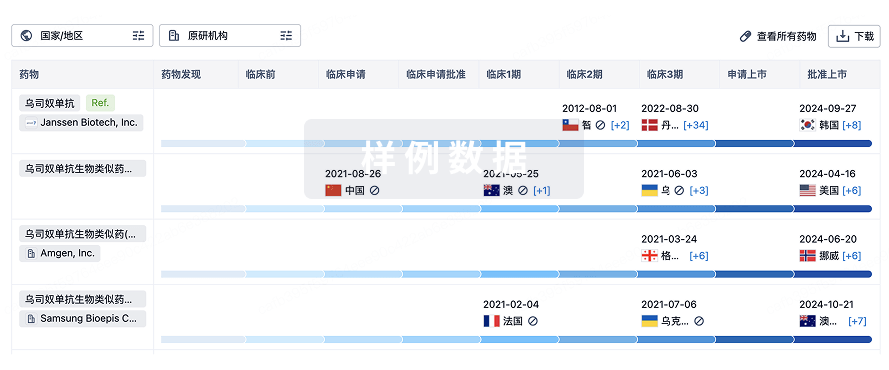
生物类似药
生物类似药在不同国家/地区的竞争态势。请注意临床1/2期并入临床2期,临床2/3期并入临床3期
登录
或
特殊审评
只需点击几下即可了解关键药物信息。
登录
或

提出任何生物医药研究问题
让每一步生物医药决策都精准制胜
基于十亿级生物数据与全球情报的精准 AI,赋能早期药物发现
立即开始免费试用!
智慧芽新药情报库是智慧芽专为生命科学人士构建的基于AI的创新药情报平台,助您全方位提升您的研发与决策效率。
立即接入生物医药数据包
智慧芽新药库数据也通过智慧芽开放平台,以MCP或API服务形式对外开放。立即使用我们的MCP服务定制您的LLM智能体。
生物序列数据库
生物药研发创新
免费使用
化学结构数据库
小分子化药研发创新
免费使用