预约演示
更新于:2026-02-07
β-lactamase inhibitors(Merck)
更新于:2026-02-07
概要
基本信息
药物类型 小分子化药 |
别名 13i |
作用方式 抑制剂 |
作用机制 β-lactamase抑制剂(β-内酰胺酶抑制剂) |
治疗领域 |
在研适应症 |
非在研适应症- |
非在研机构- |
权益机构- |
最高研发阶段临床前 |
首次获批日期- |
最高研发阶段(中国)- |
特殊审评- |

结构/序列
分子式C15H10F3N7O2S2 |
InChIKeyUKIORIWISGQFSR-UHFFFAOYSA-N |
CAS号1802366-23-9 |
关联
100 项与 β-lactamase inhibitors(Merck) 相关的临床结果
登录后查看更多信息
100 项与 β-lactamase inhibitors(Merck) 相关的转化医学
登录后查看更多信息
100 项与 β-lactamase inhibitors(Merck) 相关的专利(医药)
登录后查看更多信息
238
项与 β-lactamase inhibitors(Merck) 相关的文献(医药)2026-02-04·ANTIMICROBIAL AGENTS AND CHEMOTHERAPY
A mechanism-based pharmacokinetic/pharmacodynamic analysis of polymyxin B-based combination therapy against carbapenem-resistant
Klebsiella pneumoniae
isolates with diverse phenotypic and genotypic resistance mechanisms
Article
作者: Bonomo, Robert A. ; Garcia, Estefany ; Mahadevan, Ramya ; Elsheikh, Ahmed ; Ramirez, Maria Soledad ; Qiu, Hongqiang ; Rao, Gauri G. ; Sharma, Rajnikant ; Kaye, Keith S. ; Parambi, Robert ; Pasteran, Fernando ; Abboud, Cely Saad
ABSTRACT:
Increased resistance to β-lactams/β-lactamase inhibitors by mutations in β-lactamase genes, porins, and efflux pumps complicates the management of carbapenem-resistant
Klebsiella pneumoniae
(CRKP). Polymyxin B (PMB)-based combination therapy is the best alternative treatment for middle and low-income countries that cannot access the latest medicines. It is crucial to know both phenotypic and genotypic characteristics of a pathogen to understand the killing effect of each drug and its combinations. Hence, our objective was to incorporate mechanistic insights gained from resistance mechanisms of each isolate to develop a mechanism-based pharmacokinetic/pharmacodynamic model. Six clinical CRKP isolates with diverse genotypic resistance expressing
blaKPC
,
blaNDM
, porin, and mgrB mutations were used for static concentration time kill (SCTK) assays to evaluate the rate and extent of killing by monotherapy, double and triple combinations using PMB (0.5–64 mg/L), meropenem (10–120 mg/L), and fosfomycin (75–500 mg/L). Isolate BRKP28 expressed non-functional MgrB (a regulatory protein) and high-level phenotypic resistance (PMB MIC: >128 mg/L). In line with the observed resistance, the model estimated that BRKP28 had a reduced maximum killing rate constant for PMB (3.61 h⁻¹) relative to other isolates. The mechanistic synergy of PMB, due to outer membrane disruption, was incorporated into three isolates with porin mutations. PMB demonstrated 83%–88% mechanistic synergy with meropenem and 81%–98% with fosfomycin. The model further estimated that a very low concentration of PMB (0.49–0.64 mg/L) was sufficient to achieve 50% of the maximum synergy. Simulations using population pharmacokinetic models showed that combination therapy of PMB (1 mg/kg q12h) and fosfomycin (8 g q8h) achieved >73% reduction in area under the bacterial load-versus-time curve across four isolates. The triple combination therapy achieved a 67.7% reduction in non-carbapenamase producing isolate. These findings demonstrates that a low PMB dosing regimen (1 mg/kg q12h) can produce synergistic effects in combination therapy and may be effective in managing infections caused by CRKP, including PMB resistant isolates.
2026-02-01·INTERNATIONAL JOURNAL OF INFECTIOUS DISEASES
Susceptibilities of cefiderocol, meropenem-xeruborbactam, cefepime-taniborbactam, aztreonam-avibactam, and sulbactam-durlobactam against imipenem-non-susceptible Gram-negative bacilli in Taiwan
Article
作者: Wang, Hui-Ying ; Chen, Pei-Jing ; Shiau, Yih-Ru ; Huang, I-Wen ; Wang, Yan-Ru ; Lai, Jui-Fen ; Tan, Mei-Chen ; Kuo, Shu-Chen ; Yang, Ya-Sung ; Lee, Yu-Lin
OBJECTIVES:
To evaluate susceptibilities of novel antibiotics against imipenem-non-susceptible (INS) Escherichia coli (INS-EC), Klebsiella pneumoniae (INS-KP), Acinetobacter baumannii (INS-AB), Pseudomonas aeruginosa (INS-PA) in Taiwan, and the potential resistance mechanisms.
METHODS:
The minimum inhibitory concentrations of 387 INS isolates (2020-2022) were determined by broth microdilution. Resistance genes were detected using multiplex polymerase chain reaction. Whole genome sequencing and plasmid curing were conducted to identify potential resistance mechanisms.
RESULTS:
Cefiderocol showed >90% susceptibility across all species. The susceptibilities of meropenem-xeruborbactam (XEM), cefepime-taniborbactam (FTB), and aztreonam-avibactam (AZA) were 72-96% for 29 INS-EC; 95-97% for 138 INS-KP; and 0-95% for 135 INS-AB; and 32-70% for 85 INS-PA. Sulbactam-durlobactam (SUD) was active against 93% of INS-AB. Cefiderocol, XEM, and AZA retained >80% activity against class B carbapenemase-producing INS-EC/KP. Cefiderocol, XEM, and SUD showed >90% activity against blaOXA-23/24-like INS-AB. Reduced FTB activity in INS-EC was associated with both YRIK/YRIN insertion in penicillin-binding protein 3 (PBP3) and carbapenemase genes or blaIMP alone, whereas reduced AZA activity was linked to PBP3 alteration or blaCMY-42. CONCLUSIONS: Cefiderocol was highly effective, whereas novel β-lactam/β-lactamase inhibitors activity varied by species and carbapenemase types. PBP3 alterations reduced FTB and AZA activity in INS-EC.
2026-01-06·JOURNAL OF ANTIMICROBIAL CHEMOTHERAPY
Article
作者: Jousset, Agnès B ; Emeraud, Cécile ; Dortet, Laurent ; de Swardt, Hippolyte ; Rezzoug, Inès ; Bonnin, Rémy A ; Dutkiewicz, Marion
Abstract:
Background and objectives:
Carbapenemase-producing Enterobacterales (CPE) are a public health concern. Developing novel antibiotics, particularly combinations of β-lactam/β-lactamase inhibitors active against carbapenemases, is critical. Three recent combinations, cefepime-enmetazobactam, cefepime-taniborbactam and cefepime-zidebactam, are among the most promising. To assess the in vitro activity of these three combinations against a collection of recent CPE clinical isolates and to analyse resistance patterns.
Methods:
MICs were determined for 1600 CPE isolates collected over 6-month period in 2024 at the French National Reference Centre for Antimicrobial Resistance. All isolates were fully characterized by whole-genome sequencing.
Results:
Among KPC producers, cefepime-enmetazobactam susceptibility was 54%, with higher MICs in Klebsiella pneumoniae ST-307, ST-101 and ST-258. It was active against 90% of OXA-48-like producers and resistance was primarily observed in Citrobacter freundii ST-22 and K. pneumoniae ST-2096.Cefepime-taniborbactam showed excellent activity against KPC- (100%), OXA-48-like (95%), and VIM producers (98%), but lower efficacy (76%) against NDM producers. Resistance was mainly found in NDM-5 producers, especially E. coli ST-140, ST-167, and K. pneumoniae ST-147. All resistant E. coli displayed a 4-amino-acid insertion in PBP3.Cefepime-zidebactam exhibited strong activity towards all CPE types; regarding MBLs, its low MIC values were comparable to aztreonam-avibactam and lower than cefiderocol. Resistant isolates were mostly clonal NDM-14-producing K. pneumoniae ST-147. No cross-resistance, including with aztreonam-avibactam, was observed.
Conclusions:
This study support the use of cefepime-enmetazobactam against ESBL/OXA-48-like co-producers. Cefepime-taniborbactam may be use against KPC and VIM producers and could represent a second-line option for NDM. Cefepime-zidebactam shows the most promising activity against MBLs, although already emerging resistance calls for caution.
1
项与 β-lactamase inhibitors(Merck) 相关的新闻(医药)2024-12-02
On December 2, 2024, Merck's combination antibiotic injection, Imipenem/Cilastatin/Relebactam (containing 500mg imipenem, 500mg cilastatin, and 250mg relebactam), received marketing approval from China's National Medical Products Administration. Based on the latest advances in clinical trials, the approved indications may include ventilator-associated bacterial pneumonia (VABP) and hospital-acquired bacterial pneumonia (HABP).
Imipenem/Cilastatin/Relebactam contains three active ingredients with different mechanisms of action: imipenem, a carbapenem antibiotic; relebactam, a β-lactamase inhibitor; and cilastatin, a membrane dipeptidase inhibitor. The drug was first approved in the U.S. in July 2019 under the trade name Recarbrio for treating adult patients with complicated urinary tract infections (cUTI) and complicated intra-abdominal infections (cIAI) who have limited treatment options or no alternative therapies. In June 2020, the indications for this drug were expanded to include VABP and HABP.
According to public records, Merck initiated a global Phase III clinical trial (N=478) for Imipenem/Cilastatin/Relebactam in September 2018 in the EU, Japan, and China. This trial aimed to evaluate the efficacy, safety, and tolerability of Imipenem/Cilastatin/Relebactam compared to Piperacillin/Tazobactam (produced by Pfizer) in treating patients with HABP and VABP. The primary endpoint of the study was all-cause mortality related to treatment by day 28. The study successfully concluded in July 2022.
Results from the Phase III RESTORE-IMI 2 study conducted in the U.S., EU, and Japan indicated that Imipenem/Cilastatin/Relebactam could reduce all-cause mortality in patients with HABP and VABP by 15.9%, demonstrating non-inferiority to Piperacillin/Tazobactam (which reduced mortality by 21.3%).
Hospital-acquired bacterial pneumonia (HABP) and ventilator-associated bacterial pneumonia (VABP) are common types of bacterial pneumonia among hospitalized patients. HABP refers to pneumonia that develops within 48 hours of hospitalization in patients who have not received invasive mechanical ventilation and are not in the latent phase of a pathogenic infection. VABP refers to pneumonia occurring in patients who have undergone intubation or tracheostomy and were mechanically ventilated for 48 hours, as well as pneumonia that arises within 48 hours after extubation or ventilator removal. Both types of pneumonia can lead to symptoms such as fever, chills, cough, chest pain, and increased oxygen demand.
临床3期上市批准临床结果合格传染病产品
100 项与 β-lactamase inhibitors(Merck) 相关的药物交易
登录后查看更多信息
研发状态
10 条进展最快的记录, 后查看更多信息
登录
| 适应症 | 最高研发状态 | 国家/地区 | 公司 | 日期 |
|---|---|---|---|---|
| 革兰氏阴性菌感染 | 临床前 | 美国 | 2024-02-22 |
登录后查看更多信息
临床结果
临床结果
适应症
分期
评价
查看全部结果
| 研究 | 分期 | 人群特征 | 评价人数 | 分组 | 结果 | 评价 | 发布日期 |
|---|
No Data | |||||||
登录后查看更多信息
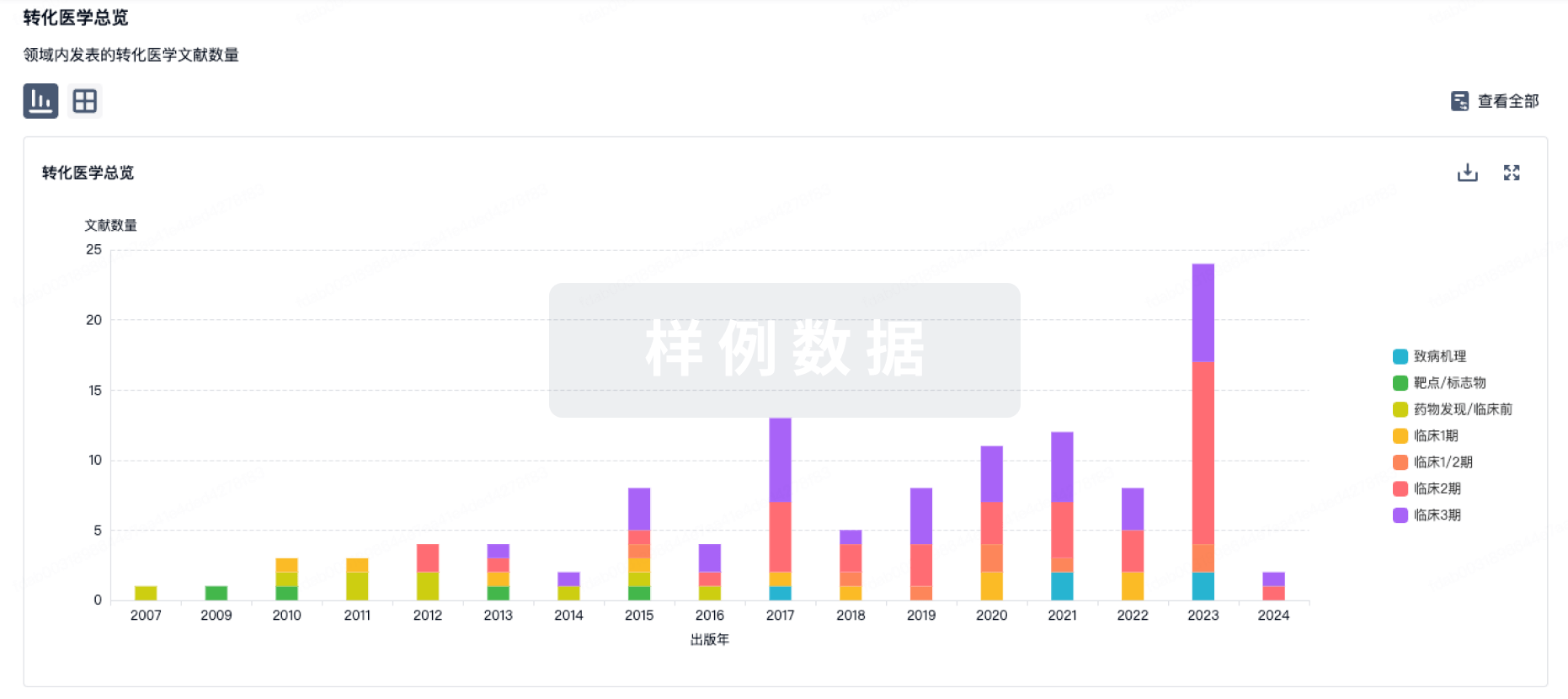
转化医学
使用我们的转化医学数据加速您的研究。
登录
或
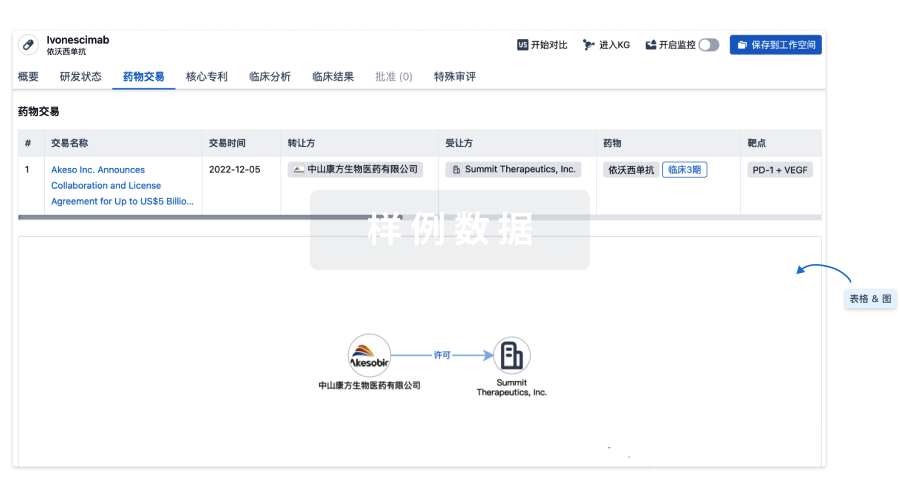
药物交易
使用我们的药物交易数据加速您的研究。
登录
或
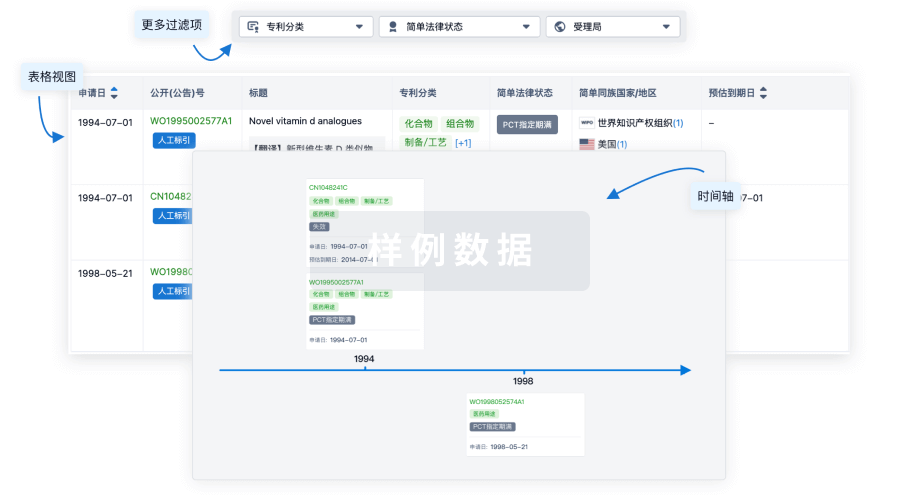
核心专利
使用我们的核心专利数据促进您的研究。
登录
或
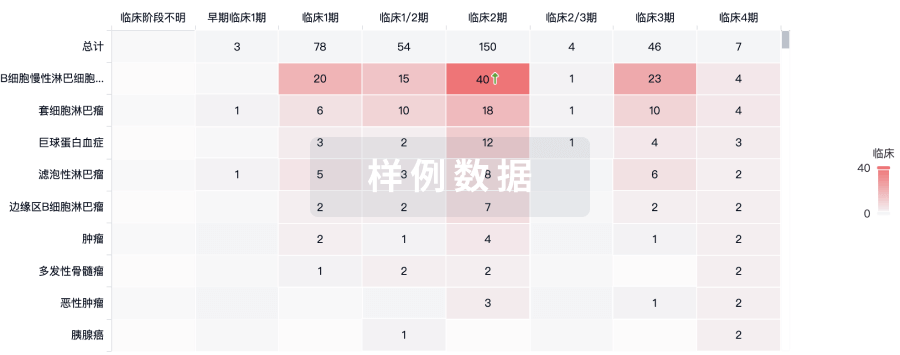
临床分析
紧跟全球注册中心的最新临床试验。
登录
或
批准
利用最新的监管批准信息加速您的研究。
登录
或
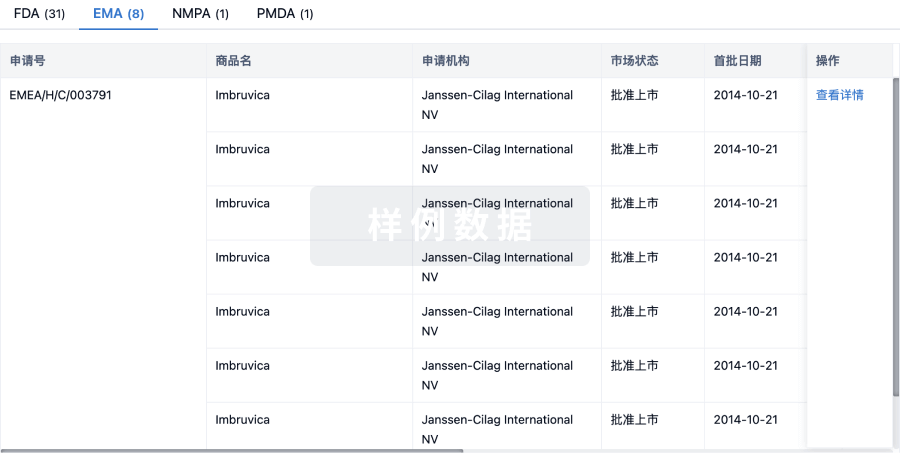
特殊审评
只需点击几下即可了解关键药物信息。
登录
或
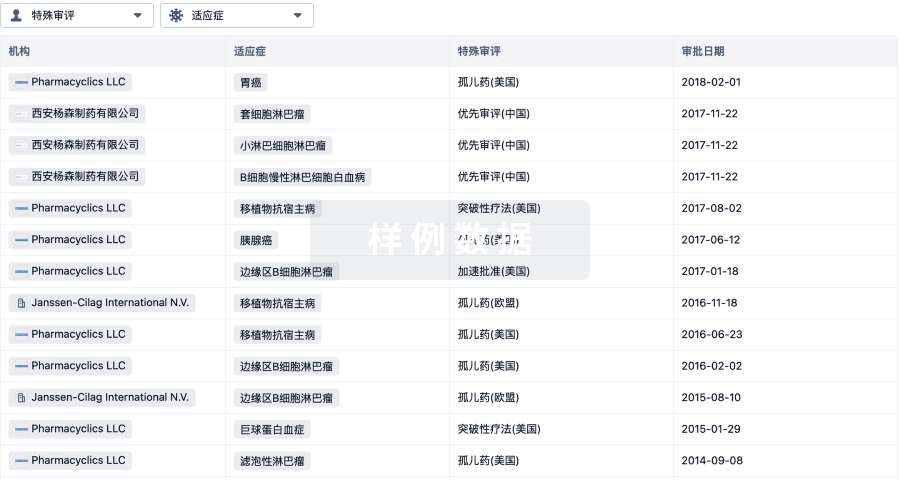
生物医药百科问答
全新生物医药AI Agent 覆盖科研全链路,让突破性发现快人一步
立即开始免费试用!
智慧芽新药情报库是智慧芽专为生命科学人士构建的基于AI的创新药情报平台,助您全方位提升您的研发与决策效率。
立即开始数据试用!
智慧芽新药库数据也通过智慧芽数据服务平台,以API或者数据包形式对外开放,助您更加充分利用智慧芽新药情报信息。
生物序列数据库
生物药研发创新
免费使用
化学结构数据库
小分子化药研发创新
免费使用