预约演示
更新于:2025-12-27
ERs agonists(Bristol Myers Squibb Co)
更新于:2025-12-27
概要
基本信息
药物类型 小分子化药 |
别名 5,7-Dihydroxy-3-(4-hydroxyphenyl)-4(3H)-quinazolinone (1aa) |
作用方式 激动剂 |
作用机制 ERα激动剂(雌激素受体α激动剂)、ERβ激动剂(雌激素受体β激动剂) |
治疗领域- |
在研适应症- |
非在研适应症- |
在研机构- |
权益机构- |
最高研发阶段无进展临床前 |
首次获批日期- |
最高研发阶段(中国)- |
特殊审评- |
结构/序列
分子式C14H10N2O4 |
InChIKeyVIZPQPBPYLOQMH-UHFFFAOYSA-N |
CAS号628687-04-7 |
关联
100 项与 ERs agonists(Bristol Myers Squibb Co) 相关的临床结果
登录后查看更多信息
100 项与 ERs agonists(Bristol Myers Squibb Co) 相关的转化医学
登录后查看更多信息
100 项与 ERs agonists(Bristol Myers Squibb Co) 相关的专利(医药)
登录后查看更多信息
138
项与 ERs agonists(Bristol Myers Squibb Co) 相关的文献(医药)2026-01-01·TOXICOLOGY AND APPLIED PHARMACOLOGY
Integrated in silico and in vitro assessment of estrogen and androgen receptor activity of 10 selected PFAS within an Integrated Approach to Testing and Assessment (IATA)
Article
作者: Lee, Handule ; Hoang, Ngoc Minh-Hong ; Choi, Jinhee ; Lee, Hyun Jun ; Park, Kwangsik ; Ortiz, Darlene Mae D
The potential of per- and polyfluoroalkyl substances (PFAS) to disrupt endocrine systems continues to be a regulatory concern. However, effectively prioritizing these structurally diverse chemicals remains challenging due to inconsistencies in predictive and experimental data. In this study, we employed a multi-tiered evaluation strategy that combines in silico modeling, in vitro assays, and curated mechanistic data within the OECD's Integrated Approach to Testing and Assessment (IATA) framework. Molecular docking using AutoDock Vina, CB-Dock2, and Endocrine Disruptome consistently revealed strong binding affinities of long-chain PFAS, particularly PFDA, PFOA, and 10:2 FTOH, to estrogen and androgen receptors. These predictions were corroborated by ER and AR transactivation assays (OECD TG 455/458), which demonstrated ER agonist and AR antagonist activity for the same compounds. In contrast, short-chain and sulfonated PFAS (PFHxA, PFBS, PFOS) exhibited limited to no activity across platforms. To enhance the biological relevance of the prioritization, we compiled supporting mechanistic evidence by applying the IATA framework to organize data along the adverse outcome pathway from molecular initiating events, through key events, to predicted adverse outcomes. Literature-reported alterations in steroidogenic enzymes and hormone levels were included to enrich mechanistic depth. All lines of evidences were systematically integrated into a weight-of-evidence matrix, enabling a transparent and biologically plausible ranking of PFAS based on receptor interaction, functional activity, and endocrine-disruptive potential. This combined approach identified PFDA and PFOA as high-priority endocrine disruptors and offers a scalable, non-in vivo strategy for the screening and risk-based prioritization of environmentally persistent chemicals.
2025-11-01·INTERNATIONAL IMMUNOPHARMACOLOGY
27-hydroxycholesterol roles in respiratory disease pathogenesis
Review
作者: Song, Chuanwang ; Yan, Jiaqi ; Li, Ya
27-Hydroxycholesterol (27-HC) is an oxidative metabolite of cholesterol, enzymatically produced by the mitochondrial cytochrome P450 enzyme, sterol 27-hydroxylase (CYP27A1). Endogenous 27-HC maintains cholesterol homeostasis primarily via the selective inhibition of sterol regulatory element-binding protein 2 (SREBP-2). By binding to liver X receptors (LXR) and estrogen receptors (ER), 27-HC exerts diverse biological effects. As the first recognized endogenous selective estrogen receptor modulator (SERM), 27-HC functions as either an ER agonist or antagonist, depending on the tissue microenvironment. In respiratory diseases, 27-HC exacerbates asthma pathogenesis by promoting airway inflammation and remodeling. In lung cancer, 27-HC not only enhances cancer cell proliferation but also stimulates lung adenocarcinoma cell invasion and metastasis. Therefore, targeting 27-HC represents a highly promising therapeutic strategy combatting respiratory diseases.
2025-04-22·ENVIRONMENTAL SCIENCE & TECHNOLOGY
FT-GNN Tool for Bridging HRMS Features and Bioactivity: Uncovering Unidentified Estrogen Receptor Agonists in Sewage
Article
作者: Geng, Jinju ; Ren, Hongqiang ; Yu, Qingmiao ; Fan, Fan ; Yi, Ran ; Liu, Fu
Identifying primary estrogen receptor (ER) agonists in municipal sewage is essential for ensuring the health of aquatic environments. Given the complex and variable chemical composition of sewage, the predominant ER agonists remain unclear. High-resolution mass spectrometry (HRMS)-based models have been developed to predict compound bioactivity in complex matrices, but further optimization is needed to effectively bridge HRMS features with ER agonists. To address this challenge, an FT-GNN (fragmentation tree-based graph neural network) model was proposed. Given limited data and class imbalance, data augmentation was performed using model predictions within the applicability domain (AD) and oversampling technique (OTE). Model development results demonstrated that integrating the FT-GNN with data augmentation improved the balanced accuracy (bACC) value by 6%-31%. The developed model, with a high bACC to identify more true ER agonists, efficiently classified tens of thousands of unidentified HRMS features in sewage, reducing postprocessing workload in nontargeted screening. Analysis of ER agonist transformation during sewage treatment revealed the anaerobic stage as key to both their removal and formation. Estrogenic effect balance analysis suggests that α-E2 and 9,11-didehydroestriol may be two previously overlooked key ER agonists. Collectively, the development and application of the FT-GNN model are crucial advancements toward credible tracking and efficient control of estrogenic risks in water.
100 项与 ERs agonists(Bristol Myers Squibb Co) 相关的药物交易
登录后查看更多信息
研发状态
登录后查看更多信息
临床结果
临床结果
适应症
分期
评价
查看全部结果
| 研究 | 分期 | 人群特征 | 评价人数 | 分组 | 结果 | 评价 | 发布日期 |
|---|
No Data | |||||||
登录后查看更多信息
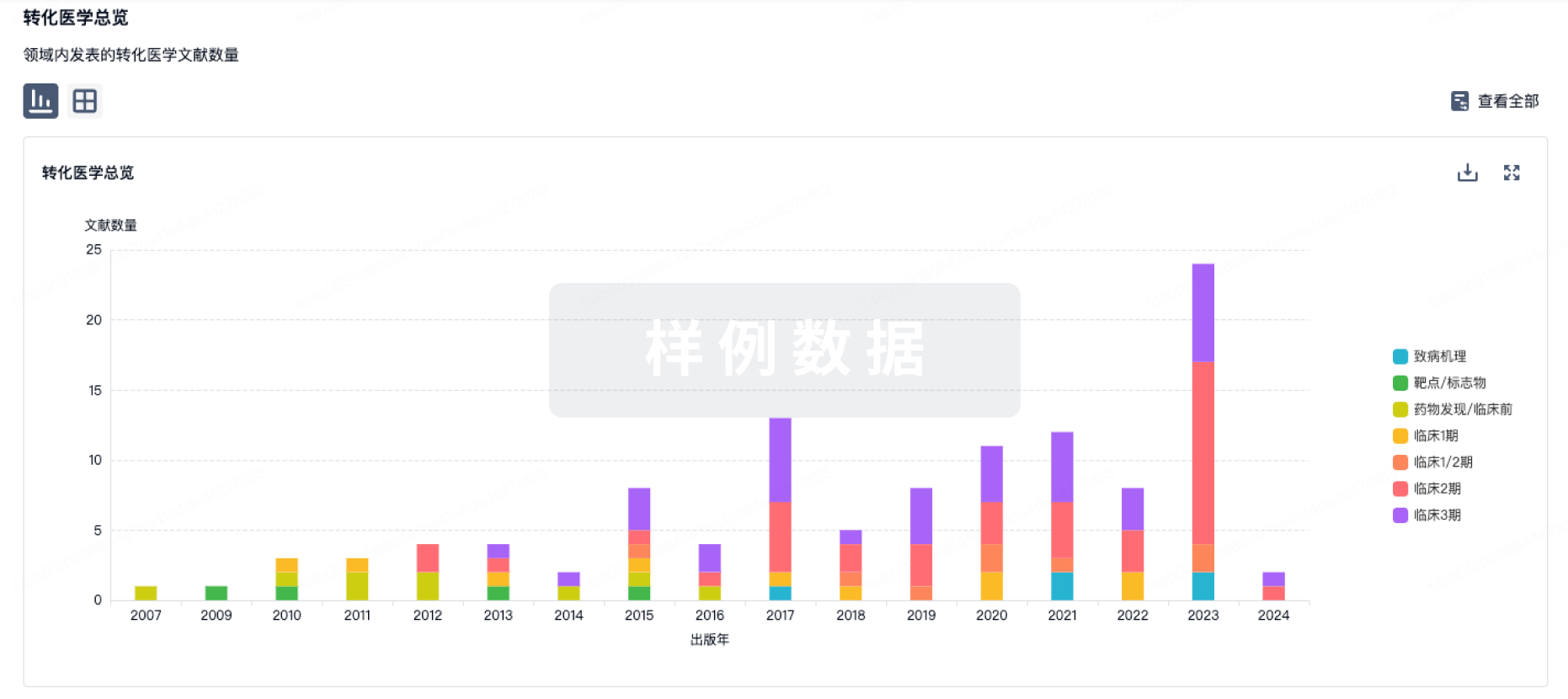
转化医学
使用我们的转化医学数据加速您的研究。
登录
或
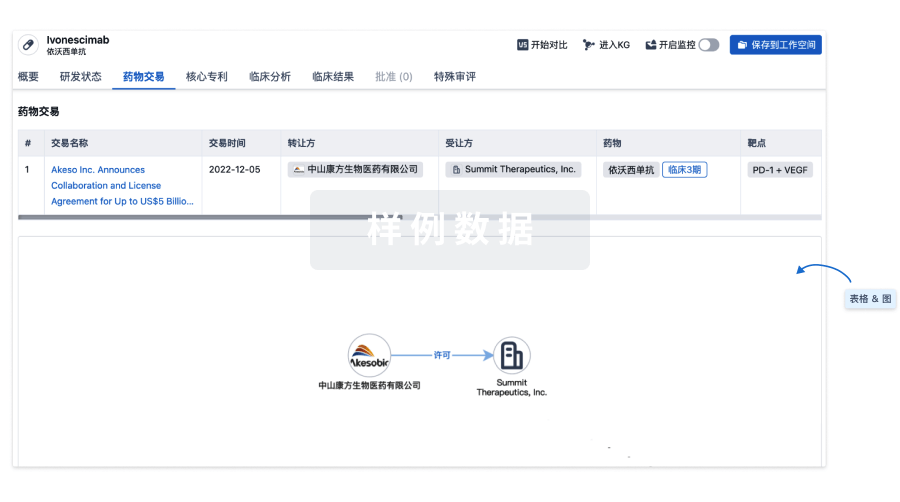
药物交易
使用我们的药物交易数据加速您的研究。
登录
或
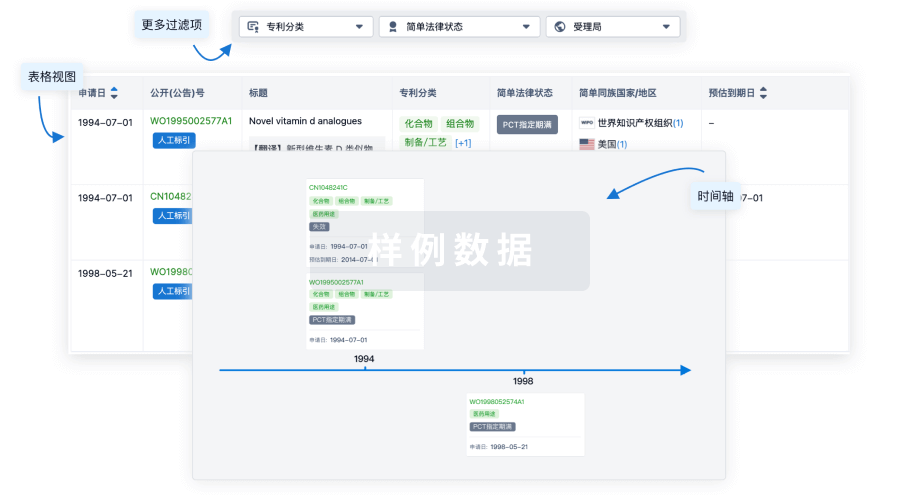
核心专利
使用我们的核心专利数据促进您的研究。
登录
或
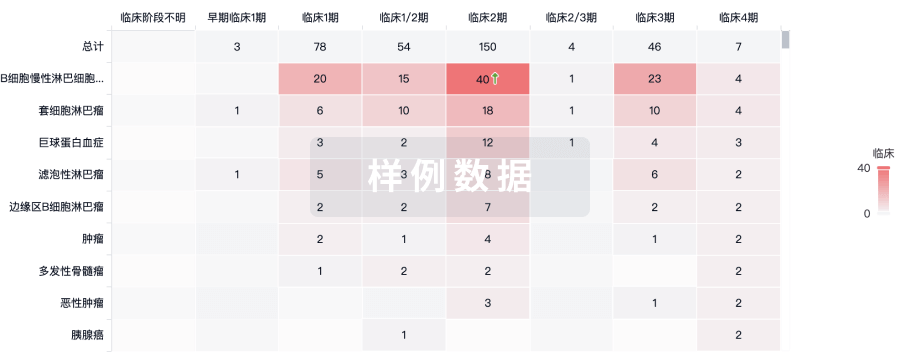
临床分析
紧跟全球注册中心的最新临床试验。
登录
或
批准
利用最新的监管批准信息加速您的研究。
登录
或
特殊审评
只需点击几下即可了解关键药物信息。
登录
或
生物医药百科问答
全新生物医药AI Agent 覆盖科研全链路,让突破性发现快人一步
立即开始免费试用!
智慧芽新药情报库是智慧芽专为生命科学人士构建的基于AI的创新药情报平台,助您全方位提升您的研发与决策效率。
立即开始数据试用!
智慧芽新药库数据也通过智慧芽数据服务平台,以API或者数据包形式对外开放,助您更加充分利用智慧芽新药情报信息。
生物序列数据库
生物药研发创新
免费使用
化学结构数据库
小分子化药研发创新
免费使用